1. Panimula
In demanding industrial environments—ranging from offshore platforms to chemical processing plants—materials must combine high strength, mahusay na paglaban sa kaagnasan, and reliable fabricability.
ASTM A890/A995 grades of cast duplex and super-duplex stainless steels fulfill these stringent requirements.
This article examines their key distinctions, chemical and mechanical properties, at tipikal na mga aplikasyon, equipping engineers and procurement professionals with the insights needed for optimal alloy selection.
2. Overview of ASTM A890/A995 Specification
ASTM A890: Batay sa [English units] (ksi, °F, sa, atbp.), it specifies the chemical composition, mechanical properties and inspection requirements of duplex and super-duplex stainless steel castings.
ASTM A995: It is the metric (SI) version of A890, which translates almost all the clauses of A890 verbatim, but converts strength, temperatura, laki ng, atbp. into metric units such as MPa, °C, mm, atbp.

ASTM A890/A995 covers castings made of austenitic-ferritic stainless steels. It splits into six “A” grades, mula sa 1A (lower-alloy duplex) sa 6A (highest-alloy super-duplex).
- Scope and applicability: The standard applies to components such as pump housings, mga katawan ng balbula, and pipe fittings that operate in corrosive media.
- Duplex vs. Super-Duplex classification:
-
- Duplex mga bakal na bakal (Grades 1A–3A) feature ~50/50 ferrite-austenite microstructures.
- Super-Duplex mga bakal na bakal (Grades 4A–6A) contain elevated Mo and N to enhance pitting resistance.
- Casting vs. Wrought parallels: Each grade corresponds to wrought equivalents (hal., Grade 3A → UNS J92205 cast ↔ UNS S32205 wrought), simplifying material substitution.
3. Grade Nomenclature & UNS Designations
ASTM’s cryptic “nA” naming reflects ascending alloy content and performance:
| Grade | Cast UNS | Wrought UNS | Common Name |
|---|---|---|---|
| 1A | J93370 | S31500 | Duplex 2101 |
| 2A | J92220 | S31803 | Duplex 2202 |
| 3A | J92205 | S32205 | Duplex 2205 |
| 4A | J93380 | S32550 | Super-Duplex 2509 |
| 5A | J93404 | S32750 | Super-Duplex 2507 |
| 6A | J93380* | S32760 | Super-Duplex 2570 |
*6A shares a similar UNS as 4A but requires higher Mo/N levels.
As you move from 1A to 6A, elemental additions—especially Mo and N—rise steadily, boosting corrosion resistance and strength.
4. Chemical Composition Comparison
A close look at the alloying elements in ASTM A890/A995 grades reveals how incremental changes in chromium, nikel, molibdenum, and nitrogen drive performance.
Sa partikular, mga grado 3A (Duplex 2205 cast) at 5A (Super-Duplex 2507 cast) showcase the shift from standard duplex to super-duplex chemistry.
| Elemento | Tungkulin | Grade 3A (J92205) | Grade 5A (J93404) |
|---|---|---|---|
| Cr | Primary corrosion barrier | 24.0–26.0 wt % | 24.0–26.0 wt % |
| Ni | Austenite stabilizer; tigas na tigas | 4.5–6.5 wt % | 6.0–8.0 wt % |
| Mo | Pitting/crevice resistance enhancer | 2.5–3.5 wt % | 3.0–5.0 wt % |
| N | Strength and pitting resistance booster | 0.10–0.20 wt % | 0.24–0.32 wt % |
| Mn | Deoxidizer; cost reducer | ≤ 1.5 wt % | ≤ 1.5 wt % |
| Si Si | Deoxidation and fluidity aid | ≤ 1.0 wt % | ≤ 1.0 wt % |
| C | Strength but carbide risk | ≤ 0.04 wt % | ≤ 0.03 wt % |
| P, S | Impurity limits | P ≤ 0.04 wt %, S ≤ 0.03 wt % | P ≤ 0.04 wt %, S ≤ 0.03 wt % |
Tala: All figures in weight percent.
Cost Impact of Alloying Elements
Sa wakas, while molybdenum and nitrogen markedly boost performance, they also elevate raw-material costs:
- Molibdenum sells for $25–35/kg laban sa $5–8/kg for nickel. A 1 wt % increase in Mo content adds approximately $0.25–0.35 per kilogram of alloy.
- Nitrogen is more economical in alloy production but requires high-pressure charging, increasing processing complexity.
5. Mga Katangian ng Mekanikal
Transitioning from chemical makeup to in-service performance, mechanical properties determine how A890/A995 cast grades withstand loads, impacts, and deformation.

Sa partikular, Mga Grade 3A (Duplex 2205) at 5A (Super-Duplex 2507) deliver significant strength improvements over conventional austenitic stainless steels, while maintaining sufficient toughness for dynamic environments.
| Pag-aari | Grade 3A (J92205) | Grade 5A (J93404) | 300-Series Austenitic (E.G. 316L) |
|---|---|---|---|
| Lakas ng Paghatak | ≥ 655 MPa (95 ksi) | ≥ 795 MPa (115 ksi) | ~ 485 MPa (70 ksi) |
| Yield Lakas (0.2%) | ≥ 450 MPa (65 ksi) | ≥ 550 MPa (80 ksi) | ~ 170 MPa (25 ksi) |
| Pagpapahaba | ≥ 25 % | ≥ 15 % | ≥ 40 % |
| Ang katigasan ng ulo (HRC) | ≤ 25 | ≤ 32 | ≤ 22 |
| Epekto ng Charpy (–50 °C) | ≥ 40 J | ≥ 40 J | ≥ 20 J |
Strength and Stiffness
Una, both duplex and super-duplex grades boast tensile strengths hindi bababa sa 1.3–1.6× higher than 316L.
Dahil dito, designers exploit thinner walls or lighter assemblies without sacrificing load-bearing capacity.
Bukod pa rito, magbunga ng lakas—the stress at which permanent deformation begins—rises from ~170 MPa in 316L to 450 MPa in Grade 3A, at 550 MPa in Grade 5A, offering robust resistance to creep and plastic flow.
Ductility at Toughness
Despite their high strength, these duplex alloys retain adequate pagpapahaba (≥ 15–25 %). Sa kabilang banda, many high-strength steels suffer ductility below 10 %.
Dagdag pa rito, Charpy V-notch tests at –50 °C confirm impact energies ≥ 40 J, which indicates that both grades resist brittle fracture even in sub-zero service.
Katigasan at Paglaban sa Pagsusuot
Susunod, a 25 HRC cap on Grade 3A and 32 HRC on Grade 5A balance hardness with machinability and weldability.
By comparison, fully hardened tool steels run above 55 HRC but lack corrosion resistance. Sa pagsasanay, these hardness levels translate to improved abrasion resistance, reducing wear rates by up to 50 % versus 316L in slurry-erosion tests.
6. Paglaban sa kaagnasan
Duplex and super-duplex steels outperform austenitics in aggressive media:
Pangkalahatang kaagnasan:
Sa 3% HCl at 50 °C, Grade 3A corrodes at < 0.05 mm / taon, compared to ≈ 0.2 mm/year for 316 SS (ASTM G31).
Pag-ipit & Crevice Resistance:
-
- Grade 3A (PREN ~32) resists pitting in chloride levels up to 1 M at 25 °C.
- Grade 5A (PREN >40) withstands > 3 M chloride under similar conditions (ASTM G48).
Pag-crack ng Stress-Corrosion:
Duplex microstructures—especially in 5A—offer high resistance to chloride SCC, allowing safe operation up to 150 °C.
7. Advantages of ASTM A890/A995 Cast Duplex and Super-Duplex Steels
ASTM A890/A995 cast grades deliver a compelling combination of properties that set them apart from conventional stainless steels.

Mataas na Ratio ng Lakas sa Timbang
- Lakas ng paghatak climbs to 795 MPa in Grade 5A and 655 MPa in Grade 3A—approximately 1.6× that of 316 L austenitic stainless (≈ 485 MPa).
- Yield strength reaches 550 MPa (5A) versus only 170 MPa para sa 316 L, enabling designers to reduce wall thicknesses by up to 30% while maintaining equivalent load capacity.
By virtue of this strength boost, cast duplex components weigh less yet withstand higher internal pressures—translating into lighter pumps, Mga balbula, and fittings that do not compromise safety.
Superior Corrosion and Erosion Resistance
- Pitting Resistance Katumbas na Numero (PREN) exceeds 40 in Grade 5A and sits around 32 in Grade 3A, kumpara sa 20 para sa 316 L.
- Sa ASTM G48 pitting tests, super-duplex castings resist chloride levels above 3 M sa 25 °C without penetration, samantalang ang 316 L fails at 0.5 M.
Bukod pa rito, duplex microstructures deliver enhanced erosion-corrosion resistance: slurry-erosion trials record 25–40% lower mass loss versus 316 L, making A890/A995 ideal for handling abrasive process streams.
Excellent Stress-Corrosion Cracking Resistance
- Duplex alloys maintain a balanced 50/50 ferrite-austenite mix that impedes SCC initiation and propagation.
- Field experience shows zero stress-corrosion cracking incidents in offshore manifold blocks (Grade 5A) sa paglipas ng 10 mga taon of service in H₂S-rich environments.
This reliability under tensile load and corrosive attack drastically reduces unplanned shutdowns and maintenance costs.
Fabrication and Weldability
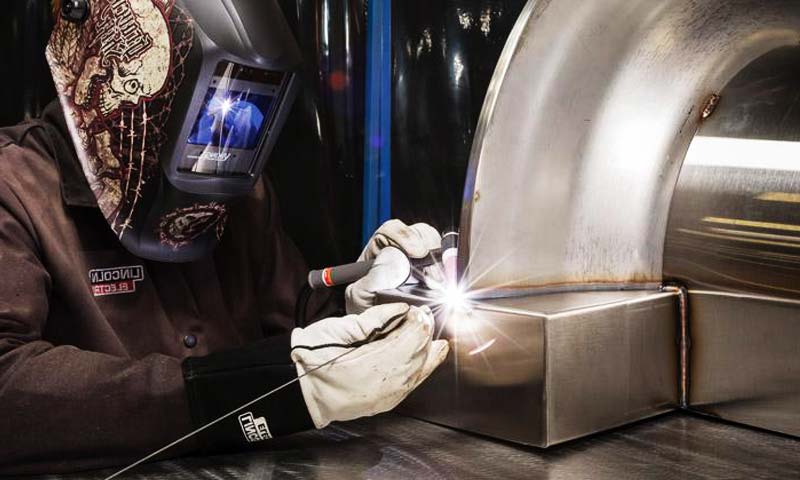
- Cast A890/A995 steels accept standard duplex-grade fillers (ER2209, ER2594), pagkamit ng ≥ 90% joint efficiency.
- After post-weld solution anneal at 1 050 °C, weld zones recover the ideal duplex balance, ensuring uniform properties across the casting.
Their cast form allows complex geometries—integral passages, manipis na pader, and filleted corners—that would require extensive machining or welding if made from wrought plate.
Lifecycle Cost Benefits
- Although raw-material costs run 20–30% higher than 316 L, extended service intervals (madalas na 2–3× longer) and reduced replacement frequency deliver 10–20% lower total cost of ownership over 20 mga taon.
- Case studies in desalination plants indicate 50% fewer unplanned outages when upgrading from 316 L to Grade 3A pump housings.
Dahil dito, the initial premium for A890/A995 castings often pays for itself through minimized downtime and maintenance.
Broad Application Versatility
- Mula sa chemical-process valve bodies at subsea manifold blocks sa reverse-osmosis vessels, these cast steels perform reliably across pH 0–14, mga temperatura –50 °C to 300 °C, and pressures up to 35 MPa.
- Their proven track record in langis & gas, marine, pagbuo ng kapangyarihan, at industrial processing underscores their status as go-to alloys for the harshest service conditions.
8. Applications and Typical Components
Pagproseso ng Kemikal
- Valve bodies and bonnets
- Pump casings and impellers
- Heat-exchanger shells and tube sheets

Langis & Gas (Subsea and Topside)
- Subsea manifold blocks and Christmas-tree valve housings
- Wellhead flanges and adapters
- Control-valve trims and actuator enclosures
Desalination & Marine Systems
- Reverse-osmosis membrane housings
- Seawater pump impellers and diffuser rings
- Cooling-water headers and deck piping
Pressure-Containing Equipment
- High-pressure reactor shells and heads
- Pipeline elbows, tees, and weld neck flanges
- Cryogenic tank liners and nozzle adapters
9. Pangwakas na Salita
Sa buod, ASTM A890/A995 Grades 3A and 5A offer a compelling combination of mechanical performance and corrosion resistance.
Grade 3A (Duplex 2205 cast) suits moderately corrosive environments at a moderate cost,
habang ang Grade 5A (Super-Duplex 2507 cast) withstands the harshest chloride and high-temperature conditions—albeit at a premium.
Recommendations:
- Select Grade 3A when chloride levels remain below 1 M and temperature < 100 °C; leverage its cost-effectiveness for pump and valve bodies.
- Choose Grade 5A for subsea or desalination service where PREN > 40 ay kritikal; its superior SCC resistance ensures long service intervals.
- Follow stringent welding controls and post-weld heat treatments to preserve duplex microstructures in cast components.
Pumili LangHe for your precision-engineered ASTM A890/A995 cast duplex and super-duplex hindi kinakalawang na asero mga bahagi.
Our advanced foundry capabilities and rigorous quality assurance ensure optimal strength, paglaban sa kaagnasan, and dimensional accuracy for your most demanding applications.
Contact LangHe today to discuss your project requirements and request a personalized quote!