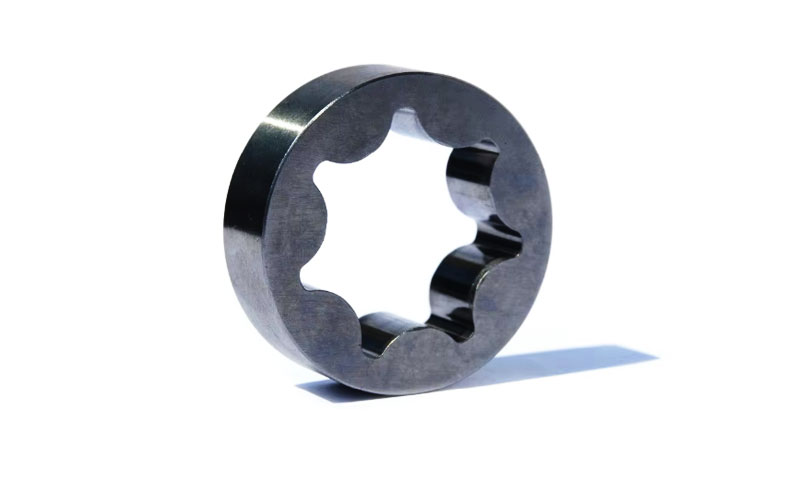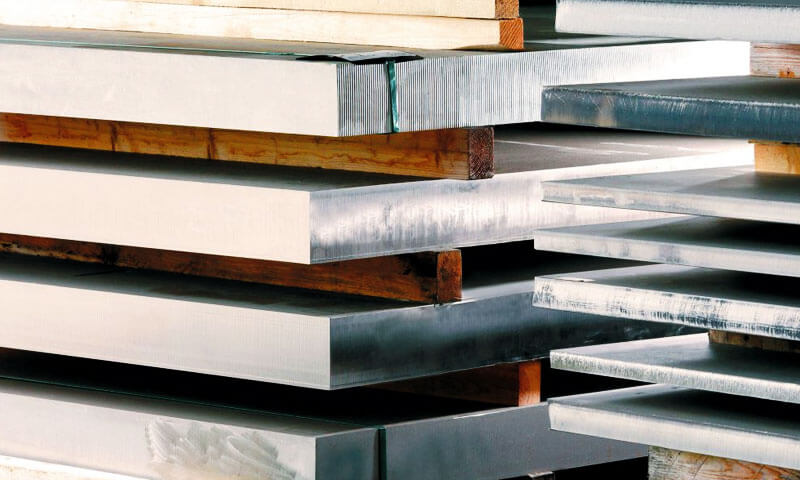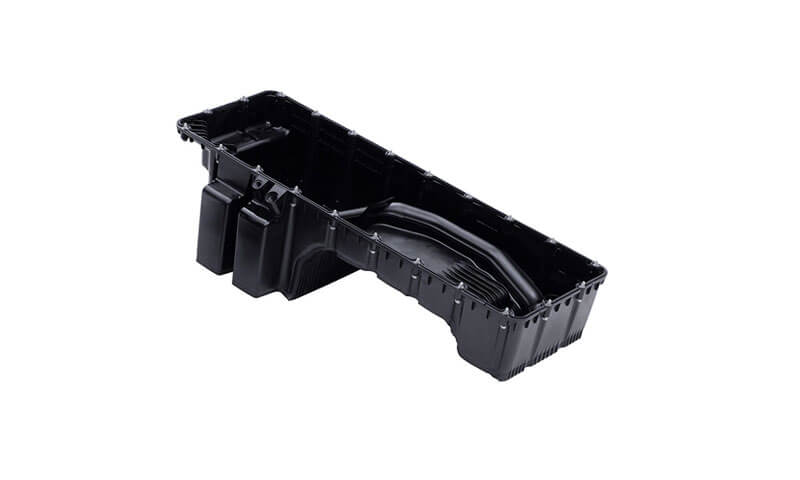
Opi polyamidikemiasta, tärkeimmät mekaaniset ja lämpöominaisuudet, valmistusmenetelmät, vahvistetut lajikkeet, edut, rajoitukset, kierrätys, ja teolliset sovellukset.
Polyamidi on yksi maailman monipuolisimmista ja laajimmin käytetyistä teknisten polymeerien perheistä.
Kylpyhuoneen hammasharjasta autojen moottoreiden tehokkaisiin vaihteisiin, vaatteiden kuiduista ilmailusovelluksissa oleviin rakenneosiin, polyamideja on kaikkialla.
Niiden poikkeuksellinen yhdistelmä mekaanista lujuutta, kulumiskestävyys, kemiallinen vakaus, ja prosessoitavuus on tehnyt niistä välttämättömiä lukemattomilla teollisuudenaloilla.
Kaupallinen suunnittelukäytäntö, termi nylon käytetään usein vaihdettavasti polyamidin kanssa.
Vaikka tämä on yleisesti hyväksyttyä monille tavallisille materiaaleille, kuten PA6 ja PA66, polyamidi on itse asiassa laajempi tieteellinen ja tekninen luokitus.
Perheeseen kuuluu tavanomaisia alifaattisia nyloneja, pitkäketjuiset polyamidit, korkean lämpötilan puoliaromaattiset polyamidit, ja pitkälle erikoistuneet aromaattiset polyamidit, kuten aramidit.
1. Mikä on polyamidi?
Polyamidi (Paa) on luokka polymeerejä, jotka sisältävät toistuvia amidiryhmiä päämolekyyliketjussa. Amidisidos esitetään yleisesti muodossa:
–CO–NH–
Amidisidos muodostuu karboksyylihapporyhmän välisessä kondensaatioreaktiossa (-COOH) ja amiiniryhmä (-NH₂).
Polyamidin yleinen kemiallinen rakenne voidaan esittää seuraavasti:
-[–CO–R–CO–NH–R’–NH–]-
Missä R ja R' ovat eripituisia hiilivetyketjuja.
Nämä toistuvat kemialliset sidokset erottavat polyamidit muista suurista polymeeriperheistä, kuten polyeteenistä, polypropeeni, polykarbonaatti, ja polyesteriä.
Polyamideja voidaan valmistaa erilaisista monomeerijärjestelmistä, tuloksena on materiaaleja, joilla on merkittävästi erilaiset molekyylirakenteet ja suorituskykyominaisuudet.
Riippuen kemiallisesta koostumuksesta, polyamidi voi olla suhteellisen joustava ja kosteutta kestävä, erittäin jäykkä ja kulutusta kestävä, tai pystyy toimimaan korkeissa lämpötiloissa.
Molekyylitasolla, amidiryhmät ovat polaarisia ja voivat muodostaa vetysidoksia viereisten polymeeriketjujen välille.
Nämä molekyylien väliset voimat auttavat luomaan suhteellisen vahvan ja yhtenäisen polymeerirakenteen. Seurauksena, monet polyamidit tarjoavat:
- Korkea vetolujuus ja jäykkyys
- Hyvä sitkeys ja väsymiskestävyys
- Erinomainen kulutuskestävyys ja kulutuskestävyys
- Matala kitka sopivissa olosuhteissa
- Hyvä öljynkesto, polttoaine, ja monet teollisuuskemikaalit
- Hyödyllinen lämpöteho
- Vahva potentiaali lasikuituvahvistukseen, hiilikuitu, tai mineraalitäyteaineita
Toisin kuin lämpökovettuvat polymeerit, kaupallisesti tärkeimpiä teknisiä polyamideja ovat kestomuovit.
Ne pehmenevät tai sulavat kuumennettaessa, ja niitä voidaan käsitellä käyttämällä menetelmiä, kuten ruiskupuristusta ja suulakepuristusta.
Tämä prosessoitavuus on tehnyt polyamidista erityisen tärkeän nykyaikaisessa valmistuksessa, koska monimutkaisia komponentteja voidaan usein valmistaa taloudellisesti suuria määriä säilyttäen samalla hyvä mekaaninen suorituskyky..
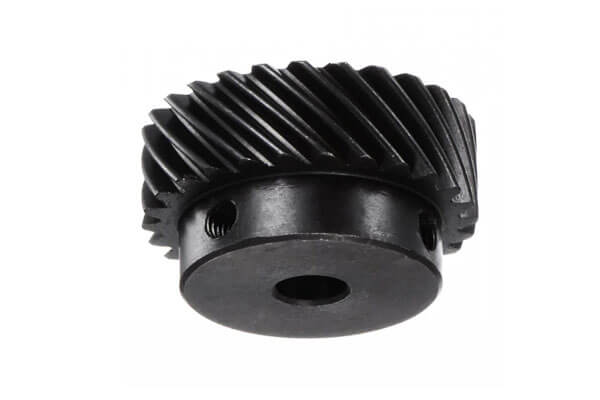
Polyamidin ja nailonin välinen suhde
Termi nylon DuPont esitteli sen ensimmäisen kerran vuonna 1938 polyamidinsa vuoksi 6,6 (PA66), jota käytettiin kuiduissa ja tekstiileissä.
Ajan myötä, nailonista on tullut yleisnimi alifaattisille polyamideille - yleisin polyamidityyppi - ja sitä käytetään usein vaihdettuna polyamidin kanssa kuluttajien ja teollisuuden yhteyksissä..
Kuitenkin, polyamidi on laajempi tieteellinen termi, joka kattaa:
| Tyyppi | Esimerkit | Kuvaus |
| Alifaattiset polyamidit | PA6, PA66, PA11, PA12 | Yleisimmät polyamidit; tunnetaan myös nimellä nylon. |
| Aromaattiset polyamidit (Aramidit) | Kevlar®, Nomex® | Korkea suorituskyky; aromaattiset renkaat selkärangassa. |
| Puoliaromaattiset polyamidit | PPA (Polyftaaliamidi) | Suorituskyky korkeassa lämpötilassa; aromaattinen + alifaattisia yksiköitä. |
| Polyamidi-imidit | PAI (Torlon®) | Korkea suorituskyky; imidiryhmiä amidiryhmien lisäksi. |
Keskeinen kohta: Kaikki nylonit ovat polyamideja, mutta kaikki polyamidit eivät ole nyloneja. Termi "polyamidi" on oikea tekninen termi koko perheelle.
2. Kuinka polyamidia valmistetaan?
Polyamidia valmistetaan luomalla pitkiä polymeeriketjuja, jotka sisältävät toistoa amidisidoksia (–CONH–).
Arvosanasta riippuen, kaupalliset polyamidit valmistetaan pääasiassa jommankumman kautta kondensaatiopolymerointi tai renkaan avauspolymerointi.
Kondensaatiopolymerointi
Useita polyamideja, erityisesti PA66, valmistetaan saattamalla diamiini reagoimaan dikarboksyylihapon kanssa. Reaktio muodostaa amidisidoksia vapauttaen samalla pieniä molekyylejä, tyypillisesti vettä.
Esimerkiksi, PA66 on valmistettu heksametyleenidiamiini ja adipiinihappo.
Monomeerisuhteen tarkka säätö, lämpötila, paine, ja polymerointiaika on olennainen, koska nämä tekijät vaikuttavat molekyylipainoon, viskositeetti, kiteisyys, ja lopullinen mekaaninen suorituskyky.
Rengas-aukkopolymerointi
Muita tärkeitä arvosanoja, kuten PA6, valmistetaan yleisesti renkaan avaavassa polymeroinnissa kaprolaktaami.
Hallitussa lämpötilassa ja paineessa, sykliset kaprolaktaamimolekyylit avautuvat ja liittyvät toisiinsa muodostaen pitkäketjuisia PA6-polymeerejä.
Tämä reitti mahdollistaa tehokkaan suurtuotannon ja sitä käytetään laajasti teknisten muovien valmistuksessa, kuidut, elokuvat, ja valetut komponentit.
Polymeerien yhdistäminen ja modifiointi
Polymeroinnin jälkeen, peruspolyamidia voidaan edelleen modifioida sekoittamalla.
Valmistajat voivat sisällyttää lasikuituja, hiilikuituja, mineraaliset täyteaineet, vaikutuksen modifioijat, palonestoaineita, voiteluaineet, tai stabilointiaineita räätälöidä materiaali tiettyihin sovelluksiin.
Valmis polymeeri tyypillisesti pelletoidaan ja toimitetaan rakeina myöhempää käsittelyä varten ruiskuvalu, suulakepuristus, puhaltaa muovaus, tai muut polymeerin valmistusmenetelmät.
3. Tärkeimmät polyamidityypit ja -laadut
Polyamidi ei ole yksittäinen materiaali, vaan laaja ryhmä polymeerejä, joilla on merkittävästi erilaiset molekyylirakenteet, lämpökäyttäytyminen, kosteuden imeytyminen, mekaaniset ominaisuudet, ja käsittelyominaisuudet.
Alifaattiset polyamidit (Nailonit)
Alifaattiset polyamidit ovat suurin ja kaupallisesti tärkein polyamidiryhmä.
Niitä käytetään laajalti ruiskuvalussa, suulakepuristus, kuidun tuotanto, ja muut teolliset prosessit, koska ne tarjoavat suotuisan tasapainon mekaaniselle lujuudelle, kulumiskestävyys, Proseerattavuus, ja kustannukset.
| Luokka | Tyypillinen sulamisalue (° C) | Keskeiset ominaisuudet | Tyypilliset sovellukset |
| PA6 | 215–225 | Hyvä sitkeys, iskunkestävyys, kulumiskestävyys, ja prosessoitavuus; suhteellisen korkea kosteuden imeytyminen. | Autoosat, vaihde, kotelot, teollisuuskomponentit, kuidut. |
| PA66 | 255–265 | Korkeampi lujuus, jäykkyys, lämmönkestävyys, ja virumisvastus kuin PA6. | Vaihde, laakerit, holkit, kiinnittimet, sähkökomponentit, konepellin alla olevat autonosat. |
| PA11 | 185–195 | Erinomainen joustavuus ja iskunkestävyys; alhainen kosteuden imeytyminen ja hyvä kemiallinen kestävyys. | Joustava letku, pneumaattiset linjat, kaapelin vaipat, autojen nestejärjestelmät. |
| PA12 | 175–185 | Erittäin alhainen kosteuden imeytyminen, Erinomainen kemiallinen vastus, joustavuus, ja ulottuvuuden vakaus. | Polttoaineputket, pneumaattinen letku, lääketieteellinen letku, kaapelin eristys, tarkkuuskomponentit. |
PA610 |
215–225 | Parempi mittapysyvyys ja pienempi kosteuden imeytyminen kuin PA6 ja PA66. | Sähköliittimet, kaapelikomponentit, teollisuusosat, harjakset. |
| PA612 | 210–220 | Hyvä sitkeys, kemiallinen vastustuskyky, ulottuvuusvakaus, ja vähentynyt veden imeytyminen. | Autojen nesteputket, sähkökomponentit, letkut, tarkkuusmuovatut osat. |
| PA1010 | 195–205 | Osittain tai suurelta osin biopohjainen raaka-ainepotentiaali; alhainen kosteuden imeytyminen ja hyvä sitkeys. | Kestäviä kulutustuotteita, autojen komponentit, teollisuussovellus. |
Puoliaromaattiset polyamidit
Puoliaromaattiset polyamidit yhdistävät alifaattiset ketjusegmentit aromaattisiin rakenteisiin.
Aromaattiset renkaat lisäävät molekyylin jäykkyyttä ja lämpöstabiilisuutta, sallien näiden materiaalien toimia lämpötiloissa, jotka ylittävät tavanomaisen PA6:n tai PA66:n käytännöllisen alueen.
| Aineellinen perhe | Edustavat arvosanat | Tyypillinen sulamisalue (° C) | Keskeiset ominaisuudet | Tyypilliset sovellukset |
| PPA | PA6T/66, PA6T/6I, PA9T ja vastaavat kopolyamidit | Suunnilleen. 280–330* | Lämmönkestävyys, korkea jäykkyys, hyvä kemiallinen kestävyys, matala ryömintä, ja parannettu mittastabiilisuus. | Autojen konepellin alaosat, korkean lämpötilan liittimet, LED-komponentit, pumppaa osia. |
| PA6T-pohjaiset polyamidit | PA6T ja kopolymeroidut PA6T-järjestelmät | Usein yläpuolella 300 korkean PA6T-koostumuksille* | Erittäin korkea lämpöstabiilisuus, erinomainen vahvuus, ja hyvä mekaanisten ominaisuuksien säilyminen korkeissa lämpötiloissa. | Sähkö- ja elektroniikkaliittimet, autojen komponentit, teollisuuslaitteet. |
PA9T |
Polyamidi 9T | Suunnilleen. 300–310* | Lämmönkestävyys, suhteellisen alhainen kosteuden imeytyminen, erinomainen mittapysyvyys ja kemiallinen kestävyys. | Pinta-asennuselektroniikka, liittimet, tarkkuussähkökomponentit. |
Aromaattiset polyamidit (Aramidit)
Aromaattiset polyamidit, Yleisesti tunnettu nimellä aramidit, edustavat korkean suorituskyvyn luokkaa, jossa aromaattiset renkaat muodostavat suurimman osan polymeerin rungosta.
Niiden jäykkä molekyylirakenne antaa niille poikkeuksellisen vetolujuuden, moduuli, lämmönvakaus, ja - joissakin luokissa - liekinkestävyys.
| Aramid tyyppi | Edustava materiaali | Molekyylirakenne | Keskeiset ominaisuudet | Tyypilliset sovellukset |
| Para-aramidi | Kevlar® | Para-orientoitu aromaattinen polyamidi | Erittäin korkea vetolujuus ja moduuli, Erinomainen iskunkestävyys, ja hyvä lämmönkestävyys. | Ballistinen suojaus, ilmailu-avaruuskomposiitit, vahvistuskaapelit, renkaat, köydet, urheiluvälineet. |
| Meta-aramidi | Nomex® | Metaorientoitunut aromaattinen polyamidi | Erinomainen palonkestävyys, lämmönvakaus, sähköeristys, ja lämmönkestävyys. | Suojavaatteet, sähköeristys, ilmailun sisätilat, suodatusaine. |
Polyamidi-imidi (PAI)
Polyamidi-imidi edustaa erittäin suorituskykyistä polymeeriperhettä, joka yhdistyy amidi- ja imidifunktionaaliset ryhmät molekyylirakenteen sisällä.
Tuloksena on materiaali, jolla on poikkeuksellinen lämmönkestävyys, mekaaninen lujuus, kulumiskestävyys, ja kuormituskyky.
Yksi tunnetuimmista kaupallisista esimerkeistä on Torlon® PAI.
| Materiaali | Kemiallinen perhe | Keskeiset ominaisuudet | Tyypilliset sovellukset |
| PAI | Polyamidi-imidi | Erittäin korkea lujuus ja jäykkyys, Erinomainen kulutusvastus, matala ryömintä, Erinomainen lämpövakaus, ja hyvä suorituskyky raskaassa mekaanisessa kuormituksessa. | Laakerit, holkit, tiivisteet, kompressorikomponentit, ilmailu-, puolijohdelaitteet, korkean lämpötilan teolliset komponentit. |
4. Polyamidin tärkeimmät ominaisuudet
Polyamidin suorituskyky määräytyy sen molekyylirakenteen perusteella, erityisesti amidiryhmien pitoisuus, molekyylipaino, kiteisyys, ja tasapaino joustavien alifaattisten segmenttien ja jäykkien aromaattisten rakenteiden välillä.
Mekaaninen lujuus ja jäykkyys
Useimmat tekniset polyamidit tarjoavat edullisen lujuus-painosuhteen.
PA6 ja PA66, esimerkiksi, käytetään laajalti vaihteissa, haarut, kotelot, leikkeet, ja rakenneosat, koska ne kestävät toistuvaa mekaanista kuormitusta samalla kun ne ovat terästä kevyempiä, alumiini, tai sinkkiseoksia.
Polyamidin mekaaniset ominaisuudet voivat vaihdella huomattavasti kosteusolosuhteiden mukaan.
Koska amidiryhmät houkuttelevat vesimolekyylejä, imeytynyt kosteus voi toimia pehmittimenä.
Tämä yleensä vähentää jäykkyyttä ja vetolujuutta samalla kun lisää joustavuutta ja iskunkestävyyttä.
Lasikuituvahvistus voi lisätä merkittävästi jäykkyyttä ja lujuutta.
Vahvistettu PA66-komponentti voi saavuttaa useita kertoja korkeamman moduulin kuin täyttämättömän polymeerin, joten se soveltuu vaativiin auto- ja teollisuussovelluksiin.
Sitkeys ja iskunkestävyys
Polyamidi kestää yleensä hyvää iskuja ja toistuvaa kuormitusta.
PA6 ja PA66 tarjoavat hyödyllisen tasapainon jäykkyyden ja sitkeyden välillä, kun taas pitkäketjuiset laadut, kuten PA11 ja PA12, ovat erityisen arvostettuja joustavuuden ja iskusuorituksen vuoksi, etenkin alhaisissa lämpötiloissa.
Tämä ominaisuus tekee polyamidista sopivan tärinälle alttiina oleville komponenteille, järkyttää, syklinen stressi, ja mekaaninen liike.
Autojen klipsit, kaapelin suojajärjestelmät, pneumaattinen letku, ja teollisuuskotelot ovat tyypillisiä esimerkkejä.
Kuitenkin, vaikutusteho riippuu useista tekijöistä, lämpötila mukaan lukien, kosteussisältö, kiteisyys, seinämän paksuus, ja vahvistustaso.
Erittäin täytetyt tai erittäin kiteiset lajikkeet voivat tarjota suuremman jäykkyyden, mutta heikentyneen iskunkestävyyden.
Kulutuskestävyys ja vähäinen kitka
Polyamidia käytetään laajalti tribologisissa sovelluksissa sen hyvän kulutuskestävyyden ja suhteellisen alhaisen kitkakertoimen ansiosta..
Komponentit, kuten vaihteistot, holkit, laakerit, rullat, oppaat, ja kulutustyynyt voivat toimia pienemmällä melulla ja, joissain tapauksissa, ilman ulkoista voitelua.
Vaativiin liukukohteisiin, polyamidia voidaan muokata lisäaineilla, kuten:
- PTFE pienentää kitkaa;
- Molybdeenidisulfidi parantaa liukukäyttäytymistä;
- Lasikuituja lisäävät jäykkyyttä;
- Hiilikuidut parantavat lujuutta ja lämmönjohtavuutta;
- Kiinteät voiteluaineet parantavat kuivakäyntisuorituskykyä.
Lopullinen kulumiskäyttäytyminen riippuu vahvasti yhteensovitusmateriaaleista, pintapaine, liukunopeus, lämpötila, ja voiteluolosuhteet.
Lämmön suorituskyky
Polyamidit kestävät yleensä paremmin lämpöä kuin perusmuovit, kuten polypropeeni ja polyeteeni. Kuitenkin, lämpökyky vaihtelee huomattavasti laatujen välillä.
PA6 ja PA66 soveltuvat moniin kohtalaisen korkeisiin lämpötiloihin, Puoliaromaattiset polyamidit, kuten PPA, on suunniteltu vaativampiin ympäristöihin, mukaan lukien autojen konepellin alla olevat komponentit ja korkean lämpötilan sähköliittimet.
Sulamispiste, lämpöpoikkeaman lämpötila, Ja jatkuva käyttölämpötila tulee ottaa huomioon polyamidia valittaessa.
Vahvistus voi edelleen parantaa mittojen vakautta korotetuissa lämpötiloissa, vaikka se voi myös vaikuttaa sitkeyteen ja prosessoitavuuteen.
Kosteuden imeytyminen ja mittavakaus
Kosteuden imeytyminen on yksi tärkeimmistä teknisistä näkökohdista polyamidia käytettäessä.
Polymeerirakenteen amidiryhmät voivat imeä vettä ympäröivästä ympäristöstä, aiheuttaa muutoksia mitoissa ja mekaanisissa ominaisuuksissa.
Lyhytketjuiset polyamidit, kuten PA6 ja PA66, imevät yleensä enemmän kosteutta kuin pitkäketjuiset polyamidit, kuten PA11 ja PA12.
Tämä ominaisuus on otettava huomioon tarkkuuskomponentteja suunniteltaessa.
Mittatoleranssien tulee ottaa huomioon sekä valmistuksen kutistuminen että mahdollinen ympäristön ehtyminen huollon aikana.
Kemiallinen vastustuskyky
Polyamidi toimii yleensä hyvin, kun se altistuu öljyille, rasvat, polttoaine, ja monet hiilivedyt.
Tämä on yksi syy, miksi PA-materiaaleja käytetään laajalti autojen polttoainejärjestelmissä, teollisuuslaitteet, ja nesteenkäsittelysovellukset.
Kuitenkin, kemiallinen kestävyys ei ole yleinen. Vahvat hapot, voimakkaita hapettimia, tiettyjä liuottimia, ja pitkäaikainen altistuminen korkean lämpötilan kemikaaleille voi hajottaa polymeeriä.
Materiaalin valinnassa tulee siksi ottaa huomioon täydellinen palveluympäristö sen sijaan, että luottaisi pelkästään materiaalin yleiseen luokitukseen "kemiallisesti kestäväksi".
Sähköominaisuudet
Polyamidi on luonnostaan sähköä eristävä ja sitä käytetään laajalti sähköliittimissä, liitinkotelot, kelan muodostajat, ja eristyskomponentit.
Kuitenkin, imeytynyt kosteus voi vaikuttaa dielektrisiin ominaisuuksiin ja pinnan kestävyyteen.
Korkeajännitteisiin tai erittäin luotettaviin sähkösovelluksiin, insinöörit valitsevat usein laatuja, jotka on suunniteltu erityisesti sähköistä suorituskykyä varten, liekinkestävyys, alhainen kosteuden imeytyminen, tai korkeiden lämpötilojen stabiilisuus.
5. Polyamidin valmistus- ja käsittelymenetelmät
Polyamidi on termoplastinen materiaali, mahdollistaen sen pehmentämisen kuumentamalla ja muodostamisen käyttämällä erilaisia valmistusprosesseja.
Optimaalinen käsittelymenetelmä riippuu polymeerilaadusta, komponenttien geometria, tuotantomäärä, ulottuvuustoleranssi, pintavaatimukset, ja vahvistusjärjestelmä.
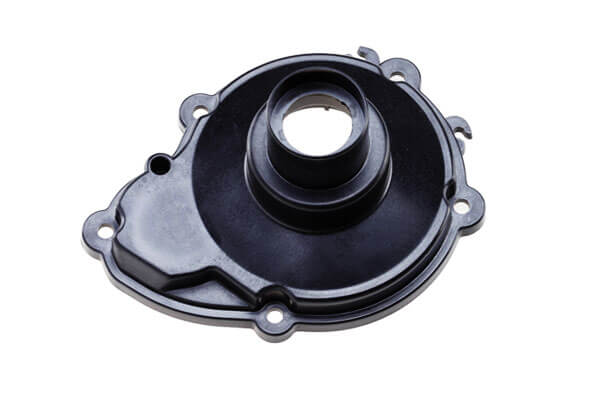
Injektiomuovaus
Injektiomuovaus on yksi tärkeimmistä polyamidikomponenttien valmistusmenetelmistä.
Kuivatut polymeeripelletit sulatetaan kuumennetussa tynnyrissä ja ruiskutetaan paineen alaisena tarkkuusmuottiin.
Menetelmä soveltuu erityisen hyvin kompleksien valmistukseen, suuren volyymin komponentit yhtenäisellä geometrialla.
Tyypilliset sovellukset sisältävät:
- Vaihteet ja mekaaniset komponentit;
- Autojen kiinnikkeet ja kiinnikkeet;
- Sähköliittimet;
- Laitteen komponentit;
- Kotelot ja kotelot;
- Teollisuuden tarkkuusosat.
Koska polyamidi voi imeä kosteutta, hartsin asianmukainen kuivaus ennen muovausta on kriittinen
Myös lasikuituvahvisteisia polyamideja ruiskupuristetaan, vaikka muotin suunnittelu- ja käsittelyolosuhteissa on otettava huomioon kuitujen suuntaus, lisääntynyt viskositeetti, ja anisotrooppinen kutistuminen.
Suulakepuristus
Ekstruusiota käytetään polyamidituotteiden jatkuvaan valmistukseen, joiden poikkileikkaus on vakio. Sula polymeeri pakotetaan muotoillun muotin läpi ja sitten jäähdytetään ja mitoitetaan.
Yleisiä suulakepuristettuja tuotteita ovat letkut, putket, elokuvat, arkit, sauvat, kaapelin eristys, ja tekniset profiilit.
PA11 ja PA12 ovat erityisen tärkeitä joustaville letkuille, koska ne kestävät kemiallisesti, joustavuus, ja suhteellisen alhainen kosteuden imeytyminen.
Profiilissa ja putken suulakepuristus, lämpötilan säätö, sulatuskestävyys, jäähdytysnopeus, ja mittakalibrointi ovat välttämättömiä tasaisen seinämän paksuuden ja geometrian säilyttämiseksi.
Puhaltaa muovaus
Puhallusmuovausta käytetään, kun tarvitaan onttoja polyamidikomponentteja. Kuumennettua polymeeriputkea tai aihiota laajennetaan muotin sisällä ilmanpaineella.
Polyamidipuhallusmuovausta käytetään yleisesti autojen nestesäiliöissä, kanavat, polttoainejärjestelmän komponentit, ja erikoistuneet teollisuuskontit.
Monikerroksisia rakenteita voidaan valmistaa myös, kun tarvitaan lisäsulkuominaisuuksia.
Puristus ja siirtomuovaus
Vaikka vähemmän yleistä kuin tavallisten termoplastisten polyamidien ruiskuvalu, puristusmuovaus voi olla hyödyllinen suurille, vahvasti vahvistettu, tai erikoiskomponentteja.
Prosessissa voidaan käyttää tiettyjä pitkäkuituvahvisteisia materiaaleja ja se voidaan valita, kun osan geometriaa tai vahvistusarkkitehtuuria on vaikea saavuttaa tavanomaisella ruiskuvalulla.
CNC -koneistus
Polyamidia voidaan työstää myös suulakepuristetusta tai valumassasta CNC-sorvauksella, jyrsintä, poraus, ja muut vähentävät prosessit.
CNC -koneistus on erityisen hyödyllinen:
- Prototyyppien kehitys;
- Pieni tuotanto;
- Suuret komponentit;
- Osat, jotka vaativat ominaisuuksia, joita on vaikea muotoilla;
- Komponentit, jotka vaativat tiukkoja jälkikäsittelytoleransseja.
Kuitenkin, kosteudesta johtuvat mittamuutokset on otettava huomioon tarkkuuspolyamidikomponenttien työstyksessä. Materiaalin käsittely tulisi ihanteellisesti valvoa ennen lopputarkastusta.
Lisäaineiden valmistus
Useita polyamidimateriaaleja, erityisesti PA12 ja PA11, käytetään laajasti lisäainevalmistustekniikoissa, kuten Selektiivinen lasersintraus (Sls) ja Multi Jet Fusion (mjf)
Nämä prosessit soveltuvat erityisen hyvin prototyypeille, räätälöityjä tuotteita, monimutkaiset sisäiset geometriat, sekä pienten ja keskisuurten volyymien tuotanto.
Ruiskuvaluon verrattuna, additiivinen valmistus eliminoi erityisten työkalujen tarpeen, mutta siihen liittyy yleensä korkeammat yksikkökustannukset suurilla tuotantomäärillä.
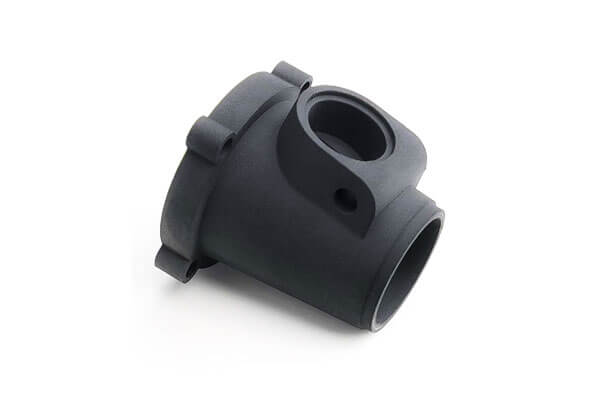
6. Vahvistetut ja modifioidut polyamidimateriaalit
Täyttämätön polyamidi tarjoaa tasapainoisen yhdistelmän lujuutta, sitkeys, kulumiskestävyys, ja prosessoitavuus.
Kuitenkin, monet suunnittelusovellukset vaativat ominaisuuksia, jotka eivät ole standardin PA6 tai PA66 ominaisuuksia.
Tästä syystä, polyamidiin yhdistetään usein vahvistuskuituja, mineraaliset täyteaineet, vaikutuksen modifioijat, palonestoaineita, voiteluaineet, ja muut toiminnalliset lisäaineet.
| Muokattu polyamidityyppi | Ensisijainen muutos | Tärkein suorituskyvyn parantaminen | Tyypilliset sovellukset |
| Lasikuituvahvistettu PA | Lasikuituja | Vahvuus, jäykkyys, lämmönkestävyys | Autojen rakenteet, liittimet, koneet |
| Hiilikuituvahvistettu PA | Hiilikuituja | Suuri ominaislujuus ja jäykkyys | Ilmailu-, robotti, korkean suorituskyvyn osat |
| Mineraalitäytteinen PA | Talkki, kiille, mineraaleja | Ulottuvuusvakaus, alempi kutistuminen | Kotelot, suuret tarkkuuskomponentit |
| Iskumuunneltu PA | Elastomeerimuuntajat | Parempi sitkeys ja iskunkestävyys | Auto- ja suojakomponentit |
Paloa hidastava PA |
Paloa hidastavat lisäaineet | Parempi paloteho | Sähkö- ja elektroniikkakomponentit |
| Itsevoiteleva PA | Ptfe, MoS₂, voiteluaineita | Vähentynyt kitka ja kuluminen | Laakerit, vaihde, liukulaitteet |
| Johtava PA | Hiilipohjaiset sähköä johtavat täyteaineet | ESD-säätö tai sähkönjohtavuus | Elektroniikka ja staattiselle sähkölle herkät laitteet |
7. Polyamidin edut ja rajoitukset
Keskeiset edut
- Korkea spesifinen lujuus: Poikkeuksellinen lujuus-painosuhde mahdollistaa kustannustehokkaan metallinvaihdon rakennesovelluksissa.
- Erinomainen kulumiskyky: Luontaiset itsevoitelevat ominaisuudet eliminoivat ulkoisen voitelun tarpeen monissa kevyissä ja keskisuurissa kuormitussovelluksissa.
- Hyvä kemikaalinkestävyys: Erinomainen öljynsietokyky, polttoaineet ja rasvat auto- ja teollisuusympäristöihin.
- Laaja prosessoitavuus: Yhteensopiva kaikkien tärkeimpien termoplastisten valmistusmenetelmien kanssa, joilla on hyvä sulavirtaus.
- Suuri iskunkestävyys: Säilyttää hyvän sitkeyden laajalla lämpötila-alueella, erityisesti iskumodifioiduissa laatuluokissa.
- Monipuolinen koostumus: Helposti vahvistettu, kovettunut, palosuojattu ja tehostettu tehostamaan.
- Hyvä sähköeristys: Riittävä dielektrinen suorituskyky useimpiin yleisiin sähkö- ja elektroniikkasovelluksiin.
Luontaiset rajoitukset
- Korkea kosteuden imeytyminen: Vakiolaadut imevät merkittävästi ilmakehän vettä, aiheuttaa mittamuutoksia ja ominaisuuksien vaihtelua – suurin yksittäinen suunnittelurajoitus.
- Mittojen vaihtelu: Suurempi homeen kutistuminen ja kosteuden aiheuttama turpoaminen edellyttävät huolellista toleranssisuunnittelua.
- Matalan lämpötilan hauraus: Muokkaamattomat standardilaadut hauraavat pakkasen lämpötiloissa ja vaativat iskumuutoksia kylmähuoltoa varten.
- Rajoitettu vahva hapon/alkalin kestävyys: Hajoaa vahvoissa mineraalihapoissa ja väkevöissä emäksissä.
- Käsittelyn kuivausvaatimus: Pakollinen esikuivaus lisää prosessivaiheita ja energiakustannuksia verrattuna ei-hygroskooppisiin muoveihin.
- UV -hajoaminen: Stabiloimattomat arvot hajoavat pitkäaikaisessa ulkona UV-altistuksessa ja vaativat stabilointia ulkokäyttöä varten.
8. Polyamidin sovellukset
Mekaanisen lujuuden yhdistelmä, kulumiskestävyys, matalapaino, kemiallinen vastustuskyky, ja valmistuksen joustavuus mahdollistaa polyamidin käytön sovelluksissa, jotka vaihtelevat kuluttajatuotteista pitkälle suunniteltuihin auto- ja teollisuuskomponentteihin.
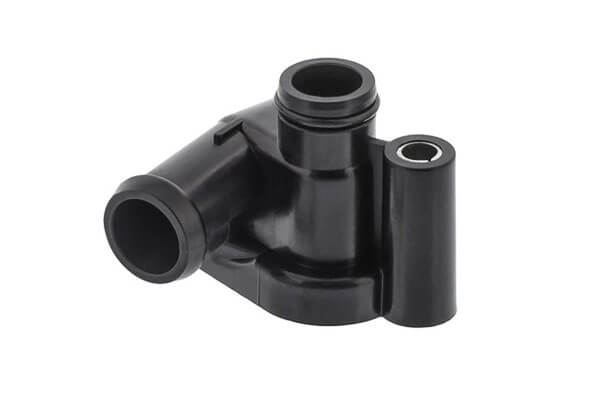
Autoteollisuus
Autoteollisuus suunnittelu on yksi suurimmista polyamidien sovellusalueista.
PA6, PA66, ja vahvistettuja laatuja käytetään laajalti metalliosien korvaamiseen painon vähentämisessä, korroosionkestävyys, ja integroitu muovaus ovat edullisia.
Tyypillisiä komponentteja ovat mm:
- Moottorin kannet ja kannakkeet
- Ilmanottokomponentit
- Jäähdytysjärjestelmän komponentit
- Kaapeliohjaimet ja pidikkeet
- Vaihdelaitteet
- Laakerihäkit
- Polttoainejärjestelmän komponentit
- Sähköliittimet
- Rakenteelliset kiinnikkeet
- Tuulettimen ja hihnapyörän komponentit
Lasikuituvahvistettu PA66 on erityisen tärkeä konepellin alla, koska vahvistus parantaa jäykkyyttä, ryömintäkestävyys, ja ulottuvuuden vakaus.
Sähkö- ja elektroniikka
Polyamidia käytetään laajalti sähkökomponenteissa sen eristysominaisuuksien vuoksi, mekaaninen lujuus, ja ruiskupuristuskyky.
Sovellukset sisältävät liittimen kotelot, riviliittimet, kaapeliholkit, kytkimet, anturikotelot, piirisuojakomponentit, ja sähkökotelot.
Paloa hidastavia laatuja valitaan usein silloin, kun sääntelyvaatimukset edellyttävät hallittua syttymistä ja liekin leviämistä.
Teollisuuden koneet
Koneissa, polyamidia käytetään usein, kun kevyiden komponenttien on kestettävä toistuvia mekaanisia liikkeitä.
Yleisiä esimerkkejä ovat mm:
- Vaihteet ja hammaspyörät
- Holkit ja laakerit
- Rullat
- Käytä nauhoja
- Ohjauskiskot
- Kaapelitelineet
- Tiivistyskomponentit
- Koneen suojat
- Kuljettimen komponentit
Verrattuna metallikomponentteihin, polyamidiosat voivat vähentää painoa, melu, ja voiteluvaatimukset tietyissä sovelluksissa.
Nesteiden käsittely ja letkut
PA11 ja PA12 ovat erityisen arvokkaita letku- ja nesteenkäsittelysovelluksissa, koska niissä yhdistyy joustavuus, kemiallinen vastustuskyky, alhainen tiheys, ja suhteellisen alhainen kosteuden imeytyminen.
Niitä käytetään pneumaattinen letku, hydrauliletkut, polttoaineletkut, jarruihin liittyvät komponentit, kaapelin vaippa, ja teollisuusletkut, riippuen tietystä luokasta ja sovellettavista standardeista.
Kuluttaja- ja kaupalliset tuotteet
Polyamidia käytetään laajalti myös kuluttajatuotteissa, joissa kestävyys ja iskunkestävyys ovat tärkeitä.
Esimerkkejä ovat sähkötyökalujen komponentit, urheiluvälineet, kiinnittimet, kotelot, kahvat, pyörät, mekaaniset liittimet, ja erilaisia valettuja komponentteja.
Lääketieteen ja terveydenhuollon sovellukset
Erikoispolyamidilaatuja voidaan käyttää valituissa lääketieteen ja terveydenhuollon sovelluksissa, mukaan lukien letkut, instrumenttien komponentit, nesteenkäsittelyosat, ja tietyt kertakäyttöiset tai uudelleenkäytettävät laitteet.
Näille sovelluksille, kuitenkin, biologinen yhteensopivuus, sterilointikestävyys, uutettavat aineet, kemiallinen yhteensopivuus, ja sovellettavat lakisääteiset vaatimukset on arvioitava tietylle laadulle sen sijaan, että oletetaan polyamidin yleisistä ominaisuuksista.
9. Polyamidi vs. Muut tekniset muovit
Polyamidi ei ole yleisesti parempi kuin muut tekniset muovit.
Jokaisella polymeerillä on erilainen suorituskykyprofiili, ja oikea valinta riippuu tekijöistä, kuten mekaanisesta kuormituksesta, kitka, lämpötila, kemiallinen altistuminen, kosteus, ulottuvuusvaatimukset, ja kustannukset.
| Omaisuus / Tekijä | Polyamidi (Paa) | Polyoksimetyleeni (Pommi) | Polypropeeni (Pp) | Polyetteri -ketoni (KURKISTAA) |
| Materiaaliluokka | Tekninen kestomuovi | Tekninen kestomuovi | Hyödyke/puolitekninen kestomuovi | Tehokas tekninen kestomuovi |
| Tyypillinen vahvuus | Hyvästä korkealle | Hyvä | Kohtuullinen | Erittäin korkea |
| Jäykkyys | Hyvä; korkeampi vahvistuksen kanssa | Hyvä | Kohtuullinen | Erinomainen |
| Iskunkestävyys | Hyvä tai erinomainen | Hyvä | Hyvä tai erinomainen | Hyvä |
| Kulumiskestävyys | Hyvä tai erinomainen | Erinomainen | Kohtuullinen | Erinomainen |
| Kitka | Matala- ja kohtalainen | Erittäin matala | Matala | Matala |
| Kosteuden imeytyminen | Kohtalainen tai korkea PA6/PA66:lle; pienempi PA11/PA12:lle | Erittäin matala | Erittäin matala | Erittäin matala |
| Ulottuvuusvakaus | Kohtuullinen; kosteus vaikuttaa voimakkaasti joissakin luokissa | Erinomainen | Hyvä | Erinomainen |
| Lämpötilakyky | Kohtalainen, luokasta riippuen | Kohtuullinen | Suhteellisen alhainen | Erinomainen |
| Kemiallinen vastustuskyky | Hyvä | Hyvä | Erinomainen | Erinomainen |
| Sähköeristys | Hyvä | Hyvä | Erinomainen | Erinomainen |
| Väsymiskestävyys | Hyvä | Erinomainen | Hyvä | Erinomainen |
| Prosessoitavuus | Erinomainen | Erinomainen | Erinomainen | Vaativampi |
Suhteellinen materiaalikustannus |
Kohtuullinen | Kohtuullinen | Matala | Erittäin korkea |
| Tyypilliset sovellukset | Vaihde, holkit, autoosat, liittimet, rakenteelliset komponentit | Tarkkuusvaihteet, laakerit, venttiilit, mekanismeja | Pakkaus, säiliö, elävät saranat, kemialliset astiat | Ilmailu-, puolijohde, lääketieteellinen, korkean lämpötilan koneita |
| Tärkein etu | Tasapainoinen mekaaninen ja prosessointikyky | Matala kitka ja mittavakaus | Alhaiset kustannukset ja kemikaalien kestävyys | Poikkeuksellinen korkean lämpötilan ja mekaaninen suorituskyky |
| Päärajoitus | Kosteusherkkyys | Rajoitettu korkean lämpötilan kapasiteetti | Pienempi mekaaninen suorituskyky | Korkeat kustannukset ja vaativampi käsittely |
10. Polyamidin kierrätys ja kestävä kehitys
Mekaaninen kierrätys
Jälkiteollinen polyamidiromu kierrätetään rutiininomaisesti mekaanisesti hiomalla ja uudelleen sekoittamalla.
Kierrätetty hartsi säilyttää suurimman osan mekaanisista ominaisuuksistaan ja sitä käytetään laajalti ei-kriittisten rakenneosien valmistukseen.
Kulutuksen jälkeinen kierrätys on vähemmän vakiintunutta, mutta lisääntyy, erityisesti tekstiili- ja mattokuitujätevirroille.
Kemiallinen kierrätys
Kehittyneet depolymerointitekniikat voivat hajottaa polyamidijätteen takaisin puhtaaksi monomeeriraaka-aineeksi, tuottaa neitseellistä vastaavaa hartsia, jolla on sama suorituskyky.
Teollisen mittakaavan kemikaalien kierrätyslaitokset toimivat nyt Euroopassa ja Pohjois-Amerikassa, mahdollistaa polyamidimateriaalien suljetun silmukan pyöreyden.
Biopohjaiset polyamidit
Kestävyys ei rajoitu kierrätykseen. Tietyt polyamidit, mukaan lukien PA11 ja PA1010, voidaan valmistaa osittain tai pääosin uusiutuvista raaka-aineista riippuen tietystä valmistusreitistä.
Biopohjaiset raaka-aineet voivat vähentää riippuvuutta fossiilisista luonnonvaroista, mutta biopohjainen polymeeri ei ole automaattisesti ympäristön kannalta parempi.
Täydellisen arvioinnin yhteydessä tulisi harkita raaka-aineen hankintaa, maatalouden vaikutuksia, energiankulutus, tuotannon päästöt, tuotteen käyttöikä, Kierrätys, ja loppuelämän hoitoon.
11. LangHen mukautetut polyamidiosat Teollisuus
Langhe tarjoaa räätälöityjä valmistusratkaisuja teknisille muovikomponenteille, mukaan lukien polyamidiosat, jotka on suunniteltu mekaaniseen käyttöön, sähkö-, autoteollisuus, teollisuus-, ja muihin vaativiin sovelluksiin.
Sen sijaan, että käsittelisi polyamidia yleisenä muovina, materiaali ja valmistusprosessi tulee valita komponentin todellisten käyttöolosuhteiden mukaan.
Tekijät, kuten PA-luokka, altistuminen kosteudelle, lämpötila, mekaaninen kuormitus, mittatoleranssit, kulumisvaatimukset, kemiallinen ympäristö, ja raudoitus arvioidaan suunnittelun aikana.
Mukautetut polyamidin valmistusominaisuudet
| Kyky | Yksityiskohdat |
| Materiaalivalinta | PA6, PA66, PA11, PA12 ja vahvistetut tai modifioidut polyamidilaadut |
| Materiaalin muokkaus | Lasikuitu, hiilikuitua, mineraalitäytetyt ja kulumista modifioidut lajikkeet, hakemusvaatimusten mukaisesti |
| Valmistus | Ruiskupuristus ja tarkkuustyöstö sopiville polyamidikomponenteille |
| CNC -koneistus | Kääntäminen, jyrsintä, poraus, tylsä, ja teknisten muoviosien viimeistely |
| Monimutkaiset geometriat | Kotelot, vaihde, holkit, haarut, oppaat, kansi, ja räätälöidyt mekaaniset komponentit |
| Tarkka ohjaus | Mittatarkastus komponenttien geometriaan, suvaitsevaisuusvaatimukset, ja sovellustarpeet |
| Prototyyppien tuotanto | Pienimääräinen ja prototyyppikehitys ennen sarjatuotantoa |
| Tekniikan tuki | Materiaalivalinta, DFM arvostelu, toleranssiarviointi, ja prosessin optimointi |
| Laatu | ISO 9001:2015 sertifioitu. |
| Läpimenoaika | 2-4 viikkoa koneistukseen; 4-8 viikkoa työkaluihin ja tuotantoon. |
12. Johtopäätös
Polyamidi on laaja valikoima teknisiä polymeerejä yksittäisen materiaalin sijaan.
Perinteisestä PA6 ja PA66 alempaan kosteuden imeytymiseen PA11 ja PA12, korkean lämpötilan PPA, ja kuituvahvisteiset laatulajit, eri formulaatiot tarjoavat merkittävästi erilaisia mekaanisia yhdistelmiä, lämpö-, kemikaali-, ja mittojen suorituskyky.
Sen suurin etu on sen tasapainoinen tekninen suorituskyky. Polyamidissa yhdistyy suhteellisen pieni tiheys ja hyvä lujuus, sitkeys, kulumiskestävyys, kemiallinen vastustuskyky, sähköeristys, ja erinomainen prosessoitavuus.
Nämä ominaisuudet tekevät siitä tehokkaan vaihtoehdon metalleille ja muille teknisille muoveille monissa sovelluksissa.
Samaan aikaan, suunnittelijat eivät saa sivuuttaa sen rajoituksia. Kosteuden imeytyminen, lämpötilasta riippuvat ominaisuudet, hiipiä, ja kemiallinen yhteensopivuus voivat vaikuttaa voimakkaasti pitkän aikavälin suorituskykyyn.
Materiaalin valinnan tulisi siksi perustua koko käyttöympäristöön eikä pelkästään vetolujuuteen tai sulamispisteeseen.
Mukautetuille komponenteille, Luotettavin tapa on arvioida polyamidilaatu, vahvistaminen, valmistusprosessi, ulottuvuusvaatimukset, huoltoympäristö, ja odotettu käyttöikä integroituna järjestelmänä.
Kun nämä tekijät ovat kunnolla hallinnassa, polyamidi voi tarjota kustannustehokkaan ja teknisesti vankan ratkaisun laajalle valikoimalle suunniteltuja komponentteja.
Usein kysyttyä polyamidista
Onko polyamidi sama kuin nylon?
Ei aivan. Nylon on suuri polyamidien ryhmä, erityisesti alifaattiset polyamidit, kuten PA6 ja PA66.
Polyamidi on laajempi kemikaalien perhe, joka sisältää myös PA11:n, PA12, puoliaromaattiset polyamidit, ja aromaattiset polyamidit.
Onko polyamidi vahva materiaali?
Kyllä. Polyamidi tarjoaa yleensä hyvän vetolujuuden, jäykkyys, sitkeys, ja väsymyssuorituskyky. Lasikuitu- ja hiilikuituvahvisteiset polyamidit voivat tarjota huomattavasti suuremman jäykkyyden ja lujuuden kuin täyttämättömät teräslajit.
Imeekö polyamidi vettä?
Kyllä. Kosteuden imeytyminen on monien polyamidien tärkeä ominaisuus, erityisesti PA6 ja PA66.
Vedenotto voi muuttaa mittoja ja mekaanisia ominaisuuksia, joten kosteus ja ilmastointi tulee ottaa huomioon tarkkuussovelluksissa.
Sopiiko polyamidi korkeisiin lämpötiloihin?
Se riippuu arvosanasta. Perinteiset PA6 ja PA66 sopivat kohtalaisen kohotettuihin lämpötiloihin, kun taas PPA ja muut korkean lämpötilan polyamidit soveltuvat paremmin vaativiin lämpötiloihin.
Voiko polyamidi todella korvata metallin rakenneosissa?
Eräs: Kyllä. Lasikuituvahvisteisia polyamideja käytetään laajalti korvaamaan painevalettu alumiini ja teräs rakenneautoissa, teollisuus- ja kuluttajakomponentit.
Ne vähentävät tyypillisesti osan painoa 40–60 % samalla kun ne tarjoavat riittävän lujuuden moniin kantaviin sovelluksiin. Metallien korvaaminen on edelleen tärkein polyamidien kasvun moottori.
Kestää polyamidia kemikaaleja vastaan?
Polyamidi kestää hyvin monia öljyjä, polttoaine, hiilivety, ja teollisuuskemikaalit, mutta sen kestävyys vahvoja happoja vastaan, hapettavat aineet, ja tiettyjä liuottimia voidaan rajoittaa.
Erityinen laatu ja käyttöolosuhteet tulee aina arvioida.
Onko polyamidi parempi kuin POM?
Kumpikaan ei ole yleisesti parempi. Polyamidi tarjoaa yleensä vahvemman yhdistelmän sitkeyttä ja mekaanista suorituskykyä,
POM tarjoaa usein erinomaisen mittavakauden, matala kitka, ja kulumiskyky.
Valinta riippuu tietystä sovelluksesta.
Tekijänoikeus- ja tavaramerkkiilmoitukset
- Kevlar® ja Nomex® ovat rekisteröityjä tavaramerkkejä E. Minä. du Pont de Nemours and Company (DuPont).
- Torlon® on Syensqon rekisteröity tavaramerkki.