Esittely
Lukuisten valmistusmenetelmien joukossa, kaksi selvästi erilaista – mutta usein kilpailevaa – teknologiaa erottuvat joukosta: investointivalu ja jauhemetallurgia (PM).
Sijoitusvalu, vuosituhansia vanha prosessi, jota on jalostettu modernin materiaalitieteen avulla, tarjoaa vertaansa vailla olevan geometrisen vapauden ja seoksen monipuolisuuden.
Jauhemetallurgia, 1900-luvun innovaatio, tarjoaa poikkeuksellisen materiaalitehokkuuden, korkeat tuotantonopeudet, ja valvottu huokoisuus erikoissovelluksiin.
Ensi silmäyksellä, Molemmat prosessit tuottavat lähes verkon muotoisia metalliosia minimaalisella työstyksellä.
Mutta niiden taustalla olevat periaatteet - kiinteytyminen sulasta metallista vs. kiinteiden jauheiden painesintraus - johtavat radikaalisti erilaisiin suunnittelusääntöihin, aineelliset valmiudet, mekaaniset ominaisuudet, ja taloudelliset mittakaavat.
Valinta näiden kahden teknologian välillä edellyttää kokonaisvaltaista ymmärrystä paitsi tuotantokustannuksista myös mekaanisista vaatimuksista, geometrian monimutkaisuus, tuotantomäärä, materiaalivalinta, ja pitkäaikainen palvelusuoritus.
1. Investment Castingin ymmärtäminen
Sijoitusvalu, tunnetaan myös kadonneen vahan valuna, on tarkkuusmetallinmuovausprosessi, jossa vahakuvio päällystetään tulenkestävällä keraamisella kuorella, vaha on sulanut, ja tuloksena oleva ontelo täytetään sulalla metallilla.
Jähmettymisen jälkeen, keraaminen kuori poistetaan, paljastaa lähes verkon muotoisen metallikomponentin, jolla on poikkeuksellinen pintakäsittely ja mittatarkkuus.
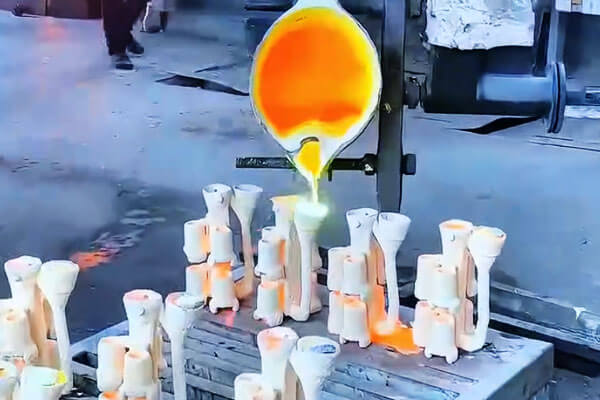
Prosessi juontaa juurensa 5,000 vuosia muinaisiin sivilisaatioihin Egyptissä, Kiina, ja Mesopotamiassa, jossa sitä käytettiin pronssisiin patsaisiin ja koruihin.
Tänään, se on korkean teknologian valmistusmenetelmä ilmailuturbiinien siipille, lääketieteelliset implantit, tuliaseen komponentteja, ja teollisuusventtiilit.
Prosessin perusteet
| Lava | Askel | Keskeinen yksityiskohta |
| 1 | Kuvioiden tuotanto | Vaha (tai termoplastista) ruiskutetaan tarkkuusmetallisuuttimeen (työkalu). |
| 2 | Puun kokoonpano | Useita kuvioita kiinnitetty keskiputkeen (vahapuu). |
| 3 | Kuoren rakennus | 6-10 kerrosta keraamista lietettä (Piidioksidi) + tulenkestävä stukko (zirkonia/alumiinioksidi). |
| 4 | Köyhä | Höyryautoklaavi sulattaa vahan; kuori jää ontto. |
| 5 | Kuoren ampuminen | 900-1100°C poltto keramiikan vahvistamiseksi ja haihtuvien aineiden poistamiseksi. |
| 6 | Sulaminen & kaataminen | Induktiouunissa sulatettu metalli; kaadetaan esilämmitettyyn kuoreen. |
| 7 | Pudotus & katkaisu | Kuori poistettu tärinällä; puusta leikatut osat. |
| 8 | Viimeistely | Hionta, ammuttu räjähdys, lämmönkäsittely, NDT tarkastus. |
Keskeiset ominaisuudet
| Ominaisuus | Kuvaus |
| Geometria | Erittäin korkea monimutkaisuus; alittaa, sisäiset kohdat, ohut seinät (≥0,5 mm). |
| Pintapinta | Valettu Ra 1,6-6,3 µm; voidaan kiillottaa Ra: ksi <0.4 µm. |
| Suvaitsevaisuus | ±0,1–0,3 mm per 25 mm tyypillinen. |
| Materiaalit | Melkein mikä tahansa valettava metalliseos: hiiliteräs, ruostumaton, Superseos, titaani, alumiini, pronssi. |
| Osan koko | Grammaa ~150kg asti (teräs). |
| Tilavuus | Taloudellinen 100 kohtaan 10,000+ osat/vuosi. |
| Romu | Minimaalinen (lähes verkon muoto). |
2. Jauhemetallurgian ymmärtäminen
Jauhemetallurgia on valmistusprosessi, jossa hienojakoisia metallijauheita tiivistetään (painetaan) jäykässä suulakkeessa ja lämmitetään sitten (sintrattu) sulamispisteen alapuolella hiukkasten sitomiseksi kiinteäksi komponentiksi.
Toisin kuin sijoitusvalu, jossa nesteestä kiinteäksi faasi muuttuu, PM on kiinteän olomuodon prosessi, joka säilyttää jauheen kemialliset ja mikrorakenneominaisuudet..
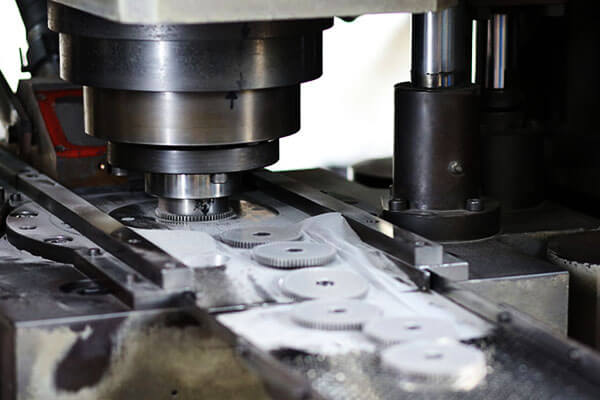
Moderni PM-teollisuus syntyi 1920-luvulla itsevoitelevien laakerien ja volframilamppujen filamenttien tuotannon myötä.
Tänään, se on kypsä, suurten volyymien valmistustekniikka, kun autoteollisuus kuluttaa yli 70% kaikista rautapitoisista PM-osista maailmanlaajuisesti.
Prosessin perusteet
| Lava | Askel | Keskeinen yksityiskohta |
| 1 | Jauheen tuotanto | Vesi- tai kaasusumutus, elektrolyysi, vähennys; kontrolloitu hiukkaskoko/muoto. |
| 2 | Sekoitus | Jauheet sekoitettuna voiteluaineiden kanssa (0.5-1,5 %) ja seosainelisäyksiä (ESIM., grafiitti). |
| 3 | Tiivistys (painava) | Yksiakselinen puristus jäykässä muotissa; paine 200-800 MPa; vihreä tiheys 70-85%. |
| 4 | Sintraus | Lämmitys kontrolloidussa ilmapiirissä (endoterminen kaasu, N2-H2) 70-90 % sulamispisteestä (tyypillisesti 1120-1150°C raudalle). |
| 5 | Valinnaiset toissijaiset toiminnot | Mitoitus, fining, lämmönkäsittely, soluttautuminen, koneistus, hartsi kyllästäminen. |
Keskeiset ominaisuudet
| Ominaisuus | Kuvaus |
| Geometria | Kohtalainen monimutkaisuus (2D muotoja); rajoitetut alihinnat; rajoitetut syväyskulmat. |
| Pintapinta | As-sintrattu Ra 3-12 µm; voidaan parantaa mitoittamalla / koomalla. |
| Suvaitsevaisuus | ±0,05–0,1 mm per 25 mm (mitoituksen jälkeen). |
| Materiaalit | Pääasiassa rautapitoinen (rauta, teräs, ruostumaton), kuparipohjainen, volframi, ja erikoisseokset. Titaani ja alumiini ovat mahdollisia, mutta vähemmän yleisiä. |
| Osan koko | Tyypillisesti <10 kg, <300 mm halkaisija. |
| Tilavuus | Taloudellinen 5,000 miljooniin osiin/vuosi. |
| Romu | >95% materiaalin käyttöä. |
3. Valmistusperiaatteet: Kuinka prosessit eroavat
| Näkökohta | Investointi | Jauhemetallurgia |
| Lähtömateriaali | Sulaa metallia (nestefaasi). | Metallijauhe (kiinteä faasi). |
| Vaiheen muutos | Neste → Kiinteä (jähmettyminen). | Kiinteä → Kiinteä (diffuusiosidonta). |
| Energian lähde | Lämpöä sulatusta varten + kaataminen. | Paine + lämmitys (sintraus). |
| Muottivaatimus | Kertakäyttöinen keraaminen kuori (per osa). | Uudelleenkäytettävä metallisuutin (tuhansia syklejä). |
| Kierto -aika | Tuntia (kuoren rakennus) päiviin. | Sekuntia (painava) + tuntia (sintrauserä). |
| Työkalukustannukset | Kohtuullinen (vaha kuolee 5-20 000 dollaria). | Korkea (puristimet 10-50 000 dollaria). |
| Työvoiman intensiteetti | Korkea (kuoren rakentaminen on manuaalista). | Matala (automaattinen puristus). |
| Ulottuvuusohjaus | Kuoren kutistumisen kautta + vahakuvio. | Muotin tarkkuudella + sintrauskutistuminen. |
Perusteellista eroa: Sijoitusvalu on a verkkomuotoinen tarkkuusvalu käsitellä; PM on a jauheen yhdistäminen käsitellä.
Edellinen tarjoaa lähes äärettömän geometrisen vapauden; jälkimmäinen tarjoaa lähes äärettömän materiaalitehokkuuden.
4. Materiaalien yhteensopivuus ja seosten joustavuus
| Aineellinen perhe | Investointi | Jauhemetallurgia |
| Hiiliteräs | Kyllä (laaja valikoima) | Kyllä (yleisin PM-materiaali) |
| Vähäseosteinen teräs | Kyllä | Kyllä (Fe-Cu-C, Fe‐Ni‐Mo‐Cu) |
| Ruostumaton teräs | Erinomainen (CF-8, CF-8M, 17--4ph) | Kyllä (304Lens, 316Lens, 410Lens, 17--4ph) |
| Nikkelin superseokset | Erinomainen (Kattaa 718, 625, Keino) | Rajoitettu (korkea hinta; erikoistunut) |
| Kobolttiseokset | Erinomainen (Co-Cr-Mo) | Rajoitettu |
| Titaani | Erinomainen (Luokka 5, CP) | Mahdollinen (korkea hinta, reaktiivinen) |
| Alumiini | Kyllä (A356, 380) | Rajoitettu (oksidiongelmat; harvinainen) |
| Kupari / pronssi | Kyllä (C90500, C93200) | Erinomainen (Cu, messinki, pronssi) |
| Volframi / raskaita seoksia | Vaikea (korkea sulamispiste) | Erinomainen (W-Ni-Fe, W-Ni-Cu) |
| Keraami-metalli-komposiitit | Ei mahdollista | Kyllä (kermetit, WC-Co) |
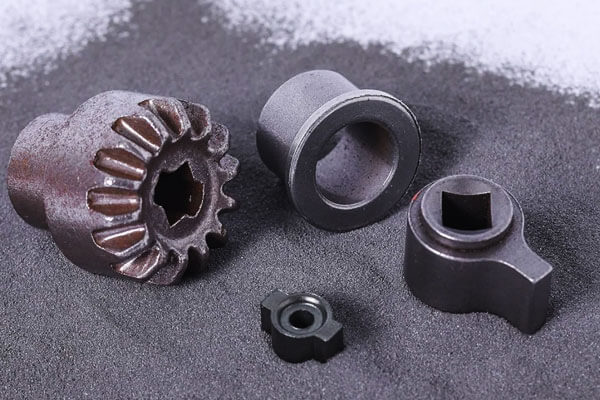
Keskeinen näkemys: Sijoitusvalutarjoukset huomattavasti laajempi metalliseoksen joustavuus, erityisesti korkeassa sulamislämpötilassa, reaktiivinen, tai vaikeasti puristettavia seoksia (titaani, Superseos, koboltti-kromi).
Jauhemetallurgia on erinomainen rautametallien alalla, kuparipohjainen, ja volframipohjaiset materiaalit, sekä komposiitit, joita ei voida valaa sekoittumattomuuden tai erottelun vuoksi.
5. Mittatarkkuus ja pintapinta
| Kriteeri | Investointi | Jauhemetallurgia |
| Tyypillinen toleranssi (mm/25mm) | ±0,1-0,3 | ±0,05-0,1 (kuten sintrattu) ±0,025–0,05 (mitoitettu / muotoiltu) |
| Pintapinta (Rata, µm) | 1.6-6.3 (valettu) | 3-12 (kuten sintrattu) 0.8-3 (mitoitettu / muotoiltu) |
| Toleranssin vakaus | Hyvä (kuoren kutistuminen tasainen) | Erinomainen (kuolla tarkkuudella; muuttujien sintraus) |
| Syvyyskulma vaaditaan | Ei (vahakuviot poistetaan ilman vetoa) | Kyllä (osan poistamiseksi muotista) |
| Kierteet / sisäiset ominaisuudet | Suoratoista suoraan | On koneistettava (ei voi puristaa lankoja) |
Mikä on parempi? Monimutkaisille geometrioille hienoilla yksityiskohdilla ja korkealla pintakäsittelyllä, sijoitusvalu on ylivoimainen.
Yksinkertaisille geometrioille, jotka vaativat erittäin tiukkoja toleransseja (varsinkin sivuleikkausten jälkeen), PM:llä on etu.
6. Geometrian ja suunnittelun vapauden monimutkaisuus
| Suunnitteluominaisuus | Investointi | Jauhemetallurgia |
| Alittaa | Kyllä (vahakuvio voidaan koota) | Ei (muotin irrotus vaatii suoran vedon) |
| Sisäiset kohdat | Kyllä (keraamiset ytimet) | Ei (ei voi painaa onttoja ominaisuuksia) |
| Ohut seinät | 0.5-1,5 mm saavutettavissa | 1.5-2,5 mm vähintään |
| Hienoja ominaisuuksia (tekstaus, logot) | Erinomainen lisääntyminen | Rajoitettu (täytyy keksiä tai koneistaa) |
| Vaihteleva leikkauspaksuus | Kyllä (voi kapenee tasaisesti) | Rajoitettu (vaadittu tasainen tiheys) |
| Epäsymmetrinen / orgaaniset muodot | Erinomainen | Huono (puristaminen suosii yhtenäisiä seiniä) |
| 3D monimutkaisuus | Korkea | Kohtuullinen (käytännössä 2,5D) |
Investointivalu voittaa ratkaisevasti geometrisessa monimutkaisuudessa.
Kyky luoda aliarvoja, kaarevat sisäiset kanavat, orgaaniset ääriviivat, ja hienot pintayksityiskohdat ovat vertaansa vailla jauhemetallurgiassa, jota rajoittaa puristussuutin ja yksiakselisen tiivistyksen vaatimus.
7. Mekaaniset ominaisuudet ja rakenteellinen suorituskyky
| Mekaaninen ominaisuus | Investointi | Jauhemetallurgia |
| Tyypillinen tiheys | 99-100% teoreettisesta | 85-98 % (puristamisesta ja sintrauksesta riippuen) |
| Vetolujuus | Hyvä (muokattu äänivaluissa) | Kohtalainen-hyvä (riippuu tiheydestä) |
| Tuottolujuus | Verrattavissa taistetuihin | 10-30 % vähemmän kuin muokattu (huokoisuusvaikutus) |
| Pidennys | 10-35 % (austeniittinen) | 2-15 % (tiheydestä riippuvainen) |
| Kovuus | 80-600 HB (seoksesta riippuvainen) | 60-400 HB (materiaalista riippuen) |
| Väsymyslujuus | Kohtuullinen (loviherkkä) | Alentaa (huokoisuus nostaa stressiä) |
| Vaikuttaa sitkeyteen | Hyvä (seoksesta riippuen) | Alentaa (huokoisuus haurastuu) |
| Yhtenäisyys | Valurakenne (dendriittiset) | Sintrattu rakenne (huokoinen, isotrooppinen) |
| Työn kovempaa vastetta | Rajoitettu (valettu) | Sintrattu rakenne voidaan lämpökäsitellä |
Avainvertailu: Investointi valettu osat ovat täysin tiheä ja, kun se on oikein valettu, lähestyä muokattuja ominaisuuksia (90-95 % väärennetyistä arvoista).
Jauhemetallurgiset osat, jopa korkean tiheyden luokissa (≥95 % teoreettinen), niissä on jäännöshuokoisuus, joka vähentää taipuisuutta, sitkeys, ja väsymyssuorituskyky.
Turvallisuuskriittinen, korkea kuormitus, tai iskuherkkiä sovelluksia, sijoitusvalu on edullinen.
8. Tiheys, Huokoisuus, ja sisäinen laatu
| Näkökohta | Investointi | Jauhemetallurgia |
| Tyypillinen tiheys | 99-100 % (täysin tiheä) | 85-98 % (jäännöshuokoisuus) |
| Huokoisuustyyppi | Kutistuminen tai kaasu (satunnainen, vältettävissä) | Yhdistetty ja suljettu (luontainen) |
| Huokoisuuden hallinta | Portti/korkeusrakenne; Lonkka vähentää huokoisuutta | Tiivistyspaine; sintrautuva tunnelma |
| Painetiiviys | Erinomainen (tiiviit valut mahdollisia) | Huono (huokoinen, vaatii tiivistämisen) |
| Tiheysjakauma | Yhtenäinen kauttaaltaan | Tiheät lävistyskasvot; alempana lähellä keskustaa (tiivistysgradientti) |
| HIP-soveltuvuus | Yleinen (sulkee huokoisuuden) | Harvinainen (huokoset jo suljetut; HIP lisää kustannuksia) |
| Sisäinen puhtaus | Hyvä (sisällytykset mahdollisia) | Erinomainen (jauheet ovat puhtaita) |
Keskeinen näkemys: Investointivalu tuottaa täysin tiiviitä osia, jotka ovat paineenpitäviä ja jotka voidaan lämpökäsitellä ilman rakkuloita.
PM osat, ellei sitä ole erityisesti käsitelty (ESIM., lämmin tiivistys, kaksinkertainen painallus, Lonkka), niissä on jäännöshuokoisuus, joka rajoittaa paineenpitävyyttä ja tiettyjä lämpökäsittelyvasteita.
9. Tuotantomäärä ja valmistustalous
| Taloudellinen tekijä | Investointi | Jauhemetallurgia |
| Työkalukustannukset | Kohtuullinen ($5-20k vahakuula) | Korkea ($10-50k puristin) |
| Työkalujen käyttöikä | 50,000-200 000 vahausjaksoa | 500,000-1 000 000 puristusjaksoa |
| Raaka-ainekustannukset | Suurempi (vaha, keraaminen, metalli) | Alentaa (jauhe, voiteluaine) |
| Materiaalin käyttö | 85-95 % | >95% (lähes nolla romu) |
| Kierto -aika | Minuutteista tunteihin (manuaalinen) | <1 toinen (painava) |
| Työvoiman intensiteetti | Korkea (kuoren rakennus) | Matala (automaattinen) |
| Tasainen äänenvoimakkuus | ~100-1000 osaa/vuosi | ~5000-10000 osaa/vuosi |
| Läpimenoaika (työkaluilla) | 8-16 viikkoa | 6-10 viikkoa |
| Osakohtainen hinta (alhainen tilavuus, <500) | Kohtalainen-korkea | Erittäin korkea (työkalut poistetut) |
| Osakohtainen hinta (keskimääräinen volyymi, 5k-50k) | Matala | Erittäin matala |
| Osakohtainen hinta (korkea äänenvoimakkuus, >100k -k -) | Matala (mutta PM on pienempi) | Alin |
Kustannuspäätössääntö:
- <1,000 osat/vuosi → Sijoitusvalu (työkalut poistetut).
- 1,000-5000 osaa/vuosi → Molemmat mahdollisia; vertailla monimutkaisuutta.
- >10,000 osat/vuosi → Jauhemetallurgia (dramaattiset kustannussäästöt).
- >100,000 osat/vuosi → PM on selkeä voittaja.
10. Teollisuussovellus: Investointivalu vs. jauhemetallurgia
| Teollisuus | Investointi | Jauhemetallurgia |
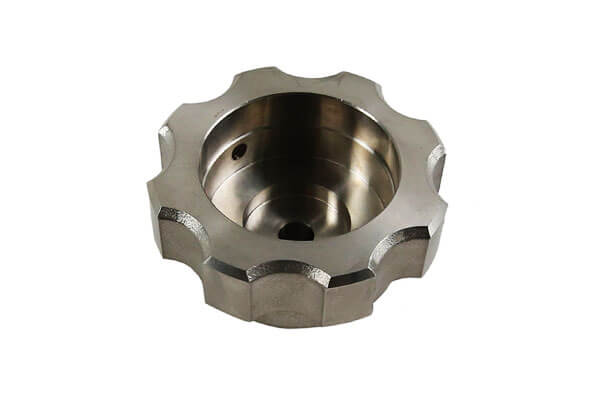
| Autoteollisuus | Turboahtimen pyörät, pakoputket (ruostumaton) | Vaihde, ketju, synkronointikeskittimet, kytkentävarret (Fe-pohjainen PM) |
| Ilmailu- | Turbiiniterät, polttoainesuuttimet, rakenteelliset kotelot (Superseos, titaani) | Kevyemmät sovellukset: työntölevy, holkit, suodattimet |
| Lääketieteellinen | Ortopediset implantit (lonkkavarret, polvitarjottimet), kirurgiset instrumentit | Ortopediset ruuvit (Rypäle, PM-johdannainen), luusilmut |
| Öljy & kaasu | Venttiilirungot, pumppauspyörät, merenpohjaiset liittimet (ruostumaton/duplex) | Suodatinelementit, volframia raskasta metalliseosta tasapainottavat painot |
Ampuma -aseet |
Vastaanottimet, laukaisee, vaimentimen komponentit (17--4ph) | Laukaisumekanismit, lehden seuraajia, palautuvat jouset |
| Teollisuuskoneet | Pumppukotelot, venttiilirungot, vaihdelaatikot (ruostumaton/valurauta) | Vaihde, kamerat, rullat, laakerit, käyttää levyjä |
| Sähkö- | Kojeiston komponentit, jäähdytysaltaat | Sähköiset koskettimet, magneettiset ytimet, harjan pidikkeet |
| Kulutustavarat | Katsella, laitteiston varusteet, koriste -esineet | Lukituskomponentit, vetoketjun osat, pienet kiinnikkeet |
11. Investointivalun edut ja rajoitukset
Edut
- Poikkeuksellinen geometrinen monimutkaisuus – aletukset, sisäiset kohdat, ohut seinät, orgaaniset muodot.
- Laaja metalliseoksen joustavuus – melkein mikä tahansa valettava metalli, mukaan lukien superseokset ja titaani.
- Erinomainen pinta – Ra 1,6–6,3 µm valussa; voidaan kiillottaa lähes peilikuvaksi.
- Lähes verkon muoto – mahdollisimman vähän materiaalihukkaa; osto-lentää -suhde <1.5:1.
- Luonnosta ei vaadita – pystysuorat seinät mahdollisia.
- Painetiiviit valukappaleet – voidaan hitsata ja lämpökäsitellä.
- Todistettu perintö – tuhansia vuosia; kattavat tiedot ja standardit.
Rajoitukset
- Korkea työvoimaintensiteetti – kuoren rakentaminen on manuaalista, taidosta riippuvainen.
- Hidas sykliaika – päivää mallista valmiiseen osaan.
- Kokorajoitus – käytännöllinen maksimi ~150 kg.
- Korkeammat kustannukset pienillä määrillä – työkalujen poistot.
- Huokoisuusriski – kutistuminen ja kaasun huokoisuus edellyttävät vankkaa prosessin hallintaa.
- Rajoitettu valutettaviin metalliseoksiin – korkealla sulava, ei-valettavia materiaaleja ei voida käyttää.
12. Jauhemetallurgian edut ja rajoitukset
Edut
- Ylivoimainen materiaalin käyttö - >95% romuton; kestävää.
- Korkeat tuotantonopeudet – puristusjakso <1 toinen; sintraus jatkuvaa.
- Erinomainen mittayhteensopivuus – meistiohjattu tarkkuus.
- Alhaiset osakustannukset suurilla volyymeillä.
- Hallittu huokoisuus – suodattimille, itsevoitelevat laakerit, akun elektrodit.
- Hieno, tasainen viljarakenne – ei valuvirheitä.
- Mahdollisuus sekoittaa seoksia – luoda ainutlaatuisia koostumuksia, jotka eivät ole mahdollisia sulattamalla.
- Hyvä konettavuus – monet PM-seokset sisältävät elementtejä, jotka tehostavat koneistusta.
Rajoitukset
- Rajoitettu geometrinen monimutkaisuus - olennaisesti 2,5D; ei alennuksia, sisäiset kohdat.
- Syvyyskulmat vaaditaan – osien irrottamiseen muotista.
- Huonommat mekaaniset ominaisuudet – jäännöshuokoisuus vähentää taipuisuutta ja väsymistä.
- Koko- ja painorajoitukset - <10 kg, <300 mm tyypillinen.
- Huokoisuus rajoittaa painetiiviyttä – tiivistys vaaditaan nesteenkäsittelysovelluksissa.
- Seoksen joustavuus rajoitettu – titaani, alumiini, superseokset ovat vaikeita tai kalliita.
- Työkalukustannukset korkeat – Muottisarjat ovat kalliita; nollatuottomäärät korkeat.
13. Investointivalu vs. jauhemetallurgia: Kattava vertailutaulukko
| Kriteeri | Investointi | Jauhemetallurgia |
| Prosessin periaate | Nestemäinen metallin jähmettyminen keraamisessa muotissa | Jauhepuristus + sintraus |
| Lähtömateriaali | Vahakuvio + sulaa metallia | Metallijauhe + voiteluaine |
| Geometrinen monimutkaisuus | Erittäin korkea (3D -d, alittaa) | Kohtuullinen (2.5D -d, ei alennuksia) |
| Minimi seinämän paksuus | 0.5-1,5 mm | 1.5-2,5 mm |
| Pintapinta (Rata, µm) | 1.6-6.3 (valettu) | 3-12 (kuten sintrattu) |
| Ulottuvuustoleranssi | ±0,1–0,3 mm/25 mm | ±0,05–0,1 mm/25 mm (mitoituksen jälkeen) |
| Tiheys | 99-100 % | 85-98 % |
| Huokoisuus | Matala (kutistuminen/kaasu) | Luontainen (jäännös) |
| Painetiiviys | Erinomainen | Huono (vaatii tiivistämisen) |
| Seosvalikoima | Erittäin leveä (teräs, ruostumaton, Superseos, -, AL -AL, pronssi) | Rajoitettu (Fe, Cu, W -, osa ruostumatonta; Ti/Al harvinainen) |
| Vetolujuus | Muokattu (hyvä) | Kohtuullinen (huokoisuudesta riippuvainen) |
| Taipuisuus | Hyvä (10-35 %) | Alentaa (2-15 %) |
| Väsymyslujuus | Kohtuullinen | Alentaa (huokoisuuden aiheuttajia) |
| Työkalukustannukset | Kohtuullinen | Korkea |
| Työkalujen käyttöikä | 50k-200k sykliä | 500k-1 000 000 sykliä |
| Materiaalin käyttö | 85-95 % | >95% |
| Kierto -aika (per osa) | Minuutteista tunteihin | <1 toinen (painava) |
| Työvoiman intensiteetti | Korkea | Matala |
| Tasainen äänenvoimakkuus | ~100-1000/vuosi | ~5000-10000/vuosi |
| Osakohtainen hinta (korkea äänenvoimakkuus) | Kohtuullinen | Erittäin matala |
| Tyypillinen max osapaino | 150 kg | 10 kg |
| Toissijaiset toiminnot | Leikkaus, hiominen, lämmönkäsittely, Ndt | Mitoitus, lämmönkäsittely, koneistus (rajoitettu) |
14. Johtopäätös
Investointivalu vs jauhemetallurgia eivät ole kilpailevia teknologioita joka tilanteessa; pikemminkin, ne ratkaisevat erilaisia tuotannon haasteita.
Investointivalu on erinomaista, kun insinöörit vaativat monimutkaisia geometrioita, laaja metalliseosvalikoima, paremmat mekaaniset ominaisuudet, suuritiheys, ja rakenteellinen luotettavuus.
Se on edelleen suosituin vaihtoehto ilmailu-avaruuskomponenteille, venttiilirungot, pumppaa osia, lääkinnälliset laitteet, ja korkean suorituskyvyn teollisuuslaitteet.
Jauhemetallurgia on erinomaista suuren mittakaavan tuotantoympäristöissä, joissa mitat ovat tasaisia, materiaalitehokkuus, automaatio, ja alhaiset yksikkökustannukset ovat ensisijaisia tavoitteita.
Se hallitsee sovelluksia, kuten autojen vaihteita, laakerit, holkit, ja massatuotetut mekaaniset komponentit.
Optimaalinen valinta riippuu viiden kriittisen tekijän tasapainottamisesta:
- Komponenttien geometria
- Vaadittu mekaaninen suorituskyky
- Materiaalivaatimukset
- Tuotantomäärä
- Koko elinkaarikustannukset
Näiden tekijöiden ymmärtäminen antaa valmistajille mahdollisuuden valita teknisesti sopivin ja taloudellisesti kilpailukykyisin prosessi.
Faqit
Onko investointivalu vahvempi kuin jauhemetallurgia?
Useimmissa rakennesovelluksissa, kyllä. Investointivalukomponentit saavuttavat yleensä suuremman tiheyden, alempi huokoisuus, ja parempi väsymiskestävyys kuin perinteiset jauhemetallurgiset osat.
Kumpi prosessi tarjoaa paremman mittatarkkuuden?
Yksinkertaiselle, suuren volyymin osat, jauhemetallurgia tarjoaa usein tiukemman toistettavuuden. Monimutkaisille geometrioille, sijoitusvalu tarjoaa tyypillisesti paremman kokonaismittakyvyn.
Voivatko molemmat prosessit tuottaa ruostumattomasta teräksestä valmistettuja komponentteja?
Kyllä. Molemmat tekniikat tukevat ruostumattoman teräksen valmistusta, vaikka investointivalu tarjoaa enemmän joustavuutta seoslaatujen ja komponenttien monimutkaisuuden suhteen.
Kumpi prosessi on kustannustehokkaampi?
Jauhemetallurgia on yleensä kustannustehokkaampaa erittäin suurilla tuotantomäärillä. Investointivalu on usein taloudellisempaa pienille ja keskisuurille tuotantosarjoille ja monimutkaisille osille.
Mitkä teollisuudenalat ovat eniten riippuvaisia investointien tekemisestä?
Ilmailu-, öljy- ja kaasu, kemiallinen prosessointi, lääketieteelliset laitteet, sähköntuotanto, elintarvikekäsittely, ja teollisuuskoneet ovat suurimpia investointivalukomponenttien käyttäjiä.