1. Esittely
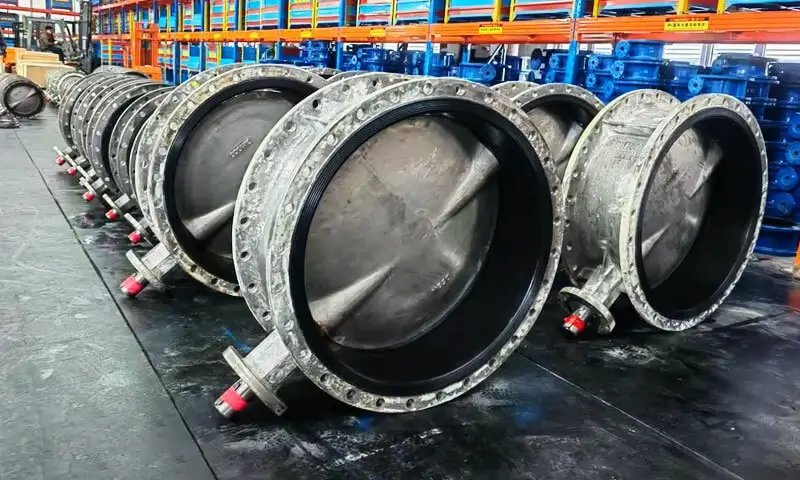
Läppäventtiilit ovat teollisuuden putkistojen laajimmin käytettyjä virtauksensäätölaitteita.
Niiden yksinkertainen mutta tehokas muotoilu – pyörivä kiekko, joka säätelee virtausta – tekee niistä välttämättömiä vedenkäsittelyssä, kemiallinen prosessointi, öljy- ja kaasu, ruoka ja juoma, ja sähköntuotanto.
Jokaisen läppäventtiilin ytimessä on venttiilin runko, levyn sisältävä rakennekotelo, istuimet, varsi, ja toimilaitteet, ja sen on kestettävä sisäinen paine, lämpötila, ja syövyttävä media.
Läppäventtiilirunkojen valmistus on perinteisesti perustunut hiekkavaluon, taonta, tai valmistus levystä.
Kuitenkin, investointivalu on noussut ylivoimaiseksi valmistusreitiksi korkean suorituskyvyn läppäventtiilirungoille – erityisesti ruostumattomasta teräksestä ja duplex-seoksista –, jotka tarjoavat vertaansa vailla olevan mittatarkkuuden, pintapinta, ja aineellisen eheys.
2. Mikä on perhoventtiilirunko?
Eräs perhonen venttiili säätelee nestevirtausta pyörittämällä pyöreää kiekkoa noin 90 astetta keskiakselin ympärillä.
Luistiventtiileihin verrattuna, maapalloventtiilit, ja palloventtiilit, läppäventtiilit tarjoavat paljon kompaktimman rakenteen ja pienemmän painon, joten ne sopivat erityisen hyvin halkaisijaltaan suuriin putkijärjestelmiin.
Vaikka venttiili näyttää suhteellisen yksinkertaiselta, jokainen komponentti suorittaa kriittisen mekaanisen toiminnon.
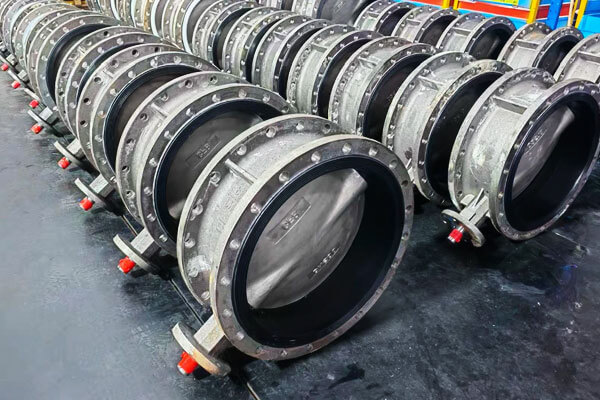
Läppäventtiilin runko on läppäventtiilin pääpainetta sisältävä kotelo.
Se tukee varren laakereita, mahtuu venttiilin istukka, tarjoaa tiivistyspinnat putkistojen liitoksille, ja kestää sekä sisäistä nestepainetta että ulkoista mekaanista kuormitusta.
Perhosventtiilin peruskomponentit
| Komponentti | Funktio |
| Vartalo | Sisältää levyn ja istuimet; tarjoaa putkiliitännät (laiva, raahata, vohveli, tai päittäishitsien päät). |
| Levy | Pyörivä sulkuelin, joka säätelee virtausta; tyypillisesti valettu kiinteästi varren kanssa tai erillään siitä. |
| Varsi / akseli | Siirtää vääntömomentin toimilaitteesta levylle. |
| Istuimet | Tee vuototiivis tiiviste levyn ja rungon väliin. |
| Toimilaite | Manuaalinen (vipu, käsikirjoitus) tai automatisoitu (pneumaattinen, sähköinen, hydraulinen). |
| Konepelli / ylälaippa | Sijaitsee varren ja tarjoaa asennuksen toimilaitteelle. |
Perhosventtiilin runkomallien tyypit
| Vartalotyyppi | Kuvaus | Tyypilliset sovellukset |
| Vohvelityylinen | Ohut runko, jossa läpimenevät pultinreiät; putken laippojen väliin. | Matala paine, kompaktit järjestelmät. |
| Lug-tyylinen | Kierreliitokset molemmilla puolilla; voidaan käyttää linjan pääteventtiilinä. | Kohtalainen paine; huoltoon pääsy. |
| Laiva | Kiinteät laipat molemmissa päissä; pultattu suoraan putkien laippoihin. | Korkea paine, halkaisijaltaan suuria järjestelmiä. |
| Puskuhitsaus | Päät on suunniteltu hitsattavaksi suoraan putkeen. | Korkea lämpötila, korkea paine, vuotokriittiset järjestelmät. |
| Offset / eksentrinen | Levy on siirretty keskeltä paremman tiivistyksen ja vääntömomentin pienentämiseksi. | Korkea suorituskyky, tiukat sulkusovellukset. |
Kriittiset toiminnalliset vaatimukset
| Vaatimus | Tekninen merkitys |
| Paineen eheys | Sen on kestettävä sisäinen paine ilman vuotoa tai muodonmuutoksia (ASME-luokkaan 150-2500 asti). |
| Korroosionkestävyys | Kestää mediaa (vettä, kemikaalit, kaasut, merivettä) heikkenemättä. |
| Mitat tarkkuus | Tarkat reiän halkaisijat ja vastakkaiset mitat takaavat laipan yhteensopivuuden. |
| Pintapinta | Sileät reikä- ja laippapinnat vähentävät virtausvastusta ja varmistavat tiiviyden. |
| Rakenteellinen jäykkyys | Säilyttää levyjen ja istuinten kohdistuksen lämpö- ja painesyklin alaisena. |
| Väsymiskestävyys | Kestää toistuvia pyöräilyjä ja paineenvaihteluita. |
3. Miksi valita sijoitusvalu perhoventtiilirungoille?
Läppäventtiilin rungon valmistusmenetelmällä on suuri vaikutus sen mittatarkkuuteen, mekaaninen suorituskyky, korroosionkestävyys, tuotantotehokkuus, ja kokonaiskustannukset.
Erilaisten käytettävissä olevien valmistusprosessien joukossa, investointi on tullut yksi suosituimmista vaihtoehdoista korkealaatuisten läppäventtiilirunkojen valmistukseen, erityisesti vaativissa teollisissa sovelluksissa käytettävät.
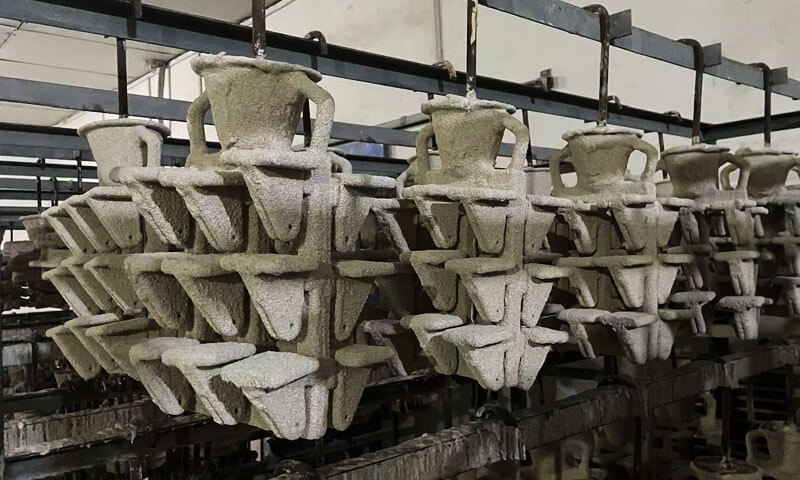
Toisin kuin perinteiset valumenetelmät, investointivalussa käytetään kuluvia vahakuvioita ja tarkkoja keraamisia muotteja, jotka tuottavat lähes verkon muotoisia komponentteja poikkeuksellisella mittatarkkuudella ja pinnan viimeistelyllä.
Prosessi pystyy toistamaan monimutkaisia geometrioita, jotka olisivat vaikeita, kalliiksi, tai jopa mahdotonta valmistaa perinteisellä hiekkavalulla tai laajalla työstyksellä.
Seurauksena, investointivalu ei ainoastaan paranna tuotteiden laatua, vaan myös tehostaa valmistusta ja vähentää materiaalihukkaa.
Läppäventtiilirungoille, jotka sisältävät monimutkaisia virtauskanavia, tiivistyspinnat, varren poraus, ja laippaliitännät, investointivalu tarjoaa ainutlaatuisen yhdistelmän suunnittelun joustavuutta, rakenteellinen eheys, ja tuotannon johdonmukaisuus.
Venttiilirunkojen sijoitusvalun tärkeimmät edut
| Etu | Selitys |
| Monimutkainen sisägeometria | Virtauskanavat, kylkiluut, ja asennusominaisuudet voidaan valaa suoraan, eliminoi moniosaisen valmistuksen. |
| Lähes verkon muoto | Minimaalinen koneistus vähentää materiaalihukkaa ja alentaa tuotantokustannuksia. |
| Erinomainen pinta | As-cast Ra 1,6-6,3 µm vähentää virtausvastusta ja parantaa istuimen tiivistystä. |
| Tiukka ulottuvuustoleranssit | Varmistaa laipan kohdistuksen, istuimen samankeskisyys, ja tiivis kokoonpano. |
Seoksen monipuolisuus |
Valaa mitä tahansa valettavaa ruostumatonta terästä, dupleksi, superseos, tai nikkeliseoksesta. |
| Paineen eheys | Äänivalut, joissa on oikea portti, saavuttavat paineenpitävän suorituskyvyn ANSI-luokkaan asti 2500. |
| Tasainen mikrorakenne | Hienorakeinen valurakenne tarjoaa tasaiset mekaaniset ominaisuudet. |
| Kustannustehokkuus keskisuurilla volyymeillä | 100-10 000 osaa/vuosi; ihanteellinen mukautetuille ja vakiokokoisille. |
4. Materiaalin valinta sijoitukseen valettu läppäventtiilin rungot
Sopivan materiaalin valinta on yksi kriittisimmistä päätöksistä investointivaletun läppäventtiilirungon suunnittelussa ja valmistuksessa..
Investointivaluprosessi määrittää komponentin mittalaadun ja geometrisen monimutkaisuuden, seos määrittää sen mekaaniset ominaisuudet, korroosionkestävyys, painekyky, lämpötila -alue, ja odotettu käyttöikä.
Ruostumaton teräs
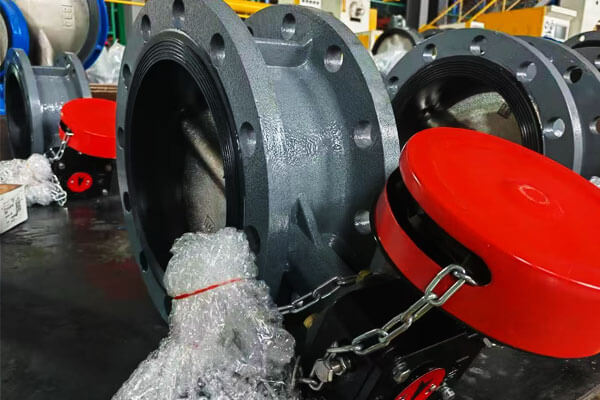
Ruostumaton teräs on yleisimmin käytetty materiaali sijoitusvalettuihin läppäventtiilirungoihin erinomaisen korroosionkestävyyden ansiosta, mekaaninen lujuus, valmistus, ja pitkäaikainen luotettavuus.
Pintaan muodostunut runsaasti kromia sisältävä passiivinen oksidikalvo tarjoaa tehokkaan suojan ilmakehän korroosiota ja monia teollisuuskemikaaleja vastaan.
CF8 (Vastaa ASTM A351 Grade CF8:aa)
CF8 on valetun tyypin vastine 304 ruostumatonta terästä ja sisältää n 18% Kromi ja 8% nikkeli.
Se tarjoaa hyvän korroosionkestävyyden vedessä, höyryä, elintarvikkeita, ja monia lievästi syövyttäviä kemikaaleja.
Sen etuja ovat mm:
- Hyvä yleinen korroosionkestävyys
- Erinomainen keltaisuus
- Hyvä hitsaus
- Vakaat mekaaniset ominaisuudet
- Kilpailukykyiset materiaalikustannukset
CF8 on laajalti käytössä:
- Vedenkäsittelyjärjestelmät
- Elintarvikekäsittely
- LVI-laitteet
- Yleiset teollisuusputket
- Vähäkorroosiokemialliset palvelut
Kuitenkin, CF8:aa ei suositella ympäristöihin, joissa on korkeita kloridipitoisuuksia, jossa saattaa esiintyä paikallista piste- ja rakokorroosiota.
CF8M (Vastaa ASTM A351 Grade CF8M:ää)
CF8M vastaa muokattua tyyppiä 316 ruostumatonta terästä, mutta sisältää noin 2–3 % molybdeeniä.
Molybdeenin lisääminen parantaa merkittävästi vastustuskykyä:
- Kloridipisteet
- Rakokorroosio
- Meriympäristöt
- Orgaaniset hapot
- Kemialliset prosessinesteet
Tyypilliset sovellukset sisältävät:
- Offshore-tekniikka
- Meriveden jäähdytysjärjestelmät
- Kemialliset kasvit
- Farmaseuttiset laitteet
- Massa- ja paperiteollisuus
Vaikka CF8M on yleensä kalliimpaa kuin CF8, sen parannettu korroosionkestävyys johtaa usein huomattavasti alhaisempiin ylläpitokustannuksiin venttiilin käyttöiän aikana.
Vähähiilinen ruostumattomat teräkset (CF3 ja CF3M)
CF3 ja CF3M ovat vähähiilisiä versioita CF8:sta ja CF8M:stä, vastaavasti.
Niiden alennettu hiilipitoisuus minimoi kovametallin saostumisen hitsauksen aikana, parantaen siten rakeidenvälisen korroosionkestävyyttä lämpövaikutuksella olevilla alueilla.
Nämä arvosanat valitaan yleisesti:
- Hitsatut putkistot
- Lääkkeiden valmistus
- Elintarvikkeiden jalostuslaitteet
- Erittäin puhtaat kemialliset järjestelmät
Kun on odotettavissa laajaa hitsausta, vähähiiliset ruostumattomat teräkset ovat yleensä parempia kuin standardilaatuja.
Hiiliteräs
Vaikka ruostumaton teräs hallitsee syövyttäviä sovelluksia, hiiliteräs on edelleen taloudellinen valinta monille läppäventtiilirungoille, jotka toimivat syövyttämättömissä tai lievästi syövyttävissä olosuhteissa.
WCB hiiliteräs
ASTM A216 WCB on yksi yleisimmin käytetyistä valuhiiliteräksistä venttiiliteollisuudessa.
Sen etuja ovat mm:
- Korkea mekaaninen lujuus
- Hyvä iskunkestävyys
- Erinomainen konettavuus
- Matala materiaalikustannus
- Hyvä paineenkesto
Tyypilliset sovellukset sisältävät:
- Öljyputket
- Maakaasun siirto
- Höyryjärjestelmät
- Palontorjunta
- Teollisuuden laitokset
Kuitenkin, WCB vaatii suojapinnoitteita tai sisävuorauksia altistuessaan syövyttävälle ympäristölle.
LCC matalan lämpötilan hiiliteräs
LCC on kehitetty erityisesti matalan lämpötilan huoltoon.
WCB:hen verrattuna, sillä on parannettu iskunkestävyys pakkasen lämpötiloissa ja sitä käytetään yleisesti:
- LNG-laitokset
- Kryogeeninen varastointi
- Jäähdytysjärjestelmät
- Arktisen putkilinjan infrastruktuuri
Duplex ruostumaton teräs
Teollisuuden ympäristön muuttuessa yhä aggressiivisemmiksi, duplex ruostumattomat teräkset ovat saaneet laajan hyväksynnän korkean suorituskyvyn läppäventtiilirungoissa.
Duplex-ruostumattomat teräkset sisältävät suunnilleen yhtä suuret osuudet ferriittiä ja austeniittia, yhdistää molempien mikrorakenteiden edut.
Niiden ominaisuuksia ovat mm:
- Erittäin korkea vetolujuus
- Erinomainen kloridinkestävyys
- Erinomainen jännityskorroosion halkeilukestävyys
- Hyvä väsymyssuorituskyky
- Erinomainen eroosionkestävyys
Verrattuna perinteisiin austeniittisiin ruostumattomiin teräksiin, dupleksiseokset tarjoavat usein lähes kaksinkertaisen myötörajan ja säilyttävät samalla erinomaisen korroosionkestävyyden.
Yleisiä sijoitusvalulajeja ovat mm:
- CD4MCU
- ASTM A890 -luokka 4A
- ASTM A890 -luokka 5A
Tyypilliset sovellukset sisältävät:
- Offshore-öljynporauslautat
- Suolanpoistokasvit
- Meren putkistot
- Kemialliset reaktorit
- Meriveden jäähdytysjärjestelmät
Vaikka duplex-lejeeringit ovat kalliimpia kuin perinteiset ruostumattomat teräkset, Niiden pitkä käyttöikä oikeuttaa usein lisäinvestoinnin.
Nikkelipohjaiset seokset
Jotkut teolliset prosessit toimivat olosuhteissa, jotka ylittävät ruostumattomien terästen ominaisuudet.
Erittäin väkevät hapot, kohonneet lämpötilat, hapettavat kemikaalit, ja vähentävät ympäristöt vaativat erikoisseoksia, joilla on poikkeuksellinen korroosionkestävyys.
Investointivalu mahdollistaa läppäventtiilien runkojen valmistamisen nikkelipohjaisista seoksista, kuten:
Hastelloy
Hastelloy-seokset kestävät erinomaisesti:
- Suolahappo
- Rikkihappo
- Fosforihappo
- Kloridit
- Hapettavat kemikaalit
Niitä käytetään laajalti kemiallisissa käsittelylaitoksissa, joissa tavanomaiset ruostumattomat teräkset ruostuisivat nopeasti.
Kattaa
Inconel-seokset tarjoavat:
- Erinomainen lujuus korkeissa lämpötiloissa
- Hapetusvastus
- Lämmönväsymyskestävyys
- Paineenkestävyys korkeissa lämpötiloissa
Sovellukset sisältävät:
- Sähköntuotanto
- Petrokemian prosessointi
- Ilmailun tukijärjestelmät
- Korkean lämpötilan kemialliset tehtaat
Moneli
Monel-lejeeringeillä on poikkeuksellinen kestävyys:
- Merivettä
- Fluorivetyhappo
- Suolaliuokset
- Meren biofouling
Ne valitaan usein meri- ja offshore-läppäventtiileihin.
Vaikka nikkeliseokset ovat merkittävä materiaaliinvestointi, ne voivat vähentää merkittävästi ylläpitokustannuksia ja seisokkeja vaikeissa huoltoympäristöissä.
5. Valettujen läppäventtiilirunkojen mekaaninen suorituskyky
Minkä tahansa läppäventtiilirungon ensisijainen tarkoitus on tarjota luotettavaa mekaanista tukea vaativissa käyttöolosuhteissa.
Investointivalu tunnetaan usein erinomaisesta mittatarkkuudestaan ja pintakäsittelystään, sen kyky tuottaa komponentteja, joilla on erinomainen mekaaninen suorituskyky, on yhtä tärkeä.
Paineenkestävyys
Paineenrajoitus on jokaisen venttiilirungon perustoiminto.
Käytön aikana, runko kokee sisäisen hydrostaattisen paineen, joka synnyttää vetojännitystä koko valun ajan.
Kriittisiä stressialueita ovat mm:
- Varren aukot
- Laipan juuret
- Pultin reiät
- Seinien siirtymät
- Vahvistavat kylkiluiden leikkauskohdat
Investointivalu edistää ylivoimaista paineen suorituskykyä:
- Tasainen seinämän paksuus
- Vähentynyt koneistuksen aiheuttama rasitus
- Tasaiset geometriset siirtymät
- Korkea ulottuvuus
Painekyky varmistetaan viime kädessä hydrostaattisella painetestauksella sovellettavien alan standardien mukaisesti.
Rakenteellinen vahvuus
Rakenteellisella lujuudella tarkoitetaan venttiilin rungon kykyä vastustaa pysyvää muodonmuutosta mekaanisen kuormituksen alaisena.
Tärkeitä materiaaliominaisuuksia ovat mm:
- Tuottolujuus
- Vetolujuus
- Elastinen moduuli
- Kovuus
Investointivaletut ruostumattomat teräkset tarjoavat tyypillisesti erinomaiset lujuuden ja taipuisuuden yhdistelmät, mahdollistaa venttiilin rungon kestävän:
- Putkilinjan kuormitukset
- Toimilaitteen vääntömomentti
- Asennusvoimat
- Lämpölaajenemisjännitykset
Oikea lämpökäsittely parantaa lujuutta entisestään hiomalla lejeeringin mikrorakennetta.
Väsymiskestävyys
Toisin kuin staattiset paineastiat, läppäventtiilejä kuormitetaan usein toistuvasti koko käyttöikänsä.
Jokainen toimintasykli tuottaa:
- Paineenvaihtelut
- Varren vääntömomentti
- Tärinä
- Lämpölaajeneminen
- Mekaaninen vaikutus
Yli tuhansia – tai jopa miljoonia – syklejä, mikroskooppisia väsymishalkeamia voi muodostua.
Investointivalu parantaa väsymiskykyä kautta:
- Sileä pinta
- Vähentynyt stressin keskittyminen
- Tasainen mikrorakenne
- Korkean ulottuvuuden tarkkuus
Suunnitteluominaisuudet, kuten runsaat fileet ja optimoitu rivan sijoitus, parantavat entisestään väsymiskestävyyttä jakamalla jännitykset tasaisemmin.
Vaikuttaa sitkeyteen
Teollisuusventtiilit voivat altistua äkillisille mekaanisille iskuille kuljetuksen aikana, asennus, tai operaatiota. Matalissa lämpötiloissa, riittämätön sitkeys voi johtaa hauraaseen murtumaan.
Iskusitkeys on siksi olennainen ominaisuus, erityisesti:
- LNG-järjestelmät
- Kryogeeniset putkistot
- Offshore-asennukset
- Kylmän ilmaston infrastruktuuri
Materiaalit, kuten LCC-hiiliteräs ja ruostumaton duplex-teräs, säilyttävät erinomaisen sitkeyden alhaisissa lämpötiloissa, tehdä niistä sopivia hakemuksiin.
Kulutus- ja eroosionkestävyys
Vaikka venttiilirunko ei yleensä ole alttiina suoralle liukuvalle kosketukselle, kuten levy tai istukka, se voi silti kokea eroosiota hankaavia hiukkasia kuljettavien suurten nopeuksien nesteistä.
Tyypillisiä erosiivisia väliaineita ovat mm:
- Lietteet
- Hiekalla täytettyä vettä
- Kaivosrikastusjätteet
- Lentotuhka
- Kemialliset suspensiot
Investointivaletut ruostumattomat duplex-teräkset ja nikkelipohjaiset seokset tarjoavat erinomaisen kestävyyden eroosiota vastaan korkeamman kovuuden ja vahvemman mikrorakenteen ansiosta.
Optimoidut sisäiset virtauskanavat vähentävät myös paikallista turbulenssia, minimoi eroosion pitkien käyttöjaksojen aikana.
Korroosionkestävyys
Korroosio on edelleen yksi johtavista venttiilivaurioiden syistä teollisuusjärjestelmissä.
Toimintaympäristöstä riippuen, läppäventtiilin rungot voivat kohdata:
- Yleinen korroosio
- Korroosio
- Rakokorroosio
- Galvaaninen korroosio
- Rakeiden välinen korroosio
- Stressikorroosion halkeaminen
Investointivalu tukee erittäin korroosionkestävien metalliseosten käyttöä ja tuottaa samalla tiheää, korkealaatuisia valukappaleita minimaalisilla pintavirheillä.
Asianmukaiset pintakäsittelyt, kuten passivointi tai sähkökiillotus, voivat parantaa korroosionkestävyyttä entisestään vahvistamalla ruostumattoman teräksen pintojen suojaavaa oksidikerrosta..
Korkean lämpötilan suorituskyky
Korkean lämpötilan huolto tuo lisää teknisiä haasteita.
Kun lämpötila nousee:
- Saantovoima heikkenee
- Virumisvastus tulee tärkeäksi
- Hapetus kiihtyy
- Lämpöväsymys voi kehittyä
Korkeiden lämpötilojen sovelluksiin, investointivaletut venttiilirungot valmistetaan yleensä lämmönkestävästä ruostumattomasta teräksestä tai nikkelipohjaisista superseoksista, jotka pystyvät säilyttämään mekaaniset ominaisuudet pitkäaikaisessa lämpöaltistuksessa.
Ulottuvuusvakaus
Mittojen vakaus on erityisen tärkeää, koska läppäventtiilit ovat riippuvaisia rungon tarkasta kohdistuksesta, varsi, levy, ja istuin.
Huono mittastabiilisuus voi johtaa:
- Lisääntynyt käyttömomentti
- Istuinkulku
- Vuoto
- Ennenaikainen laakerin vika
Investointivalu tarjoaa erinomaisen mittojen toistettavuuden minimoimalla vääristymät valmistuksen aikana.
Hallittu lämpökäsittely ja tarkkuustyöstö varmistavat edelleen, että kriittiset mitat pysyvät määritettyjen toleranssien sisällä.
Tämä korkea mittavakaus edistää suoraan venttiilin sujuvaa toimintaa, luotettava tiivistyskyky, ja pitkä käyttöelämä.
6. Investointivaletun läppäventtiilirungon lämpökäsittely ja pintakäsittely
Lämpökäsittely ja pinnan viimeistely eivät ole toissijaisia jälkikäsittelyvaiheita venttiilien valmistuksessa;
pikemminkin, ne ovat kriittisiä vaiheita, jotka määrittävät suoraan mekaaninen luotettavuus, korroosionkestävyys, ulottuvuusvakaus, ja palveluelämä valettu läppäventtiilirungot.
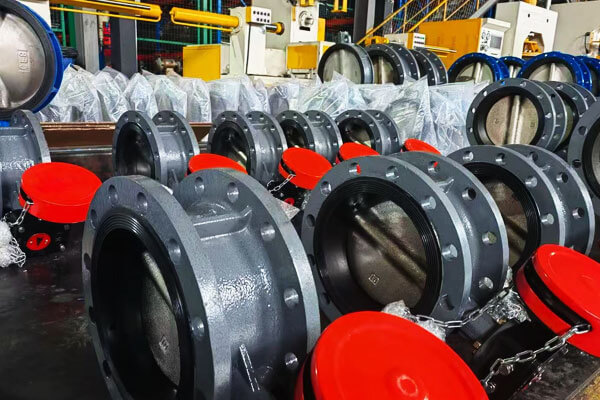
Lämmönkäsittely: Mikrorakennesuunnittelu suorituskyvyn optimointia varten
Lämpökäsittelyä käytetään muuttamaan valetun metalliseoksen mikrorakennetta, poistaa jäännösjännitykset, ja saavuttaa vaadittu voimatasapaino, sitkeys, ja korroosionkestävyys.
Liuoslämpökäsittely (Austeniittiset ruostumattomat teräkset)
Ruostumattomille teräslajeille, kuten CF8, CF8M, CF3, ja CF3M, liuoskäsittely on kriittisin prosessi.
Prosessi sisältää:
- Kuumenna valukappale n 1040°C – 1120 °C
- Lämpötilan pitäminen karbidien liuottamiseksi ja rakenteen homogenoimiseksi
- Nopea sammutus (yleensä vesijäähdytys)
Keskeisiä tuloksia ovat mm:
- Kromikarbidin saostumisen eliminointi
- Korroosionkestävyyden palauttaminen
- Parannettu taipuisuus ja sitkeys
- Homogenoitu austeniittinen mikrorakenne
Ilman asianmukaista liuoskäsittelyä, ruostumattomasta teräksestä valmistetut venttiilirungot voivat kärsiä rakeiden välisestä korroosiosta ja ennenaikaisesta vioittumisesta kloridipitoisissa ympäristöissä.
Stressiä lievittävä lämpökäsittely (Hiili- ja seosterät)
Valettu hiiliteräs venttiilirungot (ESIM., WCB, LCC) usein säilyttävät jäännösjännitykset jähmettymisestä ja jäähtymisestä.
Stressinpoisto suoritetaan klo 550°C – 650 °C kohtaan:
- Vähennä sisäisiä jäännösjännityksiä
- Paranna mittojen vakautta
- Minimoi vääristymät koneistuksen ja huollon aikana
- Paranna väsymyksen vastustuskykyä
Tämä prosessi on erityisen tärkeä halkaisijaltaan suurille läppäventtiilirungoille, joissa epätasaiset jäähdytysgradientit ovat selvempiä.
Normalisointi ja sammuttaminen & Karkaisu
Hiili- ja niukkaseosteisille teräksille, jotka vaativat suurempaa lujuutta:
- Normalisointi hienontaa raerakennetta ja parantaa tasaisuutta
- Sammutus ja karkaisu lisää merkittävästi lujuutta ja kovuutta säilyttäen samalla riittävän sitkeyden
Näitä käsittelyjä käytetään yleisesti korkeapainesovelluksissa, kuten öljyputkissa ja höyryjärjestelmissä.
Pinnan viimeistely: Toiminnallinen ja suojaava parannus
Pinnan viimeistely on yhtä tärkeää, koska se vaikuttaa suoraan korroosionkestävyyteen, puhtaus, hydraulinen suorituskyky, ja esteettinen laatu.
Ruiskupuhallus ja puhdistus
Suihkupuhallus on yleensä ensimmäinen viimeistelyvaihe valun poiston jälkeen.
Sen toimintoihin kuuluu mm:
- Keraamisen kuoren jäännösten poistaminen
- Poistaa oksidihilsettä
- Tasainen pintakuviointi
- Pinnan valmistelu jatkokäsittelyä varten
Hiiliteräsvaluihin, teräshauli on yleisesti käytetty, kun taas ruostumattomasta teräksestä valmistetut komponentit käyttävät usein ruostumatonta terästä olevaa ruostumatonta terästä tai kontrolloitua materiaalia kontaminoitumisen estämiseksi.
Peittaus ja kalkinpoisto
Peittaus on kemiallinen prosessi, jota käytetään pääasiassa ruostumattoman teräksen valuihin.
Se poistaa:
- Lämpöväri
- Oksidikerrokset
- Pintakontaminaatio korkean lämpötilan käsittelystä
Happoseokset (tyypillisesti typpipitoista + fluorivetyhappojärjestelmät) palauttaa puhtaan metallipinnan, mikä on välttämätöntä korroosionkestävyydelle.
Passivointihoito
Passivointi parantaa ruostumattoman teräksen luonnollista korroosionkestävyyttä edistämällä vakaan kromioksidikerroksen muodostumista.
Edut sisältävät:
- Parannettu pistelyskestävyys
- Parannettu kemiallinen stabiilisuus
- Pitkäaikainen pintasuojaus
- Pienempi paikallisen korroosion riski
Tämä vaihe on kriittinen CF8M-venttiilirungoille, joita käytetään meri- ja kemiallisissa ympäristöissä.
Elektroloiva (Huippuluokan sovellukset)
Sähkökiillotus on sähkökemiallinen viimeistelyprosessi, joka poistaa mikroskooppiset pintahuiput, tuloksena erittäin sileä ja puhdas pinta.
Edut sisältävät mm:
- Erittäin alhainen pinnan karheus
- Parempi hygieeninen suorituskyky
- Vähentynyt bakteerien tarttuvuus
- Parantunut korroosionkestävyys
- Parannetut virtausominaisuudet
Sitä käytetään laajasti:
- Farmaseuttiset järjestelmät
- Bioteknologian putkistot
- Elintarvikekäyttöön tarkoitetut käsittelylaitteet
- Erittäin puhtaat vesijärjestelmät
Suojapinnoitteet (Hiiliterässovellukset)
Hiiliteräksiseen venttiilirunkoon, suojapinnoitteet ovat välttämättömiä ympäristön korroosion estämiseksi.
Yleisiä pinnoitusjärjestelmiä ovat mm:
- Fuusiosidottu epoksi (Fbe)
- Polyuretaanipinnoitteet
- Sinkkiä sisältävät pohjamaalit
- Jauhemaalausjärjestelmät
Nämä pinnoitteet tarjoavat pitkäaikaisen kosteudenkestävyyden, kemikaalit, ja ilmakehän korroosiota.
7. Investointivaluventtiilien runkojen koneistus
Investointivalu tuottaa lähes verkon muotoisia runkoja, mutta kriittiset mitat vaativat koneistuksen.
Tyypilliset koneistustoimet
| Käyttö | Tarkoitus | Suvaitsevaisuus |
| Laipan pintajyrsintä | Saavuta tasaisuus ja yhdensuuntaisuus | ± 0,05 mm |
| Poran sorvaus | Saavuta tarkka sisähalkaisija | ±0,05–0,10 mm |
| Pultin reikien poraus | Luo laippapultin reiät | ±0,1–0,2 mm |
| Langan napauttaminen (korvakkeet) | Luo kierteet korvaketyyppisille venttiileille | ISO / ASME standardi |
| Istuimen uran kääntyminen | Tarkka syvennys istuinrenkaalle | ±0,02–0,05 mm |
| Varren reikä tylsä | Venttiilivarrelle | ±0,02–0,05 mm |
| Asennuslevyn työstö | Toimilaitteen asennukseen | ±0,05–0,10 mm |
Koneistushaasteet
| Haaste | Aiheuttaa | Ratkaisu |
| Työpaikka | Austeniittinen ruostumaton teräs kovettuu | Terävät kovametallityökalut; sopivat syötteet/nopeudet. |
| Työkalujen kuluminen | Ruostumaton on hankaavaa | Pinnoitettu kovametalli (Tialn, PVD); jäähdytysneste. |
| Pulista / värähtely | Ohutseinäiset osat | Käytä tasaisia lepopäiviä; lisää jäykkyyttä; vähentää ylitystä. |
| Mittojen vakaus | Jäännösjännitys valusta | Stressin lievitys; karkea koneistus → ikääntyminen → viimeistelytyöstö. |
8. Laadunvalvonta ja tarkastus
Investointivaletut läppäventtiilirungot vaativat tiukan laadunvarmistuksen täyttääkseen alan standardit.
Testi (Ndt)
| NDT-menetelmä | Havaitsee | Standardi | Taajuus |
| Visuaalinen tarkastus | Pintavirheet | ASTM E430 | 100% |
| Väriaine (Pt) | Pinta halkeamia, huokoisuus | ASTM E165 | 100% (kriittisiä alueita) |
| Radiografia (Röntgenkuva) | Sisäinen huokoisuus, sulkeumat | ASTM E94 | 10-25 % (erä) |
| Ultraääni | Sisäisiä vikoja, seinämän paksuus | ASTM E114 | 10-25 % (erä) |
| Painekannustestaus | Vuototiiviys | API 598 | 100% |
Ulottuvuustarkastus
| Mittaus | Laitteet | Suvaitsevaisuus |
| Poran halkaisija | CMM tai porausmittari | ± 0,05 mm |
| Laippapinnan tasaisuus | Optinen tai kellomittari | ≤0,05 mm/m |
| Kasvotusten ulottuvuus | CMM tai mittanauha | ±0,5-1,0 mm |
| Laippapultin reiän kuvio | CMM tai malli | ±0,1–0,2 mm |
| Istuimen uran mitat | CMM tai erikoismittari | ±0,02–0,05 mm |
Mekaaninen testaus
| Testata | Tarkoitus | Standardi |
| Vetolujuus | Antaa, vetolujuus, pidennys | ASTM E8 / Sisä- 10002 |
| Kovuus | HB tai HRB | ASTM E10 / ASTM E18 |
| Vaikutus (Karppy) | Sitkeys | ASTM E23 |
| Hydrostaattinen testi | Paineen eheys | API 598 / ASME B16.34 |
9. Investointivalun perhoventtiilirungon teolliset sovellukset
Investointivaletut läppäventtiilirungot ovat laajalti käytössä monilla teollisuudenaloilla, koska niissä yhdistyy korkea mittatarkkuus, Erinomaiset mekaaniset ominaisuudet, ja erinomainen korroosionkestävyys.
Niiden kyky mukauttaa monimutkaisia geometrioita ja samalla säilyttää paineen eheys tekee niistä sopivia sekä tavallisiin teollisuuspalveluihin että erittäin vaativiin käyttöympäristöihin..
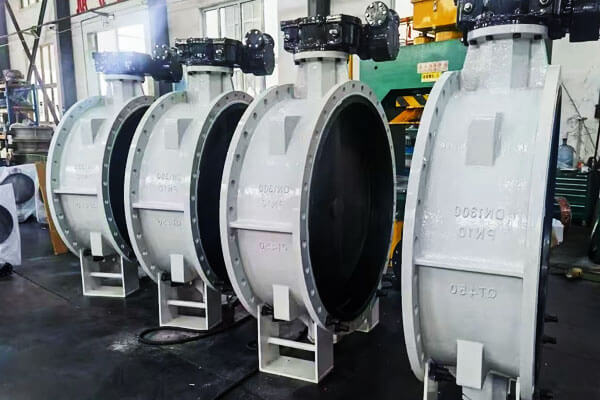
Vedenkäsittely ja jakelu
Vedenkäsittely on yksi läppäventtiilien suurimmista sovellusaloista.
Kunnalliset vesilaitokset, suolanpoistot, jätevedenkäsittelyasemat, ja kastelujärjestelmät vaativat kaikki luotettavat virtauksensäätölaitteet, jotka pystyvät toimimaan jatkuvasti vähäisellä huollolla.
Investointivaletut läppäventtiilirungot ovat erityisen edullisia, koska ne tarjoavat:
- Erinomainen mittayhtenäisyys luotettavaan tiivistykseen
- Sileät sisäpinnat, jotka vähentävät virtausvastusta
- Hyvä korroosionkestävyys juomakelpoisessa ja käsitellyssä vedessä
- Pitkä käyttöikä toistuvissa käyttöjaksoissa
Riippuen veden laadusta ja käyttöolosuhteista, yleisesti käytettyjä materiaaleja ovat mm:
- CF8 Ruostumaton teräs
- CF8M ruostumatonta terästä
- Pallorauta suojapinnoitteilla
- Duplex ruostumaton teräs merivesisovelluksiin
Suolanpoistolaitoksille, duplex ruostumaton teräs on usein parempi, koska se kestää erinomaisesti kloridin aiheuttamaa piste- ja rakokorroosiota.
Öljy- ja kaasuteollisuus
Öljyn ja kaasun tuotanto altistaa venttiilirungot eräille teollisissa sovelluksissa esiintyvistä ankarimmista käyttöolosuhteista.
Tyypillisiä toimintahaasteita ovat mm:
- Korkea paine
- Kohonneet lämpötilat
- Rikkivety (H₂s)
- Hiilidioksidi (Yhteistyö)
- Hankaavia hiukkasia
- Offshore-meriympäristöt
Investointivaletut läppäventtiilirungot tarjoavat erinomaisen paineeneristyksen samalla kun ne sopivat korroosionkestäviin metalliseoksiin, jotka on suunniteltu erityisesti happamaan käyttöön.
Yleisiä materiaaleja ovat:
- WCB hiiliteräs
- CF8M ruostumatonta terästä
- Duplex ruostumaton teräs
- Super duplex ruostumaton teräs
- Nikkelipohjaiset seokset
Tyypilliset sovellukset sisältävät:
- Raakaöljyputket
- Offshore -alustat
- Jalostamoiden prosessiyksiköt
- Maakaasun siirto
- LNG-terminaalit
- Petrokemian tehtaat
Myös sijoitusvalun tarkkuus parantaa tiivistyksen luotettavuutta, mikä on ratkaisevan tärkeää hajapäästöjen estämiseksi ja ympäristön noudattamisen varmistamiseksi.
Kemiallinen prosessointi
Kemialliset tehtaat käsittelevät erittäin aggressiivisia aineita, jotka voivat nopeasti hajottaa tavanomaisia teknisiä materiaaleja.
Tyypillisiä kemikaaleja ovat mm:
- Rikkihappo
- Suolahappo
- Typpihappo
- Natriumhydroksidi
- Kloridiliuokset
- Orgaaniset liuottimet
Investointivalu antaa valmistajille mahdollisuuden valmistaa läppäventtiilirunkoja erittäin korroosionkestävistä seoksista säilyttäen samalla erinomaisen mittatarkkuuden.
Prosessikemiasta riippuen, sopivia materiaaleja ovat mm:
- CF8M ruostumatonta terästä
- Duplex ruostumaton teräs
- Hastelloy
- Kattaa
- Moneli
Investointivalulla tuotettu erinomainen pintakäsittely minimoi myös rakojen muodostumista, vähentää paikallista korroosiota ja helpottaa laitteiden puhdistusta.
Sähköntuotanto
Voimalaitokset vaativat venttiileitä, jotka pystyvät toimimaan jatkuvasti vaativissa lämpö- ja mekaanisissa olosuhteissa.
Sovellukset sisältävät:
- Kattilan syöttövesijärjestelmät
- Steamin jakelu
- Jäähdytysvesijärjestelmät
- Savukaasun poistuminen
- Lauhdejärjestelmät
Venttiilirunkojen tulee kestää:
- Korkea paine
- Lämpöjakso
- Kohonneet lämpötilat
- Syövyttävät kondensaatit
Näihin sovelluksiin valitaan yleisesti lämmönkestävät ruostumattomat teräkset ja nikkelipohjaiset seokset.
Sijoitusvalun tarjoama mittojen vakaus edistää tasaista venttiilin suorituskykyä toistuvien lämpölaajenemis- ja supistumisjaksojen aikana.
Ruoka- ja juomateollisuus
Elintarvikkeiden käsittelylaitteiden on täytettävä tiukat hygieniastandardit säilyttäen samalla erinomainen korroosionkestävyys.
Tyypilliset sovellukset sisältävät:
- Juomien tuotanto
- Meijeri
- Panimo
- Sokerin jalostus
- Ruokaöljyn tuotanto
Investointivaletut ruostumattomasta teräksestä valmistetut läppäventtiilirungot tarjoavat useita tärkeitä etuja:
- Sileä, puhdistettavat pinnat
- Alhainen bakteeritarttuvuus
- Erinomainen korroosionkestävyys
- Korkean ulottuvuuden tarkkuus
- Yhteensopivuus saniteettipuhdistusmenetelmien kanssa
Sähkökiillotettuja ruostumattomia CF3- ja CF3M-teräksiä käytetään usein hygieenisissa prosessijärjestelmissä, joissa tuotteen puhtaus on olennaista.
Lääke- ja bioteknologiateollisuus
Lääkevalmistus asettaa vielä tiukemmat vaatimukset kuin elintarvikkeiden jalostus.
Venttiilirunkojen on oltava esillä:
- Erittäin sileät pinnat
- Minimaalinen kontaminaatioriski
- Erinomainen puhdistettavuus
- Kestää aggressiivisia sterilointikemikaaleja
- GMP-standardien noudattaminen
Investointivalu tarjoaa poikkeuksellisen geometrisen tarkkuuden ja minimoi pinnan epätasaisuudet, jotka voivat sisältää mikro-organismeja.
Ylimääräinen sähkökiillotus parantaa entisestään:
- Pinnan karheus
- Korroosionkestävyys
- Steriiliys
- Tuotteen puhtaus
Nämä ominaisuudet tekevät investointivaletuista läppäventtiilirungoista hyvin soveltuvia steriileihin käsittelyjärjestelmiin.
Merenkulku
Meriympäristöt yhdistävät useita aggressiivisia tekijöitä:
- Suolaisen veden korroosio
- Korkea kosteus
- Biologinen likaantuminen
- Mekaaninen tärinä
- Syklinen lataus
Laivoissa käytetyt venttiilirungot, offshore -alustat, ja rannikkoalueet vaativat erinomaisen korroosionkestävyyden.
Yleisiä materiaaleja ovat:
- Duplex ruostumaton teräs
- Super duplex ruostumaton teräs
- Moneli
- Pronssiseokset
Investointivalu mahdollistaa monimutkaiset meriventtiilit ja varmistaa samalla erinomaisen mekaanisen eheyden jatkuvassa meriveden vaikutuksessa.
Kaivostoiminta ja mineraalien käsittely
Kaivostoiminta asettaa ainutlaatuisia haasteita erittäin hankaavien kiintoaineita sisältävien lietteiden vuoksi.
Venttiilirunkojen on kestettävä:
- Hankaavaa kulumista
- Iskukuormitus
- Korroosio
- Suuret virtausnopeudet
Investointivalettu ruostumaton duplex-teräs tarjoaa erinomaisen yhdistelmän kulutuskestävyyttä, vahvuus, ja korroosionkestävyys, tekee siitä sopivan lietteen kuljetusjärjestelmiin.
LVI- ja kiinteistöpalvelut
Suurissa liikerakennuksissa käytetään usein läppäventtiilejä:
- Jäähdytetty vesi
- Lämmitysjärjestelmät
- Jäähdytystornit
- Palontorjunta
- Vedenjako
Investointivaluventtiilirungot tarjoavat kevyen rakenteen, tarkat mitat, ja luotettava tiivistys pienentäen samalla ylläpitokustannuksia pitkien käyttöjaksojen aikana.
10. Tulevaisuuden kehitystrendit
| Trendi | Kuvaus | Vaikutus sijoitusvalettuihin venttiilirunkoon |
| Vahakuvioiden lisävalmistus | 3D-painetut kuviot eliminoivat työkalut pienille määrille. | Mahdollistaa nopean prototyyppien valmistuksen; mukautetut koot ilman muottikustannuksia. |
| Digitaalinen twin ja simulaatio | Valun ja koneistuksen reaaliaikainen simulointi. | Vähentää vikoja; optimoi prosessin. |
| Tekoälyn ohjaama vian ennustaminen | Koneoppiminen ennustaa huokoisuutta ja sulkeumia. | Parantaa tuottoa; vähentää tarkastusta. |
Suorituskykyiset duplex-lejeeringit |
Uudet duplex-lejeeringit, joilla on suurempi lujuus ja korroosionkestävyys. | Mahdollistaa ohuemmat osat; painon aleneminen. |
| Kestävät kuorimateriaalit | Biopohjaiset sideaineet; kierrätettävä kuori. | Vähentää ympäristövaikutuksia. |
| Älykkäät venttiilirungot | Sisäänrakennetut lämpötila-anturit, paine, korroosio. | Mahdollistaa ennakoivan ylläpidon; kunnon seuranta. |
| Halkaisijaltaan suuri sijoitusvalu | Valukoot DN1200 asti / 48″. | Laajentaa sovellusalueen suuriin putkiin. |
| Sulamisen sähköistäminen | Induktiosulatus uusiutuvalla sähköllä. | Vähentää hiilijalanjälkeä. |
11. Johtopäätös
Investointivalu on johtava valmistusprosessi korkean suorituskyvyn läppäventtiilirungoille, erityisesti ruostumattomassa teräksessä ja duplex-seoksissa.
Se tarjoaa ainutlaatuisen yhdistelmän geometrinen monimutkaisuus, mitat tarkkuus, pintapinta, ja aineellisen eheys joka on vertaansa vailla hiekkavalulla, taonta, tai valmistus.
Prosessi tuottaa lähes verkon muotoisia komponentteja minimaalisella työstyksellä, erinomainen paineenkesto, ja johdonmukaiset mekaaniset ominaisuudet.
Korroosionkestävyyttä vaativille venttiilirungoille, tiukat toleranssit, ja pitkä käyttöikä – olipa kyse kemiantehtaista, offshore -alustat, tai elintarvikejalostuslinjoja – investointivalu on valintamenetelmä.
Investointivalettujen läppäventtiilirunkojen menestys riippuu koko tuotantoketjun tarkasta valvonnasta: seoksen valinta, kuvion suunnittelu, kuoren rakennus, sulaminen, kaataminen, lämmönkäsittely, koneistus, ja tarkastus.
Simulaatiossa edistystä, automaatio, ja kestävät materiaalit tehostavat prosessia entisestään, tehdä siitä tehokkaampaa, luotettava, ja ympäristöystävällinen.
Toimialat vaativat parempaa suorituskykyä, kevyempi paino, ja pidempi käyttöikä virtauksensäätölaitteista, Investointivalulla on jatkossakin keskeinen rooli näihin haasteisiin vastaamisessa.
Faqit
Mikä on läppäventtiilin rungon enimmäiskoko, joka voidaan investoida??
Tyypillinen sijoitusvalukapasiteetti: asti 600 mm (24″) kiekkojen/korvakekappaleiden halkaisija; isommat koot jopa 900 mm (36″) ovat mahdollisia erikoistuneen kuoren rakentamisen avulla.
Erittäin suurille venttiileille (>48″), hiekkavalu tai valmistus on taloudellisempaa.
Mitä eroa on kiekkojen ja korvaketyyppisten venttiilirunkojen välillä??
Vohvelityyliset rungot ovat ohuita ja kiinnitetty laippojen väliin; korvakemaisissa rungoissa on kierteitetyt sisäkkeet molemmilla puolilla, ja niitä voidaan käyttää pääteventtiileinä. Molemmat ovat investointikelpoisia.
Voidaanko investointivaletut venttiilirungot korjata?
Pienet valuvirheet voidaan korjata hitsaamalla (sopivalla täyteaineella ja esilämmitä), mutta suuret viat johtavat yleensä romuun. HIP voi poistaa huokoisuuden, mutta ei korjaa pintavirheitä.
Mikä on investointivalettujen venttiilirunkojen tyypillinen läpimenoaika??
8-12 viikkoa työkaluille ja ensimmäisille tuotteille; 2-4 viikkoa uusintatilauksille (olemassa olevilla työkaluilla). Pikatilaukset voidaan nopeuttaa lisämaksusta.