


1. مقدمه
تنگستن, همچنین به عنوان ولفرام شناخته می شود, با ویژگی های خارق العاده خود مهندسان و دانشمندان را مجذوب خود می کند.
با نقطه ذوب خیره کننده تقریباً 3422 درجه سانتیگراد و چگالی 19.3 g/cm³, تنگستن عملکرد بی نظیری را در محیط های شدید ارائه می دهد.
علاوه بر این, هدایت حرارتی عالی و مقاومت در برابر سایش قوی آن تضمین می کند که اجزای مبتنی بر تنگستن در کاربردهای با دمای بالا و استرس بالا برتری می یابند..
هدف این مقاله ارائه یک تحلیل چند وجهی از تنگستن - از کشف اولیه و نقاط عطف تاریخی آن تا تکنیکهای پردازش مدرن و روندهای آینده است.,
در حالی که داده های کلیدی و بینش های معتبر را برای راهنمایی خوانندگان از طریق چشم انداز پیچیده آن ترکیب می کند.
2. پیشینه تاریخی و تکامل
کشف و استفاده های اولیه
تنگستن اولین بار در اواخر قرن 18 در صحنه علمی ظاهر شد.
محققان اولیه به سرعت پتانسیل آن را تشخیص دادند, و کاربردهای اولیه بر استفاده از آن در آلیاژهای تخصصی و رشته های روشنایی متمرکز بود.

از نظر تاریخی, مقاومت تنگستن در برابر حرارت و خوردگی آن را از سایر فلزات متمایز می کند, راه را برای پذیرش اولیه آن در نقش های صنعتی خاص هموار می کند.
انقلاب صنعتی و فراتر از آن
در طول انقلاب صنعتی, استحکام ذاتی تنگستن و پایداری در دمای بالا آن را به یک ماده ضروری برای بهبود ماشین آلات و تجهیزات ساخت تبدیل کرده است..
در نتیجه, از استفاده تجربی به یک منبع استراتژیک در کاربردهای مهندسی مختلف تبدیل شد.
همانطور که تقاضاهای تکنولوژیک تکامل یافته است, تنگستن شهرت خود را در بخش هایی مانند خودرو تقویت کرد, دفاع, و انرژی.
نقاط عطف تکنولوژیکی و تکامل پردازش
پیشرفت های کلیدی در استخراج تنگستن و توسعه آلیاژ، چشم انداز تولید آن را تغییر داد.
به عنوان مثال, پیشرفت در متالورژی پودر و روش های پالایش نه تنها خلوص را افزایش داد، بلکه قابلیت استفاده تنگستن را نیز افزایش داد..
با گذشت زمان, تکنیکهای پردازش سنتی به فناوریهای مدرن مانند پخت و آهنگری پیشرفته تسلیم شدند, که هم عملکرد مواد و هم کارایی تولید را افزایش می دهد.
این نقاط عطف بر تکامل پویای تنگستن و انطباق مداوم آن برای رویارویی با چالشهای صنعت مدرن تأکید میکند..
3. خواص کلیدی تنگستن
خصوصیات فیزیکی
نقطه ذوب بسیار بالا:
- نقطه داده ها: تقریباً 3422 درجه سانتیگراد (6192° F)
- اهمیت: این بالاترین نقطه ذوب در بین تمام فلزات است, که به تنگستن اجازه می دهد تا یکپارچگی ساختاری را در محیط های بسیار با دمای بالا حفظ کند.
چگالی بالا:
- نقطه داده ها: دور 19.3 g/cm³
- برنامه: چگالی آن تنگستن را برای استفاده در وزنه های تعادل ایده آل می کند, سیستم های بالاست, و محافظ تشعشع در جایی که جرم زیاد در حجم کم حیاتی است.
هدایت حرارتی:
- نقطه داده ها: تقریبا 173 W/m·K در دمای اتاق
- سود: اتلاف گرما را در کاربردهای با دمای بالا فعال می کند, به ویژه در صنایع برق و روشنایی.
هدایت الکتریکی:
- یادداشت: اگرچه به اندازه مس رسانا نیست, خواص الکتریکی تنگستن به اندازه کافی برای کاربرد در الکترونیک قوی است, مانند الکترودها و رشته ها.
خصوصیات مکانیکی
عملکرد مکانیکی تنگستن با توانایی آن در مقاومت در برابر تنش های شدید مشخص می شود:
مقاومت کششی بالا:
- نقطه داده ها: اغلب بیش از حد 750 MPA
- تأثیر: این استحکام بالا تنگستن را برای استفاده در قطعاتی که باید در برابر تغییر شکل تحت بارهای سنگین مقاومت کنند، مناسب می کند.
سفتی (مدول):
- نقطه داده ها: تقریباً 400 معدل
- نتیجه: سفتی تنگستن حداقل تغییر شکل الاستیک را تضمین می کند, که در مهندسی دقیق و کاربردهای سازه ای حیاتی است.
مقاومت در برابر خزش:
- مزیت: خواص مکانیکی را تحت قرار گرفتن طولانی مدت در دمای بالا حفظ می کند
- چالش: هر چند, شکنندگی ذاتی آن نیازمند دست زدن به دقت و تکنیک های پردازش تخصصی برای جلوگیری از شکستگی است.
خواص شیمیایی
مقاومت در برابر اکسیداسیون و خوردگی:
- شرح: تنگستن در برابر اکسیداسیون و خوردگی حتی در شرایط سخت مقاومت می کند, مانند دماهای بالا و محیط های شیمیایی تهاجمی.
- فایده عملی: این پایداری عمر مفید اجزای تنگستن را در صنایعی مانند هوافضا و دفاع افزایش می دهد.
عدم ابعاد شیمیایی:
- نتیجه: رفتار بی اثر آن تنگستن را به ماده ای قابل اعتماد در محیط هایی تبدیل می کند که واکنش های شیمیایی باید به حداقل برسد.
4. فرآیندهای ساخت فلز تنگستن
ساخت فلز تنگستن شامل یک سری فرآیندهای پیچیده و بسیار تخصصی است.
این فرآیندها, در طول چندین دهه نوآوری توسعه یافته است, سنگ معدن تنگستن خام را به ماده ای تصفیه شده تبدیل می کند که قادر به تحمل شرایط شدید است.
زیر, ما سفر تولید را به چند مرحله حیاتی تقسیم می کنیم.
استخراج و پالایش
اولین مرحله در تولید تنگستن با استخراج سنگ معدن تنگستن آغاز می شود, که معمولا به شکل ولفرامیت یا شیلیت می آید. مراحل کلیدی شامل:
استخراج و تغلیظ سنگ معدن:
- فرآیند: سنگ معدن تنگستن با استفاده از روش های روباز یا زیرزمینی استخراج می شود. خرد کردن و آسیاب کردن مواد معدنی تنگستن را از سنگ اطراف آزاد می کند.
- نقطه داده ها: فرآیند غلظت می تواند اکسید تنگستن تولید کند (WO3) سطوح به اندازه 80% در سنگ معدن با عیار بالا.
فرآوری و پالایش شیمیایی:
- فرآیند: روش های شستشو و رسوب شیمیایی، تنگستن را از ناخالصی ها جدا می کند.
فرآیندهای مدرن پالایش, مانند روش استخراج با حلال, تولید کنسانتره تنگستن با خلوص بالا. - انتقال: علاوه بر این, این تکنیکهای پالایش، نرخ بازده را بهبود بخشیده و در عین حال اثرات زیستمحیطی را از طریق سیستمهای پیشرفته تصفیه زباله به حداقل میرسانند.
تکنیک های تولید
متالورژی پودر:
- زینترینگ و پرس:
-
- توضیحات: پودر تنگستن, تولید شده از کنسانتره تصفیه شده, تحت فشار بالا متراکم شده و در دماهای نزدیک به 1400 تا 1500 درجه سانتیگراد زینتر می شود..
- مزایا: این روش یکنواخت تولید می کند, اجزای متراکم ایده آل برای کاربردهایی که به استحکام و دوام بالا نیاز دارند.
آهنگری و نورد:
- توضیحات: در بعضی موارد, تنگستن یا آلیاژهای تنگستن بیشتر با آهنگری یا نورد پردازش می شوند.
- نقطه داده ها: دمای آهنگری اغلب بیش از 2000 درجه سانتیگراد است تا از تغییر شکل پلاستیک مناسب با وجود نقطه ذوب بالای تنگستن اطمینان حاصل شود..
- نتیجه: این تکنیکها تنگستن را به صفحات تبدیل میکنند, میله, یا سیم در حالی که خواص مکانیکی آن را افزایش می دهد.
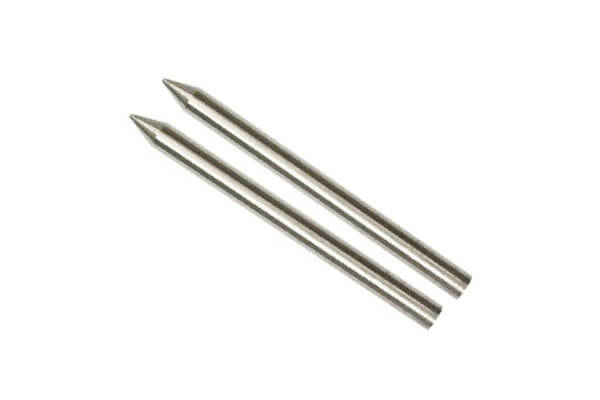
تولید کاربید تنگستن:
- فرآیند: با ترکیب تنگستن با کربن در دماهای بالا, تولید کنندگان کاربید تنگستن تولید می کنند.
- کاربرد: کاربید تنگستن به دلیل سختی استثنایی آن مشهور است, آن را در ابزارهای برش و ماشین آلات معدن ضروری می کند.
- انتقال: بعلاوه, ادغام کاربید تنگستن در مواد کامپوزیتی کاربرد آن را در کاربردهای صنعتی با سایش بالا گسترش داده است..
چالش های پردازش
نقطه ذوب بالا:
- چالش: نقطه ذوب تنگستن تقریباً 3422 درجه سانتیگراد به تجهیزات تخصصی و محیط های کنترل شده نیاز دارد..
- راه حل: تولید کنندگان از کوره های پیشرفته با دمای بالا و اتمسفر کنترل شده برای کاهش اکسیداسیون و تخریب مواد استفاده می کنند..
شکنندگی ذاتی:
- چالش: سختی بالا و شکل پذیری محدود تنگستن فرآیندهای ماشینکاری و شکل دهی را پیچیده می کند.
- راه حل: مهندسان اغلب از تکنیک های متالورژی پودر و عملیات حرارتی بهینه سازی شده برای افزایش کارایی بدون به خطر انداختن عملکرد استفاده می کنند..
مصرف انرژی:
- نقطه داده ها: فرآیندهای تولید تنگستن انرژی بر هستند, به افزایش هزینه های تولید کمک می کند.
- کاهش: تحقیقات مستمر با هدف بهبود بهره وری انرژی از طریق بهینه سازی فرآیند و ادغام منابع انرژی تجدید پذیر انجام می شود..
ملاحظات زیست محیطی
مدیریت پسماند و کنترل انتشار:
- تمرین کنید: تاسیسات مدرن سیستم های پیشرفته تصفیه پسماند را برای جمع آوری و بازیافت محصولات جانبی حاصل از فرآوری و پالایش سنگ معدن اجرا می کنند.
- تأثیر: این اقدامات نه تنها ردپای زیست محیطی را کاهش می دهد، بلکه با استانداردهای نظارتی سختگیرانه نیز مطابقت دارد.
ابتکارات بازیافت:
- توضیحات: قابلیت بازیافت تنگستن نقش مهمی در تولید پایدار دارد.
- سود: بازیافت تنگستن تقاضا برای استخراج سنگ معدن جدید را کاهش می دهد و مصرف انرژی را تا حدودی کاهش می دهد 95% در مقایسه با تولید اولیه.
نوآوری های فرآیند پایدار:
- نمونه: نوآوری در پالایش شیمیایی و تف جوشی با راندمان بالا منجر به کاهش قابل توجهی در مصرف انرژی و انتشار گازهای گلخانه ای شده است., تضمین چرخه تولید پایدارتر.
جدول خلاصه
| مرحله | فرآیند کلیدی | داده ها / مزایای قابل توجه |
|---|---|---|
| استخراج و پالایش | استخراج سنگ معدن, خرد کردن, شستشوی شیمیایی | خلوص اکسید تنگستن تا 80%; بهبود درمان زباله |
| متالورژی پودر | پخت & فشار | دمای پخت: 1400درجه سانتی گراد - 1500 درجه سانتی گراد; یکسان, قطعات با چگالی بالا |
| آهنگری و نورد | شکل دهی در دمای بالا | آهنگری بالای 2000 درجه سانتیگراد; خواص مکانیکی پیشرفته |
| تولید کاربید تنگستن | ترکیب تنگستن با کربن | سختی استثنایی برای ابزارهای برش و کاربردهای معدن |
| اقدامات زیست محیطی | مدیریت پسماند, بازیافت | تا 95% صرفه جویی در انرژی از طریق بازیافت; رعایت مقررات |
5. کاربردهای فلز تنگستن
کاربردهای صنعتی
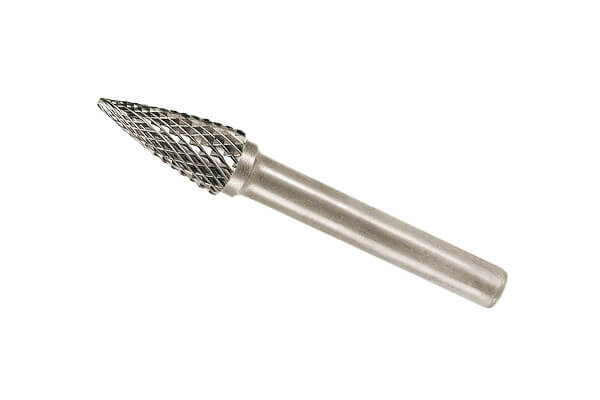
کاربید تنگستن, مشتق شده از تنگستن, در تولید ابزارهای برش بادوام ضروری است, ماشین آلات معدن, و قطعات مقاوم در برابر سایش.
توانایی آن برای حفظ یکپارچگی در شرایط سایشی اهمیت صنعتی آن را نشان می دهد.
هوافضا و دفاع
در هوا و فضا و دفاع, تنگستن به اجزای حیاتی مانند وزنه های تعادل کمک می کند, بالاست, و سپرهای تشعشعی.
علاوه بر این, چگالی بالای آن در پرتابه های زره پوش و سایر تجهیزات نظامی تخصصی کاربرد دارد, که در آن دقت و قابلیت اطمینان از اهمیت بالایی برخوردار است.
الکترونیک و روشنایی
نقش تنگستن در الکترونیک و نور را نمی توان اغراق کرد. از نظر تاریخی, لامپ های رشته ای با رشته های تنگستن, در حالی که امروز,
الکترودها و کنتاکت های تنگستن همچنان از عملکرد تجهیزات جوشکاری و دستگاه های الکترونیکی با کارایی بالا پشتیبانی می کنند.
کاربردهای پزشکی و نوظهور
در پزشکی مزرعه, خواص پرتوپاک تنگستن باعث افزایش دقت تصویربرداری می شود و در دستگاه های تشخیصی استفاده می شود.
بعلاوه, بخش های نوظهور, از جمله تولید مواد افزودنی و انرژی های تجدید پذیر, به طور فزاینده ای به تنگستن برای پایداری در دمای بالا و عملکرد ساختاری آن تکیه می کنند.
6. مزایا و محدودیت های تنگستن
تنگستن به دلیل ترکیب منحصر به فرد از خواص، همچنان یک ماده حیاتی در صنایع با عملکرد بالا است.
در این بخش, ما مزایایی را که تنگستن را ضروری می کند و محدودیت هایی که مهندسان باید در طول کاربرد آن در نظر بگیرند را بررسی می کنیم.
6.1. مزایای تنگستن
تنگستن طیف وسیعی از مزایایی را ارائه می دهد که به استفاده گسترده از آن در محیط های شدید کمک می کند:
مقاومت استثنایی در برابر دمای بالا:
- نقطه داده ها: تنگستن در دماهای تقریباً 3422 درجه سانتیگراد پایداری خود را حفظ می کند, بالاترین نقطه ذوب در بین فلزات.
- تأثیر: این ویژگی به تنگستن اجازه می دهد تا به طور موثر در کاربردهایی مانند اجزای هوافضا و کوره های با دمای بالا عمل کند..
تراکم و دوام بالا:
- نقطه داده ها: با تراکم در اطراف 19.3 g/cm³, تنگستن جرم و استحکام فوق العاده ای را فراهم می کند.
- برنامه: وزن آن برای وزنه های تعادل ایده آل است, سیستم های بالاست, و محافظت در برابر تشعشع, اطمینان از اینکه قطعات تحت فشار مکانیکی مقاوم می مانند.
هدایت حرارتی و الکتریکی برتر:
- نقطه داده ها: تنگستن رسانایی گرمایی تقریباً از خود نشان می دهد 173 w/m · k, که اتلاف گرمای کارآمد را تسهیل می کند.
- سود: این ویژگی ها استفاده از آن در رشته های روشنایی را پشتیبانی می کند, کنتاکت های الکتریکی, و هیت سینک در دستگاه های الکترونیکی.
خصوصیات مکانیکی قوی:
- نقاط داده: استحکام کششی بیش از حد 750 MPa و مدول یانگ نزدیک است 400 GPA منعکس کننده استحکام و استحکام تنگستن است.
- نتیجه: این ویژگیها تنگستن را قادر میسازد تا بارهای مکانیکی قابل توجهی را تحمل کند و یکپارچگی ساختاری را در برنامههای کاربردی حفظ کند..
پایداری شیمیایی:
- مشخصه: تنگستن در برابر اکسیداسیون و خوردگی مقاومت می کند, حتی در محیط های شیمیایی تهاجمی.
- نتیجه: این بی اثری شیمیایی باعث افزایش طول عمر قطعات تنگستن در بخش هایی مانند دفاع و تولید صنعتی می شود..
6.2. محدودیت های تنگستن
با وجود عملکرد استثنایی آن, تنگستن چندین چالش را به همراه دارد:
شکنندگی ذاتی:
- صادر کردن: سختی بالای تنگستن اغلب به ضرر شکل پذیری است, آن را در برابر ضربه یا تنش خمشی مستعد ترک خوردن می کند.
- نتیجه: مهندسان باید از تکنیک های پردازش تخصصی استفاده کنند, مانند متالورژی پودر و عملیات حرارتی کنترل شده, برای کاهش شکنندگی.
مشکلات پردازش و ماشینکاری:
- چالش: نقطه ذوب بالا تنگستن استفاده از پیشرفته را ضروری می کند, تجهیزات با دمای بالا, که فرآیندهای ماشینکاری و شکل دهی را پیچیده می کند.
- تأثیر: در نتیجه, پردازش تنگستن تمایل به انرژی بر و پرهزینه دارد, راندمان کلی تولید را تحت تأثیر قرار می دهد.
هزینه های بالای تولید:
- بینش داده ها: با توجه به نیازهای پردازشی پیچیده و نیاز به تکنیک های تخصصی ساخت, تنگستن و آلیاژهای آن معمولاً گرانتر از سایر فلزات هستند.
- مبادله: در حالی که مزایای عملکرد قابل توجه است, محدودیت های بودجه ممکن است استفاده از آن را در برنامه های کاربردی حساس به هزینه محدود کند.
در دسترس بودن محدود فرم های شکل پذیر:
- مشاهده: اگرچه تنگستن استحکام بسیار خوبی را فراهم می کند, شکل پذیری محدود آن، دامنه اشکال و فرم هایی را که می توان به راحتی تولید کرد، محدود می کند.
- راه حل: تولیدکنندگان اغلب مواد کامپوزیتی یا آلیاژهای هیبریدی را برای ترکیب خواص مطلوب تنگستن با بهبود کارایی تولید می کنند..
7. روندها و نوآوری های آینده در فلز تنگستن
کامپوزیت های پیشرفته مبتنی بر تنگستن
کامپوزیت های زمینه فلزی تنگستن (W-MMC ها) برای کاربردهای تخصصی که نیاز به دوام و دقت فوق العاده دارند، مورد توجه قرار می گیرند.
این کامپوزیت ها تنگستن را با فلزاتی مانند نیکل ترکیب می کنند, مس, یا مولیبدن برای افزایش ماشین کاری, محافظت در برابر تشعشع, و ثبات حرارتی.
- دانسیمت® و INERMET®: با چگالی بالا (>90% حرف) کامپوزیت های مورد استفاده در محافظ پرتوهای هوافضا و تجهیزات پزشکی, ارائه قدرت برتر و خواص غیر مغناطیسی.
- مس تنگستن (WCu): مقاومت حرارتی تنگستن را با رسانایی مس ترکیب می کند, ایده آل برای تماس های الکتریکی و سینک های حرارتی در سیستم های ولتاژ بالا.
- SPARKAL®: برای فرسایش جرقه ای طراحی شده است (EDM) الکترودها, بهبود دقت در ساخت قالب.
نوآوری: کامپوزیت های نوظهور مانند تنگستن-کاربید-مس (WCC) هدف بهینه سازی مقاومت در برابر فرسایش قوس الکتریکی برای شبکه های انرژی نسل بعدی.
فناوریهای استخراج و استخراج پایدار
صنعت تنگستن در حال اتخاذ شیوه های سازگار با محیط زیست برای رفع کمبود منابع و نگرانی های زیست محیطی است:
- الکترولیز نمک مذاب: مصرف انرژی را کاهش می دهد 30% در مقایسه با ذوب سنتی, امکان استخراج تمیزتر از سنگ معدنی با عیار پایین.
- معادن اعماق دریا و فضایی: اکتشاف پوسته های اقیانوسی و منابع سیارکی برای تامین منابع تنگستن در بحبوحه تخلیه زمین.
- ابتکارات بازیافت: سیستم های حلقه بسته تنگستن را از ضایعات صنعتی بازیابی می کنند (به عنوان مثال, ابزارهای برش, الکترونیک), کاهش وابستگی به استخراج اولیه.
یکپارچه سازی دیجیتال و بهینه سازی مبتنی بر هوش مصنوعی
فناوری های پیشرفته در پردازش تنگستن و کنترل کیفیت انقلابی ایجاد کرده اند:
- پلتفرم های TCS PREMAP/PEACOCK: سیستم های مجهز به هوش مصنوعی تقاضا را پیش بینی می کنند, بهینه سازی لجستیک, و عیوب را در زمان واقعی شناسایی کنید, کاهش هزینه های تولید توسط 15%.
- تولید افزودنی: 3قطعات تنگستن با چاپ D (به عنوان مثال, قطعات راکتور هسته ای) هندسه های پیچیده غیر قابل دستیابی از طریق روش های مرسوم را فعال کنید.
- سنسورهای هوشمند: دستگاه های مجهز به اینترنت اشیاء سایش را در ماشین آلات مبتنی بر تنگستن نظارت می کنند, افزایش طول عمر قطعات توسط 40%.
گسترش به برنامه های کاربردی با فناوری پیشرفته
ویژگیهای منحصر به فرد تنگستن، استفادههای جدید را در بخشهای پیشرفته باز میکند:
- همجوشی هسته ای: اجزای رو به پلاسما تنگستن در راکتورهایی مانند ITER دمای بیش از 10000 درجه سانتیگراد را تحمل می کنند..
- کاوش در فضا: سپرهای تشعشعی و سیستم های رانش برای ماهواره ها و مریخ نوردها از چگالی و پایداری تنگستن استفاده می کنند..
- فناوری پزشکی: آلیاژهای تنگستن در کولیماتورهای رادیوتراپی سرطان، دقت را بهبود می بخشد و در عین حال مواجهه بیمار را به حداقل می رساند.
چارچوب های نظارتی و پایداری
مقررات جهانی نوآوری در مدیریت چرخه عمر تنگستن را هدایت می کند:
- مقررات طراحی محیط زیست اتحادیه اروپا: امکان بازیافت و تولید کم کربن برای محصولات تنگستن, تحت فشار قرار دادن تولیدکنندگان به اتخاذ شیوه های سبز.
- مدل های اقتصاد دایره ای: هدف شراکت بین شرکت های معدنی و شرکت های فناوری استفاده مجدد است 80% ضایعات تنگستن توسط 2030.
چالش های پیش رو
- موانع هزینه: نیازهای انرژی بالا برای پالایش تنگستن (به عنوان مثال, متالورژی پودر) به عنوان یک مانع برای تولیدکنندگان در مقیاس کوچک باقی می ماند.
- خطرات زنجیره تامین: تنش های ژئوپلیتیکی در مناطق غنی از تنگستن (به عنوان مثال, چین) نیاز به تنوع از طریق جایگزین های مصنوعی.
8. پایان
به طور خلاصه, فلز تنگستن همچنان ارزش بی نظیر خود را در فناوری و صنعت مدرن نشان می دهد.
خواص فیزیکی و شیمیایی منحصر به فرد آن, همراه با تکنیک های نوآورانه تولید, تنگستن را به عنوان یک ماده انتخابی برای کاربردهای شدید قرار دهید.
اگرچه چالش هایی مانند شکنندگی و هزینه های بالای پردازش باقی مانده است, تحقیقات مداوم و پیشرفت های دیجیتالی نوید غلبه بر این موانع را می دهد.
نگاه کردن, تنگستن آماده است تا نوآوری های بیشتری را هدایت کند,
حصول اطمینان از نقش حیاتی آن در تامین انرژی نسل بعدی سیستم های با کارایی بالا و در عین حال حمایت از شیوه های تولید پایدار.

