مقدمه
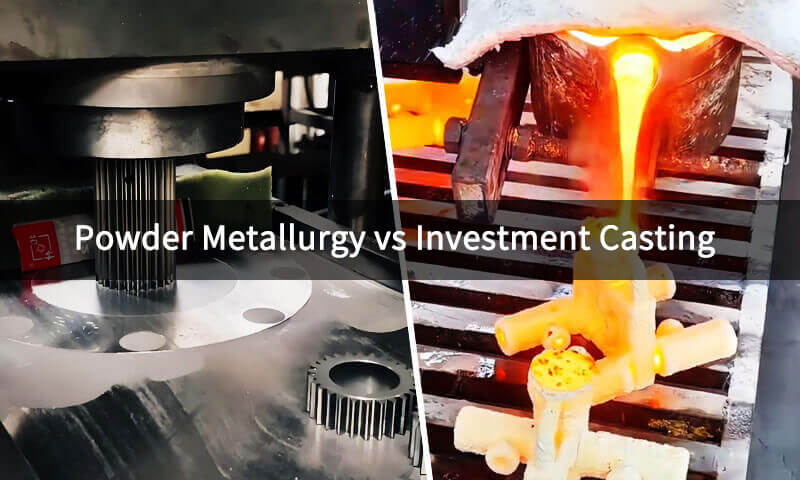
در میان روش های بی شمار تولید, دو فنآوری کاملاً متفاوت - اما اغلب رقیب - برجسته هستند: ریخته گری سرمایه گذاری و متالورژی پودر (نخست وزیر).
سرمایه گذاری سرمایه گذاری, فرآیندی هزاران ساله که از طریق علم مواد مدرن پالایش شده است, آزادی هندسی بی نظیر و تطبیق پذیری آلیاژی را ارائه می دهد.
متالورژی پودر, یک نوآوری قرن بیستم, بهره وری مواد استثنایی را ارائه می دهد, نرخ تولید بالا, و تخلخل کنترل شده برای کاربردهای تخصصی.
در نگاه اول, هر دو فرآیند قطعات فلزی نزدیک به شبکه را با حداقل ماشین کاری تولید می کنند.
اما اصول اساسی آنها - انجماد از فلز مذاب در مقابل تف جوشی با فشار پودرهای جامد - منجر به قوانین طراحی کاملاً متفاوت می شود., قابلیت های مادی, خصوصیات مکانیکی, و مقیاس های اقتصادی.
انتخاب بین این دو فناوری مستلزم درک جامع نه تنها هزینه های تولید بلکه نیازمندی های مکانیکی است, پیچیدگی هندسه, حجم تولید, انتخاب مواد, و عملکرد خدمات طولانی مدت.
1. درک سرمایه گذاری ریخته گری
سرمایه گذاری سرمایه گذاری, همچنین به عنوان ریخته گری موم گم شده نیز شناخته می شود, یک فرآیند شکلدهی فلزی دقیق است که در آن یک الگوی مومی با یک پوسته سرامیکی نسوز پوشانده میشود., موم ذوب می شود, و حفره حاصل با فلز مذاب پر می شود.
پس از استحکام, پوسته سرامیکی برداشته می شود, نمایاندن یک جزء فلزی تقریباً توری با سطح فوق العاده و دقت ابعادی.
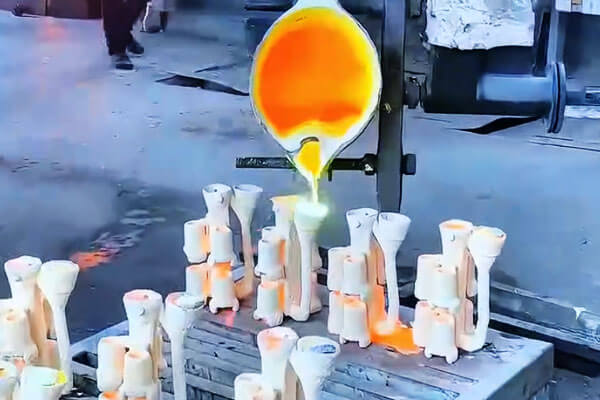
این روند به گذشته برمی گردد 5,000 سال ها به تمدن های باستانی در مصر, چین, و بین النهرین, جایی که برای مجسمه های برنزی و جواهرات استفاده می شد.
امروز, این یک روش ساخت با تکنولوژی بالا برای پره های توربین هوافضا است, کاشت پزشکی, اجزای سلاح گرم, و شیرآلات صنعتی.
مبانی پردازش
| مرحله | پله | جزئیات کلیدی |
| 1 | تولید الگو | موم (یا ترموپلاستیک) به قالب فلزی دقیق تزریق می شود (ابزار). |
| 2 | مجمع درخت | الگوهای متعدد متصل به اسپرو مرکزی (درخت مومی). |
| 3 | ساختمان پوسته | 6- 10 لایه دوغاب سرامیکی (سیلیس سیلی) + گچ نسوز (زیرکون/آلومینا). |
| 4 | موهای زائد | اتوکلاو بخار موم را ذوب می کند; پوسته توخالی باقی می ماند. |
| 5 | شلیک گلوله | 900پخت - 1100 درجه سانتیگراد برای تقویت سرامیک و حذف مواد فرار. |
| 6 | ذوب شدن & ریختن | فلز ذوب شده در کوره القایی; داخل پوسته از قبل گرم شده ریخته می شود. |
| 7 | ناک اوت & قطع کردن | پوسته با لرزش حذف می شود; اجزای بریده شده از درخت. |
| 8 | اتمام | سنگ زنی, انفجار شات, عملیات حرارتی, بازرسی NDT. |
خصوصیات اصلی
| نشان | توضیحات |
| هندسه | پیچیدگی بسیار بالا; زیرپوش, معابر داخلی, دیوارهای نازک (0.5 میلی متر). |
| پایان سطح | As-cast Ra 1.6-6.3 میکرومتر; را می توان به Ra پرداخت کرد <0.4 μM. |
| تحمل | ± 0.1-0.3 میلی متر در هر 25 MM معمولی. |
| مواد | تقریبا هر آلیاژ ریخته گری: فولاد, ضد زنگ, سوپالیاژهای, تیتانیوم, آلومینیوم, برنز. |
| اندازه قطعه | گرم تا 150 کیلوگرم (فولاد). |
| حجم | اقتصادی از 100 به 10,000+ قطعات/سال. |
| قراضه | حداقل (شکل نزدیک به شبکه). |
2. آشنایی با متالورژی پودر
متالورژی پودر فرآیند تولیدی است که در آن پودرهای فلزی ریز فشرده می شوند (فشرده شده است) در قالب سفت و سخت و سپس گرم می شود (متخلخل) زیر نقطه ذوب برای پیوند ذرات به یک جزء جامد.
بر خلاف ریخته گری سرمایه گذاری - که شامل تغییر فاز مایع به جامد است - PM یک فرآیند حالت جامد است که ویژگی های شیمیایی و ریزساختاری پودر را حفظ می کند..
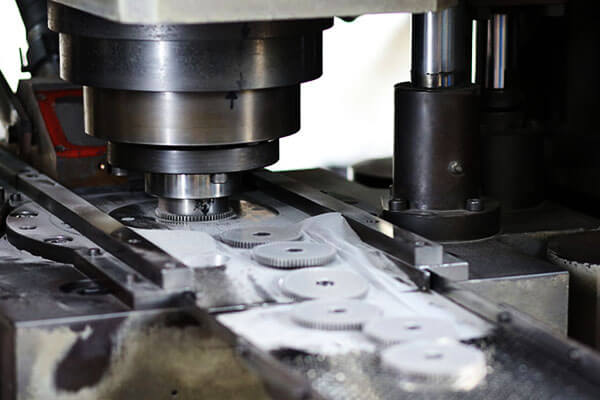
صنعت مدرن PM در دهه 1920 با تولید بلبرینگ های خود روان شونده و رشته های لامپ تنگستن ظهور کرد..
امروز, بالغ است, تکنولوژی تولید با حجم بالا, با مصرف بیشتر صنعت خودرو 70% تمام قطعات آهنی PM در سراسر جهان.
مبانی پردازش
| مرحله | پله | جزئیات کلیدی |
| 1 | تولید پودر | اتمیزه کردن آب یا گاز, الکترولیز, کاهش; اندازه/شکل ذرات کنترل شده. |
| 2 | مخلوط کردن | پودرهای مخلوط با روان کننده ها (0.5- 1.5٪) و افزودنی های آلیاژی (به عنوان مثال, گرافیت). |
| 3 | تراکم (فشار) | پرس تک محوری در قالب سفت و سخت; فشار 200-800 مگاپاسکال; تراکم سبز 70-85٪. |
| 4 | پخت | گرمایش در فضای کنترل شده (گاز گرماگیر, N2-H2) تا 70 تا 90 درصد نقطه ذوب (معمولاً 1120-1150 درجه سانتیگراد برای آهن). |
| 5 | عملیات ثانویه اختیاری | سایز بندی, تسهیلات, عملیات حرارتی, نفوذ, ماشینکاری, اشباع رزین. |
خصوصیات اصلی
| نشان | توضیحات |
| هندسه | پیچیدگی متوسط (2اشکال D); زیر برش های محدود; زوایای پیش نویس محدود شده. |
| پایان سطح | رادیوم تف جوشی شده 3 تا 12 میکرومتر; را می توان با اندازه / سکه بهبود داد. |
| تحمل | 0.05-0.1 میلی متر در هر 25 میلی متر (بعد از سایز بندی). |
| مواد | در درجه اول آهنی (اتو کردن, فولاد, ضد زنگ), بر پایه مس, تنگستن, و آلیاژهای ویژه. تیتانیوم و آلومینیوم ممکن است اما کمتر رایج هستند. |
| اندازه قطعه | به طور معمول <10 کلوت, <300 قطر میلی متر. |
| حجم | اقتصادی از 5,000 به میلیون ها قسمت در سال. |
| قراضه | >95% استفاده از مواد. |
3. اصول تولید: چگونه فرآیندها متفاوت است
| جنبه | ریخته گری سرمایه گذاری | متالورژی پودر |
| مواد اولیه | فلز مذاب (فاز مایع). | پودر فلز (فاز جامد). |
| تغییر فاز | مایع → جامد (تثبیت). | جامد → جامد (پیوند انتشار). |
| منبع انرژی | حرارت برای ذوب + ریختن. | فشار + گرم کردن (پخت). |
| نیاز قالب | پوسته سرامیکی یکبار مصرف (در هر قسمت). | قالب فلزی قابل استفاده مجدد (هزاران چرخه). |
| زمان چرخه | ساعت (ساختمان پوسته) به روزها. | ثانیه ها (فشار) + ساعت (دسته پخت). |
| هزینه ابزاری | معتاد (موم 5 تا 20 هزار دلار می میرد). | عالی (مطبوعات 10 تا 50 هزار دلار می میرد). |
| شدت کار | عالی (ساخت پوسته دستی است). | کم (پرس خودکار). |
| کنترل ابعادی | از طریق انقباض پوسته + الگوی مومی. | از طریق قالب دقیق + انقباض زینترینگ. |
تفاوت اساسی: ریخته گری سرمایه گذاری یک ریخته گری دقیق به شکل شبکه فرآیند; PM یک است تثبیت پودر فرآیند.
اولی آزادی هندسی تقریباً بی نهایت ارائه می دهد; دومی کارایی مواد تقریبا بی نهایت را ارائه می دهد.
4. سازگاری مواد و انعطاف پذیری آلیاژی
| خانواده مادی | ریخته گری سرمایه گذاری | متالورژی پودر |
| فولاد | بله (طیف گسترده ای) | بله (رایج ترین مواد PM) |
| فولاد کم آلیاژ | بله | بله (Fe-Cu-C, Fe-Ni-Mo-Cu) |
| فولاد ضد زنگ | عالی (CF-8, CF-8M, 17-4ph.) | بله (304سعادت, 316سعادت, 410سعادت, 17-4ph.) |
| سوپر آلوس های نیکل | عالی (ناله 718, 625, دوباره) | محدود (هزینه بالا; تخصصی) |
| آلیاژهای کبالت | عالی (Co‑Cr‑Mo) | محدود |
| تیتانیوم | عالی (درجه 5, CP) | ممکن (هزینه بالا, واکنش پذیر) |
| الومینیوم | بله (A356, 380) | محدود (مسائل مربوط به اکسید; نادر) |
| مس / برنز | بله (C90500, C93200) | عالی (مس, برنج, برنز) |
| تنگستن / آلیاژهای سنگین | سخت (نقطه ذوب بالا) | عالی (W-Ni-Fe, W-Ni-Cu) |
| کامپوزیت های سرامیکی و فلزی | ممکن نیست | بله (سرمت ها, WC-Co) |
بینش کلیدی: پیشنهادات ریخته گری سرمایه گذاری انعطاف پذیری آلیاژ به طور قابل توجهی گسترده تر, مخصوصا برای ذوب بالا, واکنش پذیر, یا آلیاژهای سخت پرس (تیتانیوم, سوپالیاژهای, کبالت کروم).
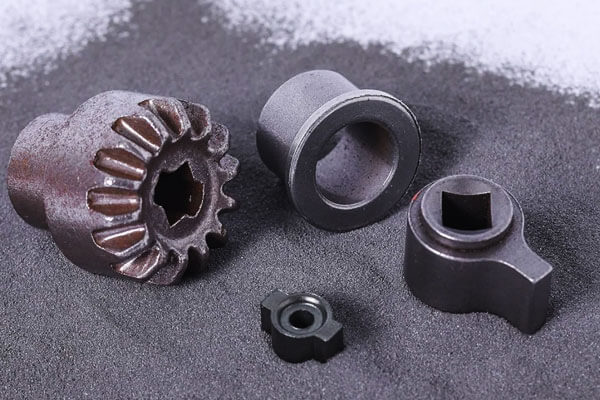
متالورژی پودر در آهنی برتری دارد, بر پایه مس, و مواد مبتنی بر تنگستن, و همچنین کامپوزیت هایی که به دلیل اختلاط ناپذیری یا تفکیک نمی توانند ریخته گری شوند.
5. دقت ابعادی و پایان سطح
| ملاک | ریخته گری سرمایه گذاری | متالورژی پودر |
| تحمل معمولی (میلی متر/25 میلی متر) | ± 0.1-0.3 | 0.05-0.1 ± (به عنوان متخلخل) 0.025-0.05 ± (اندازه / سکه) |
| پایان سطح (رگ, μM) | 1.6- 6.3 (به عنوان محدب) | 3- 12 (به عنوان متخلخل) 0.8- 3 (اندازه / سکه) |
| ثبات تحمل | خوب (انقباض پوسته سازگار است) | عالی (دقت مرگ; متغیرهای تف جوشی) |
| زاویه پیش نویس مورد نیاز است | هیچ (الگوهای مومی بدون پیش نویس حذف می شوند) | بله (برای حذف قطعه از قالب) |
| موضوعات / ویژگی های داخلی | پخش مستقیم | باید ماشین کاری شود (نمی تواند نخ ها را فشار دهد) |
که بهتر است? برای هندسه های پیچیده با جزئیات ظریف و پرداخت سطح بالا, ریخته گری سرمایه گذاری برتر است.
برای هندسه های ساده که به تلرانس های بسیار تنگ نیاز دارند (به خصوص بعد از عملیات ثانویه), PM یک حاشیه دارد.
6. پیچیدگی هندسه و آزادی طراحی
| ویژگی طراحی | ریخته گری سرمایه گذاری | متالورژی پودر |
| زیرپوش | بله (الگوی موم را می توان مونتاژ کرد) | هیچ (استخراج قالب نیاز به کشش مستقیم دارد) |
| معابر داخلی | بله (هسته های سرامیکی) | هیچ (نمی تواند ویژگی های توخالی را فشار دهد) |
| دیوارهای نازک | 0.5- 1.5 میلی متر قابل دستیابی است | 1.5حداقل 2.5 میلی متر |
| ویژگی های خوب (حروف نویسی, آرم) | تولید مثل عالی | محدود (باید سکه یا ماشین کاری شود) |
| ضخامت مقطع متغیر | بله (می تواند به آرامی مخروطی شود) | محدود (تراکم یکنواخت مورد نیاز) |
| نامتقارن / اشکال ارگانیک | عالی | ضعیف (فشار دادن دیوارهای یکنواخت را ترجیح می دهد) |
| 3پیچیدگی D | عالی | معتاد (در اصل 2.5D) |
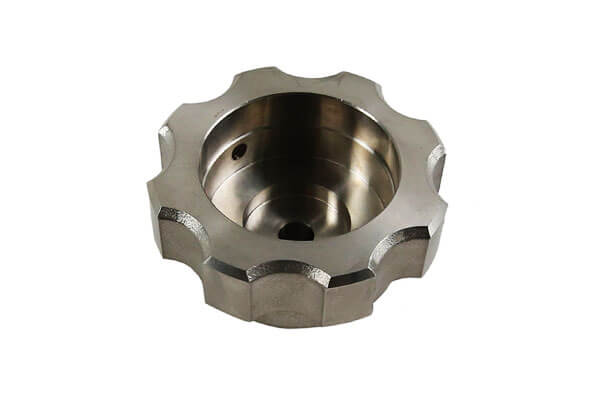
ریخته گری سرمایه گذاری قاطعانه برنده می شود در پیچیدگی هندسی.
توانایی ایجاد آندرکات, کانال های داخلی منحنی, خطوط ارگانیک, و جزئیات سطح ریز با متالورژی پودر بی نظیر است, که توسط قالب پرس و نیاز به تراکم تک محوری محدود می شود.
7. خواص مکانیکی و عملکرد سازه
| خاصیت مکانیکی | ریخته گری سرمایه گذاری | متالورژی پودر |
| چگالی معمولی | 99- 100٪ نظری | 85- 98٪ (بسته به پرس و تف جوشی) |
| استحکام کششی | خوب (کار شده در قالب های صدا) | متوسط - خوب (بستگی به چگالی دارد) |
| قدرت عملکرد | قابل مقایسه با فرفورژه | 1030٪ کمتر از فرفورژه (اثر تخلخل) |
| کشیدگی | 10- 35٪ (وابسته به اوستن) | 2- 15٪ (وابسته به تراکم) |
| سختی | 80- 600 HB (وابسته به آلیاژ) | 60- 400 HB (بستگی به مواد دارد) |
| قدرت خستگی | معتاد (حساس به بریدگی) | پایین (تخلخل به عنوان افزایش دهنده استرس عمل می کند) |
| سختی | خوب (بستگی به آلیاژ دارد) | پایین (تخلخل شکننده می شود) |
| یکسان بودن | ساختار بازیگران (دندریتیک) | ساختار متخلخل (متخلخل, همسانگرد) |
| پاسخ سختگیرانه | محدود (به عنوان محدب) | ساختار زینتر شده را می توان عملیات حرارتی کرد |
مقایسه کلیدی: سرمایه گذاری قطعات ریخته گری هستند کاملا متراکم وت, زمانی که به درستی ریخته گری شود, به خواص ساخته شده نزدیک شوید (90- 95٪ از مقادیر جعلی).
قطعات متالورژی پودر, حتی در گریدهای با تراکم بالا (≥95% نظری), دارای تخلخل باقیمانده است که شکل پذیری را کاهش می دهد, سختی, و عملکرد خستگی.
برای ایمنی بسیار مهم است, بار بالا, یا برنامه های کاربردی مستعد ضربه, ریخته گری سرمایه گذاری ترجیح داده می شود.
8. تراکم, تخلخل, و کیفیت داخلی
| جنبه | ریخته گری سرمایه گذاری | متالورژی پودر |
| چگالی معمولی | 99- 100٪ (کاملا متراکم) | 85- 98٪ (تخلخل باقیمانده) |
| نوع تخلخل | انقباض یا گاز (تصادفی, قابل اجتناب) | به هم پیوسته و بسته (ذاتی) |
| کنترل تخلخل | طراحی دروازه/بالا; باسن تخلخل را کاهش می دهد | فشار تراکم; جو پخت |
| سفتی فشار | عالی (ریخته گری های نشتی امکان پذیر است) | ضعیف (متخلخل, نیاز به آب بندی دارد) |
| توزیع چگالی | یکنواخت در سراسر | صورت های متراکم نزدیک پانچ; نزدیک مرکز پایین تر (گرادیان تراکم) |
| قابلیت کاربرد HIP | مشترک (تخلخل را می بندد) | ناچیز (منافذ از قبل بسته شده اند; HIP هزینه را اضافه می کند) |
| نظافت داخلی | خوب (گنجاندن ممکن است) | عالی (پودرها تمیز هستند) |
بینش کلیدی: ریختهگری سرمایهگذاری قطعات کاملاً متراکمی را تولید میکند که تحت فشار هستند و میتوانند بدون ایجاد تاول تحت عملیات حرارتی قرار گیرند..
قطعات PM, مگر اینکه به طور خاص پردازش شود (به عنوان مثال, فشرده سازی گرم, دوبار فشار دادن, باسن), دارای تخلخل باقیمانده است که سفتی فشار و برخی واکنشهای عملیات حرارتی را محدود میکند.
9. حجم تولید و اقتصاد ساخت
| عامل اقتصادی | ریخته گری سرمایه گذاری | متالورژی پودر |
| هزینه ابزاری | معتاد ($5- 20 هزار قالب مومی) | عالی ($10قالب پرس 50k) |
| زندگی ابزاری | 50,000- 200000 چرخه موم | 500,000- 1,000,000 چرخه پرس |
| هزینه مواد اولیه | بالاتر (موم, سرامامیک, فلزی) | پایین (پودر, روان کننده) |
| استفاده از مواد | 85- 95٪ | >95% (قراضه نزدیک به صفر) |
| زمان چرخه | دقیقه تا ساعت (کتابچه راهنمای) | <1 دوم (فشار) |
| شدت کار | عالی (ساختمان پوسته) | کم (خودکار) |
| حجم سر به سر | 100-1000 قسمت در سال | ~ 5000-10000 قسمت در سال |
| زمان پیشرو (ابزار شده) | 8- 16 هفته | 6- 10 هفته |
| هزینه هر قطعه (کم حجم, <500) | متوسط رو به بالا | خیلی بلند (ابزار مستهلک شده) |
| هزینه هر قطعه (حجم متوسط, 5k‑50k) | کم | خیلی کم |
| هزینه هر قطعه (حجم بالا, >100k) | کم (اما PM کمتر است) | پایین ترین |
قانون تصمیم گیری هزینه:
- <1,000 قطعات/سال → ریخته گری سرمایه گذاری (ابزار مستهلک شده).
- 1,000- 5000 قطعه در سال → هر دو ممکن است; در پیچیدگی مقایسه کنید.
- >10,000 قطعات/سال → متالورژی پودر (صرفه جویی چشمگیر در هزینه).
- >100,000 قطعات/سال → PM برنده واضح است.
10. کاربردهای صنعت: ریخته گری سرمایه در مقابل متالورژی پودر
| صنعت | ریخته گری سرمایه گذاری | متالورژی پودر |
| خودرو | چرخ های توربوشارژر, منیفولدهای اگزوز (ضد زنگ) | چرخ دنده, گچ, همگام سازی هاب ها, میله های اتصال (PM مبتنی بر آهن) |
| هوافضا | تیغه های توربین, نازل های سوخت, مسکن های سازه ای (سوپالیاژهای, تیتانیوم) | برنامه های سبک تر: واشرهای رانش, بوش, فیلتر |
| پزشکی | ایمپلنت های ارتوپدی (ساقه لگن, سینی های زانو), سازهای جراحی | پیچ های ارتوپدی (تقلید, یک مشتق PM), صفحات استخوان |
| روغن & گاز | بدنهای, پروانه پمپ, اتصالات زیرزمینی (ضد زنگ/دوبلکس) | عناصر فیلتر, وزنه های متعادل کننده آلیاژ تنگستن سنگین |
سلاح گرم |
گیرنده ها, باعث می شود, اجزای سرکوبگر (17-4ph.) | مکانیسم های ماشه ای, دنبال کنندگان مجله, فنرهای عقب نشینی |
| ماشین آلات صنعتی | محفظه پمپاژ, بدنهای, جعبه دنده (ضد زنگ / چدن) | چرخ دنده, بادامک, غلتک, یاتاقان, بشقاب بپوشید |
| برق | اجزای کلید, غرق شدن | کنتاکت های الکتریکی, هسته های مغناطیسی, نگهدارنده برس |
| کالاهای مصرفی | موارد را تماشا کنید, اتصالات سخت افزاری, وسایل تزئینی | اجزای قفل, قطعات زیپ, براکت های کوچک |
11. مزایا و محدودیت های ریخته گری سرمایه گذاری
مزایا
- پیچیدگی هندسی استثنایی - کم کردن, معابر داخلی, دیوارهای نازک, اشکال ارگانیک.
- انعطاف پذیری آلیاژ گسترده - تقریباً هر فلز ریخته گری, از جمله سوپرآلیاژها و تیتانیوم.
- پایان سطح عالی - Ra 1.6-6.3 میکرومتر به عنوان بازیگر; را می توان تا آینه نزدیک جلا داد.
- شکل نزدیک به شبکه - حداقل ضایعات مواد; نسبت خرید به پرواز <1.5:1.
- بدون پیش نویس مورد نیاز است - امکان دیوارهای عمودی.
- ریخته گری های مقاوم در برابر فشار - قابل جوشکاری و عملیات حرارتی است.
- میراث اثبات شده - هزاران سال; داده ها و استانداردهای گسترده.
محدودیت ها
- شدت کار بالا – ساخت پوسته دستی است, وابسته به مهارت.
- زمان چرخه آهسته - روز از الگو تا قسمت تمام شده.
- محدودیت سایز – حداکثر 150 کیلوگرم عملی.
- هزینه بالاتر در حجم کم - استهلاک ابزار.
- خطر تخلخل - انقباض و تخلخل گاز نیاز به کنترل فرآیند قوی دارد.
- محدود به آلیاژهای ریخته گری - با ذوب بالا, مواد غیر قابل ریخته گری را نمی توان استفاده کرد.
12. مزایا و محدودیت های متالورژی پودر
مزایا
- استفاده برتر از مواد - >95% بدون قراضه; پایدار.
- نرخ تولید بالا - چرخه فشار دادن <1 دوم; پخت مداوم.
- سازگاری ابعادی عالی - دقت کنترل شده با قالب.
- هزینه کم برای هر قطعه در حجم های بالا.
- تخلخل کنترل شده - برای فیلترها, بلبرینگ های خود روان کننده, الکترودهای باتری.
- خوب, ساختار دانه یکنواخت - بدون نقص گچ.
- قابلیت مخلوط کردن آلیاژها - ایجاد ترکیبات منحصر به فرد از طریق ذوب شدن امکان پذیر نیست.
- ماشینکاری خوب - بسیاری از آلیاژهای PM حاوی عناصری هستند که ماشین کاری را تقویت می کنند.
محدودیت ها
- پیچیدگی هندسی محدود - اساسا 2.5D; بدون زیربری, معابر داخلی.
- زوایای پیش نویس مورد نیاز است - برای خروج قطعه از قالب ها.
- خواص مکانیکی پایین تر - تخلخل باقیمانده باعث کاهش شکل پذیری و خستگی می شود.
- محدودیت سایز و وزن - <10 کلوت, <300 MM معمولی.
- تخلخل تنگی فشار را محدود می کند - آب بندی مورد نیاز برای کاربردهای جابجایی مایعات.
- انعطاف پذیری آلیاژ محدود است - تیتانیوم, آلومینیوم, سوپرآلیاژها سخت یا پرهزینه هستند.
- هزینه ابزار بالا - ست های قالب گران هستند; حجم سربه سر بالا.
13. ریخته گری سرمایه در مقابل متالورژی پودر: جدول مقایسه جامع
| ملاک | ریخته گری سرمایه گذاری | متالورژی پودر |
| اصل فرآیند | انجماد فلز مایع در قالب سرامیکی | فشرده سازی پودر + پخت |
| مواد اولیه | الگوی واکس + فلز مذاب | پودر فلز + روان کننده |
| پیچیدگی هندسی | خیلی بلند (3د, زیرپوش) | معتاد (2.5د, بدون زیربری) |
| ضخامت حداقل دیوار | 0.5- 1.5 میلی متر | 1.5- 2.5 میلی متر |
| پایان سطح (رگ, μM) | 1.6- 6.3 (به عنوان محدب) | 3- 12 (به عنوان متخلخل) |
| تحمل ابعادی | ± 0.1-0.3 میلی متر/25 میلی متر | ± 0.05-0.1 میلی متر/25 میلی متر (بعد از سایز بندی) |
| تراکم | 99- 100٪ | 85- 98٪ |
| تخلخل | کم (انقباض / گاز) | ذاتی (باقی مانده) |
| سفتی فشار | عالی | ضعیف (نیاز به آب بندی دارد) |
| محدوده آلیاژی | خیلی پهن (فولاد, ضد زنگ, سوپالیاژهای, از, با هم, برنز) | محدود (با, مس, حرف, مقداری ضد زنگ; Ti/Al نادر است) |
| استحکام کششی | فرفورژه (خوب) | معتاد (وابسته به تخلخل) |
| انعطاف پذیری | خوب (10- 35٪) | پایین (2- 15٪) |
| قدرت خستگی | معتاد | پایین (افزایش تنش از تخلخل) |
| هزینه ابزاری | معتاد | عالی |
| زندگی ابزاری | 50چرخه k‑200k | 500k‑1000k چرخه |
| استفاده از مواد | 85- 95٪ | >95% |
| زمان چرخه (در هر قسمت) | دقیقه تا ساعت | <1 دوم (فشار) |
| شدت کار | عالی | کم |
| حجم سر به سر | ~ 100-1000 در سال | ~ 5000-10000 در سال |
| هزینه هر قطعه (حجم بالا) | معتاد | خیلی کم |
| حداکثر وزن جزئی معمولی | 150 کلوت | 10 کلوت |
| عملیات ثانویه | برش, سنگ زنی, عملیات حرارتی, NDT | سایز بندی, عملیات حرارتی, ماشینکاری (محدود) |
14. پایان
ریخته گری سرمایه گذاری در مقابل متالورژی پودر، فناوری های رقیب در هر شرایطی نیستند; بلکه, آنها چالش های مختلف تولید را حل می کنند.
زمانی که مهندسان به هندسه های پیچیده نیاز دارند، ریخته گری سرمایه گذاری برتری می یابد, انتخاب گسترده آلیاژ, خصوصیات مکانیکی برتر, چگالی, و قابلیت اطمینان سازه.
این گزینه ترجیحی برای اجزای هوافضا باقی می ماند, بدنهای, قطعات پمپ, دستگاه های پزشکی, و تجهیزات صنعتی با کارایی بالا.
متالورژی پودر در محیط های تولید در مقیاس بزرگ که سازگاری ابعادی دارد، برتری دارد, کارایی مواد, اتهام اتوماسیون, و هزینه های پایین واحد اهداف اولیه هستند.
بر کاربردهایی مانند چرخ دنده های خودرو تسلط دارد, یاتاقان, بوش, و قطعات مکانیکی تولید انبوه.
انتخاب بهینه به تعادل پنج عامل حیاتی بستگی دارد:
- هندسه اجزاء
- عملکرد مکانیکی مورد نیاز
- الزامات مواد
- حجم تولید
- کل هزینه چرخه عمر
درک این عوامل به تولیدکنندگان اجازه می دهد تا از نظر فنی مناسب ترین و رقابتی ترین فرآیند را انتخاب کنند.
متداول
آیا ریخته گری سرمایه گذاری قوی تر از متالورژی پودر است؟?
در اکثر کاربردهای ساختاری, بله. مولفه های ریخته گری سرمایه گذاری معمولاً چگالی بالاتری دارند, تخلخل پایین, و مقاومت در برابر خستگی بهتر از قطعات متالورژی پودر معمولی است.
کدام فرآیند دقت ابعادی بهتری را ارائه می دهد?
برای ساده, قطعات با حجم بالا, متالورژی پودر اغلب تکرارپذیری محکم تری را ارائه می دهد. برای هندسه های پیچیده, ریخته گری سرمایه گذاری معمولاً قابلیت ابعاد کلی بهتری را فراهم می کند.
آیا هر دو فرآیند می توانند اجزای فولاد ضد زنگ را تولید کنند?
بله. هر دو فناوری از تولید فولاد ضد زنگ پشتیبانی می کنند, اگرچه ریخته گری سرمایه گذاری انعطاف پذیری بیشتری را در گریدهای آلیاژ و پیچیدگی اجزا ارائه می دهد.
کدام فرآیند مقرون به صرفه تر است?
متالورژی پودر به طور کلی برای حجم های تولید بسیار بالا مقرون به صرفه تر است. ریخته گری سرمایه گذاری اغلب برای دوره های تولید کم تا متوسط و قطعات پیچیده مقرون به صرفه تر است.
کدام صنایع بیشتر به ریخته گری سرمایه گذاری متکی هستند?
هوافضا, نفت و گاز, پردازش شیمیایی, تجهیزات پزشکی, نیروگاه, فرآوری مواد غذایی, و ماشین آلات صنعتی از بزرگترین استفاده کنندگان قطعات سرمایه گذاری هستند.