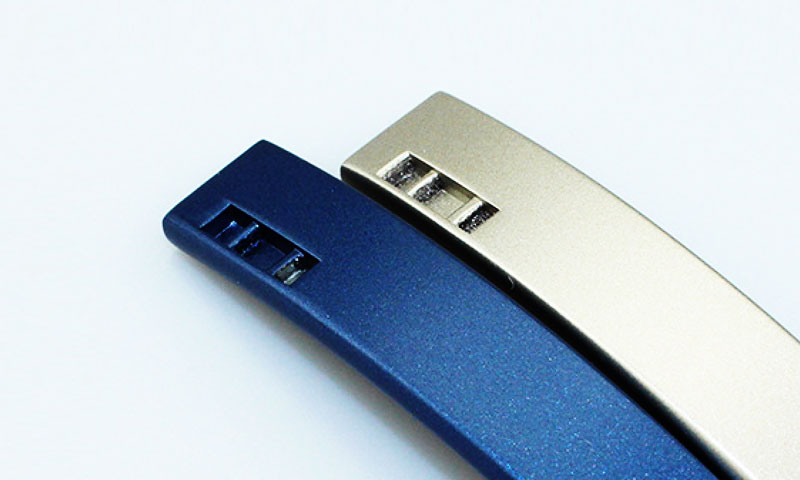
En el mundo de los aceros inoxidables de alta temperatura, 1.4878—conocido por su número de material EN 1.4878 y correspondiente a UNS S32109 (ASTM 321H)- Es un acero inoxidable austenítico de cromo-níquel estabilizado con titanio que combina una excelente resistencia a la oxidación con una resistencia superior a la corrosión intergranular después de la soldadura o la exposición prolongada a temperaturas elevadas..
Al incorporar titanio, la aleación minimiza la precipitación de carburo de cromo, lo que le permite mantener la resistencia a la corrosión y la integridad estructural donde los grados no estabilizados convencionales pueden fallar..
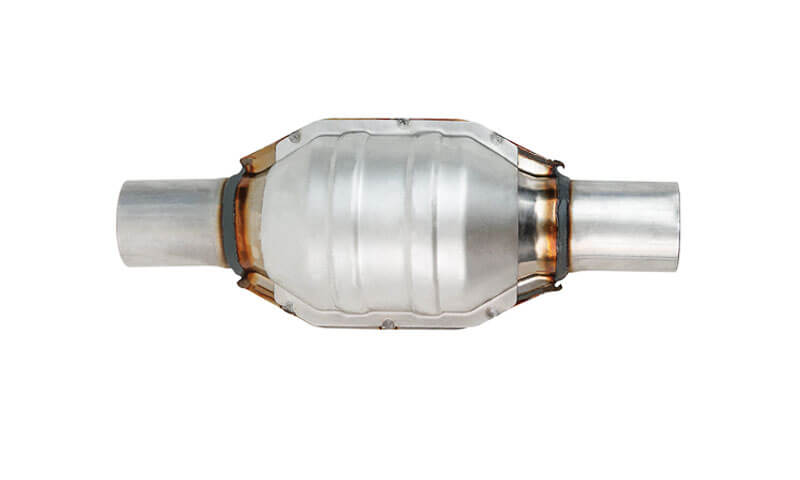
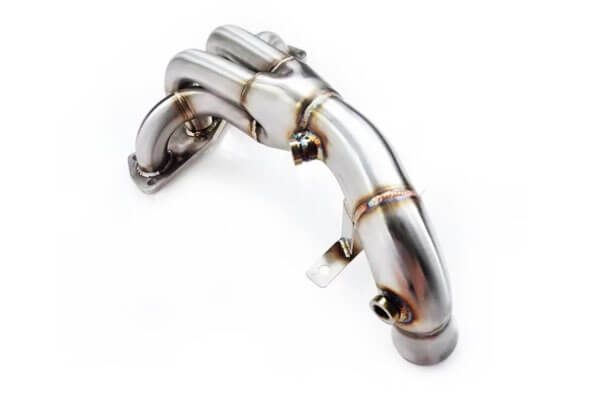
Debido a estas características, 1.4878 El acero inoxidable se utiliza ampliamente en intercambiadores de calor., componentes del horno, sistemas de escape, equipos petroquímicos, buques a presión, plantas de generación de energía, y equipos de tratamiento térmico industrial.
Está disponible en numerosas formas de productos, incluidas placas, hojas, tubería, tubos, verja, parlotes, y piezas fundidas de precisión, lo que lo hace adecuado tanto para estructuras fabricadas como para componentes de ingeniería complejos..
1. Qué es 1.4878 Acero inoxidable?
1.4878 acero inoxidable (EN 1.4878 / X12CrNiTi18-9) es un austenítico estabilizado por titanio acero inoxidable desarrollado para aplicaciones que implican exposición prolongada a temperaturas elevadas y carga térmica cíclica.
Pertenece a la familia de aceros inoxidables resistentes al calor al cromo-níquel y ofrece un excelente equilibrio de resistencia a la oxidación., soldadura, tenacidad, y resistencia a la corrosión intergranular.
A diferencia de los grados austeníticos estándar, que puede sensibilizarse después de soldar o de un servicio prolongado entre aproximadamente 450° C y 850 ° C, 1.4878 incorpora titanio como elemento estabilizador.
El titanio reacciona preferentemente con el carbono para formar carburos de titanio estables en lugar de carburos de cromo..
Como resultado, El cromo permanece disuelto en la matriz del acero., Preservar la película protectora de óxido de cromo que le da al acero inoxidable su resistencia a la corrosión..
¿Por qué es 1.4878 Estabilizado con titanio?
La característica definitoria de 1.4878 El acero inoxidable es su estabilización de titanio, lo que mejora significativamente su rendimiento bajo temperaturas elevadas y después de soldar.
Cuando los aceros inoxidables austeníticos convencionales se exponen a temperaturas dentro del rango de sensibilización (típicamente 450–850 ° C), Los átomos de carbono se difunden a través de la microestructura y se combinan con el cromo para formar carburos de cromo a lo largo de los límites de los granos..
Este proceso, conocido como sensibilización, crea zonas empobrecidas en cromo adyacentes a los límites de los granos.
Porque el cromo es esencial para formar la película de óxido pasiva., Estas regiones agotadas se vuelven altamente susceptibles a corrosión intergranular.
En 1.4878 acero inoxidable, El titanio tiene una afinidad mucho mayor por el carbono que el cromo..
Durante la solidificación y posterior exposición al calor., El titanio reacciona primero para formar carburos de titanio (Tic).
Estos carburos estables “bloquean” efectivamente el carbono., prevenir la precipitación de carburo de cromo y preservar el contenido de cromo dentro de la matriz circundante.
Este mecanismo de estabilización proporciona varias ventajas de ingeniería importantes.:
- Resistencia mejorada a la corrosión intergranular después de la soldadura.
- Mayor estabilidad microestructural durante el servicio prolongado a alta temperatura.
- Rendimiento de fluencia mejorado bajo carga térmica sostenida
- Reducción de la necesidad de recocido con solución posterior a la soldadura
- Vida útil más larga en entornos de calefacción cíclica
Como resultado, 1.4878 Es especialmente adecuado para fabricaciones soldadas de gran tamaño que no pueden someterse fácilmente a un tratamiento térmico posterior a la soldadura., como recipientes a presión, conjuntos de hornos, y tuberías de proceso.
Estándares comunes para 1.4878 Acero inoxidable
| Estándar | Designación | Descripción |
| EN 10088 | 1.4878 / X12CrNiTi18-9 | Designación europea de acero inoxidable |
| DE | X12CrNiTi18-9 | Designación de material alemán |
| Astm | Tipo 321 (Equivalente) | Acero inoxidable austenítico estabilizado con titanio |
| AISI/SAE | 321H | Materiales para recipientes a presión y tuberías. |
| A NOSOTROS | S32109 | |
| ISO | X12CrNiTi18-9 | Requisitos de fabricación internacionales. |
| JIS japonés | SUS321H | Certificados de inspección de materiales. |
Distinción de 1.4541 (Estándar 321)
El punto de confusión más frecuente es la relación entre 1.4878 (321H) y 1.4541 (estándar 321 / X6crniti18-10).
Ambos están estabilizados por titanio 18-10 aceros inoxidables austeníticos, y comparten la misma resistencia a la corrosión y características metalúrgicas generales..
La diferencia definitoria radica en la especificación del contenido de carbono.:
- 1.4541 (321): carbono máximo 0.08%, grado estabilizado de uso general
- 1.4878 (321H): rango de carbono controlado de 0,04 a 0,10 %, con un contenido mínimo de carbono intencionado
El sufijo “H” en 321H significa “alto carbono”.
El elevado contenido mínimo de carbono se especifica deliberadamente para mejorar la resistencia a la tracción a altas temperaturas., Resistencia a la fluencia y vida de rotura por tensión., haciendo 1.4878 la variante optimizada resistente al calor del 321 familia.
Muchas fábricas obtienen doble certificación del material según ambos estándares cuando la composición se encuentra dentro del rango de superposición.
2. Composición química de 1.4878 Acero inoxidable
El excelente rendimiento de 1.4878 acero inoxidable (X12CrNiTi18-9) es el resultado de una composición química cuidadosamente equilibrada.
Cada elemento de aleación realiza una función metalúrgica específica., contribuyendo a la resistencia a la corrosión, resistencia a la oxidación a alta temperatura, soldadura, resistencia mecánica, y estabilidad microestructural.
La composición química especificada por las normas EN se muestra a continuación..
| Elemento | Contenido (%) | Función principal |
| Carbono (C) | ≤0.10 | Mejora la fuerza pero se controla para reducir el riesgo de sensibilización. |
| Silicio (Si) | ≤1,00 | Mejora la resistencia a la oxidación y mejora la fluidez durante la fundición. |
| Manganeso (Mn) | ≤2,00 | Mejora la trabajabilidad en caliente y la desoxidación durante la fabricación de acero. |
| Fósforo (P) | ≤0,045 | Elemento residual; mantenido bajo para mantener la ductilidad y la soldabilidad |
| Azufre (S) | ≤0.015 | Controlado a niveles bajos para mejorar la tenacidad y la resistencia a la corrosión. |
Cromo (CR) |
17.0–19.0 | Proporciona resistencia a la corrosión, resistencia a la oxidación, y pasivación |
| Níquel (En) | 9.0–12.0 | Estabiliza la estructura austenítica y mejora la tenacidad. |
| Titanio (De) | ≥5 × C y ≤0,80 | Previene la precipitación de carburo de cromo y mejora la estabilidad a altas temperaturas. |
| Hierro (Fe) | Balance | Elemento matriz |
Nota: La composición química real puede variar ligeramente según la normativa EN aplicable., DE, Astm, o especificación del cliente.
3. Propiedades físicas de 1.4878 Acero inoxidable
Las propiedades físicas de 1.4878 El acero inoxidable determina cómo responde el material a la transferencia de calor., expansión térmica, conductividad eléctrica, y campos magnéticos durante el servicio..
Estas propiedades son particularmente importantes al diseñar componentes para hornos., intercambiadores de calor, múltiples de escape, y equipos a presión que funcionan bajo ciclos térmicos continuos.
| Propiedad | Valor típico |
| Densidad | 7.90–8,00 g/cm³ |
| Rango de fusión | 1400–1425°C |
| Módulo elástico (20° C) | 193 GPA |
| Conductividad térmica (20° C) | 15 W/m · k |
| Capacidad de calor específica (20° C) | 500 J/kg · k |
| Resistividad eléctrica (20° C) | 0.72 μΩ · m |
| Coeficiente de expansión térmica (20–100 ° C) | 16.5 × 10⁻⁶ /K |
| Permeabilidad magnética | Esencialmente no magnético (condición recocida) |
Los valores son datos de referencia típicos y pueden variar ligeramente según la forma del producto., ruta de procesamiento, y normas aplicables.
4. Propiedades mecánicas de 1.4878 Acero inoxidable
Las propiedades mecánicas de 1.4878 El acero inoxidable refleja su papel principal como material estructural de alta temperatura..
Si bien su resistencia a temperatura ambiente es similar a la de los aceros inoxidables austeníticos convencionales, su verdadera ventaja radica en mantener la integridad mecánica durante el servicio prolongado a temperaturas elevadas..
| Propiedad | Valor típico |
| Resistencia a la tracción (RM) | ≥520MPa |
| Fuerza de rendimiento (RP0.2) | ≥205 MPa |
| Alargamiento (A5) | ≥40% |
| Reducción del área | ≥55% |
| Dureza de Brinell (HBW) | ≤215 |
| Dureza de Rockwell (HRB) | ≤95 |
| Dureza de Vickers (Hv) | Aproximadamente. 200 |
Los valores son representativos del material recocido en solución y pueden variar según la forma del producto y el proceso de fabricación..
5. Resistencia al calor y rendimiento a altas temperaturas
La principal ventaja de 1.4878 acero inoxidable radica en su excelente desempeño en condiciones de servicio de temperatura elevada.
A diferencia de los grados austeníticos convencionales como 304, que están diseñados principalmente para resistencia a la corrosión a temperatura ambiente, 1.4878 está diseñado para mantener su integridad estructural, resistencia a la oxidación, y rendimiento contra la corrosión durante la exposición prolongada al calor.
Temperatura de servicio recomendada
La siguiente tabla resume los rangos de temperatura de funcionamiento típicos para 1.4878 acero inoxidable.
| Condición de servicio | Temperatura recomendada |
| Servicio continuo en atmósfera oxidante. | Hasta 850–900°C |
| Servicio intermitente | Hasta aproximadamente 900°C |
| Servicio estructural a largo plazo | 450–850 ° C |
| Exposición máxima a corto plazo | Aproximadamente 950°C (dependiendo de la carga y la atmósfera) |
Los límites de servicio reales dependen de la geometría del componente., estrés aplicado, atmósfera del horno, frecuencia de ciclo térmico, y diseñar la vida.
Excelente resistencia a la oxidación
A temperaturas elevadas, El cromo reacciona rápidamente con el oxígeno para formar un óxido de cromo denso. (Cr₂o₃) Capa que protege el metal subyacente de una mayor oxidación..
Esta película pasiva de óxido se regenera continuamente si se daña., Proporciona resistencia a largo plazo contra las incrustaciones en el aire y en muchos entornos de combustión..
Por su contenido estable de cromo., 1.4878 demuestra una excelente resistencia a:
- Oxidación a alta temperatura
- Escalado de superficie
- Descarburación
- Corrosión por gas caliente en atmósferas ligeramente oxidantes.
Estas características lo hacen adecuado para componentes de hornos., calentadores industriales, equipo de procesamiento térmico, y sistemas de escape.
Resistencia superior al ciclo térmico
Muchos componentes industriales experimentan calentamiento y enfriamiento repetidos en lugar de temperaturas constantes..
Estos ciclos térmicos generan tensiones de expansión y contracción que eventualmente pueden conducir a distorsión., agrietamiento por fatiga, o falla de soldadura.
La microestructura completamente austenítica de 1.4878 Proporciona una excelente resistencia a la fatiga térmica porque combina:
- Alta ductilidad
- Estructura de grano estable
- Buena dureza
- Baja susceptibilidad a la fractura frágil.
La estabilización del titanio minimiza aún más la degradación microestructural durante la exposición térmica repetida., Ampliación de la vida útil en entornos operativos cíclicos..
Resistencia a la fluencia y a la rotura por tensión
Para componentes que funcionan continuamente a temperaturas elevadas, La resistencia a la fluencia es a menudo más importante que la resistencia a temperatura ambiente..
Creep es el lento, Deformación permanente de un material bajo carga sostenida a alta temperatura..
En hornos industriales, calderas, reactores petroquímicos, e intercambiadores de calor, La deformación por fluencia puede alterar gradualmente las dimensiones de los componentes y eventualmente provocar fallas..
Comparado con el estándar 304 acero inoxidable, 1.4878 oferta:
- Resistencia a la fluencia mejorada
- Mejor resistencia a la rotura por tensión
- Estabilidad mejorada de los límites de grano
- Deformación reducida durante el servicio prolongado.
Estas mejoras se atribuyen principalmente a la estabilización del titanio., que suprime la precipitación de carburo de cromo y ayuda a preservar la resistencia de los límites de grano.
Resistencia a la sensibilización durante el servicio a alta temperatura
Una de las ventajas más significativas de 1.4878 es su capacidad para resistir la sensibilización después de una exposición prolongada a temperaturas entre 450° C y 850 ° C.
Estándar 304 El acero inoxidable puede sufrir un agotamiento del cromo cerca de los límites de los granos después de soldarlo o calentarlo durante mucho tiempo., aumentando el riesgo de corrosión intergranular.
En contraste, El titanio reacciona preferentemente con el carbono para formar carburos de titanio., evitando la precipitación de carburo de cromo y permitiendo que el cromo permanezca disponible para mantener la película protectora pasiva.
Como resultado, 1.4878 es particularmente adecuado para:
- Estructuras de hornos soldadas.
- Tuberías petroquímicas
- Accesorios de tratamiento térmico
- Componentes de plantas de energía
- Recipientes a presión de alta temperatura
6. Resistencia a la corrosión
Corrosión general
A temperaturas ambiente y moderadamente elevadas., 1.4878 exhibe buena resistencia general a la corrosión en ambientes atmosféricos, agua dulce, vapor y la mayoría de los productos químicos orgánicos e inorgánicos.
Su rendimiento es ampliamente comparable al 304 acero inoxidable en condiciones no sensibilizadas.
Resistencia a la corrosión intergranular
Aquí es donde 1.4878 se distingue de los grados no estabilizados.
En la condición soldada o calentada, aceros no estabilizados como 304 sufren precipitación de carburo de cromo en los límites de grano (sensibilización), provocando corrosión intergranular.
En 1.4878, El titanio secuestra el carbono., evitando un agotamiento significativo del cromo y manteniendo la resistencia total a la corrosión intergranular incluso después de la exposición al rango de sensibilización de 450 a 850 °C.
Esta propiedad es particularmente valiosa para grandes estructuras soldadas y componentes de hornos que no se pueden recocer en solución después de la fabricación..
Corrosión localizada
La resistencia a la corrosión por picaduras y grietas es moderada., aproximadamente equivalente a 304 acero inoxidable.
El grado no está diseñado para ambientes severos con cloruro.; 316Se prefieren materiales L o de aleación superior para dicho servicio..
1.4878 El acero inoxidable no es adecuado para agua de mar o flujos de proceso con alto contenido de cloruro..
Agrietamiento de la corrosión del estrés
Como otros aceros inoxidables austeníticos, 1.4878 El acero inoxidable es susceptible al agrietamiento por corrosión bajo tensión inducido por cloruro a temperaturas elevadas..
Para aplicaciones que combinan tensión de tracción con ambientes calientes de cloruro., Se deben considerar materiales alternativos..
7. Características de fabricación y soldadura
A pesar de estar diseñado para aplicaciones de temperatura elevada, 1.4878 acero inoxidable ofrece una excelente capacidad de fabricación.
Su estructura totalmente austenítica proporciona ductilidad y tenacidad excepcionales., Permitir que el material se forme en geometrías complejas mientras se mantiene la precisión dimensional y la integridad estructural..
Formación y fabricación
1.4878 Posee excelentes características de conformado en frío y puede procesarse utilizando técnicas convencionales de fabricación de chapa metálica..
Las operaciones típicas de formación incluyen:
- Dibujo profundo
- Formación de rollo
- Doblar
- Conformación por estiramiento
- hidroformado
- prensado
- Hilado
Debido a que la aleación se endurece rápidamente, La deformación severa puede requerir un recocido intermedio para restaurar la ductilidad antes de continuar con el procesamiento..
El conformado en caliente generalmente se realiza dentro del rango de temperatura de 1050–1200 ° C, seguido de un enfriamiento rápido para preservar la microestructura completamente austenítica.
Características de mecanizado
Comparado con aceros al carbono y aceros inoxidables de mecanizado libre, 1.4878 El acero inoxidable se considera moderadamente difícil de mecanizar..
Su alta dureza, Excelente ductilidad, y la fuerte tendencia a endurecerse aumentan las fuerzas de corte y generan un calor considerable en la interfaz herramienta-pieza de trabajo..
Si los parámetros de mecanizado no se controlan adecuadamente, la superficie endurecida puede acelerar el desgaste de la herramienta y reducir la precisión dimensional.
Durante mecanizado, el material tiende a generar:
- Altas fuerzas de corte
- Temperaturas de corte elevadas
- virutas continuas
- Desgaste acelerado de la herramienta
Por lo tanto, un mecanizado eficiente requiere:
- Herramientas de corte afiladas de carburo o cerámica
- Geometrías de inclinación positivas
- Líquido de corte adecuado
- Velocidades de corte moderadas
- Rigidez estable de la máquina
Se debe evitar el uso de condiciones de corte interrumpidas o herramientas desgastadas porque las superficies endurecidas pueden reducir rápidamente la eficiencia del mecanizado..
Casting de precisión
A pesar de 1.4878 El acero inoxidable se suministra principalmente como productos forjados en forma de placas., verja, tubería, y forjados, También es adecuado para fabricar componentes complejos mediante casting de inversión (Casting de cera perdido).
La fundición de precisión ofrece ventajas significativas para piezas geométricamente complejas que de otro modo requerirían un mecanizado extenso., Reducir tanto el desperdicio de material como los costos generales de producción..
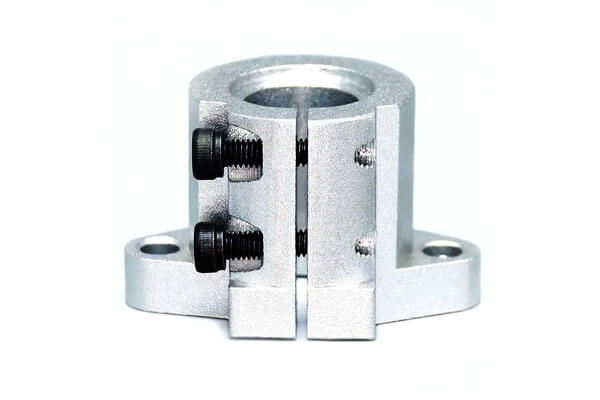
La fundición a la cera perdida es especialmente adecuada para producir:
- Accesorios para hornos
- Componentes del quemador
- Soportes resistentes al calor
- Piezas del sistema de escape
- Hardware industrial complejo
Control adecuado de la práctica de fusión., diseño de moldes, y las condiciones de solidificación son esenciales para minimizar la segregación., defectos de contracción, y craqueo en caliente al tiempo que se garantiza una microestructura austenítica uniforme.
Después del casting, El recocido en solución generalmente se realiza para optimizar la resistencia a la corrosión y las propiedades mecánicas..
Características de soldadura
Una de las mayores ventajas de 1.4878 es su excelente soldabilidad.
Porque el titanio estabiliza el carbono., La aleación presenta una susceptibilidad a la sensibilización significativamente menor que la aleación no estabilizada. 304 acero inoxidable.
Es compatible con prácticamente todos los procesos comunes de soldadura por fusión., incluido:
- Gtaw (Tig)
- Gawn (A MÍ)
- Marea
- SIERRA
- Soldadura por arco de plasma
- Soldadura láser
La selección adecuada del metal de aportación es importante para garantizar el rendimiento a altas temperaturas y la resistencia a la corrosión..
8. Tratamiento térmico de 1.4878 Acero inoxidable
A diferencia de los aceros inoxidables martensíticos o endurecidos por precipitación, 1.4878 No se puede reforzar mediante tratamiento térmico convencional..
Sus propiedades mecánicas están controladas principalmente por el fortalecimiento de una solución sólida., trabajo en frío, y estabilización de titanio en lugar de transformación de fase.
Los principales objetivos del tratamiento térmico son, por tanto, restaurar la resistencia a la corrosión., disolver precipitados indeseables, aliviar las tensiones de fabricación, y mantener una microestructura austenítica estable.
| Tratamiento | Temperatura | Enfriamiento | Objetivo |
| Recocido de solución | 1050-1100°C | Enfriamiento con agua o enfriamiento rápido con aire | Disuelve los carburos; restaura la resistencia a la corrosión. |
| Alivio del estrés | 300-400°C | Aire | Alivia el estrés residual; ningún efecto significativo sobre la resistencia a la corrosión. |
| Estabilización | 850-900°C | Aire (no común) | Opcional; Precipita carburos de titanio para una estabilización adicional.. |
| Endurecimiento | No aplicable | - | Austenítico; no se puede endurecer mediante tratamiento térmico. |
9. Acabados superficiales
El acabado superficial de 1.4878 El acero inoxidable influye significativamente no sólo en su apariencia sino también en su resistencia a la corrosión., capacidad de limpieza, características de fricción, y vida útil.
La selección del acabado adecuado depende del entorno operativo., método de fabricación, y requisitos funcionales del componente final.
| Acabado superficial | Método de fabricación | Características de la superficie | Aplicaciones típicas |
| No.1 | laminado en caliente, recocido, en escabeche | Acabado mate rugoso sin cascarilla de óxido. | Piezas de horno, buques a presión, equipo industrial pesado |
| 2B | laminado en frío, recocido, en escabeche, La piel pasó | Liso, uniforme, ligeramente reflectante | Equipo de procesamiento químico, procesamiento de alimentos, tubería |
| licenciado en Letras (Brillante) | Recocido brillante en atmósfera controlada. | Altamente suave y reflectante | Componentes decorativos, equipo farmacéutico, instrumentos de precisión |
| No.4 (Cepillado) | Pulido mecánico con cintas abrasivas. | Acabado satinado con grano lineal fino | Paneles arquitectónicos, equipo de cocina, cerramientos industriales |
Acabado espejo (No.8) |
Pulido fino progresivo | Superficie reflectante tipo espejo | Aplicaciones decorativas, equipo de sala limpia, proyectos arquitectónicos premium |
| En escabeche & Pasivado | Limpieza química y pasivación. | Máxima resistencia a la corrosión con apariencia metálica limpia | fabricaciones soldadas, sistemas petroquímicos, equipo en alta mar |
| Electropulado | Pulido electroquímico | Ultra suave, rugosidad superficial baja, película pasiva mejorada | Semiconductor, farmacéutico, biotecnología, sistemas de procesamiento ultralimpios |
10. Aplicaciones típicas de 1.4878 Acero inoxidable
La combinación de excelente resistencia a la corrosión., resistencia a la oxidación a alta temperatura, soldabilidad excepcional, y la estabilidad estructural a largo plazo hace 1.4878 El acero inoxidable es uno de los materiales preferidos para entornos industriales exigentes..
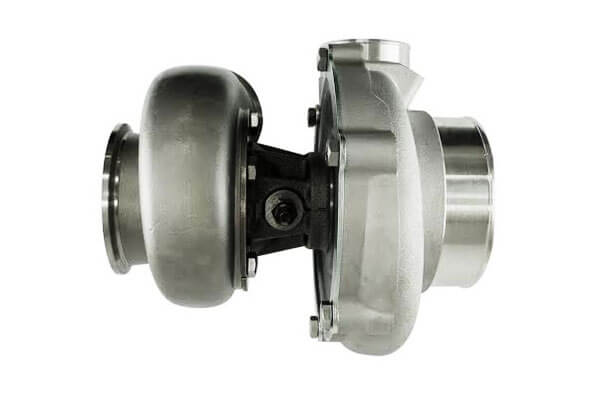
Procesamiento petroquímico y químico
Las plantas químicas operan con frecuencia en condiciones agresivas que implican temperaturas elevadas., fluidos presurizados, y medios corrosivos.
1.4878 El acero inoxidable proporciona una excelente resistencia a la oxidación., ácidos orgánicos, y muchos productos químicos industriales manteniendo la integridad estructural durante el ciclo térmico..
Los componentes típicos incluyen:
- Intercambiadores de calor
- Recipientes de reactores
- Tubería de proceso
- Juntas de dilatación
- Buques a presión
- Columnas de destilación
- Bridas y accesorios
Hornos industriales y equipos de tratamiento térmico
Una de las áreas de aplicación más importantes para 1.4878 es la construcción del horno de alta temperatura.
La aleación resiste la exposición continua a temperaturas elevadas y al mismo tiempo resiste la oxidación., fatiga térmica, y escalando.
Los componentes comunes del horno incluyen:
- rodillos de horno
- Tubos radiantes
- Cestas de horno
- Bandejas de tratamiento térmico
- Accesorios de recocido
- Conjuntos de quemadores
- Réplicas
- Rejillas de soporte
Generación de energía
Calderas de vapor, sistemas de recuperación de calor residual, y las centrales térmicas exponen los componentes estructurales a altas temperaturas y tensiones térmicas cíclicas.
La estabilización de titanio mejora la confiabilidad a largo plazo al prevenir la sensibilización de los límites de grano durante una operación prolongada.
Las aplicaciones típicas incluyen:
- Tubos de caldera
- Soportes de sobrecalentador
- Conductos de escape
- Sistemas de gases de combustión
- Accesorios para tuberías de vapor
Sistemas automotrices y de escape
La aleación funciona bien en los repetidos ciclos de calentamiento y enfriamiento que se encuentran en los sistemas de escape de los vehículos..
Su resistencia a la oxidación y soldabilidad lo hacen adecuado para la fabricación de componentes de escape duraderos..
Los ejemplos incluyen:
- Múltiples de escape
- Tubería del turbocompresor
- Fuelles de escape
- Carcasas de catalizador
- Escudos de calor
Equipo de procesamiento de alimentos
Aunque no se usa tan ampliamente como el 304L o el 316L en la producción de alimentos., 1.4878 Se vuelve ventajoso cuando el equipo de procesamiento experimenta limpieza o esterilización frecuente a alta temperatura..
El equipo típico incluye:
- Cámaras de esterilización
- Transportadores de alta temperatura
- Hornos industriales
- Equipos de procesamiento resistentes al calor.
Piezas fundidas de precisión y componentes fabricados
La aleación también se usa ampliamente en fundiciones de precisión y conjuntos fabricados que combinan resistencia a la corrosión con rendimiento a temperaturas elevadas..
Los productos representativos incluyen:
- Cuerpos de válvula
- Componentes de la bomba
- Accesorios para hornos
- Hardware de turbina
- Soportes industriales
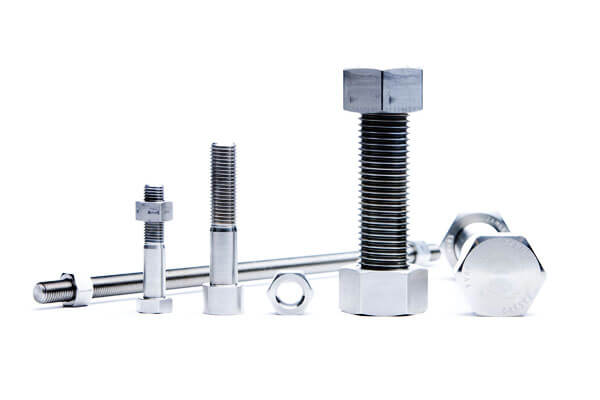
- Sujetadores de alta temperatura
- Soportes mecánicos
11. Ventajas y limitaciones de 1.4878 Acero inoxidable
Ventajas
Excelente resistencia a la corrosión intergranular
La estabilización de titanio une eficazmente el carbono en carburos de titanio estables, Prevenir la precipitación de carburo de cromo durante la soldadura o el servicio prolongado a temperaturas elevadas..
Esto mejora significativamente la resistencia a la corrosión a largo plazo en el rango de temperatura crítico donde los aceros inoxidables austeníticos no estabilizados pueden sensibilizarse..
Excelente rendimiento de alta temperatura
1.4878 mantiene una excelente resistencia a la oxidación y estabilidad mecánica durante el funcionamiento continuo a temperaturas cercanas 800–850 ° C, haciéndolo muy adecuado para equipos de hornos, sistemas de escape, y maquinaria de procesamiento térmico.
Excelente soldadura
La aleación se puede soldar utilizando prácticamente todos los métodos de soldadura por fusión convencionales con un riesgo mínimo de deterioro de la soldadura..
Las estructuras fabricadas de gran tamaño a menudo se pueden poner en servicio sin necesidad de un recocido con solución posterior a la soldadura., simplificar la fabricación y reducir los costes de producción.
Buena resistencia a la corrosión general
En muchos entornos industriales, 1.4878 Proporciona resistencia a la corrosión comparable al tipo 304 acero inoxidable, incluyendo una excelente resistencia a la corrosión atmosférica, agua dulce, vapor, y numerosos químicos orgánicos.
Alta dureza en un amplio rango de temperaturas
La microestructura totalmente austenítica proporciona una excelente tenacidad al impacto y ductilidad tanto a temperaturas ambiente como moderadamente elevadas., permitiendo un rendimiento confiable bajo carga dinámica y ciclos térmicos.
Excelente rendimiento de fabricación
La aleación admite una amplia gama de procesos de fabricación., incluido:
- Formación fría
- Formación caliente
- Fundición a la cera perdida de precisión
- Mecanizado CNC
- Dibujo profundo
- Laminación
- Soldadura
Esta versatilidad permite a los ingenieros producir componentes complejos con alta precisión dimensional..
Larga vida útil
La combinación de resistencia a la oxidación., resistencia a la corrosión, estabilidad de la soldadura, y la durabilidad térmica contribuye a prolongar la vida útil del equipo, Reducir la frecuencia de mantenimiento y los costos del ciclo de vida en aplicaciones industriales exigentes..
Limitaciones
Maquinabilidad moderada
Como la mayoría de los aceros inoxidables austeníticos, 1.4878 exhibe un endurecimiento significativo durante el mecanizado.
Las operaciones de corte requieren equipos rígidos, herramientas afiladas, enfriamiento efectivo, y parámetros de mecanizado optimizados para lograr una productividad y una vida útil de la herramienta satisfactorias.
Resistencia limitada a las picaduras inducidas por cloruros
Aunque la aleación funciona bien en muchos entornos industriales, su composición libre de molibdeno lo hace menos resistente a la corrosión por picaduras y grietas inducida por cloruro que grados como el 316L..
Por lo tanto, no es la opción preferida para entornos marinos o medios de proceso altamente salinos..
Mayor costo de material que los aceros al carbono estándar
La presencia de níquel., cromo, y el titanio aumenta el costo del material en comparación con los aceros al carbono y algunos aceros inoxidables ferríticos.
Sin embargo, La mayor inversión inicial a menudo se justifica por una mayor durabilidad y menores requisitos de mantenimiento..
No diseñado para temperaturas extremadamente altas
Mientras 1.4878 Funciona excepcionalmente bien a temperaturas elevadas., aplicaciones que implican exposición continua por encima de aproximadamente 900° C generalmente requieren grados más resistentes al calor, como 310S (1.4845) o superaleaciones a base de níquel.
Expansión térmica
Como otros aceros inoxidables austeníticos, la aleación tiene un coeficiente de expansión térmica relativamente alto.
Los diseñadores deben tener en cuenta el movimiento térmico en grandes estructuras soldadas., sistemas de tuberías, y conjuntos de hornos mediante la incorporación de márgenes de expansión adecuados.
12. 1.4878 frente a otros grados de acero inoxidable
Seleccionar el acero inoxidable apropiado requiere equilibrar la resistencia a la corrosión, capacidad de temperatura, requisitos de fabricación, y costo.
A pesar de 1.4878 comparte muchas características con otros aceros inoxidables austeníticos, su estabilización de titanio lo hace particularmente adecuado para estructuras soldadas y servicio a largo plazo a temperaturas elevadas..
1.4878 VS 1.4541 (321) Acero inoxidable
Ambos grados son aceros inoxidables de cromo-níquel estabilizados con titanio y proporcionan una excelente resistencia a la corrosión intergranular después de la soldadura..
Sin embargo, 1.4878 contiene un nivel de carbono ligeramente superior, lo que contribuye a mejorar la resistencia a la fluencia y el rendimiento mecánico a temperaturas elevadas..
Para componentes que funcionan continuamente bajo estrés térmico, como estructuras de hornos., buques a presión, y equipos petroquímicos: generalmente se prefiere 1.4878.
Guía de selección típica:
- Elegir 1.4878 para servicio prolongado a alta temperatura y componentes que soportan presión.
- Elegir 1.4541 (321) para fabricación general a alta temperatura, sistemas de escape de aviones, y estructuras soldadas estándar.
1.4878 VS 1.4404 (316L) Acero inoxidable
Estos dos grados están diseñados para diferentes entornos de servicio..
1.4404(316L)acero inoxidable Obtiene su resistencia superior a la corrosión de aproximadamente 2 a 2,5 % de molibdeno., lo que lo hace altamente resistente a la corrosión por picaduras y grietas inducida por cloruro.
Como consecuencia, es la opción preferida para ambientes marinos, procesamiento farmacéutico, y aplicaciones químicas agresivas.
1.4878 acero inoxidable, en contraste, está optimizado para un rendimiento a temperaturas elevadas en lugar de resistencia al cloruro.
Su estabilización de titanio evita la sensibilización durante el calentamiento prolongado., permitiéndole conservar la integridad mecánica donde el 316L perdería gradualmente fuerza.
Recomendación general:
- Seleccionar 316L para exposición al agua de mar, instalaciones costeras, y medios de proceso que contienen cloruro.
- Seleccionar 1.4878 para temperaturas superiores a aproximadamente 500 °C donde la estabilidad térmica se vuelve más importante que la resistencia al cloruro.
1.4878 VS 1.4845 (310S) Acero inoxidable
Ambos grados funcionan bien a temperaturas elevadas., pero están destinados a diferentes rangos de funcionamiento.
Con aproximadamente 25% cromo y 20% níquel, 310S exhibe una resistencia a la oxidación excepcional y puede soportar temperaturas continuas cercanas 1100° C.
Es ampliamente utilizado en revestimientos de hornos., tubos radiantes, quemadores, y equipos de procesamiento térmico expuestos a temperaturas extremadamente altas.
A pesar de 1.4878 no puede igualar la temperatura máxima de funcionamiento de 310S, Ofrece una mejor estabilidad de la soldadura., menor costo de materiales, y suficiente resistencia al calor para muchas aplicaciones industriales por debajo de aproximadamente 850° C.
Como resultado:
- Elegir 310S para entornos de hornos de temperatura ultraalta.
- Elegir 1.4878 para fabricaciones estructurales de alta temperatura que requieren excelente soldabilidad, resistencia a la fluencia, y confiabilidad a largo plazo.
13. ¿Por qué elegir LangHe para 1.4878 Productos de acero inoxidable?
Fabricación de componentes de 1.4878 El acero inoxidable requiere algo más que simplemente seleccionar la aleación correcta..
Lograr un rendimiento confiable en ambientes corrosivos y de alta temperatura depende de un control preciso del proceso, trazabilidad material, capacidades de fabricación avanzadas, y riguroso garantía de calidad.
En LangHe, Combinamos experiencia metalúrgica con tecnologías de producción modernas para ofrecer productos diseñados con precisión. 1.4878 Componentes de acero inoxidable que cumplen con los exigentes requisitos de los clientes industriales de todo el mundo..
| Capacidad | Detalles |
| Fundición a la cera perdida, Mecanizado CNC | Forma casi neta; geometrías complejas; acabado superficial fino. |
| Materiales | 1.4878 (321), 1.4541 (321L), 1.4404 (316L), 1.4845 (310S). |
| Peso de la pieza | 0.05 kg a 100 kg. |
| Dimensiones | Arriba a 600 diámetro mm. |
| Tolerancias | ±0,1‑0,3 mm (CT5‑CT7 según ISO 8062). |
| Acabado superficial | Ra 1,6‑6,3 µm en estado fundido; electropulido disponible. |
| Tratamiento térmico | Recocido de solución, alivio del estrés. |
| Calidad | ISO 9001:2015 certificado; 100% END e inspección dimensional. |
| Tiempo de entrega | 8-12 semanas para herramientas y primeros artículos; 2-4 semanas para pedidos repetidos. |
| Certificaciones | DEP 2014/68/UE, NACE MR0175/ISO 15156. |
14. Conclusión
1.4878 (X8CrNiTi18-10 / 321H) Ocupa un nicho bien definido e importante en el espectro del acero inoxidable resistente al calor..
Combinando la estabilización de titanio con un mayor contenido de carbono controlado, Ofrece dos propiedades que son difíciles de obtener simultáneamente en aceros inoxidables austeníticos.:
inmunidad a la corrosión intergranular después de la soldadura, y un rendimiento de fluencia y rotura por tensión significativamente mejorado a temperaturas elevadas.
No es el grado de temperatura más alta., ni el grado más resistente a la corrosión, pero ofrece un equilibrio inigualable de resistencia al calor., soldadura, Fabricabilidad y costo de componentes que operan en el rango de 500 a 900 °C..
Para tubos de caldera, hardware del horno, Equipos de proceso petroquímico y accesorios de tratamiento térmico., Sigue siendo el material estándar de referencia con el que se miden las alternativas..
A medida que la industria global continúa elevando las temperaturas de los procesos en pos de la eficiencia energética y la reducción de emisiones,
1.4878 El acero inoxidable seguirá siendo un material fundamental para el servicio de carga a temperatura media., valorado por su confiabilidad comprobada, Rendimiento predecible y base de fabricación madura..
Preguntas frecuentes
¿Cuál es la diferencia entre 1.4878 y 1.4541 acero inoxidable?
Ambos están estabilizados por titanio 18-10 aceros inoxidables austeníticos. 1.4541 (estándar 321) tiene un carbono máximo de 0.08%, mientras 1.4878 (321H) tiene un rango de carbono controlado de 0,04 a 0,10%.
El carbono mínimo más alto en 1.4878 Mejora la resistencia a la fluencia a alta temperatura y a la rotura por tensión., lo que la convierte en la opción preferida para servicios de alta temperatura con soporte de carga.
¿Cuál es la temperatura máxima de funcionamiento para 1.4878 acero inoxidable?
Hasta 850°C para servicio continuo y 900°C para servicio intermitente. Para temperaturas superiores a 900°C, 310S (1.4845) se recomienda.
Es 1.4878 acero inoxidable magnético?
No. 1.4878 Es un acero inoxidable austenítico y paramagnético. (no magnético) en la condición recocida. El trabajo en frío puede inducir cierto ferromagnetismo.
Poder 1.4878 acero inoxidable para soldar sin relleno?
Para secciones pequeñas, La soldadura autógena es posible., pero relleno a juego (ER321) Se recomienda para mantener la estabilización y la resistencia a la corrosión..
Hace 1.4878 El acero inoxidable requiere tratamiento térmico posterior a la soldadura.?
No. La estabilización del titanio previene la sensibilización., por lo que no se requiere tratamiento térmico posterior a la soldadura.
¿Cuál es la diferencia entre 1.4878 y 1.4404 (316L) acero inoxidable?
1.4878 tiene estabilización de titanio y mayor contenido de carbono para resistencia a la fluencia a alta temperatura, pero no molibdeno.
1.4404 (316L) El acero inoxidable tiene molibdeno para una resistencia superior a la corrosión por cloruro, pero está limitado a temperaturas más bajas. (≤400°C) para servicio a largo plazo.