

Einführung
Im Feinguss, Die geschmolzene Legierung kann identisch sein, Die Keramikschale kann identisch sein, und die Gießbedingungen können sogar identisch erscheinen.
Dennoch können die endgültigen Gussteile qualitativ völlig unterschiedlich sein.
Ein Teil kann dicht herauskommen, Klang, und sauber; ein anderer kann Schrumpfporosität aufweisen, innere Hohlräume, Heiße Tränen, oder versteckte Schwachstellen, die erst später bei der Bearbeitung oder Wartung zum Vorschein kommen.
Der Grund dafür ist nicht nur „Glück“ oder die Chemie der Legierungen. Auf diese Weise verfestigt sich der Guss.
Die Erstarrung ist der entscheidende Schritt, in dem flüssiges Metall in einen festen Bestandteil übergeht.
In dieser Phase, Das Temperaturfeld im Inneren des Gussstücks entwickelt sich kontinuierlich weiter, die Erstarrungsfront wandert nach innen, und die internen Fütterungsbedingungen werden festgelegt.
In Investitionskaste, wo dünne Keramikschalen, präzise Geometrie, und sorgfältig kontrolliertes thermisches Verhalten interagieren alle, Der Erstarrungsmodus wird zu einem der wichtigsten Faktoren für die Gussqualität.
Im Allgemeinen werden drei grundlegende Erstarrungsmodi erkannt:
- Fortschreitende Erstarrung
- Matschiges Erstarren
- Zwischenerstarrung
Diese Modi werden hauptsächlich durch den Gefrierbereich der Legierung und den Wärmegradienten im Gussstück bestimmt.
Jeder Modus erzeugt eine andere interne Struktur, unterschiedliche Fütterungsbedingungen, und eine andere Fehlerneigung.
Sie zu verstehen ist für aufstrebendes Design von entscheidender Bedeutung, Muscheldesign, Kühlsteuerung, und Fehlervermeidung.
1. Die Erstarrungszone innerhalb eines Gussstücks
Während der Erstarrung, Die meisten Gussteile enthalten drei thermische Regionen:
| Region | Temperatur relativ zur Legierung | Physischer Zustand |
| Solide Zone | Unterhalb der Solidustemperatur | Komplett aus massivem Metall |
| Erstarrungszone | Zwischen flüssig und fest | Mischung aus fest und flüssig |
| Flüssigkeitszone | Oberhalb der Flüssigkeitstemperatur | Vollständig flüssiges Metall |
Der Erstarrungszone ist der wichtigste Bereich, da das Material dort weder vollständig flüssig noch vollständig fest ist.
Es ist die Zone, in der Getreide wächst, Flüssiges Metall bewegt sich durch interdendritische Kanäle, und die Schrumpffütterung kann erfolgreich sein oder scheitern.
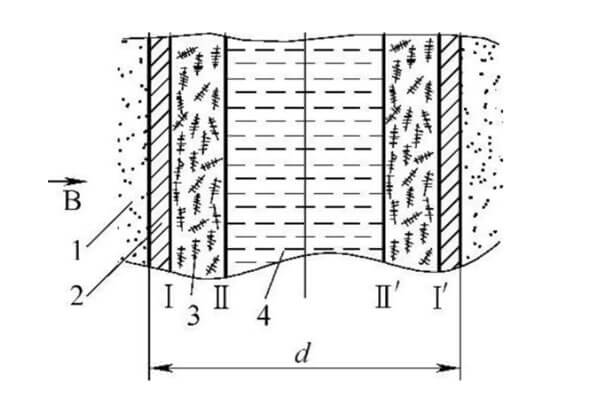
1 ist die Formschale, 2 ist die Festphasenzone (D.h., der verfestigte Bereich), 3 ist die Erstarrungszone (D.h., Die Region verfestigt sich derzeit, wo Flüssigkeit und Feststoff nebeneinander existieren), 4 ist die Flüssigphasenzone
Von der Oberfläche nach innen, Das Metall beginnt in der Nähe der Schalenwand zu gefrieren und die Erstarrungsfront bewegt sich zunehmend zur Mitte hin.
Zu jedem Zeitpunkt, Der Guss kann als dynamisches System mit einer sich bewegenden Front betrachtet werden, nicht als statisches Objekt, das gleichmäßig von außen nach innen kühlt.
Die Qualität des fertigen Gussstücks hängt stark davon ab, wie breit diese Erstarrungszone ist und wie sie sich beim Erstarren verhält.
2. Was bestimmt den Erstarrungsmodus??
Der Erstarrung Die Art und Weise eines Feingusses wird in erster Linie geregelt durch zwei interagierende Variablen: der Gefrierbereich der Legierung und der Wärmegradient im Inneren des Gussstücks.
Wenn die Liquidus- und Solidustemperaturen sehr nahe beieinander liegen, Die Legierung neigt dazu, mit einer scharfen Front zu gefrieren und verhält sich eher wie ein Material mit fortschreitender Erstarrung;
wenn die Lücke groß ist, Die Legierung entwickelt eine breitere Fest-Flüssig-Zone und neigt eher dazu, matschig zu erstarren.
Die Legierungszusammensetzung ist der erste steuernde Faktor
Die Zusammensetzung ist der grundlegendste Einflussfaktor, denn Legierungselemente können dies tun verschieben Flüssigkeits- und Feststofftemperaturen, den Gefrierbereich erweitern oder verengen, und den Kohärenzpunkt des dendritischen Netzwerks ändern.
Da der Gefrierbereich länger wird, der Fest-Flüssig-Bereich wird größer, eine gut definierte feste Schale bildet sich weniger leicht, und die Nahrungsaufnahme muss durch eine teilweise erstarrte dendritische Struktur erfolgen.
Kommerziell reine Metalle und niedrig erstarrende Legierungen neigen dazu, eine ebene Front oder eine kurze säulenförmige Zone zu bilden, während länger erstarrende Legierungen über einen viel größeren Teil des Abschnitts eine dendritische Erstarrung entwickeln.
Der Temperaturgradient steuert, ob die Front scharf bleibt
Der zweite wichtige Faktor ist der Temperaturgradient von der Mantelwand in Richtung Gusszentrum.
Ein stärkerer Gradient fördert das gerichtete Erstarren und treibt das Gussstück in Richtung fortschreitender Erstarrung.
Ein schwächerer Gradient verbreitert die breiige Zone und macht den Gefriermodus volumenähnlicher.
In industriellen Gussteilen, Der Ingenieur kann dies indirekt durch die Vorwärmung der Schale beeinflussen, Isolationsniveau, Abschnittsstärke, und Kühlbedingungen, auch wenn die zugrunde liegende thermische Physik nicht direkt verändert werden kann.
Die lokale Erstarrungszeit ist wichtig
Der Erstarrungsmodus wird auch durch geprägt lokale Erstarrungszeit, Dies ist das Intervall zwischen dem Durchgang der Liquidus- und Solidus-Isothermen an einem bestimmten Punkt.
Eine längere lokale Erstarrungszeit bedeutet in der Regel eine breitere Breizone und ein größeres Risiko für Mikroseigerung und interdendritische Ernährungsprobleme.
Die Literatur zur Gusserstarrung zeigt, dass die Mikroseigerung mit zunehmendem Gefrierbereich zunimmt und dass das dendritische Netzwerk weniger durchlässig wird, sobald Kohärenz erreicht ist.
Gießtemperatur und Überhitzung stellen die Ausgangsbedingungen ein
Die Gießtemperatur allein definiert nicht den Erstarrungsmodus, Es beeinflusst jedoch stark, wie lange der Guss vollständig flüssig bleibt, bevor sich die Gefrierfront bildet.
Eine höhere Überhitzung verzögert den Beginn der Erstarrung und kann den anfänglichen Wärmegradienten abflachen, Eine geringere Überhitzung hingegen verkürzt die zum Füllen zur Verfügung stehende Zeit und kann die Wahrscheinlichkeit eines frühen Gefrierens erhöhen.
In der Praxis, Dies bedeutet, dass die Gießtemperatur die thermischen Bedingungen verschiebt, unter denen der intrinsische Gefrierbereich der Legierung ausgedrückt wird.
Geometrie kann den Modus lokal ändern
Abschnittsdicke, Ecken, interne Aussparungen, und isolierte Hotspots können den lokalen Erstarrungsmodus verändern, selbst wenn die Legierung unverändert bleibt.
Dicke Abschnitte halten die Wärme länger und verhalten sich eher wie breite Gefrierzonen oder matschige Zonen, während dünne Abschnitte normalerweise schneller und gerichteter gefrieren.
Scharfe Innenecken sind besonders wichtig, da sie die thermische Masse konzentrieren und das lokale Gefrieren verlangsamen können, sofern die Geometrie nicht absichtlich geändert oder gekühlt wird.
Das Verhalten der Feingussschale ist Teil der Gleichung
Im Feinguss, Die Keramikschale ist nicht nur ein Behälter; es ist Teil des thermischen Designs.
Schale vorheizen, Schalendicke, Beschichtungsaufbau, und der Abkühlpfad nach dem Gießen verändern alle die Art und Weise, wie die Wärme das Gussstück verlässt.
Aus diesem Grund kann die gleiche Legierung in einem Schalenaufbau zunehmend erstarren und in einem anderen breiiger.
Die Richtungskontrolle ist daher ein kombinierter Effekt des Legierungsdesigns, Muscheldesign, und Wärmemanagement.
3. Schichtweiser Erstarrungsmodus
Definition
Die fortschreitende Erstarrung ist ein Modus, bei dem die festen und flüssigen Bereiche durch eine relativ deutliche Gefrierfront klar getrennt sind.
Zunächst erstarrt die Gussoberfläche, und die Front rückt stetig nach innen vor, während die verbleibende Flüssigkeit nach und nach zugeführt wird.
Anwendbare Industrielegierungen
Zu den typischen schichtweise erstarrenden Legierungen gehört Grauguss, Kohlenstoffstahl, reines Industriealuminium, reines Kupfer, und eutektische Aluminium-Silizium-Legierungen.
In der Feingussproduktion, eutektisch Aluminium Legierungen und kohlenstoffarmer Edelstahl sind die am häufigsten verwendeten Sorten mit dieser Erstarrungseigenschaft.
Eigenschaften
In fortschreitender Erstarrung:
- Die Erstarrungsfront ist relativ scharf.
- Das flüssige Metall bleibt länger verbunden.
- Das letzte flüssige Metall konzentriert sich normalerweise an einem letzten Hotspot.
- Die Zufuhr ist relativ einfach, da die Schrumpfzone lokalisiert ist.
- Das Casting zeigt sich oft zentrale Schrumpfhohlräume statt weit verbreiteter Porosität.
Qualitätsbedeutung
Eine fortschreitende Erstarrung wirkt sich im Allgemeinen positiv auf die Festigkeit aus, da die Schrumpfung leichter vorherzusagen und einzuschätzen ist.
Wenn der letzte Gefrierbereich ordnungsgemäß durch eine Steigleitung oder einen Zubringer versorgt wird, Konzentrierte Schrumpfung kann effektiv kontrolliert werden.
Aus diesem Grund zeigen viele niedrig erstarrende Legierungen ein gutes Speiseverhalten.
In platten- oder stabförmigen Gussteilen, Bei unzureichender Nahrungsaufnahme kann sich ein Mittellinienhohlraum bilden, Der Defekt ist jedoch oft leichter zu erkennen und zu beheben als eine diffuse Porosität, die über den gesamten Abschnitt verteilt ist.
Praktische Implikationen beim Feinguss
Feingussteile, die sich zunehmend verfestigen, sind in der Regel leichter zu kontrollieren, vorausgesetzt, der Wärmepfad ist richtig ausgerichtet.
Wenn das Design das gerichtete Einfrieren in Richtung der Zuführung fördert, Es ist wahrscheinlicher, dass der Guss intakt bleibt.
Jedoch, wenn ein Hotspot nicht ordnungsgemäß isoliert ist, In der Enderstarrungszone kann sich noch ein konzentrierter Lunker bilden.
4. Matschige Erstarrung (Volumenverfestigung) Modus
Definition
Matschiges Erstarren, auch genannt Volumenverfestigung oder pastöse Erstarrung, ist ein Modus, bei dem die Legierung eine breite Erstarrungszone durchläuft.
Das Metall gefriert nicht an einer bestimmten Front; stattdessen, es entsteht eine breiartige oder breiartige Mischung aus festen Dendriten und restlicher Flüssigkeit.
Anwendbare Industrielegierungen
Repräsentative Legierungen mit breiiger Erstarrung umfassen Sphäroguss, High-Carbon-Stahl, und Zinnbronze.
Mit hohem Kohlenstoffmartensitiker Edelstahl Das üblicherweise beim Feinguss verwendete Material weist typischerweise ein typisches breiiges Erstarrungsverhalten auf.
Eigenschaften
In breiiger Erstarrung:
- Die Erstarrungszone ist breit.
- Die Legierung entwickelt frühzeitig eine dendritische Struktur.
- Sobald der Feststoffanteil hoch genug ist, Die verbleibende Flüssigkeit wird in isolierten Taschen eingeschlossen.
- Die Nahrungsaufnahme wird erschwert, da die Flüssigkeitswege unterbrochen sind.
- Das Casting ist anfällig für Schrumpfungsporosität oder Mikroschrumpfung im gesamten Abschnitt verteilt.
Warum es problematisch ist
Wenn die Dendriten miteinander verbunden werden, Die verbleibende Flüssigkeit kann nicht mehr ungehindert vom Zulauf zum Hot Spot fließen.
Anstelle einer konzentrierten Kavität, Das Gussstück kann viele kleine innere Hohlräume entwickeln, die sich über die Erstarrungszone verteilen.
Diese verteilten Defekte sind oft schwieriger zu beseitigen als ein einzelner Schrumpfhohlraum.
Aus diesem Grund sind Legierungen mit breitem Gefrierbereich schwieriger mit gewöhnlichen Speisern zu speisen. Der Schrumpf wird nicht an einer Stelle gesammelt; es verteilt sich über das Volumen.
Praktische Implikationen beim Feinguss
Die breiige Erstarrung ist besonders wichtig bei dünnem Teig, Komplex, oder hochlegierte Gussteile, bei denen die Legierungschemie auf natürliche Weise einen breiten Gefrierbereich erzeugt.
In solchen Fällen, Eine einfache Fütterung reicht oft nicht aus. Der Prozess erfordert möglicherweise:
- stärkere gerichtete Kühlung,
- größere oder effektivere Feeder,
- verbesserte thermische Gradienten,
- reduzierte Überhitzung,
- oder selektives Kühlen.
Ziel ist es, zu verhindern, dass die Erstarrungszone zu breit und zu isoliert wird.
5. Mittlerer Erstarrungsmodus
Definition
Die meisten Industrielegierungen gehören zum Typ mit mittlerer Erstarrung, deren Erstarrungseigenschaften zwischen schichtweisem und breiigem Modus liegen.
Die Erstarrungszone behält eine mittlere Breite bei; Die Fest-Flüssigkeits-Grenze ist weder eine offensichtlich glatte Grenzfläche noch eine matschige Schicht im gesamten Querschnitt.
Dendritisches Wachstum und Flüssigkeitszufuhr treten während des gesamten Erstarrungsprozesses gleichzeitig auf.
Anwendbare Industrielegierungen
Typische Legierungen mit mittlerer Erstarrung umfassen Stahl mit mittlerem Kohlenstoffgehalt, Hochmanganstahl, und weißes Gusseisen.
Strukturteile aus niedriglegiertem Stahl mit mittlerem Kohlenstoffgehalt machen den größten Anteil an Feingussteilen mit mittlerer Erstarrung aus.
Eigenschaften
Die Zwischenerstarrung vereint die Merkmale beider Modi:
- Die Erstarrungsfront ist nicht vollkommen scharf.
- Die Erstarrungszone ist mäßig breit.
- Fütterung ist möglich, aber nicht so einfach wie bei eng gefrierenden Legierungen.
- Das Schrumpfverhalten ist komplexer als beim reinen progressiven Gefrieren.
- Fehlertendenzen liegen zwischen konzentriertem Schwund und verteiltem Mikroschwund.
Warum es wichtig ist
Die Zwischenerstarrung ist der häufigste industrielle Fall. Viele herkömmliche technische Legierungen gefrieren auf diese Weise.
Ihre Qualität hängt stark vom Gussdesign ab, da sie von Natur aus nicht so fehlerverzeihend sind wie niedrig erstarrende Legierungen, aber nicht so schwierig wie stark matschige Legierungen.
Praktische Implikationen beim Feinguss
Für mittelerstarrte Legierungen, Die Gießerei muss sorgfältig ausbalancieren:
- Schalentemperatur,
- Temperatur gießen,
- Abschnittsstärke,
- Platzierung des Feeders,
- und Kühlrate.
Denn die Legierung bietet von Natur aus keinen idealen Gefrierweg, Der Prozessdesigner muss einen erstellen.
6. Vergleich der drei Erstarrungsmodi
| Vergleichsaspekt | Fortschreitende Erstarrung | Matschige Erstarrung | Zwischenerstarrung |
| Gefrierbereichscharakter | Enger Gefrierbereich | Breite Gefrierkette | Mittlerer Gefrierbereich |
| Erstarrungsfront | Scharf, klar definierte Front | Breit, diffuse Front | Mäßig ausgeprägte Front |
| Erstarrungszone | Dünn und lokalisiert | Breit und ausgedehnt | Mittlere Breite |
| Fütterungsverhalten | Gute Fütterung, da die Restflüssigkeit länger verbunden bleibt | Schlechtere Nahrungsaufnahme, da Dendriten die Flüssigkeit frühzeitig einfangen | Mäßiges Fressverhalten |
| Schrumpfform | Neigt dazu, in der letzten Gefrierzone einen konzentrierten Schrumpfhohlraum zu bilden | Neigt zur Bildung verteilter Schrumpfporosität oder Mikroschrumpfung | Gemischtes Schrumpfverhalten |
Tendenz zum Heißreißen |
Normalerweise niedriger, wenn die Fütterung richtig konzipiert ist | Oft höher, da das halbfeste Netzwerk die Kontraktion einschränkt | Mittlere Tendenz |
| Mikrostrukturtrend | Mehr gerichtetes Einfrieren, oft mit einem geordneteren Erstarrungsverlauf | Starke dendritische Entwicklung und frühe Kohärenz | Gemischte Erstarrungsstruktur |
| Sensibilität für Design | Empfindlich gegenüber der Platzierung des Steigrohrs und der gerichteten Kühlung | Sehr empfindlich gegenüber thermischer Kontrolle und Legierungschemie | Empfindlich gegenüber Legierung und thermischem Design |
| Typisches Qualitätsergebnis | Einfacher, Ton zu erhalten, dichte Gussteile | Es ist schwieriger, vollständig dichte Gussteile ohne zusätzliche Kontrolle zu erhalten | Qualität hängt stark von der Prozessoptimierung ab |
7. Faktoren, die die Erstarrung in den einen oder anderen Modus verschieben
Der Erstarrungsmodus wird nicht nur durch eine Variable festgelegt. Es ist das Ergebnis der Interaktion zwischen Legierungschemie, thermischer Gradient, Gießbedingungen, Shell-Verhalten, und Gussgeometrie.
Durch die Veränderung dieser Faktoren, Die Gießerei kann ein Gussstück in Richtung fortschreitender Erstarrung oder in Richtung breiiger Erstarrung treiben.
Legierungspunkt -Gefrierbereich
Der wichtigste Faktor ist der Gefrierbereich der Legierung.
- Enger Gefrierbereich → neigt zur fortschreitenden Erstarrung
- Breite Gefrierkette → neigt zur matschigen Erstarrung
- Mittlerer Gefrierbereich → neigt zur Zwischenerstarrung
Je breiter das Liquidus-Solidus-Intervall ist, Je länger das Gussstück in einem halbfesten Zustand bleibt und desto wahrscheinlicher ist es, dass es eine breite Erstarrungszone entwickelt.
Dies ist der wichtigste Grund, warum einige Legierungen leichter zu dosieren sind als andere.
Wärmegradient im Gussstück
Je stärker der Temperaturgradient ist, desto wahrscheinlicher ist es, dass das Gussstück nach und nach einfriert.
Ein steiler Temperaturabfall von der Schalenwand zur Mitte fördert eine klare Gefrierfront und trägt dazu bei, dass das Metall in einer gerichteten Reihenfolge erstarrt.
Wenn der Temperaturgradient schwach ist, die Erstarrungszone weitet sich aus. Ein größerer Teil des Abschnitts bleibt über einen längeren Zeitraum halbfest, was das Verhalten in Richtung matschiges Einfrieren treibt.
Kesselvorwärmung und Kesselwärmeentzug
Im Feinguss, Die Keramikschale ist ein wichtiges thermisches Kontrollelement.
Eine heißere Hülle verringert den anfänglichen Thermoschock und kann die Füllung verbessern, aber es verlangsamt auch die Wärmeentnahme am Anfang.
Eine kühlere Hülle entzieht der Wärme aggressiver, Dies kann die Gefrierfront schärfen und die fortschreitende Erstarrung begünstigen.
Auch die Schalendicke spielt eine Rolle:
- Dickere Schale → höherer thermischer Widerstand → langsamere Wärmeentnahme → breitere Gefrierzone
- Dünnere Schale → geringerer thermischer Widerstand → schnellere Wärmeentnahme → schärfere Gefrierfront
Gießtemperatur und Überhitzung
Die Gießtemperatur beeinflusst, wie viel zusätzliche Wärme das Metall verlieren muss, bevor es zu gefrieren beginnt.
- Höhere Überhitzung verzögert normalerweise das Gefrieren und kann den Temperaturgradienten abflachen.
- Geringere Überhitzung verkürzt die Zeit bis zum Beginn der Erstarrung, aber wenn es zu weit geht, kann es die Füllbarkeit verringern und zu Fehlläufen führen.
In der Praxis, Eine übermäßige Überhitzung kann den Erstarrungsmodus volumenähnlicher machen, während eine kontrollierte Überhitzung dazu beitragen kann, einen gerichteteren Gefrierpfad aufrechtzuerhalten.
Gusswandstärke
Die Wandstärke ist einer der sichtbarsten geometriebezogenen Faktoren.
- Dünne Wände verfestigen sich schnell und fördern tendenziell eine fortschreitende Verfestigung.
- Dicke Wände halten die Hitze länger und es ist wahrscheinlicher, dass sich breite, matschige Zonen bilden.
Aus diesem Grund treten in schweren Abschnitten häufig Hotspots auf, Chefs, Kreuzungen, oder isolierte Massen, bei denen die Wärme nicht leicht entweichen kann.
Geometrie und lokale thermische Masse
Scharfe Ecken, interne Verbindungen, Chefs, und abrupte Abschnittsänderungen führen zu einem lokalen thermischen Ungleichgewicht.
Einige Regionen können sich früh verfestigen, während andere flüssig oder halbfest bleiben. Dadurch kann sich der lokale Erstarrungsmodus verschieben, selbst wenn die Legierung selbst unverändert bleibt.
Zu den wichtigsten geometrischen Merkmalen, die den Gefriermodus beeinflussen, gehören::
- Innenecken,
- Außenecken,
- Rippenkreuzungen,
- isolierte Pads,
- und plötzliche Dickenänderungen.
Kühlende Umgebung nach dem Gießen
Auch die Art und Weise, wie der Guss nach dem Gießen abgekühlt wird, spielt eine Rolle. Kühlung im Freien, Sandbettkühlung, Isolierung, und Zwangskühlung erzeugen alle unterschiedliche Wärmeverlustbedingungen.
Eine schnellere Abkühlung verschärft den Temperaturgradienten und fördert das fortschreitende Gefrieren. Eine langsamere Abkühlung verbreitert das halbfeste Stadium und treibt das Verhalten in Richtung einer breiigen Erstarrung.
8. Zusammenhang zwischen Erstarrungsmodus und Gussqualität
Der Erstarrungsmodus ist kein theoretisches Detail; Es ist einer der Hauptfaktoren für die Gussqualität.
Es beeinflusst Dichte, Fütterungsfähigkeit, Porositätsbildung, Heißrissneigung, Mikrostruktur, und endgültige Solidität.
Im Feinguss, wo die Formgenauigkeit bereits hoch ist, Der Erstarrungsmodus ist oft der Faktor, der darüber entscheidet, ob das Teil lediglich maßhaltig oder wirklich brauchbar ist.
Dichte und innere Solidität
Ein Guss lässt sich am einfachsten formen, wenn die Erstarrung kontrolliert und gerichtet verläuft.
In fortschreitende Verfestigung, Die letzte Flüssigkeit konzentriert sich an einem relativ kleinen Hot Spot, So kann die Fütterung gezielt erfolgen und die Schrumpfung oft effektiv bewältigt werden.
Dies führt normalerweise zu einer besseren Dichte und einem geringeren Risiko verteilter interner Hohlräume.
In matschige Erstarrung, dagegen, Die verbleibende Flüssigkeit wird in einem breiten halbfesten dendritischen Netzwerk eingeschlossen.
Sobald das solide Gerüst kohärent wird, Futterwege schließen sich schnell, und die Schrumpfung verteilt sich über den gesamten Abschnitt durch viele kleine Hohlräume und nicht durch einen leicht kontrollierbaren Hohlraum.
Aus diesem Grund ist es oft schwieriger, Legierungen mit breitem Gefrierpunkt vollständig dicht zu machen.
Schrumpfhohlraum versus Schrumpfporosität
Die Art des Schrumpffehlers hängt stark vom Erstarrungsmodus ab.
- Fortschreitende Erstarrung neigt dazu, a zu produzieren konzentrierter Schrumpfhohlraum in der Endgefrierzone, wenn die Fütterung nicht ausreicht.
- Matschiges Erstarren neigt dazu zu produzieren verteilte Schrumpfporosität oder Mikroschrumpfung in der Erstarrungszone.
- Zwischenerstarrung kann je nach Abschnittsdicke beide Verhaltensweisen zeigen, Futterweg, und thermische Kontrolle.
Aus prozesskontrolltechnischer Sicht, Ein konzentrierter Hohlraum ist oft leichter zu lokalisieren, füttern, und beseitigen als weit verbreitete Porosität.
Dies ist einer der Gründe, warum eine fortschreitende Erstarrung aus Sicht der Gussqualität im Allgemeinen günstiger ist.
Heißes Reißen und Knacken
Heißriss tritt auf, wenn ein teilweise erstarrtes Gussstück während der Kontraktion zurückgehalten wird und die thermische Spannung nicht reibungslos abbauen kann.
Der Erstarrungsmodus beeinflusst dies, da sich das mechanische Verhalten des Metalls mit steigendem Feststoffanteil ändert.
- In fortschreitende Verfestigung, Die verbleibende Flüssigkeit kann bei ausreichender Ernährung möglicherweise noch kleine Kontraktionsöffnungen heilen.
- In matschige Erstarrung, Das halbfeste dendritische Netzwerk kann frühzeitig steif werden, so wird der Kontraktion Widerstand geleistet und eine Rissbildung wird wahrscheinlicher.
- In Zwischenerstarrung, Das Risiko ist moderat und hängt stark von der Gestaltung des Hotspots und des Zufuhrsystems ab.
Die praktische Lektion ist, dass Warmreißen nicht nur ein Problem der Metallurgie ist. Es handelt sich um ein Problem des Verfestigungspfads.
Fütterungsfähigkeit
Die Zufuhr ist am effektivsten, wenn sich flüssiges Metall noch durch den Abschnitt bewegen kann, um die Volumenschrumpfung auszugleichen.
Deshalb ist der Erstarrungsmodus so wichtig.
- Fortschreitende Erstarrung bewahrt einen angeschlossenen Flüssigkeitspfad länger.
- Matschiges Erstarren unterbricht diesen Weg frühzeitig, wenn die Dendriten ineinandergreifen.
- Zwischenerstarrung Bietet eine teilweise Fütterungskapazität, ist jedoch nicht so zuverlässig wie das progressive Einfrieren.
Wenn die Fütterung fehlschlägt, Schrumpfungsfehler sind fast garantiert irgendwo im Gussstück.
Aus diesem Grund, Der Erstarrungsmodus muss immer zusammen mit der Steigleitungskonstruktion und der Abschnittsgeometrie berücksichtigt werden.
Mikrostruktur und Eigenschaftsgleichmäßigkeit
Die Art und Weise, wie ein Gussstück erstarrt, prägt auch die endgültige Kornstruktur.
Ein eher gerichtetes Erstarrungsmuster führt tendenziell zu einer geordneteren Erstarrungsfront, während breites, breiiges Gefrieren häufig gröbere dendritische Strukturen und größere Variationen in der Zusammensetzung zwischen den Zonen erzeugt.
Das ist wichtig, weil die Mikrostruktur Einfluss hat:
- Zugfestigkeit,
- Duktilität,
- Ermüdungsverhalten,
- Korrosionsbeständigkeit,
- und Bearbeitungsreaktion.
Ein Tonabguss ist nicht nur frei von sichtbaren Mängeln. Es handelt sich um eines, dessen interne Struktur konsistent genug ist, um zuverlässige Serviceleistungen zu erbringen.
9. Warum der Erstarrungsmodus beim Feinguss wichtig ist
Der Erstarrungsmodus ist eine der wichtigsten Variablen beim Feinguss, da er bestimmt, ob das Gussstück verformt wird Klang, fütterbar, und strukturell zuverlässig,
oder ob es zu versteckten Fehlern kommt, die erst später bei der Bearbeitung auftauchen, Inspektion, oder Dienstleistung.
Der Erstarrungsmodus steuert die interne Festigkeit
Der Hauptgrund dafür, dass der Erstarrungsmodus wichtig ist, besteht darin, dass er sich direkt auf die Art und Weise auswirkt, wie mit der Schrumpfung umgegangen wird. Wenn Metall gefriert, sein Volumen nimmt ab.
Wenn flüssiges Metall weiter in den Schrumpfbereich fließen kann, Der Guss bleibt dicht und fest. Wenn die Fütterung zu früh unterbrochen wird, Es bilden sich Schrumpfungsfehler.
- Fortschreitende Erstarrung Normalerweise konzentriert sich die Schrumpfung auf eine letzte Gefrierzone, was einfacher zu füttern und zu verwalten ist.
- Matschiges Erstarren neigt dazu, die Schrumpfung über einen breiten halbfesten Bereich auszubreiten, Dadurch lässt sich innere Porosität schwerer verhindern.
- Zwischenerstarrung liegt zwischen diesen beiden und kann sich je nach thermischem Design gut oder schlecht verhalten.
Mit anderen Worten, Der Erstarrungsmodus bestimmt, ob die Schrumpfung lokalisiert und kontrollierbar ist, oder verteilt und schwer zu beseitigen.
Sie entscheidet über Erfolg oder Misserfolg der Fütterung
Feinguss hängt stark von der Zuführung ab. Der Zulauf bzw. das Steigrohr muss lange genug flüssig bleiben, um die letzten zufrierenden Bereiche zu versorgen. Der Erstarrungsmodus bestimmt, wie lange dieser Zufuhrpfad offen bleibt.
Ein Gussstück, das nach und nach gefriert, gibt der Gießerei eine bessere Chance, einen angeschlossenen Flüssigkeitsbehälter aufrechtzuerhalten.
Ein Guss, der matschig erstarrt, kann diese Verbindung frühzeitig verlieren, Flüssigkeit wird in isolierten Taschen eingeschlossen.
Sobald diese Taschen abgeschnitten sind, Keine spätere Abkühlung kann die Stabilität wiederherstellen.
Aus diesem Grund kann die Gestaltung der Zuführung nicht vom Erstarrungsmodus getrennt werden. Der Feeder ist nur wirksam, wenn die Gefriersequenz dies unterstützt.
Es wirkt sich auf die Art und den Ort des Schrumpffehlers aus
Der Erstarrungsmodus entscheidet auch, welche Art von Schrumpffehler wahrscheinlich auftritt.
| Verfestigungsmodus | Typisches Schrumpfverhalten | Praktische Implikation |
| Progressiv | Lokalisierter Lunker im letzten Hotspot | Leichter vorherzusagen, einfacher zu füttern, oft leichter zu entfernen |
| Matschig | Verteilte Schrumpfporosität oder Mikroschrumpfung | Schwerer zu erkennen, schwerer zu beseitigen, schädlicher für die Klangqualität |
| Dazwischenliegend | Gemischtes Verhalten | Erfordert eine sorgfältige Ausgewogenheit der Geometrie, Schalentemperatur, und legierte Wahl |
Ein konzentrierter Hohlraum ist oft weniger schädlich als eine großflächige Mikroschrumpfung, da er besser sichtbar ist, stärker lokalisiert, und mit Steigern oder Bearbeitungszugabe besser handhabbar.
Verteilte Porosität, dagegen, kann einen großen Bereich des Teils schwächen, ohne dass dies von außen erkennbar ist.
Es beeinflusst Heißreißen und Rissbildung
Heißreißen hängt stark davon ab, wie sich das Gussteil zusammenzieht, während es teilweise fest ist.
Wenn das halbfeste Netzwerk starr wird, bevor der Guss seine Kontraktion abgeschlossen hat, Es kann sich eine Zugspannung aufbauen und das Teil reißen.
Der Erstarrungsmodus ist wichtig, weil er sich ändert:
- wie schnell das dendritische Netzwerk kohärent wird,
- wie lange Flüssigkeit zum Stressabbau zur Verfügung steht,
- und wie viel Zurückhaltung während der Kontraktion besteht.
Eine fortschreitende Verfestigung bietet oft eine bessere Chance, die Kontraktion anzukurbeln und Stress abzubauen.
Eine breiige Erstarrung kann die Struktur zu früh verriegeln, wodurch der Guss anfälliger für Risse wird. Deshalb ist der Erstarrungsmodus ein direkter Faktor bei der Rissverhinderung, nicht nur ein Schrumpfungsproblem.
Es prägt die Mikrostruktur und die endgültigen Eigenschaften
Auch die Art und Weise, wie ein Gussstück gefriert, hat Einfluss auf die Kornstruktur, Dendritenabstand, und die Gleichmäßigkeit der Zusammensetzung des Metalls.
Ein stärker gerichteter Gefrierpfad führt tendenziell zu einer geordneteren Struktur, während eine breite matschige Zone häufig zu gröberen Dendriten und einer stärkeren lokalen Segregation führt.
Das ist wichtig, weil die innere Struktur Auswirkungen hat:
- Zugfestigkeit,
- Duktilität,
- Ermüdungsleben,
- Korrosionsreaktion,
- und Bearbeitungsverhalten.
Ein Gussstück kann zwar die Maßvorgaben erfüllen und dennoch eine unzureichende Leistung erbringen, wenn sein Erstarrungsmodus zu einer ungleichmäßigen oder porösen Innenstruktur führt.
Dies ist besonders wichtig bei hochwertigen Feingussteilen, die in der Luft- und Raumfahrt eingesetzt werden, Leistung, medizinisch, und feinmechanische Anwendungen.
Es bestimmt, wie viel Prozesskontrolle erforderlich ist
Unterschiedliche Erstarrungsmodi erfordern unterschiedliche Grade an Gießereidisziplin.
- Fortschreitende Erstarrung ist normalerweise am verzeihendsten.
- Zwischenerstarrung erfordert eine ausgewogene Kontrolle.
- Matschiges Erstarren erfordert den aggressivsten technischen Eingriff.
Wenn der Guss auf natürliche Weise nach und nach gefriert, Der Prozess kann häufig mit Standardprinzipien der gerichteten Zufuhr bewältigt werden.
Wenn der Guss zum matschigen Erstarren neigt, Die Gießerei benötigt möglicherweise stärkere Wärmegradienten, besseres Schalendesign, sorgfältigere Kontrolle der Gießtemperatur, selektive Kühlung, oder eine ausgefeiltere Riser-Strategie.
Daher ist der Erstarrungsmodus auch ein Maß für die Prozessschwierigkeit. Je matschiger das Gefrierverhalten, desto mehr Aufwand ist erforderlich, um den Guss klingen zu lassen.
Einer der wichtigsten Gründe, warum der Erstarrungsmodus wichtig ist, besteht darin, dass er das Gussdesign mit der Endqualität verbindet.
Ein Teil kann im CAD hervorragend aussehen und möglicherweise sogar erfolgreich gegossen werden, aber wenn sein Erstarrungsmodus schlecht ist, Der letzte Teil kann immer noch scheitern.
Der Erstarrungsmodus ist miteinander verbunden:
- Legierungsauswahl,
- Abschnittsstärke,
- Muscheldesign,
- Temperatur gießen,
- Fütterungssystem,
- Kühlbedingungen,
- und innere Integrität.
Damit ist es eine der zentralen Designvariablen im Feinguss. Es handelt sich nicht nur um ein metallurgisches Konzept. Es ist ein Gestaltungsprinzip.
10. Abschluss
Der Erstarrungsmodus ist der zentrale interne Mechanismus, der die Mikrostruktur und Defektverteilung von Feingussteilen bestimmt.
Klassifiziert nach Erstarrungszonenbreite, Die Metallverfestigung erfolgt schichtweise, matschig, und Zwischenmodi.
Der Kristallisationstemperaturbereich von Legierungen bestimmt grundsätzlich die inhärente Erstarrungsneigung, während der Gießtemperaturgradient die Größe der Erstarrungszone künstlich anpasst.
In der tatsächlichen industriellen Fertigung, Gießereiingenieure müssen gezielte Prozessschemata entsprechend den Legierungsattributen auswählen.
Durch Anpassen der Vorheiztemperatur der Schale, Einbetten von Kühleisen, Optimierung des Riser-Layouts, und Steuerung der Gießüberhitzung, Der Erstarrungsmodus kann künstlich optimiert werden, um eine ungünstige breiige Erstarrung in eine kontrollierbare schichtweise Erstarrung umzuwandeln.
Die Beherrschung der drei Erstarrungsmodi und ihrer Einflussgesetze ist die Grundvoraussetzung zur Beseitigung von Schwindungsfehlern, Verbesserung der inneren Kompaktheit, und produzieren hochwertige, qualifizierte Feingussteile.
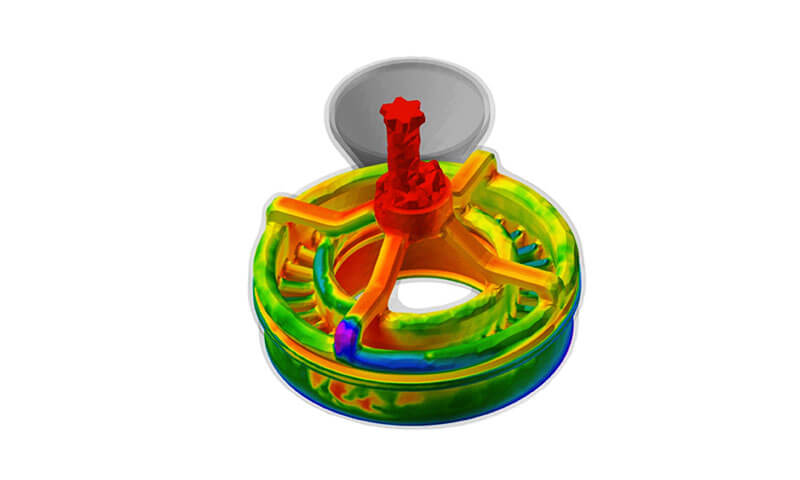
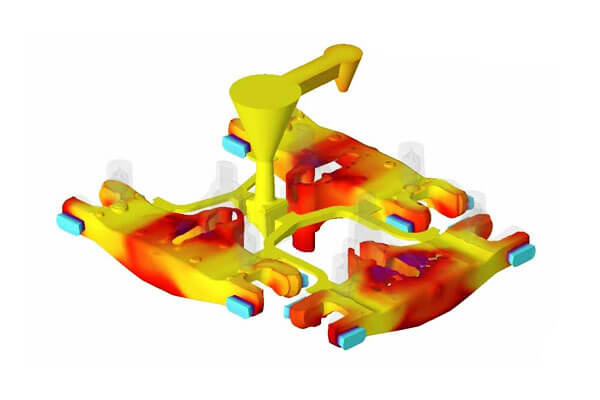
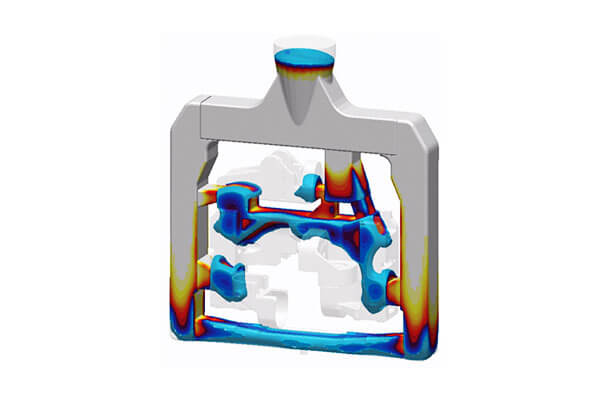
Mit der Modernisierung der Gusssimulationstechnologie, Die visualisierte Temperaturfeld- und Erstarrungszonenvorhersage wird die Genauigkeit der Erstarrungsmodussteuerung weiter verbessern, Förderung der hochwertigen und intelligenten Entwicklung der Präzisions-Feingussindustrie.
FAQs
Welcher Erstarrungsmodus bietet die beste Zuführleistung??
Schichtweise Erstarrung. Seine konzentrierten Lunker lassen sich durch Steigleitungen leicht beseitigen, und fließende Flüssigkeit kann Mikrorisse spontan heilen.
Warum ist eine breiige Verfestigung schwierig, Porosität zu beseitigen??
Miteinander verbundene Dendriten isolieren Restflüssigkeit in geschlossenen Flüssigkeitsbecken, und herkömmliche Speiser können keine tiefe Zufuhr für eine verteilte Mikroschrumpfporosität realisieren.
Warum neigt Feinguss dazu, breite Erstarrungszonen zu bilden??
Keramikschalen werden vor dem Gießen vorgewärmt, Dies führt zu geringen Temperaturgradienten im Querschnitt, die die breiige Zone verbreitern und die breiige Verfestigung erleichtern.
Wie man eine breiige Erstarrung in eine schichtweise Erstarrung umwandelt?
Erhöhen Sie lokale Temperaturgradienten durch den Einsatz von Kühleisen, Reduzierung der Schalenvorwärmtemperatur, und Beschleunigung der Oberflächenkühlungsgeschwindigkeit.
Was ist der am häufigsten verwendete Erstarrungsmodus beim industriellen Feinguss??
Zwischenerstarrung. Die meisten legierten Stähle mit mittlerem Kohlenstoffgehalt und gängige Gusslegierungen gehören zu dieser Kategorie mit ausgewogener Gesamtleistung.

