Introduction
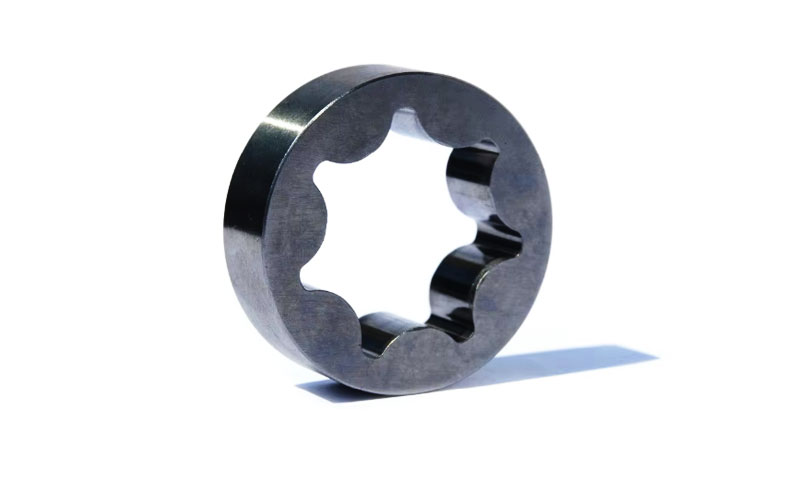
Metal surface treatment is one of the most important disciplines in materials engineering, manufacturing, and industrial design.
A metal component is rarely judged by its base alloy alone.
Its performance in service is often determined by the condition of its surface: how it resists corrosion, how it reflects or absorbs light, how it handles friction, how it bonds to coatings, how it tolerates wear, and how it looks to the end user.
In practical terms, surface treatment is the bridge between raw metal and functional product.
The same steel, aluminum, copper, magnesium, or titanium part can behave very differently depending on whether it is blasted, polished, anodized, plated, oxidized, sprayed, coated, or deposited with a ceramic-like film.
For that reason, surface treatment is not a cosmetic afterthought. It is a core engineering decision.
This article presents sixteen widely used metal surface treatments, explaining their principles, performance logic, advantages, limitations, and typical applications.
The goal is not just to define each process, but to show how these processes fit into the broader logic of durability, manufacturability, and product value.
What are Metal Surface Treatments
Metal surface treatments refer to a series of physical, chemical, or electrochemical processes that modify the surface of metal materials to improve their performance, functionality, or appearance—without altering the bulk properties of the base metal.
The core objectives of surface treatments are threefold: protection, enhancement, and customization.
Protection is the primary goal: surface treatments form a barrier between the metal substrate and the external environment, preventing or slowing down corrosion (oxidation, rusting), wear, erosion, and chemical attack.
Enhancement focuses on improving the metal’s functional properties, such as hardness, lubricity, adhesion, electrical conductivity, or thermal resistance.
Customization involves tailoring the surface’s appearance (color, texture, gloss) to meet aesthetic or branding requirements, or modifying its surface energy for specialized applications (e.g., adhesion for coatings, non-stick surfaces).
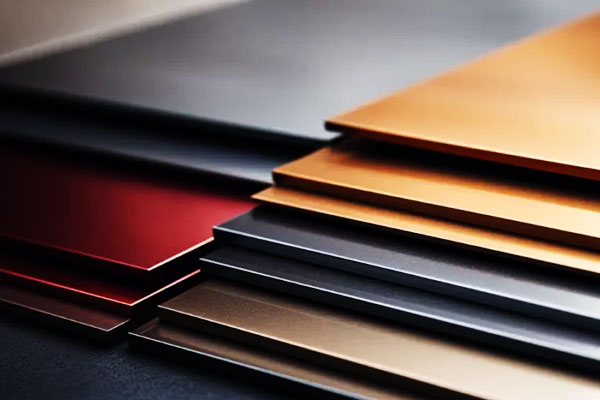
Surface treatments can be classified into three broad categories based on their working principle:
- Mechanical Surface Treatments: Rely on physical force to modify the surface texture or morphology (e.g., sandblasting, polishing).
- Chemical Surface Treatments: Use chemical reactions to form a protective or decorative layer on the metal surface (e.g., passivation, blackening, phosphating).
- Electrochemical Surface Treatments: Utilize electrical energy to drive chemical reactions, forming uniform, high-quality surface layers (e.g., electroplating, anodizing, electrophoretic coating).
The selection of a surface treatment method depends on several factors: the type of base metal (e.g., ferrous vs. non-ferrous), the intended application (e.g., automotive vs. aerospace, indoor vs. outdoor),
environmental exposure (e.g., saltwater, chemicals, high temperatures), performance requirements (e.g., corrosion resistance, wear resistance), and cost constraints.
Each treatment has its unique advantages and limitations, making it critical to match the treatment to the specific needs of the application.
1. Sandblasting
Sandblasting, also called abrasive blasting, is a mechanical surface treatment that uses compressed air or water to accelerate abrasive media onto a metal surface.
The impact removes rust, scale, paint, oil residue, and other contamination, while also creating a controlled roughness profile that improves adhesion for coatings and bonding agents.
Working Principle
The process is based on high-velocity particle impact. Abrasive particles strike the surface, cut away contaminants, and generate micro-roughness.
Roughness values can be adjusted by changing the abrasive type, particle size, pressure, and nozzle distance.
Softer media such as glass beads are preferred for delicate parts, while harder abrasives such as alumina or silicon carbide are used for aggressive cleaning.

Typical Process
First, the part is degreased and cleaned to remove oil and loose debris. Next, the appropriate abrasive is selected based on the substrate and target surface profile.
Then blasting is performed, commonly at pressures in the range of 20–100 psi, with the nozzle held roughly 6–12 inches from the surface.
Finally, residual media is removed by air or vacuum cleaning, and the surface is dried to prevent flash rusting.
Advantages
Sandblasting is fast, efficient, and widely applicable.
It can clean and roughen a surface in a single operation, which makes it ideal for subsequent painting, powder coating, or adhesive bonding.
It is also suitable for irregular geometries such as pipes, brackets, housings, and cast parts. In production settings, it is significantly faster than manual sanding or wire brushing.
Limitations
The process generates dust, noise, and rebound particles, so ventilation and PPE are mandatory. Excessive blasting can distort thin sheet metal or damage precision surfaces.
In addition, poor media removal may lead to coating defects or localized corrosion.
Common Applications
Sandblasting is used before painting or plating automotive bodies, industrial equipment, and structural steel.
It is also employed for rust removal on ship hulls, bridge members, and pipelines, as well as for decorative texturing on architectural metal panels.
2. Polishing
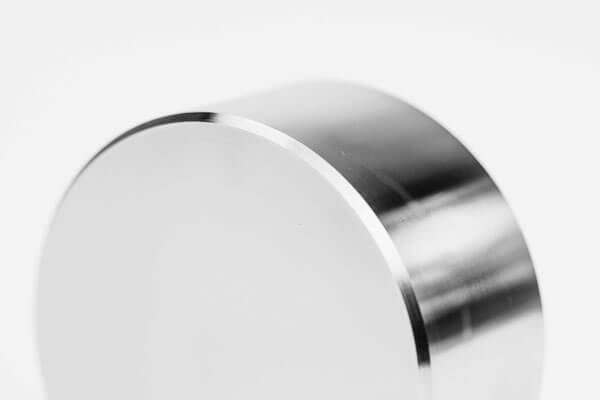
Polishing is a mechanical finishing process that smooths a metal surface by gradually removing microscopic irregularities.
Unlike blasting, which increases roughness, polishing lowers surface roughness and improves reflectivity, cleanliness, and visual quality.
Working Principle
Abrasive particles or polishing compounds remove small amounts of material from the surface.
The operation is usually performed in stages, beginning with coarse abrasives and ending with very fine compounds.
This stepwise reduction of surface defects produces a progressively smoother finish.
Typical Process
The surface is first cleaned, then coarse abrasives are used to eliminate machining marks and larger defects.
Intermediate polishing removes scratches left by the first stage, and final polishing uses fine compounds such as diamond paste, cerium oxide, or rouge to create a bright, reflective finish.
The process ends with thorough cleaning to remove residue.
Types
Mechanical polishing uses pads, wheels, belts, or automated polishing machines.
Chemical polishing uses selective chemical dissolution to level the surface.
Electropolishing, a more advanced electrochemical method, removes surface material in a controlled way and is widely used for stainless steel components that demand a smooth, sanitary surface.
Advantages
Polishing significantly improves appearance and lowers friction. It is especially valuable where cleanliness, reflectivity, or low drag matters.
It also helps reduce sites where contaminants can accumulate, which indirectly improves corrosion resistance.
Limitations
High-quality polishing is labor-intensive and time-consuming, especially on large or complex parts. Over-polishing can reduce dimensional accuracy or wall thickness.
Mirror finishes also scratch easily and often require ongoing maintenance.
Common Applications
Polished surfaces are widely used in jewelry, architectural trim, medical devices, food-processing equipment, optical components, and mechanical parts such as bearings and gears.
3. Anodizing
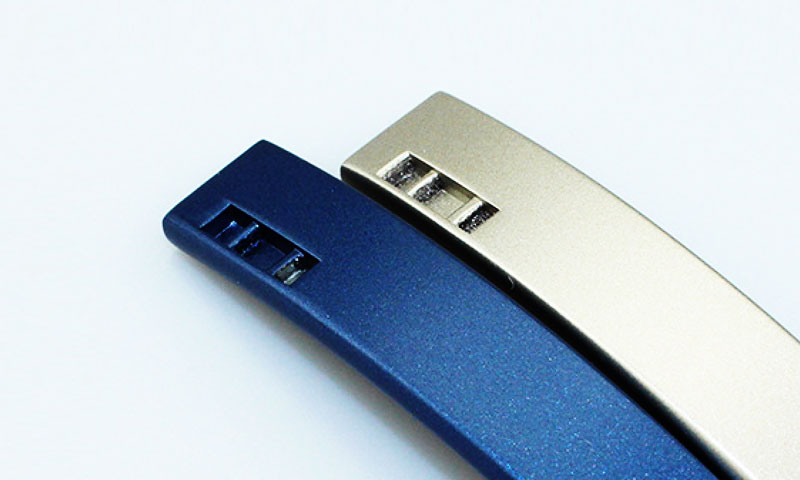
Anodizing is an electrochemical treatment used mainly on aluminum and its alloys.
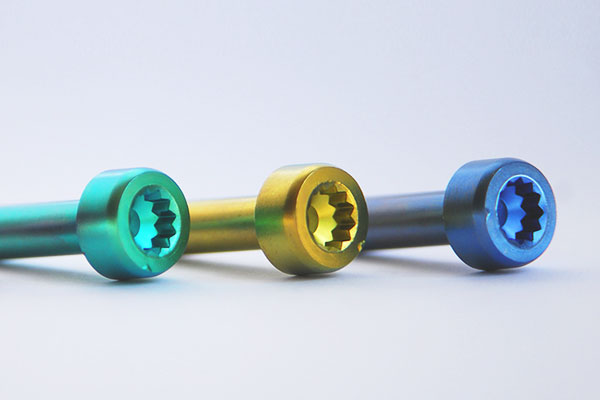
It creates a controlled oxide layer on the surface, typically aluminum oxide, which improves corrosion resistance, surface hardness, and appearance.
Working Principle
The aluminum part is placed in an electrolytic bath and used as the anode. When current passes through the electrolyte, oxygen combines with the aluminum surface to form a porous oxide layer.
This layer is integral with the substrate rather than a separate film, which gives it strong adhesion and good durability.
Coating thickness commonly ranges from about 5 to 250 μm depending on the process type.
Typical Process
The part is cleaned and etched to remove oils and native oxide contamination.
It is then immersed in an acid electrolyte, most often sulfuric acid, and treated at controlled voltage and temperature.
After anodizing, the pores are sealed using hot water, steam, or chemical sealants. Optional dyeing can be performed before sealing to produce color finishes such as black, blue, bronze, or gold.
Types
Sulfuric acid anodizing is the most common industrial process. Chromic acid anodizing creates a thinner film and is often used in aerospace applications.
Hard anodizing generates a much thicker and harder layer, often reaching hardness values around 600–1000 HV, making it suitable for severe wear conditions.
Advantages
Anodizing provides strong corrosion resistance, good wear performance, and excellent decorative flexibility. Because the layer is formed from the base metal itself, it will not peel like paint.
It is also widely regarded as a clean and environmentally manageable process compared with some heavy-metal coating systems.
Limitations
It is primarily limited to aluminum and its alloys. The oxide layer is porous until sealed, and it can be damaged by high temperatures or abrasive wear.
Compared with steel, anodized aluminum still remains relatively soft.
Common Applications
Anodized aluminum is used in electronics housings, automotive trim, heat sinks, architectural panels, aircraft components, and marine hardware.
4. Electroless Plating
Electroless plating, also known as chemical plating, deposits metal onto a surface without external electrical current.
The deposition is driven by a self-sustaining chemical reduction reaction, which makes the coating especially uniform, even on internal cavities and complex geometries.
Working Principle
The plating bath contains metal ions, a reducing agent, and various stabilizers and accelerators.
Once the surface is activated, the reducing agent converts metal ions into metallic atoms, which deposit evenly on the part.
The deposited layer then catalyzes further reaction, so the process continues as long as bath conditions are maintained.

Typical Process
After cleaning and activation, the part is immersed in a heated plating bath, often around 80–95°C for electroless nickel systems.
Deposition time determines thickness, which commonly falls in the 5–50 μm range. After plating, the part is rinsed, dried, and, in some cases, heat-treated to improve hardness and adhesion.
Common Variants
Electroless nickel plating is the most important industrial form and is valued for hardness, corrosion resistance, and wear resistance.
The Electroless copper is used for conductive layers and as a base for further plating. Electroless gold is used in electronics and decorative applications where conductivity and oxidation resistance are critical.
Advantages
This process provides highly uniform thickness on complex shapes, including blind holes and recessed features.
It does not require electrodes or direct current, which simplifies certain production setups. It also adheres well to both metal and some non-metal substrates when properly activated.
Limitations
The plating rate is slower than electroplating, and the bath chemistry is more sensitive to contamination and temperature drift.
Bath life is limited, and operating cost can be relatively high due to chemical consumption and process control requirements.
Common Applications
Electroless plating is widely used in aerospace, electronics, industrial machinery, sensors, plastic components, and precision assemblies.
5. Passivation
Passivation is a chemical treatment used mainly on stainless steel to enhance corrosion resistance by removing free iron and encouraging the formation of a stable chromium-rich oxide film.
Working Principle
Stainless steel naturally forms a passive oxide layer, but machining, welding, or contamination can damage it.
Passivation uses nitric acid or citric acid solutions to dissolve contaminants and restore a clean, uniform passive film.
The resulting oxide layer is extremely thin, usually measured in nanometers, but highly effective.

Typical Process
The surface is cleaned first, then immersed in a passivation bath for a controlled period.
Nitric acid is the traditional method, while citric acid is increasingly preferred for environmental and workplace safety reasons.
After treatment, the part must be thoroughly rinsed and dried to avoid residue-related corrosion.
Advantages
Passivation restores the corrosion resistance of stainless steel without altering its dimensions or appearance.
It is relatively simple, low cost, and highly effective for precision components. Citric systems also offer a cleaner alternative for food and medical environments.
Limitations
It is not a repair process for deep scratches or severe surface damage.
It also applies mainly to chromium-containing metals and cannot compensate for poor alloy selection or improper fabrication.
Common Applications
Passivation is standard for food equipment, pharmaceutical tooling, surgical instruments, marine fasteners, chemical machinery, and stainless-steel piping systems.
6. Blackening
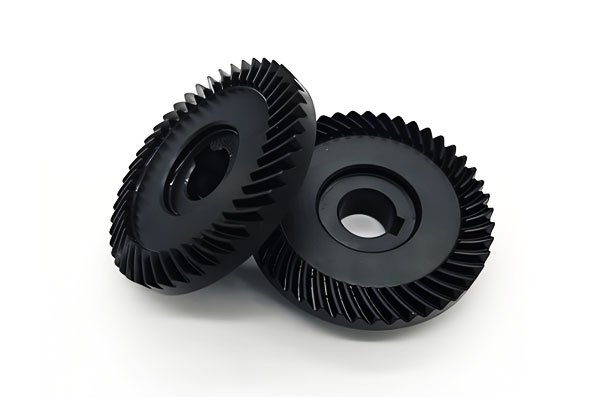
Blackening is a chemical conversion treatment used mainly on steel and iron to form a thin black oxide film, typically magnetite, on the surface.
It provides a controlled dark finish and modest corrosion resistance, especially when followed by oil impregnation or wax sealing.
Working Principle
The metal reacts with an alkaline or acidic oxidizing bath under heat, usually around 80–100°C, forming an oxide layer roughly 0.5–1.5 μm thick.
Because the layer is thin and porous, it is often sealed with oil or wax to improve protection.
Typical Process
After degreasing and pickling, the part is immersed in the blackening bath until a uniform dark finish develops.
It is then rinsed, dried, and sealed. Proper sealing is essential because untreated black oxide alone has limited corrosion resistance.
Types
Alkaline blackening is the most common and is suitable for carbon steel and low-alloy steel.
Acidic blackening is used for more specialized alloys and can produce a deeper tone, though it is less common in general production.
Advantages
Blackening is inexpensive, fast, and dimensionally stable. It is especially useful for small hardware and components that must maintain close tolerances.
It also delivers an attractive matte black appearance without painting.
Limitations
Its protective performance is limited compared with coatings or galvanizing. It is suitable mainly for ferrous metals, and the finish can wear or fade in severe environments.
Common Applications
Common uses include fasteners, hand tools, gears, brake parts, machine components, and decorative hardware.
7. Phosphating
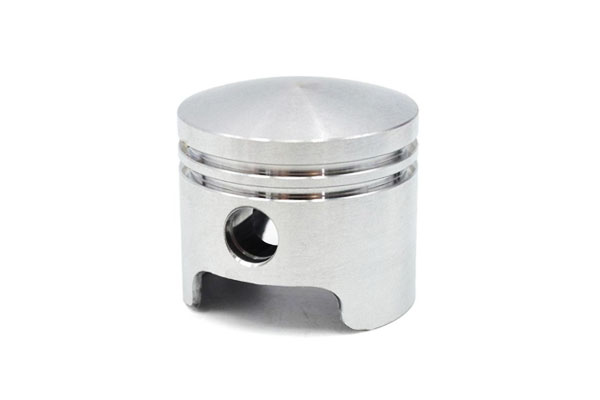
Phosphating is a conversion coating process that creates a crystalline phosphate layer on metal surfaces.
It is widely used as a pre-treatment because it significantly improves paint adhesion and provides moderate corrosion resistance.
Working Principle
In a phosphoric acid bath, the surface reacts with dissolved metal phosphates to produce an adherent phosphate crystal layer.
Depending on the formulation, the coating may be zinc phosphate, iron phosphate, or manganese phosphate, each serving a different purpose.
Typical Process
The part is first cleaned, then immersed in the phosphating bath for several minutes, usually at 20–60°C.
After rinsing, the surface may be sealed or directly coated with paint or powder. Coating thickness generally ranges from about 1 to 10 μm.
Types
Zinc phosphating is the most widely used for steel and automotive bodies. Iron phosphating is often used for light-duty pretreatment.
Manganese phosphating is valued for wear resistance and oil retention in moving parts.
Advantages
Phosphating creates a surface that mechanically anchors paints and coatings.
It improves corrosion resistance, supports mass production, and works across several metal types. In many industrial lines, it is one of the most cost-effective pretreatment methods.
Limitations
The phosphate layer is porous and usually requires a topcoat or sealant for long-term protection. The process also produces sludge, which must be managed carefully.
Common Applications
Phosphating is common in automotive bodies, machinery housings, fasteners, and moving components such as gears and bearings.
8. Chemical Oxidation
Chemical oxidation forms a thin oxide film on non-ferrous metals through a purely chemical reaction, without electrical current.
It is simpler and less expensive than anodizing, though the resulting film is thinner and less durable.
Working Principle
The metal surface reacts with an oxidizing solution to form a protective layer such as aluminum oxide or copper oxide.
Typical film thickness is only around 0.1–1 μm, so the process is best suited for decorative or light-duty protection.
Typical Process
The part is cleaned, treated in the oxidizing bath at room temperature or slightly elevated temperature, rinsed, and optionally sealed with wax or clear coating.
Types
Aluminum chemical oxidation is used for light decorative protection or as an adhesion layer.
Copper oxidation can create brown, black, or green patina effects. Zinc oxidation improves surface stability on zinc-coated parts.
Advantages
The process is simple, fast, and economical. It is also useful for small or complex parts that do not justify more elaborate electrochemical processes.
Limitations
The oxide film is thin, so protection is limited. The process is primarily for non-ferrous metals and is less durable than anodizing or plating.
Common Applications
It is used for decorative aluminum parts, copper architectural features, zinc-coated hardware, and pre-treatment before painting or bonding.
9. Electroplating
Electroplating deposits a metallic layer onto a conductive substrate using electric current. It is one of the most versatile and widely used surface treatment methods in manufacturing.
Working Principle
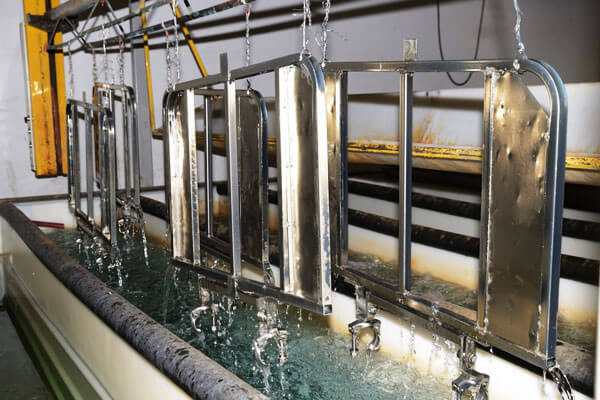
The workpiece acts as the cathode, while the plating metal is supplied either through the anode or the electrolyte.
When current flows, metal ions are reduced and deposited as a thin layer on the substrate. Thickness is controlled by current density, time, and bath chemistry.
Typical Process
The workpiece is cleaned, activated, and immersed in the plating tank. Deposition usually occurs in the range of 1–10 A/dm².
After plating, the part is rinsed, dried, and sometimes heat-treated to improve adhesion or hardness. Typical thickness is often 5–50 μm, depending on the application.
Common Types
Chrome plating provides hardness and a bright decorative surface. Nickel plating is widely used for corrosion protection and appearance.
Copper plating improves conductivity and serves as an underlayer. Gold plating is used in electrical contacts and luxury finishes. Zinc plating is heavily used for steel fasteners and general corrosion protection.
Advantages
Electroplating is flexible, relatively fast, and compatible with a broad range of metals and finishes.
It improves conductivity, wear resistance, corrosion resistance, and appearance, all within the same process family.
Limitations
Current distribution may produce uneven thickness on complex geometries.
The process requires careful pretreatment and, in some cases, strict environmental control due to hazardous bath chemistries.
Common Applications
Electroplating is used in automotive trim, electronics connectors, jewelry, tools, fasteners, household goods, and precision hardware.
10. Hot-Dip Plating
Hot-dip plating, especially hot-dip galvanizing, creates a thick protective coating by immersing steel in molten metal. The resulting layer is metallurgically bonded and highly durable.
Working Principle
The cleaned steel is dipped into molten zinc, aluminum, or tin. During immersion, an alloy layer forms between the steel and the coating metal, followed by an outer layer of the molten coating itself.
This bond provides far better durability than a simple deposited film.

Typical Process
Steel parts are first cleaned, pickled, and fluxed. They are then heated and immersed in the molten bath, often around 450°C for zinc systems.
After removal, the part is cooled and finished. Zinc coatings commonly fall in the 50–150 μm range, which is substantially thicker than most electroplated layers.
Types
Hot-dip galvanizing is the most common and is used for outdoor corrosion resistance.
The Hot-dip aluminizing offers excellent high-temperature performance.
Hot-dip tinning is important in food packaging and certain electrical applications.
Advantages
The coating is thick, durable, and strongly bonded to the substrate.
For outdoor structural steel, service life can be very long when design and environment are favorable. The process is also economical for large steel components.
Limitations
The process requires high temperatures and is limited mainly to ferrous substrates. Surface finish is not as smooth or decorative as some alternative treatments.
Common Applications
Typical uses include bridges, towers, poles, pipelines, fences, steel beams, fasteners, and tin cans.
11. Thermal Spraying
Thermal spraying deposits a coating by melting or softening coating material and projecting it onto a prepared surface at high speed. It is widely used when thick protective or functional coatings are needed.
Working Principle
A heat source such as a flame, plasma, or electric arc melts the coating material, which may be supplied as powder, wire, or rod.
The particles strike the substrate at high velocity, flatten, and solidify into layered deposits. Coating thickness can range from roughly 50 μm to several millimeters.
Typical Process
The substrate is usually grit-blasted first to ensure mechanical bonding. The coating material is then sprayed using a suitable thermal spray system.
Post-treatment may include sealing, heat treatment, or grinding to improve density and surface finish.
Types
Flame spraying is economical and widely used for corrosion protection.
Plasma spraying is capable of processing high-performance ceramics and other advanced materials. Arc spraying is efficient for large-scale metal deposition.
Advantages
Thermal spraying can apply a wide variety of materials to different substrates. It is especially useful for large parts, repair work, and high-wear environments.
It also allows the engineer to tailor thickness and composition to the job.
Limitations
Equipment is specialized, operating costs are significant, and coating porosity must be managed. Residual stresses may appear if the process is not properly controlled.
Common Applications
Thermal spraying is used in aerospace, power generation, marine systems, boilers, engine components, and heavy industrial equipment.
12. Spraying / Coating
Spraying or coating refers to applying liquid paint, powder, or polymer-based materials to a metal surface to improve protection and appearance. It is one of the most common finishing methods in industry.
Working Principle
The coating is atomized or electrostatically applied to the surface, then cured or dried to form a continuous film.
Depending on the formulation, the coating may be designed for corrosion resistance, UV stability, chemical resistance, or decoration.
Typical Process
The surface is first cleaned or pretreated by blasting, phosphating, or chemical washing. Next, coating material is sprayed or applied electrostatically.
After that, the coating is cured by air drying or oven heating. Final finishing may involve polishing or inspection.
Types
Liquid paint is widely used for general-purpose finishing. Powder coating offers better durability and low VOC emissions.
Polymer coatings such as fluoropolymers or polyurethane coatings are selected for chemical resistance, non-stick behavior, or heavy-duty service.
Advantages
The method is flexible, cost-effective, and compatible with a broad range of substrates. It also offers many color and texture options, from matte to high gloss and textured finishes.
Limitations
Poor pretreatment can lead to peeling or chipping. Some systems require thermal curing, which may not suit heat-sensitive components.
Common Applications
Spraying and coating are widely used in automotive bodies, furniture, appliances, building panels, industrial tanks, and consumer products.
13. Electrophoretic Coating
Electrophoretic coating, often called E-coating or electrocoating, is an electrochemical process that deposits paint particles uniformly onto a conductive substrate.
It is especially important in automotive manufacturing because of its excellent coverage and corrosion protection.
Working Principle
The workpiece is placed in a bath containing charged paint particles. When voltage is applied, the particles migrate toward the oppositely charged substrate and form a coherent film.
After deposition, the coating is cured to create a dense, protective layer.

Typical Process
The part is cleaned, phosphated, and submerged in the coating bath. Typical voltage ranges from about 100–500 V, and deposition often takes only a few minutes.
The coating is then rinsed and baked at around 160–200°C to cure. Final thickness is generally about 10–30 μm.
Types
Cationic E-coating is the most common and is widely used for automotive corrosion protection.
Anionic systems exist as well, though they are less common and are often used for decorative or special-purpose applications.
Advantages
E-coating produces extremely uniform coverage, even on sharp edges, recesses, and internal cavities.
It also delivers strong corrosion resistance, automated production compatibility, and low VOC emissions.
Limitations
It requires conductive substrates and specialized equipment. The available color range is limited unless followed by a topcoat.
Common Applications
E-coating is widely used for vehicle bodies and parts, metal frames, appliances, fasteners, and industrial equipment.
14. Enameling
Enameling, also known as vitreous enameling, applies a glass-like coating to metal and fuses it at high temperature.
The result is a hard, smooth, non-porous surface with strong resistance to corrosion and staining.
Working Principle
Powdered glass frit is applied to the substrate, which is then fired in a furnace at about 700–900°C. The enamel melts and bonds to the metal surface, forming a durable glassy layer.
Typical Process
The metal is cleaned and, in some cases, treated with a ground coat to improve adhesion.
The enamel is then applied by spraying, dipping, or brushing. After firing, the coating cools into a hard, glossy surface.
Types
Porcelain enamel is used for household and decorative products. Industrial enamel is formulated for chemical resistance and long-term durability.
Cast iron enameling relies on a specialized ground coat to ensure bonding.
Advantages
The coating is extremely resistant to corrosion, heat, and staining. It is also hygienic, easy to clean, and available in many colors and finishes.
Limitations
The process requires very high temperatures and specialized equipment. The enamel layer is hard but brittle, so impact can cause chipping.
Common Applications
Enameling is used in cookware, sinks, ovens, bathtubs, chemical tanks, appliances, signs, and decorative architectural panels.
15. PVD (Physical Vapor Deposition)
PVD is a vacuum-based coating process that deposits thin, high-performance films onto metal or non-metal substrates.
It is valued for wear resistance, low friction, precision appearance, and strong adhesion.
Working Principle
In a vacuum chamber, the coating material is vaporized by evaporation, sputtering, or ion plating.
The vapor then condenses on the substrate, forming a thin film typically around 0.1–5 μm thick. Because the process occurs in vacuum, contamination is minimal and film quality is high.
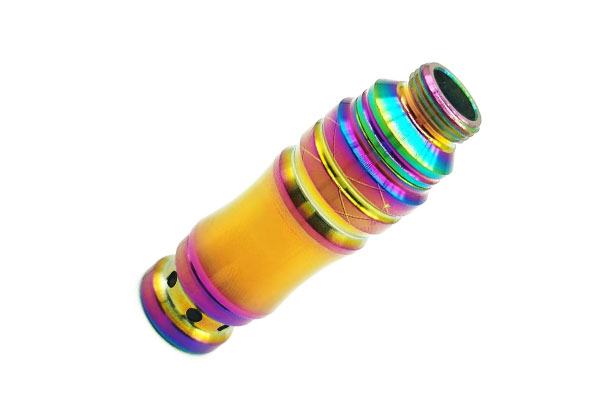
Typical Process
The parts are first cleaned using ultrasonic or plasma methods. They are then loaded into the vacuum chamber, which is evacuated to a very low pressure.
The target material is vaporized and deposited onto the surface under controlled conditions. The process can produce highly decorative finishes or very functional tool coatings.
Common Coatings
Titanium nitride produces a gold-colored, wear-resistant surface. Chromium nitride offers excellent corrosion and abrasion resistance.
Diamond-like carbon provides low friction and strong anti-wear behavior. Gold coatings are used for conductivity and premium decorative applications.
Advantages
PVD films are dense, adherent, hard, and thin enough to preserve precision dimensions.
They are also suitable for high-end decorative finishes and have a favorable environmental profile because they typically avoid toxic wet-chemistry waste.
Limitations
The equipment investment is high, deposition is relatively slow, and film thickness is limited. Cleanliness and vacuum quality are critical to performance.
Common Applications
PVD is used for cutting tools, medical instruments, automotive trim, electronics, watch cases, aerospace components, and precision mechanical parts.
16. CVD (Chemical Vapor Deposition)
CVD is an advanced coating process in which gaseous precursors react in a heated environment to form a solid film on a substrate.
It is widely used where high purity, high temperature resistance, and exceptional film quality are required.
Working Principle
Reactive gases are introduced into a chamber containing the substrate.
Under controlled temperature and pressure, these gases decompose or react on the surface to form a solid coating such as silicon carbide, titanium carbide, alumina, or diamond-like films.
Coating thickness can vary from fractions of a micrometer to tens of micrometers, depending on the application.
Typical Process
The substrate is cleaned, loaded into the chamber, and heated to the necessary processing temperature. Gaseous precursors and carrier gases are then introduced.
The reaction proceeds for a defined time until the target thickness is reached. After deposition, the part is cooled and may receive further finishing.
Types
Low-pressure CVD is widely used in electronics and precision coatings. Atmospheric-pressure CVD is useful for larger-scale industrial deposition.
Plasma-enhanced CVD lowers the required temperature and is suitable for more heat-sensitive substrates. Diamond CVD is used for cutting and wear applications requiring extreme hardness.
Advantages
CVD produces dense, uniform, high-purity coatings with excellent adhesion.
It can form advanced ceramics and diamond films with outstanding thermal, chemical, and mechanical performance.
Limitations
The process often requires high temperatures, sophisticated equipment, and strict gas-handling controls. Some precursors are hazardous, and process windows are narrow.
Common Applications
CVD is used in semiconductor manufacturing, aerospace components, cutting tools, wear parts, chemical equipment, and advanced thermal barrier systems.
Conclusion
Metal surface treatment is not a cosmetic afterthought; it is a core engineering discipline that determines how reliably a component performs in service.
From low-cost mechanical cleaning to advanced vacuum deposition, each process solves a different problem.
Some improve adhesion, some enhance corrosion resistance, some increase hardness, and others deliver aesthetic value or functional precision.
In practice, the best treatment is the one that matches the substrate, geometry, operating environment, and performance target.
A stainless-steel food tank may need passivation and electropolishing. A structural steel beam may need hot-dip galvanizing. An aluminum aerospace part may require anodizing.
A cutting tool may demand PVD or CVD. A decorative consumer product may benefit from plating, coating, or enameling.
As manufacturing standards continue to rise, surface engineering will remain central to product quality, reliability, and lifecycle cost control.
The ability to select, combine, and optimize surface treatments is therefore one of the most important capabilities in modern materials engineering.
Apart from metal surface treatment, quality inspection is also critical to guarantee product performance. If you want to learn about the objectives and categories of quality inspection, as well as the differences between quality inspection and quality management, you can refer to the article below.
What is Quality Inspection? Objectives, Types and Differences from Quality Management | Activewave