1. Executive summary
Micro-Arc Oxidation (MAO) — also known as Plasma Electrolytic Oxidation (PEO) or spark anodizing — is an electrochemical-plasma surface treatment that grows a ceramic-rich oxide layer on “valve metals” (aluminum, magnesium, titanium and their alloys) by applying high-voltage, pulsed electrical energy in an aqueous electrolyte.
Localized micro-discharges produce short, intense thermal events that convert surface metal to hard, adherent oxide phases.
Micro-Arc Oxidation coatings typically provide substantially increased hardness (hundreds → >1,000 HV), major improvement in wear resistance (often 1–2 orders of magnitude versus bare Al), and enhanced thermal and chemical stability.
Micro-Arc Oxidation is a robust option for demanding tribological, biomedical and high-temperature applications, but it requires tight process control and often post-sealing for optimal corrosion performance.
2. What is Micro-Arc Oxidation?
Micro-Arc Oxidation (MAO) is a complex surface engineering technology that integrates electrochemistry, plasma physics, and material science, and is also known as Micro-Plasma Oxidation (MPO) or Anodic Spark Deposition (ASD) in different application fields.
Its core principle is: taking the valve metal workpiece as the anode and the electrolytic cell as the cathode, immersing both in a specially formulated inorganic electrolyte, and applying a high-voltage pulse power supply (300–1000 V) to trigger micro-arc discharge on the workpiece surface.
The instantaneous high temperature and high pressure generated by the discharge cause the metal surface and electrolyte to undergo a series of complex physical and chemical reactions, including oxidation, melting, sintering, and compounding, thereby in-situ growing a ceramic coating on the metal surface.
Compared with traditional surface treatment technologies such as anodic oxidation and electroplating, MAO has an essential difference:
the ceramic coating is not “externally attached” but formed by the oxidation and transformation of the metal substrate itself, realizing metallurgical bonding between the coating and the substrate, which fundamentally solves the problem of poor bonding force of traditional coatings.
The thickness of MAO ceramic coatings can be adjusted in the range of 5–100 μm, the growth rate is 1–10 μm/h, and the coating composition is mainly metal oxides (from the substrate) and composite oxides (from the electrolyte), which has excellent comprehensive properties.
3. Physical and chemical mechanisms (how Micro-Arc Oxidation works)
Micro-Arc Oxidation is a tightly coupled electrochemical, plasma and thermal process.
Understanding the mechanism clarifies why coatings have the microstructure they do and why process parameters matter.
- Initial electrochemical oxidation. At modest voltages a thin barrier oxide grows on the metal surface in an electrophoretic fashion, as in conventional anodizing.
This thin layer is electrically insulating and raises the local electric field across itself as thickness increases. - Dielectric breakdown and micro-discharges. Once local electric field strength exceeds the breakdown threshold of the oxide (a function of thickness, composition and defects), microscopic dielectric breakdowns occur.
These produce micro-plasma channels — brief, highly localized discharges typically lasting microseconds — which locally melt substrate and oxide. - Local reaction, melting and quenching. During a discharge the instantaneous temperature in the channel can be extremely high.
Molten metal and oxide react with electrolyte species, then rapidly quench when the discharge extinguishes.
Rapid cooling locks in non-equilibrium crystalline phases (for example, α-Al₂O₃ on aluminium substrates) and forms a mixed ceramic matrix. - Layer build-up by repetitive events. Millions of micro-discharges over the process time produce a layered structure: an inner dense barrier that provides adhesion;
a middle, ceramic-rich layer that supplies hardness and wear resistance; and an outer more porous re-solidified layer with discharge channels and surface roughness. - Electrolyte incorporation and tailoring. Ionic species in the electrolyte (silicates, phosphates, calcium, fluoride, etc.) are incorporated into the growing oxide, enabling chemical tailoring — for corrosion resistance, biocompatibility or tribological behavior.
4. Micro-Arc Oxidation process system and key influencing parameters
Micro-Arc Oxidation is implemented as an integrated process chain in which four subsystems interact closely: the substrate, the electrolyte, the power supply (and its waveform control), and the auxiliary plant (tank, cooling, filtration and fixturing).
Optimal coating structure and performance — and thus service life — are obtained only when these elements are specified to work together and their critical parameters are controlled within validated windows.
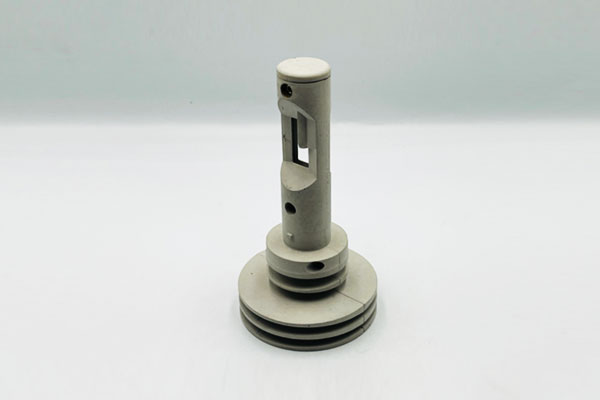
Core elements of the process system
Substrate (workpiece) material
The process is applicable primarily to so-called valve metals — metals that form electrically insulating oxides in aqueous electrolytes. Typical substrates are:
- Aluminium alloys (e.g., 6061, 7075, 2024): the most common commercial use; coatings on these alloys are deployed in automotive, aerospace and electronic components for wear and thermal stability.
- Magnesium alloys (e.g., AZ31, AZ91D): lightweight substrates that benefit from oxide barriers and improved tribological properties after treatment.
Magnesium requires careful parameter control because of its high reactivity. - Titanium alloys (e.g., Ti-6Al-4V, beta alloys): used where biocompatibility or high-temperature stability is required; oxide layers produced on titanium can be tailored to promote bone integration.
- Other valve metals (Zr, Hf, etc.): used in specialized sectors (nuclear, chemical) where their oxide chemistry is advantageous.
Substrate metallurgy, surface condition (roughness, contaminants), and prior heat treatment affect the oxide growth dynamics and final coating properties;
therefore, substrate specification and pre-treatment are essential parts of process design.
Electrolyte
The electrolyte is the core medium of the MAO reaction, responsible for conducting electricity, providing reaction ions, regulating the discharge process, and determining the composition and structure of the coating .
According to the pH value, it can be divided into three types:
- Alkaline electrolyte (pH 9–14): The most commonly used system, mainly composed of silicates, phosphates, and hydroxides.
It has the advantages of stable discharge, uniform coating, and low corrosion to the substrate. For example, the sodium silicate-phosphate system is widely used in the MAO of aluminum and magnesium alloys . - Acidic electrolyte (pH 1–3): Mainly composed of sulfuric acid, phosphoric acid, or fluoroboric acid, suitable for the MAO of titanium alloys.
It can form a porous ceramic coating with good biocompatibility, which is widely used in the modification of medical implants . - Neutral electrolyte (pH 6–8): Composed of borates, carbonates, etc., with mild reaction conditions and low environmental impact, suitable for the surface modification of precision components.
Additives and suspended nanoparticles (ZrO₂, SiO₂, carbonates, calcium/phosphate precursors) are frequently used to tailor coating toughness, wear resistance, corrosion behaviour or biofunctionality.
Electrolyte conductivity, pH stability, temperature and contamination level must be monitored and controlled because they directly affect discharge behavior and coating composition.
Power Supply
The power supply is the energy source of the MAO process, and its type and parameters directly affect the form of micro-arc discharge and the quality of the coating .
At present, the mainstream power supplies used in industrial production are pulse power supplies (including DC pulse, AC pulse, and bidirectional pulse), which have the advantages of adjustable parameters, stable discharge, and energy saving.
Compared with traditional DC power supplies, pulse power supplies can avoid the concentration of discharge points, reduce the occurrence of coating cracks, and improve the uniformity and density of the coating.
Auxiliary Equipment
The auxiliary equipment mainly includes electrolytic cells, cooling systems, stirring systems, and clamping devices.
The electrolytic cell is usually made of corrosion-resistant materials (such as stainless steel, plastic);
the cooling system is used to control the temperature of the electrolyte (usually 20–60 °C) to avoid excessive temperature affecting the discharge stability and coating performance; the stirring system ensures the uniformity of the electrolyte concentration and temperature;
the clamping device ensures good electrical contact between the workpiece and the power supply and prevents the workpiece from being corroded by the electrolyte .
Key process parameters and their effects
All process parameters interact; however, the most influential groups are electrical parameters, electrolyte parameters and treatment time.
Each must be adjusted with awareness of secondary effects.
Electrical parameters
- Applied voltage: sets the onset and intensity of micro-discharges.
Voltages below the breakdown threshold produce only conventional anodic films; voltages well above it increase coating growth rate but also tend to enlarge discharge channels and increase outer-layer porosity and thermal stress.
Typical industrial ranges are process- and substrate-dependent; parameterization experiments are required. - Current density: higher current density generally accelerates oxide formation and increases thickness but risks non-uniform discharging if not coupled with appropriate waveform control.
- Pulse frequency & duty cycle: higher pulse frequency with short on-time tends to produce finer, more uniformly distributed micro-discharges; increased duty cycle raises average energy input and thus thermal load, which may increase cracking risk.
Typical duty cycles used in practice vary widely (single-digit percent to a few tens of percent) depending on equipment and objectives.
Electrolyte parameters
- Concentration and conductivity: influence the distribution and stability of discharges;
low conductivity can prevent stable micro-plasmas, while excessive ionic strength can promote aggressive substrate attack or uncontrolled discharge behaviour. - pH and composition: determine which ionic species are available for incorporation and which oxide phases are thermodynamically favoured (e.g., silicate species promote Si-containing glassy phases; phosphate species supply P for bioactive coatings).
- Temperature: elevated electrolyte temperatures increase reaction kinetics but reduce dielectric strength and may destabilize discharge patterns; therefore temperature control is essential for reproducible coatings.
Treatment time and growth kinetics
Coating thickness and microstructure evolve with time. Growth rates are typically high in the initial minutes and slow as the dielectric barrier develops and discharge characteristics change.
Excessive treatment time can increase coating thickness at the expense of higher residual stress and cracking risk; insufficient time yields thin coatings with incomplete phase development.
Typical production times range from a few minutes to tens of minutes depending on target thickness and power density.
5. Structure and core properties of Micro-Arc Oxidation ceramic coatings
The oxide layer produced by Micro-Arc Oxidation is not a simple, homogeneous film; it is a multi-zone, composite structure whose performance depends on phase composition, density and morphology.
Coating architecture (three-zone description)
Inner (interface) zone — dense bonding layer
- Typical thickness: ~1–10 µm (process- and substrate-dependent).
- Microstructure and composition: relatively dense, low-porosity oxide formed in the earliest, highest-energy micro-events.
On aluminium this zone commonly contains alumina phases (including more compact polymorphs), on titanium rutile/anatase phases predominate.
Because the oxide grows in-place and solidifies rapidly, this zone establishes a metallurgical interface with the substrate rather than a mechanical or adhesive join. - Function: primary load-bearing and corrosion-barrier role; this layer controls adhesion strength and limits ionic transport from the substrate into aggressive environments.
Its continuity and low porosity are critical for barrier performance.
Middle (bulk) ceramic zone — functional layer
- Typical thickness: from a few micrometres up to several tens of micrometres (common industrial ranges for aluminium: ~5–40 µm).
- Microstructure and composition: a mixture of crystalline ceramic phases and glassy/particulate material formed by repeated localized melting and rapid quench.
The exact phase assemblage depends on substrate chemistry and electrolyte species (e.g., Al₂O₃, mixed silicates, phosphates or titania phases).
Closed porosity and microcracks can exist, but this zone supplies most of the hardness and wear resistance. - Function: primary provider of hardness, abrasion resistance and thermal/chemical stability.
The balance between crystalline stiff phases and glassy components governs toughness and residual stress.
Outer (surface) zone — porous, re-solidified layer
- Typical thickness: often a few micrometres up to ~10–20 µm; in aggressive discharge regimes the outer zone can be thicker and more irregular.
- Microstructure: highly textured, containing discharge channels, re-solidified droplets and open pores. Pore shapes vary (spherical, elongated channels) and their distribution is linked to discharge size and density.
- Function: increases surface roughness (which can be beneficial for lubricant retention or secondary bonding),
provides a high surface area for biological cell attachment on implants, but also creates pathways for corrosive media unless the coating is sealed.
Practical note on thickness and uniformity:
Coating thickness is controlled by energy input (voltage, current, pulse duty) and time.
Uniformity across complex geometries is challenging: edges and sharp features concentrate discharges and often show thicker, rougher coatings unless fixturing, waveform or motion compensation is used.
Core functional properties and their origins
The performance advantages of Micro-Arc Oxidation coatings arise from the ceramic chemistry and the layered architecture described above.
Below are the key properties, typical ranges observed in practice, and the physical reasons behind them.
Hardness and wear resistance
- Typical surface hardness (Vickers) ranges: roughly ≈ 400–1,700 HV for aluminium-based coatings under common industrial recipes.
Titanium-derived oxides and high-energy recipes may show similar or somewhat different ranges depending on phase content.
Magnesium substrates typically yield lower absolute hardness but still dramatically increase relative to the bare alloy. - Mechanism: formation of hard crystalline oxides (for example corundum-type alumina) and a dense ceramic matrix generates high indentation resistance and low plasticity of the top layer.
- Tribological performance: in many pin-on-disk and abrasive tests treated surfaces show 10× to >100× reduction in volumetric wear compared with untreated light alloys; the exact factor depends on counterface material, load and environment.
Incorporating hard nanoparticles (ZrO₂, SiC, WC) into the electrolyte can further improve abrasive wear resistance by introducing dispersed hard phases into the coating matrix. - Trade-offs: higher hardness often correlates with greater brittleness and susceptibility to microcracking under impact or heavy contact loads; optimum design balances hardness and sufficient toughness for the application.
Corrosion resistance
- Performance drivers: the corrosion resistance of the system is controlled primarily by the continuity and density of the inner interface layer and by the sealing state of the outer porous zone.
A dense, pore-limited inner layer impedes ion transport; an unsealed porous surface allows localized electrolyte ingress and may permit under-film attack. - Practical performance: well-designed and sealed Micro-Arc Oxidation coatings on aluminium alloys can show substantially improved performance in neutral salt spray and electrochemical tests versus bare material,
in some validated cases reaching hundreds to thousands of hours in accelerated salt spray when a sealing step is applied.
For magnesium and titanium alloys, improvements are also seen, although the absolute performance depends on coating chemistry and post-treatments. - Mechanistic caveat: the ceramic itself is chemically stable, but macroscopic corrosion resistance requires attention to macroporosity and any galvanic coupling introduced by incorporated species or sealants.
Electrical insulation (dielectric properties)
- Typical electrical resistivity: dense oxide sections exhibit very high resistivity (order-of-magnitude 10⁹–10¹² Ω·cm in many cases),
and breakdown strengths of dense regions can be on the order of kV/mm (specific values depend strongly on thickness, porosity and phase purity). - Engineering use: when the inner layer is continuous and sufficiently thick, Micro-Arc Oxidation coatings can provide useful surface insulation for electronic components and high-voltage applications.
Porosity and defects must be minimized for reliable high-voltage service.
Thermal stability and thermal shock behavior
- Thermal endurance: the ceramic constituents (alumina, titania, silicates) are thermally stable to high temperatures — often several hundred °C and in some cases >800 °C for short exposure — but the composite coating and the interface must be assessed for long-term exposure and for cyclic thermal load.
- Thermal shock considerations: thermal expansion mismatch between the oxide and substrate plus residual stresses from rapid solidification can produce microcracking if the coating is too thick or if the part experiences rapid, large temperature swings.
Properly designed coatings, with limited thickness and appropriate phase composition, can tolerate substantial thermal excursions, but application-specific validation is required.
Biocompatibility and bioactivity (titanium substrates)
- Surface chemistry & morphology: for implant applications the porous outer layer can be intentionally doped with calcium and phosphate species by using appropriate electrolyte formulations.
This results in surfaces that support nucleation of hydroxyapatite and enhance osteoblast attachment and proliferation. - Functional impact: treated titanium alloys with controlled porosity and Ca/P incorporation have shown improved wettability and surface energy conducive to biological integration;
however, clinical acceptance requires rigorous biocompatibility testing (in vitro and in vivo) and control of phase chemistry to avoid adverse ion release.
6. Common industrial applications of Micro-Arc Oxidation
Micro-Arc Oxidation coatings are used wherever a lightweight substrate needs a hard, wear-resistant, thermally stable or functionally active ceramic surface.
Aerospace
- Sliding and bearing surfaces on airframe components and actuation hardware where weight saving is critical but wear life must be extended.
- Heat-exposed structural parts and shields where ceramic surface stability at elevated temperatures improves durability.
- Lightning-strike and insulation applications when combined with conductive or insulating post treatments.
Automotive & transportation
- Lightweight engine components (piston crowns, valve train parts, cylinder liners on hybrid/lightweight engines) that require improved abrasion resistance and thermal capability.
- Brake system components, clutches or cams where high contact stresses and temperature excursions occur.
- Wear surfaces on electric vehicle motor housings where electrical insulation plus thermal dissipation is needed.
Biomedical & dental implants
- Titanium and titanium-alloy implants (orthopaedic, dental) with porous, calcium/phosphate-doped surface layers to promote bone ongrowth and hydroxyapatite nucleation.
- Load-bearing implant surfaces where combined wear resistance and bioactivity are required; Micro-Arc Oxidation can be tailored to promote cell adhesion while maintaining mechanical integrity.
Energy, oil & gas and industrial machinery
- Corrosion/wear resistant coatings on lightweight components in pumps, valves and separators — particularly where mass saving is advantageous.
- Thermal protective layers on components in power generation or exhaust systems; useful where ceramic thermal barrier properties are beneficial.
Tooling, moulds and manufacturing equipment
- Aluminium tooling for injection moulding, extrusion, die casting and cold forming where increased wear life extends tool life and reduces downtime.
- Mould cores and inserts with hard oxide surfaces that reduce galling and improve release properties.
Electronics and electrical insulation
- Heat sinks, housings and busbars on aluminium substrates that require dielectric coatings for electrical isolation or to modify surface emissivity.
- High-voltage insulators and feedthroughs where the dense inner oxide provides reliable dielectric strength.
7. Advantages & limitations
Below is a balanced presentation of the prime benefits and practical limitations engineers and procurement teams should weigh when evaluating the technology.
Advantages of Micro-Arc Oxidation
Metallurgical bond and durability
The coating grows from the substrate and is metallurgically anchored rather than mechanically attached.
This growth bond reduces the risk of delamination under many service conditions and gives very good adhesion compared with many sprayed or glued coatings.
High hardness and wear resistance
Ceramic phases formed in situ (for example alumina on aluminium) deliver substantial increases in surface hardness and dramatic reductions in abrasive and adhesive wear.
This makes the process attractive for sliding, sealing and abrasive environments.
Functional tunability
Electrolyte chemistry and electrical waveform control allow incorporation of functional species (silicates, phosphates, calcium, fluoride, nanoparticles) to tailor corrosion behaviour, bioactivity, friction or lubricity.
Thermal and chemical stability
Ceramic oxide constituents are inherently more stable than organic coatings at elevated temperatures; therefore Micro-Arc Oxidation coatings extend the high-temperature capability of lightweight alloys.
Electrical insulation capability
When the inner dense oxide is continuous, the coating provides useful dielectric strength that can be exploited for insulating or high-voltage components.
Environmental regulatory benefits
In some wear and corrosion applications Micro-Arc Oxidation is an environmentally preferable alternative to chromium plating because it avoids hexavalent chromium chemistry; however, bath waste management is still required.
One-step surface conversion on light alloys
Micro-Arc Oxidation converts the substrate surface into a functional ceramic in a single bath process, avoiding multi-step deposition sequences in many use cases.
Limitations of Micro-Arc Oxidation
Surface porosity and sealing requirement
The outer layer is characteristically porous. For corrosion-sensitive applications the coating typically requires a sealing step (organic/inorganic impregnation, sol-gel, PVD cap) to prevent penetration of corrosive media. Sealing adds process complexity and cost.
Brittleness and limited toughness
Ceramic oxides are hard but brittle. Thick coatings or very hard, crystalline layers can crack under impact or heavy cyclic loads.
This constrains coating thickness and requires design validation for dynamic loading and fatigue environments.
Geometry sensitivity and non-uniformity
Sharp edges, thin ribs and complex features concentrate micro-discharges and often develop thicker, rougher coatings known as edge effects.
Achieving uniform coverage on intricate parts requires thoughtful fixturing, part movement, waveform engineering or multiple orientations during processing.
High-voltage equipment and safety
The process operates at several hundred volts and requires robust safety systems, skilled operators and maintenance regimes. Power electronics and control add capital and operational overhead.
Energy consumption and cycle time
Compared with simple anodising, the process consumes more electrical energy per unit area and treatment times can range from a few minutes to tens of minutes depending on thickness targets.
Throughput planning must account for treatment and post-processing time.
Process reproducibility & scale-up issues
Reproducible discharge regimes across batches and different part geometries are nontrivial.
Scaling from prototype to production often requires investment in process development (DOE), monitoring and control systems (voltage/current logging, bath analytics).
Not universally applicable to all metals
Only valve metals that form suitable insulating oxides respond to Micro-Arc Oxidation. Steel, nickel and copper alloys generally cannot be treated directly.
8. Comparative analysis: Micro-Arc Oxidation vs other surface treatment technologies
| Attribute | Micro-Arc Oxidation | Hard Anodic Oxidation | Hard Chrome Plating | Thermal Spraying |
| Coating type | In-situ grown ceramic oxide | Anodic oxide (alumina) | Electroplated chromium metal | Deposited particles (metal/ceramic) |
| Typical thickness | 5–60 µm | 10–100 µm | 5–50 µm | 50–1000 µm |
| Surface hardness (HV) | 400–1,700 | 200–800 | 300–800 | 300–1,500 (material dependent) |
| Bonding | Metallurgical (growth) | Chemical | Electrochemical | Mechanical/adhesive |
Surface porosity |
Medium (outer porous layer) | Low–moderate (sealable) | Very low (dense) | Moderate–high (depends on process) |
| Geometry sensitivity | High (edge effects) | Moderate | Moderate | Line-of-sight limits |
| Environmental issues | Electrolyte disposal, electricity | Low | Hexavalent chromium concerns (regulation) | Overspray & particulate control |
| Best for | Hard, functional ceramics on light alloys | Corrosion/wear on aluminium | Dense wear/corrosion on many substrates | Thick repairs or thermal barrier |
Interpretation:
Micro-Arc Oxidation uniquely combines ceramic hardness and metallurgical bonding on light alloys;
it competes with hard anodizing and chrome plating for wear applications but offers different trade-offs (porosity vs. hardness, environmental footprint, substrate weight saving).
Thermal spray excels for very thick builds but lacks the growth bond of oxide methods.
9. Conclusion
Micro-Arc Oxidation is a transformative, environmentally favorable surface-engineering method that combines electrochemistry, plasma micro-discharges and rapid solidification to grow ceramic films in situ on valve metals and their alloys.
The resulting oxide systems are metallurgically bonded to the substrate and deliver a package of high-value properties — elevated hardness, dramatically improved wear resistance,
enhanced corrosion and thermal stability, good dielectric strength and, where formulated, bioactivity — that is difficult to achieve with a single traditional treatment.
Industry adoption spans aerospace, automotive, electronics, biomedical and tooling sectors because Micro-Arc Oxidation couples high performance with the ability to coat complex geometries and to avoid some hazardous chemistries used in conventional plating.
At the same time, practical limits remain: the technique is largely constrained to valve metals, coating uniformity on large or intricate parts can be challenging,
defect control and bath management add process cost, and energy use is higher than for simple anodizing.
Ongoing advances — smarter power-waveform control, composite and duplex coatings, improved fixturing and automation, bath recycling and lower-energy process variants — are rapidly widening applicability and reducing cost and environmental footprint.
As these developments mature, Micro-Arc Oxidation is well positioned to become a core surface-engineering technology for high-performance, lightweight and sustainable manufacturing.
FAQs
Which metals can be treated with Micro-Arc Oxidation?
Primarily aluminium and its alloys, magnesium alloys and titanium alloys — metals that form an electrically insulating oxide layer suitable for dielectric breakdown and micro-discharge formation.
How thick and hard are Micro-Arc Oxidation coatings?
Typical industrial coatings range from 5 to 60 µm in thickness; surface hardness commonly ranges from 400 to 1,700 HV, dependent on process energy, phase content and electrolyte chemistry.
Does Micro-Arc Oxidation replace hard chrome plating?
It can replace hard chrome for some wear applications on lightweight substrates, especially where environmental or regulatory issues are a concern.
However, chrome plating still offers very dense, low-porosity surfaces on many substrates; the best choice depends on functional requirements.
Do Micro-Arc Oxidation coatings need post-treatment?
Frequently yes. Because the outer surface is porous, sealing (organic or inorganic), impregnation with lubricants, or a thin overlay (PVD) is commonly used to enhance corrosion resistance and reduce friction.