1. Introduction
Food-grade stainless steel is a critical material in the food and beverage industry, valued for its exceptional combination of hygiene, corrosion resistance, and durability.
It endures high-temperature cleaning cycles and offers a smooth, non-porous surface that deters bacterial growth.
It plays a central role in every stage of food handling—from processing and preparation to storage and service.
Used extensively across domestic kitchens, commercial catering, piping systems, fermentation tanks, pharmaceutical facilities, and industrial food processing plants, food-grade stainless steel has become the industry standard where cleanliness and material integrity are non-negotiable.
2. What is Food-Grade Stainless Steel
Food-grade stainless steel is a type of stainless steel that has been specifically engineered and certified to meet strict safety and hygiene standards for use in direct contact with food.
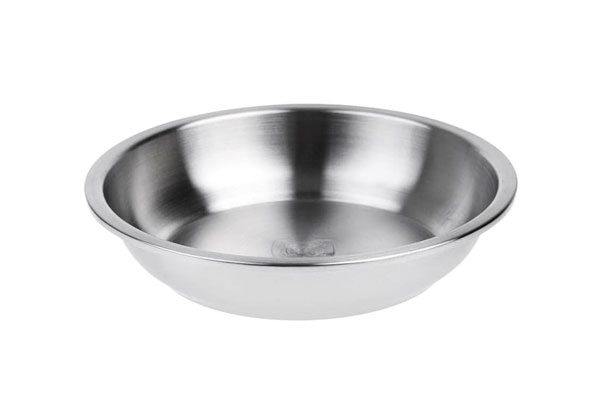
Unlike general-purpose stainless steel, food-grade stainless steel is designed to prevent the leaching of harmful substances into food, resist corrosion from food acids and cleaning agents,
and be easily cleaned and sanitized to prevent the growth of bacteria and other pathogens.
It provides a reliable and durable surface that can withstand the rigors of food-related environments without compromising the safety or quality of the food it comes in contact with.
3. Common Food-Grade Stainless Steel Grades
Several grades of stainless steel meet food-grade requirements, each offering specific advantages depending on the intended application, exposure environment, and regulatory context.
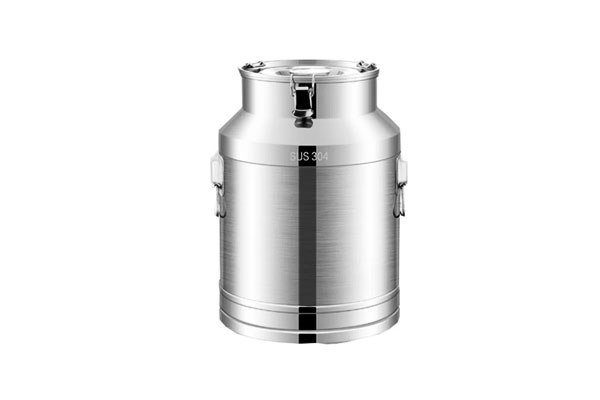
AISI 304 (UNS S30400) – The Industry Standard
- Composition: ~18% Chromium, ~8% Nickel, ≤0.08% Carbon
- Structure: Austenitic
- Key Properties:
-
- Excellent corrosion resistance in normal atmospheric and mildly acidic food environments
- Non-magnetic in annealed condition
- Easily formed, welded, and cleaned
- Common Applications:
Kitchen equipment, brewing tanks, fermentation vessels, sinks, work surfaces, milk tanks
AISI 316 (UNS S31600) – Enhanced Corrosion Resistance
- Composition: ~16% Chromium, ~10% Nickel, ~2% Molybdenum, ≤0.08% Carbon
- Structure: Austenitic
- Key Properties:
-
- Superior resistance to chloride-induced pitting and crevice corrosion
- Performs well in acidic and salty environments (e.g., vinegar, citrus, brine)
- Maintains strength and corrosion resistance at high temperatures
- Common Applications:
Seafood processing, salt-rich or acid-rich food systems, medical food-contact components, commercial dishwashers
AISI 316L (UNS S31603) – Low Carbon Variant
- Composition: Similar to 316 with ≤0.03% Carbon
- Structure: Austenitic
- Key Properties:
-
- Better resistance to intergranular corrosion after welding
- Ideal for pharmaceutical and high-purity food systems requiring frequent cleaning (CIP/SIP)
- Common Applications:
Bioreactors, clean-in-place systems, sterile food production equipment
AISI 430 (UNS S43000) – Ferritic, Cost-Effective Option
- Composition: ~16-18% Chromium, very low Nickel content
- Structure: Ferritic
- Key Properties:
-
- Magnetic, good corrosion resistance in dry environments
- Lower cost due to minimal nickel
- Less formable than 304 and 316
- Common Applications:
Food-grade countertops, display cabinets, back panels of appliances, low-risk dry food storage
AISI 201 (UNS S20100) – Low-Nickel Austenitic Alternative
- Composition: ~16-18% Chromium, ~3.5-5.5% Nickel, ~5.5-7.5% Manganese
- Structure: Austenitic
- Key Properties:
-
- Lower cost, good mechanical properties
- Lower corrosion resistance, particularly to chlorides
- Common Applications:
Trays, kitchen shelving, structural components not in direct food contact
4. Key Properties of Food-Grade Stainless Steel
Food-grade stainless steel owes its popularity in the food industry to a unique combination of material properties that meet stringent safety, performance, and hygiene demands.
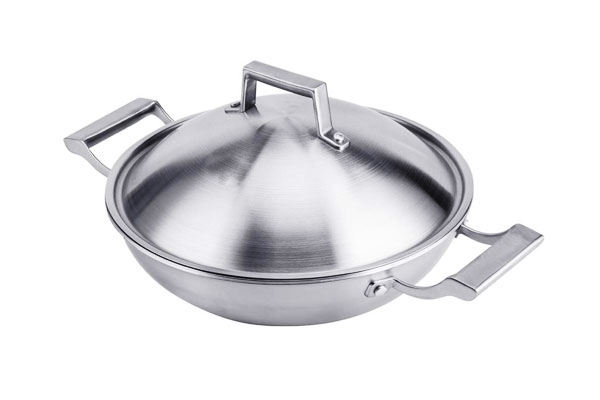
Corrosion Resistance
One of the defining attributes of food-grade stainless steel is its excellent corrosion resistance.
This is primarily due to the formation of a stable, self-healing passive chromium oxide layer on the steel’s surface, which protects it from rust and chemical attack.
- 304 stainless steel performs reliably in general food environments, resisting acids found in dairy, fruits, and vegetables.
- 316 stainless steel, with added molybdenum (~2%), offers superior resistance to chlorides and acids, making it suitable for marine foods, citrus products, and pickled items.
- In acidic or saline processing lines, the wrong grade can corrode and compromise food safety.
Hygiene and Cleanability
A hygienic surface is essential for preventing microbial contamination in food processing.
- Stainless steel is non-porous, meaning it doesn’t absorb food particles or bacteria.
- Grades with smoother finishes (like 2B or electropolished) are less likely to harbor microorganisms.
- It resists biofilm formation, especially when properly cleaned and maintained.
Durability
Food-grade stainless steels are exceptionally durable, able to withstand:
- Mechanical wear from chopping, mixing, or scraping
- Thermal cycling in cooking, chilling, or steam cleaning
- Repeated cleaning with caustic and acidic agents
Temperature Resistance
Food-grade stainless steel can maintain their mechanical properties across a wide temperature range:
- 304 and 316 are stable up to 870°C (1600°F) in intermittent service and 925°C (1700°F) in continuous service.
- Stainless steel is ideal for both cryogenic conditions (e.g., cold storage at-80°C) and high-heat environments like grills or autoclaves.
Non-Reactivity
Stainless steel does not leach harmful chemicals into food, making it a safe, inert material.
- Unlike aluminum or copper, it does not react with acidic foods like tomatoes, vinegar, or wine.
- This property protects both the integrity of the food product and the equipment itself from degradation.
5. Manufacturing Processes
Melting and Alloying
The production of food-grade stainless steel begins with the melting of raw materials, which typically include iron ore, chromium, nickel, and other alloying elements.
These materials are melted in electric arc furnaces or induction furnaces at high temperatures.
During the melting process, the alloying elements are carefully added in precise proportions to achieve the desired chemical composition.
The molten metal is then refined to remove impurities such as sulfur, phosphorus, and gases, ensuring the purity and quality of the stainless steel.
Casting
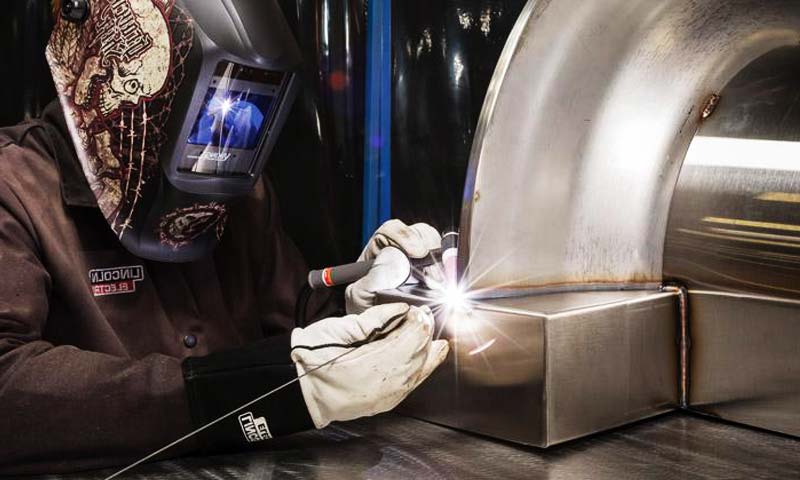
Once the molten stainless steel has been properly alloyed and refined, it is cast into various forms such as ingots, billets, or slabs.
Continuous casting is a common method used, where the molten steel is poured into a water-cooled mold and solidifies as it is continuously withdrawn.
This process produces a uniform and high-quality casting that can be further processed into different products.
Hot and Cold Working
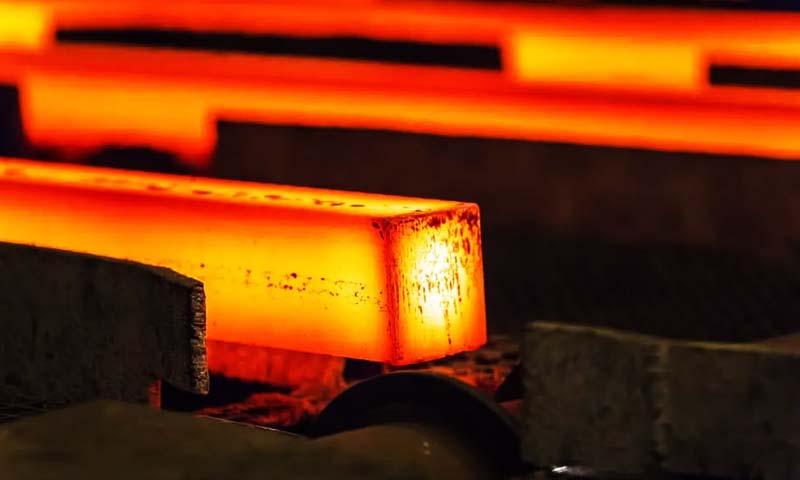
The cast stainless steel is then subjected to hot-working processes such as rolling, forging, and extrusion at high temperatures.
Hot-working helps to shape the steel, refine its grain structure, and improve its mechanical properties.
After hot-working, the steel may undergo cold-working processes such as cold rolling, drawing, or stamping at room temperature.
Cold-working further enhances the strength and hardness of the steel while also allowing for the production of complex shapes and precise dimensions.
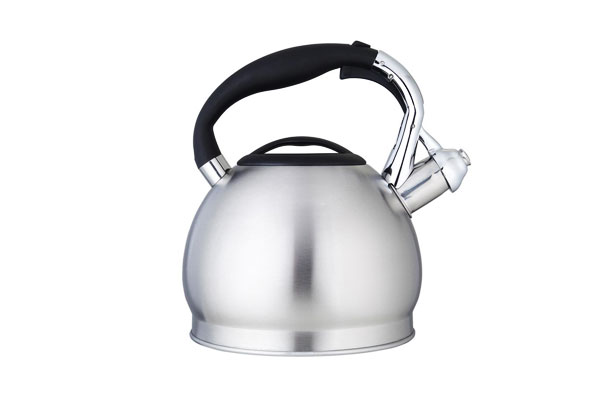
Heat Treatment
Heat treatment is an important step in the manufacturing of food-grade stainless steel to optimize its properties.
Processes such as annealing, quenching, and tempering are used to relieve internal stresses, improve the microstructure, and enhance the corrosion resistance and mechanical properties of the steel.
For example, annealing involves heating the stainless steel to a specific temperature and then slowly cooling it, which softens the steel and improves its ductility.
Surface Finishing
Food-grade stainless steel undergoes various surface-finishing processes to achieve the desired appearance and performance.
Common surface finishes include polishing, brushing, and electropolishing. Polishing creates a smooth, shiny surface that is not only aesthetically pleasing but also easier to clean.
Brushing gives the steel a textured, matte appearance and can help to hide minor scratches.
Electropolishing is a more advanced process that uses an electrochemical reaction to remove a thin layer of the metal surface, resulting in a highly smooth and corrosion-resistant finish.
6. Surface Finish & Cleanability
In food-grade stainless steel applications, surface finish is not merely an aesthetic consideration—it is a functional requirement directly tied to hygiene, cleanability, and corrosion resistance.
A properly finished stainless steel surface minimizes bacterial adhesion, resists contamination, and facilitates effective cleaning and sanitation protocols.
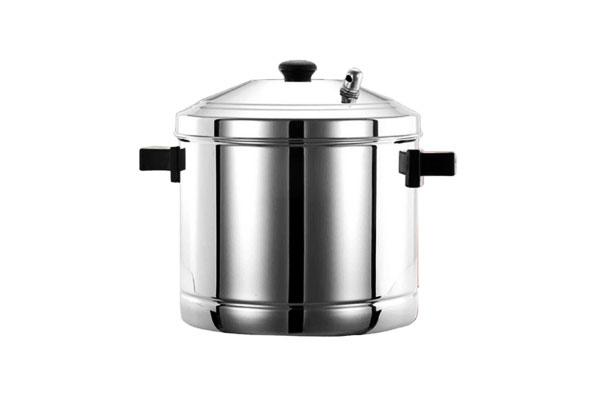
Importance of Smoothness in Hygiene
A key factor in ensuring hygienic performance is surface roughness, typically quantified by the Ra value (arithmetic average of surface irregularities, measured in micrometers or microinches).
- Rough surfaces (higher Ra values) can harbor microorganisms, food particles, and cleaning chemical residues, making them difficult to sanitize.
- Smooth surfaces (lower Ra values) reduce biofilm formation and enhance cleanability, especially in food, beverage, dairy, and pharmaceutical industries.
Common Surface Finishes for Food-Grade Stainless Steel
| Finish Type | Description | Typical Ra (µm) | Use Cases |
| 2B (Mill Finish) | Cold-rolled, annealed, pickled—smooth, dull grey surface | 0.3–0.8 µm | General processing equipment, structural parts |
| No. 4 (Brushed) | Directional polish with 120–180 grit abrasives | 0.6–1.2 µm | Food prep tables, commercial kitchen surfaces |
| BA (Bright Annealed) | Highly reflective, mirror-like finish from annealing in inert gas | ~0.2–0.4 µm | Decorative components, cleanable surfaces |
| Electropolished | Electrochemical removal of surface layer—ultra-smooth, corrosion-resistant | ≤0.4 µm | Pharma vessels, dairy tanks, clean-in-place systems |
Surface Treatments for Cleanability
In addition to mechanical and electrochemical finishing, surface conditioning treatments are often employed to enhance performance:
- Passivation: Involves treating the surface with nitric or citric acid to remove free iron and promote the formation of a stable chromium oxide layer, improving corrosion resistance.
- Bead Blasting: A method of creating uniform matte finishes using fine glass or ceramic beads; however, not ideal for hygienic zones due to higher Ra values unless followed by polishing.
- Pickling: Acid treatment that removes scale and discoloration from heat-affected zones; typically used after welding or hot-working.
7. Regulatory Standards & Certifications
- FDA CFR Title 21: Stainless steel is an approved indirect food additive for food contact.
- NSF/ANSI 51: Defines stainless material suitability for food-prep surfaces.
- ISO 22000 / HACCP: Ensures materials support hazard prevention in food systems.
- EU 1935/2004: Allows stainless for European food contact.
- Finish Requirements: For critical food or pharmaceutical use, specify electropolished or No. 4 finish with Ra ≤ 0.8 µm, and ensure post-fabrication passivation is performed for maximum corrosion resistance.
8. Advantages of Food-Grade Stainless Steel
- Exceptional Corrosion Resistance
Resists oxidation and corrosion from food acids, moisture, and cleaning chemicals, ensuring longevity and maintaining food safety. - Hygienic and Easy to Clean
Smooth, non-porous surfaces prevent bacterial growth and biofilm formation; compatible with rigorous cleaning and sanitation protocols including CIP and SIP. - Durability and Mechanical Strength
High tensile strength and impact resistance enable it to withstand mechanical stresses, thermal cycling, and heavy use in food processing environments. - Non-Reactive and Food Safe
Does not leach harmful substances or impart flavors, preserving the quality and safety of food products. - Temperature Resistance
Maintains structural integrity under extreme temperatures, from freezing to high-heat cooking or sterilization processes. - Aesthetic Appeal
Attractive finish options (polished, brushed, electropolished) support both functional hygiene and visual standards in foodservice and retail environments. - Sustainability and Recyclability
Fully recyclable material, supporting environmental sustainability efforts in food manufacturing and equipment industries. - Compliance with Regulatory Standards
Meets stringent certifications from FDA, NSF, and international food safety authorities ensuring reliable performance in food contact applications. - Versatility in Applications
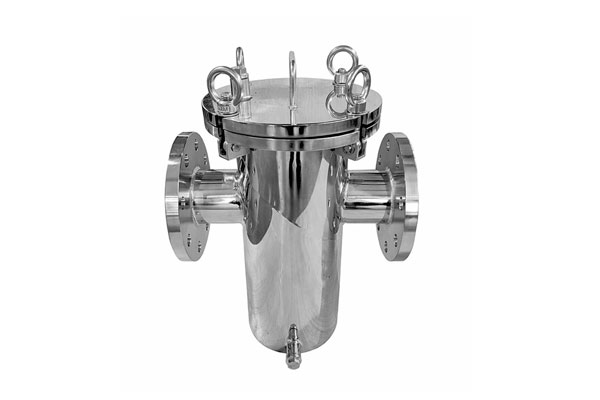
Suitable for a wide range of equipment—kitchenware, storage tanks, conveyors, pharmaceutical vessels—offering adaptability across the food and beverage industry.
9. Limitations of Food-Grade Stainless Steel
- Higher Initial Cost
Compared to other materials like plastics or carbon steel, food-grade stainless steel generally has a higher upfront purchase price. - Susceptibility to Chloride-Induced Corrosion
Grades such as 304 stainless steel can suffer pitting and crevice corrosion in high-chloride environments (e.g., saltwater, brines) unless higher grades like 316 are used. - Work Hardening Challenges
Stainless steel tends to harden during machining and forming, which can complicate fabrication and require specialized tooling or annealing steps. - Weight
Stainless steel is heavier than alternative materials such as aluminum or certain plastics, potentially limiting its use in weight-sensitive applications. - Surface Damage Risk
Although corrosion-resistant, scratches or surface damage can compromise the passive oxide layer, making localized corrosion or staining more likely. - Limited Heat Conductivity
Stainless steel has relatively low thermal conductivity, which may affect heat transfer efficiency in some cooking or processing equipment. - Difficult Repairs and Modifications
Welding and repairing stainless steel require skilled labor and proper procedures to avoid issues like sensitization or reduced corrosion resistance. - Potential for Nickel Allergies
Some individuals may have sensitivities to nickel present in stainless steel alloys, though the risk is generally low in typical food contact scenarios.
10. Applications of Food-Grade Stainless Steel
- Commercial Kitchens: Sinks, prep counters, refrigeration, appliances.
- Food & Beverage Processing: Tanks, piping, conveyors in dairy, beer, meat industries.
- Pharma & Nutraceutical Production: Reactors, cleanrooms, sterile conveying.
- Storage & Handling: Silos, bins, clean vessels.
- Special Environments: Cleanrooms, high-humidity zones, brine or high-acid facilities.
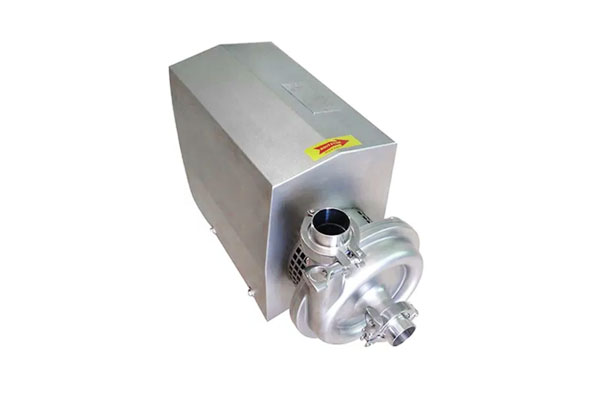
11. How to Clean Stainless Steel?
Maintaining the cleanliness and appearance of food-grade stainless steel is critical not only for aesthetic reasons but also to preserve its corrosion resistance and hygienic properties.
Proper cleaning protocols ensure the surface remains free from contaminants, prevents bacterial growth, and extends the material’s service life.
General Cleaning Principles
- Use Non-Abrasive Materials:
Always clean stainless steel surfaces with soft cloths, sponges, or non-abrasive pads to avoid scratching the surface.
Avoid steel wool or harsh brushes which can damage the protective chromium oxide layer. - Mild Detergents:
Use neutral pH detergents or soaps that effectively remove grease, oils, and dirt without attacking the stainless steel surface.
Avoid cleaners containing chlorine bleach or harsh acids unless specifically designed for stainless steel. - Rinse Thoroughly:
After cleaning, rinse the surface thoroughly with clean water to remove any detergent residues, which can cause spotting or corrosion if left behind. - Dry Completely:
Wipe the surface dry with a clean microfiber cloth to prevent water spots and mineral deposits, especially in hard water areas.
Cleaning Agents and Their Compatibility
- Alkaline Cleaners:
Alkaline-based detergents, such as those containing sodium hydroxide or potassium hydroxide, are effective in removing organic residues, fats, and oils.
They are commonly used in industrial cleaning but should be used at recommended concentrations to avoid etching. - Acidic Cleaners:
Mild acidic cleaners (phosphoric acid, citric acid) can be used to remove mineral deposits or rust stains.
Strong acids (hydrochloric, sulfuric) should be avoided as they may damage the stainless steel unless properly diluted and controlled. - Chloride-Free Formulations:
Chlorides can cause pitting corrosion in stainless steel, especially in grades like 304. Always use chloride-free cleaning products to preserve corrosion resistance.
Cleaning Procedures for Specific Contaminants
- Fingerprints and Smudges:
Use warm water with mild detergent followed by a soft cloth. For stubborn marks, diluted vinegar or specialized stainless steel cleaners can be used. - Grease and Oil:
Use alkaline detergents or degreasers designed for stainless steel. Avoid prolonged exposure to strong solvents. - Rust Stains:
Occasional surface rust can occur due to contamination from external sources (e.g., iron particles).
Remove rust spots with non-abrasive cleaners or mild acidic solutions such as oxalic acid or citric acid-based products.
Passivation and Maintenance
- Passivation:
Passivation treatments enhance the natural formation of the chromium oxide layer, improving corrosion resistance.
This process involves immersing stainless steel parts in nitric or citric acid solutions, which remove free iron and contaminants from the surface. - Periodic Maintenance:
Regular cleaning combined with periodic passivation helps maintain the integrity and longevity of stainless steel equipment.
Inspections for scratches or surface damage are recommended to prevent localized corrosion.
Cleaning in Industrial Food Processing Environments
- Clean-In-Place (CIP) Systems:
Many food processing lines employ automated CIP systems that circulate cleaning and sanitizing agents through equipment without disassembly.
Stainless steel’s corrosion resistance allows it to withstand frequent exposure to caustic soda, nitric acid, and steam at elevated temperatures. - Steam-In-Place (SIP):
Steam sterilization complements CIP by providing high-temperature microbial control.
Food-grade stainless steel can tolerate the thermal stresses of SIP while maintaining surface integrity.
Tips for Maintaining Stainless Steel Appearance
- Wipe in the Direction of the Grain:
Stainless steel often has a brushed or directional finish. Cleaning along the grain helps maintain the surface appearance. - Avoid Mixing Metals:
Contact with dissimilar metals like carbon steel can cause galvanic corrosion and rust stains. Use dedicated cleaning tools and avoid cross-contamination. - Use Stainless Steel Polishing Products:
Specialized polishes and cleaners restore shine and provide a protective layer, reducing fingerprints and smudges.
12. Conclusion
Food-grade stainless steel, primarily grades 304 and 316, serves as the backbone of modern food safety and processing.
Their durability, hygiene, and regulatory compliance make them ideal for everything from kitchens and breweries to pharmaceuticals.
Although 316 carries a higher price, its superior corrosion resistance in acidic and saline conditions makes it the material of choice where long-term performance and safety are non-negotiable.
In an era of increasing food safety standards and environmental awareness, food-grade stainless steel remains essential for ensuring quality, compliance, and sustainable operation in food-related industries.
LangHe: Precision Stainless Steel Casting & Fabrication Services
LangHe is a trusted provider of high-quality stainless steel casting and precision metal fabrication services, serving industries where performance, durability, and corrosion resistance are critical.
With advanced production capabilities and a commitment to engineering excellence, LangHe delivers reliable, customized stainless steel solutions to meet the most demanding application requirements.
Our Stainless Steel Capabilities Include:
- Investment Casting & Lost Wax Casting
High-precision casting for complex geometries, ensuring tight tolerances and superior surface finishes. - Sand Casting & Shell Molding
Ideal for larger components and cost-effective production, especially for industrial and structural parts. - CNC Machining & Post-Processing
Complete machining services including turning, milling, drilling, polishing, and surface treatments.
Whether you need high-precision components, complex stainless assemblies, or custom-engineered parts, LangHe is your dependable partner in stainless steel manufacturing.
Contact us today to learn how LangHe can deliver stainless steel solutions with the performance, reliability, and precision your industry demands.
FAQs
Is 304 or 316 stainless steel food grade?
Yes, both 304 and 316 stainless steel are considered food-grade.
- 304 is widely used in kitchenware and food processing equipment due to its excellent corrosion resistance and affordability.
- 316 contains molybdenum, offering better resistance to chlorides and acids, making it ideal for more aggressive food environments (e.g., salty or acidic foods).
Which is better, 304 or 316 stainless steel?
316 stainless steel is generally better in terms of:
- Corrosion resistance, especially in marine or acidic environments.
- Durability and lifespan in harsh cleaning or sanitation processes.
However:
- 304 is more cost-effective and performs well in most general food-contact applications.
Conclusion: Choose 316 for high-corrosion or high-humidity settings; otherwise, 304 is sufficient.
Which is better, 430 or 304 stainless steel?
304 is better than 430 in most food applications:
- 304 is an austenitic stainless steel with higher nickel content, giving it superior corrosion resistance and durability.
- 430 is ferritic, contains no nickel, and is less corrosion-resistant, though it’s more affordable and magnetic.
Use 430 only for dry environments or decorative kitchen components; use 304 where moisture or cleaning chemicals are present.
Is 420 stainless steel food grade?
Yes, 420 stainless steel can be considered food grade, but with limitations:
- It is martensitic, meaning it can be hardened by heat treatment and used in cutlery and blades.
- However, its corrosion resistance is lower than 304 or 316, making it less suitable for wet or acidic food environments.
Best use: Knives, blades, and cutting tools—not for storage tanks or processing equipment.