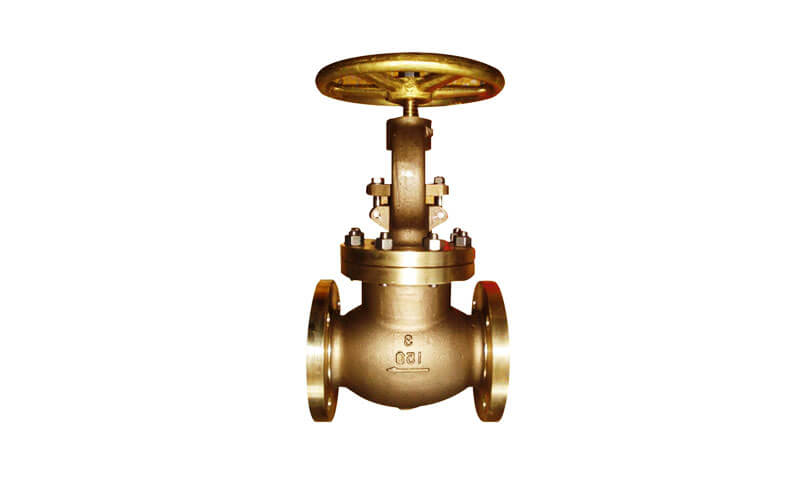
Вступ
Серед сімейства процесів точного лиття, лиття за виплавленими моделями — яке часто називають «литтям за виплавленим воском» — вирізняється своєю здатністю виробляти металеві компоненти майже чистої форми з винятковою обробкою поверхні, складна геометрія, і щільні розмірні допуски.
У цій статті розглядається процес лиття по моделлю від перших принципів до розширених застосувань.
Ми дослідимо його металургійні основи, детальний процес, варіанти технології (водяна склянка, Кремнезем, композитний), дефект механізмів, порівняльне позиціонування з іншими методами виробництва, і випадки промислового використання.
1. Що таке інвестиційне кастинг?
Лиття по моделлю, також відомий як процес загубленого воску, це прецизійний метод формування металу, при якому одноразовий восковий або легкоплавкий малюнок покривається вогнетривкою керамічною оболонкою, потім видаляють, щоб створити порожнину, заповнену розплавленим металом.
Процес призначений для відтворення оригінального малюнка з високим ступенем точності, що робить його одним із найефективніших шляхів виробництва для комплексу, металеві деталі майже чистої форми.
На відміну від звичайних маршрутів лиття, які часто оптимізовані лише для простоти чи обсягу, навколо будується лиття по моделлю повторення деталей, розмірний контроль, та гнучкість сплаву.
Він використовується, коли компонент повинен поєднувати в собі складну геометрію, функціональна точність, і надійна металургійна якість в єдиному технологічному ланцюжку.
Ось чому він широко використовується в таких галузях, як авіакосмічна промисловість, енергія, автомобільний, медичне обладнання, і прецизійне промислове обладнання.
Основні конкурентні переваги лиття за моделлю
Порівняно з іншими процесами формування металу тиском, лиття по виплавленим моделям пропонує шість основних переваг, які надають йому відмінну та стійку позицію на ринку:
Неперевершена точність розмірів і якість поверхні
Виплавлюване лиття може досягти стандартних допусків на розміри CT4–CT7, значно щільніше, ніж лиття з піску (CT9–CT14).
Шорсткість поверхні зазвичай можна контролювати на рівні Ra 1,6–6,3 мкм, що значно зменшує потребу в інтенсивному шліфуванні, полірування, або вторинна обробка декоративних і прецизійних функціональних поверхонь.
Виняткова здатність до складних геометрій
Цей процес особливо добре підходить для деталей із дуже складними функціями, включаючи Внутрішні порожнини, підрізування, Розрізи тонкої стінки (до 0.5 мм), складні криволінійні поверхні, і візерунки з тонкими отворами.
Він може відтворювати практично будь-яку геометрію, необхідну для промислових точних компонентів.
Сумісність широкого сплаву
Лиття за виплавленими моделями сумісно з дуже широким спектром сплавів, включаючи звичайні чорні та кольорові метали, а також вимогливі високоякісні матеріали.
Його можна наносити на нержавіючі сталі, вуглецеві сталі, алюмінієві сплави, мідні сплави, Суперфурої на базі нікелю, сплави на основі кобальту, і навіть активні сплави, такі як титан.
Цей широкий допуск до сплаву дає інженерам набагато більше свободи у виборі матеріалу, ніж багато інших процесів формування.
Висока металургійна якість
Хімічно інертна керамічна оболонка зводить до мінімуму забруднення розплавленого металу.
На додаток, контрольоване затвердіння та добре спроектовані системи литникових литників допомагають зменшити усадка, пористість, і сегрегація, виготовлення деталей із щільною мікроструктурою та стабільними механічними характеристиками.
Висока ефективність матеріалу
Як процес майже чистої форми, лиття по моделлю забезпечує коефіцієнт використання матеріалу приблизно 92%–98%, суттєво зменшує відходи металу порівняно з процесами субтрактивної обробки.
Гнучка шкала виробництва
Лиття по виплавлюваним моделям дуже адаптивне, що робить його придатним для одноразові спеціальні прототипи, дрібносерійні спеціальні деталі, і великосерійне виробництво стандартизованих компонентів.
2. Основні металургійні та технологічні принципи
Лиття по моделлю - це не тільки метод формування. Він тісно інтегрований металургійна система в якому візерунку вірність, поведінка оболонки, Теплове управління, і твердіння сплаву взаємодіють.
Якість кінцевої частини визначається тим, наскільки добре ці чотири фактори контролюються разом.
Геометрична реплікація через перенесення візерунка
Процес починається з воскового або плавкого малюнка, який фіксує остаточну геометрію деталі з високою точністю.
Оскільки керамічна форма побудована безпосередньо навколо цього малюнка, порожнина відтворює задуману форму майже точка за точкою.
Саме це дає перевагу інвестиційному лиття у виробництві:
- тонкі ребра,
- різкі переходи,
- канавки,
- маленькі отвори,
- Внутрішні уривки,
- і складні особливості поверхні.
Іншими словами, лиття по моделлю не «наближає» геометрію.
Він переносить його з малюнка у форму з дуже високим збереженням деталей. Це є основою його можливостей майже чистої форми.
Керамічна оболонка як точний термобар'єр
Керамічна оболонка - це не просто ємність для розплавленого металу. Це а прецизійна вогнетривка структура який повинен задовольняти двом суперечливим вимогам одночасно.
Він повинен бути достатньо міцним, щоб витримати:
- девакс,
- стрілянина оболонки,
- заливання,
- тиск металу,
- і термічний шок.
Одночасно, він повинен залишатися вірним у розмірах, щоб порожнина не спотворювала геометрію деталі.
Цей баланс між механічна міцність і розмірна стабільність є одним із центральних технічних завдань лиття по моделлю.
Якщо шкаралупа занадто слабка, він тріскається або руйнується. Якщо він погано контролюється, він спотворює або втрачає точність.
Таким чином, оболонка є критично важливим інженерним інтерфейсом між візерунком і остаточним литтям.
Контроль затвердіння як металургійного ядра
Після цього розплавлений метал потрапляє в порожнину оболонки, процес стає питанням як сплав наповнюється і твердне.
Цей етап визначає, чи буде деталь щільною, звук, і розміром стабільно, або чи буде він містити пористість, усадка, Холод закривається, або структурний дисбаланс.
Ключові контрольні змінні включають:
- проектування ліберної системи,
- розміщення стояка,
- температура попереднього нагріву оболонки,
- Температура,
- текучість сплаву,
- і швидкість затвердіння.
Ці фактори формують внутрішню структуру виливка так само, як і зовнішню форму.
Деталь може виглядати правильно зовні, але все ще виходити з ладу всередині, якщо затвердінням не керувати належним чином.
Чому процес металургійний, не тільки геометричні
Лиття по моделлю часто описують як процес точного формування, але цей опис неповний.
Це також a металургійний процес, оскільки остаточні властивості деталі будуються під час плавлення, заливання, начинка, і затвердіння.
Це означає, що ливарний цех не лише відтворює форму. Воно активно господарює:
- Зернова структура,
- щільність,
- сегрегація,
- Формування дефектів,
- і кінцева механічна поведінка.
Тому лиття по виплавлюваних моделях займає особливе місце серед технологій обробки металу тиском.
Це поєднує повторення форми з контрольована металургійна консолідація, і обидва однаково важливі.
3. Повний робочий процес лиття за моделлю
Промислове лиття по виплавленим моделям — це суворо контрольований технологічний ланцюг, у якому кожен етап впливає на кінцеву якість литва.
Розмірна точність, стан поверхні, Внутрішня надійність, і металургійна продуктивність визначаються тим, наскільки добре керується процесом від воскової моделі до остаточної перевірки.
На практиці, лиття по моделлю — це не одна операція, а послідовність взаємозалежних етапів виробництва.
3.1 Виготовлення воскових візерунків і вибір матеріалу
Восковий малюнок є першим фізичним зображенням кінцевої частини, тому його стабільність розмірів безпосередньо визначає точність стелі виливка.
Вибір воскового матеріалу
У промисловому лиття за моделлю зазвичай використовують три категорії воску:
- Низькотемпературний віск для простого, низькоточні деталі
- Віск середньої температури для виробництва загального призначення
- Високотемпературний віск для надточних або спеціальних застосувань
Серед них, віск середньої температури є найбільш широко використовуваним. Він забезпечує низьку усадку, хороша плинність, стабільна керованість, і надійне відтворення деталей.
Це робить його придатним для більшості сталей, мідний сплав, і лиття з алюмінієвих сплавів.
Контроль лиття під тиском
Введення воску необхідно контролювати:
- температура воску,
- тиск впорскування,
- час витримки,
- та геометрія деталей.
Якщо віск занадто холодний, погіршується заповнюваність. Якщо занадто жарко, може постраждати стабільність розмірів.
Тиск витримки також важливий, оскільки внутрішні усадочні порожнечі у воску можуть згодом успадкуватися металевим литтям як дефекти.

Компенсація усадки
Восковий малюнок повинен містити розрахований припуск на усадку на основі сплаву, який буде відлито.
Різні сплави твердіють з різною усадкою, тому компенсація повинна бути вбудована в інструмент з самого початку.
Контроль дефектів
Необхідно перевірити воскові візерунки:
- бульбашки,
- депресії,
- деформація,
- спалах,
- і пошкодження поверхні.
Будь-який дефектний восковий малюнок повинен бути відбракований перед початком виробництва раковин, тому що дефекти воску часто стають дефектами лиття пізніше в процесі.
3.2 Складання шаблону та проектування системи воріт
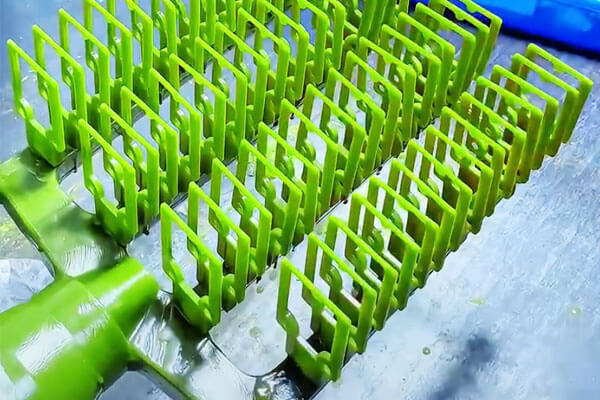
Індивідуальний воскові візерунки збираються в a кластер або дерево, що підвищує ефективність виробництва та дозволяє виготовляти кілька відливок за один цикл форми.
Кластерне розташування
Відстань між візерунками має бути достатнім, щоб запобігти перетину оболонки під час нанесення покриття та сушіння.
Кількість частин на кластер також має відповідати потужності печі, ритм розливу, і поведінка твердіння сплаву.
Конструкція воріт
Система воріт повинна підтримувати:
- гладке заповнення,
- низька турбулентність,
- і контрольований потік металу.
Ламінарний потік є кращим, оскільки турбулентність підвищує ризик:
- Введення повітря,
- складання оксиду,
- і шлакове включення.
Для більш вимогливих сплавів, особливо високолегованих сталей і суперсплавів, зазвичай використовуються нижні затвори або ступінчасті напрямні.
Шлакоуловлювачі або подовжувачі бігунів можуть бути додані для перехоплення плаваючих домішок перед тим, як вони потраплять у порожнину.
Схема розміщення стояка
Стояки розташовані в гарячих точках і зонах останнього затвердіння, щоб забезпечити подачу металу під час затвердіння. Це необхідно для запобігання:
- порожнини усадки,
- мікропористість,
- і усадка центральної лінії.
Для сплавів з широким діапазоном замерзання, може знадобитися кілька допоміжних стояків, щоб підтримувати нормальне годування.
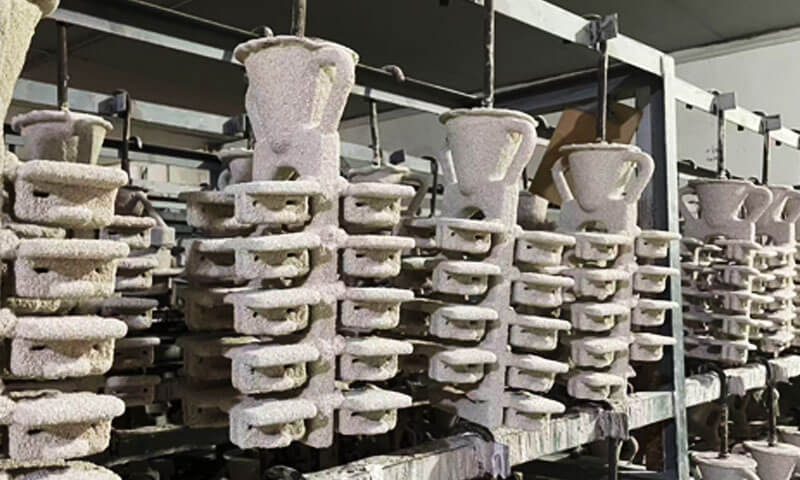
3.3 Виготовлення керамічної оболонки (Основний процес лиття за моделлю)
Виготовлення керамічної раковини є найбільш трудомісткою і технічно складною процедурою.
Оболонка формується шляхом багаторазового нанесення вогнетривкого шламу та сухої піщаної штукатурки, ділиться на лицьове пальто, перехідне покриття та резервне покриття з диференційованими вогнетривкими матеріалами та функціями.
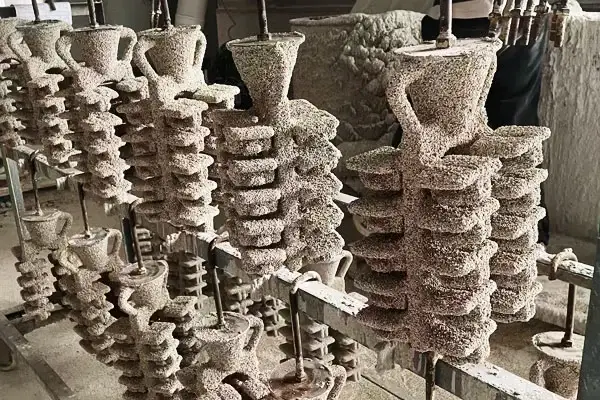
Шарувата структура та відповідність матеріалу
- Пальто для обличчя (поверхневий шар): Безпосередньо контактує з високотемпературним розплавленим металом, вимагають надвисокої вогнетривкості та хімічної інертності.
Для високоякісної нержавіючої сталі та суперсплавів, використовується цирконове борошно високої чистоти та цирконовий пісок; для загальної вуглецевої сталі, зазвичай використовується плавлений оксид алюмінію.
Цей шар запобігає проникненню металу, налипання піску та хімічна реакція між розплавленим металом і вогнетривом. - Перехідне пальто: Підвищує міцність зчеплення між лицьовим покриттям і резервним покриттям, щоб уникнути розшарування оболонки під час випалу та заливки.
- Резервне пальто (задній шар): Використовує недорогий кварцовий пісок і мулітовий наповнювач для покращення загальної структурної міцності корпусу та зниження загальної вартості матеріалів.
Контроль сушіння:
Кожен нанесений шар повинен пройти повне природне висихання при постійній температурі (22~26°C) і постійна вологість (55%~65% відносної вологості).
Недостатнє сушіння залишає всередині шкаралупи залишки вільної води, який стає джерелом водню та викликає пористість у виливках.
Загальна кількість шарів оболонки коливається від 8 до 12; товстостінні великі виливки вимагають більше ніж 12 шари для підвищення міцності.
Диференціація сполучного:
Тип в'яжучого визначає вогнетривкість оболонки, вміст домішок і загальну продуктивність, що також є основою для класифікації основних технічних маршрутів лиття по моделлю.
3.4 Девакс
Депарафінізація видаляє матеріал малюнка з керамічної оболонки та створює порожнисту порожнину, яка пізніше буде заповнена розплавленим металом.
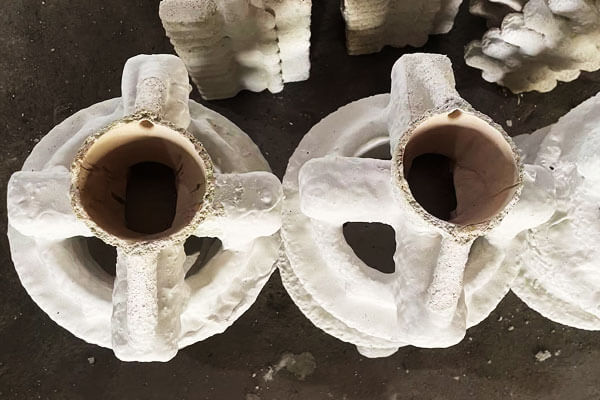
Стандартний промисловий метод
Кращим є промисловий спосіб депарафінізація під високим тиском. Це широко використовується, оскільки воно швидко видаляє віск і зменшує ризик пошкодження раковини.
Контроль процесів
Парову депарафінізацію необхідно ретельно контролювати, щоб:
- віск повністю розплавиться,
- оболонка не тріскається від термічного удару,
- і всередині порожнини не залишається залишків.
Будь-який залишковий віск є серйозною проблемою, оскільки він може розкластися під час подальшого випалу та призвести до забруднення вуглецем, виділення газу, або поверхневих дефектів остаточного лиття.
Відновлення матеріалу
Відновлений віск зазвичай збирають, відфільтрований, і перероблений, що покращує економічність процесу та підтримує повторне використання матеріалів.
3.5 Випал оболонки та попередній нагрів перед заливкою
Порожниста керамічна оболонка потребує сегментованого високотемпературного випалу для повного видалення органічних залишків, спікають вогнетривкі частинки та стабілізують структуру оболонки; попередній нагрів проводиться перед заливкою для адаптації до температури розплавленого металу.
Сегментований випал
Стрільбу снарядами зазвичай проводять поетапно:
- Низькотемпературний етап: видаляє залишки органіки та сліди воску
- Середньотемпературна стадія: відводить зв'язану вологу і розкладає залишки в'яжучого
- Високотемпературна стадія: спікає вогнетривку оболонку і створює кінцеву міцність
Таке поетапне нагрівання запобігає розтріскуванню оболонки та забезпечує досягнення стабільного термічного та структурного стану оболонки.
Підігрів перед заливкою
Потім обпалену оболонку попередньо нагрівають, щоб зменшити температурний розрив між формою та розплавленим металом. Попередній нагрів допомагає:
- поліпшити наповнення,
- зменшити ризик неправильного запуску та холодного закриття,
- мінімізувати термічний удар,
- і підтримувати тонші ділянки під час наповнення.
Точний діапазон попереднього нагріву залежить від сплаву, Товщина секції, і часткова складність.
3.6 Плавлення, Контроль атмосфери, і Розлив
На цьому етапі визначають металургійну чистоту та заповнення форми.
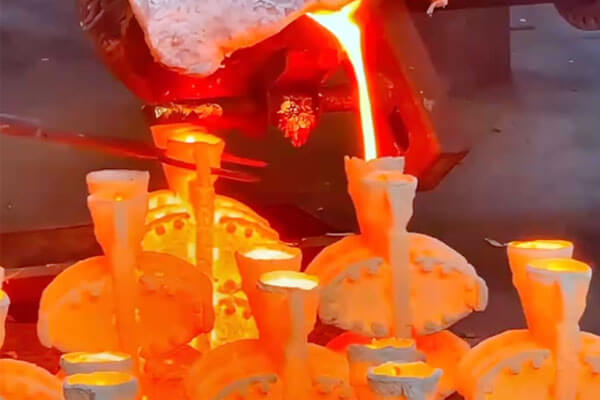
Плавильне обладнання
Спосіб плавлення повинен відповідати сімейству сплавів:
- Середньочастотна індукційна піч для загальнопромислових виливків
- Вакуумна індукційна плавка (Паличка) для нікелевих сплавів, титанові сплави, і високочисті нержавіючі сталі
Контроль атмосфери
Вимоги до атмосфери залежать від сплаву:
- звичайні вуглецеві сталі можна плавити в повітряних системах,
- нержавіюча сталь і мідні сплави часто потребують захисту азотом або аргоном,
- а реактивні або високоефективні сплави вимагають вакууму або сильно контрольованої атмосфери.
Контроль температури заливки
Температура заливки є однією з найбільш чутливих змінних у литті по моделлю. Якщо вона занадто висока, збільшення ризику сегрегації та мікропористості.
Якщо він занадто низький, текучість падає, і можливий збій або холодне закриття.
Перегрів повинен відповідати хімічному складу сплаву, плинність, і поведінка твердіння.
Розливний режим
Гравітаційна заливка є найпоширенішим способом. Вакуумна заливка може бути використана для надтонких або дуже складних деталей.
Незалежно від методу, потік повинен залишатися постійним і максимально ламінарним.
3.7 Охолодження, Промайдування, і первинне очищення
Після заливання, метал повинен затвердіти й охолонути в контрольованих умовах.
Режим охолодження
Виливки всередині керамічної оболонки приймають природне повільне охолодження.
Для сплавів, схильних до термічного розтріскування (такі як високолегована нержавіюча сталь і суперсплави), примусове швидке охолодження заборонено для поступового зняття стресу затвердіння.
Видалення оболонки
Як тільки відливка досягне кімнатної температури, керамічну оболонку видаляють:
- механічна вібрація,
- вода під високим тиском,
- або абразивні методи очищення, такі як дробеструйна обробка.
Мета полягає в тому, щоб видалити всі залишки шкаралупи, не пошкоджуючи ливарну поверхню.
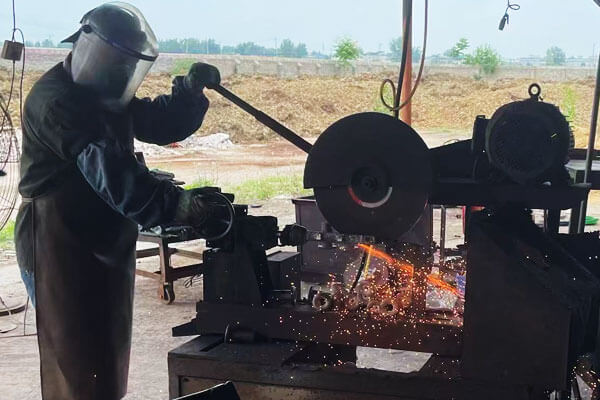
Первинна обрізка
На цьому етапі, лиття відокремлено від системи бігуна та стояка.
Надлишки матеріалу видаляються, і перші кроки шліфування або очищення виконуються на ділянках з’єднання та точках відрізу.
3.8 Постобробка та кінцева обробка
Після виробляється корпус лиття, додаткові операції використовуються для досягнення кінцевих розмірів, механічний, і вимоги до поверхні.
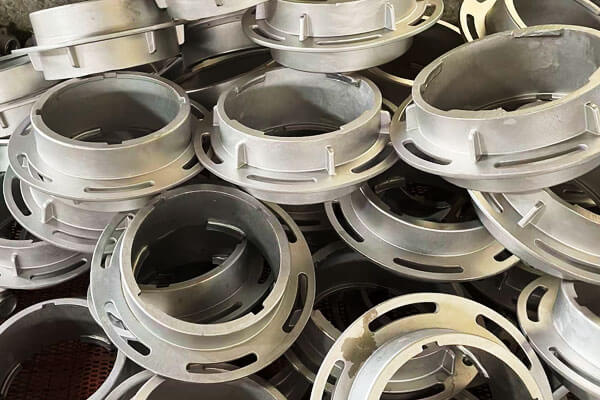
Загальні етапи постобробки
- Точне шліфування та видалення задирок
- Термічна обробка
- Поверхнева обробка
- Точна обробка
- Неруйнівний контроль
- Остаточна перевірка розмірів
Термічна обробка
Спосіб термічної обробки залежить від сплаву:
- вуглецева сталь може потребувати нормалізації, гасіння, і загартування,
- нержавіюча сталь може потребувати розчинного відпалу,
- дисперсійно зміцнені сплави можуть вимагати розчину плюс старіння.
Цей етап необхідний для стабілізації мікроструктури та досягнення кінцевих механічних властивостей.
Обробка поверхні
Залежно від програми, частина може отримати:
- вибух,
- марита,
- пасивація,
- Анодування,
- електричний,
- або захисне покриття.
Точна обробка
Критичні поверхні, такі як:
- монтажні грані,
- різьбові отвори,
- розміщення поверхонь,
- і зони ущільнення
може знадобитися додаткова механічна обробка з невеликими припусками.
Огляд
Остаточна перевірка якості зазвичай включає:
- тестування проникнення,
- рентгенографічне тестування,
- Ультразвукове тестування,
- і вимірювання розмірів.
Класифікуються лише ті частини, які пройшли всі необхідні перевірки, упаковані, і доставлено.
4. Класифікація основних технологій лиття за моделлю
Найпрактичніший спосіб класифікувати основне лиття по виплавлюваних моделях за сполучна система, яка використовується для створення керамічної оболонки.
У сучасній промисловій практиці, три домінуючих маршрути лиття по виплавленим моделям водного скла, Інвестиційне кастинг Silica Sol, і композитне лиття по виплавленим моделям.
Ця класифікація широко використовується, оскільки сполучна речовина безпосередньо впливає на міцність оболонки, точність розмірів, якість поверхні, цикл виготовлення оболонки, і сімейств сплавів, які може підтримувати кожен маршрут.
Кастинг для інвестиційного скла
Лиття по виплавлюваним моделям використання Натрієвий силікат як сполучний матеріал для оболонки.
Описи промисловості характеризують це як процес із відносно коротким циклом виготовлення оболонки та низькою вартістю, що робить його привабливим для виробництва, де важлива економіка.
Одночасно, численні джерела відзначають, що раковини з рідкого скла зазвичай дають менша точність розмірів і більш висока шорсткість поверхні ніж силікатно-золеві оболонки.
Тому цей маршрут краще розуміти як a економічно орієнтований метод точного лиття.
Він широко використовується для вуглецевої сталі, Низьколелойська сталь, алюмінієвий сплав, і виливки з мідних сплавів, де баланс процесу сприяє продуктивності та ціні над найвищим рівнем поверхні або допуску.
Інвестиційне кастинг Silica Sol
Лиття по моделлю кремнезему використання Колоїдний кремнезем Як в'яжуча.
Технічні джерела постійно описують його як маршрут вищої точності: він пропонує кращі розмірні та геометричні допуски, більш гладка якість поверхні, і більш міцні загальні характеристики оболонки, ніж лиття з рідкого скла.
Це також пов’язано з довшим часом виготовлення оболонки та вищою вартістю, тому що точність досягається завдяки більш контрольованому виробництву оболонки.
Цей маршрут, як правило, є кращим вибором для нержавіюча сталь, жароміцна сталь, і виливки з високоякісних сплавів, особливо там, де частина потребує тонких деталей, надійна якість поверхні, і більш жорсткий контроль толерантності.
На практиці, Золь кремнію — це шлях, який найчастіше пов’язаний із вимогливими промисловими деталями, де якість процесу має відповідати характеристикам сплаву.
Композитне лиття
Композитне лиття по виплавленим моделям - це a гібридний підхід який поєднує в собі елементи обох систем палітурки, щоб збалансувати точність, продуктивність, і вартість.
Ливарні джерела описують цей тип маршруту як практичну середину, де конструкція оболонки або вибір сполучного налаштовано таким чином, щоб процес не був повністю високовартісним, як золь кремнезему, але також не настільки економічно обмежений, як чисте водяне скло.
У інженерному плані, складений маршрут використовується, коли це необхідно краща економіка, ніж повне лиття з кремнезему але й потреби краща якість, ніж лиття з чистого рідкого скла.
Точна реалізація залежить від ливарного виробництва, тому що композитні системи значною мірою залежать від того, як лицьове покриття, резервне пальто, і хімічний склад зв'язуючого поєднуються.
5. Типові дефекти лиття: Основні причини та цілеспрямовані заходи щодо усунення
Лиття по моделлю, незважаючи на свою точність, чутливий до кількох типів дефектів. У таблиці нижче наведено загальні дефекти, їх походження, та коригувальні дії.
| Дефект | Візуальний / Підпис НК | Першопричина | Лікувальні заходи |
| Газовий пористість | Круглий, внутрішні порожнечі з гладкими стінками | Розчинені гази (H₂, N₂) в розплавлений метал; низьке розкислення | Вакуумне плавлення; дегазують інертним газом; правильна практика розкислення |
| Усадка пористість | Зубчастий, нерегулярні порожнечі | Недостатнє годування; невдала конструкція стояка | Збільште розмір стояка; додати озноб; модифікувати литник для сприяння спрямованому твердінню |
| Гаряча сльоза | Тріщина з обірваним, окислені краї | Напруга розтягування під час пізнього затвердіння; обмеження цвілі | Зменшити жорсткість оболонки; нижча температура заливки; Змініть склад сплаву |
| інклюзія (шлак, шматочок) | Нерегулярні неметалічні частинки | Бурхливий розлив; брудний розплав; ерозований вогнетривкий | Використовуйте чистий заряд; керамічні фільтри; нижня заливка; ніжне наповнення |
Шорсткість поверхні / жилкування |
Підняті лінії або «ласти» на кастингу | Розтріскування оболонки під час наповнення; низька міцність оболонки | Збільшити товщину оболонки; підвищений вміст в'яжучого; використовувати більш міцний вогнетривкий матеріал |
| Єгипет / холодний затвор | Неповне заповнення; складчаста поверхня | Низька температура заливки; погана плинність; тонкий зріз | Підвищити температуру заливки; покращити стробування; евакуювати цвіль (Вакуумна кастинг) |
| Зсув ядра | Варіація товщини стінок | Рух керна під час будівництва оболонки або заливки | Краща підтримка ядра (віночки); повільніше висихання шкаралупи; знизити тиск заливки |
6. Порівняння з піщаним литтям, Кастинг, і кування
Інженери часто порівнюють лиття по моделлю з трьома альтернативними способами виробництва. У таблиці нижче наведено кількісний компроміс.
| Критерій оцінки | Інвестиційне кастинг | Пісочний кастинг | Кастинг (HPDC) | Кування |
| Поверхнева обробка (Рак, мкм) | 1.6–6.3 | 6.3–25 | 0.8–3.2 | 0.4–3.2 |
| Розмірна толерантність (мм / 25 мм) | ±0,1–0,3 | ±0,5–1,0 | ±0,1–0,3 | ±0,05–0,2 |
| Мінімум практичного розділу (мм) | 0.5–1.5 | 3–5 | 0.5–1.0 | 1–3 |
| Геометрична складність | Дуже високий; підрізування, Чудові деталі, Внутрішні особливості | Високий з сердечниками, але обмежена точність | Помірний; обмежена можливість підрізання | Низький до помірного; найкраще підходить для простіших форм |
| Використання матеріалів | 90–95% | 60–80% | 90–95% | 60–80% |
| Вартість інструментів | Помірний до високого | Низький до помірного | Високий | Дуже високий |
| Вартість за частину при великому обсязі | Помірний | Низький | Дуже низький | Помірний |
| Ціна за частину при невеликому обсязі | Високий, якщо інструмент не амортизується | Низький до помірного | Непрактично через навантаження на інструменти | Дуже високий |
| Типова максимальна вага | До приблизно 150 кг для сталевого лиття | Дуже великий; над 10,000 кг можливо | Зазвичай близько 15 кг | Над 500 кг можливо |
| Асортимент сплавів | Майже всі ливарні сплави | Майже всі ливарні сплави | Переважно кольорові сплави | Всі метали, але обмежена геометрією |
7. Промислове застосування лиття по моделлю
Лиття по моделлю використовується в галузях промисловості, де геометрична складність, якість поверхні, продуктивність сплаву, і повторюваність важливіше, ніж найнижча можлива вартість виробництва.
Аерокосмічні та газові турбіни
Аерокосмічна промисловість є однією з найбільш технічно вимогливих сфер застосування лиття по моделлю.
Такі компоненти Турбінні леза, лопатка, паливі форсунки, корпуси дифузорів, та інші гарячі частини часто вимагають складної геометрії профілю, тонкі стіни, точні внутрішні проходи, і чудова високотемпературна міцність.
Суперсплави на основі нікелю та сплави на основі кобальту широко використовуються, оскільки вони можуть зберігати механічну цілісність у суворих термічних і напружених умовах.
Медичні пристрої та імплантати
Медичні програми висувають до процесу інші вимоги.
Такі частини, як ортопедичні імпланти, стебла стегна, підколінники, хірургічні інструменти, і прецизійне анатомічне обладнання вимагають біосумісності, якість поверхні, точність розмірів, та надійні механічні показники.
Загальні матеріали включають 316L нержавіюча сталь, Co-Cr-Mo сплави, і титанові сплави, такі як TI-6AL-4V.
Автомобілебудування та транспорт
В автомобільному секторі, Лиття по моделлю використовується для таких компонентів, як колеса турбокомпресони, вихлопні колектори, Компоненти, пов'язані з EGR, вилки перемикання передач, дужки, та інше високопродуктивне обладнання.
Ці частини часто вимагають балансу термостійкості, контроль ваги, і геометрична складність.
Залежно від термічного та механічного навантаження зазвичай використовуються нержавіючі сталі та високовуглецеві або леговані сталі.
Нафта і газ, Хімічна обробка, і поводження з рідинами
Нафтогазова та хімічна промисловість значною мірою покладаються на лиття за виплавленими моделями Тіла клапана, Крильдери насосів, корпуси витратомірів, фурнітура, і стійкі до корозії компоненти потоку.
Типові матеріали включають Нержавіюча сталь типу CF-8M, Дуплексні нержавієві сталі, і корозійностійкі сплави на основі нікелю.
Енергетичне та теплове обладнання
Виробництво електроенергії ставить інвестиційне лиття в одні з найсуворіших умов експлуатації.
Такі компоненти вкладиші згоряння, перехідні частини, насадкові кільця, та інше обладнання для гарячого газу піддаються окисленню, термічний цикл, і високотемпературний потік газу.
Нержавіючі сталі, такі як 310 і сплави на основі нікелю, такі як Юнель 625 зазвичай використовуються через їх здатність працювати при підвищених температурах.
10. Висновок
Лиття по виплавлюваних моделях є зрілим, багатогалузева технологія точної обробки металу тиском, яка постійно розвивається.
Його основна цінність полягає в подоланні структурних обмежень традиційних прес-форм і реалізації інтегрованого формування майже чистої форми складних високоефективних компонентів.
Три основні технічні маршрути на основі палітурки утворюють чітку ієрархію ринку: недороге лиття з водяного скла за виплавленими моделями домінує в промислових деталях середньої точності,
в той час як лиття по виплавленим моделям із золю кремнезему високої чистоти стає золотим стандартом високоточних компонентів в аерокосмічній галузі, медицина та енергетичні галузі високого класу.
Якість виливків залежить від повного ланцюга точного контролю виготовлення воскової моделі, виготовлення раковини, девакс, стрільба, плавлення і розлив.
Кожен параметр процесу та робоча норма взаємопов’язані, і будь-яка недбалість спровокує каскадні дефекти.
Хоча в деяких сценаріях це обмежено виробничим циклом і вартістю, його унікальні переваги у формуванні складної структури, металургійна якість і адаптивність матеріалів забезпечують його незамінний статус у висококласному виробництві.
Завдяки інтелектуальному виробництву, зелене виробництво та ітерація нових матеріалів, сучасне лиття по виплавлюваних моделях ще більше подолає технічні вузькі місця, підвищення ефективності виробництва та зниження комплексних витрат.
Як фундаментальна технологія точного лиття, він продовжуватиме підтримувати модернізацію світового виробництва високоякісного обладнання та розширюватиме межі застосування в галузях, що розвиваються.
Поширені запитання
Яка основна ідея лиття по моделлю?
Одноразовий восковий або пластиковий шаблон оточений керамічною оболонкою, візерунок видаляється, і розплавлений метал заливається в порожнину, щоб створити деталь, майже чистої форми.
Чому лиття по моделлю вибрано, а не піщане лиття?
Тому що це зазвичай дає більш дрібні деталі, Краща обробка поверхні, і більш жорсткі допуски, які зменшують оздоблювальні роботи.
Яка система підшивки забезпечує найвищу точність?
Золь кремнезему зазвичай використовується для найвищої точності, гладкі виплавляні виливки, в той час як системи водяного скла є більш економічно орієнтованими.
Які найпоширеніші дефекти?
Включення, пористість, Дефекти усадки, неправильний запуск/холодне закриття, і розтріскування оболонки є одними з найпоширеніших проблем лиття.