В сучасному виробництві, деталі з одного матеріалу рідко відповідають повним вимогам продуктивності, естетика, та функціональність.
Сучасні вироби мають бути міцними, але зручними, водонепроникний, але дихаючий, і складний, але простий у складанні.
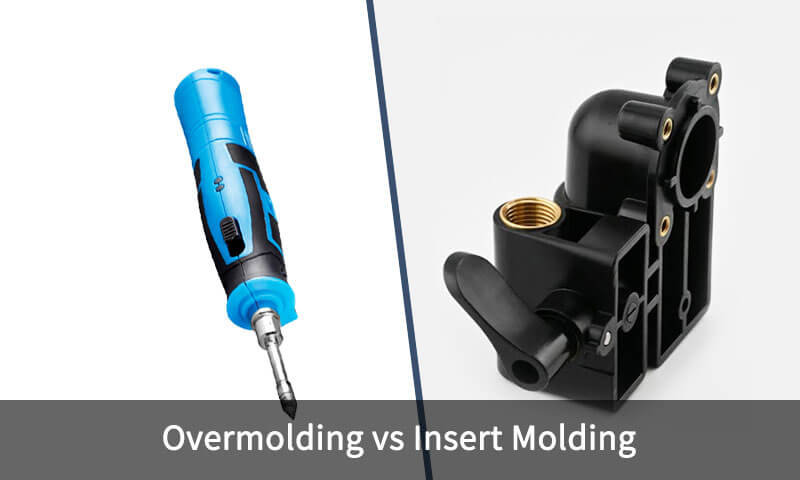
Це спонукало до широкого впровадження виробничих процесів із використанням кількох матеріалів. Серед них, накладне формування та формування вставок є двома найважливішими техніками, які часто порівнюють.
Хоча ці два терміни іноді використовуються як синоніми, вони описують різні підходи до виробництва та вирішують різні інженерні проблеми.
Формування, як правило, передбачає формування другого матеріалу поверх існуючої підкладки для створення компонента з кількох матеріалів.
Вставний молдинг, навпаки, поміщає попередньо сформовану вставку — часто металеву — всередину прес-форми та інкапсулює або частково оточує її пластиком.
Ця стаття містить вичерпну інформацію, пліч-о-пліч порівняння верхнього формування та формування вставки.
1. Що таке ліплення?
Перелиття це процес лиття під тиском, у якому один матеріал формується поверх існуючої підкладки або попередньо відформованого компонента для створення інтегрованої деталі з багатьох матеріалів.
Перший компонент зазвичай називають субстрат, тоді як матеріал, застосований під час операції вторинного формування, є переформований матеріал.
Залежно від конструкції виробу, підкладка може бути жорстким термопластом, еластомер, металевий компонент, або іншу відповідну попередньо сформовану частину.
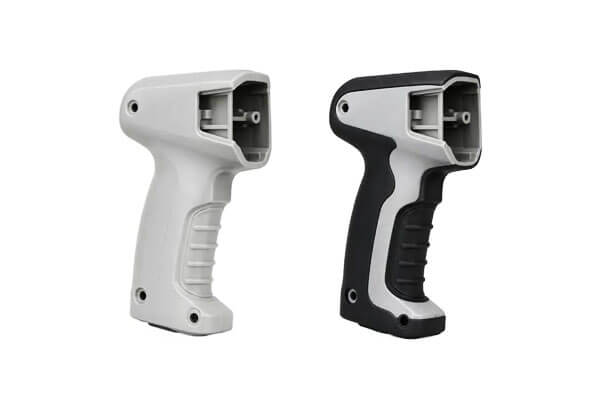
Типовий формований компонент може поєднувати жорсткий структурний матеріал із більш м’яким матеріалом.
Наприклад, жорсткий корпус з АБС-пластику може бути покритий TPE для зручного захоплення, покращити герметизацію, або створити захисну зовнішню поверхню.
Мета полягає не просто в тому, щоб помістити один матеріал поверх іншого. Поверхня між двома матеріалами повинна забезпечувати відповідну адгезію, механічне утримання, або поєднання обох, щоб витримувати очікувані механічні навантаження продукту, термічний, хімічний, та екологічні умови.
Як працює переливання
Процес переформування зазвичай починається з виготовлення підкладки.
Це може включати окрему операцію лиття під тиском, процес обробки, операція штампування, Процес кастингу померти, або іншим способом виготовлення.
Після підкладка перевіряється, він розташований всередині другої форми. Прес-форма призначена для оголення ділянок, які повинні отримати поверхневий матеріал, одночасно точно розташовуючи та підтримуючи основу.
Потім вторинний матеріал нагрівають до відповідної температури обробки та вводять у порожнину форми.
Він обтікає визначені поверхні підкладки та формує необхідну зовнішню геометрію.
Після наповнення та упаковки, матеріал охолоджується і твердне перед викидом готового компонента.
Типовий робочий процес:
Виробництво підкладки → перевірка підкладки → завантаження прес-форми → позиціонування → ін’єкція вторинного матеріалу → пакування → охолодження → викид → інспекція
Якість кінцевого продукту значною мірою залежить від дизайну інтерфейсу. Якщо потрібна хімічна адгезія, підкладка та матеріал верхньої форми повинні мати достатню сумісність.
Якщо механічне утримання є основним механізмом, на підкладці можуть знадобитися борозенки, ребра, дірки, підрізування, або інші особливості, які дозволяють другому матеріалу зафіксуватися в положенні.
Забруднення поверхні є ще одним важливим фактором. Нафта, пил, антисептики, окислення, волога, або інші забруднювачі можуть заважати адгезії та призводити до розшарування або передчасного відділення.
Загальні матеріали для лиття
Формування може використовувати широкий спектр термопластів і еластомерних матеріалів, але не кожна комбінація матеріалів за своєю суттю сумісна.
При виборі матеріалу слід враховувати температуру плавлення, хімічна сумісність, усадка, Коефіцієнт теплового розширення, твердість, гнучкість, характеристики поверхні, та очікувані умови обслуговування.
Поширені комбінації включають:
| Матеріал субстрату | Накладний матеріал | Типове призначення |
| Абс | TPE | М'які на дотик корпуси та ручки |
| ПК | TPE | Ударостійкі вироби з ергономічними поверхнями |
| Нейлон | TPE/TPU | Промислові ручки та гнучкі інтерфейси |
| пп | TPE | Споживчі товари та пломби |
| ПК/АБС | ТПУ | Захисні та ергономічні поверхні |
| Жорсткий термопласт | LSR | Ущільнювальні та спеціальні гнучкі компоненти |
Типові застосування для лиття
Формування особливо корисно, коли виріб має поєднувати структурні характеристики з м’якістю, гнучкість, ущільнювач, утеплення, або покращена ергономіка.
Формування зазвичай використовується для:
- Захвати ручного інструменту
- Автомобільні перемикачі та елементи керування
- Корпуси побутової електроніки
- Компоненти медичного обладнання
- Носячі пристрої
- Захист кабелю та проводу
- Ущільнювальні компоненти
- Ручки та ергономічні інтерфейси
- Захисні чохли
- Органи управління промисловим обладнанням
2. Що таке вставка?
Вставний молдинг це процес лиття під тиском, у якому попередньо сформований компонент, відомий як an вставляти, поміщається всередину ливарної форми, а потім частково або повністю інкапсулюється розплавленим пластиком.
Вставка найчастіше виготовляється з металу, хоч і пластикова, керамічний, електронний, та інші попередньо сформовані компоненти також можуть бути використані.
На відміну від звичайного лиття під тиском з одного матеріалу, Формування вставки поєднує окремо виготовлений компонент із литим пластиком під час однієї операції формування.
Пластик твердне навколо вставки, виготовлення інтегрованої частини, яка може виключити подальші операції складання.
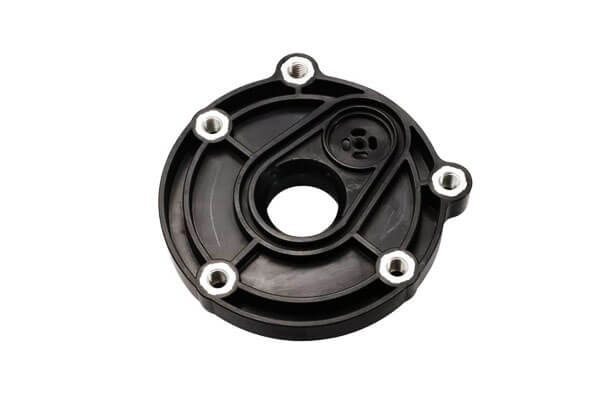
Наприклад, a brass threaded insert can be positioned inside a mold and surrounded by nylon.
Після формування, отриманий компонент містить постійний різьбовий металевий інтерфейс без необхідності встановлення різьбової вставки згодом.
Як працює вставка
Формування вставки починається з виготовлення та перевірки вставки. Dimensional accuracy is particularly important because the insert must fit correctly within the mold and maintain its specified position throughout injection.
Потім вкладиш поміщають у форму вручну, напівавтоматично, або через автоматизовану систему завантаження.
Спеціальні світильники, шпильки, порожнини, or retention features may be used to prevent movement.
Після того, як форма закриється, навколо вставки вводять розплавлений пластик. Тиск упорскування може бути значним, тому форма повинна забезпечувати достатню підтримку, щоб запобігти зсуву вставки, деформуючий, або зміщення.
Потім пластик охолоджується і твердне навколо вставки. Після викиду, готовий компонент перевіряється на точність розмірів, положення вставки, спалах, порожнечі, тріщина, та інші дефекти.
Основна послідовність така:
Виробництво вставок → перевірка вставок → завантаження вставок → позиціонування та утримання → закриття форми → ін’єкція пластику → охолодження → викид → перевірка
Для великосерійного виробництва, автоматичне завантаження вставок може бути інтегровано в камеру формування. Це може покращити узгодженість циклу, зменшуючи ручну обробку.
Загальні матеріали для вставок
Метал є найбільш широко визнаним матеріалом для вставок, оскільки він забезпечує властивості, які пластик зазвичай не може відтворити, наприклад висока електропровідність, довговічність нитки, жорсткість, Опір зносу, або локальна механічна міцність.
Звичайні матеріали вставки включають:
- Латунь
- Нержавіюча сталь
- Вуглецева сталь
- Алюміній
- Мідь і мідні сплави
- Інженерні пластмаси
- Кераміка
- Електронні компоненти
Типові застосування для формування вставок
Формування вставки зазвичай використовується, коли виріб вимагає, щоб металевий або інший попередньо сформований компонент був постійно інтегрований у пластиковий корпус.
Типові програми включають:
- Різьбові бобишки
- Електричні роз'єми
- Автомобільні термінали
- Сенсорні корпуси
- Перемикання компонентів
- Медичні інструменти
- Елементи армування конструкції
- Кабельні з'єднувачі
- Електронні збірки
- Точні механічні компоненти
3. Верхнє формування проти вставного формування: Яка різниця?
Хоча обидві технології інтегрують кілька матеріалів або компонентів, їхня логіка виробництва інша.
Найпростіше розрізнення:
Формування додає новий матеріал поверх існуючої підкладки, у той час як формування вставки інкапсулює або оточує попередньо сформовану вставку пластмасою, виготовленою під тиском.
Однак, термінологія може збігатися. У деяких виробничих контекстах, Формування вставок можна розглядати як більш широку форму лиття, оскільки обидва передбачають формування матеріалу навколо вже існуючого компонента.
Для інженерних комунікацій, однак, корисно розрізняти їх на основі ролі попереднього компонента.
Порівняння накладного формування та вставного формування
| Фактор | Перелиття | Вставка Молдинг |
| Основне призначення | Поєднуйте різні властивості матеріалів | Вставте попередньо сформовану вставку в пластик |
| Попередній компонент | Підкладка | Вставляти |
| Загальна підкладка/вставка | Пластиковий, еластомер, метал | Метал, пластик, керамічний, електронний компонент |
| Типова комбінація | Жорсткий пластик + еластомер | Пластиковий + метал |
| Основний механізм інтерфейсу | Сідання, механічне блокування, або обидва | Інкапсуляція, механічне утримання, адгезія в деяких випадках |
| Основна проблема дизайну | Сумісність матеріалу | Розташування та утримання вставки |
| Типове застосування | М'яка ручка | Металева вставка з різьбленням |
| Поверхнева функція | Хватка, печатка, подушка, захист | Електричний, механічний, структурний, кріплення |
| Автоматизація | Високо автоматизований | Високо автоматизований, але завантаження вставки є критичним |
| Основний ризик | Розшарування або погане склеювання | Рух вставки або зміщення |
4. Верхнє формування проти вставного формування: Дизайнерські міркування
Вимоги до дизайну для лиття поверхонь і лиття вставок відрізняються головним чином через те, що ці два процеси керують різними інтерфейсами.
Формування зосереджене на створенні надійного сполучення між підкладкою та формованим матеріалом, у той час як формування вставок зосереджується на точному позиціонуванні та надійній інкапсуляції попередньо сформованої вставки.
| Розгляд дизайну | Перелиття | Вставка Молдинг |
| Сумісність матеріалу | Виберіть сумісну підкладку та матеріали для накладки на основі адгезії, температура плавлення, усадка, твердість, і теплове розширення. | Переконайтеся, що вставка може витримувати температуру й тиск формування без деформації чи нестабільності розмірів. |
| Геометрія & Товщина стіни | Підтримуйте рівномірну товщину форми та забезпечте достатню площу з’єднання. Уникайте різких змін товщини, які можуть спричинити усадку, воєн, або слабке зчеплення. | Забезпечте достатню товщину пластику навколо вставки для міцності та використовуйте канавки, бурчить, дірки, або плечі, коли потрібне додаткове утримання. |
| Склеювання & Збереження | Розробити межу розділу для хімічної адгезії, механічне блокування, або обидва, залежно від сумісності матеріалів. | Конструкція механічного утримування та герметизації, щоб протистояти висмикуванню та обертанню. |
| Ворота & Матеріальний потік | Розташуйте затвори так, щоб досягти збалансованого заповнення та мінімізувати лінії зварювання, повітряне захоплення, і надмірне навантаження на межі. | Ретельно контролюйте потік матеріалу, щоб запобігти зсуву вставки, неповна інкапсуляція, або надмірний тиск на вставку. |
Вставляти / Позиціонування підкладки |
Субстрат повинен бути точно розташований і надійно утримуватися під час ін'єкції. | Точне позиціонування вставки має вирішальне значення; фіксуючі штифти, кишені, світильники, або може знадобитися автоматичне розміщення. |
| Усадка & Теплове розширення | Враховуйте різницю в усадці та тепловому розширенні між підкладкою та формою, щоб запобігти викривленню, залишковий стрес, і розшарування. | Враховуйте відмінності теплового розширення між вставкою та полімером, особливо в застосуванні метал-пластик, щоб запобігти варіації розмірів і внутрішній напрузі. |
| Розтягувати & Викидання | Забезпечте достатню тягу та правильно розташовані ежектори, щоб вивільнити деталь, не пошкодивши верхню форму або межу. | Обережно проектуйте тягу та виштовхування, щоб запобігти переміщенню вставки, деформація, або ослаблення під час виймання з форми. |
Допуски |
Враховуйте розміри підкладки, товщина перекриттів, Матеріальна усадка, і можливе переміщення інтерфейсу. | Враховуйте вставні розміри, точність позиціонування, полімерна усадка, і кінцеве розташування вставки. |
| DFM & Потік цвілі | Оцініть площу склеювання, матеріальний потік, Товщина стіни, розташування воріт, і диференціальна усадка перед інструментом. | Оцініть утримання вставки, позиціонування, полімерний потік, термічна поведінка, і потенційне зміщення пластини до обробки. |
| Контроль якості | Зосередьтеся на міцності з’єднання, товщина перекриттів, спалах, розшарування, воєн, і розмірна точність. | Зосередьтеся на положенні вставки, міцність утримання, інкапсуляція, спалах, порожнечі, і розмірна точність. |
5. Індивідуальні послуги лиття та формування вставок від LangHe Industry
Промисловість надає індивідуальні рішення для лиття під тиском для застосувань, які потребують лиття під тиском, вставка молдинга, та інші інтегровані технології формування.
Наш виробничий підхід може підтримувати проекти від початкової розробки продукту та оснащення до виробництва та перевірки якості.
| Можливість | Деталі |
| Типи лиття | Двострілковий (2K) перенапруга, підібране формування. |
| Вставка Молдинг | Металеві вставки (латунь, сталь, мідь), керамічні вставки, електронні вкладиші (PCB, датчики). |
| Матеріали (Підкладка) | Абс, ПК, Нейлон (Pa6, Pa66), пп, PBT. |
| Матеріали (Перепліснява) | TPE, ТПУ, LSR, ПДВ, силіконові. |
| Інструментарія | Власне проектування та виготовлення інструментів. |
| Якість | ISO 9001:2015 сертифікований; 100% огляд. |
| Час | 2–4 тижні для прототипів; 4–8 тижнів для виробничого оснащення. |
6. Висновок
Верхнє формування проти вставного формування це не питання визначення того, який процес загалом кращий. Обидва є високоефективними технологіями лиття під тиском, але вони стосуються різних вимог до розробки продукту.
Формування насамперед підходить для виробів, які потребують поєднання різних характеристик матеріалу в одному інтегрованому компоненті.
Це особливо цінно для приємних на дотик поверхонь, ергономічні ручки, гнучкі ущільнювачі, подушка, утеплення, і захисні шари.
Його успіх значною мірою залежить від сумісності матеріалів, дизайн інтерфейсу, сідання, механічне блокування, і диференціальний контроль усадки.
Вставний молдинг, навпаки, особливо ефективний, коли попередньо сформований компонент — часто металева вставка — має бути постійно інтегрований у пластикову структуру.
Він широко підходить для потокових інтерфейсів, Електричні термінали, компоненти армування, датчики, з'єднувачі, та інші застосування, де пластик та інший матеріал виконують додаткові функції.
Зрештою, Вибір процесу повинен базуватися на всій виробничій системі, включаючи матеріальну поведінку, геометрія виробу, інструментарія, стратегія зв’язування або утримання, обсяг виробництва, автоматизація, огляд, і вартість життєвого циклу.
Поширені запитання
У чому різниця між вставним формуванням і дворазовим формуванням?
Формування вставки використовує a попередньо сформована вставка який поміщають у форму перед пластиком.
Двостадійне формування зазвичай виробляє два матеріали послідовно за допомогою спеціального інструменту та кількох етапів ін’єкцій, часто без ручного завантаження окремо виготовленої підкладки між знімками.
Який процес швидше: лиття або вставка?
Формування вставок, як правило, швидше, оскільки використовується один укол. Формування вимагає двох знімків або багатоетапного процесу.
Який процес має менші витрати на інструменти?
Формування вставок має нижчі витрати на інструмент, оскільки для цього потрібна лише одна порожнина форми. Верхнє формування вимагає двох окремих прес-форм або складної двошарової форми.
Коли я повинен використовувати овермолдинг?
Використовуйте накладку, коли вам потрібні м’які ручки, водонепроникне ущільнення, Вібрація послаблення, або покращення естетики.
Коли слід використовувати вставку?
Використовуйте вставку, коли вам потрібні високоміцні різьбові з'єднання, Електропровідність, або структурне посилення пластикових деталей.
Чи можна використовувати накладне та вставне формування разом?
Так. Деякі складні частини поєднують обидва процеси, наприклад, формована металева різьба з формованою ручкою soft-touch на тому самому компоненті.
Формування вставками є різновидом лиття?
Термінологія може збігатися, оскільки обидва процеси формують матеріал навколо вже існуючого компонента.
Однак, у практичній виробничій термінології, перенапруга зазвичай наголошується на додаванні іншого матеріального шару або матеріальної системи, в той час вставка молдинга особливо підкреслюється вбудовування попередньо сформованої вставки в формований компонент.
Чи можна використовувати метал для лиття?
Так. Металеві підкладки можна залити відповідними пластиками або еластомерами.
Однак, процес повинен враховувати підготовку поверхні, Теплове розширення, сідання, механічне утримання, і диференціальна усадка.