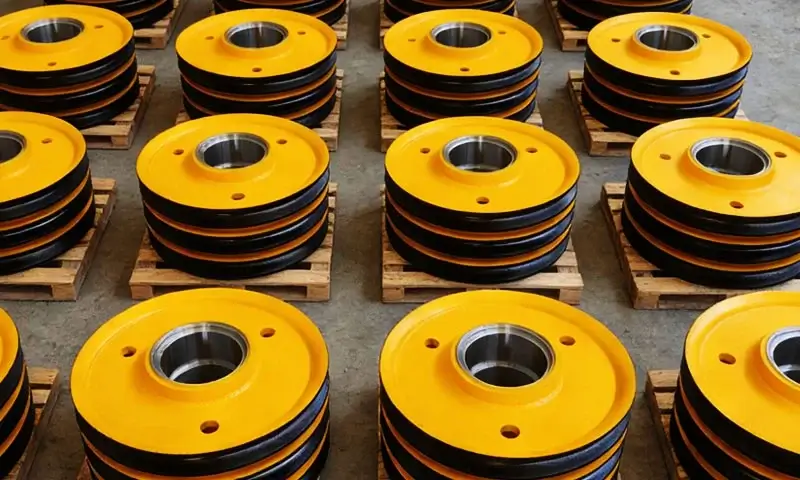
Точне лиття забезпечує ефективний шлях виготовлення кранових шківів на замовлення, оскільки воно може відтворювати відносно складну геометрію металу, зберігаючи при цьому контрольовану постійність розмірів і забезпечуючи вихідну точку, майже рівну чистоті, для подальшої обробки..
У поєднанні з відповідним вибором сплаву, контрольована термічна обробка, Обробка з ЧПУ, та неруйнівний контроль, точне лиття може виробляти шкиви, адаптовані до конкретних систем дротяних канатів і підйомних застосувань.
Інженерна мета полягає не просто у виготовленні шківа, який підходить до вузла.
Мета полягає в тому, щоб виготовити компонент із цілісністю лиття, механічні властивості, геометрія канавки, точність розмірів, і стан поверхні залишаються придатними протягом повторних циклів обслуговування.
Ця стаття розглядає точне лиття кранових шківів з точки зору дизайну компонентів, матеріалознавство, ливарне виробництво, обробка, контроль якості, і продуктивність програми.
1. Що таке крановий шкив?
A крановий шків являє собою рифлене колесо, яке використовується для направляючої, перенаправлення, підтримка, або розподіліть дротяний трос у крані чи іншому підйомному механізмі.
Дротова мотузка проходить по колу шківа, при цьому шків обертається навколо вала, шпилька, або маточина з опорою на підшипник.
Залежно від конфігурації крана, один або кілька шківів можуть бути встановлені в блоці шкивів, система підйому, головка стріли, збірка візка, або інший підйомний механізм.
Основне призначення снопа є простим: він змінює напрямок дротяного троса і дозволяє мотузці рухатися під навантаженням із зменшеним тертям і контрольованим вигином.
Його фактична механічна функція, однак, є значно вимогливішим.
Коли навантажений трос проходить через шків, мотузка багаторазово згинається і розгинається. Канавка шківа підтримує мотузку та розподіляє контактні сили на певну ділянку.
Одночасно, сам шків повинен витримувати зусилля, що передаються через мотузку, без надмірної деформації, розтріскування, носити, або втрата вирівнювання.
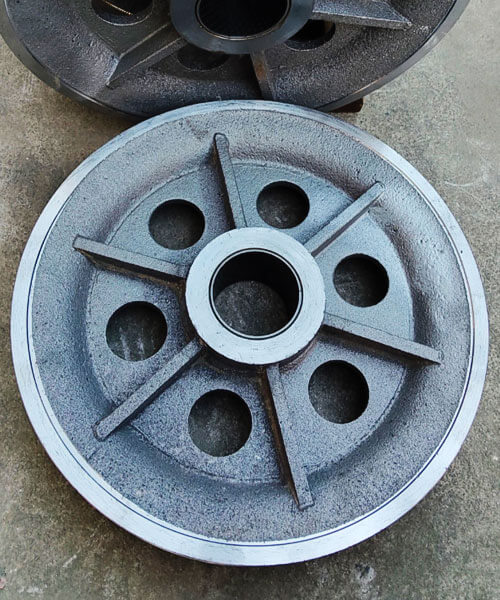
Базова конструкція шківа крана
Звичайний крановий шків зазвичай складається з кількох функціональних зон:
| Компонент | Первинна функція | Ключові інженерні міркування |
| Sheave Body | Підтримує мотузку і передає навантаження | Міцність, жорсткість, цілісність лиття |
| Мотузковий паз | Приймає та направляє трос | Радіус, глибина, профіль, поверхнева обробка |
| Хаб | З’єднує шків з опорою, що обертається | Передача навантаження, Товщина стіни |
| Нудьга | Вміщує вал або підшипниковий пристрій | Діаметр, толерантність, концентричність |
| Фланці | Допомагає утримувати трос | Висота, жорсткість, кліренс |
| Сідло підшипника | Підтримує підшипник, де це можливо | Розмірна точність, поверхнева обробка |
| шпонковий паз / Особливості монтажу | Передає крутний момент або закріплює вузол | Позиція, геометрія, вирівнювання |
2. Загальні матеріали для кранових шків
Вибір матеріалу є одним із найважливіших рішень у виготовленні кранових шкивів на замовлення, оскільки матеріал впливає на міцність, міцність, Опір зносу, поведінка втоми, Корозійна стійкість, обробка, реакція на термічну обробку, і продуктивність кастингу.
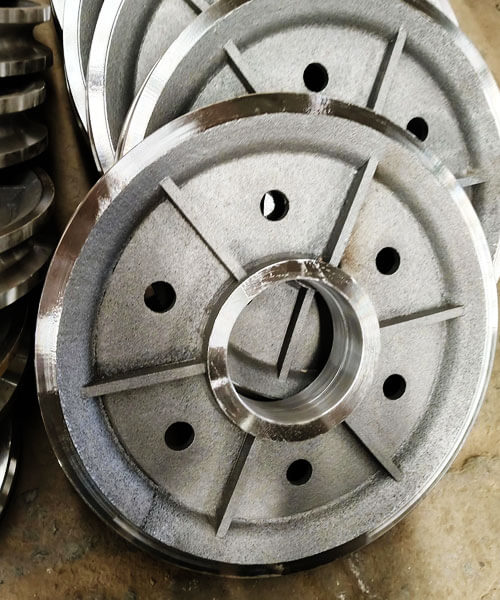
Вуглецева сталь
Вуглецева сталь широко застосовується для загальних промислових компонентів, оскільки забезпечує корисне поєднання міцності, міцність, обробка, зварюваність, та ефективність витрат.
Для кранових шкивів, вуглецева сталь може бути доцільною, якщо умови експлуатації не вимагають підвищеної міцності, Загартовування, або корозійна стійкість, пов'язана з більш високолегованими матеріалами.
Точну марку сталі слід вибирати відповідно до необхідних механічних властивостей, розмір ливарної секції, умова термічної обробки, операційне середовище, і відповідну технічну специфікацію.
Виливки з легованої сталі
Леговані сталі стають привабливими, коли шків піддається більш вимогливому навантаженню або коли підвищується прогартованість, міцність, міцність, або потрібна зносостійкість.
Легуючі елементи, такі як марганець, хром, молібден, і нікель можна використовувати в різних комбінаціях, щоб змінити реакцію матеріалу на термічну обробку та робоче навантаження.
Для важких кранових шківів, Перевага легованої сталі полягає не просто у вищій міцності. Правильний дизайн сплаву може допомогти досягти більш збалансованого поєднання:
Міцність + міцність + втома + Загартовування + Опір зносу
Цей баланс особливо важливий, коли шків містить відносно товсті секції, де рівномірна теплова обробка може стати важчою.
Нержавіюча сталь
Нержавіюча сталь може бути використана для спеціалізованих кранових шків, які піддаються впливу корозії, включаючи морського піхотинця, прибережний, офшорний, хімічний, або змивних середовищах.
Однак, нержавіючу сталь не слід автоматично вважати найкращим варіантом лише тому, що вона має чудову стійкість до корозії.
Вибір матеріалу повинен враховувати механічне навантаження, поведінка при зношуванні, вартість, вимоги до обробки, і фактична корозійна активність середовища.
Для підйому багатьох важких навантажень, належним чином розроблена вуглецева або легована сталь із відповідною захисною системою може бути більш практичною, ніж нержавіюча сталь.
Пластичне залізо
Ковкий чавун може забезпечити привабливі ливарні характеристики разом із корисною міцністю, міцність, Опір зносу, Вібраційне демпфірування, і розмірна стабільність.
Його застосування сильно залежить від конструкції та вимог до навантаження.
Його не слід вибирати лише тому, що він сприятливий для лиття; необхідно оцінити повне механічне навантаження та наслідки відмови в застосуванні.
3. Процес точного лиття кранових шкивів
Точне лиття є ефективним способом виготовлення кранових шкивів складного профілю, інтегровані хаби, структурні переходи, та інші геометрії, які було б дорого або неефективно виготовляти повністю за допомогою механічної обробки.
Для індивідуальних кранових шківів, інвестиційне кастинг (Кастинг загубленого воску) особливо цінний, оскільки процес може відтворювати складні геометрії з відносно вузькими допусками лиття та структурою, майже чистої форми, тоді як подальша обробка з ЧПУ встановлює критичні функціональні розміри.
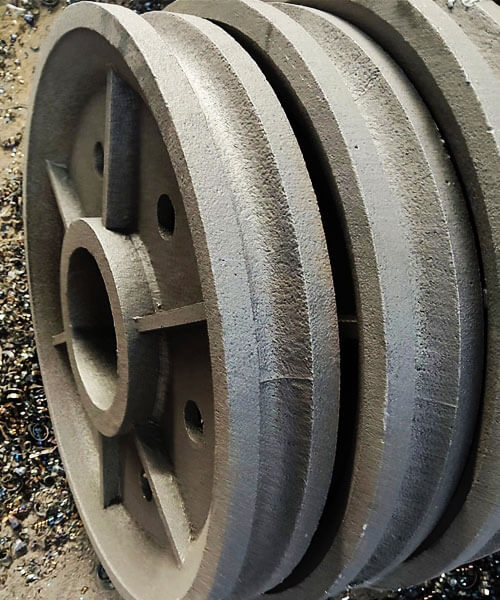
Інвестиційне кастинг (Кастинг загубленого воску) Обробка
| Сцена | Крок процесу | опис | Ключові елементи керування |
| 1. Інженерний & Інструментарія | Аналіз DFM | Двовимірне креслення або 3D-модель САПР перевіряється на можливість відливання, Товщина стіни, переходи, усадка, обробка надбавок, і вимоги до стробу. | Симуляція кастингу; Вимірні вимоги; проект; радіус скруглення; припуск на механічну обробку |
| 2. Виготовлення шаблонів | Введення воску | Віск вводять у прецизійний інструмент для створення точного жертовного малюнка, що представляє геометрію шкива крана. | Температура воску; тиск впорскування; тиск; Час циклу; розміри викрійки |
| Перевірка шаблону | Воскові шаблони перевіряють на спотворення, неповне заповнення, спалах, варіація розмірів, і поверхневі дефекти. | Розміри викрійки; візуальний огляд; Розмірна послідовність | |
| 3. Складання візерунка | Збірка дерева | Індивідуальні воскові візерунки прикріплюються до центральної системи литників із напрямними та затворами, призначеними для забезпечення контрольованого потоку металу. | Схема воріт; орієнтація візерунка; відстань; розміри бігунка |
| 4. Будівля оболонки | Шламове покриття | Воскова частина неодноразово занурюється в керамічну суміш і покривається вогнетривкою штукатуркою для створення багатошарової керамічної оболонки. | Суспільна в'язкість; товщина шару; час висихання; вологість; розмір частинок штукатурки |
| Армування оболонки | Додаткові шари кераміки наносять до тих пір, поки оболонка не матиме достатню міцність і проникність для заливки металу. | Товщина оболонки; умови сушіння; цілісність оболонки | |
5. Девакс |
Автоклав / флеш депарафінізація | Зібрану оболонку нагрівають, щоб видалити восковий малюнок і залишити чисту керамічну порожнину. | Температура; тиск пари; швидкість нагріву; час депарафінізації |
| 6. Стрілянина оболонки | Керамічний випал | Керамічну оболонку обпалюють при високій температурі для видалення залишків воску, зміцнити форму, і встановити термічну стабільність. | Температура печі; швидкість нагріву; час витримки; температура оболонки |
| 7. Плавлення | Індукційне плавлення | Вибраний сплав розплавляють у контрольованій печі та доводять до необхідного хімічного складу та умов заливки. | Хімія сплаву; Температура розплаву; час витримки; чистота розплаву |
| 8. Перевірка металу | Хімічний аналіз | Перед заливкою розплавлений метал аналізується, щоб переконатися, що його склад відповідає вказаній марці сплаву. | Спектрометричний аналіз; контроль шихтового матеріалу; Номер тепла |
9. Заливання |
Сила тяжіння / контрольований розлив | Розплавлений метал вводиться в попередньо розігріту керамічну оболонку через сконструйовану систему литників. | Температура; Швидкість заливки; попередньо розігріти форму; стабільність наповнення |
| 10. Затвердіння | Контрольоване охолодження | Виливок твердне в керамічній формі. Подача та спрямоване затвердіння контролюються для мінімізації усадки та інших внутрішніх розривів. | Термічні градієнти; ККД стояка; Швидкість охолодження; Товщина секції |
| 11. Нокаут | Видалення оболонки | Після достатнього охолодження, керамічну оболонку механічно видаляють з металевої виливки. | Інтенсивність вібрації; спосіб видалення оболонки; захист лиття |
| 12. Скорочення | Демонтаж воріт і стояка | Літники, бігуни, воріт, і стояки відокремлені від лиття шківа крана. | Місце різання; параметри абразивної пилки; обробка деталей |
13. Оздоблення лиття |
Шліфування / вибух | Залишкові ворота, плавники, спалах, і налиплу кераміку видаляють, а поверхню готують до подальшої обробки. | Абразивний тип; тиск вибуху; припуск на шліфування; стан поверхні |
| 14. Термічна обробка | Нормалізація / Q&Т / полегшення стресу | Виливок піддають термічній обробці відповідно до сплаву та необхідних механічних властивостей. | Температура печі; час замочування; Швидкість охолодження; твердість |
| 15. Обробка ЧПУ | Обертання / нудний / обробка пазів | Такі функціональні особливості, як канал ствола, матожина, посадочне місце підшипника, канатний паз, і монтажні поверхні обробляються до кінцевих розмірів. | Розмірна толерантність; концентричність; пробіг; шорсткість поверхні |
| 16. Остаточний огляд | Контроль розмірів і НК | Готовий шків перевіряється для перевірки геометрії, механічні властивості, стан поверхні, і, де зазначено, внутрішня цілісність. | CMM; твердість; UT/MT/PT/RT залежно від обставин; візуальний огляд |
4. Обробка канатних канавок і обробка поверхні
Канавка для каната є однією з найважливіших функціональних особливостей шківа крана, оскільки вона визначає, як підтримується дротовий канат., керований, і зігнуті під час роботи.
Навіть якщо литий корпус має відмінну металургійну цілісність, неправильно оброблена канавка може прискорити знос мотузки, збільшення локального контактного стресу, сприяють нерівномірному навантаженню, і зменшити термін служби як каната, так і шківа.
Обробка канавок після лиття
Лиття за виплавленими моделями або інші процеси точного лиття можуть давати шкив майже чистої форми, але кінцева канавка каната зазвичай вимагає механічної обробки, коли контрольована геометрія та обробка поверхні є критичними.
Послідовність обробки може включати:
Перевірка лиття → встановлення бази → чорнове точіння → обробка канавок → чистове точіння → перевірка розмірів
Шків спочатку надійно розміщується за допомогою відповідних опорних точок. Посилання на обробку має бути встановлено від функціональної центральної лінії компонента, а не від довільної литої поверхні.
Це особливо важливо для великих або асиметричних шкивів, оскільки інакше зміна лиття може перейти безпосередньо до кінцевого положення канавки.
Концентричність і биття канавок
Співвідношення між канавкою каната та отвором шківа має вирішальне значення.
Якщо канавка не є концентричною до отвору, мотузка може змінювати радіальне положення під час обертання шкива.
Надмірне биття може призвести до циклічної зміни контакту троса та навантаження та може сприяти вібрації або прискореному зносу компонентів.
Для точних шкивів кранів, тому виробники повинні встановити критерії перевірки:
- Концентричність між пазом і отвором
- Радіальне биття
- Осьове биття
- Діаметр отвору
- Діаметр канавки
- Пазовий профіль
- Розміри фланців
Допустимі значення мають виходити з технічного креслення або відповідної специфікації, а не бути загальноприйнятими.
Оздоблення поверхні канатної канавки
Оздоблення поверхні має бути достатньо контрольованим, щоб запобігти непотрібному стиранню дротяного канату, зберігаючи заплановану геометрію контакту.
Грубий, порваний, пористий, або неправильно відшліфована канавка може створити локальні нерівності, які діють як концентрація напруги або точки абразиву.
Навпаки, обробка поверхні не повинна використовуватися для компенсації неправильного профілю канавки.
Послідовність підготовки поверхні може включати:
- Груба обробка
- Напівчистова обробка
- Закінчити обробку
- Дешевий
- Контрольоване полірування або шліфування, де зазначено
- Остаточне прибирання
Потрібну шорсткість поверхні слід визначати відповідно до специфікації каната та шківа.
Одне числове значення Ra не слід розглядати як універсальне, оскільки різні конструкції мотузки та умови експлуатації можуть вимагати різних критеріїв поверхні.
5. Термічна обробка литих кранових шківів
Термічна обробка є відповідальним етапом у виготовленні литих кранових шкивів, особливо коли використовується вуглецева або легована сталь.
Лиття встановлює базову геометрію компонента, але відлита мікроструктура не обов'язково є оптимальною структурою для вимогливого механічного обслуговування.
Правильно контрольований процес термічної обробки може змінити мікроструктуру та покращити необхідну комбінацію міцність, твердість, міцність, втома, і розмірна стабільність.
Відповідний шлях термічної обробки залежить від хімічного складу сплаву, розмір ливарної секції, необхідні механічні властивості, та специфікації замовника.
Загальні процеси термічної обробки
Нормалізація
Нормалізація передбачає нагрівання сталі до відповідного діапазону температур, що перевищує температуру її перетворення, утримуючи його протягом достатнього часу, а потім охолодити на повітрі.
Для литої сталі, нормалізація може допомогти уточнити та гомогенізувати мікроструктуру та зменшити частину нерівномірності, пов’язаної з литтям.
Його можна використовувати, коли потрібна помірна або висока міцність у поєднанні з розумною міцністю та стабільністю розмірів.
Відпал
Відпал зазвичай передбачає нагрівання з наступним контрольованим охолодженням.
Це може зменшити твердість, поліпшити оброблюваність, полегшити внутрішні напруги, і виробляють м’якше, більш стабільний металургійний стан.
Відпал може бути корисним як проміжний процес, коли наступні вимоги до механічної обробки є особливо вимогливими.
Гасіння та загартування
Для придатних легованих і вуглецевих сталей, гартувати і відпускати (Q&Т) обробка може бути використана для отримання суттєво підвищеної міцності та твердості разом із контрольованою міцністю.
Основний процес:
Аустенітізація → Загартування → Відпуск
Стадія загартування створює більш тверду мікроструктуру, в той час як відпуск зменшує надмірну крихкість і регулює остаточний баланс міцності і в'язкості.
Для важконавантажених компонентів крана, стадія відпустки є особливо важливою, оскільки максимальна твердість не обов’язково еквівалентна оптимальній продуктивності.
Зняття стресу
Термічна обробка для зняття напруги може бути використана для зменшення залишкових напруг, що виникають під час лиття, зварювання, велика обробка, або попередньої термічної обробки.
Це може бути особливо корисним для великих пучків, де важлива стабільність розмірів.
6. Поширені дефекти лиття шківа крана та їх основні причини
Дефекти лиття можуть істотно вплинути на надійність конструкції кранових шкивів.
Тому що шків є циклічно завантаженим компонентом, внутрішні розриви, які можуть бути допустимі в декоративному литті з низьким тиском, можуть стати важливими, коли компонент піддається повторюваним підйомним навантаженням.
| Дефект | опис | Основна причина | Профілактичні заходи |
| Усадка пористість | Внутрішні порожнечі | Недостатнє підживлення при застиганні. | Оптимізація конструкції стояка; використовувати озноб; моделювання. |
| Газовий пористість | Невеликі округлі порожнечі | Захоплення газу; розчинені гази в розплаві. | Спалити, щоб розплавити; покращити практику розливу; чистий заряд. |
| Гарячі сльози | Тріщини | Розтягуюча напруга при твердінні. | Знизити температуру заливки; покращити розбірність оболонки. |
| Піщані включення | Засипаний пісок | Ерозія керамічної оболонки. | Поліпшити міцність оболонки; зменшити турбулентність. |
Єгипет |
Неповне заповнення | Низька температура заливки; недостатня кількість металу. | Підвищити температуру заливки; покращити стробування. |
| Холод закривається | Нахили поверхні | Два потоки зустрічаються без злиття. | Підвищити температуру заливки; покращити стробування. |
| Варіація розмірів | Розміри поза допуском | Знос візерунка; розширення оболонки. | Підтримувати інструменти; управління процесом оболонки. |
| Погана обробка поверхні | Шорстка | Груба кераміка; дефекти оболонки. | Використовуйте більш тонку шкаралупу; покращити процес оболонки. |
7. Застосування кранових шківів точного лиття
Кранові шківи точного лиття використовуються в підйомних системах, де необхідно перенаправляти троси, підтримується, або закріплений, зберігаючи контрольований контакт мотузки та механічну надійність.
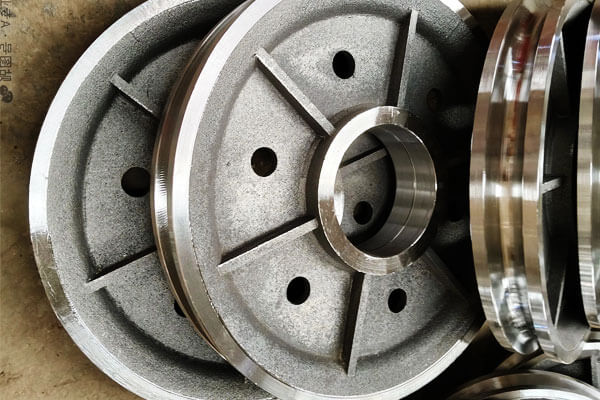
Мостові та EOT крани
Мостові крани та електричні мостові крани (EOT) крани зазвичай використовують шкиви в гаковому блоці, підйомний механізм, і система підйому.
Ці програми зазвичай вимагають:
- Висока стійкість до багаторазових навантажень
- Точна геометрія каната-канаву
- Хороший обертальний баланс
- Надійні несучі сполучення
- Контрольована концентричність між отвором і пазом
- Адекватна стійкість до втоми
Для виробничих кранів з частими циклами, довговічність шкива може мати прямий вплив на інтервали технічного обслуговування, оскільки знос канавок і втома троса тісно пов'язані.
Нестандартні литі шкиви особливо корисні, коли виробнику крана потрібні оптимізовані розміри для конкретного барабана, гачковий блок, дротяний трос, або монтажний конверт.
Козлові та портальні крани
Для перевантаження контейнерів широко використовуються козлові та портальні крани, верфі, промислові двори, сталеливарні заводи, і транспортування важких матеріалів.
Їхні пучки можуть зазнавати відносно високого натягу каната та динамічного навантаження.
На додаток, зовнішні установки піддають компоненти впливу дощу, вологість, пил, коливання температури, і потенційно корозійні атмосферні умови.
Отже, вибір матеріалу стає важливою частиною дизайну.
Вуглецева або легована лита сталь може підійти для загального застосування у важких умовах, в той час як корозійностійкі сплави або захисні системи обробки можуть стати більш актуальними в морському середовищі.
Для великих портальних кранів, Стабільність розмірів і структурна цілісність лиття особливо важливі, оскільки розміри шківа можуть стати значними.
Баштові крани
Баштові крани під час підйому використовують шкиви, тролейбус, і механізми підйому. Обмеження простору, мотузкова прокладка, і відносно високі робочі цикли роблять оптимізацію розмірів важливою.
Спеціальний шків може мати потребу задовольнити кілька конкуруючих вимог:
Досить великий, щоб зменшити сильний вигин мотузки, але досить компактний, щоб поміститися в механічний кожух крана.
Профіль канавки також повинен відповідати обраному тросу, в той час як втулка і підшипник повинні інтегруватися з існуючими компонентами крана.
Точне лиття може забезпечити гнучкість у розробці складних конфігурацій втулки та фланця, не вимагаючи обробки всього компонента з великої заготовки.
Порт, Гавань, і контейнерні крани
Портові крани працюють у складних комбінаціях:
- Високі підйомні вантажі
- Високий коефіцієнт використання
- Безперервне або напівбезперервне чергування
- Насичена сіллю атмосфера
- Динамічне навантаження
- Суворі вимоги до обслуговування
Тому для шківів, що використовуються в цих системах, може знадобитися комбінація механічної міцності, Опір зносу, втома, захист від корозії, і точна обробка.
Де корозія сильна, Для певних компонентів можна розглянути нержавіючі або дуплексні нержавіючі виливки, хоча вибір повинен базуватися на повних механічних і екологічних вимогах, а не лише на стійкості до корозії.
Суднобудування та морські крани
Морські крани зазвичай працюють у вологому середовищі, середовища, що містять солону воду, де корозія може значно вплинути на термін служби компонентів.
Точні литі кранові шківи можуть бути використані в:
- Суднові підйомні системи
- Суднобудівні крани
- Палубні крани
- Морські транспортно-розвантажувальні системи
- Офшорне допоміжне обладнання
Для цих програм, виробник повинен враховувати не тільки сипучий матеріал, а й стан оброблених поверхонь, кріплення, підшипники, Захисні покриття, водовідведення, та технічне обслуговування.
Локалізована корозія на канавці, матожина, або несучий інтерфейс може бути особливо небажаним, оскільки ці області є функціонально критичними.
Офшорні крани
Офшорні підйомні системи висувають особливо вимогливі умови експлуатації, оскільки вони поєднують високі механічні навантаження з морською корозією, рух, викликаний вітром, вібрація, і потенційно серйозні динамічні ефекти.
Може знадобитися прецизійний литий крановий шків для офшорного обслуговування:
- Висока міцність
- Контрольований хімічний склад
- Кваліфікована термічна обробка
- Стійкий до корозії матеріал або покриття
- Широкий НК
- Простежувана сертифікація матеріалів
- Жорсткий контроль розмірів
Для таких програм, технічна специфікація повинна детально визначати необхідні перевірки та критерії приймання. Одного лише сорту матеріалу недостатньо для визначення придатності.
Гірничодобувні та важкі промислові крани
Гірничі споруди, металургійні заводи, ливарні, електростанції, і важкі виробничі операції часто використовують крани в середовищах, що характеризуються пилом, вібрація, підвищена температура, високий коефіцієнт використання, і важкі вантажі.
Пучки для цих застосувань можуть потребувати підвищеної стійкості до:
- Циклічна втома
- Механічний вплив
- Знос канавки
- забруднення
- Підвищені робочі температури
- Абразивні середовища
Виливки з легованої сталі з відповідною термічною обробкою можуть забезпечити сильну комбінацію механічних властивостей, де потрібна робота у важких умовах.
Будівельне та підйомно-транспортне обладнання
Будівельні крани, підйомники, лебідки, і системи транспортування матеріалів також використовують шкиви для перенаправлення дротяних канатів і підтримки контрольованого кріплення.
Вимоги значно відрізняються. Відносно невеликий підйомний шків може поставити на перше місце вартість і компактність, у той час як будівельний кран великої вантажопідйомності може вимагати високотехнологічних канавок і контактів підшипників.
Ця різноманітність програм є однією з причин, чому досвідчений виробник на замовлення повинен мати можливість підтримувати кілька матеріалів і виробничих маршрутів замість того, щоб змушувати кожну програму використовувати один стандартний дизайн.
8. Переваги точного лиття для кранових шкивів
| Перевага | Інженерна цінність |
| Можливість майже чистої форми | Зменшує непотрібну механічну обробку |
| Складна геометрія | Підтримує оптимізований хаб, фланець, та структурні особливості |
| Гнучкість матеріалу | Дозволяє вибір сплаву для конкретної програми |
| Комплексне виробництво | Лиття та обробка з ЧПУ можуть бути розроблені разом |
| Повторюваність | Корисно для OEM і виробництва запасних частин |
| Зменшені матеріальні відходи | Менше видалення, ніж обробка великого запасу |
| Налаштування дизайну | Підтримує спеціальну геометрію програми |
| Масштабоване виробництво | Підходить для повторного виробництва, коли інструментарій виправданий |
9. Прецизійні литі кранові шківи проти. Ковані та виготовлені снопи
Вибір серед точне лиття, кування, і виготовлення має базуватися на фактичних інженерних вимогах до шкива крана, а не на припущенні, що один виробничий процес є універсально кращим.
Кожен метод створює різний баланс геометрії, використання матеріалу, механічні властивості, гнучкість виробництва, вимоги до обробки, і вартість.
Для нестандартних кранових шківів, тому центральне питання не просто «Який процес сильніший?» а скоріше:
Який виробничий процес може найбільш ефективно забезпечити необхідну вантажопідйомність, втома, точність каната, Структурна цілісність, розміри, обсяг виробництва, і надійність обслуговування?
Наступне порівняння зосереджено на основних інженерних відмінностях, які мають значення при виборі маршруту виробництва кранових шкивів.
| Ключова різниця | Точні литі кранові шківи | Ковані кранові шківи | Виготовлені / Зварні шкиви |
| Найкраще підходить | Комплекс, індивідуальні снопи, що вимагають майже чистої геометрії та повторного виробництва | Високоміцні та критичні до втоми застосування | Дуже великий, низький об'єм, або дуже індивідуальні снопи |
| Геометрія & Свобода дизайну | Відмінний для складних хабів, фланці, ребра, і переходи | Помірний; геометрія повинна бути сумісна з куванням | Відмінний завдяки багатокомпонентній конструкції |
| Механічні показники | Відмінно, коли якість лиття та термічна обробка належним чином контролюються | Відмінний, особливо для застосувань з високою міцністю та вимогами до втоми | Добрий, але сильно залежить від конструкції та якості зварювання |
| Ефективність матеріалу | Високий, з відносно невеликим надлишковим матеріалом | Помірний; зазвичай потрібен припуск на обробку | Змінний; залежить від плити, кільце, і компонування компонентів |
| Вимоги до обробки | Помірний; в основному критичні функціональні поверхні | Помірний до високого | Помірний до високого |
| Можливість великого діаметру | Добрий, але залежить від ливарного обладнання та процесу | Обмежується можливостями кування та оснащенням | Чудово підходить для дуже великих конструкцій |
Обсяг виробництва |
Добре підходить для повторного виробництва OEM | Найкраще підходить для повторного виробництва, де необхідний інструмент | Добре підходить для малосерійного або проектного виробництва |
| Вартість інструментів | Помірний | Високий | Відносно низький |
| Основна проблема якості | Дефекти лиття, такі як усадка, пористість, і включення | Якість матеріалу, цілісність кування, і контроль термічної обробки | Дефекти зварного шва, залишковий стрес, і спотворення |
| Основна перевага | Складна геометрія + налаштування + Близька форма | Високі механічні характеристики | Великий розмір + структурна гнучкість |
| Основне обмеження | Вимагає суворого ливарного та НК контролю | Вища вартість інструменту та обробки | Більше проблем зі зварюванням і контролем розмірів |
10. Чому варто вибрати LangHe Industry для кранових шківів для точного лиття на замовлення?
Вибір постачальника кранових шкивів повинен виходити за рамки порівняння цін на лиття.
Оскільки компонент поєднує в собі структурне лиття, термічна обробка, точна обробка, канатно-контактна геометрія, та огляд, здатність постачальника контролювати весь виробничий ланцюг часто важливіша, ніж сам номінальний процес лиття.
Промисловість може підходити до індивідуальних прецизійних литих кранових шківів як інтегрованого виробничого проекту, підключення інженерний огляд, розвиток лиття, обробка, закінчення, та якісна перевірка.
| Можливість | Деталі |
| Матеріали | Вуглецева сталь (WCB), лити, пластичне залізо (60-40-18, 65-45-12, 80-55-06), нержавіюча сталь (CF-8, CF-8m, 17-4РН), Лепка сталь (4140, 4340) |
| Процес лиття | Лиття по моделлю, пісочний кастинг. |
| Вага частини | 0.5 кг до 500 кг. |
| Допуски | ± 0,1–0,3 мм (CT5-CT7 за ISO 8062). |
| Якість | ISO 9001:2015 сертифікований; 100% огляд; CMM; профілометр поверхні; NDT (Рентгенівський, барвник проникає). |
| Час | 6–12 тижнів на інструменти; 2–4 тижні для повторних замовлень. |
11. Висновок
Крановий шків — це відносно простий на вигляд компонент із вимогливою механічною функцією. Він повинен багаторазово направляти та згинати трос, передаючи навантаження через втулку, підшипники, і опорна конструкція.
Отже, геометрія канавки, цілісність матеріалу, умова термічної обробки, точність обробки, концентричність, і якість поверхні сприяють реальній продуктивності шкива.
Точне лиття пропонує переконливий шлях виготовлення нестандартних кранових шківів зі складною геометрією, виробництво майже чистої форми, Гнучкість матеріалу, і повторюваність важливі.
Це може зменшити непотрібну механічну обробку, дозволяючи інженерам інтегрувати концентратори, фланці, ребра, переходи, та інші конструктивні особливості в лиття.
LangHe Industry пропонує індивідуальний підхід до виготовлення шкивів кранових кранів з точного лиття, комбінування ливарної техніки, Вибір матеріалу, Обробка з ЧПУ, термічна обробка, закінчення, та інспекцію для підтримки вимог OEM до конкретної програми.
FAQ
Що таке крановий шків точного лиття?
Крановий шків точного лиття — це шків дротяного канату, виготовлений за допомогою контрольованого процесу лиття, зазвичай виплавлення або інший прецизійний метод лиття, з подальшою механічною обробкою критичних функціональних поверхонь.
Лиття створює первинну геометрію, в той час як обробка з ЧПУ створює такі особливості, як канавка, отвор, і посадочних місць підшипників.
Навіщо використовувати точне лиття замість механічної обробки кранового шківа з твердої сталі?
Точне лиття може створити більшу частину кінцевої геометрії перед механічною обробкою.
Це може зменшити видалення матеріалу, час обробки, і матеріальних відходів, надаючи більшу свободу для складних концентраторів, фланці, ребра, і структурні переходи.
Литий крановий шків такий же міцний, як кований шків?
Універсальної відповіді немає. Правильно розроблений і оброблений литий сталевий шків може забезпечити відмінні механічні характеристики,
але кування може мати переваги в застосуваннях, де потрібна висококонсолідована кована структура та особливі властивості втоми.
Придатність залежить від матеріалу, геометрія, Розмір секції, термічна обробка, завантаження, та вимоги до перевірки.
Що є найважливішим показником якості кранового шкива?
Немає єдиного параметра, який визначає якість. Цілісність лиття, механічні властивості, геометрія канавки, вирівнювання отвору, стан поверхні, і точність розмірів повинні працювати разом.
Для важливих для безпеки додатків, ці характеристики повинні бути перевірені на відповідність затвердженій технічній специфікації та плану перевірки.
Як можна збільшити термін служби шкива крана?
Термін служби можна збільшити за допомогою правильного підбору розміру шкива до канату, відповідна геометрія канавки, підбір відповідного матеріалу, належне змащення та обслуговування,
точне вирівнювання, контрольована якість виготовлення, і своєчасна заміна, коли знос канавок або інші пошкодження перевищують зазначену межу.