Відвідні клапани є важливими компонентами систем обробки рідин, дозволяючи перенаправляти потік з одного шляху на інший.
Ці крани широко використовуються в сантехніці, опалення, вентиляція, кондиціонер (ОВК), очищення води, та промислова переробка.
Серед різноманітних матеріалів, які використовуються для перекидних клапанів, латунь виділяється як кращий вибір завдяки своїй чудовій оброблюваності, Корозійна стійкість, Антимікробні властивості, та естетична привабливість.
Виробництво високоякісних латунних перемикачів вимагає поєднання точного лиття та вдосконаленої обробки з ЧПУ.
Втрачений восковий кастинг (інвестиційне кастинг) це ідеальний метод для виготовлення складних внутрішніх проходів і складної геометрії корпусів клапанів.
У поєднанні з точною обробкою з ЧПУ, цей процес забезпечує клапани з винятковою точністю розмірів, гладка обробка поверхні, і надійна продуктивність.
1. Що таке латунний перекидний клапан?
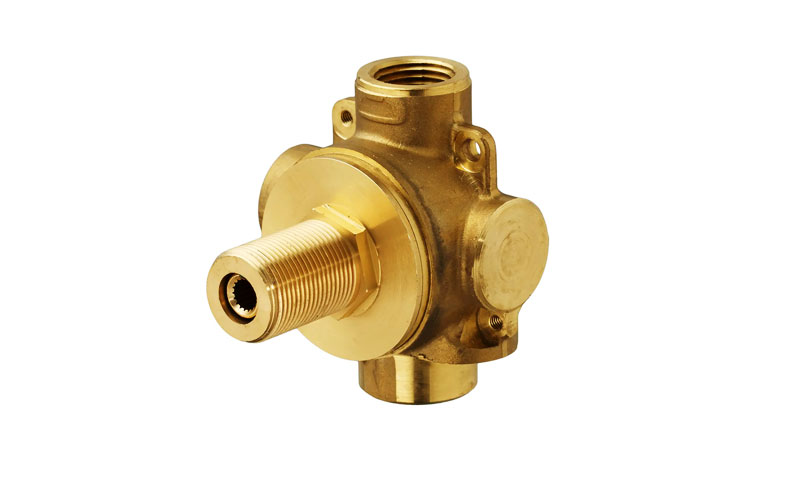
A латунний перекидний клапан це багатопортовий пристрій керування рідиною, призначений для перенаправлення, обраний, або розподілити потік рідини між різними шляхами потоку.
На відміну від звичайної двоходової запірної арматури, перекидний клапан використовує кілька портів і внутрішній рухомий елемент, щоб визначити, які канали підключені в даному робочому положенні.
Корпус клапана зазвичай є компонентом, що підтримує тиск. Він містить вхідний і вихідний отвори, внутрішні проточні канали, клапанна камера, ущільнення інтерфейсів, і особливості підключення.
Внутрішній елемент — зазвичай м'яч, штепсель, картридж, або шпиндельний механізм — змінює шлях потоку, коли клапан обертається або приводиться в дію.
Типовий трипортовий перекидний клапан, наприклад, може працювати в двох основних положеннях:
Позиція А: Вхід → вихід A
Позиція Б: Вхід → вихід B
Більш складні конфігурації можуть поєднувати або ізолювати шляхи потоку залежно від вимог процесу.
Продуктивність латунного перемикального клапана залежить не тільки від його здатності перемикати потік.
Клапан повинен підтримувати цілісність тиску, контрольований опір потоку, надійне відключення, розмірна стабільність, і повторювана герметизація протягом усього передбаченого терміну служби.
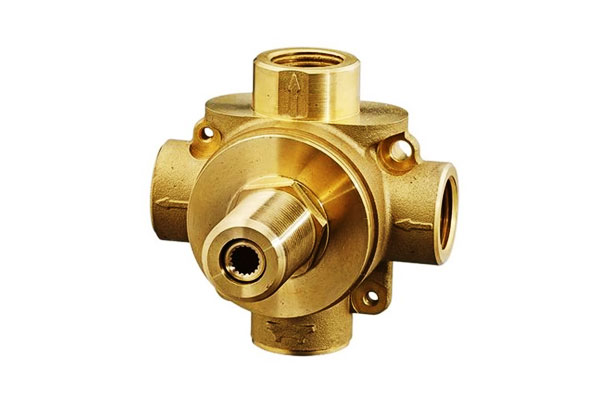
Типи перекидних клапанів
| Тип | опис | Типові програми |
| 3-Перехідний клапан | Один вхідний отвір, дві розетки (або навпаки). | Душові системи, змішувальні вентилі, ОВК, Контроль процесів. |
| 4-Перехідний клапан | Два входи, дві розетки. | Системи опалення, теплові насоси, застосування зворотного потоку. |
| Поворотний перекидний клапан | Обертовий елемент перенаправляє потік між портами. | Пневматичний транспорт, обробка порошку, промислова обробка. |
| Шиберний перекидний клапан | Розсувна пластина перенаправляє потік. | Транспортування сипучих матеріалів, збір пилу. |
| Кульовий перекидний клапан | Кулька з декількома проходами обертається за прямим потоком. | Сантехніка, Хімічна обробка, розподіл газу. |
2. Звичайні латунні сплави для відливних клапанів
Вибір правильного латунь сплав є фундаментальним для цілісності тиску, Корозійна стійкість, обробка, розмірна стабільність, і термін служби перекидного клапана.
Латунь — це не єдиний матеріал, а широке сімейство сплавів на основі міді з суттєво різними складами та експлуатаційними характеристиками.
Для перекидного клапана точного лиття, Вибір сплаву повинен враховувати не тільки механічну міцність.
Виробник також повинен оцінити поведінку при лиття, вимоги до внутрішнього тиску, рідинна хімія, стійкість до децинкації, вимоги до обробки, температура, вплив навколишнього середовища, і нормативні обмеження на складові сплаву.
Зокрема, клапани, призначені для питної води або інших регульованих застосувань у контакті з рідиною, можуть потребувати сплавів із низьким вмістом свинцю або без свинцю, спеціально кваліфікованих для цієї служби.
Отже, «найкращий» латунний сплав залежить від застосування, а не універсальний.
Латунні сплави, які зазвичай використовуються для лиття перехідних клапанів
| Сплав (Нас) | Ключові властивості | Типове застосування клапанів |
| C84400 | Хороша ливарність і оброблюваність; традиційна свинцева напівчервона латунь | Литі корпуси клапанів, сантехніка, загальні компоненти контролю рідини |
| C85700 | Морська латунь із свинцем; хороша оброблюваність і стійкість до корозії | Литі компоненти, що містять тиск, морська орієнтована арматура |
| C87610 | Мідно-кремнієвий сплав з хорошою міцністю та стійкістю до корозії; низький свинець | Компоненти водопостачання та корозійностійкі виливки, де зазначено |
| C87800 | Кремнієва латунь; Хороша кастабність, міцність, Корозійна стійкість, і характеристики з низьким вмістом свинцю | Корпуси водопровідних клапанів, сантехніка, промислові компоненти |
C87850 |
Кремнієва латунь з хорошою оброблюваністю, герметичність тиску, і корозійна стійкість | Тіла клапана, крани, корпуси водомірів, сантехнічні та морські компоненти |
| C89833 | Безсвинцевий вісмутовмісний сплав; хороша оброблюваність і стійкість до корозії | Безсвинцеві компоненти, що містять тиск, клапани, орієнтовані на питну воду, і сантехнічне застосування, де зазначено |
| C36000 | Відмінні характеристики вільної обробки | Оброблені компоненти клапана, стебла, фурнітура, адаптери, невеликі частини точності |
3. Латунний перекидний клапан Процес лиття за виплавленим воском
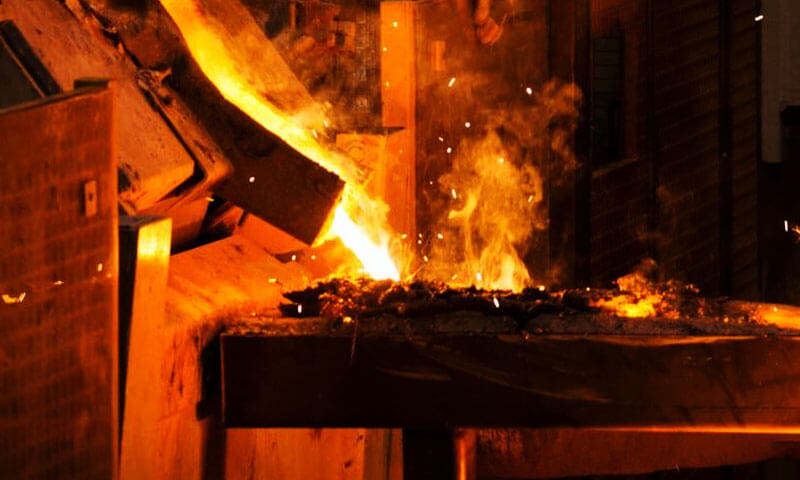
З процес лиття за виплавленим воском для латунних перемикаючих клапанів розроблено для перетворення складної геометрії корпусу клапана в металеву виливку майже чистої форми з контрольованою постійністю розмірів і міцною структурною цілісністю.
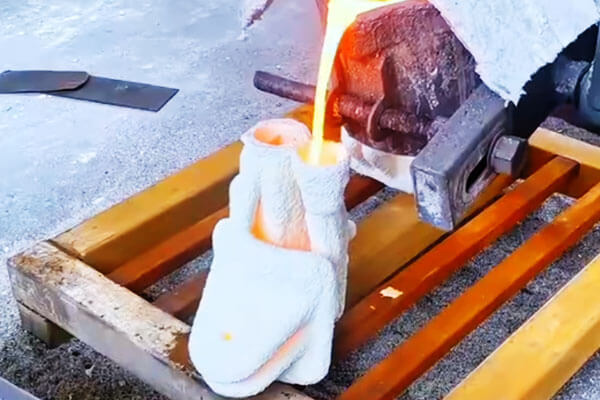
Огляд САПР та інструменти
Процес починається з креслення клапана або 3D-моделі CAD. Перед виготовленням інструменту, геометрія перевіряється на доцільність лиття та стабільність виробництва.
Необхідний припуск на усадку встановлює виробник, припуск на механічну обробку, стінові переходи, філе, місця шлюзування, і орієнтація кастингу.
Для перекидного клапана, особлива увага приділяється областям, що оточують пересічні канали потоку, оскільки раптові зміни товщини секції можуть вплинути на подачу та затвердіння металу.
Потім виготовляється інструмент для відтворення необхідної геометрії воскового малюнка.
Виробництво воску
Розплавлений віск вводять у прецизійну матрицю для створення жертовного малюнка корпусу клапана.
Якість малюнка визначає розмірну основу виливка. Температура ін'єкції, тиск, час витримки, охолодження, і стан матриці необхідно контролювати, щоб мінімізувати спалах, спотворення, неповне заповнення, і варіація розмірів.
Завершена воскова модель перевіряється перед тим, як приступити до складання.
Воскова збірка та стробування
Індивідуальні воскові візерунки з’єднуються з центральною системою литників, утворюючи ливарне дерево.
На цьому етапі, система литника встановлена таким чином, щоб розплавлена латунь могла контрольовано заповнювати порожнину клапана.
Положення воріт і розміри желоба впливають на час заповнення, турбулентність, Теплові градієнти, і харчова поведінка.
Для складних розподільних клапанів, воріт розроблений навколо геометрія всього тіла, а не просто максимізувати швидкість наповнення.
Будівля керамічної оболонки
Воскове дерево неодноразово занурюється в керамічний шлам і покривається вогнетривкою штукатуркою. Послідовні шари утворюють жорстку керамічну оболонку навколо малюнка.
Оболонка повинна забезпечувати достатню міцність для депарафінізації та заливки металу при відтворенні необхідних деталей поверхні.
Основними засобами контролю процесу є:
Суспільна в'язкість + вогнетривкий розмір частинок + товщина шару + умови сушіння + міцність оболонки
Нерівномірна підготовка оболонки може призвести до розтріскування, варіація розмірів, погана якість поверхні, або руйнування оболонки під час заливки.
Девакс та стрілянина снарядів
Керамічна оболонка нагрівається для видалення воскового малюнка та створення негативної порожнини корпусу клапана.
Після деваксу, оболонка обпалюється для видалення залишків органічного матеріалу та досягнення необхідної вогнетривкості та термічної стабільності.
Отримана керамічна форма повинна бути чистою, сухий, і структурно надійні до введення розплавленої латуні.
Плавлення латуні та контроль сплавів
Вибраний латунний сплав плавлять у контрольованих умовах.
Основна мета полягає в тому, щоб розплавлений метал відповідав вимогам вимоги до хімічного складу та чистоти Перед заливанням.
Це особливо важливо для спеціальних клапанів, де властивості матеріалу та нормативні вимоги можуть залежати від конкретного сорту сплаву.
Контроль процесу зазвичай включає:
- Перевірені зарядні матеріали
- Контроль температури розплаву
- Хімічний аналіз
- Контроль шлаків і оксидів
- Ідентифікація та відстеження тепла
Контрольована заливка
Попередньо нагріта керамічна оболонка заповнюється розплавленою латунню через розроблену систему литників.
Температура заливки та швидкість наповнення повинні відповідати сплаву та геометрії клапана.
Метал повинен залишатися достатньо рідким для заповнення тонких секцій і складних проходів без надмірної турбулентності або передчасного затвердіння.
Добре контрольована операція заливки прагне досягти:
Повне заповнення + стабільний потік + мінімальне захоплення + контрольовані термічні умови
Затвердіння і годування
Після заповнення, латунь починає застигати. Тому що корпус клапана може мати різну товщину стінок, начальники, та проїзд перехресть, різні області можуть охолоджуватися з різною швидкістю.
Таким чином, конструкція лиття повинна підтримувати контрольоване затвердіння та адекватну подачу усадкового металу.
Поганий контроль затвердіння може спричинити такі дефекти, як:
- Усадка пористість
- Усадочні порожнини
- Розриви, пов'язані з газом
- Гаряче тріск
Для складних корпусів клапанів, Симуляція лиття може бути використана для прогнозування поведінки заповнення та затвердіння та оптимізації литникової системи та системи подачі перед виробництвом.
Нокаут
Після того, як відливка достатньо охолоне, механічно видаляється керамічна оболонка.
Вібрація, механічне відділення, або інші відповідні методи можуть бути використані залежно від компонента та виробничої системи.
Слід бути обережним під час вибивання, оскільки надмірна механічна сила може пошкодити тонкі ділянки, особливості порту, або литі поверхні.
Демонтаж воріт і стояка
Літник, бігуни, воріт, і стояки вирізані з лиття клапана.
Місця різання вибираються таким чином, щоб видалення не пошкодило функціональні зони або не залишило зайвого матеріалу, який ускладнив би подальшу механічну обробку.
На цій стадії дерево з виплавленої моделі перетворюється на окреме лиття корпусу клапана.
Оздоблення лиття
Очищену виливку піддають шліфуванню, вибухові роботи, або інші відповідні фінішні операції для видалення залишків кераміки, плавники, спалах, та залишки воріт.
Мета полягає в тому, щоб виготовити чисте та стабільне лиття, придатне для перевірки та подальшої механічної обробки.
Важливо, фінішна обробка не повинна використовуватися для приховування неприйнятних розривів лиття. Області, які стануть кордонами тиску, герметичні поверхні, або критичні дані обробки вимагають особливої уваги.
4. Обробка латунних відливних клапанів з ЧПУ
Лиття за виплавленим воском визначає основну геометрію латунного перекидного клапана, але зазвичай він не забезпечує кінцевої точності, необхідної для критичних інтерфейсів.
Обробка з ЧПУ Таким чином, це міст між виливком, що наближається до чистої форми, і функціональним прецизійним клапаном.
Процес обробки повинен досягати не тільки індивідуальних розмірів; він повинен підтримувати геометричне співвідношення між портами, потокові проходи, Сидіння клапана, герметичні поверхні, стебла, і інтерфейси приводів.
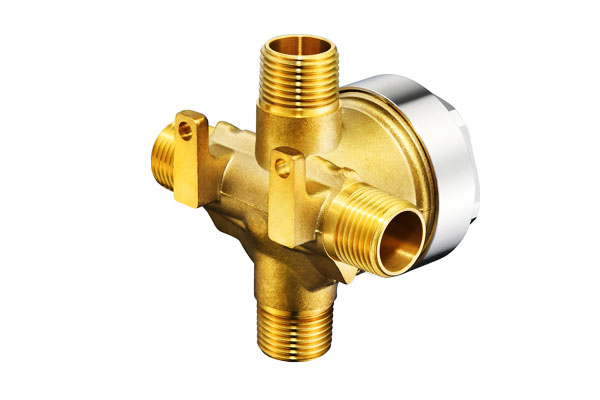
Типовою послідовністю виробництва є:
Перевірка лиття → Встановлення опорної точки → Чорнова обробка → Обробка отвору/отвору → Обробка різьби → Обробка гнізда та ущільнювальної канавки → Обробка інтерфейсу приводу → Зняття задирок → Перевірка розмірів
Точна послідовність залежить від архітектури клапана.
Обробка портів клапанів і внутрішніх отворів
Вхідний і вихідний порти забезпечують з’єднання клапана із зовнішньою рідинною системою. Залежно від конструкції клапана, ці інтерфейси можуть використовувати:
- NPT або інша конічна трубна різьба
- Різьба BSP або BSPP/BSPT
- Метрична або спеціальна різьба
- Інтерфейси стиснення
- Фланцеві з'єднання
- Пайка або спеціальна геометрія з'єднання
Операція обробки портів повинна контролювати як розмір, так і положення.
Правильно оброблена різьба все ще може створювати проблеми зі зборкою, якщо вісь порту неправильно розташована відносно корпусу клапана або сусідніх портів.
Для перетину внутрішніх проходів, механічна обробка може включати свердління, нудний, поперечне буріння, або поєднання литих і оброблених функцій.
Слід уважно оглянути перехід між цими проходами, оскільки надмірна різкість може збільшити втрату тиску та турбулентність.
У нестандартних дизайнах, лиття може створити більшу частину поточної архітектури, тоді як обробка з ЧПУ завершує отвори та функціональні інтерфейси.
Точна обробка сідел клапанів
Сідло клапана є однією з найважливіших характеристик перемикаючого клапана, оскільки воно утворює інтерфейс, який обмежує небажаний витік рідини.
Ефективність сидіння залежить від кількох взаємодіючих характеристик:
Концентрація + Контактна геометрія + Поверхнева обробка + Плоскість/Округлість + Сумісність матеріалу
Сідло клапана, яке відповідає його номінальному діаметру, але не є концентричним до елемента клапана, може призвести до нерівномірного контакту.
Аналогічно, надмірно шорстка поверхня може перешкодити герметизації, тоді як неправильна геометрія поверхні може збільшити робочий момент.
Відповідний допуск сідла та обробка поверхні повинні бути визначені відповідно до конкретної конструкції клапана, ущільнювальний елемент, Рейтинг тиску, і вимоги до витоку.
Обробка різьби
Різьблення часто зустрічаються на латунних перемикачах, оскільки вони забезпечують компактне та економічне з’єднання.
Обробку з ЧПУ можна використовувати як для внутрішньої, так і для зовнішньої різьби. Критичні параметри включають:
- Основний діаметр
- Невеликий діаметр
- крок
- Профіль потоку
- Ефективний діаметр
- Глибина різьби
- Концентрація
- Поверхнева обробка
Різьбоміри часто використовуються для перевірки виробництва, тоді як перевірка розмірів може підтвердити базову геометрію.
Оскільки латунь відносно піддається механічній обробці, він підтримує ефективне виробництво ниток, але стратегію різання все одно потрібно підібрати до конкретного сплаву.
Деякі латунні сплави, що не містять свинцю, можуть відрізнятися від традиційних марок вільної обробки, тому можуть вимагати оптимізованих різальних інструментів і параметрів.
Обробка ущільнювальних кілець і ущільнювальних канавок
Де використовуються еластомерні ущільнення, канавка під ущільнювальне кільце – це точна функція, а не проста виїмка.
Його розміри визначають стиснення ущільнення і, отже, впливають на ефективність витоку. Неправильна ширина канавки, глибина, кутова геометрія, або стан поверхні може спричинити:
- Недостатня герметизація
- Надмірна компресія
- Екструзія ущільнення
- Складність складання
- Передчасний знос ущільнення
Процес обробки повинен, отже, підтримувати задану геометрію канавки, одночасно захищаючи навколишню ущільнювальну поверхню.
5. Варіанти обробки поверхні для латунних перемикачів
Для спеціальних компонентів клапана, оздоблення поверхні слід вибирати разом зі сплавом, процес обробки, допуски на розміри, і операційне середовище.
Не кожен процес обробки підходить для кожної поверхні.
Зокрема, Сидіння клапана, нитки, ущільнення інтерфейсів, і зволожені проходи можуть вимагати суворо контрольованих умов обробки, щоб уникнути зміни їх функціональних розмірів.
Механічне полірування
Механічне полірування використовує все більш тонкі абразивні засоби для видалення слідів обробки, дрібні нерівності поверхні, і пов'язані з литтям дефекти поверхні латунної поверхні.
Залежно від необхідного зовнішнього вигляду, процес може варіюватися від основної абразивної обробки до глянцевого полірування.
Переваги:
- Створює гладку та привабливу латунну поверхню
- Покращує візуальний вигляд
- Зменшує видимі сліди обробки та лиття
- Забезпечує ефективну основу для наступного покриття
- Може покращити однорідність поверхні на зовнішніх поверхнях клапанів
Нікельне покриття
Нікелювання наносить контрольований шар нікелю на підготовлену латунну поверхню, зазвичай через процес гальванічного покриття.
Належна попередня обробка має важливе значення для забезпечення хорошої адгезії між латунною підкладкою та покриттям.
Переваги:
- Покращує резистентність до корозії
- Забезпечує більшу твердість поверхні, ніж необроблена латунь
- Покращує зносостійкість
- Створює однорідний металевий вигляд
- Підходить для компонентів, які піддаються впливу вологи та транспортування
- Може служити базовим шаром для декоративних або функціональних оздоблювальних систем
Хромоване покриття
Хромування наносить поверхневий шар на основі хрому на відповідним чином підготовлену основу, часто поверх нікелювання.
Процес виробляє жорсткий, яскрава поверхня з хорошою стійкістю до зношування та потемніння.
Переваги:
- Відмінний декоративний вигляд
- Висока твердість поверхні
- Хороший зносостійкість
- Хороша стійкість до потемніння та атмосферного впливу
- Підходить для відкритих компонентів клапанів і декоративної сантехнічної фурнітури
Електрозневе нікельське покриття
Безелектричне нікелювання наносить нікель-фосфорне або споріднене нікелеве покриття за допомогою автокаталітичної хімічної реакції, а не покладається на постійний зовнішній електричний струм..
Це забезпечує відносно рівномірну товщину покриття на складних геометріях.
Переваги:
- Більш рівномірна товщина покриття на складних поверхнях
- Хороша резистентність до корозії
- Хороша зносостійкість і стійкість до стирання
- Підходить для заглиблених і неправильних геометрій
- Забезпечує контрольований захист поверхні з відносно передбачуваним збільшенням розмірів
- Корисно для компонентів промислової арматури, які потребують як захисту, так і відповідності розмірів
Точна механічна обробка поверхні
Для функціональних поверхонь, таких як сідла клапанів, свердловина, нитки, і ущільнення інтерфейсів, необхідна обробка часто виготовляється безпосередньо за допомогою керованої обробки з ЧПУ, тонке точіння, нудний, шліфування, або інші точні операції, а не через декоративне покриття.
Переваги:
- Зберігає точний контроль розмірів
- Забезпечує точну геометрію ущільнення
- Підтримує контрольовану шорсткість поверхні
- Уникає непотрібного накопичення покриття на критичних поверхнях
- Забезпечує передбачувану збірку та функціональність
- Особливо підходить для сідел клапанів, свердловина, нитки, і поверхонь, що контактують з ущільненням
6. Переваги лиття за виплавленим воском для латунних перекидних клапанів
Лиття за виплавленим воском надає унікальні переваги для виробництва перемикаючих клапанів, які не можна порівняти з альтернативними методами лиття або формування.
Неперевершена точність розмірів & Повторюваність
Лиття по виплавлюваним моделям досягає ±0,05–0,1 мм на пер 25 допуск як литий мм, з постійною повторюваністю у великих обсягах виробництва.
Це зменшує запас обробки, мінімізує накопичення допусків, і забезпечує взаємозамінну збірку.
Складна внутрішня геометрія & Оптимізація потоку
Втрачений віск може створювати складні внутрішні геометрії портів, плавні переходи потоку, і контурні проходи, які були б неможливі за допомогою піщаного лиття або неекономічні для обробки.
Оптимізовані внутрішні шляхи потоку зменшують турбулентність, падіння тиску, і шум потоку.
Чудова обробка поверхні як лита
Тонке керамічне лицьове покриття забезпечує обробку поверхні Ra 1,6–3,2 мкм, скорочення часу обробки та покращення характеристик ущільнювальної поверхні.
Гладкі литі поверхні також зменшують спричинену потоком ерозію всередині каналів рідини.
Мінімальний запас обробки & Ефективність матеріалу
Лиття майже чистої форми вимагає лише 0,8–1,5 мм заготовки для обробки на кожну сторону, порівняно з 3–6 мм для піщаного лиття.
Це зменшує відходи матеріалу на 40–60% і значно скорочує час обробки.
Гнучкість сплаву & Спеціальна формула
Лиття за виплавленим воском підходить практично для будь-якого латунного сплаву, дозволяючи спеціальну формулу сплаву відповідати певній корозії, міцність, або нормативні вимоги без серйозних змін інструментів.
Стабільний тиск & Стійкість до протікання
Цільні литі корпуси усувають шляхи витоку зібраних з’єднань. Контрольоване затвердіння мінімізує внутрішню пористість, забезпечення герметичності, яка проходить 1,5-кратне випробування на герметичність під робочим тиском.
7. Лиття за виплавленим воском проти. Ковані латунні перекидні клапани
І лиття, і кування виробляють латунні компоненти клапана, але вони обслуговують різні сценарії дизайну та продуктивності.
| Вимір продуктивності | Латунні клапани литі за втраченим воском | Ковані латунні клапани |
| Розмірна точність | ±0,05 – ±0,1 мм/25 мм як литий; щільніше після обробки | ±0,02 – ±0,05 мм; дуже послідовний |
| Складність внутрішньої геометрії | Дуже високий — складні порти, контурні проходи, багатопортові конструкції | Обмежено — лише прості осьові форми; глибокі внутрішні особливості неможливо |
| Тиск & Втома | Добре підходить для стандартного тиску; залежить від пористості | Відмінний; підвищена стійкість до втоми та тиск на розрив |
| Придатність обсягу виробництва | 500 - 50,000 ПК/рік | 10,000 - 500,000+ ПК/рік |
| Вартість інструментів & Час | Помірна вартість інструменту; 4– Термін виконання 6 тижнів | Висока вартість інструментів; 6– Термін виконання 10 тижнів |
| Загальна вартість одиниці | Середньо-високий для низької гучності; конкурентоспроможний при середньому обсязі | Високий при низькій гучності; найнижча при дуже високій гучності |
| Ідеальні сценарії застосування | Складні багатопортові кузови, контурні шляхи потоку, середнього обсягу | Прості осьові конструкції, високий тиск, багатоциклічна втома, дуже велика гучність |
8. Застосування латунних перекидних клапанів
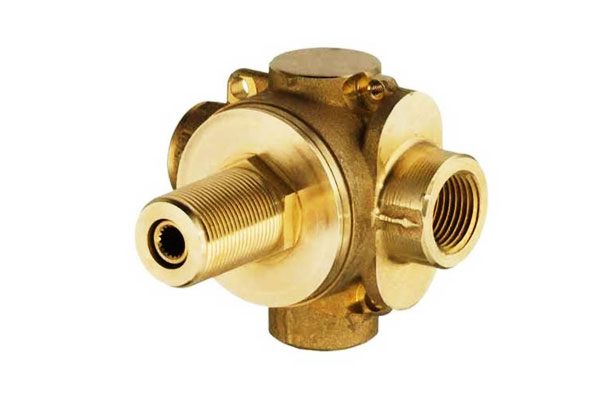
Розподіл водопроводу та водопостачання
Латунні перекидні клапани широко використовуються в водопровідних системах для перенаправлення води між різними випусками, ланцюги, або світильники.
Їх компактний дизайн, Корозійна стійкість, і хороша оброблюваність роблять їх придатними як для побутового, так і для комерційного обладнання для контролю води.
Типові програми включають:
- Душові системи
- Змішувачі в зборі
- Обладнання для розподілу води
- Системи змішування та маршрутизації
- Побутове сантехнічне обладнання
ОВК та системи опалення
Латунні перекидні клапани зазвичай використовуються в системах опалення, вентиляції, кондиціонування та кондиціонування повітря та гідравлічних системах опалення для контролю напрямку циркуляції води та інших сумісних рідин.
Клапан може перемикати потік між опалювальними контурами, обхідні лінії, або другорядні петлі.
Типові програми включають:
- Радіаторні системи опалення
- Системи теплої підлоги
- Циркуляційні контури ОВК
- Теплонасосні системи
- Котельне та опалювальне обладнання
Системи зрошення
В іригаційному обладнанні, латунні перекидні клапани можна використовувати для спрямування води між різними гілками або зонами.
Їх стійкість до корозії та міцна конструкція роблять їх придатними для багаторазового перемикання потоку на відкритому повітрі.
Типові програми включають:
- Сільськогосподарські зрошувальні системи
- Обладнання для поливу саду
- Системи спринклерів
- Полив теплиці
- Водорозподільні колектори
Обладнання для очищення води
Латунні перекидні клапани можна інтегрувати в компактні системи водопідготовки, де потрібно вибрати або ізолювати різні шляхи потоку.
Точне лиття особливо корисно, коли корпус клапана потребує спеціальних внутрішніх проходів.
Типові програми включають:
- Системи фільтрації води
- Обладнання для очищення води
- Системи пом'якшення
- Насосно-фільтрувальні вузли
- Блоки керування водопідготовкою
Побутова техніка та обладнання
Компактні латунні перемикачі клапани також використовуються в приладах, де воду або іншу сумісну рідину потрібно перенаправляти між різними внутрішніми контурами.
Типові програми включають:
- Обладнання для приготування кави та напоїв
- Пральна техніка
- Водонагрівачі
- Прибиральний інвентар
- Побутові водорегулюючі пристрої
Промислове обладнання для контролю рідин
Промислове обладнання може використовувати латунні перекидні клапани для подачі води, нафта, повітря, або інші сумісні рідини, де тиск, температура, і хімічне середовище знаходяться в межах матеріалу та конструкції клапана.
Типові програми включають:
- Насосні системи
- Компресори та допоміжне обладнання
- Обладнання для обробки рідин
- Промислові системи охолодження
- Індивідуальні вузли обладнання
Комерційні та спеціалізовані системи
Спеціальні латунні перемикачі клапани також підходять для виробників обладнання, яким потрібен компактний багатопортовий компонент для регулювання потоку, розроблений для конкретного вузла або контуру рідини.
Типові програми включають:
- Комерційне сантехнічне обладнання
- Системи циркуляції води
- Колектори обладнання
- OEM вузли управління рідиною
- Машини та технологічне обладнання на замовлення
9. Чому варто вибрати компанію LangHe Industry для латунного відливного клапана за виплавленим литтям & Обробка?
Для нестандартних латунних клапанів, Вибір виробника - це не просто питання пошуку постачальника, який може відлити латунь.
Остаточний компонент залежить від узгодженості ливарної техніки, Вибір сплавів, Обробка з ЧПУ, поверхнева обробка, розмірний контроль, і функціональне тестування.
Промисловість підходить до виробництва латунних клапанів на замовлення як інтегрованого виробничого проекту, дозволяючи разом розробляти етапи лиття та механічної обробки відповідно до функціональних вимог замовника.
| Можливість | Деталі |
| Матеріали | C84400, C85700, C87610, C87800, C87850, C89833, C36000. |
| Процес лиття | Втрачений восковий кастинг (інвестиційне кастинг). |
| Допуски | ± 0,1–0,3 мм (CT5-CT7 за ISO 8062). |
| Обробка ЧПУ | Turng CNC, фрезер, свердління, постукування, нудний, розпусник, різьблення. |
| Якість | ISO 9001:2015 сертифікований; 100% огляд; CMM. |
| Час | 6–12 тижнів на інструменти; 2–4 тижні для повторних замовлень. |
10. Висновок
Латунний перекидний клапан є компактним компонентом, але його виробничі вимоги дуже взаємопов'язані.
Корпус клапана повинен містити тиск, забезпечують точні шляхи потоку, розмістити внутрішній клапанний елемент, підтримувати герметизацію інтерфейсів, і надійно з’єднати із зовнішніми трубопроводами чи обладнанням.
Для складних індивідуальних конструкцій, лиття за виплавленим воском забезпечує ефективний спосіб встановлення основної геометрії корпусу клапана, включаючи індивідуальні порти, начальники, переходи, і відповідна внутрішня архітектура.
Потім обробка з ЧПУ приносить різьблення, свердловина, Сидіння клапана, ущільнювальні канавки, і інтерфейси приводу з необхідною точністю.
Не менш важливий і вибір матеріалу. Різні латунні сплави пропонують різні комбінації здатності до лиття, обробка, механічна міцність, Корозійна стійкість, та нормативної придатності.
Тому правильний вибір має ґрунтуватися на фактичній рідині та робочому середовищі.
LangHe Industry поєднує в собі точне лиття з латуні та обробку з ЧПУ для підтримки індивідуального виробництва перемикачів від початкового аналізу конструкції до перевірки готових компонентів, допомагаючи клієнтам OEM перетворювати складні концепції клапанів у технологічні та повторювані продукти.
FAQ
Що таке латунний перекидний клапан?
Латунний перекидний клапан — це багатопортовий пристрій керування рідиною, який використовується для перенаправлення або вибіркового розподілу рідини між різними шляхами потоку.
Його внутрішній клапанний елемент визначає, які порти підключені в кожному робочому положенні.
Чому латунь зазвичай використовується для перекидних клапанів?
Латунь забезпечує корисну комбінацію стійкості до корозії, обробка, механічна міцність, каста, та ефективність витрат.
Ці властивості роблять його придатним для багатьох вод, ОВК, сантехніка, прилад, і промислові програми для контролю рідин.
Навіщо використовувати лиття за виплавленим воском для латунного перекидного клапана?
Лиття за виплавленим воском особливо корисно, коли корпус клапана містить складну геометрію, кілька портів, інтегровані боси, або індивідуальні канали потоку.
Він виробляє тіло майже чистої форми, яке згодом може бути оброблено на станках з ЧПУ.
Чи можна використовувати латунні перекидні клапани для питної води?
Вони можуть бути, за умови, що повна конструкція клапана відповідає застосовним вимогам для обслуговування питної води.
Сплав латуні, вміст свинцю, змочені компоненти, Процес виробництва, і необхідну відповідність продукту необхідно враховувати.