1. Вступ
Феритна нержавіюча сталь є однією з основних груп нержавіючих сталей, відрізняються насамперед своєю феритний об'ємноцентрований куб (BCC) кристалічна структура при кімнатній температурі та відносно високий вміст хрому.
На відміну від звичайних аустенітних нержавіючих сталей, феритні сорти зазвичай містять незначну кількість нікелю або зовсім його не додають.
Ця композиційна характеристика може забезпечити привабливу комбінацію стійкості до корозії, термічна стабільність, магнітні властивості, і вартість матеріалу.
Ферритні нержавіючі сталі широко використовуються в автомобільних вихлопних системах, побутова техніка, Теплообмінники, архітектурні компоненти, обладнання для обробки їжі, та промислова техніка.
Їх виконання, однак, сильно залежить від хімічного складу сплаву, контроль вуглецю та азоту, стабілізація, Історія обробки, та обслуговувальне середовище.
2. Що таке феритна нержавіюча сталь?
Феррит нержавіюча сталь є групою залізохромові сплави, матриця яких при кімнатній температурі є переважно феритною.
Ферит має об'ємно-центровану кубічну кристалічну структуру і залишається стабільним у широкому діапазоні температур у відповідних легованих композиціях.
Хром є основним легуючим елементом, відповідальним за поведінку нержавіючої сталі.
Коли буде достатньо хрому, сталь може утворювати тонкий, дотриманий, насичена хромом пасивна плівка, яка значно уповільнює подальшу корозію.
Промислові феритні нержавіючі сталі мають відносно широкий діапазон складу. Загальні оцінки можуть містити приблизно 11–30% хрому, тоді як вуглець і азот зазвичай контролюються на відносно низьких рівнях.
Деякі марки з більш високою продуктивністю додатково містять молібден для покращення стійкості до локальної корозії або титан і ніобій для стабілізації.
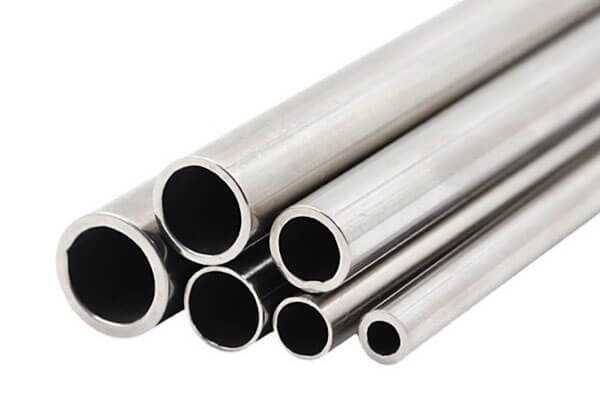
На відміну від мартенситних нержавіючих сталей, звичайні феритні нержавіючі сталі зазвичай не загартований через звичайну термічну обробку загарту та відпустки.
Їх кінцеві властивості в першу чергу визначаються хімічним складом, термомеханічна обробка, відпал, Зернова структура, і холодна деформація.
Тому феритну нержавіючу сталь краще розуміти як окрему металургійну сімейство, а не просто як дешевшу альтернативу аустенітній нержавіючій сталі.
3. Хімічний склад феритної нержавіючої сталі
Хімічний склад є одним із найважливіших факторів, що контролюють характеристики феритної нержавіючої сталі.
Хром забезпечує фундаментальну характеристику нержавіючої сталі, при цьому вуглець, азот, молібден, титан, ніобій, та інші елементи налаштовані для досягнення певних комбінацій стійкості до корозії, механічні властивості, зварюваність, і термічна стабільність.
Типовий хімічний склад
Склад суттєво відрізняється між окремими сортами. Наступні значення представляють типові діапазони для звичайних промислових феритних нержавіючих сталей, не універсальні межі специфікації.
| Елемент | Типовий діапазон / Рівень | Первинна металургійна функція |
| Хром (Cr) | ~10,5–30% | Пасивація, Корозійна стійкість, феритова стабілізація |
| Вуглець (C) | Загалом низький, часто ≤0,08% | Зміцнення; надмірні рівні можуть сприяти сенсибілізації |
| Азот (П.) | Загалом низький | Зміцнення; надмірні рівні можуть погіршити феритні властивості |
| Молібден (Mo) | 0–4%+ залежно від класу | Покращує стійкість до ямкової та щілинної корозії |
| Титан (На) | Залежно від оцінки | Стабілізує вуглець і азот |
Ніобій (NB) |
Залежно від оцінки | Стабілізує вуглець і азот; покращує якість зварювання |
| Нікель (У) | Зазвичай низький | Контролюється для підтримки стабільності феритної фази |
| Марганець (Мн) | Зазвичай обмежена | Розкислення та контроль сплавів/процесів |
| Кремнію (І) | Зазвичай обмежена | Розкислення та стійкість до окислення |
Точні межі завжди слід брати з відповідної специфікації матеріалу, такі як застосовні ASTM, У, Він є, або інший національний/міжнародний стандарт, оскільки самі по собі номінальні назви сортів не визначають усі допустимі межі складу.
4. Основні види та марки феритної нержавіючої сталі
Феритні нержавіючі сталі охоплюють широкий спектр сплавів на основі хрому, від економічних марок, розроблених для автомобільних вихлопних систем, до марок з високим вмістом хрому та молібдену, призначених для вимогливих корозійних та високотемпературних середовищ.
У наведених нижче таблицях репрезентативні оцінки розподіляються на три практичні категорії: стандартні феритні марки, високохромистих феритних марок, і литі феритні нержавіючі сталі.
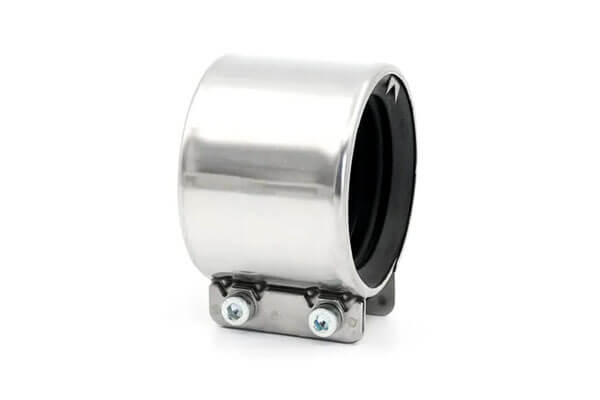
Стандартні феритні марки (400 Серія)
Ці марки широко використовуються, оскільки вони забезпечують практичний баланс стійкості до корозії, виробництво, термічна продуктивність, і вартість.
Такі оцінки 409 і 430 особливо важливі в автомобільній промисловості, прилад, архітектурний, та загальні промислові програми.
| Сорт | США | Приблизний склад | Ключові характеристики | Типові програми |
| 409 | S40900 | Cr 10,5–11,7%; C ≤0,08%; Стабілізований | Економна феритна нержавіюча сталь з хорошою стійкістю до окислення та достатньою стійкістю до корозії; підходить для експлуатації при підвищених температурах | Автомобільні вихлопні системи, вихлопні труби, компоненти каталітичного нейтралізатора |
| 410Л | S41003 | Cr 11,5–13,5%; C ≤0,03% | Дуже низький вміст вуглецю покращує зварюваність і знижує ризик сенсибілізації, пов’язаної зі зварюванням; Помірна корозійна стійкість | Автомобільні компоненти, структурні частини, резервуари для води, промислове обладнання |
| 430 | S43000 | Cr 16–18%; C ≤0,08% | Хороша загальна резистентність до корозії, магнітна поведінка, Хороша формуваність, і привабливий зовнішній вигляд поверхні; широкодоступний і економічний | Прилади, кухонна техніка, Автомобільна обробка, архітектурні панелі |
430Л |
S43003 | Cr 16–18%; C ≤0,03% | Низьковуглецевий варіант 430 з покращеною зварюваністю та зниженою сприйнятливістю до міжкристалітної корозії | Зварне обладнання, обладнання для обробки їжі, архітектурні компоненти |
| 434 | S43400 | Cr 16–18%; Mo приблизно 0,5–1,0%; C ≤0,08% | Молібден покращує стійкість до локальної корозії порівняно зі звичайним 430; зберігає хорошу стійкість до окислення | Автомобільна обробка, витяжні компоненти, теплообладнання |
| 436 | S43600 | Cr 16–18%; Mo приблизно 0,5–1,0%; Ti/NB стабілізований | Стабілізована феритна марка з покращеною зварюваністю, Корозійна стійкість, і стійкість до міжкристалітної корозії | Автомобільні вихлопні системи, архітектурні компоненти, промислове обладнання |
Феритні сорти з високим вмістом хрому
Феритні нержавіючі сталі з високим вмістом хрому містять значно більше хрому, ніж звичайні марки серії 400.
Деякі також містять молібден і стабілізуючі елементи, такі як титан і ніобій.
Ці стратегії легування покращують стійкість до окислення, стійкість до локалізованої корозії, та високотемпературні показники.
| Сорт | США | Приблизний склад | Ключові характеристики | Типові програми |
| 439 | S43035 | Cr 17–19%; Стабілізований | Хороша стійкість до корозії та окислення з покращеною зварюваністю; підходить для експлуатації при підвищених температурах | Автомобільні вихлопні системи, Теплообмінники, водонагрівачі |
| 441 | S44100 | Cr 17–19%; На + Nb стабілізовано | Стабілізована феритна структура забезпечує хорошу зварюваність, Окислювальна стійкість, і стійкість до сенсибілізації | Автомобільні вихлопні системи, компоненти каталітичного нейтралізатора, Теплообмінники |
| 444 | S44400 | Cr 17–19%; Mo 1,5–2,5%; На + Nb стабілізовано | Низький вміст вуглецю та азоту в поєднанні з Mo забезпечують високу стійкість до точкової та щілинної корозії; Хороша зварюваність | Теплообмінники, системи гарячого водопостачання, обладнання для охолодження води, Хімічна обробка обладнання |
446 |
S44600 | Cr 23–27%; Низький c | Дуже високий вміст хрому забезпечує чудову стійкість до окислення та хорошу продуктивність при підвищених температурах | Компоненти печі, обладнання для термічної обробки, обладнання для високотемпературної хімічної обробки |
| 447 | S44700 | Cr 28–30%; Mo 2,0–3,0%; дуже низький C | Суперферритна нержавіюча сталь з чудовою стійкістю до локальної корозії та окислення, викликаної хлоридами | Хімічна обробка, обладнання для обробки морської води, Теплообмінники, Офшорне обладнання |
| 448 | S44800 | Cr 28–30%; Mo 3,5–4,2%; дуже низький C/N | Високолегована феритна нержавіюча сталь, що забезпечує виняткову стійкість до корозії та окислення в суворих умовах | Морське обладнання, Хімічна обробка, офшорні системи, важке хлоридне обслуговування |
Примітка: Точні хімічні обмеження залежать від застосовного ASTM, Asme, У, або специфікація UNS. Наведені вище склади надані як репрезентативні діапазони для інженерного порівняння.
Марки литої феритної нержавіючої сталі
Нижче наведено деякі найпоширеніші марки литої нержавіючої сталі.
Важливо, не кожна хромовмісна лита нержавіюча сталь, перерахована в сімействі ASTM A743/A744, є строго феритною за кімнатної температури; марки, такі як CA-15, умовно класифікуються як мартенситні.
Отже, конкретну металургійну класифікацію завжди слід підтверджувати відповідною специфікацією матеріалу.
| Литий клас | США | Ключові характеристики | Типові програми |
| CA-15 | J91150 | Сорт нержавіючої хромової лиття з хорошою загальною стійкістю до корозії та хорошою міцністю після відповідної термічної обробки; умовно класифікується як мартенситний, а не феритний | Компоненти насосів, Тіла клапана, компоненти турбіни, промислове лиття |
| CA-40 | J91151 | Більш висока твердість і міцність, ніж низьковуглецеві марки лиття хрому; хороша зносостійкість, але знижена зварюваність | Компоненти, стійкі до зносу, частини клапана, компоненти steam-service |
CB-30 |
J91330 | Більш високий вміст хрому забезпечує підвищену стійкість до корозії та окислення для литих компонентів | Хіміко-технологічне обладнання, деталі накачування, компоненти клапана |
| CC-50 | J91450 | Дуже високий вміст хрому забезпечує сильну стійкість до окислення та корозії, особливо в середовищах з підвищеною температурою | Високотемпературне хімічне обладнання, компоненти печі, корозійностійкі виливки |
5. Ключові властивості феритної нержавіючої сталі
Феритні нержавіючі сталі характеризуються a кубічний (BCC) феритна матриця, хром як основний легуючий елемент, і загалом низький вміст вуглецю та нікелю.
Їх сукупність корозійної стійкості, магнітна поведінка, відносно низьке теплове розширення,
а теплопровідність від середньої до доброї робить їх особливо придатними для автомобільних вихлопних систем, прилади, Теплообмінники, архітектурні компоненти, та промислове обладнання.
Наведені нижче значення надають корисні інженерні орієнтири для типових марок фериту:
| Власність | Типовий асортимент феритної нержавіючої сталі | Представницький сорт / Цінність | Інженерне значення |
| Модуль пружності | ~200–215 ГПа | Тип 430: ~ 200 ГПА | Визначає пружну жорсткість |
| Щільність | ~7,6–7,8 г/см³ | Тип 430: ~7,7 г/см³ | Відповідає вазі компонента |
| Коефіцієнт теплового розширення | ~9–11 × 10⁻⁶/K | Тип 430: ~10,4 × 10⁻⁶/K | Важливо для теплового спотворення |
| Теплопровідність | ~24–27 Вт/(м · k) | Тип 430: ~26 Вт/(м · k) | Впливає на теплообмін |
Питома теплоємність |
~440–500 Дж/(кг·К) | Залежно від оцінки | Використовується в теплових розрахунках |
| Питомий електричний опір | ~0,55–0,65 мкОм·м | Залежно від оцінки | Відносно до електричних/термічних застосувань |
| Магнітна поведінка | Феромагнітний при кімнатній температурі | Більшість феритних марок | Корисно для магнітних застосувань |
| Діапазон плавлення | ~1425–1510°C | Залежно від оцінки | Важливий для лиття та зварювання |
До цих цифр слід ставитися як референтні значення, не замінює специфікації.
Для проектування компонентів, відповідний ASTM, У, Він є, або іншого стандарту на матеріал, і сертифікований звіт про випробування матеріалу повинен мати пріоритет.
Корозійна стійкість
Стійкість до корозії є однією з основних причин використання феритної нержавіючої сталі.
Хром утворює тонкий, дотриманий, і самовідновлення збагачена хромом пасивна плівка на сталеву поверхню.
Коли вміст хрому достатньо високий і поверхня залишається хімічно чистою, цей пасивний шар значно знижує швидкість корозії в багатьох атмосферних і водних середовищах.
Стійкість до корозії феритної нержавіючої сталі зазвичай підвищується з вмістом хрому, тоді як додавання молібдену може додатково підвищити стійкість до локальної корозії, особливо точкової та щілинної корозії.
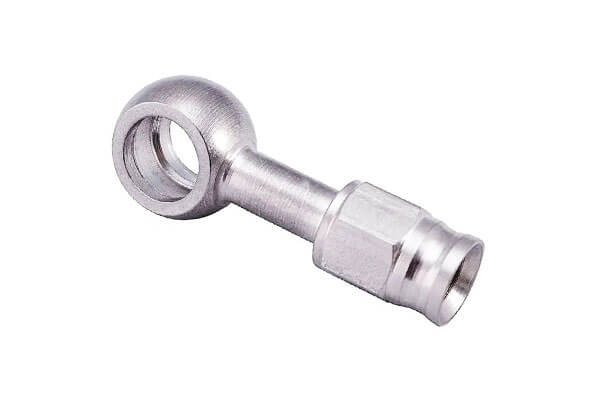
Наприклад, Aisi 430 забезпечує корисну стійкість до корозії для внутрішніх і помірно корозійних середовищ, тоді як стабілізовані сорти, такі як 439 і 441 широко використовуються в автомобільних вихлопних системах.
Високолеговані марки, такі як 444 забезпечують значно кращу стійкість до середовищ, що містять хлориди, і підходять для застосування з гарячою водою та певними хімічними середовищами.
При оцінці корозійних характеристик слід враховувати кілька факторів:
- Вміст хрому: Вищий Cr загалом покращує стійкість до пасивації та окислення.
- Вміст молібдену: Mo підвищує стійкість до точкової та щілинної корозії.
- Вуглець і азот: Надлишок інтерстиціальних елементів може сприяти виснаженню хрому під час термічного впливу.
- Стабілізація: Добавки титану або ніобію допомагають зв'язувати вуглець і азот, підвищення стійкості до сенсибілізації після зварювання.
- Стан поверхні: Шліфування, полірування, марита, і пасивація може сильно вплинути на практичну корозійну поведінку.
- Сервісне середовище: Концентрація хлоридів, температура, рН, вологість, і час витримки впливають на ефективність корозії.
Таким чином, феритна нержавіюча сталь є особливо привабливою там, де необхідна стійкість до корозії, але надзвичайна корозійна здатність аустенітної нержавіючої сталі, що містить нікель, непотрібна.
6. Механічні властивості феритної нержавіючої сталі
На механічну поведінку феритної нержавіючої сталі сильно впливає вміст хрому, рівні вуглецю та азоту, розмір зерна, стабілізація сплаву, Холодна робота, і робоча температура.
Загалом, феритні марки пропонують корисну комбінацію від середньої до високої міцності, адекватна пластичність, хороша втома, і хороша розмірна стабільність.
Типові механічні характеристики
| Механічна характеристика | Типова поведінка феритної нержавіючої сталі | Інженерне значення |
| Модуль пружності | Приблизно 200 GPA | Забезпечує хорошу пружну жорсткість і стабільність розмірів |
| Похідна сила | Зазвичай приблизно 200–400 МПа для багатьох стандартних марок | Визначає стійкість до остаточної деформації |
| Сила на розрив | Зазвичай приблизно 400–600 МПа, залежно від ступеня та стану | Визначає граничну навантажувальну здатність при розтягуванні |
Подовження |
Часто приблизно 15-30%, але сильно залежить від оцінки | Вказує на доступну пластичність під час формування та перевантаження |
| Твердість | Загалом помірний у відпаленому стані | Впливає на зносостійкість і оброблюваність |
| Вплив міцність | Сильно залежить від класу, розмір зерна, температура, і обробки | Важливо для застосування при низьких температурах і ударних навантаженнях |
Феритні нержавіючі сталі також зазвичай демонструють обмежене зміцнення за допомогою звичайної термічної обробки.
На відміну від мартенситних нержавіючих сталей, вони зазвичай не можуть бути перетворені в мартенситну структуру високої твердості шляхом загартування.
Натомість їхні механічні властивості контролюються в основному через сплав, вдосконалення зерна, Холодна робота, і термомеханічної обробки.
Холодна обробка може збільшити міцність і твердість, але надмірна холодна деформація може знизити пластичність і збільшити складність формування.
Для вимогливих додатків, матеріальний стан—наприклад, відпалений, холодний, або стабілізована, тому слід вказувати разом із маркою нержавіючої сталі.
При низьких температурах, особливої уваги заслуговує міцність. Деякі феритні нержавіючі сталі можуть демонструвати a перехід пластичності в крихкість, що принципово відрізняється від поведінки багатьох аустенітних нержавіючих сталей.
Подрібнення зерна та низький вміст вуглецю/азоту можуть покращити міцність, але феритні класи слід вибирати ретельно для ударокритичних або кріогенних застосувань.
7. Зварюваність феритної нержавіючої сталі
Зварюваність суттєво відрізняється для різних марок феритної нержавіючої сталі.
Сучасний низьковуглецевий, стабілізовані марки зазвичай мають набагато кращу зварюваність, ніж старіші високовуглецеві феритні склади, але феритні нержавіючі сталі потребують більш ретельного контролю зварювання, ніж багато звичайних аустенітних марок.
Основним металургійним концерном є укрупнення зерна в зоні теплового впливу (HAZ).
Оскільки феритні нержавіючі сталі під час зварювання залишаються переважно феритними, високе підведення тепла може утворювати грубе зерно. Грубозернисті ділянки ЗТВ можуть демонструвати знижену пластичність і міцність.
Ще одна проблема утворення карбіду або нітриду хрому.
Якщо присутня достатня кількість вуглецю або азоту, термічний вплив під час зварювання може спричинити виснаження хрому поблизу меж зерен, потенційно знижуючи стійкість до локальної корозії.
Ось чому оцінки стабілізувалися титан або ніобій, наприклад 409, 439, 441, і 444, зазвичай вибираються для зварювальних робіт.
Важливі міркування щодо зварювання
| Коефіцієнт зварювання | Потенційна проблема | Рекомендований контроль |
| Надмірне введення тепла | Огрубіння зерна та зниження в'язкості | Використовуйте контрольоване введення тепла |
| Висока міжпрохідна температура | Надмірне термічний вплив | Контроль міжпрохідної температури |
| Високий вміст вуглецю/азоту | Сенсибілізація та схильність до корозії | Віддавайте перевагу сортам з низьким вмістом C/N або стабілізованим |
| Швидке або неконтрольоване охолодження | Залишкова напруга та деформація | Встановіть відповідну процедуру зварювання |
| Невідповідність наповнювача та металу | Знижена корозійна або механічна продуктивність | Вибирайте наповнювач, виходячи з вимог обслуговування |
| Поверхневе забруднення | Дефекти зварних швів і знижена стійкість до корозії | Ретельне очищення до і після зварювання |
TIG, Я/Маг, Лазерне зварювання, і контактне зварювання можна використовувати залежно від геометрії компонента, товщина, обсяг виробництва, та вимоги до ефективності.
Після зварювання, марикання та пасивація може знадобитися відновлення стійкості до корозії шляхом видалення термофарбування, забруднення вільним залізом, та інші забруднення поверхні.
Для критичних компонентів, Атестація процедури зварювання повинна стосуватися не тільки візуальної якості зварювання, але й властивостей на розтяг, Корозійна поведінка, спотворення, і характеристик ЗТВ, де це можливо.
8. Формуваність та обробка
Формування
Феритні нержавіючі сталі, як правило, демонструють хороші характеристики холодного формування, особливо якщо поставляється в розпаленому стані.
Їх подовження зазвичай падає в 20–30% діапазон для багатьох комерційних сортів, забезпечення достатньої пластичності для вигину, утворення рулону, штампування, та інші операції з листового металу.
Однак, продуктивність формування залежить не тільки від подовження.
Похідна сила, анізотропія, Працює загартовування, Товщина листа, Зернова структура, геометрія інструменту, і змащення можуть вплинути на кінцевий результат.
Для точного формування, необхідно контролювати такі параметри:
- Мінімальний радіус вигину
- Напрямок прокатки
- Зазор інструменту
- Змащування
- Послідовність формування
- Компенсація відкидання
- Захист поверхні
Феритні сорти можуть бути особливо привабливими для великих листових компонентів, оскільки вони поєднують розумну пластичність із відносно стабільною поведінкою розмірів.
Обробка
Ферритні нержавіючі сталі, як правило, підходять для традиційних Обробка з ЧПУ.
Однак, параметри обробки повинні бути оптимізовані для конкретного сорту, оскільки хром, молібден, твердість матеріалу, і теплопровідність впливають на сили різання та довговічність інструменту.
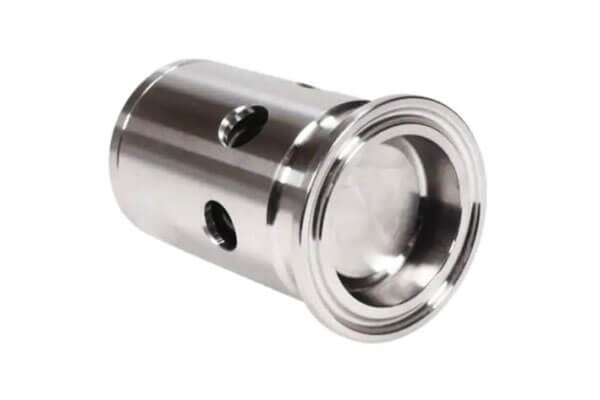
Типові операції механічної обробки включають:
Токарна обробка з ЧПУ → фрезерування → свердління → розгортання → шліфування → полірування
Для точних компонентів, допуски на розміри ±0,01 мм або більше може бути досягнуто в умовах контрольованої обробки з ЧПК,
але досяжний допуск залежить від геометрії компонента, здатність машини, робочий холдинг, матеріальний стан, і термостабільність, а не тільки на нержавіючу сталь.
Під час обробки, надмірне тепло різання може спричинити відхилення розмірів. Це особливо важливо для тонкостінних компонентів і прецизійних деталей із вузькими допусками положення.
9. Оздоблення поверхні феритної нержавіючої сталі
Оздоблення поверхні відіграє важливу роль у стійкості до корозії, зовнішність, очищення, поведінка при зношуванні, та розмірні характеристики компонентів із феритної нержавіючої сталі.
| Поверхнева обробка | Типові характеристики | Типові програми |
| 2Б | Холоднокатаний, термічно обробляється, маринований, і злегка шкіра пройшла; гладка і відносно відбиваюча | Прилади, загальнопромислові компоненти, архітектурні панелі |
| Бакалавр | Яскрава відпалена поверхня з високою відбивною здатністю та гладким виглядом | Автомобільна обробка, прилади, декоративні компоненти |
| Ні. 3 | Грубе механічне полірування | Архітектурні та промислові компоненти |
| Ні. 4 | Тонка спрямована обробка, зазвичай виготовляється з абразивними стрічками | Прилади, архітектурні панелі, кухонна техніка |
лінія волосся |
Штраф, суцільне спрямоване зерно | Декоративні архітектурно-інтер'єрні компоненти |
| Дзеркальна полірована | Поверхня з високим відбиттям досягається завдяки прогресивному полірованню | Декоративні компоненти та преміальні архітектурні додатки |
| Електропладний | Електрохімічне видалення поверхневого матеріалу; гладка і чиста поверхня | Гігієнічний, точність, і чутливі до корозії програми |
| Мариновані та пасивовані | Видаляє масштаб, відтінок, і забруднення поверхні та відновлює чисту пасивну поверхню | Зварні та чутливі до корозії компоненти |
10. Застосування феритної нержавіючої сталі
Феритна нержавіюча сталь широко використовується при поєднанні корозійної стійкості, Окислювальна стійкість, магнітна поведінка, термічна стабільність, помірна механічна міцність, і потрібна економічна ефективність.
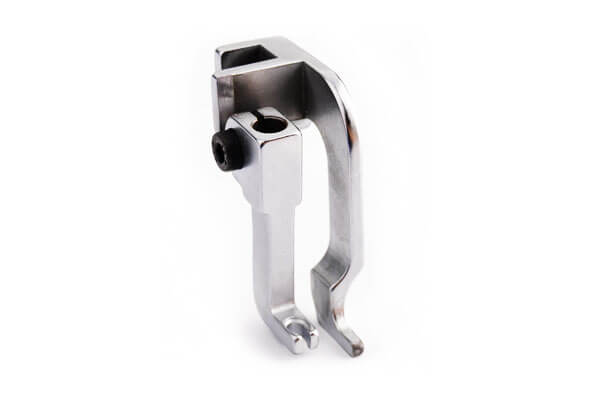
Автомобільні вихлопні системи
Автомобільний Вихлопні системи є одними з найважливіших застосувань феритної нержавіючої сталі.
Такі оцінки 409, 439, і 441 зазвичай вибираються для випускних колекторів, труби, компоненти каталітичного нейтралізатора, глушники, і відповідні термостійкі частини.
Матеріал повинен витримати:
- Повторний термоцикл
- Високі температури вихлопних газів
- Окислення
- Конденсатна корозія
- Вібрація і механічна втома
Відносно низький коефіцієнт теплового розширення та хороша стійкість до високотемпературного окислення роблять феритні марки особливо придатними для цього середовища.
Побутова техніка
430 нержавіюча сталь широко використовується в побутових приладах, оскільки поєднує в собі стійкість до корозії, привабливий вигляд, магнітна поведінка, Формування, і відносно низька вартість.
Типові продукти включають:
- Холодильні панелі
- Компоненти посудомийної машини
- Компоненти печі та плити
- Кухонна техніка
- Оздоблення приладу
- Компоненти пральної машини
Його магнітна природа також може бути корисною там, де потрібне магнітне кріплення.
Теплообмінники та водогрійне обладнання
Стабілізовані феритні марки, такі як 439 і 444 може забезпечити привабливе поєднання стійкості до корозії та теплових характеристик.
Вони використовуються в:
- Компоненти теплообмінника
- Водонагрівачі
- Системи гарячого водопостачання
- Водоохолоджувальне обладнання
- Конденсатори
- Обладнання для термічної обробки
Відносно висока теплопровідність і низьке теплове розширення феритної нержавіючої сталі можуть допомогти покращити термічну стабільність.
Архітектурно-декоративні компоненти
Ферритна нержавіюча сталь також використовується для архітектурних застосувань, де потрібна помірна стійкість до корозії та зовнішній вигляд поверхні.
Типові програми включають:
- Внутрішні стінові панелі
- Елеваторні панелі
- Декоративна обробка
- Архітектурне облицювання
- Комплектуючі для меблів
- Обладнання для кухні та торгівлі
Такі оцінки 430 може забезпечити хороший баланс між зовнішнім виглядом поверхні, Формування, Корозійна стійкість, і вартість.
Промислове та хімічне обладнання
Ферити з високим вмістом хрому та молібдену можна використовувати в окремих промислових середовищах, де потрібна покращена стійкість до корозії та окислення.
Наприклад, 444 можна розглядати для певних середовищ з гарячою водою та хлоридами, тоді як сорти з високим вмістом хрому, такі як 446 підходять для компонентів, стійких до окислення при підвищеній температурі.
Однак, феритну нержавіючу сталь не слід автоматично вибирати для високоагресивних хімічних або морських середовищ.
Точне середовище, температура, концентрація хлориду, і механізм корозії необхідно оцінити перед вибором матеріалу.
11. Порівняльний аналіз: Феритні vs. Аустеніт проти. Мартенситна нержавіюча сталь
Феррит, аустенітний, і мартенситні нержавіючі сталі представляють три основні металургійні групи нержавіючої сталі.
Їхні відмінності походять передусім із кристалічна структура, хімія сплаву, Фазова стабільність, і реакція на термічну обробку, які в свою чергу визначають механічні властивості, Корозійна стійкість, зварюваність, магнітна поведінка, та типові програми.
| Власність | Ферритна нержавіюча сталь | Аустенітна нержавіюча сталь | Мартенситна нержавіюча сталь |
| Типові оцінки | 409, 430, 439, 441, 444 | 304, 304Л, 316, 316Л, 321, 310 | 410, 420, 440A, 440Б, 440C |
| Типова кристалічна структура при робочій температурі | BCC Ferrite | FCC Austenite | BCT/BCC мартенситна структура Після затвердіння |
| Типовий вміст Cr | Приблизно 10.5–30% | Приблизно 16–26% | Приблизно 11.5–18% |
| Типовий вміст Ni | Загалом дуже низька або відсутня | Загальноприйнятий 8–20%+ | Загалом низький, хоча деякі сорти містять Ni |
| Вміст вуглецю | Загалом низький, особливо в сучасних класах | Від дуже низького до помірного; доступно багато марок з низьким вмістом вуглецю | Зазвичай вище, ніж феритні та аустенітні класи |
| Магнітна поведінка | Магнітний | Загалом немагнітний у відпаленому стані; холодна робота може викликати певний магнетизм | Магнітний |
| Термічна обробка для загартування | Загалом не піддається загартуванню звичайним способом | Загалом не піддається загартуванню звичайним способом | Може піддаватися загартуванню і відпуску |
Рівень міцності |
Помірний; можна збільшити шляхом холодної обробки | Помірний у відпаленому стані; відмінна працездатність | Від високого до дуже високого після термічної обробки |
| Твердість | Загалом помірний | Загалом помірний | Від помірного до дуже високого, залежно від ступеня та термічної обробки |
| Пластичність | Помірний | Відмінний | Як правило, нижче, особливо в затверділому стані |
| Міцність | Помірний; в'язкість при низьких температурах може бути обмежена | Відмінний, в тому числі при низьких температурах | Помірний; сильно залежить від вмісту вуглецю та термічної обробки |
| Корозійна стійкість | Добре до дуже добре, залежно від вмісту Cr/Mo | Загалом відмінно, особливо для марок 316/316L і вищих сплавів | Помірний до добра; зазвичай нижчі, ніж аустенітні класи |
| Стійкість до ямкової/щілинної корозії | Добре підходить для марок з високим вмістом Cr/Mo, таких як 444 | Від дуже добре до відмінно у марках, що містять Mo, таких як 316L | Загалом помірний |
Теплопровідність |
Відносно високий для нержавіючої сталі; Зазвичай навколо 20–30 Вт/м·К | Опускатися; Зазвичай навколо 14–16 Вт/м·К для заг 304/316 оцінка | Загалом навколо 20–30 Вт/м·К, залежно від оцінки |
| Коефіцієнт теплового розширення | Відносно низький; Зазвичай навколо 10–11 × 10⁻⁶/K | Відносно високий; Зазвичай навколо 16–17 × 10⁻⁶/k для 304/316 | Загалом навколо 10–11 × 10⁻⁶/K |
| Зварюваність | Від середнього до хорошого для низьких C/стабілізованих сортів; ріст зерна необхідно контролювати | Загалом відмінно, особливо для 304L/316L | Загалом обмежений порівняно з аустенітними марками; може знадобитися попередній нагрів і обробка після зварювання |
| Формування | Помірний; підходить для згинання та багатьох операцій формування | Відмінний, особливо для глибокої витяжки та складного формування | Від середнього до поганого в загартованому стані |
| Обробка | Помірний; сильно залежить від класу та трудової поведінки | Помірний; зміцнення може збільшити складність обробки | Загалом добре підходить для марок вільної обробки або відпалу, але загартовані сорти важко обробляти |
Працює загартовування |
Відносно обмежений | Сильний нагарт, особливо в метастабільних класах | Обмежений порівняно з аустенітними марками |
| Низькотемпературна продуктивність | Обмежується можливим переходом від пластичного до крихкого | Чудова міцність при низьких температурах | Загалом обмежений порівняно з аустенітними марками |
| Стійкість до високотемпературного окислення | Добрий, особливо у класах з високим вмістом Cr | Від хорошого до відмінного залежно від вмісту Cr/Ni | Помірний до добра |
| Типові виробничі маршрути | Прокатка, штампування, згинання, зварювання, виготовлення | Прокатка, Глибокий малюнок, штампування, виробництво труб, зварювання | Прокатка/кування з подальшою термообробкою, обробка, шліфування |
| Типові програми | Автомобільні вихлопи, прилади, архітектурні панелі, Теплообмінники, водонагрівачі | Хімічна обробка, харчова техніка, фармацевтичне обладнання, трубопровід, Судна тиску, архітектурні структури | Ножі, хірургічні інструменти, клапани, насос, вали, компоненти турбіни, зносостійкі деталі |
Основна перевага |
Хороша стійкість до корозії з низькою вартістю сплаву, магнітний відгук, низьке теплове розширення | Відмінна резистентність до корозії, пластичність, міцність, і зварюваність | Висока твердість, міцність, і зносостійкість після термообробки |
| Головне обмеження | Нижча низькотемпературна в'язкість і здатність формуватися, ніж аустенітні марки | Вища вартість сплаву, більше теплове розширення, і взагалі немагнітна поведінка | Нижня стійкість до корозії, зварюваність, і міцність, ніж більшість аустенітних марок |
| Найкраще підходить для | Недорогі корозійно-стійкі компоненти та термічно стійкі додатки | Корозійний, зварений, високо сформований, або застосування при низьких температурах | Високоміцні і зносостійкі компоненти, що вимагають термічної обробки |
12. Висновок
Феритна нержавіюча сталь є важливою групою нержавіючих сталей, яка об’єднує Корозійна стійкість, магнітні властивості, відносно низьке теплове розширення, Хороша теплопровідність, та ефективність витрат.
Його переважно феритна структура BCC надає їй характерний профіль властивостей порівняно з аустенітною та мартенситною нержавіючої сталлю.
Ключові винос
- Феритна нержавіюча сталь характеризується кубічний (BCC) структура, магнітна поведінка, і низький вміст нікелю.
- Корозійна стійкість забезпечується хромом (10.5–30%); молібден і стабілізатори (На, NB) підвищення продуктивності.
- Оцінка від стандартних марок (409, 430) до високохромистих сортів (446) і стабілізовані сорти (439, 441, 444).
- Ключові властивості: Хороша резистентність до корозії, магнітний, Висока теплопровідність, низьке теплове розширення, і хороша формуваність.
- Обмеження: Нижча пластичність, DBTT, обмежена зварюваність, та ризик сенсибілізації.
- Заявки: Автомобільний вихлоп, прилади, архітектурний, Теплообмінники, переробка харчових продуктів, та хімічна обробка.
- Переваги: Економічний, SCC-стійкий, магнітний, і вторинна.
- Недоліки: Обмежена низькотемпературна в'язкість, проблеми зварюваності, і нижча стійкість до корозії, ніж аустенітні марки.
Для інженерних застосувань, правильний підхід полягає в оцінці повного сервісного середовища, включно з температура, вплив корозії, механічне навантаження, формування вимог, умови зварювання, Вимірні вимоги, і очікуваний термін служби.
Коли ці фактори належним чином враховані, феритна нержавіюча сталь може забезпечити високоефективне поєднання продуктивності, довговічність, і виробничої економіки.
LangHe – ваш надійний партнер із точних деталей із нержавіючої сталі
Промисловість є вузькоспеціалізованим виробником прецизійних компонентів з нержавіючої сталі, постачання високоякісних нестандартних деталей для різних галузей промисловості, від промислового обладнання та автомобільної до аерокосмічної, медичні прилади, і системи обробки рідин.
З десятиліттями практичного досвіду лиття по моделлю, точна обробка з ЧПУ, і комплексне оздоблення поверхні,
LangHe надає інтегроване виробниче рішення, розроблене для зменшення складності ланцюжка поставок і забезпечення незмінної якості продукції.
LangHe не просто постачальник кастингу; ми є інженерним партнером із повним набором послуг.
Від аналізу DFM і швидкого прототипування до виробництва, термічна обробка, та забезпечення якості, ми керуємо всім життєвим циклом виробництва.
Наш ISO 9001:2015 сертифікований заклад, власні інструментальні можливості, і суворі протоколи перевірок, включаючи ШМ, NDT, і випробування тиском — переконайтеся, що кожен компонент відповідає міжнародним стандартам або перевищує їх.
Зв’яжіться з нами сьогодні щоб обговорити ваш наступний проект і дізнатися, як LangHe може точно втілити ваші проекти в життя, якість, та ефективність.
Поширені запитання
Це феритна нержавіюча сталь магнітна?
Так. Феритні нержавіючі сталі, як правило Ферромагніт при кімнатній температурі через їхню феритну ОЦК структуру.
Ця характеристика робить їх придатними для застосувань, де потрібна магнітна відповідь.
Феритна нержавіюча сталь стійка до корозії?
Так, але рівень стійкості до корозії значно відрізняється між марками.
Сорт 430 забезпечує хорошу стійкість у багатьох атмосферних і помірно корозійних середовищах,
при цьому високолеговані марки, що містять молібден, наприклад 444, забезпечують значно кращу стійкість до точкових і хлоридовмісних середовищ.
Феритна нержавіюча сталь краще аустенітної?
Не обов’язково; це залежить від програми.
Феритні сорти кращі для застосувань, що вимагають магнітних властивостей, Хороша теплопровідність, і стійкість до розтріскування стресу (SCC). Крім того, вони економічніше.
Аустенітні марки забезпечують чудову стійкість до корозії, краща формувальність, і більш висока міцність при низьких температурах.
Чим відрізняється феритна нержавіюча сталь від мартенситної?
Феритна нержавіюча сталь не зміцнюється термічною обробкою і має структуру ОЦК.
Мартенситну нержавіючу сталь можна зміцнити термічною обробкою (гасіння та загартування) і має чотирикутник з центром тіла (BCT) структура. Мартенситні марки мають більш високий вміст вуглецю і вищу твердість.
Що таке DBTT феритної нержавіючої сталі?
Феритні нержавіючі сталі демонструють температуру переходу від пластичності до крихкості (DBTT) в діапазоні від -50°C до +20°C.
Нижче цієї температури, вони стають крихкими та чутливими до руйнування під ударним навантаженням. Це обмежує їх використання при низьких температурах.
Як феритна нержавіюча сталь порівнюється з вуглецевою сталлю?
Феритна нержавіюча сталь забезпечує значно кращу стійкість до корозії, ніж вуглецева сталь, завдяки вмісту хрому. Це також дорожче.
Однак, він поділяє деякі характеристики з вуглецевою сталлю, такі як бути магнітними та мати структуру BCC.
Чи можна загартувати феритну нержавіючу сталь?
Ні, феритна нержавіюча сталь не може бути загартована термічною обробкою. Його можна зміцнити тільки холодною обробкою (Працює загартовування).
Це відрізняє його від мартенситних марок, які можна гартувати загартуванням і відпуском.