

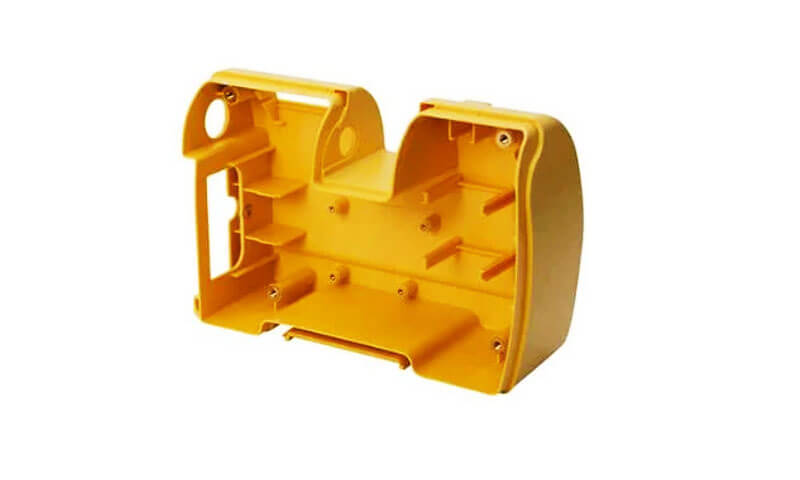
Поліуретан, зазвичай скорочується як PU або PUR, це універсальний клас полімерів, утворених шляхом реакції сполук, що містять ізоціанатні групи, з поліолами або іншими молекулами, що містять групи активного водню..
На відміну від багатьох звичайних пластмас, які мають відносно вузький діапазон властивостей, поліуретан може бути виготовлений у надзвичайно широкому спектрі — від м’якого, гнучких пін та еластомерів до жорстких конструкційних пін, покриття, клеї, герметики, і складні інженерні компоненти.
Ця універсальність насамперед завдяки поліуретану сегментована молекулярна структура і здатність змінювати його хімічний склад, щільність зшивання, структура клітини, та умови обробки.
Вибираючи різні поліоли, ізоціанати, подовжувачі ланцюга, каталізатори, піноутворювачі, і добавки, виробники можуть пристосувати поліуретан до таких вимог, як амортизація, стійкість до стирання, Теплоізоляція, хімічна стійкість, гнучкість, Поглинання удару, і розмірна стабільність.
У цій статті розглядається, що таке поліуретан як з a матеріалознавча та виробнича перспектива, включаючи його хімічну структуру, основні види, властивості, Методи виробництва, переваги, обмеження, та інженерні програми.
1. Що таке поліуретан?
Поліуретан - це полімер, що містить значну кількість уретанові зв'язки, зазвичай представлений хімічною структурою:
–NH–CO–O–
Ці уретанові групи зазвичай утворюються в результаті реакції між ізоціанатними групами (– унтер-офіцера) і гідроксильну групу (–Ой):
Р–НКО + R′–OH → R–NH–CO–O–R′
Ця реакція є фундаментальною хімічною основою виробництва поліуретану.
Однак, комерційні поліуретанові матеріали рідко складаються лише з простих повторюваних уретанових частин.
Їх молекулярні структури також можуть містити ефіру, складний ефір, сечовина, карбонатний, ароматичний, аліфатичний, або інші функціональні групи, в залежності від обраної сировини.
Ось чому два продукти, названі «поліуретаном», можуть мати кардинально різні властивості.
Наприклад, гнучкий пінополіуретан, який використовується в меблях, може бути м'яким і дуже пружним, тоді як поліуретановий еластомер, який використовується для промислових роликів, може мати високу твердість, Сила на розрив, і стійкість до стирання.
Жорсткий пінополіуретан, який використовується в холодильному обладнанні, тим часом, в першу чергу розроблений для низької теплопровідності та стабільності розмірів.
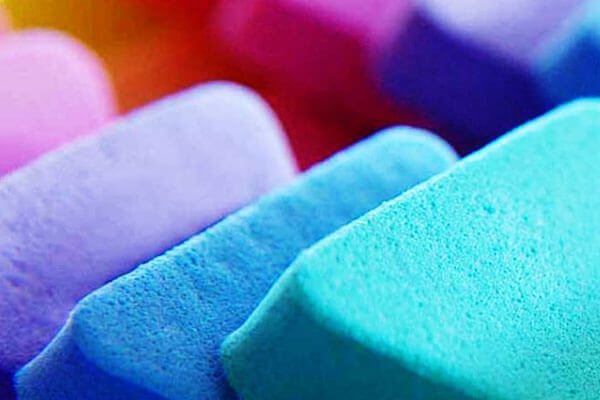
Термореактивні та термопластичні поліуретани
Поліуретанові матеріали можна загалом розділити відповідно до їх молекулярної архітектури та способів обробки.
Термореактивний поліуретан розвиває постійну зшиту мережу під час затвердіння.
Після достатнього лікування, його не можна просто розплавити та змінити форму без хімічної деградації.
Багато литих еластомерів, покриття, клеї, і жорсткі поліуретанові системи належать до цієї категорії.
Термопластичний поліуретан (ТПУ) містить переважно лінійні або фізично пов'язані полімерні структури і може бути розм'якшений нагріванням і багаторазово оброблятися в межах вікна термічної обробки.
TPU поєднує багато характеристик еластомерів із термопластичними методами обробки, такими як лиття під тиском і екструзія.
Розрізнення важливе, оскільки воно безпосередньо впливає на виробництво, Переробка, ремонтопридатність, і продуктивність кінцевого використання.
Основні характеристики поліуретану
Хоча склади поліуретану значно відрізняються, багато поліуретанових матеріалів демонструють корисне поєднання механічних і хімічних властивостей.
Типові характеристики включають:
- Висока стійкість до стирання та зносу
- Хороша еластичність і пружність
- Регульована жорсткість
- Хороша ударостійкість
- Хороша стійкість до масел і багатьох хімічних речовин
- Чудова адгезія до багатьох основ
- Хороша втома
- Широка гнучкість обробки
- Хороша теплоізоляція у стільникових форм
- Можливість виготовляти як гнучкі, так і жорсткі конструкції
Точна ефективність сильно залежить від рецептури.
Наприклад, поліуретан часто має високу стійкість до стирання, але стійкість до гідролізу, УФ-випромінювання, спека, або конкретні хімічні речовини суттєво відрізняються для різних поліуретанів.
Отже, Вибір матеріалу завжди повинен базуватися на специфічний склад поліуретану та робоче середовище, а не на загальний термін «ПУ».
2. Хімічний склад і молекулярна структура поліуретану
Поліуретан (Пу) це не окрема хімічна сполука, а широке сімейство полімерів, властивості яких можна адаптувати за допомогою вибору та співвідношення різних хімічних будівельних блоків.
Основна поліуретанова реакція відбувається між ізоціанатні групи (– унтер-офіцера) і гідроксильні групи (–Ой), виробництво уретанових зв'язків.
За рахунок зміни молекулярної структури, функціональність, молекулярна маса, і співвідношення реагентів, виробники можуть виробляти різні матеріали від гнучких пінопластів і еластомерів до жорстких пінопластів, покриття, клеї, і високоміцні інженерні компоненти.
Основні хімічні будівельні блоки
Дві основні родини реагентів: ізоціанати та поліоли.
Інші компоненти, включаючи подовжувачі ланцюга, зшивачі, каталізатори, піноутворювачі, ПАР, і добавки до продуктивності, вводяться при специфічних механічних, термічний, обробка, або необхідні екологічні характеристики.
| Категорія компонента | Первинна функція | Загальні приклади |
| Ізоціанати | Створюйте реактивні групи сержантського складу та сприяйте складним сегментам, міцність, жорсткість, та хімічна стійкість | MDI, TDI, HDI, IPDI |
| поліоли | Формують м'які сегменти і сильно впливають на гнучкість, еластичність, стійкість до гідролізу, і поведінка при низьких температурах | Поліефірні поліоли, поліефірні поліоли, полікарбонатні поліоли |
| Подовжувачі ланцюга | Збільшує вміст жорстких сегментів і регулює молекулярну масу, твердість, Сила на розрив, і фазова структура | 1,4-Бутандіол (BDO), етиленгліколь, діаміни |
| Зшиваючі засоби | Ввести тривимірні мережеві структури та підвищити жорсткість, розмірна стабільність, і теплову стійкість | Триметилолпропан (TMP), багатофункціональні поліоли |
Каталізатори |
Контролюйте швидкість реакції та впливайте на баланс між конкуруючими поліуретановими реакціями | Третинні аміни, металоорганічні каталізатори |
| Піноутворювачі | Генерують газ і створюють комірчасту структуру пінополіуретану | Вода, пентан, Co₂, вибрані фізичні спінювачі |
| ПАР | Стабілізуйте піну, що розвивається, і контролюйте розмір комірок, рівномірність, і морфологія | ПАР на основі силікону |
| Добавки | Змініть конкретні робочі характеристики, такі як вогнестійкість, УФ-стійкість, забарвлення, Окислювальна стійкість, або поведінка обробки | Антипірени, УФ-стабілізатори, антиоксиданти, пігменти |
3. Основні види поліуретану
Поліуретан — це універсальна група полімерів, а не окремий матеріал із фіксованими властивостями.
Змінюючи ізоціанат, поліол, подовжувач ланцюга, щільність зшивання, система продування, та умови обробки, виробники можуть виробляти поліуретанові матеріали, починаючи від м’яких і високогнучких пінопластів до жорстких конструкційних полімерів і високоефективних еластомерів.
Гнучка поліуретанова піна
Гнучкий пінополіуретан характеризується відкритою осередковою структурою, відносно низька щільність, і висока стійкість.
Його виробляють шляхом поєднання поліолів та ізоціанатів з спінювачами та іншими добавками в умовах контрольованого піноутворення..
Його взаємопов'язана клітинна структура дозволяє матеріалу багаторазово стискатися та відновлюватися.
Щільність піни, розмір комірки, твердість, стійкість, і ступінь стиснення можна регулювати за допомогою формулювання та обробки.
Типові програми включають:
- Подушки для меблів і матраців
- Автомобільні сидіння та елементи салону
- Акустичні та вібраційні вироби
- Пакувальні та захисні матеріали
- Гнучкі ущільнювачі та амортизаційні елементи
Для амортизації, щільність, твердість вдавлення, стійкість, і набір компресії часто важливіші, ніж міцність на розрив.
Жорсткий пінополіуретан
Жорсткий пінополіуретан має переважно структуру закритих комірок і розрахований на високу жорсткість, розмірна стабільність, і теплоізоляція.
Його низька теплопровідність є насамперед результатом клітинної структури та газу, що міститься в клітинах.
Залежно від рецептури та процесу виробництва, жорсткі системи на основі PU та PIR можуть забезпечити чудову ізоляцію при відносно низькій щільності.
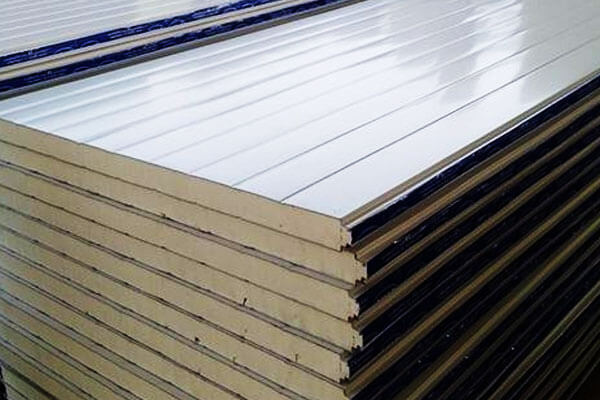
Загальне застосування включає ізоляцію будівель, холодильне обладнання, холодильні панелі, ізольовані труби, та ізоляція приладів.
Типовий склад твердої піни повинен збалансувати декілька властивостей одночасно:
| Власність | Важливість |
| Щільність | Впливає на силу, розмірна стабільність, і теплові показники |
| Зміст із закритою коміркою | Важливий для ізоляції та вологостійкості |
| Міцність на стиск | Визначає несучу здатність |
| Теплопровідність | Критичний для енергоефективних програм |
| Стабільність розмірів | Контролює тривалу роботу при зміні температури |
| Показники горючості | Важливо для будівництва та транспортування |
Поліуретанові еластомери
Поліуретанові еластомери займають важливе місце між звичайною гумою та жорсткими інженерними пластиками.
Вони можуть поєднувати відносно високу міцність на розрив і стійкість до стирання зі значною пружною деформацією.
Вони доступні як термопластичний поліуретан (ТПУ), литі поліуретанові еластомери, і термореактивні системи.
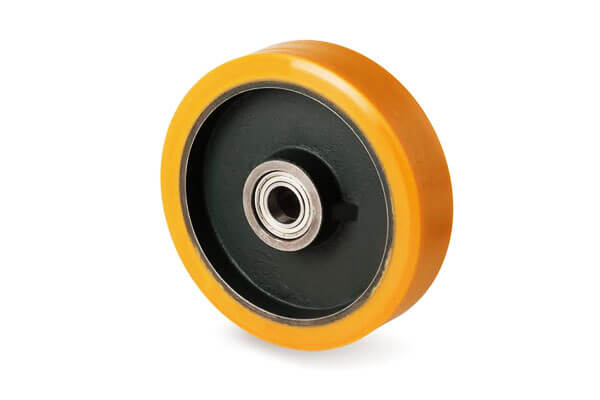
Поліуретанові еластомери особливо цінуються для застосувань, що включають багаторазове механічне навантаження, вплив, тертя, або стирання.
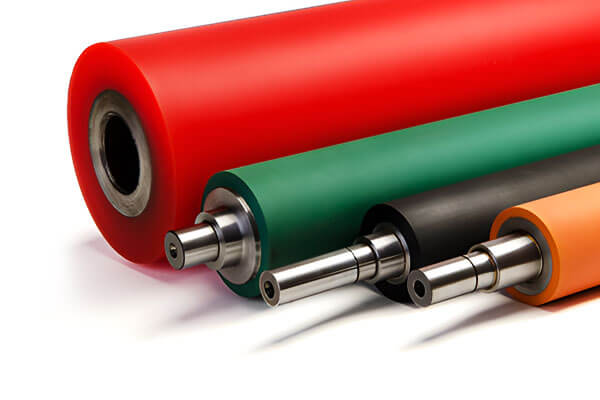
Колеса, ролики, ущільнювачі, прокладки, втулки, компоненти конвеєра, і промислові частини, що зношуються, є типовими прикладами.
Їх продуктивність сильно залежить від вмісту жорсткого сегмента та молекулярної архітектури.
Збільшення концентрації твердих сегментів зазвичай збільшує твердість і модуль, в той час як відповідний хімічний склад м’яких сегментів підтримує еластичність і подовження.
Термопластичний поліуретан (ТПУ)
TPU — це термопластична форма поліуретану, яку можна багаторазово розм’якшувати за допомогою нагрівання та обробляти за допомогою звичайних технологій виготовлення термопластів..
На відміну від високозшитого термореактивного поліуретану, Для досягнення механічних властивостей ТПУ в основному покладається на фізичні взаємодії та морфологію сегментованого полімеру.
Це робить його придатним для лиття під тиском, екструзія, Молодування, та інші безперервні виробничі процеси.
ТПУ може мати широкий діапазон твердості, як правило, від дуже м’яких еластомерних марок до відносно жорстких інженерних марок.
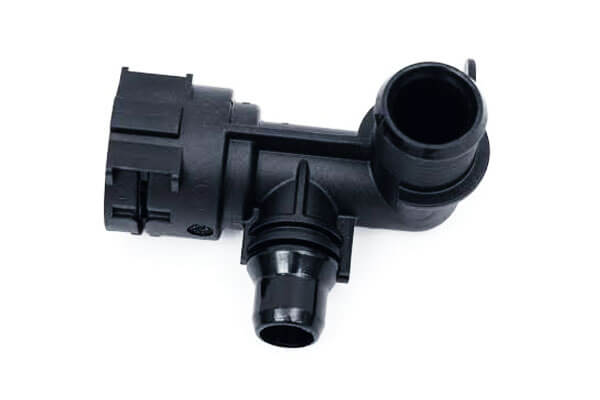
Типові програми включають:
- Оболочки та захисні оболонки кабелю
- Автомобільні компоненти
- Промислові шланги та трубки
- Ущільнювачі та гнучкі з'єднувачі
- Комплектуючі до взуття
- Корпуси споживчих товарів і захисні частини
Литий поліуретан
Литий поліуретан виготовляють шляхом змішування реакційноздатних компонентів і заливання рецептури у форму, де відбувається полімеризація та затвердіння.
Цей процес особливо корисний для виготовлення великих або індивідуальних еластомерних компонентів, які було б важко або неекономічно виробляти за допомогою звичайної обробки термопластів..
Литий поліуретан може бути розроблений для різних комбінацій твердості, еластичність, стійкість до розриву, стійкість до стирання, та хімічна стійкість.
Промислові катки, скребкові леза, носити вкладиші, ущільнювачі, втулки, і ударостійкі компоненти є типовими застосуваннями.
Поліуретанові покриття, клеї, і герметики
Поліуретан також широко використовується як функціональний поверхневий або сполучний матеріал, а не як об’ємний структурний компонент.
Поліуретанові покриття може забезпечити стійкість до стирання, хімічна стійкість, атмосферостійкість, гнучкість, і привабливе покриття поверхні. Вони використовуються на металах, пластмаси, деревина, бетон, та інші субстрати.
Поліуретанові клеї можуть утворювати міцні зв’язки між різнорідними матеріалами та використовуються в автомобільній промисловості, будівництво, взуття, меблі, і промислове складання.
Поліуретанові герметики поєднують адгезію з пружною деформацією, дозволяючи суглобам пристосуватися до руху, спричиненого тепловим розширенням, вібрація, або механічне зміщення.
4. Основні властивості поліуретану
Поліуретан (Пу) відрізняється надзвичайно широким діапазоном механічних, термічний, хімічний, і фізичні властивості.
На відміну від металів або багатьох звичайних термопластів, поліуретан — це сімейство матеріалів, характеристики яких можна суттєво змінити шляхом вибору ізоціанатного типу, хімія поліолів, вміст жорсткого сегмента, щільність зшивання, добавки, щільність, і клітинну структуру.
Отже, не існує єдиного набору механічних властивостей, який представляв би всі поліуретанові вироби.
Гнучкий поліефірний еластомер, жорстка ізоляційна піна, і литий поліуретан високої твердості можна хімічно класифікувати як поліуретан, демонструючи абсолютно різні характеристики.
Тому наступні значення слід розглядати як репрезентативні інженерні діапазони або приклади, а не універсальні специфікації.
Остаточний вибір матеріалу завжди повинен ґрунтуватися на перевіреній таблиці даних виробника відповідно до відповідного ASTM, ISO, або стандарт EN.
Механічні властивості
| Власність | Типовий інженерний діапазон / Приклад | Основні контролюючі фактори |
| Щільність – твердий еластомер | ~1,1–1,3 г/см³ | Хімія полімерів, наповнювачі |
| Щільність – жорсткий пінополіуретан | ~30–45 кг/м³ для багатьох ізоляційних продуктів | Система продування, формулювання, структура клітини |
| Сила на розрив | ~15–50+ МПа для багатьох еластомерів | Твердість, молекулярна структура, зшивання |
| Подовження | ~300–700% для багатьох гнучких еластомерів | Хімічний склад м’яких сегментів і щільність зшивання |
Твердість |
~45 Шор А до 70 Шор D+ | Контент з жорстким сегментом, зшивання |
| Теплопровідність – еластомер | ~0,15–0,25 Вт/(м · k), залежний від класу | Щільність і рецептура |
| Теплопровідність – жорсткий пінопласт | ~0,020–0,030 Вт/(м · k) | Будова клітини, газовий, щільність, старіння |
| Питомий об'ємний опір | Може досягати ~10¹³ Ω·см у відповідних класах | Формулювання, волога, температура |
| Довгострокова температура експлуатації | Загальні класи приблизно від -30 до +80°C; спеціалізовані розряди вищ | Хімія та рецептура полімерів |
Стирання та зношування
Поліуретан особливо добре відомий своєю стійкістю до абразивного зношування.
Правильно складений поліуретан може перевершити багато звичайних еластомерів у застосуваннях, що включають ковзання, прокатка, вплив, або повторний контакт.
Ця характеристика робить поліуретан привабливим для промислові ролики, компоненти конвеєра, носити вкладиші, ущільнювачі, колеса, втулки, і компоненти гірничого обладнання.
Однак, стійкість до стирання не є універсальною властивістю всіх марок поліуретану. Хімія поліолів, твердість, щільність зшивання, температура, контрфасовий матеріал, змащування, і механізм зносу можуть впливати на фактичний термін служби.
Еластичність і пружність
Гнучкі м'які сегменти поліуретану допускають значну оборотну деформацію. Це надає багатьом поліуретановим еластомерам відмінну пружність і характеристики віддачі енергії.
Пружність особливо важлива для компонентів, які піддаються багаторазовому стисненню або ударам.
Наприклад, поліуретанові колеса та ролики повинні деформуватися під навантаженням, одночасно відновлюючи свою форму досить швидко, щоб обмежити постійну деформацію та виділення тепла.
Таким чином, баланс між еластичністю та гістерезисом є важливим фактором у динамічних додатках.
Хімічна стійкість
Поліуретан зазвичай забезпечує хорошу стійкість до масел, мастило, паливо, і багато промислових хімікатів, хоча продуктивність суттєво відрізняється від формулювання.
Поліуретан на основі поліефіру часто забезпечує кращу стійкість до гідролізу, тоді як системи на основі поліестеру можуть мати переваги в певних механічних і хімічних середовищах.
Тому хімічну сумісність слід оцінювати порівняно з специфічна хімічна речовина, концентрація, температура, час контакту, і стан механічного навантаження а не покладатися на загальне твердження про те, що поліуретан хімічно стійкий.
Теплові властивості
Температурний діапазон використання поліуретану сильно залежить від його хімічного складу та фізичної структури.
Багато звичайних поліуретанових еластомерів ефективно працюють у широкому діапазоні помірних температур, в той час як спеціалізовані склади призначені для експлуатації при підвищених або низьких температурах.
При досить високих температурах, збільшується рухливість полімерного ланцюга і погіршуються механічні властивості. При низьких температурах, деякі склади стають значно жорсткішими та менш гнучкими.
Жорсткий пінополіуретан також цінується за низьку теплопровідність і тому широко використовується для теплоізоляції.
Стійкість до води та гідролізу
Стійкість до гідролізу особливо важлива на відкритому повітрі, морський, гідравлічний, і вологе середовище.
Поліуретан на основі поліефіру зазвичай забезпечує кращу стійкість до гідролітичного розкладання, ніж звичайний поліуретан на основі поліефіру.
Однак, поліефірний поліуретан може забезпечити чудові механічні та зносостійкі властивості у відповідних середовищах.
Для тривалого впливу води, При виборі матеріалу слід враховувати не тільки саму воду, але і температуру, рН, мікроорганізми, механічне напруження, і тривалість впливу.
Електричні властивості
Багато поліуретанових складів забезпечують корисні електроізоляційні характеристики, включаючи відносно високий питомий електричний опір і діелектричну міцність.
Ці властивості підтримують такі застосування, як оболонки кабелю, електрична інкапсуляція, Захисні покриття, та електронні компоненти.
Все -таки, електричні характеристики можуть змінюватися з температурою, вологість, частота, формулювання, і вміст наповнювача.
5. Твердість поліуретану
Твердість є однією з найбільш часто вказуваних властивостей поліуретану, особливо для еластомерів, ролики, колеса, ущільнювачі, прокладки, Захисні покриття, і стійкі до зносу компоненти.
Однак, твердість поліуретану не слід тлумачити просто як міру загальної міцності матеріалу.
У поліуретановій техніці, твердість в першу чергу описує матеріал стійкість до локальної деформації за певних умов випробування на вдавлення.
Що означає твердість поліуретану?
При застосуванні сили до поліуретанової поверхні, матеріал деформується навколо індентора.
Твердіший поліуретан демонструє менше відступів за вказаних умов випробування, тоді як більш м’який сорт зазнає більшої локальної деформації.
Оскільки поліуретан може варіюватися від дуже м’яких еластомерів до жорстких інженерних матеріалів, різні шкали твердості використовуються для різних діапазонів твердості.
Для гнучкого та еластомерного поліуретану, твердість зазвичай вимірюється за допомогою Шкала твердості за Шором.
Шор А зазвичай використовується для більш м’якого або помірно твердого поліуретану, в той час Шор Д використовується для більш жорстких рецептур.
Вибрану шкалу слід завжди повідомляти разом із значенням твердості, оскільки, наприклад, 80 Берег А і 80 Shore D представляють дуже різні матеріальні умови.
Загальні діапазони твердості поліуретану
| Діапазон твердості | Типові характеристики | Типова продуктивність | Представницькі заявки |
| 20–40 Шор А | Дуже м'який і дуже гнучкий | Висока відповідність, низький модуль, відмінна амортизація і поглинання вібрації | М'які ущільнювачі, прокладки, подушки, компоненти акустичного демпфування |
| 40–60 Шор А | М'який до середньої жорсткості | Хороша еластичність, стійкість, і гнучкість з помірною вантажопідйомністю | Гнучкі колеса, втулки, віброізолятори, компоненти взуття |
| 60–80 Шор А | Еластомер середньої жорсткості | Хороший баланс гнучкості, навантажувальна ємність, і стійкість до стирання | Ролики, колеса, втулки, компоненти конвеєра |
80–95 Шор А |
Твердий еластомер | Вища жорсткість, вантажопідйомність, і зносостійкість зі зниженою гнучкістю | Промислові катки, важкі колеса, Носіть прокладки, високонавантажені компоненти |
| 50–80 Шор Д | Дуже твердий поліуретан | Висока жорсткість і стабільність розмірів з високою стійкістю до ударів і зносу | Шестерні, кулачок, направляючі компоненти, структурні частини, зносостійкі компоненти |
Ці діапазони є репрезентативні, а не універсальні специфікації.
Комерційні поліуретанові склади можуть виходити за межі цих діапазонів, і співвідношення між твердістю та механічними властивостями залежить від хімічного складу полімеру, щільність зшивання, вміст наповнювача, температура, і метод тестування.
6. Процеси виробництва поліуретану
Поліуретан може бути виготовлений за допомогою декількох технологій обробки, а відповідний метод залежить від хімічного складу поліуретану, геометрія виробу, необхідна твердість, щільність, обсяг виробництва, розмірна толерантність, і продуктивність кінцевого використання.
Реакційне лиття під тиском (RIM)
Реакційне лиття під тиском — це високопродуктивний процес, у якому два або більше рідких поліуретанових компонента, як правило, ізоціанат і поліол, точно дозуються., змішаний, і вводять у закриту форму.
Хімічна реакція відбувається швидко всередині форми, де матеріал заповнює порожнину і згодом твердне в необхідну форму.
RIM особливо підходить для великих компонентів, оскільки відносно низька в'язкість реакційної системи дозволяє заповнювати складні форми з порівняно низьким тиском впорскування..
Зміцнюючі матеріали або наповнювачі також можуть бути включені в спеціалізовані склади для підвищення жорсткості, розмірна стабільність, або ударний опір.
Продукти:
Типові продукти RIM включають кузовні панелі автомобіля, бампери, спойлери, корпуси обладнання, конструкційні покриття, промислові корпуси, і великі легкі формовані компоненти.
Литий поліуретан
Литий поліуретан виготовляється шляхом змішування реактивних поліуретанових компонентів і заливання рідкої суміші в підготовлену форму.
Потім матеріал твердне при кімнатній температурі або при контрольованому нагріванні, залежно від рецептури.
Цей процес забезпечує значну гнучкість у формулюванні матеріалу.
Виробники можуть регулювати твердість, еластичність, стійкість до розриву, стійкість до стирання, характеристики демпфування, і хімічної стійкості шляхом вибору відповідних поліолів, ізоціанати, подовжувачі ланцюга, каталізатори, і добавки.
Литий поліуретан особливо цінний для виробів, що потребують висока зносостійкість, Поглинання удару, еластичність, або індивідуальна твердість.
Дегазація може бути виконана перед литтям, щоб звести до мінімуму захоплене повітря та внутрішні пустоти, особливо для точних компонентів.
Продукти:
Звичайні продукти включають промислові ролики, колеса, втулки, ущільнювачі, прокладки, Носіть прокладки, скребкові леза, віброізолятори, амортизатори, компоненти майнінгу, і індивідуальні поліуретанові вкладиші.
Стиснення ліплення
Для компресійного формування використовується відміряна кількість поліуретанового матеріалу, поміщеного в нагріту порожнину форми.
Потім форму закривають і застосовують тиск, дозволяючи матеріалу текти, відповідати порожнині, і полімеризувати при контрольованій температурі та тиску.
Процес зазвичай використовується для термореактивних поліуретанових систем і еластомерних сполук.
Належний контроль температури форми, тиск, час затвердіння, і заряд матеріалу є важливим, оскільки недостатнє затвердіння може знизити механічні характеристики, тоді як надмірна температура або час затвердіння можуть вплинути на кінцеві властивості матеріалу.
Формування під тиском є особливо ефективним для відносно простих або помірно складних геометрій і може забезпечити хорошу консистенцію розмірів у середовищі- до великого обсягу виробництва.
Продукти:
Типові продукти включають герметичні кільця, прокладки, колодки, бампери, компоненти, що гасять вібрацію, носити тарілки, захисні кришки, і формовані деталі з поліуретанового еластомеру.
Лиття під тиском термопластичного поліуретану (ТПУ)
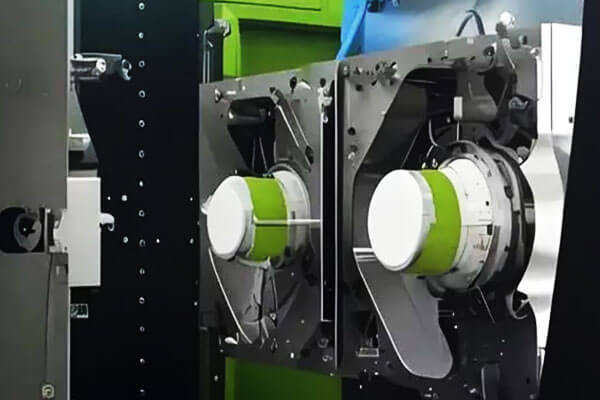
Термопластичний поліуретан можна обробити за допомогою звичайного термопласту лиття під тиском обладнання.
На відміну від термореактивного поліуретану, ТПУ можна багаторазово розм'якшувати нагріванням і твердіти охолодженням, дозволяючи його розплавляти та вводити у форму без постійної хімічної реакції зшивання.
Під час обробки, точний контроль Температура розплаву, тиск впорскування, температура форми, умови сушіння, і швидкість охолодження є важливим.
ТПУ різною мірою гігроскопічний, і надмірна вологість у гранулах може спричинити гідролітичну деградацію, поверхневі дефекти, бульбашки, або знижені механічні властивості. Тому правильне попереднє сушіння є важливою частиною лиття під тиском ТПУ.
Продукти:
Лиття під тиском TPU широко використовується для захисні футляри, гнучкі з'єднувачі, ущільнювачі, компоненти кабелю, колеса, рукоятка, компоненти споживчого продукту, автомобільні запчастини, медичні компоненти, і зносостійкі промислові деталі.
Екструзія
Екструзія поліуретану в основному використовується для виробництва суцільних профілів, трубки, фільми, простирадла, та інші вироби з постійною геометрією поперечного перерізу.
Термопластичні поліуретанові гранули нагріваються та пластифікуються в екструдері перед безперервним продавлюванням через спеціально розроблену матрицю.
Процес екструзії вимагає ретельного контролю температура бочки, швидкість гвинта, температура матриці, швидкість екструзії, умови охолодження, і вологість матеріалу.
Конструкція матриці особливо важлива, оскільки в’язкопружна поведінка поліуретану може впливати на стабільність розмірів і розбухання матриці..
Продукти:
Типові екструдовані продукти включають ТПУ труби, шланги, ущільнювачі, прокладки, смуги, фільми, профілі, кабельні оболонки, захисні чохли, і гнучкі мембрани.
Реакційне та відцентрове лиття
Для деяких великих або обертально-симетричних поліуретанових компонентів, можна використовувати реакційне та відцентрове лиття.
В реакції лиття, реакційноздатні поліуретанові компоненти вводять у форму та дозволяють полімеризуватися та затвердіти на місці.
Відцентрове кастинг використовує силу обертання для розподілу реактивного матеріалу по стінці форми, отримання відносно однорідного трубчастого або кільцеподібного компонента.
Ці процеси особливо корисні, коли звичайне формування потребує дорогого інструменту або коли компонент має великий діаметр і відносно просту обертальну геометрію.
Продукти:
Заявки включають великі поліуретанові ролики, рукава, трубки, кільця, лайнери, покриття труб, і спеціалізовані зносостійкі циліндричні компоненти.
Спінювання та формування піни
Поліуретанові піни виготовляються шляхом поєднання реакційноздатних поліуретанових компонентів із системою видування, яка створює комірчасту структуру під час полімеризації..
Залежно від рецептури, механізм видування може включати хімічні спінювачі, наприклад, реакція води з ізоціанатом з утворенням вуглекислого газу, або фізичні піноутворювачі.
Рецептура визначає, чи є отримана піна гнучкий, напівжорсткі, або жорсткий.
Розмір комірки, щільність, ВІДЧИНЕНО- або структуру із закритими комірками, і стабільність розмірів контролюються через баланс поліолів, ізоціанати, каталізатори, ПАР, піноутворювачі, та умови обробки.
Продукти:
Гнучкий пінополіуретан зазвичай використовується для подушки для сидіння, матраци, акустичні матеріали, і автомобільні салони,
у той час як жорсткі PU та PIR піни широко використовуються для будівельні ізоляційні панелі, холодильна ізоляція, системи теплоізоляції, та енергоефективне обладнання.
Обробка поліуретану з ЧПУ
Обробка з ЧПУ не є первинним процесом полімеризації, але це важливий вторинний метод виробництва поліуретанових компонентів.
Поліуретановий блок, аркуш, стрижень, або готову заготовку можна обробити за допомогою токарної обробки з ЧПУ, фрезер, свердління, та інші операції для досягнення точних розмірів і складної геометрії.
Оскільки поліуретан гнучкий і може деформуватися під дією сил різання, Параметри обробки повинні бути обрані відповідно до твердості та еластичності матеріалу.
Надмірна сила різання, Генерування тепла, або відхилення інструменту може призвести до неточностей у розмірах або поганої якості поверхні. Гострі ріжучі інструменти та належне утримання особливо важливі для м’яких сортів.
Продукти:
Обробка з ЧПУ зазвичай використовується для прецизійні поліуретанові ущільнювачі, нестандартні втулки, зношуються компоненти, ролики, прототипи, інженерні частини, замінні компоненти, і невеликі обсяги індивідуальних продуктів.
7. Застосування поліуретану
Виняткова універсальність поліуретану дозволяє йому служити конструкційним матеріалом, еластомер, покриття, клей, герметик, піна, та ізоляційний матеріал.
Тому його застосування поширюється від споживчих товарів до вимогливого промислового обладнання.
Автомобільна промисловість
Типове застосування включає подушки для сидінь, підголівники, втулки підвіски, кріплення двигуна, ущільнювачі, компоненти рульового управління, внутрішня обробка, компоненти приладової панелі, Захисні покриття, і звукоізоляція.
Промислові ролики та колеса
Поліуретанові ролики широко використовуються в:
- Конвеєрні системи
- Підйомно-транспортне обладнання
- Друкарське обладнання
- Пакувальне обладнання
- Текстильне обладнання
- Колеса навантажувача
- Напрямні ролики
- Ведучі колеса
Ущільнювачі, Прокладки, і втулки
Поєднання еластичності поліуретану, стійкість до розриву, і стійкість до стирання робить його придатним для динамічного ущільнення.
Поліуретанові ущільнювачі та гідравлічні компоненти зазвичай використовуються там, де матеріал відчувається багаторазове ковзання, тиск, і механічна деформація.
Втулки та демпферні елементи також виграють від здатності поліуретану поглинати вібрацію, зберігаючи структурну цілісність.
Гірничодобувне та важке обладнання
Гірничодобувне та будівельне обладнання піддає полімерні компоненти сильному стиранню, вплив, пил, волога, і механічне навантаження.
Тому поліуретан використовується для носити вкладиші, екранні панелі, вкладиші жолоба, скребкові леза, ролики, гідравлічні ущільнення, і захисні компоненти.
В абразивних середовищах, правильно складений поліуретановий компонент може значно зменшити частоту технічного обслуговування порівняно з менш зносостійкими еластомерами.
Будівельні та будівельні матеріали
Поліуретан відіграє важливу роль у сучасних будівельних системах.
Жорсткі поліуретанові та поліізоціануратні піни забезпечують низьку теплопровідність і широко використовуються в утеплені панелі, холодильні системи, будівельні огородження, дахи, стіни, та ізоляція труб.
Також використовуються поліуретанові герметики та покриття герметизація швів, гідроізоляція, підлога, Захисні покриття, і захист бетону.
Електричні та електронні вироби
ПУ матеріали можуть забезпечити електроізоляцію разом із гнучкістю та захистом навколишнього середовища.
Вони використовуються для кабельні оболонки, суміші для заливки, матеріали для капсулювання, з'єднувачі, Захисні покриття, і компоненти, що гасять вібрацію.
Склади можуть бути розроблені для забезпечення специфічних комбінацій діелектричних властивостей, вологостійкість, гнучкість, і вогнестійкість.
Взуття та споживчі товари
Гнучкий поліуретан і ТПУ широко використовуються в споживчих товарах, оскільки вони пропонують сприятливе поєднання комфорту, стійкість, довговічність, та гнучкість дизайну.
Заявки включають підошви взуття, компоненти спортивного взуття, захисні футляри, рукоятка, колеса, Спортивні товари, компоненти багажу, і гнучкі частини споживчого продукту.
8. Переваги поліуретану
- Неперевершена можливість налаштування продуктивності — твердість, щільність і механічні властивості можуть бути точно розроблені в надзвичайно широкому діапазоні з однієї хімічної основи.
- Виняткова стійкість до стирання та зносу — поліуретанові еластомери регулярно забезпечують у 3–10 разів більший термін служби порівняно з гумовими альтернативами в умовах важкого зносу.
- Чудова теплоізоляція — жорсткий поліуретановий пінополіуретан є найбільш термічно ефективним комерційно доступним органічним ізоляційним матеріалом, зниження енергоспоживання будівлі на 30–50%.
- Широка адаптивність обробки — можна виготовляти за допомогою спінювання, кастинг, розпилення, лиття під тиском, методи екструзії та нанесення на місці.
- Універсальна адгезія до основи — покриття та клеї міцно з’єднуються з металом, деревина, бетон, скло та більшість пластмас.
- Відмінне вібраційне демпфірування — гнучка піна та еластомери ефективно поглинають удари та шум, що робить їх незамінними для автомобільного та промислового контролю NVH.
- Свобода дизайну — переробка рідини дає можливість виробництва великих, складні, інтегровані частини, які були б неможливі з гумою або жорстким пластиком.
9. Обмеження поліуретану
- Помірна температурна стійкість — стандартні марки мають безперервні межі експлуатації 80–120°C. Тривалий вплив вище цього діапазону спричиняє термічну деградацію та остаточну втрату властивостей.
- Чутливість до гідролізу — поліуретани на основі поліестерів поступово руйнуються при тривалому нагріванні, вологе середовище. Сорти поліефіру працюють краще, але все ще мають обмеження.
- УФ-деградація ароматичних марок — стандартні ароматичні поліуретани жовтий і крейда при тривалому ультрафіолетовому впливі. Аліфатичні сорти вирішують це, але зі значно вищою ціною.
- Небезпека поводження з сировиною — ізоціанатні мономери, що не прореагували, є подразниками дихальних шляхів і потребують належної вентиляції та ЗІЗ під час обробки. Повністю затверділі продукти безпечні для звичайного кінцевого використання.
- Горючість — немодифікований поліуретан є горючим і може виділяти токсичні пари під час горіння. Вогнезахисні склади потрібні для будівельних і транспортних робіт.
- Проблеми переробки — зшитий термореактивний поліуретан не можна переплавити, ускладнює механічну переробку. Технології хімічної переробки з’являються, але ще не є загальнодоступними.
10. Екологічні та стійкі міркування
| Аспект | Оцінка |
| Відновлювані ресурси | Поліоли на біологічній основі стають все більш доступними, отримані з рослинних олій або рослинних джерел. |
| Переробка | Термопластичні поліуретани (ТПУ) підлягають переробці; реактопласти (жорсткі пінопласти, багато еластомерів) не є. |
| Споживання енергії | Виробництво поліуретану з нафтохімії є енергоємним. |
| Оцінка життєвого циклу | Залежить від форми і застосування; утеплення (жорсткий поролон) може забезпечити значну економію енергії. |
| Кінець життя | Відходи пінопласту важко переробити; спалювання є поширеним способом утилізації. |
| Здоров'я та безпека | Ізоціанати токсичні; належна вентиляція та ЗІЗ є важливими під час роботи. |
| Біорозкладаність | Звичайний поліуретан не піддається біологічному розкладанню. |
11. Поліуретан vs. Гума та звичайні пластмаси
Поліуретан займає особливе місце між еластомерами та інженерними пластиками.
Наступне порівняння підкреслює основні відмінності між поліуретаном і кількома широко використовуваними матеріалами.
| Власність | Поліуретан | Натуральний каучук | Поліетилен (ПЕ) | Нейлон |
| Тип матеріалу | Універсальний полімер; доступний у вигляді еластомеру, термопластичні, реактопласт, і піна | Натуральний еластомер | Термопласт | Інженерний термопласт |
| Типова твердість | Приблизно 20 Берег А до 70+ Шор Д, в залежності від рецептури | Приблизно 20–90 за Шором А | Зазвичай діапазон Шора D для жорстких сплавів | Зазвичай Rockwell або Shore D; загалом жорсткі |
| Сила на розрив | Звичайні марки еластомерів приблизно 20–60 МПа; залежно від рецептури | Приблизно 15–30 МПа для багатьох комерційних марок | Приблизно 10–40 МПа, залежний від класу | Приблизно 50–100 МПа для багатьох технічних марок |
| Подовження на перерві | Зазвичай 200–700% для еластомерних марок | Зазвичай 400–800% | Зазвичай 100–1000% залежно від класу | Як правило, набагато нижчий, ніж еластомерний поліуретан |
| Стійкість до стирання | Відмінний; одна з головних переваг поліуретану | Добре до відмінного | Помірний до добра | Добрий |
| Сліз | Від дуже добре до відмінно | Відмінний | Помірний | Добрий |
| Пружне відновлення | Чудово підходить для правильно складених еластомерів | Відмінний | Зазвичай нижче, ніж еластомери | Відносно обмежений |
Ударний опір |
Дуже добре; залишається високоефективним у багатьох вимогливих додатках | Відмінний | Добрий, особливо у марках ПЕ, розроблених для стійкості до ударів | Добре до відмінного |
| Масло- та жиростійкість | Загалом дуже добре, особливо з відповідним поліестером- або склади на основі поліефіру | Відносно бідний; олії можуть викликати набряк і погіршення стану | Загалом добре проти багатьох хімічних речовин, але стійкість до розчинників різна | Добрий, хоча певні хімічні речовини та вологість можуть вплинути на продуктивність |
| Хімічна стійкість | Від хорошого до відмінного в залежності від хімії; поліестер і поліефір ПУ поводяться по-різному | Обмежено проти масел, паливо, озон, і деякі хімікати | Чудова стійкість до багатьох кислот, луг, і водні хімічні речовини | Хороша стійкість до багатьох вуглеводнів і масел, але чутливі до певних кислот і вологи |
| Стійкість до вологи | Залежно від рецептури; поліефірний ПУ зазвичай краще працює у вологому середовищі | Хороший у багатьох застосуваннях, але чутливий до старіння навколишнього середовища | Дуже добре | Поглинання вологи може бути значним і вплинути на розміри та механічні властивості |
Вивітрювання / Стійкість до ультрафіолету |
Від хорошого до відмінного з відповідною стабілізацією; аліфатичний поліуретан забезпечує особливо сильну стійкість до ультрафіолету | Обмежений; озон і УФ можуть прискорити деградацію | Загалом добре, особливо з УФ-стабілізаторами | Помірний; УФ-стабілізатори можуть знадобитися для зовнішнього використання |
| Температурна стійкість | Широкий асортимент, але сильно залежить від складу; багато сортів безперервно працюють від мінусових температур до приблизно 80–120°C | Зазвичай ефективний приблизно від -50 до 80°C, залежно від сполуки | Широкий асортимент; залежний від класу | Загалом вищі температури тривалого використання, ніж еластомерний ПУ |
| Гнучкість при низьких температурах | Добре або відмінно для правильно сформульованих оцінок | Відмінний | Добре підходить для низькотемпературних сортів | Зазвичай нижчий, ніж гнучкий поліуретан і гума |
| Водопоглинання | Загалом низький, але значно змінюється в залежності від хімії та клітинної структури | Низький до помірного | Дуже низький | Відносно висока порівняно з ПУ та ПЕ |
| Несуча здатність | Чудово підходить для еластомерів; високоякісні марки можуть витримувати значні стискаючі та динамічні навантаження | Добрий, але тривала деформація може бути значною | Добре підходить для конструкційних термопластичних застосувань | Відмінний для жорстких інженерних компонентів |
Втома |
Відмінно підходить для багатьох динамічних програм | Чудово підходить при відповідному циклічному навантаженні | Добрий | Добрий |
| Методи обробки | Кастинг, реакційне лиття під тиском, лиття під тиском, екструзія, стиснення ліплення, піноутворення, обробка | Обробка латексу, ліплення, екструзія, вулканізація | Підприємство для ін'єкцій, екструзія, Молодування, ротаційне формування | Підприємство для ін'єкцій, екструзія, обробка |
| Типові програми | Колеса, ролики, ущільнювачі, втулки, прокладки, віброізолятори, покриття, ремені, піни, шестерні | Шини, ущільнювачі, рукавички, віброкріплення, шланги, еластичні компоненти | Упаковка, труби, контейнери, лайнери, фільми, конструктивні пластикові деталі | Шестерні, підшипники, втулки, Структурні компоненти, електричні частини |
| Основна перевага | Виняткове поєднання стійкість до стирання, еластичність, міцність, вантажопідйомність, та гнучкість дизайну | Відмінна еластичність, втома, і стійкість | Низька вартість, хімічна стійкість, низьке вологопоглинання | Висока сила, жорсткість, розмірна стабільність, і температурна здатність |
| Основне обмеження | Властивості значно відрізняються залежно від рецептури; деякі сорти чутливі до гідролізу, спека, або ультрафіолетове опромінення | Погана стійкість до масел, озон, і деякі хімікати | Нижчі температурні та механічні властивості, ніж у багатьох технічних полімерів | Поглинання вологи та чутливість до певних хімічних речовин можуть вплинути на продуктивність |
12. Висновок
Поліуретан займає унікальне місце у світі матеріалів як найбільш гнучка в дизайні полімерна платформа, доступна сьогодні.
Його молекулярна структура, розділена на мікрофази, дозволяє регулювати продуктивність у всьому спектрі від м’якої піни до жорсткого інженерного пластику, підтримка критичних функцій майже в кожному промисловому секторі.
Жодна інша група матеріалів не може одночасно служити амортизацією, утеплення, структурний компонент і захисне покриття однаково ефективні.
Як глобальний попит на енергоефективність, легких і передових матеріалів зростає, поліуретан залишатиметься основоположним промисловим матеріалом, розвиваючись від свого нафтового походження до більш стійкого, циклічна економіка майбутнього, зберігаючи надзвичайну універсальність, яка зробила її незамінною для сучасного виробництва та будівництва.
Поширені запитання
Це поліуретановий пластик або гума?
Поліуретан відноситься до категорії між гумою і пластиком. М'які поліуретанові еластомери поводяться так само, як гума, у той час як тверді поліуретанові класи наближаються до інженерних пластичних характеристик.
На відміну від справжньої гуми, він не зшитий через вулканізацію; на відміну від справжнього пластику, він дуже еластичний у більшій частині свого діапазону твердості. Найбільш точно його класифікують як еластомерний полімер.
Поліуретан горючий?
Деякі склади легкозаймисті. Антипірени зазвичай додають для застосувань, які вимагають вогнестійкості.
Жорсткий пінополіуретан, використовується в ізоляції будівель, повинні відповідати суворим нормам пожежної безпеки.
Чим відрізняється поліефір від поліефірного поліуретану?
Поліефірний поліуретан має кращу стійкість до гідролізу, стійкість мікробів, і низькотемпературна гнучкість.
Поліефірний поліуретан має більш високу міцність на розрив, розірвати, і стійкість до стирання, але чутлива до гідролізу та мікробної атаки.
Що таке ТПУ?
TPU означає Термопластичний поліуретан. Це тип поліуретану, який можна обробляти як звичайний пластик (лиття під тиском, екструзія) і підлягає переробці.
Використовується в шлангах, трубки, фільми, взуття, і багато промислових застосувань.
Як виготовляється пінополіуретан?
Пінополіуретан отримують шляхом взаємодії ізоціанату з поліолом у присутності спінювача. (зазвичай вода), каталізатори, і ПАР.
У результаті реакції утворюється газ CO₂, який розширює полімер у піну.

