1. giriiş
Kelebek vanalar endüstriyel boru sistemlerinde en yaygın kullanılan akış kontrol cihazları arasındadır..
Akışı düzenleyen dönen bir disk olan basit ama etkili tasarımları, onları su arıtmada vazgeçilmez kılıyor, kimyasal işleme, petrol ve gaz, Yiyecek ve içecek, ve enerji üretimi.
Her kelebek vananın kalbinde vana gövdesi bulunur, diski içeren yapısal muhafaza, koltuklar, kök, ve aktüatörler, ve iç basınca dayanmalıdır, sıcaklık, ve aşındırıcı medya.
Kelebek vana gövdelerinin üretimi geleneksel olarak kum dökümüne dayanmaktadır., dövme, veya plakadan imalat.
Fakat, hassas döküm, yüksek performanslı kelebek vana gövdeleri için (özellikle paslanmaz çelik ve çift yönlü alaşımlarda) benzersiz boyutsal doğruluk sunan üstün bir üretim yolu olarak ortaya çıkmıştır., yüzey kaplaması, ve maddi bütünlük.
2. Kelebek Vana Gövdesi Nedir??
A kelebek valfi dairesel bir diski yaklaşık olarak döndürerek sıvı akışını düzenler 90 merkezi bir şaftın etrafında derece.
Sürgülü vanalarla karşılaştırıldığında, küre valfleri, ve küresel vanalar, kelebek vanalar çok daha kompakt bir yapı ve daha düşük ağırlık sunar, onları özellikle büyük çaplı boru sistemleri için uygun hale getirir.
Valf nispeten basit görünse de, her bileşen kritik bir mekanik işlevi yerine getirir.
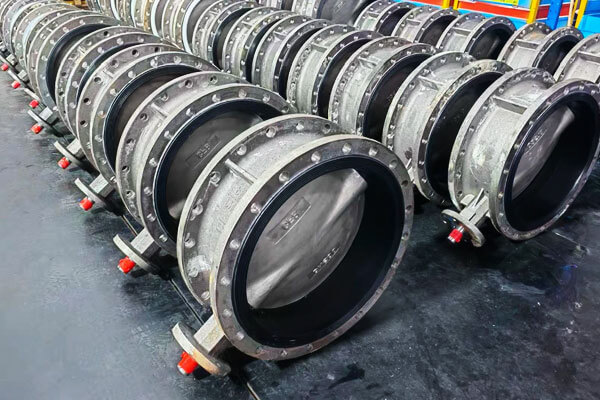
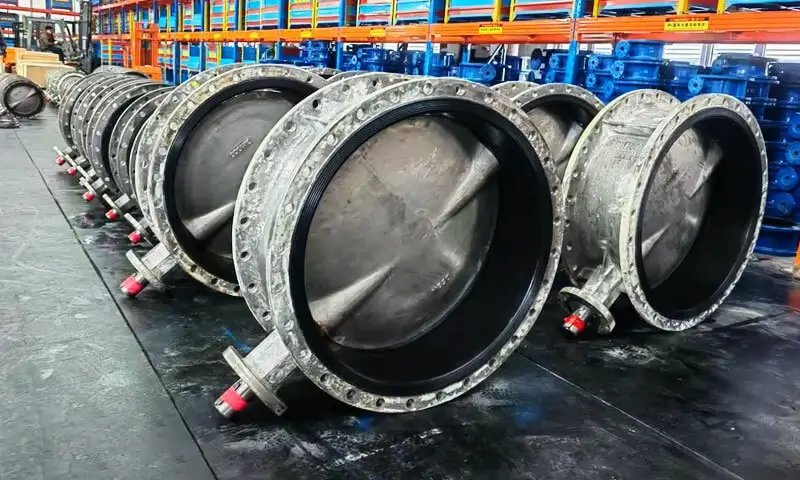
Kelebek vana gövdesi, bir kelebek vananın basınç içeren ana muhafazasıdır.
Kök yataklarını destekler, valf yuvasını barındırır, boru hattı bağlantıları için sızdırmazlık yüzeyleri sağlar, ve hem dahili sıvı basıncına hem de harici mekanik yüklere karşı dayanıklıdır.
Kelebek Vananın Temel Bileşenleri
| Bileşen | İşlev |
| Vücut | Diski ve koltukları barındırır; boru bağlantıları sağlar (flanşlı, pabuç, gofret, veya alın kaynaklı uçlar). |
| Disk | Akışı düzenleyen döner kapatma elemanı; tipik olarak gövdeyle bütünleşik olarak veya gövdeden ayrı olarak dökülür. |
| Kök / şaft | Torku aktüatörden diske iletir. |
| Koltuklar | Disk ile gövde arasında sızdırmaz bir conta sağlayın. |
| Aktüatör | Manuel (kol, el çarkı) veya otomatik (pnömatik, elektrikli, hidrolik). |
| Kaput / üst flanş | Gövdeyi barındırır ve aktüatör için montaj sağlar. |
Kelebek Vana Gövde Tasarım Çeşitleri
| Vücut tipi | Tanım | Tipik uygulamalar |
| Gofret tarzı | Geçmeli cıvata deliklerine sahip ince gövde; boru flanşları arasına sıkıştırılmış. | Düşük basınç, kompakt sistemler. |
| Lug tarzı | Her iki tarafta dişli ekler; hat sonu vanası olarak kullanılabilir. | Orta basınç; bakım erişimi. |
| Flanşlı | Her iki uçta entegre flanşlar; doğrudan boru flanşlarına cıvatalanmış. | Yüksek basınç, büyük çaplı sistemler. |
| Alın kaynağı | Doğrudan boruya kaynak yapmak için tasarlanmış uçlar. | Yüksek sıcaklık, yüksek basınç, sızıntı açısından kritik sistemler. |
| Telafi etmek / eksantrik | Daha iyi sızdırmazlık ve azaltılmış tork için diskin merkezden kaydırılması. | Yüksek performans, sıkı kapatma uygulamaları. |
Kritik Fonksiyonel Gereksinimler
| Gereklilik | Mühendislik uygulaması |
| Basınç bütünlüğü | Sızıntı veya deformasyon olmadan iç basınca dayanmalıdır (ASME Sınıfı 150‑2500'e kadar). |
| Korozyon direnci | Medyaya direnir (su, kimyasallar, gazlar, deniz suyu) bozulmadan. |
| Boyutsal doğruluk | Flanş uyumluluğu için hassas delik çapı ve yüz yüze boyutlar. |
| Yüzey kaplaması | Pürüzsüz delik ve flanş yüzeyleri akış direncini azaltır ve sızdırmazlık sağlar. |
| Yapısal sağlamlık | Termal ve basınç döngüsü altında disk ve yuvaların hizalamasını korur. |
| Yorgunluk direnci | Tekrarlanan döngülere ve basınç dalgalanmalarına karşı dayanıklıdır. |
3. Kelebek Vana Gövdeleri için Neden Hassas Dökümü Seçmelisiniz??
Bir kelebek vana gövdesi için seçilen üretim yönteminin, vananın boyutsal doğruluğu üzerinde derin bir etkisi vardır., mekanik performans, korozyon direnci, üretim verimliliği, ve genel maliyet.
Mevcut çeşitli üretim süreçleri arasında, yatırım kadrosu kaliteli kelebek vana gövdeleri üretmek için tercih edilen seçeneklerden biri haline geldi, özellikle zorlu endüstriyel uygulamalarda kullanılanlar.
Geleneksel döküm yöntemlerinden farklı olarak, hassas döküm, olağanüstü boyutsal doğruluk ve yüzey kalitesi ile net şekle yakın bileşenler üretmek için harcanabilir balmumu desenleri ve hassas seramik kalıplar kullanır.
Süreç, zor olabilecek karmaşık geometrileri yeniden üretme kapasitesine sahiptir., pahalı, geleneksel kum dökümü veya kapsamlı işleme kullanılarak üretim yapılması hatta imkansız olması.
Sonuç olarak, hassas döküm yalnızca ürün kalitesini artırmakla kalmaz, aynı zamanda üretim verimliliğini artırır ve malzeme israfını azaltır.
Kelebek vana gövdeleri için, karmaşık akış geçitlerini içeren, Sızdırmazlık yüzeyleri, kök delikleri, ve flanş bağlantıları, hassas döküm tasarım esnekliğinin benzersiz bir kombinasyonunu sunar, yapısal bütünlük, ve üretim tutarlılığı.
Valf Gövdeleri için Hassas Dökümün Temel Avantajları
| Avantaj | Açıklama |
| Karmaşık iç geometri | Akış geçitleri, kaburga, ve montaj özellikleri doğrudan dökülebilir, çok parçalı imalata son verilmesi. |
| Net'e yakın şekil | Minimal işleme, malzeme israfını azaltır ve üretim maliyetini düşürür. |
| Mükemmel yüzey kaplaması | As‑cast Ra 1,6‑6,3 µm akış direncini azaltır ve yuva sızdırmazlığını iyileştirir. |
| Sıkı boyutsal toleranslar | Flanş hizalamasını sağlar, koltuk eş merkezliliği, ve sızdırmaz montaj. |
Alaşım çok yönlülüğü |
Dökülebilir her türlü paslanmaz çeliği döker, dubleks, süper alaşım, veya nikel alaşımı. |
| Basınç bütünlüğü | Uygun geçişli ses dökümleri, ANSI Sınıfına kadar basınca dayanıklı performans sağlar 2500. |
| Düzgün mikro yapı | İnce taneli döküm yapısı tutarlı mekanik özellikler sağlar. |
| Orta hacimlerde maliyet etkinliği | 100-10.000 parça/yıl; özel ve standart boyutlar için ideal. |
4. Hassas Döküm Kelebek Vana Gövdeleri için Malzeme Seçimi
Uygun malzemenin seçilmesi, hassas döküm kelebek vana gövdesinin tasarımı ve üretiminde en kritik kararlardan biridir..
Hassas döküm prosesi bileşenin boyutsal kalitesini ve geometrik karmaşıklığını belirlerken, alaşım mekanik özelliklerini belirler, korozyon direnci, basınç kapasitesi, sıcaklık aralığı, ve beklenen hizmet ömrü.
Paslanmaz çelik
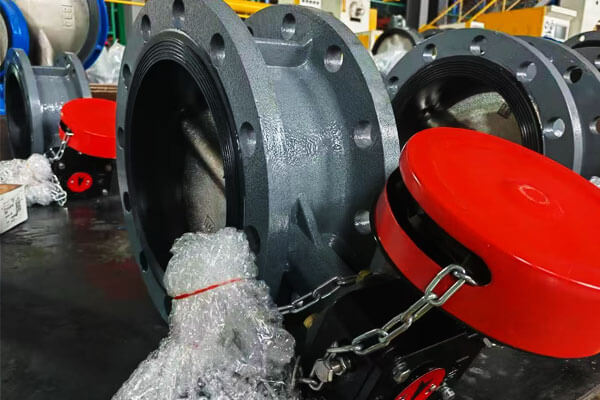
Paslanmaz çelik Mükemmel korozyon direnci dengesi nedeniyle hassas döküm kelebek vana gövdelerinde en sık kullanılan malzemedir, mekanik güç, üretim, ve uzun vadeli güvenilirlik.
Yüzeyde oluşan krom bakımından zengin pasif oksit filmi, atmosferik korozyona ve birçok endüstriyel kimyasala karşı etkili koruma sağlar..
CF8 (ASTM A351 Sınıf CF8'e eşdeğer)
CF8, dövme Tipin döküm eşdeğeridir 304 paslanmaz çeliktir ve yaklaşık olarak içerir 18% krom ve 8% nikel.
Suda iyi korozyon direnci sunar, buhar, gıda ürünleri, ve birçok hafif aşındırıcı kimyasal.
Avantajları arasında:
- İyi genel korozyon direnci
- Mükemmel Dökülebilirlik
- İyi Kaynaklanabilirlik
- Kararlı mekanik özellikler
- Rekabetçi malzeme maliyeti
CF8 yaygın olarak kullanılmaktadır:
- Su arıtma sistemleri
- Gıda işleme
- HVAC ekipmanı
- Genel endüstriyel boru hatları
- Düşük korozyonlu kimyasal hizmetler
Fakat, Yüksek konsantrasyonda klorür içeren ortamlar için CF8 önerilmez, Lokal çukurlaşma ve çatlak korozyonunun meydana gelebileceği yerler.
CF8M (ASTM A351 Sınıf CF8M'ye eşdeğer)
CF8M dövme Tipe karşılık gelir 316 paslanmaz çelik ancak yaklaşık %2-3 molibden içerir.
Molibden ilavesi direnci önemli ölçüde artırır:
- Klorür çukurlaşması
- Aralık korozyonu
- Deniz Ortamları
- Organik asitler
- Kimyasal proses sıvıları
Tipik uygulamalar:
- Açık deniz mühendisliği
- Deniz suyu soğutma sistemleri
- Kimyasal bitkiler
- Farmasötik ekipman
- Kağıt hamuru ve kağıt endüstrileri
CF8M genellikle CF8'den daha pahalı olmasına rağmen, geliştirilmiş korozyon direnci genellikle vananın çalışma ömrü boyunca bakım maliyetlerinin önemli ölçüde azalmasına neden olur.
Düşük Karbonlu Paslanmaz Çelikler (CF3 ve CF3M)
CF3 ve CF3M, CF8 ve CF8M'nin düşük karbonlu versiyonlarıdır, sırasıyla.
Azaltılmış karbon içeriği, kaynak sırasında karbür çökelmesini en aza indirir, böylece ısıdan etkilenen bölgelerde tanecikler arası korozyona karşı direnç artar.
Bu dereceler genellikle aşağıdakiler için seçilir::
- Kaynaklı boru sistemleri
- İlaç üretimi
- Gıda işleme ekipmanı
- Yüksek saflıkta kimyasal sistemler
Kapsamlı kaynak yapılmasının beklendiği yerlerde, Düşük karbonlu paslanmaz çelikler genellikle standart kalitelere göre tercih edilir.
Karbon Çelik
Her ne kadar paslanmaz çelik aşındırıcı uygulamalara hakim olsa da, Karbon çeliği, aşındırıcı olmayan veya hafif aşındırıcı koşullar altında çalışan birçok kelebek vana gövdesi için ekonomik bir seçim olmaya devam ediyor.
WCB Karbon Çelik
ASTM A216 WCB, vana endüstrisinde en yaygın kullanılan dökme karbon çeliklerinden biridir.
Avantajları arasında:
- Yüksek mekanik mukavemet
- İyi darbe dayanıklılığı
- Mükemmel işlenebilirlik
- Düşük malzeme maliyeti
- İyi basınç direnci
Tipik uygulamalar:
- Petrol boru hatları
- Doğal gaz iletimi
- Buhar sistemleri
- Yangından korunma
- Endüstriyel tesisler
Fakat, WCB, aşındırıcı ortamlara maruz kaldığında koruyucu kaplamalar veya iç astarlar gerektirir.
LCC Düşük Sıcaklık Karbon Çeliği
LCC, düşük sıcaklıkta servis için özel olarak geliştirilmiştir.
WCB ile karşılaştırıldığında, sıfırın altındaki sıcaklıklarda iyileştirilmiş darbe dayanıklılığı sergiler ve yaygın olarak kullanılır.:
- LNG tesisleri
- Kriyojenik depolama
- Soğutma sistemleri
- Arktik boru hattı altyapısı
Dubleks paslanmaz çelik
Endüstriyel ortamlar giderek daha agresif hale geldikçe, Dubleks paslanmaz çelikler, yüksek performanslı kelebek vana gövdeleri için yaygın olarak kabul görmüştür.
Dubleks paslanmaz çelikler yaklaşık olarak eşit oranda ferrit ve ostenit içerir, her iki mikro yapının avantajlarını birleştirerek.
Özellikleri şunları içerir::
- Çok yüksek çekme mukavemeti
- Mükemmel klorür direnci
- Olağanüstü stres korozyon çatlama direnci
- İyi yorulma performansı
- Mükemmel erozyon direnci
Geleneksel östenitik paslanmaz çeliklerle karşılaştırıldığında, dubleks alaşımlar genellikle mükemmel korozyon direncini korurken neredeyse iki kat akma dayanımı sağlar.
Yaygın yatırım döküm kaliteleri şunları içerir::
- CD4MCU
- ASTM A890 Sınıf 4A
- ASTM A890 Sınıf 5A
Tipik uygulamalar:
- Açık deniz petrol platformları
- Tuzdan arındırma bitkileri
- Deniz boru hatları
- Kimyasal reaktörler
- Deniz suyu soğutma sistemleri
Dubleks alaşımlar geleneksel paslanmaz çeliklerden daha pahalı olmasına rağmen, uzatılmış hizmet ömürleri genellikle ek yatırımı haklı çıkarır.
Nikel bazlı alaşımlar
Bazı endüstriyel prosesler paslanmaz çeliğin yeteneklerini aşan koşullar altında çalışır.
Yüksek konsantrasyonlu asitler, Yüksek sıcaklıklar, oksitleyici kimyasallar, ve azaltıcı ortamlar, olağanüstü korozyon direncine sahip özel alaşımlar gerektirir.
Hassas döküm, kelebek vana gövdelerinin aşağıdakiler gibi nikel bazlı alaşımlardan üretilmesine olanak tanır::
Hastalık
Hastelloy alaşımları olağanüstü direnç gösterir:
- Hidroklorik asit
- Sülfürik asit
- Fosforik asit
- Klorürler
- Oksitleyici kimyasallar
Geleneksel paslanmaz çeliklerin hızla paslanacağı kimyasal işleme tesislerinde yaygın olarak kullanılırlar..
Mızmız
Inconel alaşımları şunları sağlar::
- Mükemmel yüksek sıcaklık dayanımı
- Oksidasyon direnci
- Termal yorgunluk direnci
- Yüksek sıcaklıklarda basınca dayanıklılık
Uygulamalar içerir:
- Güç üretimi
- Petrokimyasal işleme
- Havacılık destek sistemleri
- Yüksek sıcaklık kimya tesisleri
Moli
Monel alaşımları olağanüstü dirence sahiptir:
- Deniz suyu
- Hidroflorik asit
- Tuz çözümleri
- Deniz biyolojik kirlenmesi
Denizcilik ve açık deniz kelebek vanaları için sıklıkla seçilirler.
Nikel alaşımları önemli bir malzeme yatırımını temsil etse de, zorlu servis ortamlarında bakım maliyetlerini ve arıza sürelerini önemli ölçüde azaltabilirler.
5. Yatırım Döküm Kelebek Vana Gövdelerinin Mekanik Performansı
Herhangi bir kelebek vana gövdesinin temel amacı, zorlu çalışma koşulları altında güvenilir mekanik destek sağlamaktır..
Hassas döküm genellikle mükemmel boyutsal doğruluğu ve yüzey kalitesi ile tanınırken, olağanüstü mekanik performansa sahip bileşenler üretme yeteneği de aynı derecede önemlidir.
Basınç Dayanımı
Basınç kontrolü her valf gövdesinin temel işlevidir.
Operasyon sırasında, gövde, döküm boyunca çekme gerilimleri oluşturan dahili hidrostatik basınca maruz kalır.
Kritik stres bölgeleri şunları içerir::
- Kök açıklıkları
- Flanş kökleri
- Cıvata delikleri
- Duvar geçişleri
- Kaburga kavşaklarının güçlendirilmesi
Hassas döküm, üstün basınç performansına katkıda bulunur.:
- Tek tip duvar kalınlığı
- Azaltılmış işleme kaynaklı stres
- Pürüzsüz geometrik geçişler
- Yüksek boyutsal tutarlılık
Basınç kapasitesi nihai olarak geçerli endüstri standartlarına uygun olarak hidrostatik basınç testiyle doğrulanır..
Yapısal Dayanım
Yapısal dayanıklılık, valf gövdesinin mekanik yükleme altında kalıcı deformasyona direnme yeteneğini ifade eder..
Önemli malzeme özellikleri şunları içerir::
- Verim gücü
- Gerilme mukavemeti
- Elastik modül
- Sertlik
Hassas döküm paslanmaz çelikler tipik olarak mükemmel mukavemet ve süneklik kombinasyonları sağlar, valf gövdesinin dayanmasını sağlar:
- Boru hattı yükleri
- Aktüatör torku
- Kurulum kuvvetleri
- Termal genleşme gerilmeleri
Uygun ısıl işlem, alaşımın mikro yapısını iyileştirerek mukavemeti daha da artırır.
Yorgunluk direnci
Statik basınçlı kapların aksine, Kelebek vanalar hizmet ömürleri boyunca sıklıkla tekrarlanan yüklemelere maruz kalırlar.
Her çalışma döngüsü üretir:
- Basınç dalgalanmaları
- Kök torku
- Titreşim
- Termal genleşme
- Mekanik etki
Binlerce hatta milyonlarca döngüden fazla, mikroskobik yorulma çatlakları oluşabilir.
Hassas döküm, yorulma performansını şu şekilde artırır::
- Pürüzsüz yüzey kaplaması
- Azalan stres konsantrasyonu
- Düzgün mikro yapı
- Yüksek boyutlu doğruluk
Cömert filetolar ve optimize edilmiş kaburga yerleşimi gibi tasarım özellikleri, gerilimleri daha eşit bir şekilde dağıtarak yorulma direncini daha da artırır.
Etkisi Tokluk
Endüstriyel vanalar taşıma sırasında ani mekanik darbelere maruz kalabilir., kurulum, veya operasyon. Düşük sıcaklıktaki ortamlarda, Yetersiz tokluk kırılgan kırılmaya neden olabilir.
Bu nedenle darbe dayanıklılığı önemli bir özelliktir, özellikle:
- LNG sistemleri
- Kriyojenik boru hatları
- Açık deniz kurulumları
- Soğuk iklim altyapısı
LCC karbon çeliği ve dubleks paslanmaz çelik gibi malzemeler, düşük sıcaklıklarda mükemmel dayanıklılığı korur, onları zorlu uygulamalar için uygun hale getirmek.
Aşınma ve Erozyon Direnci
Valf gövdesi genellikle disk veya yuva gibi doğrudan kayan temasa maruz kalmasa da, aşındırıcı parçacıklar taşıyan yüksek hızlı sıvılardan dolayı hala erozyona maruz kalabilir.
Tipik aşındırıcı ortamlar şunları içerir::
- Bulamaçlar
- Kum yüklü su
- Madencilik artıkları
- Uçucu kül
- Kimyasal süspansiyonlar
Hassas döküm dubleks paslanmaz çelikler ve nikel bazlı alaşımlar, daha yüksek sertlikleri ve daha güçlü mikro yapıları nedeniyle erozyona karşı üstün direnç sağlar.
Optimize edilmiş iç akış geçitleri aynı zamanda yerel türbülansı da azaltır, Uzatılmış servis süreleri boyunca erozyonun en aza indirilmesi.
Korozyon direnci
Korozyon, endüstriyel sistemlerde valf arızasının önde gelen nedenlerinden biri olmayı sürdürüyor.
Çalışma ortamına bağlı olarak, kelebek vana gövdeleri karşılaşabilir:
- Genel korozyon
- Çukur korozyonu
- Aralık korozyonu
- Galvanik korozyon
- Büyük korozyon
- Stres korozyonu çatlaması
Hassas döküm, yoğun üretim yaparken korozyona karşı yüksek dirençli alaşımların kullanımını destekler, Minimum yüzey kusurlarına sahip yüksek kaliteli dökümler.
Pasifleştirme veya elektro-parlatma gibi uygun yüzey işlemleri, paslanmaz çelik yüzeylerdeki koruyucu oksit katmanını güçlendirerek korozyon direncini daha da artırabilir..
Yüksek sıcaklık performansı
Yüksek sıcaklıkta servis ek mühendislik zorlukları sunar.
Sıcaklık arttıkça:
- Verim gücü azalır
- Sürünme direnci önem kazanıyor
- Oksidasyon hızlanır
- Termal yorgunluk gelişebilir
Yüksek sıcaklık uygulamaları için, döküm vana gövdeleri genellikle ısıya dayanıklı paslanmaz çeliklerden veya uzun süreli termal maruziyet altında mekanik özelliklerini koruyabilen nikel bazlı süper alaşımlardan üretilir..
Boyutsal stabilite
Kelebek vanalar gövde ile gövde arasındaki hassas hizalamaya bağlı olduğundan boyutsal stabilite özellikle önemlidir., kök, disk, ve koltuk.
Zayıf boyutsal kararlılık şunlara yol açabilir::
- Artırılmış çalışma torku
- Koltuk aşısı
- Sızıntı
- Erken rulman arızası
Hassas döküm, imalat sırasında distorsiyonu en aza indirerek mükemmel boyutsal tekrarlanabilirlik sağlar.
Kontrollü ısıl işlem ve hassas işleme, kritik boyutların belirlenen toleranslar dahilinde kalmasını sağlar.
Bu yüksek düzeyde boyutsal kararlılık, valfin düzgün çalışmasına doğrudan katkıda bulunur, güvenilir sızdırmazlık performansı, ve uzun hizmet hayatı.
6. Hassas Döküm Kelebek Vana Gövdesinin Isıl İşlemi ve Yüzey İşlemi
Isıl işlem ve yüzey bitirme, vana imalatında ikincil işlem sonrası adımlar değildir.;
yerine, doğrudan belirleyen kritik aşamalardır. mekanik güvenilirlik, korozyon direnci, boyutsal stabilite, ve hizmet hayatı hassas döküm kelebek vana gövdelerinin sayısı.
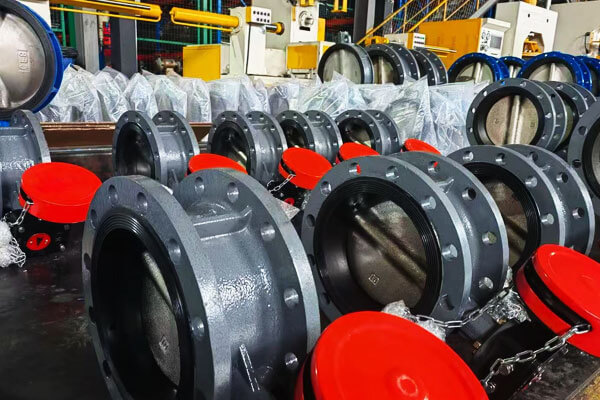
Isıl işlem: Performans Optimizasyonu için Mikroyapı Mühendisliği
Dökme alaşımın mikro yapısını değiştirmek için ısıl işlem uygulanır, artık gerilimleri ortadan kaldırmak, ve gerekli güç dengesini elde edin, sertlik, ve korozyon direnci.
Çözüm Isıl İşlem (Östenitik paslanmaz çelikler)
Aşağıdaki gibi paslanmaz çelik kaliteleri için: CF8, CF8M, CF3, ve CF3M, çözüm tedavisi en kritik süreçtir.
Süreç içerir:
- Dökümün yaklaşık olarak ısıtılması 1040°C–1120°C
- Karbürleri çözmek ve yapıyı homojenleştirmek için sıcaklıkta tutma
- Hızlı söndürme (genellikle su soğutma)
Temel sonuçlar şunları içerir::
- Krom karbür çökelmesinin ortadan kaldırılması
- Korozyon direncinin restorasyonu
- Gelişmiş süneklik ve tokluk
- Homojenize östenitik mikro yapı
Uygun çözüm tedavisi olmadan, paslanmaz çelik valf gövdeleri, klorür açısından zengin ortamlarda taneler arası korozyona ve erken arızaya maruz kalabilir.
Stres Giderici Isıl İşlem (Karbon ve alaşım çelikler)
Dökme karbon çelik valf gövdeleri (Örn., WCB, LCC) genellikle katılaşma ve soğumadan kaynaklanan artık gerilimleri korur.
Stres giderme şu saatte gerçekleştirilir: 550°C–650°C ile:
- İç artık gerilimleri azaltın
- Boyutsal kararlılığı iyileştirin
- İşleme ve servis sırasında bozulmayı en aza indirin
- Yorgunluk direncini artırın
Bu süreç, eşit olmayan soğutma gradyanlarının daha belirgin olduğu büyük çaplı kelebek vana gövdeleri için özellikle önemlidir..
Normalleştirme ve Söndürme & Temkinli
Daha yüksek mukavemet gerektiren karbon ve düşük alaşımlı çelikler için:
- Normalleştirme tane yapısını iyileştirir ve homojenliği artırır
- Söndürme ve temperleme Yeterli tokluğu korurken gücü ve sertliği önemli ölçüde artırır
Bu işlemler genellikle petrol boru hatları ve buhar sistemleri gibi yüksek basınçlı uygulamalarda kullanılır..
Yüzey İşlemi: İşlevsel ve Koruyucu Geliştirme
Korozyon direncini doğrudan etkilediği için yüzey bitirme işlemi de aynı derecede önemlidir., temizlik, hidrolik performans, ve estetik kalite.
Kumlama ve Temizleme
Kumlama genellikle dökümün çıkarılmasından sonraki ilk bitirme adımıdır.
İşlevleri şunları içerir::
- Seramik kabuk kalıntılarının giderilmesi
- Oksit ölçeğinin ortadan kaldırılması
- Düzgün yüzey dokulaması
- Daha sonraki işlemler için yüzeyin hazırlanması
Karbon çelik dökümler için, çelik bilye yaygın olarak kullanılır, paslanmaz çelik bileşenler kirlenmeyi önlemek için genellikle paslanmaz çelik bilye veya kontrollü ortam kullanır.
Asitleme ve Kireç Çözme
Asitleme, öncelikle paslanmaz çelik dökümlerde kullanılan kimyasal bir işlemdir..
Kaldırır:
- Isı tonu
- Oksit katmanları
- Yüksek sıcaklıkta işlemeden kaynaklanan yüzey kirliliği
Asit karışımları (tipik olarak nitrik + hidroflorik asit sistemleri) temiz bir metalik yüzeyi geri yükleyin, korozyon direnci için gerekli olan.
Pasivasyon Tedavisi
Pasivasyon, stabil bir krom oksit tabakasının oluşumunu teşvik ederek paslanmaz çeliğin doğal korozyon direncini artırır..
Faydalar içerir:
- Geliştirilmiş çukurlaşma direnci
- Geliştirilmiş kimyasal stabilite
- Uzun süreli yüzey koruması
- Lokal korozyon riskinin azalması
Bu adım denizcilik ve kimyasal ortamlarda kullanılan CF8M valf gövdeleri için kritik öneme sahiptir.
Elektropolasyon (Üst Düzey Uygulamalar)
Elektro-parlatma, mikroskobik yüzey tepe noktalarını ortadan kaldıran elektrokimyasal bir sonlandırma işlemidir., Son derece pürüzsüz ve temiz bir yüzey elde edilir.
Avantajlar şunları içerir::
- Ultra düşük yüzey pürüzlülüğü
- Geliştirilmiş hijyenik performans
- Azaltılmış bakteriyel yapışma
- Geliştirilmiş korozyon direnci
- Geliştirilmiş akış özellikleri
Yaygın olarak kullanılır:
- Farmasötik sistemler
- Biyoteknoloji boru hatları
- Gıda sınıfı işleme ekipmanları
- Ultra saf su sistemleri
Koruyucu kaplamalar (Karbon Çelik Uygulamaları)
Karbon çelik valf gövdeleri için, koruyucu kaplamalar çevresel korozyonu önlemek için gereklidir.
Yaygın kaplama sistemleri şunları içerir::
- Füzyon Bağlı Epoksi (Fbe)
- Poliüretan kaplamalar
- Çinko açısından zengin astarlar
- Toz kaplama sistemleri
Bu kaplamalar neme karşı uzun süreli direnç sağlar, kimyasallar, ve atmosferik korozyon.
7. Hassas Döküm Vana Gövdelerinin İşlenmesi
Hassas döküm, net şekle yakın gövdeler üretir, ancak kritik boyutlar işleme gerektirir.
Tipik işleme işlemleri
| Ameliyat | Amaç | Tolerans |
| Flanş yüzey frezeleme | Düzlük ve paralellik elde edin | ± 0.05 mm |
| Delik tornalama | Hassas iç çap elde edin | ±0,05‑0,10 mm |
| Cıvata deliği delme | Flanş cıvata delikleri oluşturun | ±0,1‑0,2 mm |
| İplik çekme (Pabuçlar) | Pabuç tarzı vanalar için dişler oluşturun | ISO / ASME standardı |
| Koltuk oluğu tornalama | Oturma halkası için hassas girinti | ±0,02‑0,05 mm |
| Kök deliği sıkıcı | Valf sapı için | ±0,02‑0,05 mm |
| Montaj yastığı işleme | Aktüatör montajı için | ±0,05‑0,10 mm |
İşleme Zorlukları
| Meydan okumak | Neden | Çözüm |
| Sertleştirme | Östenitik paslanmaz işlenerek sertleşir | Keskin karbür aletler; uygun ilerlemeler/hızlar. |
| Takım aşınması | Paslanmaz aşındırıcıdır | Kaplamalı karbür (Tialn, Pvd); soğutucu. |
| gevezelik / titreşim | İnce duvarlı bölümler | Sabit dinlenme kullanın; sertliği artırın; çıkıntıyı azaltın. |
| Boyut kararlılığı | Dökümden kaynaklanan artık gerilim | Stres giderme; kaba işleme → yaşlandırma → son işleme. |
8. Kalite kontrolü ve muayenesi
Yatırım döküm kelebek vana gövdeleri, endüstri standartlarını karşılamak için sıkı kalite güvencesi gerektirir.
Tahribatsız test (NDT)
| NDT yöntemi | Algılar | Standart | Sıklık |
| Görsel inceleme | Yüzey kusurları | ASTM E430 | 100% |
| Penetran (PT) | Yüzey çatlakları, gözeneklilik | ASTM E165 | 100% (kritik alanlar) |
| Radyografi (X -) | İç gözeneklilik, kapsama | ASTM E94 | 10-% (grup) |
| Ultrasonik | İç kusurlar, duvar kalınlığı | ASTM E114 | 10-% (grup) |
| Basınç testi | Sızdırmazlık | API 598 | 100% |
Boyutlu İnceleme
| Ölçüm | Teçhizat | Tolerans |
| Delik çapı | CMM veya delik ölçer | ± 0.05 mm |
| Flanş yüzü düzlüğü | Optik veya kadranlı gösterge | ≤0,05 mm/m |
| Yüz yüze boyut | CMM veya şerit metre | ±0,5‑1,0 mm |
| Flanş cıvata deliği modeli | CMM veya şablon | ±0,1‑0,2 mm |
| Koltuk oluğu boyutları | CMM veya özel ölçü | ±0,02‑0,05 mm |
Mekanik test
| Test | Amaç | Standart |
| Gerilme | Teslim olmak, gerilme, uzama | ASTM E8 / İÇİNDE 10002 |
| Sertlik | HB veya HRB | ASTM E10 / ASTM E18 |
| Darbe (Çirkin) | Sertlik | ASTM E23 |
| Hidrostatik test | Basınç bütünlüğü | API 598 / ASME B16.34 |
9. Hassas Döküm Kelebek Vana Gövdesinin Endüstriyel Uygulamaları
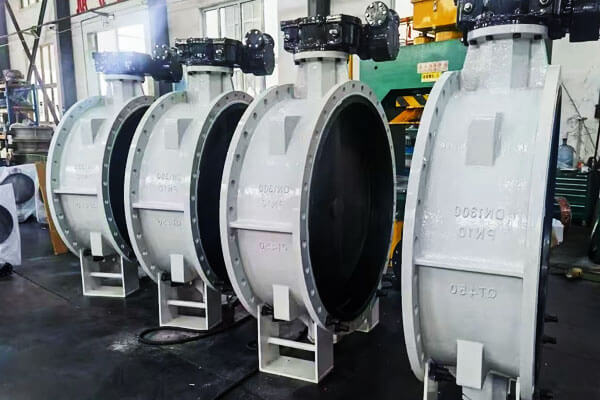
Hassas döküm kelebek vana gövdeleri, yüksek boyutsal doğruluğu birleştirdikleri için birçok endüstride yaygın olarak kullanılmaktadır., Mükemmel mekanik özellikler, ve olağanüstü korozyon direnci.
Basınç bütünlüğünü korurken karmaşık geometrilere uyum sağlama yetenekleri, onları hem standart endüstriyel hizmetler hem de son derece zorlu çalışma ortamları için uygun kılar.
Su arıtma ve dağılımı
Su arıtma, kelebek vanaların en büyük uygulama sektörlerinden biridir.
Belediye su tesisleri, tuzdan arındırma tesisleri, atık su arıtma istasyonları, ve sulama sistemlerinin tümü, minimum bakımla sürekli çalışabilen güvenilir akış kontrol ekipmanı gerektirir.
Yatırım döküm kelebek vana gövdeleri özellikle avantajlıdır çünkü şunları sağlarlar::
- Güvenilir sızdırmazlık için mükemmel boyutsal tutarlılık
- Akış direncini azaltan pürüzsüz iç yüzeyler
- İçme ve arıtılmış suda iyi korozyon direnci
- Sık çalıştırma döngülerinde uzun servis ömrü
Su kalitesine ve çalışma koşullarına bağlı olarak, yaygın olarak kullanılan malzemeler arasında:
- CF8 paslanmaz çelik
- CF8M paslanmaz çelik
- Koruyucu kaplamalı sünek demir
- Deniz suyu uygulamaları için dubleks paslanmaz çelik
Tuzdan arındırma tesisleri için, Dubleks paslanmaz çelik, klorür kaynaklı çukurlaşma ve çatlak korozyonuna karşı üstün direnci nedeniyle sıklıkla tercih edilir..
Petrol ve gaz endüstrisi
Petrol ve gaz üretimi, valf gövdelerini endüstriyel uygulamalarda karşılaşılan en zorlu servis koşullarından bazılarına maruz bırakır.
Tipik işletim zorlukları şunları içerir::
- Yüksek basınç
- Yüksek sıcaklıklar
- Hidrojen sülfür (H₂s)
- Karbondioksit (Co₂)
- Aşındırıcı parçacıklar
- Açık deniz deniz ortamları
Hassas döküm kelebek vana gövdeleri, ekşi hizmet için özel olarak tasarlanmış korozyona dayanıklı alaşımları barındırırken mükemmel basınç koruması sunar.
Ortak malzemeler içerir:
- WCB karbon çeliği
- CF8M paslanmaz çelik
- Dubleks paslanmaz çelik
- Süper dubleks paslanmaz çelik
- Nikel bazlı alaşımlar
Tipik uygulamalar:
- Ham petrol boru hatları
- Açık deniz platformları
- Rafineri proses üniteleri
- Doğal gaz iletimi
- LNG terminalleri
- Petrokimya tesisleri
Hassas dökümün hassasiyeti aynı zamanda sızdırmazlık güvenilirliğini de artırır, Kaçak emisyonların önlenmesi ve çevreye uygunluğun sağlanması açısından kritik öneme sahip olan.
Kimyasal işleme
Kimya tesisleri, geleneksel mühendislik malzemelerini hızla bozabilecek son derece agresif ortamlar kullanıyor.
Tipik kimyasallar şunları içerir::
- Sülfürik asit
- Hidroklorik asit
- Nitrik asit
- Sodyum hidroksit
- Klorür çözümleri
- Organik çözücüler
Hassas döküm, üreticilerin mükemmel boyutsal hassasiyeti korurken korozyona karşı yüksek dirençli alaşımlardan kelebek vana gövdeleri üretmesine olanak tanır.
Proses kimyasına bağlı olarak, uygun malzemeler şunları içerir::
- CF8M paslanmaz çelik
- Dubleks paslanmaz çelik
- Hastalık
- Mızmız
- Moli
Hassas dökümle üretilen mükemmel yüzey kalitesi aynı zamanda çatlak oluşumunu da en aza indirir, Lokal korozyonu azaltır ve ekipman temizliğini kolaylaştırır.
Güç üretimi
Enerji santralleri zorlu termal ve mekanik koşullar altında sürekli çalışabilen vanalara ihtiyaç duyar.
Uygulamalar içerir:
- Kazan besleme suyu sistemleri
- Buhar dağıtımı
- Soğutma suyu sistemleri
- Baca gazı desülfürizasyonu
- Kondens sistemleri
Valf gövdeleri dayanmalıdır:
- Yüksek basınç
- Termal bisiklet
- Yüksek sıcaklıklar
- Aşındırıcı kondensatlar
Bu uygulamalar için genellikle ısıya dayanıklı paslanmaz çelikler ve nikel bazlı alaşımlar seçilir..
Hassas dökümün sağladığı boyutsal kararlılık, tekrarlanan termal genleşme ve büzülme döngüleri sırasında tutarlı valf performansına katkıda bulunur.
Yiyecek ve içecek endüstrisi
Gıda işleme ekipmanları, mükemmel korozyon direncini korurken katı hijyen standartlarını da karşılamalıdır..
Tipik uygulamalar:
- İçecek üretimi
- Süt işleme
- Bira yapımı
- Şeker rafinasyonu
- Yemeklik yağ üretimi
Yatırım döküm paslanmaz çelik kelebek vana gövdeleri birçok önemli avantaj sunar:
- Düz, temizlenebilir yüzeyler
- Düşük bakteriyel yapışma
- Mükemmel korozyon direnci
- Yüksek boyutlu doğruluk
- Sıhhi temizlik prosedürlerine uyumluluk
Elektro-parlatılmış CF3 ve CF3M paslanmaz çelikler, ürün saflığının önemli olduğu hijyenik proses sistemlerinde sıklıkla kullanılır..
İlaç ve Biyoteknoloji Endüstrileri
Farmasötik üretim, gıda işlemeye göre daha sıkı gereksinimler getirmektedir.
Valf gövdeleri sergilenmelidir:
- Son derece pürüzsüz yüzeyler
- Minimum kirlenme riski
- Mükemmel temizlenebilirlik
- Agresif sterilizasyon kimyasallarına karşı direnç
- GMP standartlarına uygunluk
Hassas döküm, mikroorganizmaları barındırabilecek yüzey kusurlarını en aza indirirken olağanüstü geometrik doğruluk sağlar.
Ek elektro-parlatma daha da iyileşir:
- Yüzey pürüzlülüğü
- Korozyon direnci
- Kısırlık
- Ürün saflığı
Bu özellikler hassas döküm kelebek vana gövdelerini steril işleme sistemleri için çok uygun hale getirir.
Deniz mühendisliği
Deniz ortamları çeşitli agresif faktörleri birleştirir:
- Tuzlu su korozyonu
- Yüksek nem
- Biyolojik kirlenme
- Mekanik titreşim
- Döngüsel yükleme
Gemilerde kullanılan valf gövdeleri, Açık deniz platformları, ve kıyı tesisleri olağanüstü korozyon direnci gerektirir.
Ortak malzemeler içerir:
- Dubleks paslanmaz çelik
- Süper dubleks paslanmaz çelik
- Moli
- Bronz alaşımlar
Hassas döküm, karmaşık deniz valfi tasarımlarına olanak tanırken, sürekli deniz suyuna maruz kalma durumunda mükemmel mekanik bütünlük sağlar.
Madencilik ve Cevher Hazırlama
Madencilik operasyonları, askıda katı maddeler içeren yüksek derecede aşındırıcı çamurlar nedeniyle benzersiz zorluklar ortaya çıkarmaktadır..
Valf gövdeleri direnmeli:
- Aşındırıcı aşınma
- Darbe yükleme
- Korozyon
- Yüksek akış hızları
Hassas döküm dubleks paslanmaz çelik, mükemmel bir aşınma direnci kombinasyonu sunar, kuvvet, ve korozyon direnci, çamur taşıma sistemleri için uygun hale getirir.
HVAC ve Bina Hizmetleri
Büyük ticari binalarda sıklıkla kelebek vanalar kullanılır.:
- Soğutulmuş su
- Isıtma sistemleri
- Soğutma Kuleleri
- Yangından korunma
- Su dağıtımı
Yatırım döküm valf gövdeleri hafif yapı sağlar, doğru boyutlar, ve güvenilir sızdırmazlık sağlarken uzun çalışma süreleri boyunca bakım maliyetlerini azaltır.
10. Gelecekteki Gelişim Trendleri
| Eğilim | Tanım | Hassas döküm vana gövdeleri üzerindeki etki |
| Balmumu desenlerinin katmanlı imalatı | 3D-baskılı desenler düşük hacimler için kalıplamayı ortadan kaldırır. | Hızlı prototiplemeyi mümkün kılar; kalıp maliyeti olmadan özel boyutlar. |
| Dijital ikiz ve simülasyon | Döküm ve işlemenin gerçek zamanlı simülasyonu. | Kusurları azaltır; süreci optimize eder. |
| Yapay zeka odaklı kusur tahmini | Makine öğrenimi gözenekliliği ve kalıntıları tahmin ediyor. | Verimi artırır; muayeneyi azaltır. |
Yüksek performanslı dubleks alaşımlar |
Daha yüksek mukavemet ve korozyon direncine sahip yeni dubleks alaşımlar. | Daha ince kesitlere olanak tanır; ağırlık azaltma. |
| Sürdürülebilir kabuk malzemeleri | Biyo bazlı bağlayıcılar; geri dönüştürülebilir kabuk. | Çevresel etkiyi azaltır. |
| Akıllı valf gövdeleri | Sıcaklık için gömülü sensörler, basınç, korozyon. | Tahmine dayalı bakımı etkinleştirir; durum izleme. |
| Büyük çaplı hassas döküm | DN1200'e kadar döküm boyutları / 48″. | Uygulama aralığını büyük boru hatlarını kapsayacak şekilde genişletir. |
| Erimenin elektrifikasyonu | Yenilenebilir elektrikle indüksiyonla eritme. | Karbon ayak izini azaltır. |
11. Çözüm
Hassas döküm, yüksek performanslı kelebek vana gövdeleri için önde gelen üretim sürecidir, özellikle paslanmaz çelik ve dubleks alaşımlarda.
benzersiz bir kombinasyon sunuyor geometrik karmaşıklık, boyutsal doğruluk, yüzey kaplaması, ve maddi bütünlük kum dökümüyle eşsiz, dövme, veya fabrikasyon.
Süreç, minimum işlemeyle net şekle yakın bileşenler sunar, mükemmel basınç bütünlüğü, ve tutarlı mekanik özellikler.
Korozyona dayanıklılık gerektiren valf gövdeleri için, Sıkı Toleranslar, ve uzun hizmet ömrü - ister kimya tesislerinde olsun, Açık deniz platformları, veya gıda işleme hatları — hassas döküm tercih edilen yöntemdir.
Döküm kelebek vana gövdelerindeki başarı, tüm üretim zinciri boyunca sıkı kontrole bağlıdır: alaşım seçimi, desen tasarımı, kabuk binası, erime, dökme, ısıl işlem, işleme, ve muayene.
Simülasyondaki gelişmeler, otomasyon, ve sürdürülebilir malzemeler süreci daha da geliştiriyor, daha verimli hale getirmek, güvenilir, ve çevre dostu.
Endüstriler daha yüksek performans talep ettiğinden, daha hafif ağırlık, ve akış kontrol ekipmanından daha uzun ömür, hassas döküm bu zorlukların üstesinden gelmede merkezi bir rol oynamaya devam edecek.
SSS
Hassas döküme tabi tutulabilecek bir kelebek vana gövdesinin maksimum boyutu nedir??
Tipik hassas döküm kapasitesi: kadar 600 mm (24″) wafer/lug gövdeleri için çap; kadar daha büyük boyutlar 900 mm (36″) özel kabuk yapısıyla mümkündür.
Çok büyük vanalar için (>48″), kum döküm veya imalat daha ekonomiktir.
Wafer ve pabuç tarzı valf gövdeleri arasındaki fark nedir??
Gofret tarzı gövdeler incedir ve flanşlar arasına sıkıştırılmıştır; Pabuç tarzı gövdelerin her iki yanında dişli parçalar bulunur ve hat sonu vanaları olarak kullanılabilir. Her ikisi de yatırımla dökülebilir.
Döküm vana gövdeleri tamir edilebilir mi??
Küçük döküm kusurları kaynakla onarılabilir (uygun dolgu ve ön ısıtma ile), ancak büyük kusurlar genellikle hurdaya neden olur. HIP gözenekliliği ortadan kaldırabilir ancak yüzey kusurlarını onaramaz.
Hassas döküm vana gövdeleri için tipik teslim süresi nedir??
8- Kalıplama ve ilk makaleler için 12 hafta; 2- Tekrarlanan siparişler için 4 hafta (mevcut takımlarla). Acele siparişler ek ücret karşılığında hızlandırılabilir.