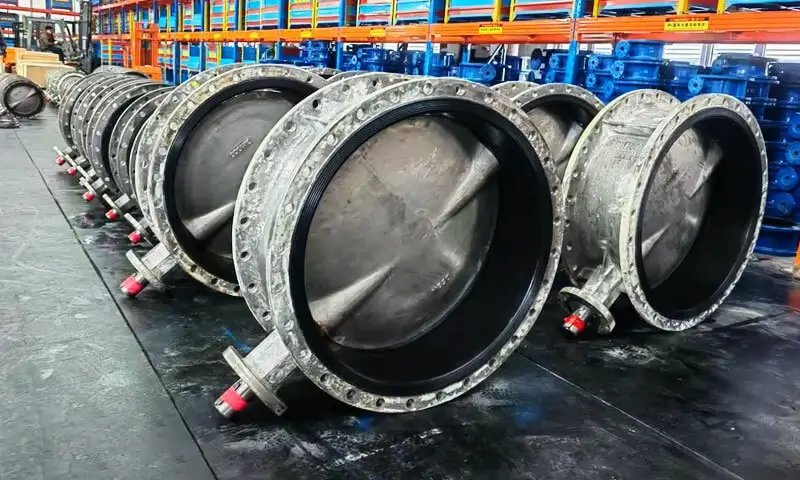
1. giriiş
CF3 paslanmaz çelik, östenitik döküm paslanmaz çelik ailesinin bir üyesi, popüler işlenmiş kalitenin düşük karbonlu döküm eşdeğeridir 304L (ABD S30403).
ASTM A351 kapsamında tanımlanmış olup, korozyon direncinin yüksek olduğu endüstrilerde yaygın olarak kullanılmaktadır., kaynaklanabilirlik, ve dökülebilirlik çok önemlidir.
. "C" CF3, “Korozyona dayanıklı” anlamına gelir, "F" çelik kalitesini belirtir (304L eşdeğeri), ve numara “3” düşük karbon içeriğini tanımlar (≤ 0.03%).
Tarihsel olarak, CF3, klorür açısından zengin ve yoğun kaynak gerektiren uygulamalardaki korozyon sorunlarına yanıtın bir parçası olarak ortaya çıktı.
20. yüzyılın ortalarında düşük karbonlu kalitelerin piyasaya sürülmesi, kaynak sonrası ısıl işleme ihtiyaç duymadan yüksek bütünlüğe sahip kaynaklı yapıların geliştirilmesini sağlayan bir dönüm noktasıydı..
Maliyet etkinliğinin dengeli birleşimi nedeniyle, performans, ve duyarlılaşmaya karşı direnç,
CF3, kimyasallar genelinde paslanmaz çelik döküm uygulamalarında stratejik olarak önemli olmaya devam ediyor, petrokimyasal, su arıtma, ve gıda işleme sektörleri.

2. Kimyasal bileşim & Metalurji
Nominal kimyasal bileşim
Tipik ağırlık yüzdesi (ağırlıkça%) CF3 paslanmaz çelikteki alaşım elementlerinin oranı, ASTM A351 tarafından tanımlandığı gibi, ki:
| Eleman | Tipik aralık (ağırlıkça%) | İşlev |
|---|---|---|
| Krom (CR) | 18.0 - 21.0% | Pasif film oluşumu yoluyla korozyon direncini artırır |
| Nikel (İçinde) | 8.0 - 11.0% | Östenit stabilize eder, sünekliği ve tokluğu iyileştirir |
| Karbon (C) | ≤%0,03 | Hassasiyeti azaltır; kaynaklanabilirliği artırır |
| Manganez (MN) | ≤%1,5 | Sıcak işlenebilirliği artırır; deoksider |
| Silikon (Ve) | ≤%2,0 | Dökümde akışkanlığı arttırır; deoksider |
| Fosfor (P) | ≤%0,04 | Kalıntı; Kırılganlığı azaltmak için en aza indirilmelidir |
| Sülfür (S) | ≤%0,04 | Kalıntı; aşırı S dayanıklılığı azaltabilir |
| Ütü (Fe) | Denge | Matris öğesi |
. düşük karbon içeriği (≤ 0.03%) kaynak sırasında tanecik sınırlarında krom karbür çökelmesi riskini önemli ölçüde azaltır,
CF3'ü kaynak sonrası ısıl işlem gerektirmeden tanecikler arası korozyona karşı özellikle dayanıklı hale getirir.

Mikroyapı: Östenitik matris & Karbür Kontrolü
CF3 paslanmaz çelik tamamen östenitik mikroyapı yüz merkezli kübik (FCC) kafes, katkıda bulunan:
- Mükemmel dayanıklılık hem ortam hem de kriyojenik sıcaklıklarda.
- Manyetik olmayan davranış tavlanmış durumda.
- Stres korozyon çatlamasına karşı direnç (SCC) birçok klorür içeren ortamda.
Düşük karbon içeriği nedeniyle, CF3 şunları içerir: minimal krom karbürler, özellikle tane sınırlarında.
Bu, duyarlılaşmaya karşı direnci artırır, kromu tüketen bölgelerin oluştuğu ve aşındırıcı saldırılara karşı savunmasız hale geldiği bir durum.
Bir miktar artık delta ferrit (tipik olarak < 10%) katılaşmadan sonra mevcut olabilir, özellikle kum döküm bileşenlerde.
katılaşma sırasında sıcak çatlamayı önlemeye yardımcı olur, ancak kontrollü seviyelerde tutulduğunda korozyon direnci veya tokluk üzerinde minimum etkiye sahiptir.
3. ASTM A351 CF3 ve Küresel Eşdeğerler
| Standart | Belirleme | Bölge | Eşdeğer Sınıf |
|---|---|---|---|
| ASTM A351 | Sınıf CF3 | Amerika | Düşük karbonlu döküm 304L |
| ASME SA-351 | Sınıf CF3 | Amerika (kazan kodu) | Basınçlı kap uyumlu |
| İÇİNDE 10283 | Gx2crni19-11 | Avrupa Birliği | Döküm versiyonu 1.4306 (304L) |
| ISO 11972 | G-X2CrNi19-11 | Uluslararası | Küresel uyumlaştırılmış eşdeğer |
| O G5121 | SCS13A | Japonya | 304L döküm kalitesi |
4. Mekanik Özellikler
| Mekanik Özellik | Tipik değer |
|---|---|
| Gerilme mukavemeti | ≥48 MPa |
| Verim gücü (0.2% telafi etmek) | ≥205 MPa |
| Uzama | ≥% 30 |
| Sertlik | 140–190 hb |
| Etkisi Tokluk (Oda sıcaklığı) | > 100J (Charpy V-Notch) |
| Yorgunluk dayanıklılık sınırı | 240–270 MPa (havada, cilalı) |
| Sürünme direnci | 870°C'ye kadar orta sıcaklık |
Yüksek sıcaklıklarda, Çekme ve akma dayanımları giderek azalır, ancak alaşım 400–500 °C'ye kadar yeterli yapısal bütünlüğü korur, orta düzeyde termal hizmet için uygun hale getirilmesi.
5. Termal & Fiziksel Özellikler
| Mülk | Değer |
|---|---|
| Yoğunluk | ~ 7.9 g/cm³ |
| Termal iletkenlik | ~ 16 w/m · k (100 ° C'de) |
| Genişleme katsayısı | 17.3 µm/m · ° C (20–400 ° C) |
| Elektrik direnci | 0.72 µω · m |
| Manyetik yanıt | Manyetik olmayan (tavlanmış) |
| Oksidasyon direnci | ~800°C'ye kadar iyi |
6. CF3 Paslanmaz Çelik Döküm Özellikleri
CF3 paslanmaz çelik (316'nın döküm eşdeğeri) karmaşık geometrilere molibdenle geliştirilmiş korozyon direnci kazandırır.
Tüm potansiyelini kullanmak için, Dökümhaneler benzersiz döküm davranışını hesaba katmalıdır, eriyik işlemeden katılaşma kontrolüne kadar.

Akışkanlık & Dökme sıcaklığı
CF3 arasında eriyor 1450 ° C ve 1550 ° C, Mo içeriği nedeniyle CF8'den biraz daha yüksektir.
Dökülen aşırı sıcaklıkta 1500–1560 °C, CF3 akışkanlığa ulaşır 220–280 mm (ISO 243), ince duvarlı bölümlerin doldurulmasını sağlar 4 mm.
Fakat, aşırı aşırı ısınma artabilir gaz pikap ve oksidasyon, bu nedenle operatörler genellikle aşırı ısınmayı 50 ° C sıvı.
Katılaşma Aralığı & Büzülme
İle donma aralığı yaklaşık olarak 60–90 °C, CF3, basit östenitik alaşımlardan daha geniş bir sıcaklık aralığında katılaşır.
Sonuç olarak, sergiliyor doğrusal büzülme ile ilgili 1.9–2.3 %, desen tasarımında dikkatli bir küçülme telafisi gerekliliği.
Önlemek için merkez hattı gözenekliliği, mühendisler istihdam ediyor yönlendirme: yalıtımlı yükselticileri sıcak noktaların üzerine yerleştirmek ve titreme kalın kesitlerde donmayı hızlandırmak için.
Besleme & Yükseltici Tasarımı
Orta düzeyde büzülme göz önüne alındığında, CF3 dökümler, beslemeye uygun boyuttaki yükselticilerden yararlanır 30–40 % destekledikleri döküm kütlesinin.
Sonlu eleman termal simülasyonu genellikle yükseltici yerleşimine rehberlik eder, daralma bölgelerine kesintisiz metal akışının sağlanması.
Ek olarak, ekzotermik kollar kritik yükselticilerde genel kalıp hacmini artırmadan besleme ömrünü uzatır.
Gazetleme, Deoksidasyon & aşılama
Gaz gözenekliliğini en aza indirmek için, genellikle dökümhaneler argon temizliği dökmeden önce erimiş CF3.
Onlar da ekliyorlar silikon (0.3–0.6 %) Ve alüminyum (0.02–0.05 %) deoksidanlar, kararlı oksitler oluşturan ve çözünmüş oksijeni azaltan.
Nihayet, küçük nadir toprak aşılayıcı (Örn., 0.03–0.05 % Ne yap) cezayı teşvik eder, tekdüze δ‑ferrit ve mikro büzülmeyi önler, mekanik tutarlılığın arttırılması.
CF3 Paslanmaz Çelik İçin Uygun Döküm Yöntemleri
| Döküm yöntemi | Tipik uygulamalar | Avantajlar | Husus |
|---|---|---|---|
| Kum dökümü (Yeşil veya Pişirmesiz) | Valf gövdeleri, pompa gövdeleri, flanşlar | – Büyük parçalar için uygun maliyetli – Çeşitli tasarımlar için esnek |
– Daha pürüzlü yüzey kalitesi (Ra 6-12μm) – Gözeneklilik için daha sıkı kontrol gerekiyor |
| Kabuk Kalıp Dökümü | Enstrümantasyon kapakları, küçük vanalar | – İyi boyutsal doğruluk (±%0,3) – İnce yüzey kalitesi (Ra 3-6μm) |
– Daha pahalı kalıplar – Küçük ve orta büyüklükteki parçalar için en iyisi |
| Hassas Döküm (Kayıp balmumu) | Pervane, tıbbi bağlantı parçaları, yüksek hassasiyetli bileşenler | – Mükemmel yüzey kalitesi (Ra < 3 μm) – Yüksek geometrik karmaşıklık |
– Daha yüksek maliyet – Küçük-orta parçalarla sınırlıdır |
| Savurma döküm | Burçlar, halka, boru bölümleri | – Yüksek yoğunluk – Düşük gözeneklilik – Radyal yönde iyi mekanik özellikler |
– Yalnızca dönme simetrisine sahip parçalar için uygundur |
| Vakumlu Döküm | Havacılıkta kritik bileşenler, nükleer uygulamalar | – Azaltılmış oksidasyon – Temizleyici mikro yapı |
- Masraflı – Özel ekipman gerektirir |
| Seramik Kalıp Dökümü | Karmaşık ısıya dayanıklı parçalar | – Mükemmel yüzey detayı – İyi boyutsal hassasiyet |
– Daha uzun kalıp hazırlama süresi – Daha yüksek maliyet |
Isıl İşlem Uygulamaları
Dökümden sonra, CF3 tipik olarak Çözüm tavlama aralığında 1040–1120 ° C (1900–2050°F) ardından hızlı su söndürme. Bu süreç çeşitli amaçlara hizmet eder:
- Artık karbürleri çözer, korozyon direncini geri kazandırmak
- Mikro yapıyı homojenleştirir, katılaşmadan kaynaklanan segregasyonun ortadan kaldırılması
- Sünekliği ve tokluğu artırır delta ferrit veya kırılgan fazları kaldırarak
Sıkı sıcaklık kontrolü tavlama sırasında kritiktir. Yetersiz söndürme oranları aşağıdaki sonuçlara yol açabilir: duyarlılık Ve krom tükenme tahıl sınırlarında, Korozyon direncinden ödün vermek.
7. Korozyon direnci
Genel korozyon
Nötr ve hafif asidik ortamlarda, CF3, krom açısından zengin pasif filmi sayesinde mükemmel direnci korur. Korozyon oranları tipik olarak < 0.05 İçme suyu ve atık su sistemlerinde mm/yıl.

Lokalize Korozyon Direnci
Alaşım ~200 ppm'ye kadar klorür içeren ortamlarda iyi performans gösterir:
- Çukurluk Direnci Eşdeğeri Numarası (Odun): ~ 18
- Kritik Çukurlaşma Sıcaklığı (Cpt): ~ 20-25 ° C (klorür seviyesine göre değişir)
Stres-korozyon çatlaması (SCC)
CF3'ün düşük karbon içeriği, klorür içeren ortamlarda SCC direncini artırır, özellikle 50–100°C aralığında, östenitik kaliteler için bilinen bir tehlike bölgesi.
8. İmalat & İşlenebilirlik
CNC İşleme
CF3 makineleri dövme makinelerle karşılaştırılabilir 304, ~45 işlenebilirlik indeksi ile % (Neresi 304 eşittir 50 %).
Mağazalar genellikle karbür aletler kullanır, 100–150 m/dak. kesme hızları, ve 0,12–0,18 mm/dev ilerlemeler, Ra çevresinde yüzey kalitesi sağlıyor 1.6 uM.

Kaynak
İmalatçılar CF3 kullanarak kaynak yapıyor 309 veya 312 ön ısıtmasız dolgu alaşımları.
Kaynak sonrası tavlama 1,050 °C'de bir saat süreyle korozyon direnci yeniden sağlanır, delta-ferritin azaltılması ve kaynak bölgesi karbürlerinin çözülmesi.
Şekillendirme & Birleştirme
CF3'ün işlenerek sertleşme oranı karbon çeliğininkinden geride olmasına rağmen, kadar soğuk şekillendirme azaltmalarını tolere eder 40 %.
Geri yaylanmayı önlemek için, tasarımcılar en az 3× malzeme kalınlığına sahip bükülme yarıçaplarını tavsiye ediyor.
9. CF3 Paslanmaz Çelik Uygulamaları
Vanalar, Pompalar, Su Arıtmada Bağlantı Parçaları ve Armatürler
Belediye ve endüstriyel su arıtma tesislerinde, CF3 paslanmaz çelik tercih edilen bir malzemedir:
- Valf gövdeleri ve kaputlar
- Pompa İletimleri ve Pepeli
- Boru bağlantı parçaları ve kaplinler
Klorür kaynaklı korozyona karşı direnci, acı veya hafif tuzlu ortamlarda bile, minimum bakımla uzun servis ömrü sağlar.
Düşük karbon içeriği riski azaltır kaynak sırasında hassasiyet, basınç tutma sistemleri için kritik olan.
Petrokimya ve Petrol & Gaz Bileşenleri
Petrol ve gaz endüstrisi CF3'ü sıklıkla kullanıyor aşındırıcı sıvılarla karşılaşan dökümler, hidrokarbonlar dahil, hidrojen sülfür, ve CO₂ açısından zengin ortamlar. Ortak uygulamalar arasında:
- Kompresör muhafazaları
- Manifoldlar ve akış hattı bileşenleri
- Ölçüm vanaları ve flanşlar
Yukarı- ve orta akış sistemleri, CF3 önlemeye yardımcı olur stres-korozyon çatlaması (SCC) Ve çukur, yüksek klorür içeriği veya ıslak asitli gaz ile hızlandırılanlar.
Gıda İşleme ve İlaç Ekipmanları
Hijyenik proses sistemleri mükemmel korozyon direncine sahip malzemeler gerektirir, Pürüzsüz yüzey kaplaması, ve temizlik maddeleriyle uyumluluk (CIP/SIP). CF3 bu gereksinimleri karşılıyor, onu uygun hale getirmek:
- Sıhhi vanalar ve boru bağlantı parçaları
- Karıştırma ve ölçüm ekipmanları
- Dozaj pompaları ve muhafazaları
Onun östenitik mikroyapı, Tekrarlanan sterilizasyon döngülerinden sonra bile stabil kalan, buluşmaya yardım eder FDA Ve 3-Sıhhi Standartlar kritik üretim ortamlarında.
Enerji Üretimi ve Denizcilik Donanımı
- Buhar ve yoğuşma sistemi bileşenleri
- Deniz suyu pompaları ve valf parçaları
- Isı eşanjörü uç kapakları

Karşı direnci sulu korozyon, biyoyaklayan, Ve yüksek sıcaklıklarda oksidasyon bu agresif ortamlarda bileşen ömrünü artırır.
Deniz ortamlarında, CF3 her ikisinde de güvenilir performans sergiliyor yüzey ve batık servis.
Diğer Gelişen Uygulamalar
- Hidrojen taşıma sistemleri: Manyetik olmayan ve çatlamaya dayanıklı yapısı nedeniyle
- Yarı iletken ıslak işleme araçları: Ultra temiz nerede, reaktif olmayan malzemelere ihtiyaç vardır
- Eklemeli üretimli döküm bileşenleri: Azaltılmış ağırlık ve karmaşık tasarım entegrasyonu için
10. Alternatif malzemelerle karşılaştırma
Belirli bir uygulama için uygun paslanmaz çelik kalitesinin seçilmesi, mevcut seçenekler arasındaki performans dengelerinin derinlemesine anlaşılmasını gerektirir..
CF3 paslanmaz çelik, 304L'nin düşük karbonlu döküm eşdeğeri olarak, genellikle aşağıdaki gibi ilgili alaşımlarla karşılaştırılır: CF3M, CF8, CF8M, ve işlenmiş 304 paslanmaz.
| Mülk | CF3 (304L Cast) | CF3M (316L Cast) | CF8 (304 Döküm) | CF8M (316 Döküm) | 304L Ferforje |
|---|---|---|---|---|---|
| Molibden (Mo) İçerik | HAYIR | Evet | HAYIR | Evet | HAYIR |
| Karbon içeriği | ≤ 0.03% (Düşük karbon) | ≤ 0.03% (Düşük karbon) | ≤ 0.08% | ≤ 0.08% | ≤ 0.03% (Düşük karbon) |
| Klorür direnci | Ilıman | Harika | Ilıman | Harika | Ilıman |
| Çukur direnci (Odun) | ~ 18 | ~ 25-27 | ~ 20 | ~ 25-27 | ~ 18 |
| Korozyon direnci | İyi | Harika | Ilıman | Harika | İyi |
| Kaynaklanabilirlik | Harika | Harika | Ilıman | Ilıman | Harika |
| Maliyet | $$ | $$$ | $$ | $$$ | $$ |
| Kuvvet (Gerilme) | ~ 485 MPa | ~500MPa | ~510MPa | ~ 520 MPa | ~ 520 MPa |
| Uzama | ~% 40 | ~% 45 | ~% 45 | ~% 45 | ~% 45 |
| Biçimlendirilebilirlik | Döküm parçalar için mükemmel | Döküm parçalar için mükemmel | Döküm parçalar için iyi | Döküm parçalar için iyi | Harika (haddelenmiş veya şekillendirilmiş parçalar için) |
| Başvuru | Su sistemleri, gıdaya uygun parçalar | Kimyasal, deniz, açık deniz | Genel endüstriyel parçalar | Deniz, kimyasal, açık deniz | Yüksek süneklik, İnce duvarlı parçalar |
11. Çözüm
Özetle, CF3 paslanmaz çelik, kanıtlanmış korozyon direncini birleştirir. 304 dökümün çok yönlülüğü ile.
Dengeli kimyası, sağlam mekanik profil, ve kanıtlanmış uzun vadeli dayanıklılık, CF3'ü orta dereceli korozif ortamlar için güvenilir bir seçim haline getiriyor.
Dahası, yıllık küresel üretimin aşılmasıyla 50,000 ton ve hurda oranları 6 %, CF3 hem ekonomik hem de performans avantajları sunar.
İleriye dönük, CF3'ü hibrit döküm katkı maddesi iş akışlarına entegre etmek ve yüzey işlemlerini keşfetmek, hizmet kapsamını genişletmeyi vaat ediyor ve CF3'ün endüstriyel uygulamalarda temel bir alaşım olarak kalmasını sağlıyor.
Langhe Yüksek kaliteye ihtiyacınız varsa üretim ihtiyaçlarınız için mükemmel bir seçimdir Paslanmaz çelik dökümler.
CF3 Paslanmaz Çelik Hakkında SSS
CF3 Paslanmaz Çelik yüksek sıcaklık uygulamaları için uygun mudur??
CF3 genellikle orta sıcaklıktaki uygulamalar için uygundur (yaklaşık 800°F veya 427°C'ye kadar).
Daha yüksek sıcaklıklar için, veya ne zaman oksidasyon direnci yüksek sıcaklıklarda kritiktir,
gibi diğer notlar CF8M veya 316 paslanmaz çelik geliştirilmiş yüksek sıcaklık özellikleri nedeniyle daha uygun olabilir.
CF3 kaynak yapılabilir mi?
Evet, CF3 paslanmaz çelik son derece kaynaklanabilir. Düşük karbon içeriği kaynak sırasında karbür oluşumu riskini en aza indirir, tanecikler arası korozyon olasılığını azaltmak.
Fakat, her zaman kullanılması tavsiye edilir uygun kaynak teknikleri Ve kaynak sonrası ısıl işlemler kritik uygulamalarda bu malzemeyle çalışırken.
CF3 Kriyojenik Uygulamalara Uygun mudur??
Evet, CF3 düşük sıcaklıklarda iyi tokluk sergiler, sıvılaştırılmış doğal gaz gibi kriyojenik uygulamalarda kullanıma uygun hale getirir (Lng) depolama ve taşıma.
CF3 Isıl İşlem Görebilir mi??
CF3 genellikle güçlendirme amacıyla ısıl işleme tabi tutulamaz. Fakat, gerilimleri azaltmak ve işlenebilirliği geliştirmek için tavlanabilir.
CF3 Paslanmaz Çelik deniz suyunda nasıl performans gösterir??
CF3 teklifleri deniz suyu korozyonuna karşı orta düzeyde direnç, ancak CF3M veya CF8M kadar dayanıklı değildir, varlığı nedeniyle artan klorür direncine sahip olan molibden.
İçinde Deniz Ortamları yüksek tuzluluk, CF3 biraz deneyimleyebilir çukur korozyonu mesai, yani CF3M veya CF8M daha uygun olabilir.
CF3 Paslanmaz Çelik nasıl muhafaza edilmelidir??
CF3 paslanmaz çeliğin düzenli bakımı şunları içerir::
- Temizlik: Klor gibi kirletici maddelerin uzaklaştırılması, tuz, ve lokal korozyona neden olabilecek kimyasallar.
- Denetleme: Herhangi bir belirti olup olmadığı kontrol ediliyor çukur veya çatlak korozyonu, özellikle deniz veya kimyasal ortamlar.
- Kaynak: Uygunluğun sağlanması sonradan ısıl işlem çatlamayı veya hassasiyeti önlemek için.
CF3 Paslanmaz Çelik gıdayla temas eden uygulamalarda kullanılabilir mi??
Evet, CF3 sıklıkla kullanılır gıda işleme ekipmanı çünkü korozyon direnci Ve temizlik kolaylığı.
şuna uygundur: FDA Ve 3-Sıhhi Standartlar, için uygun bir seçim yapmak sıhhi vanalar, pompalar, ve boru sistemleri.