

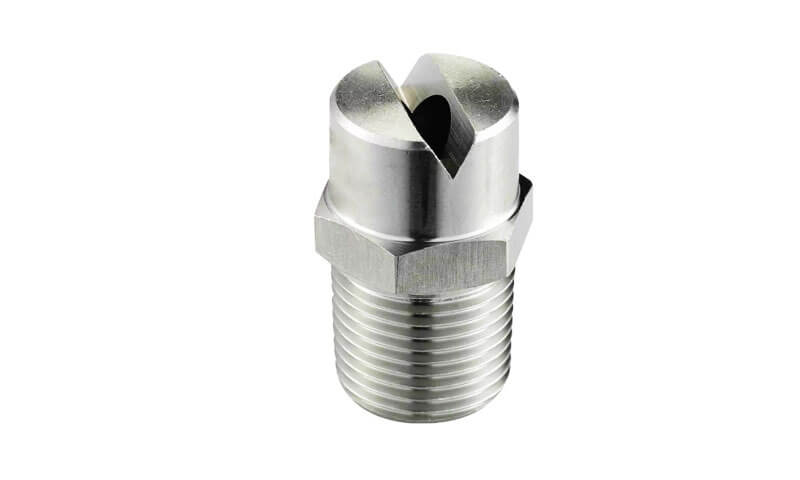
1. Увођење
Индустријске млазнице су много више од једноставних излаза за течности. У петрохемијским постројењима, Аероспаце Системс, линије за прераду хране, поморска опрема, хидраулички склопови,
и уређаји за прецизно прскање, млазнице играју одлучујућу улогу у атомизацији, формирање млаза, регулација протока, контрола притиска, и средња испорука.
На њихов учинак директно утиче геометријска тачност, интерни квалитет канала, отпорност на корозију, механички интегритет, и конзистентност производње.
Због ових захтева, Производња млазница је класичан проблем инжењерске одлуке: да ли део производи прецизно ливење или од стране ЦНЦ обрада?
2. Оно што производњу млазница чини технички захтевном?
А млазница је компонента која обликује проток, што значи да његов унутрашњи и спољашњи облик има директан функционални утицај.
За разлику од многих структурних делова, о млазници се не може судити само по снази или изгледу. Његова геометрија мора да подржава стабилно понашање флуида.
Кључни инжењерски захтеви за млазнице
- Прецизни унутрашњи канали протока
- Глатке и конзистентне површине протока
- Тачна величина отвора
- Стабилне заптивне површине
- Добра отпорност на корозију и хабање
- Отпорност на вибрације, шок притиска, и кавитације
- Поновљиве перформансе у свим производним серијама
Ови захтеви стварају узак производни прозор. Превелика храпавост површине може пореметити проток. Одступање димензија може да промени образац прскања или коефицијент пражњења.
Унутрашњи дефекти могу изазвати цурење, зачепљења, или локални неуспех. Из тог разлога, процес производње је неодвојив од перформанси млазница.
3. Обрадити основе
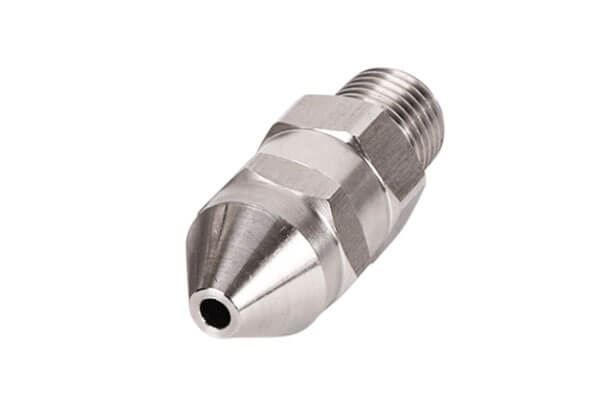
Млазница за прецизно ливење
Прецизно ливење, често се назива Инвестициони ливење или ливење изгубљеног воска, је процес у облику скоро мреже који је посебно погодан за делове сложене геометрије.
Типична рута укључује креирање воштаног узорка, Зграда керамичке шкољке, девексирање, штрајк, преливање метала, хлађење, уклањање љуске, и завршавање.
За производњу млазница, овај процес омогућава растопљени нерђајући челик, месинга, или легура високе температуре која се сипа у прилагођени керамички калуп.
Резултат је скоро готова млазница са интегрисаним контурама, закривљени канали, и сложене карактеристике које би било тешко или скупо обрађивати из чврсте залихе.
Основне карактеристике
- Јака геометријска слобода
- Добра погодност за интегрисане структуре
- Смањена потреба за машинском обрадом целог тела
- Ефикасан за средње и велике количине производње
- Погодно за комплекс, делови од легура отпорних на корозију
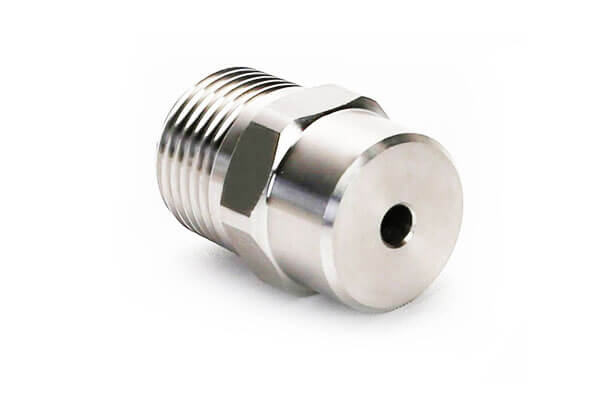
ЦНЦ обрађена млазница
ЦНЦ обрада је субтрактивни процес који користи програмиране путање алата за уклањање материјала из гредица, барови, отприцати, или ваљани материјал.
Обично укључује окретање, глодање, бушење, навојница, обрада дубоких рупа, и прецизно завршавање.
За производњу млазница, ЦНЦ обрада је посебно јака када је геометрија правилна, толеранције су уске, а проточни пролази су доступни алатима.
Широко се користи за млазнице високе прецизности са равним рупама, концентричне особине, поуздане заптивне површине, и строге димензионалне захтеве.
Основне карактеристике
- Одлична тачност димензија
- Врхунска контрола над критичним површинама
- Брза израда прототипа и промене дизајна
- Без улагања у калуп
- Велика флексибилност за мале серије и рад по мери
4. Упоредно поређење инжењеринга
Структурна прилагодљивост и сложеност дизајна
| Аспект | Млазница за прецизно ливење | ЦНЦ обрађена млазница |
| Слобода геометрије | Веома висок | Умерен до високо, али зависи од приступа алату |
| Закривљене тркаче / спирални канали | Одличан | Тешко и скупо |
| Вишекраки унутрашњи пролази | Одличан | Обично неефикасно |
| Танкозидне интегрисане структуре | Добри | Могућ, али често скупљи |
| Оштри унутрашњи углови | Ограничено капитаљивошћу | Лакше за машинску обраду у приступачним областима |
| Једноделна формација | Јака предност | Обично захтева једноставнију геометрију |
Прецизно ливење је јачи избор када млазница укључује закривљене вођице, асиметричне шупљине, вишекраки пролази, или сложено интегрисано тело.
Може да произведе компоненте у облику мреже које смањују кораке монтаже и елиминишу заварене шавове, што је посебно вредно за системе флуида осетљиве на цурење.
ЦНЦ обрада је погоднија за редовну, симетрично, и облицима доступним алатима. Одликује се правим рупама, концентричне бушотине, нити, равне заптивне површине, и стандардне геометрије конуса.
Али када дизајн постане веома сложен изнутра, време обраде и трошкови нагло расту.
Димензионална тачност и квалитет површине
| Параметар перформанси | Млазница за прецизно ливење | ЦНЦ обрађена млазница |
| Општа толеранција димензија | ЦТ4 - ЦТ6, отприлике ±0,05 до ±0,15 мм | ±0,005 до ±0,02 мм |
| Минимални практични отвор бленде | О томе 0.5 мм | О томе 0.1 мм |
| Површинска храпавост сировог облика | Ра 1,6–6,3 μм | Ра 0,2–1,6 μм |
| Заптивање равности лица | Обично је потребна секундарна завршна обрада | Може се формирати директно са високом прецизношћу |
| Глаткост унутрашњег канала | Добри, али са ливеном текстуром | Одличан |
ЦНЦ обрада је очигледно супериорна када млазница захтева изузетно чврсту контролу толеранције, посебно у зони отвора, заптивање лица, и концентричне карактеристике.
Производи глатке површине и бољу контролу над критичним димензијама.
Прецизно ливење може да постигне корисну тачност за многе индустријске млазнице, али као ливена површина обично задржава текстуру очвршћавања.
То није нужно проблем у обичним прскањем или млазом, али најфункционалније површине обично захтевају локалну машинску обраду или полирање.
Коришћење материјала и микроструктура
| Аспект | Млазница за прецизно ливење | ЦНЦ обрађена млазница |
| Материјални почетни облик | Растопљени метал | Солид стоцк, ковање, или бар |
| Употреба материјала | Око 85%–92% | Око 30%–55% |
| Сцрап генерације | Низак до умерен | Велика запремина чипа |
| Микроструктура | Ливена дендритска структура | Структура кованог зрна |
| Оријентација тока метала | Није континуирано као коване залихе | Очувано у основном материјалу, делимично поремећена сечењем |
Прецизно ливење је генерално ефикасније у погледу материјала.
Ово је посебно важно када је млазница направљена од скупих легура као што је нерђајући челик, Легуре никла, или легуре титанијума. Мање отпада значи ниже ефективне трошкове и лакше скалирање.
ЦНЦ обрада почиње са кованим материјалом који већ има рафинирану структуру зрна и снажан механички континуитет.
То даје готовом делу високу основну чврстоћу и отпорност на замор. Међутим, процес сечења ствара струготине и може локално да промени површински слој кроз топлоту и стрес.
Разлика није само академска. То утиче на цену, механички одговор, и корозионо понашање у раду.
Механичка својства и трајност сервиса
| Механички индикатор | Млазница за прецизно ливење | ЦНЦ обрађена млазница |
| Затезна чврстоћа | Нешто ниже код типичних нерђајућих одливака | Више у кованим залихама |
| Жилавост | Умерен | Високо |
| Отпорност на умор | Добро за сталну услугу | Јачи за циклично оптерећење |
| Отпорност на висок притисак | Погодно за средњи притисак | Боље за веома висок притисак |
| Отпорност на хабање | Уједначен, стабилан образац хабања | Већа локална тврдоћа и отпорност на хабање |
| Корозивна средња услуга | Веома добар, посебно након одговарајуће топлотне обраде | Добри, али стање површине је важно |
ЦНЦ обрађене млазнице се обично преферирају у високом притиску, склон вибрацијама, или окружења са интензивним замором.
Њихов основни материјал има тенденцију да задржи бољи механички континуитет, који подржава захтевне услове услуге.
Прецизне млазнице за ливење често су погодније за корозивне хемијске медије, влажне средине високе температуре, и системи стабилног протока где су геометрија и компатибилност материјала важнији од екстремне отпорности на притисак.
Када се правилно термички обради, ливени нерђајући челик може да пружи одличне перформансе корозије.
Производни циклус и прилагодљивост серије
| Аспект | Млазница за прецизно ливење | ЦНЦ обрађена млазница |
| Почетно подешавање | Потребан је развој калупа и процеса | Није потребан калуп |
| Брзина прототипа | Спорији | Врло брзо |
| Масовна производња | Ефикасан када се стабилизује | Ефикасан само за једноставније облике |
| Најбоља величина серије | Низак до средње, често 50–10.000 комада | Веома мале серије до умерених серија |
| Флексибилност промене | Нижи | Веома висок |
Ливење захтева унапред алате и припрему процеса, па је време испоруке на почетку дуже. Једном стабилизовано, међутим, може постати веома ефикасан за поновну производњу.
То га чини атрактивним када је дизајн млазнице зрео и очекује се да остане непромењен.
ЦНЦ обрада је супротна. Готово да нема баријеру за алате и идеалан је за брзу израду прототипа, инжењерска испитивања, хитна испорука, и производња по мери.
Компромис је да се сваки део мора сећи појединачно, што може учинити производњу великих размера споријом и скупљом за сложене геометрије.
Свеобухватна структура трошкова
| Фактор трошкова | Млазница за прецизно ливење | ЦНЦ млазница за обраду |
| Трошак алата | Више на почетку | Веома низак или никакав |
| Трошкови материјала | Мањи ефективни отпад | Већи трошак отпада |
| Трошак рада | Ниже по делу у размери | Више по делу за сложене делове |
| Трошкови накнадне обраде | Умерен | Низак до умерен |
| Најбољи услов трошкова | Сложени делови, умерене до велике јачине | Једноставни делови, ниска количина, Брзи преокрет |
За једноставне геометрије млазница, ЦНЦ обрада може бити јефтинији пут, посебно када је обим производње мали и никаква улагања у алате нису оправдана.
За средње до високе геометрије млазница, прецизно ливење често смањује укупне трошкове избегавањем прекомерне вишеосне обраде, поновљено стезање, и монтажне операције.
Уштеда материјала је посебно важна за скупе легуре.
5. Уобичајени недостаци и изазови контроле квалитета
Дефекти млазница за прецизно ливење
Прецизно ливење нуди многе предности, али није ослобођен процесних ризика.
| Уобичајени дефект | Типичан ефекат | Метода контроле |
| Пешчане рупе / инклузије | Може блокирати мале пролазе или ослабити локалне зоне | Побољшајте квалитет љуске и филтрацију |
| Порозност скупљања | Смањује способност подношења притиска | Оптимизујте дизајн улаза и учвршћивања |
| Димензионално скупљање | Утиче на толеранције и заптивне површине | Резервни додатак за машинску обраду |
| Површинска зрнаста текстура | Благо храпави канали протока | Завршите критична подручја машинском обрадом или полирањем |
Најважнија контролна стратегија у млазницама за ливење је да се на критичним површинама и отворима оставите прилив за машинску обраду..
У пракси, заптивне површине и карактеристике протока тесне толеранције не би требало у потпуности да се ослањају на тачност ливења.
Дефекти млазница за ЦНЦ машинску обраду
ЦНЦ обрада је веома прецизна, али има своје бриге о квалитету.
| Уобичајени дефект | Типичан ефекат | Метода контроле |
| Бурри | Омета проток и може изазвати зачепљење | Огуљен, обрада ивица |
| Одступање стезања | Ствара грешку концентричности | Побољшајте дизајн уређаја |
| Очвршћавање површинским радом | Може утицати на корозију и квалитет завршне обраде | Користите оптимизовану брзину сечења и расхладну течност |
| Ознаке алата | Повећајте храпавост у осетљивим областима струјања | Секундарно полирање или завршна обрада |
У апликацијама млазница, мале бразде могу бити штетније него што изгледају. Чак и мале несавршености ивица могу изазвати турбуленцију, неравномерно прскање, или задржавање контаминације.
Због тога уклањање ивица после машинске обраде није опционо у критичној производњи млазница.
6. Одабир апликације: Који процес одговара којој млазници?
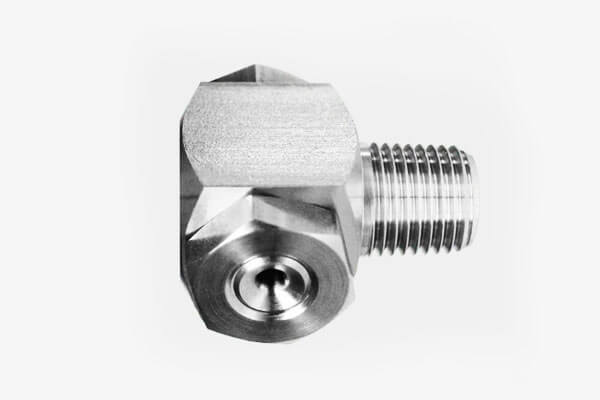
Млазница за прецизно ливење је најбоља за
- Комплексни закривљени канали
- Вишеструки или неправилни унутрашњи пролази
- Велика или интегрисана тела млазница
- Корозивни медији и услуга умереног притиска
- Производња средње серије
- Легуре високе вредности где је уштеда материјала битна
Типичне индустрије
- Хемијска обрада
- Морска десалинизација
- Руковање морском водом
- Прскање и чишћење хране
- Испорука индустријске течности средњег притиска
ЦНЦ млазница за обраду је најбоља за
- Једноставне млазнице са правим отвором
- Млазнице са микроотвором
- Прецизне заптивне површине
- Сервис високог притиска или интензивног вибрација
- Брза израда прототипа и прилагођених делова
- Малосеријска производња са уским толеранцијама
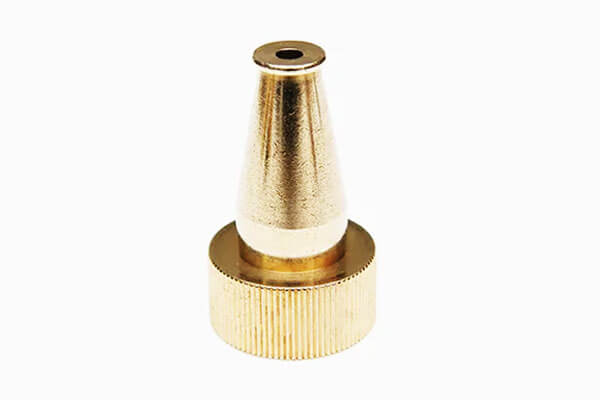
Типичне индустрије
- Убризгавање горива у ваздухопловство
- Опрема за чишћење под високим притиском
- Хидраулични системи
- Медицински уређаји за атомизацију
- Прецизна лабораторијска опрема
7. Производња композита: Цастинг Бланк + ЦНЦ дорада
У савременој производњи млазница, технички најзрелији приступ често није ни чисто прецизно ливење ни чиста ЦНЦ обрада, али а пут хибридне производње који комбинује снаге оба.
Овај метод почиње са прецизно ливеним бланком и завршава се циљаном ЦНЦ завршном обрадом на функционалним површинама.
За многе индустријске млазнице, посебно оних који се користе у захтевним окружењима са контролом течности, овај комбиновани процес нуди најбољу равнотежу између сложености геометрије, тачност димензија, квалитет површине, ефикасност трошкова, и стабилност производње.
Зашто је хибридни приступ битан
Млазница је компонента вођена функцијама.
Његов спољашњи облик може бити релативно сложен, али најкритичније карактеристике перформанси су обично концентрисане у одређеним зонама: отвор, заптивање лица, навојна веза, референтне површине, а понекад и унутрашње прелазне области.
Ово су локације на којима чак и врло мало одступање може утицати на образац прскања, конзистентност пражњења, понашање притиска, или перформансе цурења.
Прецизно ливење је одлично у формирању целокупног тела млазнице у облику скоро мреже.
Може произвести закривљене контуре, интегрисани пролази, неправилне спољашње геометрије, и сложени структурни облици који би иначе захтевали опсежну машинску обраду или више састављених делова.
Међутим, само ливење обично не може да гарантује екстремно чврсте толеранције и глаткоћу површине потребне на најкритичнијим функционалним интерфејсима.
Тада ЦНЦ дорада постаје незаменљива.
Резервисањем додатка за машинску обраду на потребним површинама, произвођачи могу да користе ЦНЦ операције за пречишћавање само важних зона уместо да обрађују цео део из чврстог материјала.
Овај приступ чува геометријске предности ливења док се постиже ниво прецизности који се очекује од врхунских млазница.
Логика процеса: Од облика скоро мреже до функционалне прецизности
Хибридни процес почиње са дизајном ливења који је намерно оптимизован за каснију машинску обраду.
Инжењери не дизајнирају део као завршни одлив; уместо тога, дизајнирају га као а ливење бланка са контролисаним додацима.
Ови додаци се обично остављају на подручју отвора, зоне навоја, Лица за заптивање, и друге референтне површине које захтевају строгу контролу димензија.
Преостало тело, посебно области које не утичу директно на коначно понашање флуида, је остављен у свом ливеном облику скоро мреже.
После фазе ливења, празна млазница је очишћена, прегледао, и по потреби термички обрађени.
Ова међукомпонента већ садржи главне структурне карактеристике готовог дела.
ЦНЦ обрада се тада примењује селективно и прецизно, коришћењем прибора и путања алата прилагођених критичним површинама.
У пракси, то значи да се само делић укупне геометрије обрађује до коначне величине, што смањује време циклуса, ношење алата, и материјални отпад у поређењу са потпуном машинском обрадом.
Инжењерске предности композитне руте
Најважнија предност ливења плус ЦНЦ дорада је функционално раздвајање. Процес омогућава сваком производном методу да ради оно што најбоље ради.
Креирање облика и економичност материјала. ЦНЦ обрада се бави прецизношћу, поновно постављање, и префињеност површине.
Дељењем дела на овај начин, произвођач избегава да форсира један процес да реши све проблеме.
Ово је посебно вредно за млазнице са мешовитим захтевима.
На пример, спољашње тело можда треба да буде велико, контурисана, и структурно интегрисани, док унутрашње млазно седиште или заптивни конус могу захтевати контролу на нивоу микрона.
Потпуно обрађен део био би расипнички и дуготрајан.
Потпуно ливени део можда неће испунити захтев за прецизност. Хибридни део решава оба питања на рационалан начин.
Још једна велика предност је смањено оптерећење машинске обраде. Када је тело млазнице изливено близу коначног облика, количина залиха уклоњене машинском обрадом је далеко мања него код машинске обраде.
Ово смањује отпад сировина, скраћује време обраде, и смањује оптерећење алата.
Предност постаје посебно значајна када је млазница направљена од скупих легура као што је нерђајући челик, Легуре никла, или легуре титанијума.
Хибридни процес се такође побољшава Дизајн слобода. Инжењери могу одредити сложене унутрашње или спољашње геометрије без бриге да цео део мора бити доступан алатима за сечење.
Све док су критичне зоне завршне обраде обрадиве, остатак структуре може остати ливен.
Ово је веома корисно у апликацијама где се врши рутирање флуида, монтажна интеграција, и компактан дизајн паковања су важни.
Трошкови и ефикасност производње
Из перспективе економије производње, композитна рута је често најуравнотеженије решење за средњу- на производе са млазницама високе вредности.
Фаза ливења апсорбује сложеност облика, док је ЦНЦ степен ограничен на најмањи број површина високе вредности.
Ово значајно побољшава однос између производног напора и функционалне вредности.
У поређењу са обрадом целе млазнице од чврсте шипке, хибридна метода обично смањује потрошњу материјала и време сечења.
У поређењу са потпуно ослањањем на ливење, нагло побољшава коначну прецизност и конзистентност.
То га чини посебно атрактивним у индустријама у којима је цена неуспеха висока, где је поновљивост димензија битна, и где је сама легура довољно скупа да отпад представља озбиљну забринутост.
Процес је такође скалабилан. Када се алат за ливење стабилизује и ЦНЦ програм за завршну обраду је валидиран, производња може да пређе у поновљив и контролисан радни ток.
За умерене и велике серије производње, јединични трошак често постаје веома конкурентан јер је залиха за ливење ефикасна за формирање и операције завршне обраде остају локализоване.
Разматрања контроле квалитета
Успех хибридне методе зависи од добре инжењерске дисциплине у обе фазе.
Ако је залиха за ливење лоше дизајнирана, накнадни додатак за машинску обраду може бити неуједначен, претерано, или недовољно.
Ако ЦНЦ стратегија завршне обраде није пажљиво контролисана, критичне карактеристике млазнице могу изгубити концентричност, заптивање интегритета, или тачност протока.
Из тог разлога, прелаз између ливења и машинске обраде мора се планирати од почетка.
Шема ливења треба да садржи добро дефинисане додатке на обрађеним зонама, а инспекција након ливења треба да потврди да је бланко погодно за секундарне операције.
Током ЦНЦ дораде, уређаји морају одржавати тачну контролу података, посебно када млазница захтева коаксијалне или ортогоналне односе између отвора, конац, и заптивна лица.
Интегритет површине је такође важан. Изливена структура може да садржи мању зрнасту текстуру или локалну храпавост, али завршно обрађене површине треба да елиминишу ове несавршености у функционалним зонама.
У многим случајевима, коначно скидање ивица, полирање, или се додаје корак чишћења како би се осигурало да на путу протока не остану никакви остаци неравнина или честица.
Типични случајеви индустријске употребе
Овај комбиновани производни пут се широко користи у млазницама које служе захтевним индустријским окружењима.
Посебно је чест у петрохемији, маринац, ваздухопловство, и врхунски системи за контролу течности.
Ове примене често захтевају тело млазнице које је структурно сложено и отпорно на корозију, али такође захтевају једну или више површина са изузетно прецизном контролом димензија.
Примери укључују млазнице за прскање са интегрисаним кућиштем, млазнице за распршивање високих перформанси, прецизне компоненте за млаз, и млазнице за дистрибуцију течности отпорне на корозију.
У сваком случају, фаза ливења обезбеђује структурну платформу, а фаза обраде обезбеђује коначан функционални учинак.
Зашто је постало главно решење
Све веће усвајање „празног одливака + ЦНЦ дорада” модел није случајан.
То одражава шири тренд у напредној производњи: користите најефикаснији процес за сваку карактеристику уместо да присиљавате један процес да уради све.
У производњи млазница, тај принцип је посебно убедљив јер део садржи и зоне које доминирају обликом и зоне које доминирају прецизношћу.
Као резултат, хибридна рута се сада широко посматра као пожељно решење за врхунске индустријске млазнице.
Нуди геометријску флексибилност ливења, прецизност ЦНЦ обраде, и структуру трошкова која је често повољнија од потпуно ливених или потпуно обрађених алтернатива.
За произвођаче који траже поуздане перформансе и конкурентну економију, то је често најрационалнији инжењерски избор.
8. Закључак
Поређење између прецизног ливења и ЦНЦ обраде млазница није питање који је процес универзално супериорнији. То је ствар инжењерске подобности.
Прецизно ливење истиче када је млазница структурно сложена, материјално ефикасна производња ствари, а радно стање је компатибилно са производњом у облику мреже средње прецизности.
Посебно је моћан за интегрисане, дизајн отпоран на корозију и економичан излаз средњег обима.
ЦНЦ обрада истиче се када млазница захтева екстремну прецизност димензија, Одлична површинска завршна обрада, отпорност на висок притисак, и брзо понављање.
То је пожељан избор за једноставне, али веома критичне компоненте протока, прототипови, и малосеријска производња по мери.
У савременој индустријској пракси, најзрелије решење је често хибридно: баци облик, машина функцију.
Та стратегија обухвата најбоље од оба света и пружа најјачи баланс перформанси, трошак, и производња.
Често постављана питања
Која млазница има бољу отпорност на корозију?
У многим случајевима, прецизне ливене млазнице од нерђајућег челика могу понудити одличну отпорност на корозију, посебно након одговарајуће термичке обраде и завршне обраде површине.
Коначни резултат зависи од избора легуре, квалитет површине, и сервисно окружење.
Могу се направити спиралне или веома сложене млазнице ЦНЦ обрадом?
Да, али обично само са вишеосном опремом и по много већој цени. За веома сложене унутрашње структуре, прецизно ливење је обично економичније.
Који процес је јефтинији за масовну производњу?
За сложене дизајне млазница, прецизно ливење често постаје јефтиније у размери. За једноставне дизајне млазница, ЦНЦ обрада може остати економичнија, посебно у малим количинама.
Који је процес бољи за услугу под високим притиском?
ЦНЦ машински обрађене млазнице су генерално боље прилагођене условима ултра високог притиска јер обично користе коване материјале са јачим механичким континуитетом и строжом контролом димензија.
Да ли је накнадна обрада неопходна за ливене млазнице?
За критичне површине, да. Заптивна лица, региони са навојем, а фини отвори се обично машински обрађују након ливења како би се осигурала коначна прецизност и квалитет површине.

