Технически чистый титан 1 (Класс CP-Ti 1) является самой мягкой и пластичной из стандартных марок технически чистого титана..
Низкий уровень межузельных примесей обеспечивает исключительную коррозионную стойкость., Отличная формируемость и сварка, и высокая биологическая инертность.
Оценка 1 выбирается там, где устойчивость к коррозии, Изготавливаемость, и биосовместимость являются основными факторами проектирования, и там, где не требуется высокая структурная прочность.
1. Что такое титан марки CP-Ti? 1?
Класс CP-Ti 1 (Коммерчески чистый титан — марка 1) самый мягкий, наиболее пластичный вариант деформируемого технически чистого титана с наименьшим содержанием междоузлий.
Это по сути нелегированный титан с жесткими ограничениями на промежуточные элементы (кислород, азот, углерод, водород и незначительные примеси).
Материал оптимизирован для максимальная коррозионная стойкость, формуемость и биологическая инертность а не для высокой прочности.
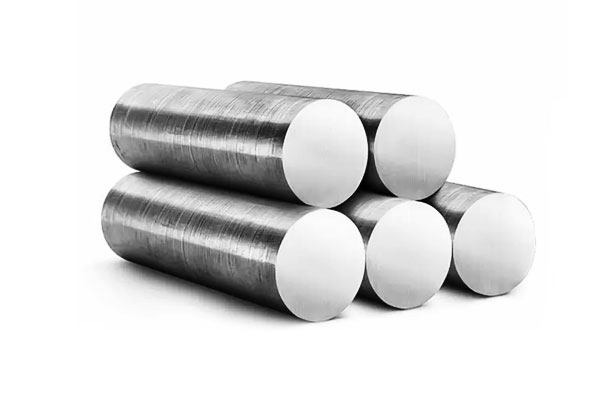
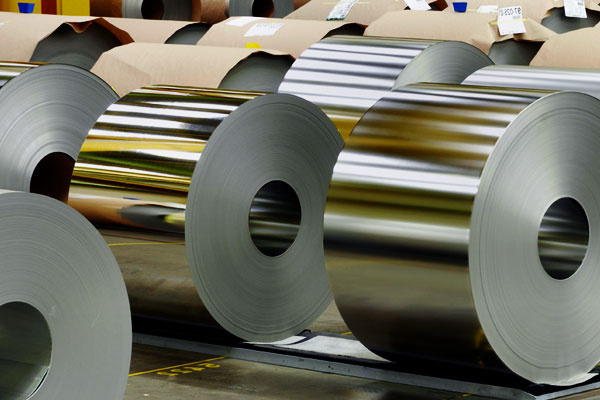
Оценка 1 поставляется в виде листа, тарелка, бар, трубка, проволока и фасонные детали и широко используются в агрессивных средах, морской сервис, медицинские изделия и там, где требуется глубокая вытяжка или сложная формовка..
Эквиваленты мировых стандартов — класс CP-Ti 1
| Стандартная система | Обозначение / код | Типичное имя(с) используется в промышленности |
| НАС (США) | 50250 рэндов | США 50250 рэндов |
| Астм / ASME (США) | АСТМ Б265 (Оценка 1) / АСМЭ СБ-265; АСТМ Ф67 (Характеристики хирургических имплантатов охватывают классы 1–4) | Класс CP-Ti 1, ASTM Grade 1 |
| ОТ / В (Европа / Германия) | Номер материала. 3.7025 / Гр 1 | 3.7025, Вы-строите 1 |
| ГБ / ГБ-Т (Китай) | ТА1 (за серию GB/T 3620.x) | ТА1 |
| Он есть (Япония) | ТП270 / ТР270 (Семейство JIS H4600) | Класс JIS 1 / ТП270 |
| DIN W-нет. / Номер материала. | 3.7025 | Ти1 / Вы-строите 1 |
| Общая торговля / имена поставщиков | - | Класс CP-Ti 1, Ти-1, Гр 1, Ти1, ТА1, ТП270 |
2. Химический состав и роль междоузлий
- Базовая химия: Оценка 1 состоит из >99% титан по массе. Оставшаяся фракция состоит из тщательно ограниченного количества кислорода., азот, углерод, водород и железо.
- Свойства управления межстраничными объявлениями: Кислород и азот занимают межузельные позиции в гексагональных плотноупакованных (ГЦП) решетка α-титана.
Небольшое увеличение количества этих промежуточных элементов приводит к заметному увеличению текучести и прочности на разрыв. (интерстициальное затвердевание) одновременно снижая пластичность, вязкость разрушения и формуемость.
Этот компромисс является центральным: Оценка 1 имеет минимально допустимое содержание промежутков для максимизации пластичности и ударной вязкости.. - Незначительные примеси: Углерод и водород одинаково влияют на охрупчивание, и их необходимо ограничивать.; железо в низких концентрациях допускается, но более высокое содержание железа может влиять на коррозионное поведение и рост зерен во время обработки..
- Практическое значение: При заказе класса 1, дизайнеры должны подтвердить точные пределы состава, необходимые для применения., потому что даже небольшие изменения в кислороде или азоте изменят формовочные и механические характеристики.
3. Физический & Механические свойства марки CP-Ti 1
| Свойство | Типичное значение (отожжен, представитель) | Единицы | Примечания / зависимость |
| Плотность | 4.50 | G · CM⁻³ | Номинальная объемная плотность для марки CP-Ti 1 — полезно для расчетов массы/веса. |
| Модуль Юнга (Модуль упругости, Эн) | 105 | Средний балл | Относительно низкий по сравнению со сталями.; влияет на отклонение и собственную частоту. Мало влияет на холодную работу. |
| коэффициент Пуассона | 0.34 | - | Типичное изотропное приближение для проектирования. |
Предел прочности (Утюр) |
240 - 350 | МПА | Сильно зависит от формы продукта (лист, бар, трубка) и предварительная холодная работа; выше, если наклепан. |
| Урожайность (0.2% компенсировать) | 170 - 275 | МПА | Типичные значения после отжига вблизи нижнего предела; увеличивается при холодной работе. Уточняйте форму/состояние при заказе. |
| Удлинение при переломе (%) | 20 - 35 | % | Высокая пластичность отожженного листа/плиты; значения падают с увеличением содержания кислорода или холодной работой.. |
| Твердость по Виккерсу (Hv.) | ~80 – 160 | Hv. | Сравнительно низкая твердость среди титановых изделий.; варьируется в зависимости от холодной обработки и состояния поверхности. |
Твердость по Бринеллю (примерно) |
~70 – 150 | HB | Приблизительно; при необходимости конвертируйте из HV — используйте твердость только как сравнительный показатель. |
| Модуль сдвига (Глин) | ~ 40 | Средний балл | Полезно для расчетов кручения и сдвига. (Г ≈ Е / (2(1+не))). |
| Теплопроводность | ~ 22 | Вт·м⁻¹·К⁻¹ | Низкая по сравнению с обычными конструкционными металлами — важно контролировать тепло при резке и сварке.. |
| Коэффициент теплового расширения (20–100 ° C.) | ~8,6 | мкм·м⁻¹·K⁻¹ | Влияние на изменения размеров в зависимости от температуры и биметаллических напряжений. |
Удельная теплоемкость |
~ 520 | Дж·кг⁻¹·К⁻¹ | Актуально для расчетов тепловой массы и отопления.. |
| Температура плавления | 1668 | ° C. | Температура солидуса/плавления (примерно). |
| Электрическое сопротивление (в 20 ° C.) | ~420 | нОм·м (0.42 µОМ · м) | Относительно высокое удельное сопротивление; важно для соображений электрического/ЭМ проектирования. |
| Усталость сила (ориентировочный) | ~80 – 140 | МПА | Сильно зависит от качества поверхности., остаточные стрессы, и альфа-корпус; использовать тестирование для конкретных приложений для критически важных проектов. |
Требование переломов (K_ic, ориентировочный) |
От умеренного до высокого (Хорошая прочность) | MPA · √m | Класс CP-Ti 1 обычно показывает хорошую ударную вязкость в отожженном состоянии; значения варьируются в зависимости от толщины и содержания кислорода. |
| Коррозионное поведение | Отличный (пассивная пленка TiO₂) | качественный | Выдающаяся стойкость в окислительных и многих хлоридных средах.; тест на агрессивные восстанавливающие химические вещества. |
| Магнитная проницаемость | ≈1,003 – 1.01 | - | Практически немагнитен — полезен там, где требуется низкая магнитная сигнатура.. |
4. Микроструктура и металлургия — почему CP-Ti ведет себя именно так
- Однофазная α-структура при комнатной температуре: Нелегированный титан в условиях окружающей среды существует в α (ГЦП) кристаллическая структура. Без β-стабилизирующих легирующих элементов, Оценка 1 остается α при рабочих температурах, что актуально для большинства применений.
- Прочностные механизмы: Потому что нет добавок упрочняющих сплавов., Прочность 1-го класса обусловлена сопротивлением решетки. (внутренний), плотность дислокаций (от холодной работы), размер зерен и междоузельное содержание.
Холодная обработка увеличивает плотность дислокаций и, следовательно, текучесть/прочность на растяжение.; циклы отжига уменьшают плотность дислокаций и восстанавливают пластичность. - Поверхностный оксид: Титан приобретает тонкую, прилипший оксидный слой (Тио) спонтанно в воздухе. Эта пассивная пленка является основным фактором коррозионной стойкости..
На толщину оксида и стехиометрию влияют качество поверхности и термическое воздействие во время обработки.. - Чувствительность обработки: Металл чувствителен к загрязнениям во время высокотемпературной обработки — поглощение кислорода и азота при повышенных температурах приводит к охрупчиванию поверхностных слоев. («альфа-кейс»), которые ухудшают ударную вязкость и усталостные характеристики, если их не удалить..
5. Коррозионная устойчивость и биосовместимость
- Пассивная защита: Коррозионная стойкость класса 1 обусловлена быстрым образованием стабильного, самовосстанавливающаяся пассивная пленка TiO₂.
Эта пленка химически стабильна в окислительных средах и многих хлоридсодержащих средах., обеспечивает превосходную стойкость в морской воде, многие химические процессы и атмосферные воздействия. - Ограничения: В определенных агрессивных восстановительных условиях (НАПРИМЕР., некоторые концентрированные кислоты или среды, снижающие высокую температуру), может возникнуть локальная коррозия или ускоренное разрушение.
Механическое истирание, которое удаляет пассивную пленку, может привести к временной коррозии, пока не произойдет репассивация.. - Биосовместимость: Химически инертный поверхностный оксид, низкое выделение ионов и отсутствие намеренно токсичных легирующих элементов делают марку 1 высокая биосовместимость.
Он подходит для многих долгосрочных применений, контактирующих с тканями., включая некоторые имплантаты и хирургические инструменты, при условии соблюдения механических требований. - Руководство по проектированию: Для критических сценариев коррозии, выполнить испытания на коррозию для конкретного применения (контакт, расщелина, гальванические пары) вместо того, чтобы полагаться исключительно на общие заявления об «отличной коррозионной стойкости».
6. Изготовление: формирование, обработка, и соображения по сварке
Формирование
- Холодный формирование: Оценка 1 обладает высокой пластичностью — глубокая вытяжка, изгиб, прядение и другие операции холодной штамповки просты по сравнению с более прочными титанами..
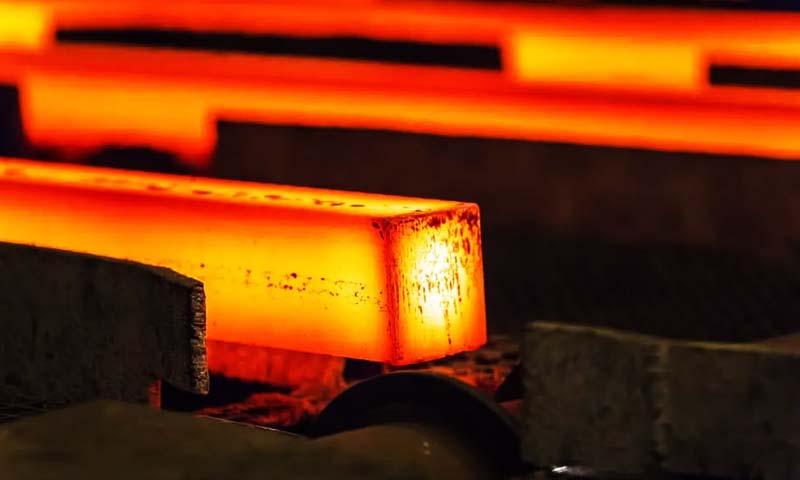
Упругость и анизотропию следует учитывать при проектировании оснастки.. - Горячая форма: Выполняется при температуре выше температуры окружающей среды, но ниже температуры, при которой поглощение кислорода/азота становится значительным., или в контролируемой атмосфере (инертный газ, вакуум).
Горячая обработка может снизить нагрузку на формовку, но требует строгого контроля атмосферы во избежание охрупчивания поверхности.. - Инструмент: Используйте полированные штампы и устойчивые к коррозии инструменты, чтобы избежать загрязнения.; смазка и конструкция штампа важны для минимизации истирания..
Обработка
- Режущее поведение: Несмотря на свою относительную мягкость, титан труднее обрабатывать, чем многие стали, из-за плохой теплопроводности. (тепло концентрируется на границе раздела инструмент-чип) и склонность к упорному труду.
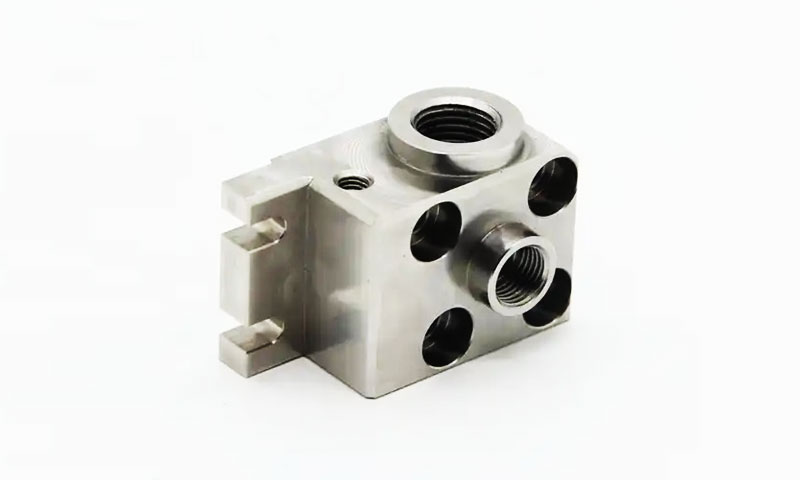
Чипсы могут быть длинными и липкими, если не использовать правильные параметры.. - Рекомендуемый подход: Используйте жесткие настройки, острый инструмент, контролируемые каналы, и умеренные скорости шпинделя. Уделяйте особое внимание эвакуации стружки и управлению сроком службы инструмента..
Стратегии использования охлаждающих жидкостей и смазочно-охлаждающей жидкости следует выбирать так, чтобы избежать поглощения или загрязнения водорода..
Сварка и соединение
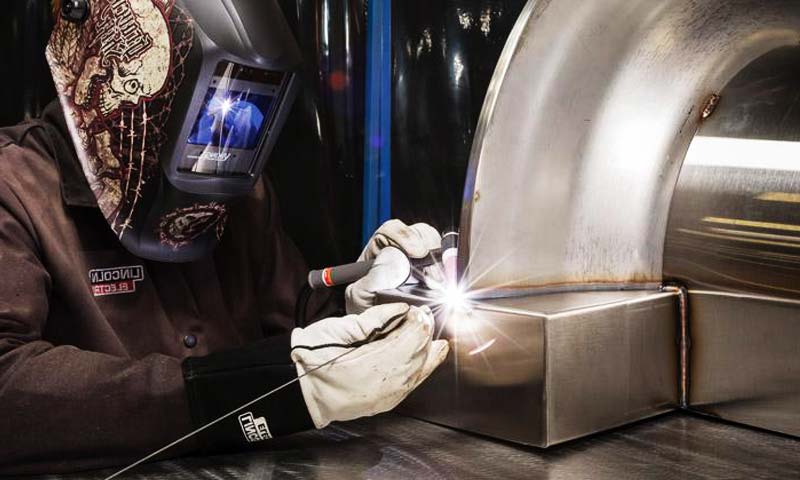
- Сварка: Оценка 1 легко сваривается обычными процессами плавления (ТИГ/ГТАВ, плазма) потому что он нелегирован и не образует хрупких интерметаллидов..
Твердотельное соединение (трение, перемешивание, электронный луч) также возможно, если геометрия и стоимость позволяют. - Экранирование: Защитите места сварки инертным газом. (аргон) предварительно- и пост-поток для предотвращения загрязнения атмосферы. Избегайте воздействия горячего титана на воздух и влагу..
- Затронутая тепловой зоной (Азартный): Поглощение кислорода/азота в ЗТВ сделает область хрупкой, если защита неадекватна..
Для критических деталей рекомендуется послесварочная очистка для удаления поверхностных оксидов и загрязнений.. - Механическая отделка: Нижние части сварных швов и валики могут потребовать шлифовки или механической обработки.; используйте подходящие абразивы и избегайте загрязнения во время отделки.
7. Термическая обработка, поверхностная обработка, и варианты отделки
- Термическая обработка: Оценка 1 не подвергается термической обработке в смысле упрочнения сплава, поскольку в нем отсутствуют легирующие элементы для упрочнения фазовым превращением..
Термические циклы используются только для снятия напряжений или восстановления пластичности после холодной обработки.. - Очистка и пассивация поверхности.: Типичная уборка (кислотное травление, щелочная очистка) и контролируемая окислительная обработка используется для удаления загрязнений и восстановления чистой пассивной пленки..
Анодирование можно использовать для изменения толщины и внешнего вида оксида.. - Покрытия и обработка износа: Для применений, требующих повышенной износостойкости, покрытия (керамика, жесткий PVD/DLC, тепловой спрей) или применяются модификации поверхности,
осознавая, что основной оксид и подложка должны быть правильно подготовлены к адгезии. - Целостность поверхности: Избегайте обработки маршрутов, которые создают хрупкий «альфа-кейс»..
Где образуется альфа-падеж (от высокотемпературного воздействия в кислороде), может потребоваться удаление механическими или химическими средствами.
8. Типичные области применения марки CP-Ti 1
- Химическое оборудование: Теплообменники, трубопровод, и фитинги, подвергающиеся воздействию коррозийных, окислительные среды, где важны длительный срок службы и низкие эксплуатационные расходы.
- Морской пехотинец и системы морской воды: Насосные валы, компоненты опреснительной установки, и трубопроводы морской воды выигрывают от устойчивости класса 1 к биообрастанию и коррозии в хлоридных средах..
- Медицинские приборы и оборудование: Хирургические инструменты, ненесущие имплантаты и компоненты, требующие инертности и биосовместимости.
- Архитектурное и потребительское использование: Внешние архитектурные компоненты, крепеж и декоративные элементы, где важна коррозионная стойкость и внешний вид.
- Электроника и специальные детали: Компоненты, для которых низкая магнитная проницаемость и коррозионная стойкость имеют преимущество..
- Дизайн заметок: В конструкциях, где нагрузки значительны., Оценка 1 обычно заменяется более высокими марками CP или легированным титаном для уменьшения размеров сечения..
Оценка 1 предпочтителен, когда сложность формовки и устойчивость к коррозии перевешивают требования к механической прочности.
9. Преимущества & Ограничения
Преимущества класса CP-Ti 1
- Самая высокая формуемость и пластичность среди коммерческих марок титана..
- Превосходная свариваемость и стабильность изготовления.
- Превосходная внутренняя устойчивость к коррозии.
- Выдающаяся биосовместимость (нетоксичный, Несагнитный).
- Низкая плотность, легкий, и высокая стабильность.
- Стабильная работа при криогенных и умеренных температурах.
Ограничения класса CP-Ti 1
- Низкая механическая прочность; не подходит для деталей конструкций, подвергающихся высоким нагрузкам.
- Не закаливается термической обработкой (только закалка).
- Ограниченное использование в сильных восстановительных кислотах без модификации сплава. (НАПРИМЕР., Оценка 7 с палладием).
- Более высокая стоимость материала, чем у углеродистой стали и нержавеющей стали..
10. Сравнение с CP-Ti классов 2–4
Ниже представлено целенаправленное, сравнение инженерного уровня, которое показывает, насколько Grade 1 отличается от 2–4 классов по химии, механические характеристики, поведение при изготовлении и типичные области применения.
Показанные данные представитель (условия отжига/деформации) и предназначен для руководства по выбору материала — всегда проверяйте поставщика / сертификаты спецификации для гарантированных значений.
| Атрибут | Оценка 1 (США 50250 рэндов) | Оценка 2 (США 50400 рэндов) | Оценка 3 (США 50550 рэндов) | Оценка 4 (США 50700 рэндов) |
| Макс Фе (wt%) | 0.20 | 0.30 | 0.30 | 0.50 |
| Макс С (wt%) | 0.08 | 0.08 | 0.08 | 0.08 |
| Макс Н (wt%) | 0.03 | 0.03 | 0.05 | 0.05 |
| Макс О (wt%) | 0.18 | 0.25 | 0.35 | 0.40 |
| Макс Х (wt%) | 0.015 | 0.015 | 0.015 | 0.015 |
| Типичная доходность (Да, отожжен) | ≈ ≥200 МПа | ≈ ≥270 МПа | ≈ ≥350 МПа | ≈ ≥410 МПа |
| Типичный ОТС (диапазон, отожжен) | ≈ 290–410 МПа | ≈ 390–540 МПа | ≈ 460–590 МПа | ≈ 540–740 МПа |
| Типичное удлинение (А, отожжен) | ≈ 30% | ≈ 22% | ≈ 18% | ≈ 16% |
Основной инженерный компромисс |
Максимальная пластичность / Формируемость, лучшее пассивное коррозионное поведение | Сбалансированная пластичность + более высокая сила; наиболее широко используемый сорт CP | Более высокая прочность для более широкого использования в конструкциях при сохранении коррозионной стойкости. | Самая высокая прочность среди марок CP (деформационно-упрочняемый); пониженная формуемость |
| Обычное использование | Глубокий рисунок, химические компоненты/компоненты морской воды, некоторые медицинские части | Общетехнологическое оборудование, трубка, элементы конструкции с умеренными нагрузками | Компоненты, требующие более высоких допустимых напряжений, более тяжелые технологические детали | Где необходима более высокая прочность CP-титана (деформационно-упрочненные крепежные детали, валы, более тяжелые детали) |
11. Заключение
Титан марки CP-Ti 1 представляет собой самая чистая и наиболее формуемая форма технически чистого титана.
Его определяющая характеристика — очень низкий межстраничный контент., однофазная α-микроструктура, и конюшня, самовосстанавливающаяся оксидная пленка — придает исключительную коррозионную стойкость, выдающаяся пластичность, и отличная биосовместимость.
Эти атрибуты делают оценку 1 предпочтительный материал для химически агрессивных сред, воздействие морской воды, медицинское и биомедицинское использование, и приложения, требующие глубокой вытяжки или сложной холодной штамповки..
С инженерной точки зрения, Оценка 1 является не высокопрочный материал, и его не следует выбирать там, где доминирующим требованием является структурная эффективность или несущая способность..
Вместо, его ценность заключается в надежности, производство, и длительный срок службы в агрессивных или чувствительных средах.
При правильном указании, особенно в отношении межстраничных границ., состояние поверхности, и контроль производства — класс CP-Ti 1 обеспечивает предсказуемую производительность и низкий риск жизненного цикла.
Часто задаваемые вопросы
Что означает «CP-Ti»?
CP-Ti означает Коммерчески чистый титан. Это относится к титану, который не легирован намеренно., со свойствами, контролируемыми в основном следовыми межузельными элементами (кислород, азот, углерод, водород) а не легирующие добавки.
Имеет класс CP-Ti 1 теплопроводимый?
Нет. Оценка 1 является не подлежит термообработке для укрепления потому что он беспримесный. Термическая обработка применяется только для снятия напряжений или отжиг для восстановления пластичности после холодной обработки..
Оценка 1 прочнее или слабее титановых сплавов, таких как Ti-6Al-4V.?
Оценка 1 является намного слабее по пределу текучести и прочности превосходит Ti-6Al-4V и другие легированные марки титана..
Его преимущества заключаются в устойчивости к коррозии., пластичность, и простота формования, а не прочность.
Почему класс CP-Ti 1 такой устойчивый к коррозии?
Его коррозионная стойкость обусловлена стабильный, прилипший диоксид титана (Тио) пассивный фильм который мгновенно образуется в воздухе или водных средах.
Эта пленка самовосстанавливается и защищает металл во многих окислительных и хлоридсодержащих средах..
Имеет класс CP-Ti 1 магнитный?
Нет. Класс CP-Ti 1 является практически немагнитный, что делает его пригодным для применений, чувствительных к магнитным полям (НАПРИМЕР., определенные медицинские и электронные применения).