Нейлоновый материал (полиамид) является одним из наиболее широко используемых семейств инженерных полимеров..
С момента его коммерческого внедрения в 1930-х годах в качестве текстильного волокна., химия и обработка нейлона превратились в универсальную платформу, используемую для волокон., Фильмы, формованные инженерные компоненты и высокоэффективные композиты.
В этой статье представлена техническая информация, многоперспективный анализ нейлона: что это такое по химическому составу, его основные оценки, ключевое физическое и механическое поведение, маршруты обработки, преимущества и ограничения, общие приложения, проблемы устойчивого развития, и будущие направления.
1. Что такое нейлон?
Нейлоновый материал это торговое название, обычно используемое для семейства синтетических полиамид полимеры.
Разработано в 1930-х годах как первое полностью синтетическое волокно., нейлон сейчас существует в двух широких коммерческих потоках: текстильные волокна (нейлоновое волокно и нить) и инженерные термопласты (литьевые и экструдированные полиамиды).
Как материальный класс, нейлон комбинировать Хорошая механическая прочность, стойкость, устойчивость к истиранию и химическая стойкость с широкой технологичностью (вращение, экструзия, Инъекционное формование), что делает их повсеместными в текстиле, потребительские товары и промышленное машиностроение.
2. Химическая структура и основные товарные сорта
Базовая химия
Нейлоны — это полиамиды, образованные повторяющимися амидными связями. (–CO–NH–) в полимерной основной цепи.
Различия между марками возникают из-за используемых мономеров и полученного в результате расстояния между повторяющимися звеньями., который контролирует кристалличность, температура плавления и гидролитическая стабильность.
Общие коммерческие сорта (сокращения и краткие примечания)
- PA6 (поликапролактам / нейлон 6): получен полимеризацией капролактама с раскрытием цикла.. Хорошая прочность, немного более низкая температура плавления, чем у PA66; широко используется для формованных деталей и волокон.
- PA66 (поли(гексаметиленадипамид) / нейлон 66): получают конденсацией адипиновой кислоты и гексаметилендиамина..
Более высокая температура плавления и немного более высокая жесткость и термостойкость, чем у PA6.. - ПА11 / ПА12 (нейлон с длинной цепочкой): меньшее водопоглощение и лучшие химические/низкотемпературные характеристики; часто используется для трубок, топливопроводы и гибкие детали. PA11 можно производить из биологического сырья. (касторовое масло).
- Сополиамиды (НАПРИМЕР., Смеси PA6/66): компромиссные свойства; улучшенная технологичность или гидролитическая стабильность.
- Специальные полиамиды: высокотемпературный нейлон (НАПРИМЕР., ПА46), ароматические или полуароматические полиамиды (более высокая производительность, Более высокая стоимость).
3. Типичные физико-механические свойства (Типичные диапазоны)
В таблице ниже приведены типичные технические диапазоны для незаполненных (аккуратный) коммерческий нейлон. Фактические значения зависят от класса, кондиционирование (содержание влаги), и метод испытания.
| Свойство | Типичный диапазон (аккуратный ПА6 / PA66) | Практическая заметка |
| Плотность (G · CM⁻³) | 1.12–1.15 | ПА6 ≈1,13; ПА66 ≈1,14 |
| Предел прочности (МПА) | 50–90 | Выше для PA66; стеклозаполнение повышается до 100–200+ МПа |
| Модуль Юнга (Средний балл) | 2.5–3.5 | Увеличивается при заполнении стекла |
| Удлинение при разрыве (%) | 20–150 | Высокая пластичность в сухом состоянии; уменьшается со стеклом |
| Зубчатый Изод (Кей показывает коврик) | 20–80 | Хорошая ударная вязкость |
| Температура плавления (° C.) | PA6: ~215–220; PA66: ~255–265 | Обработка и использование временных последствий |
| Стеклянный переход (° C.) | ≈ 40–70 | Влажность и кристалличность влияют на Tg |
| Водопоглощение (равновесие, wt%) | 0.5–3.0 (зависит от относительной влажности & оценка) | PA6 обычно 1,5–2,5% при 50% Раствор; PA12/11 намного ниже |
| HDT (1.82 МПА) (° C.) | 60–120 (аккуратный) | Стеклянное наполнение значительно повышает HDT |
Замечание дизайна: механические свойства, перечисленные выше, относятся к сухой смола; Равновесие влаги обычно снижает модуль упругости и увеличивает ударную вязкость, поэтому для проектирования следует использовать условные данные испытаний..
4. Термическое поведение и стабильность размеров
- Поведение плавления: PA6 и PA66 являются полукристаллическими.; их высокая кристалличность обеспечивает прочность и термостойкость, а также анизотропную усадку..
- Полезная температура постоянной эксплуатации: обычно до 80–120 °C для ненаполненных марок; стеклонаполненные или термостабилизированные марки продлевают срок годности.
- Размерная стабильность: анизотропная усадка во время формования и гигроскопическое набухание являются ключевыми факторами изменения размеров..
Конструкторы должны учитывать как технологическую усадку, так и расширение, вызванное влажностью, в наборах допусков..
5. Поглощение влаги и его последствия — определяющее практическое ограничение
Влажность — самый важный практический фактор для нейлонового материала..
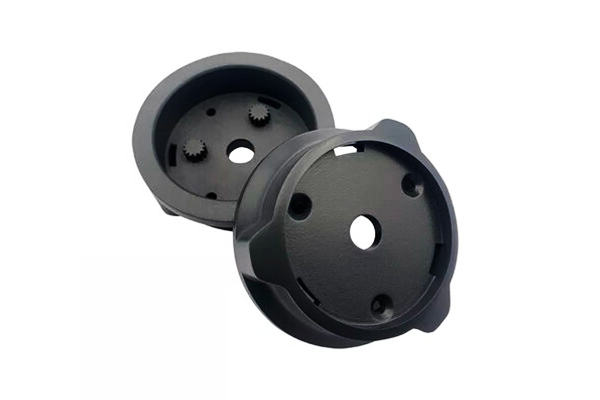
Механизм & величина
- Нейлон поглощает воду путем диффузии в аморфные области.; равновесное содержание зависит от относительной влажности и температуры.
- Типичное равновесное водопоглощение: ПА6 ~1,5–2,5% мас. (условия в помещении), PA66 немного выше; ПА11/ПА12 << 1% (преимущество нейлона с длинной цепью).
Влияние на свойства
- Снижение жесткости и прочности вода действует как пластификатор (модуль снижения на 10–30% в равновесии).
- Прочность и удлинение часто увеличиваются., уменьшение хрупкости.
- Изменение размеров (припухлость) может быть значительным (сотни микрон для мелких деталей) и должны быть предусмотрены проектом или посткондиционированием.
- Последствия обработки: формованные детали должны быть доведены до ожидаемой эксплуатационной влажности перед окончательным контролем.; сушка перед формованием необходима во избежание гидролиза (разрыв цепи) в расплаве.
Практические правила
- Для критически важных деталей, указать протокол кондиционирования (НАПРИМЕР., сухой: 0.05% влага, обусловленный: 23°C/50% относительной влажности до достижения равновесия).
- Рассмотрите нейлон с длинной цепочкой. (ПА11/ПА12) или наполненные сорта для снижения гигроскопичности.
6. Химическая стойкость и электрические свойства
- Химическая устойчивость: нейлоны устойчивы к углеводородам, масла, смазки и многие растворители.
Они есть атакован сильными кислотами, сильные окислители и некоторые галогенированные растворители, особенно при повышенной температуре..
Совместимость топлива и гидравлики зависит от марки и условий воздействия.; долгосрочное погружение требует проверки. - Электрические свойства: хорошая электроизоляция в сухом состоянии; изменение диэлектрической проницаемости и тангенса потерь в зависимости от влажности, поэтому электрические приложения требуют среды с контролируемой влажностью или герметичной герметизации..
7. Методы обработки и производства
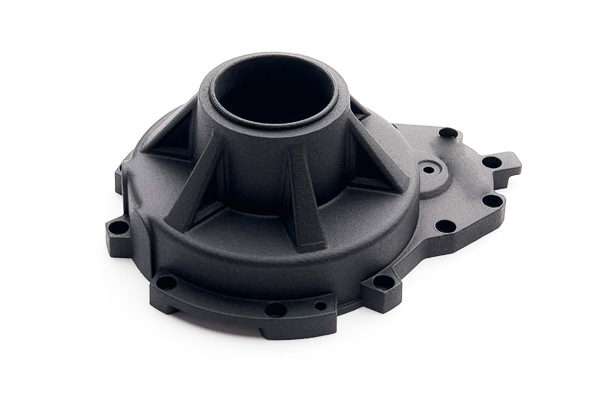
Общие процессы
- Инъекционное формование: доминирует для сложных форм и большого объема. Обработка температуры плавления: ПА6 ~230–260°С; ПА66 ~260–280 °С (начальные точки — проверка для каждой оценки).
Формы обычно держат в тепле. (60–90 ° C.) для контроля кристаллизации и уменьшения раковины. - Экструзия: стержни, трубки, профили и фильмы.
- Выдувное формование/термоформование: Для конкретных оценок (Трубка PA12, топливопроводы).
- Прядение волокна: нейлоновые волокна для текстиля и промышленные ленты.
- Обработка: нейлон можно изготовить из экструдированной заготовки.; геометрия инструмента и контроль стружки важны из-за пластичности.
Ключевые элементы управления обработкой
- Сушка: нейлоновый материал необходимо высушить (типичная целевая влажность <0.2%) перед обработкой расплава для предотвращения гидролиза и плохого качества поверхности.; графики сушки различаются (НАПРИМЕР., 80–100 °C в течение нескольких часов).
- Стабильность расплава: избегайте чрезмерного времени пребывания и высокого сдвига, чтобы предотвратить деградацию.
- Конструкция ворот/потока: управлять линиями сварки и минимизировать ориентацию, которая приводит к анизотропии свойств.
8. Армированные и специальные нейлоны
Наполнители и сополимеризация улучшают характеристики нейлонового материала.:
- Стеклянные нейлоны (20–50% ГФ): увеличить модуль и стабильность размеров, поднять HDT, но снижает ударную вязкость и увеличивает абразивный износ сопрягаемых деталей..
- Минеральные наполнители (тальк, слюда): умеренное увеличение жесткости и улучшенное сопротивление ползучести.
- Сплавы со смазкой из ПТФЭ или графита: более низкий коэффициент трения и уменьшение износа при скольжении.
- Огнестойкий, УФ-стабилизированные и гидролизостабилизированные марки доступны для требовательных сред.
- Полиамидные смеси и сополимеры (НАПРИМЕР., ПА6/ПА66, ПА6Т) оптимизировать технологичность и тепловые характеристики.
9. Преимущества и ограничения нейлонового материала
Преимущества нейлона
- Высокая сила и прочность
Типичная прочность на разрыв колеблется от 50–90 МПа (аккуратные оценки), с превосходной ударопрочностью и усталостными характеристиками. - Хорошая износостойкость и устойчивость к истиранию
Особенно эффективен на передачах, втулки, и скользящие компоненты; смазанные сплавы дополнительно улучшают трибологические характеристики. - Легкий, с хорошей жесткостью
Плотность низкая (~1,13–1,15 г/см³), при этом жесткость можно значительно увеличить, используя стеклянные или минеральные наполнители. - Химическая устойчивость
Устойчив к маслам, топливо, и многие углеводороды, делает нейлон пригодным для автомобильной и промышленной среды. - Экономичен и прост в обработке
Совместимость с литьем под давлением и экструзией., с широким спектром коммерчески доступных марок. - Широкие возможности настройки
Свойства можно изменить с помощью наполнителей., подкрепление, стабилизаторы, и смазочные материалы.
Ограничения нейлона
- Влажно -поглощение (ключевое ограничение)
Нейлон гигроскопичен.; поглощение влаги (обычно 1–3 мас.%) снижает жесткость и прочность и вызывает изменения размеров. - Температурные пределы
Температура постоянной эксплуатации обычно составляет ниже 120°С для стандартных сортов; свойства ухудшаются при более высоких температурах. - Ползучесть при длительной нагрузке
Длительные нагрузки, особенно при повышенной температуре или влажности, может привести к деформации. - Размерная нестабильность
Полукристаллическая структура и чувствительность к влаге могут привести к короблению и отклонению допуска.. - Химическая чувствительность
Плохая устойчивость к сильным кислотам., окислители, и некоторые агрессивные растворители. - Чувствительность обработки
Требуется тщательная сушка перед формованием для предотвращения гидролиза и потери механических свойств..
10. Применение нейлонового материала
- Автомобильная промышленность: впускные коллекторы (ПА6/6Т), топливные и тормозные магистрали (ПА11/ПА12), крышки двигателя, шестерни и подшипники.
- Промышленная техника: втулки, ролики, носить прокладки, Конвейерные компоненты.
- Потребительские товары & технические приборы: передачи, петли, крепеж, щетина зубной щетки (волокна).
- Электрический & электроника: кабельные стяжки, разъемы (когда влажность контролируется).
- Текстиль и композиты: волокна, веревка, и армированные композитные матрицы.
- Медицинский: PA12 используется в некоторых медицинских устройствах. (применяются соображения биосовместимости и стерилизации.).
11. Сравнение с другими инженерными пластиками
| Свойство / Критерий | Нейлон (PA6 / PA66) | Пома (Ацеталь) | PTFE (Тефлон) | Заглядывать | Пбт | СВМ-ИЛИ |
| Плотность (G · CM⁻³) | 1.12–1.15 | ≈1,40–1,42 | ≈2,10–2,16 | ≈1,28–1,32 | ≈1,30–1,33 | ≈0,93–0,95 |
| Предел прочности (МПА) | 50–90 | 50–75 | 20–35 | 90–110 | 50–70 | 20–40 |
| Модуль Юнга (Средний балл) | 2.5–3.5 | 2.8–3.5 | 0.3–0.6 | 3.6–4,1 | 2.6–3.2 | 0.8–1.5 |
| Таяние / типичная рабочая температура (° C.) | Тм ≈215 (PA6) / обслуживание ≈80–120 | Тм ≈165–175 / обслуживание ≈80–100 | Тм ≈327 / обслуживание до ≈260 (механические ограничения) | Тм ≈343 / обслуживание ≈200–250 | Тм ≈220–225 / обслуживание ≈120 | Тм ≈130–135 / обслуживание ≈80–100 |
| Поглощение воды (wt%, экв.) | ≈1,5–2,5% (PA6) | ≈0,2–0,3% | ≈0% | ≈0,3–0,5% | ≈0,2–0,5% | ≈0,01–0,1% |
| Коэффициент трения (сухой) | 0.15–0.35 | 0.15–0.25 | 0.04–0.15 (очень низкий) | 0.15–0.4 | 0.25–0.35 | 0.08–0.20 |
| Носить / трибология | Хороший (можно улучшить с помощью наполнителей) | Отличный (шестерни/втулки) | Бедный (улучшается с помощью наполнителя) | Отличный (заполнен лучше всего) | Хороший | Отличный (устойчивый к истиранию) |
| Химическая устойчивость | Хорошо относится к углеводородам; кислоты/окислители от слабых до сильных | Хорошо подходит для топлива/растворителей. | Выдающийся (почти универсальный) | Отличный (агрессивные СМИ) | Хороший | Очень хороший |
Механизм |
Хороший (обрабатывается) | Отличный | Справедливый (обрабатываемый из заготовки) | Хороший (жесткий, но обрабатываемый) | Хороший | Испытывающий (липкий) |
| Размерная стабильность | Умеренный (гигроскопичен) | Очень хороший (низкая гигроскопичность) | Отличный | Отличный | Хороший | Очень хороший |
| Типичные приложения | Передачи, подшипники, корпусы, трубка (ПА11/12) | Передачи, прецизионные втулки, компоненты топлива | Уплотнения, химические вкладыши, поверхности с низким коэффициентом трения | Высокотемпературные подшипники, аэрокосмическая, Медицинские имплантаты | Электрические разъемы, корпусы | Лайнеры, носить прокладки, Конвейерные компоненты |
| Подсказка по быстрому выбору | Выбирайте, когда прочность и стоимость имеют значение; управлять влажностью | Выбирайте точность, Механические детали с низким коэффициентом трения | Выберите, химическая инертность & требуется наименьшее значение µ | Выбирайте для высоких температур & ответственные детали с высокой нагрузкой | Выбирайте для хорошей стабильности размеров и простоты формования. | Выбирайте там, где необходима исключительная стойкость к истиранию и ударам. |
12. Устойчивость, вопросы переработки и регулирования
- Переработка: Нейлоновый материал пригоден для механической переработки.; регенерированный ПА может быть понижен для менее критического использования.
Деполимеризация (химическая переработка) маршруты существуют и промышленно развиваются — они могут восстанавливать мономер (капролактам) или другое сырье. - Био-варианты: ПА11 (из касторового масла) и ПА610/1010 (частично биологический) уменьшить зависимость от ископаемого сырья.
- Регуляторный: Контакт с пищевыми продуктами и медицинское использование требуют сертификации. (FDA, Евросоюз) и соблюдение испытаний на экстрагируемые/выщелачиваемые вещества, где это необходимо..
- Экологические проблемы: оценка жизненного цикла зависит от марки и наполнителя; наполнение и содержание стекла влияют на возможность вторичной переработки и энергоемкость.
13. Выводы и практические рекомендации
Нейлон (полиамид) является зрелым, семейство универсальных инженерных полимеров, обеспечивающее баланс прочности, прочность и износостойкость при экономичной технологичности.
Широкая палитра химических составов — от ПА6 и ПА66 до ПА11 и ПА12 — вместе с наполнителями и модификаторами., обеспечивает точную настройку приложений, от текстиля до высокопроизводительных автомобильных систем..
Основными инженерными проблемами являются управление влажностью и химическая чувствительность в агрессивных средах.; эти проблемы решаются путем выбора соответствующего класса (нейлон с длинной цепочкой), наполнители, припуски на сушку и оформление.
Постоянные достижения в области переработки, биосырье и композитные технологии расширяют возможности использования нейлона и его экологичность..
Часто задаваемые вопросы
Что лучше PA6 или PA66??
PA66 обычно имеет более высокую температуру плавления., немного более высокая жесткость и лучшее сопротивление ползучести; PA6 легче обрабатывать, но он может быть более жестким.. Выбирайте в зависимости от температуры и ограничений обработки..
Как указать нейлон для контроля размеров??
Укажите состояние кондиционирования для проверки (НАПРИМЕР., «обусловленный 23 ° C., 50% ОВ до равновесия»), и обеспечить допуски, учитывающие набухание от влаги и анизотропию формования..
Можно ли использовать нейлоновый материал в топливопроводах??
Да — PA11 и PA12 являются общими для топливных и гидравлических трубок из-за низкого поглощения влаги и хорошей химической стойкости.. Всегда проверяйте конкретную жидкость и температуру..
Подлежат ли стеклонаполненные нейлоны вторичной переработке??
Механически, да, но содержание стекла изменяет вязкость расплава и сохранение свойств; переработанный нейлон со стеклонаполнителем обычно используется в менее требовательных приложениях, если не подвергается химической переработке..
Как предотвратить гидролиз во время формования??
Тщательно высушите смолу в соответствии со спецификацией поставщика и ограничьте время пребывания в расплаве и чрезмерную температуру цилиндра..