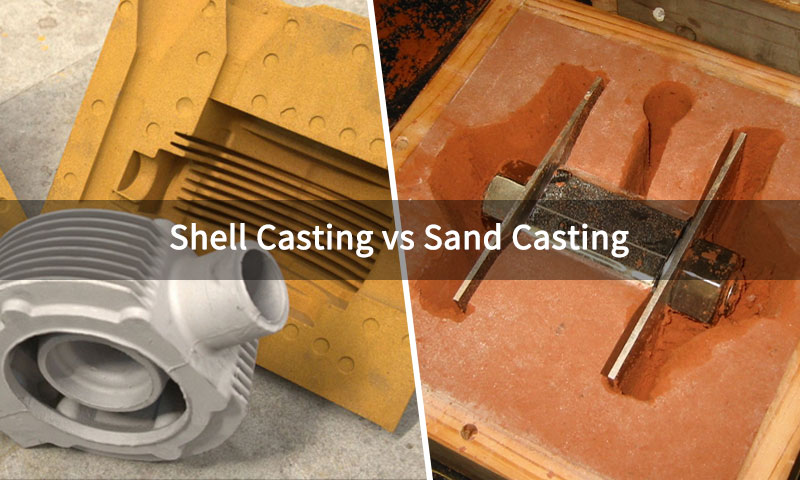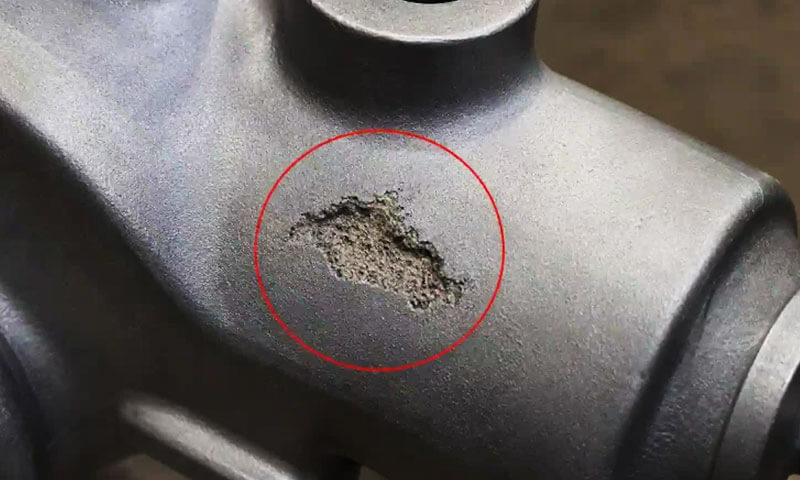
Defeitos de inclusão de escória na fundição de espuma perdida estão entre os problemas de qualidade mais persistentes encontrados na fundição de padrões evaporativos, especialmente ao produzir peças fundidas com extensas superfícies usinadas ou que exijam requisitos de limpeza interna.
O defeito é frequentemente descrito em ambientes de produção como Inclusão de areia, penetração de areia, inclusão de revestimento, ou “areia entrando”, porque o defeito visível pode conter areia seca, revestimento refratário, resíduos de decomposição de espuma, ou escória metalúrgica convencional.
Ao contrário de muitos defeitos de fundição isolados, a inclusão de escória na fundição de espuma perdida raramente é causada por uma única variável de processo.
É entendido com mais precisão como o resultado de uma interação entre a integridade do revestimento padrão, projeto de sistema de portão, comportamento de areia seca, pressão de vácuo, condições de vazamento, manipulação de padrões, e limpeza de metal fundido.
Uma abordagem robusta, portanto, trata a prevenção da inclusão de escória como um problema de controle de processo em nível de sistema, em vez de simplesmente aumentar a espessura do revestimento ou reduzir a temperatura de vazamento.
1. O que são defeitos de inclusão de escória na fundição de espuma perdida?
Defeitos de inclusão de escória na fundição de espuma perdida são defeitos não metálicos formados quando materiais estranhos ficam presos dentro da peça fundida durante o enchimento e solidificação do molde..
Dependendo de sua origem, esses defeitos podem consistir em areia de moldagem seca, partículas de revestimento refratário, escória metalúrgica, óxidos, resíduos de decomposição de espuma, ou combinações desses materiais.
Em lançamento de espuma perdida, o defeito é frequentemente referido na produção como Inclusão de areia, entrada de areia, inclusão de revestimento, ou penetração de areia.
Embora esses termos às vezes sejam usados de forma intercambiável, eles nem sempre descrevem exatamente o mesmo mecanismo.
A inclusão de areia geralmente se refere à incorporação de areia de moldagem no metal, enquanto a escória ou a inclusão refratária podem ter origem no metal fundido, revestimento, ou suas reações durante o enchimento.
O problema fundamental é que o metal fundido deve avançar através de uma superfície estável., cavidade revestida de refratário enquanto o padrão de espuma polimérica se decompõe e seus produtos gasosos e líquidos escapam através do revestimento e da areia seca.
Se o revestimento perder sua integridade, areia solta fica presa no metal. Da mesma maneira, se partículas de escória ou óxido já estiverem presentes no metal fundido, eles podem ser transportados para a peça fundida e ficar presos durante a solidificação.
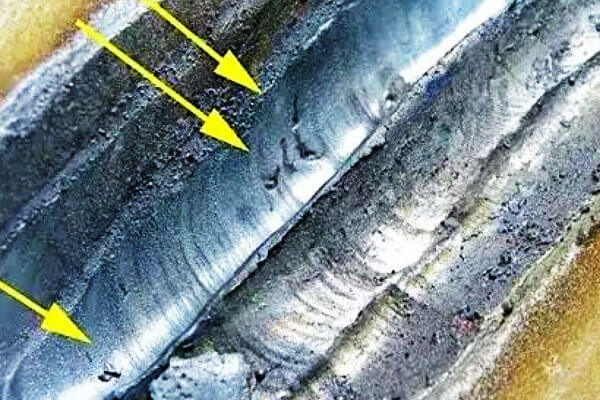
Aparência e identificação típicas
Os defeitos de inclusão de escória nem sempre são visíveis imediatamente após a agitação.
Uma moldagem pode parecer aceitável externamente, mas revelar inclusões significativas somente após Usinagem CNC, perfuração, moagem, ou seccionamento expõe a região afetada.
Superfícies usinadas podem apresentar pontos isolados, manchas irregulares, ondas, ou aglomerados de material estranho. Sua aparência varia de acordo com a origem da inclusão.
Partículas granulares brancas ou de cor clara são frequentemente associados com areia de sílica ou material refratário, enquanto cinza, cinza escuro, ou regiões negras pode indicar escória, óxidos, resíduos de revestimento, ou produtos carbonáceos da decomposição da espuma.
No entanto, a aparência visual por si só não pode determinar com segurança a origem de uma inclusão.
Para solução de problemas de produção, exame metalográfico e, quando necessário, Análise SEM/EDS pode distinguir uma partícula de areia rica em sílica de uma inclusão metalúrgica rica em óxido ou de um fragmento de revestimento refratário.
| Aparência do defeito observado | Possível origem | Localização típica |
| Manchas granulares brancas | Areia de sílica ou partículas refratárias | Superfícies usinadas, perto dos portões |
| Manchas irregulares cinza ou pretas | Escória, óxidos, resíduos de revestimento | Regiões internas de fundição |
| Inclusões lineares ou semelhantes a fissuras | Fissuração do revestimento seguida de entrada de areia | Juntas padrão, junções de portão |
| Clusters de inclusão | Falha localizada do revestimento ou fluxo turbulento de metal | Sprue, corredor, áreas de entrada |
| Grandes regiões internas não metálicas | Entrada severa de areia ou lascamento do revestimento | Perto do sistema de portão ou transições de fundição |
Onde ocorrem as inclusões de escória?
O defeito pode ocorrer potencialmente em todo o caminho do fluxo de metal, incluindo o copo para servir, Sprue, corredor, quanto, junções do sistema de portas, e cavidade de fundição.
No entanto, as áreas de maior risco são geralmente locais onde o sistema de comporta se conecta à peça fundida ou onde a geometria causa mudanças abruptas na direção ou velocidade do fluxo.
O sprue-to-runner, corredor para ingate, e conexões ingate-to-padrão merecem atenção especial.
Estas regiões estão expostas a tensões térmicas e mecânicas substanciais durante o vazamento.
Se o revestimento em um desses locais estiver rachado, mal colado, excessivamente magro, ou danificado localmente durante a montagem do padrão ou enchimento com areia, o metal fundido pode entrar em contato direto com a areia circundante.
Uma vez que a barreira de revestimento é violada, a combinação de pressão metálica, sucção a vácuo, e forças de fluxo de metal pode puxar areia solta e partículas refratárias para o metal líquido.
O material arrastado é então transportado para a peça fundida e pode ficar preso à medida que o metal solidifica..
2. Por que a inclusão de escória é particularmente difícil na fundição de espuma perdida
A fundição com espuma perdida difere fundamentalmente da fundição em areia convencional porque o padrão da espuma permanece dentro do molde até o vazamento..
O padrão não desaparece simplesmente antes que o metal entre na cavidade; em vez de, é submetido decomposição térmica e vaporização à medida que o metal fundido o substitui progressivamente.
Isso cria vários fenômenos de transporte simultâneos:
- O metal fundido avança através da cavidade.
- O padrão do polímero se decompõe.
- Produtos de decomposição gasosos e líquidos migram através do revestimento refratário.
- A pressão do vácuo influencia o enchimento do molde e a evacuação do gás.
- O revestimento refratário é exposto a intensa carga térmica e mecânica.
- A areia seca ao redor do padrão deve manter integridade estrutural suficiente.
Se o revestimento rachar ou perder aderência, o metal que avança pode entrar em contato diretamente com areia solta.
Se o sistema de portão estiver inadequadamente protegido, areia e fragmentos refratários podem entrar no fluxo de metal.
É por isso que simplesmente aumentar a refratariedade do revestimento não resolve necessariamente o problema.
Resistência do revestimento, permeabilidade, adesão, comportamento de secagem, espessura do revestimento, Design de bloqueio, e o controle de vácuo devem ser considerados em conjunto.
3. Principais causas de defeitos de inclusão de escória em fundição de espuma perdida
Inclusões de escória e areia na fundição de espuma perdida são defeitos multifatoriais em vez do resultado de um único parâmetro de processo.
Todo o caminho do fluxo de metal – desde o copo de vazamento e o canal de injeção até o canal, quanto, e cavidade final - é potencialmente capaz de introduzir material não metálico na peça fundida.
Na prática, no entanto, junções do sistema de portas, defeitos de revestimento, e áreas sujeitas a alta velocidade de fluxo de metal representam as zonas de risco mais críticas.
Falha no revestimento refratário
O revestimento refratário forma a barreira primária entre o metal fundido e a areia seca.
Se esta barreira quebrar, cascas, ou corrói, areia e partículas refratárias podem ser transportadas para dentro do metal e ficar presas na peça fundida.
As causas comuns relacionadas ao revestimento incluem resistência inadequada à temperatura ambiente, força quente insuficiente, espessura irregular do revestimento, baixa adesão, e secagem inadequada.
Deve ser dada especial atenção juntas do canal de entrada, conexões runner-ingate, cantos afiados, e transições de padrão, onde manter a cobertura uniforme do revestimento é mais difícil.
Um revestimento adequado de espuma perdida deve fornecer suficiente refratariedade, força mecânica, permeabilidade, adesão, e resistência ao choque térmico durante todo o processo de vazamento.
Problemas de sistema de portão e vedação
O sistema de canais é uma fonte crítica de inclusão de areia porque fornece o caminho inicial para o metal fundido entrar no molde.
Sprues mal conectados ou inadequadamente vedados, corredores, e entradas podem criar aberturas através das quais a areia seca entra no fluxo de metal.
As fissuras de revestimento nas junções de passagem são particularmente perigosas porque estas áreas sofrem fluxo de metal concentrado e carga térmica.
O sistema de portão deve, portanto, ter rigidez adequada, conexões seguras, e proteção refratária contínua.
Antes de derramar, o copo de vazamento e as áreas expostas também devem ser verificados quanto a areia solta, pó, revestimento danificado, e partículas estranhas.
Parâmetros de vazamento e vácuo inadequados
Os parâmetros do processo afetam diretamente a carga mecânica e térmica imposta ao revestimento.
Um cabeça de vazamento excessiva ou velocidade de fluxo de metal pode aumentar a erosão do revestimento, enquanto a temperatura de vazamento excessivamente alta pode acelerar a degradação térmica e as reações do metal refratário.
Por outro lado, temperaturas excessivamente baixas podem causar erros de funcionamento e enchimento incompleto.
O vácuo também deve ser controlado cuidadosamente. Embora o vácuo seja essencial para a compactação da areia e evacuação de gases, um nível de vácuo excessivamente alto pode atrair areia solta ou fragmentos de revestimento através das rachaduras existentes.
As características da areia são outra consideração. Uma distribuição inadequada do tamanho dos grãos pode aumentar a penetração da areia, erosão, ou má evacuação de gás.
A combinação ideal de nível de vácuo, temperatura de derramamento, taxa de enchimento, e especificação de areia deve, portanto, ser estabelecido para cada liga e geometria de fundição, em vez de aplicado como um ajuste universal.
Manuseio de padrões e danos na moldagem
Defeitos de inclusão podem surgir antes do vazamento se o padrão de espuma revestida for danificado durante o transporte, conjunto, enchimento de areia, ou moldagem por vibração.
Carga agressiva de areia ou vibração excessiva podem produzir rachaduras e lascas no revestimento seco, particularmente em torno de seções finas e conexões de canal.
Esses defeitos podem permanecer ocultos depois que o padrão é enterrado na areia e só se tornam aparentes quando as inclusões são expostas durante a usinagem..
Uma sequência de moldagem controlada é, portanto, essencial: o padrão deve ser adequadamente suportado antes que uma vibração mais forte seja aplicada, e o sistema de comporta não deve ser dobrado ou perturbado mecanicamente durante a compactação.
Limpeza de Metal Fundido
Nem todas as inclusões se originam do molde. Óxidos, escória, partículas refratárias, e outras inclusões não metálicas já presentes no metal fundido também pode ficar preso durante o enchimento.
O controle eficaz, portanto, requer atenção a toda a cadeia de processamento de metais, incluindo derretimento, remoção de escória, Controle de temperatura, inoculação ou tratamento, quando aplicável, transferir, e derramando.
Desnatação de escória, filtração, e recursos de canal ou retenção de escória adequadamente projetados podem reduzir ainda mais a quantidade de material não metálico que entra na cavidade.
4. Estudos de caso: Falhas na inclusão de escória e ações corretivas na Fundição LangHe
No Langhe Foundry, o controle de inclusão de escória e areia é tratado como uma questão de engenharia de processo e não como um problema de inspeção final.
Na fundição de espuma perdida, defeitos de inclusão podem ter origem no revestimento refratário, montagem de padrão, operação de moldagem, sistema de vácuo, Design de bloqueio, ou limpeza de metal fundido.
Consequentemente, uma ação corretiva eficaz requer a correlação da morfologia do defeito com a localização do defeito e as condições reais do processo.
Os três casos a seguir representam LangHe Cenários de produção de fundição envolvendo ferro fundido cinzento, Ferro dúctil, e peças fundidas de espuma perdida em aço carbono.
Os casos demonstram como a análise sistemática da causa raiz pode converter problemas recorrentes de inclusão em melhorias mensuráveis de processos.
Caso 1: Corpo da válvula hidráulica em ferro fundido cinza
Fundo
LangHe A fundição produziu corpos de válvulas hidráulicas em ferro fundido cinzento usando o processo de fundição de espuma perdida.
Os componentes continham diversas superfícies de vedação usinadas com precisão e foram submetidos a 100% teste de pressão em 1.6 MPA.
Como as superfícies de vedação foram posteriormente usinadas, inclusões internas relativamente pequenas podem ficar expostas e causar vazamento.
Sintomas de defeito
O rendimento inicial da primeira passagem foi de aproximadamente 68%. A maioria das falhas nos testes de pressão foram atribuídas a inclusões subterrâneas expostas em superfícies usinadas de sedes de válvulas.
A inspeção do sistema de portões forneceu uma pista importante. Depois da agitação, delaminação localizada do revestimento foi repetidamente observada ao redor do junção ingate-to-casting.
Quando seções do corredor foram quebradas para inspeção, partículas granulares brancas eram visíveis dentro da superfície da fratura, indicando a presença de material refratário ou areia arrastado.
Análise de causa raiz
A investigação identificou dois principais fatores contribuintes.
Primeiro, o revestimento refratário ao redor da junção interna era significativamente mais fino do que nas partes planas do padrão.
A geometria da junção fez com que o revestimento drenasse de forma desigual durante a imersão, resultando em uma barreira localmente fraca.
Segundo, o molde foi operado sob um nível de vácuo constante relativamente alto de aproximadamente 0.045 MPA.
Uma vez que o revestimento na junção enfraqueceu, o diferencial de pressão promoveu o movimento de areia solta pela área defeituosa durante o enchimento.
O defeito não foi, portanto, atribuído apenas ao vácuo. Em vez de, o verdadeiro mecanismo de falha foi:
espessura irregular do revestimento → fraqueza local do revestimento → entrada de areia assistida por vácuo → aprisionamento de inclusão → exposição à usinagem → vazamento no teste de pressão.
Ações Corretivas
LangHe A Foundry implementou duas grandes modificações no processo. Uma segunda camada de revestimento reforçada foi aplicada especificamente em junções de canais e outras regiões de transição de alto risco, aumentando a espessura do revestimento local em aproximadamente 60%.
O sistema de vácuo também foi alterado de uma operação de pressão constante para um perfil controlado de dois estágios.
O vácuo foi inicialmente mantido a aproximadamente 0.025 MPA durante a fase inicial de enchimento e aumentou progressivamente até aproximadamente 0.038 MPA durante a porção final do recheio.
O objetivo era evitar a aplicação de diferencial de pressão excessivo enquanto o metal entrava pela primeira vez na região vulnerável do canal., ao mesmo tempo que fornece vácuo suficiente posteriormente no processo de enchimento para estabilidade do molde e evacuação de gás.
Resultado
A taxa de aprovação no teste de pressão aumentou de 68% para 92%, enquanto escória- e a sucata relacionada à inclusão de areia foi reduzida em aproximadamente 71%.
O caso demonstrou que a engenharia de revestimento local e o controle dinâmico de vácuo poderiam ser mais eficazes do que simplesmente aumentar a espessura geral do revestimento ou manter um nível de vácuo uniformemente alto durante o vazamento..
Caso 2: Suporte de chassi automotivo em ferro dúctil
Fundo
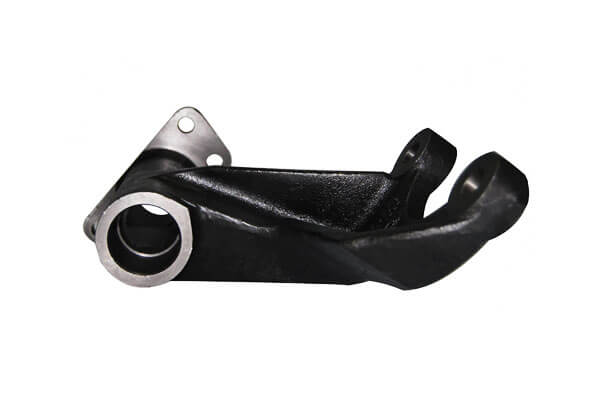
LangHe Suportes de chassi automotivo de ferro dúctil fabricados em fundição usando fundição de espuma perdida.
Os componentes incluíam superfícies externas expostas que posteriormente receberam revestimento eletroforético (E-revestimento).
Porque a superfície pintada final tinha requisitos de aparência rigorosos, defeitos subterrâneos relativamente pequenos podem se tornar visíveis após o revestimento.
Sintomas de defeito
Um problema intermitente de defeito superficial foi inicialmente observado após pintura eletroforética. Pequenas bolhas semelhantes a escória apareceram predominantemente na superfície superior dos braquetes, com uma taxa de ocorrência de aproximadamente 22%.
Interessantemente, os defeitos não foram distribuídos aleatoriamente.
Eles estavam concentrados em uma região localizada em frente ao portal primário, sugerindo que o defeito estava associado ao comportamento de preenchimento ou movimento de material não metálico, em vez de ser uma inclusão metalúrgica uniformemente distribuída.
Análise de causa raiz
A investigação da montagem do padrão revelou que o a conexão do canal de entrada ao canal usou uma junta de encaixe por pressão frouxa. Durante a moldagem por vibração, a articulação pode se mover ligeiramente, criando uma lacuna localizada.
Ao mesmo tempo, a amplitude de vibração inicial usada durante o enchimento de areia foi muito agressiva.
Porque as superfícies verticais do conjunto de espuma não estavam suficientemente apoiadas nesta fase, microfissuras desenvolvidas no revestimento seco.
A combinação destas duas condições criou um caminho para a entrada de areia:
junta de portão solta + vibração precoce agressiva → danos e abertura do revestimento → arrastamento de areia durante o enchimento → inclusões internas → bolhas na superfície após o revestimento E.
Esta descoberta também explicou por que a inspeção visual convencional após a agitação não identificou consistentemente o problema: muitos dos danos estavam localizados abaixo da areia antes do vazamento e não eram facilmente visíveis após o vazamento.
Ações Corretivas
LangHe A Foundry introduziu um colar de reforço integral na conexão do canal de entrada ao canal e aplicou revestimento refratário adicional ao redor da junta para melhorar a estabilidade mecânica e a continuidade do revestimento.
O programa de vibração foi posteriormente dividido em duas etapas. Após a cobertura inicial de areia, o padrão foi submetido a aproximadamente 5 segundos de vibração de baixa amplitude.
A compactação de maior amplitude foi introduzida somente depois que o conjunto de espuma estava suficientemente cercado e suportado por areia.
Um procedimento dedicado de vedação da tampa do canal de entrada também foi introduzido antes do fechamento final do molde para evitar a entrada de areia solta através do sistema de passagem superior.
Resultado
A taxa de defeitos superficiais pós-revestimento E diminuiu de aproximadamente 22% para 4%. Os lotes de rejeição do cliente associados ao defeito foram eliminados.
O caso ilustra um princípio importante na fundição de espuma perdida: a vibração da moldagem não é simplesmente um parâmetro de compactação; pode influenciar diretamente a integridade do revestimento e, portanto, a limpeza da peça fundida.
O perfil de vibração ideal deve proporcionar compactação adequada da areia sem danificar mecanicamente o padrão de revestimento.
Caso 3: Carcaça da bomba em aço carbono
Fundo
LangHe A Foundry investigou a aplicação de fundição de espuma perdida em carcaças de bombas de aço carbono como uma alternativa à fundição convencional em areia.
O objetivo era reduzir a margem de usinagem e melhorar a consistência dimensional de grandes passagens de fluxo interno.
Os componentes tinham extensas superfícies internas usinadas, tornando o controle de inclusão interna particularmente importante.
Sintomas de defeito
Os testes iniciais de produção mostraram inclusões dispersas generalizadas nas superfícies de fluxo interno usinadas. A taxa de sucata resultante atingiu aproximadamente 35%.
A inspeção do sistema de comporta revelou erosão refratária pronunciada e veios superficiais ao longo do corredor.
A distribuição de defeitos sugeriu que o problema estava associado principalmente com degradação do revestimento durante o enchimento de aço, em vez de simplesmente com escória de metal fundido.
Análise de causa raiz
A primeira questão importante foi o uso de um sistema de revestimento originalmente desenvolvido para fundição de espuma perdida de ferro cinzento..
Sua refratariedade e resistência ao calor foram insuficientes para a carga térmica significativamente maior associada ao aço carbono.
Durante o vazamento, o revestimento parcialmente degradado e corroído sob os efeitos combinados de alta temperatura, choque térmico, e forças de fluxo de metal.
O segundo problema foi a cabeça de derramamento excessiva e eficaz. UM 1-concha de tonelada gerou uma velocidade de fluxo de metal relativamente alta ao encher o canal de entrada, aumentando a erosão mecânica do revestimento já vulnerável.
O mecanismo combinado foi, portanto,:
sistema refratário inadequado → degradação do revestimento em alta temperatura → erosão excessiva do fluxo de metal → partículas refratárias entrando no aço → inclusões internas.
Ações Corretivas
LangHe A fundição substituiu o revestimento convencional de ferro por um revestimento refratário de alta alumina projetado especificamente para fundição de espuma perdida em aço.
O novo revestimento proporcionou refratariedade e resistência ao calor substancialmente maiores para o ambiente de vazamento de aço.
A altura efetiva de vazamento também foi reduzida. Um arranjo de concha para vazamento no fundo foi introduzido, com o bico posicionado o mais próximo possível do copo de vazamento para reduzir a aceleração e turbulência desnecessárias do metal.
Finalmente, a temperatura de vazamento foi reduzida de aproximadamente 1560°C a 1510°C, permanecendo dentro da janela de processo estabelecida para o tipo de aço carbono e geometria de fundição.
Estas mudanças foram implementadas como um pacote coordenado e não como ajustes isolados.
Resultado
A taxa de sucata interna por inclusão de escória diminuiu de aproximadamente 35% para 8%, tornando o processo de espuma perdida comercialmente viável para aplicação em carcaça de bomba.
O caso também demonstra por que a seleção do revestimento deve ser específica da liga.
Não se pode presumir automaticamente que um revestimento refratário com desempenho adequado para ferro fundido cinzento forneça estabilidade térmica e química suficiente para o aço..
À medida que a temperatura de vazamento da liga aumenta, refratariedade do revestimento, força quente, resistência ao choque térmico, e a compatibilidade metal/revestimento tornam-se cada vez mais importantes.
Principais lições dos três LangHe Casos de fundição
Os três casos envolveram diferentes ligas e diferentes geometrias de fundição, mas eles revelam um padrão comum: a inclusão de escória é geralmente consequência de uma interação entre diversas variáveis do processo.
| Caso | Mecanismo de Defeito Primário | Variável Crítica do Processo | Estratégia Corretiva | Resultado |
| Corpo da válvula hidráulica em ferro cinzento | Entrada de areia através de revestimento interno fraco | Espessura do revestimento + vácuo | Revestimento reforçado e vácuo encenado | Rendimento de primeira passagem: 68% → 92% |
| Suporte de chassi em ferro dúctil | Danos no revestimento durante a moldagem | Força da junta de portão + vibração | Junta reforçada e vibração encenada | Defeitos de superfície: 22% → 4% |
| Carcaça da bomba em aço carbono | Erosão de revestimento de alta temperatura | Refratariedade do revestimento + cabeça derramando | Revestimento de alta alumina e altura de vazamento reduzida | Sucata de inclusão: 35% → 8% |
A conclusão mais importante é que não existe uma “configuração anti-inclusão” universal para fundição de espuma perdida.
O sistema de revestimento apropriado, perfil de vácuo, programa de vibração, temperatura de derramamento, Design de bloqueio, e as especificações da areia devem corresponder à liga e à geometria da peça fundida.
Por esse motivo, LangHe A abordagem da Foundry se concentra em identificação da causa raiz, otimização da janela do processo, e análise de localização de defeitos em vez de confiar apenas na inspeção visual final.
Esta metodologia é particularmente valiosa para componentes hidráulicos, fundições automotivas, Altas da bomba, corpos da válvula, e outras peças nas quais inclusões internas só podem se tornar aparentes após usinagem ou testes funcionais.
5. Estratégias Sistemáticas de Prevenção e Mitigação
O controle das inclusões de escória na fundição de espuma perdida requer controle de processo coordenado em vez de uma única medida corretiva.
A abordagem mais eficaz é manter a integridade do revestimento, proteja o padrão durante a moldagem, controlar o fluxo de metal e o vácuo, e melhorar a limpeza do metal fundido durante todo o ciclo de produção.
Otimize o revestimento refratário
O revestimento refratário é a barreira primária que separa o metal fundido da areia seca.
Deveria ter adequada refratariedade, permeabilidade, adesão, resistência à temperatura ambiente, e força quente.
Aplique o revestimento uniformemente em múltiplas camadas, com secagem suficiente entre demãos. Junções de comportas e outras áreas de alta erosão devem receber reforço adicional.
Cada padrão revestido deve ser inspecionado antes da moldagem, e padrões com rachaduras visíveis, peeling, ou delaminação deve ser reparada ou rejeitada.
Montagem e Moldagem do Padrão de Controle
O padrão de espuma e o sistema de passagem devem permanecer mecanicamente estáveis durante o enchimento de areia e vibração.
As conexões de passagem podem ser reforçadas com suportes ou mangas adequadas quando necessário. A areia deve inicialmente ser introduzida suavemente, e a vibração deve começar em baixa amplitude.
Maior intensidade de vibração só deve ser aplicada depois que o padrão estiver adequadamente cercado por areia.
É necessário cuidado especial em torno do Sprue, junções de corredor, e ingates, onde o movimento mecânico pode quebrar a camada refratária.
O canal de entrada também deve ser vedado com segurança e o copo de vazamento limpo imediatamente antes do vazamento..
Controle a temperatura de vazamento e o fluxo de metal
As condições de vazamento devem minimizar a erosão do revestimento, mantendo a fluidez adequada e o preenchimento completo do molde.
Altura de vazamento excessiva, turbulência, e a temperatura podem aumentar a degradação refratária e o arrastamento de inclusão.
| Tipo de liga | Temperatura típica de vazamento | Tempo típico de vazamento* |
| Ferro fundido cinza | 1380–1420ºC | 10–20 seg. |
| Ferro dúctil | 1420–1450ºC | 12–25s |
| Carbono / aço fundido de baixa liga | 1480–1560ºC | 15–30 s |
*Valores de referência típicos para um lote de vazamento de 300–500 kg; os parâmetros reais devem ser estabelecidos de acordo com o grau da liga, massa de fundição, espessura da parede, Design de bloqueio, e equipamentos.
A capacidade da panela deve ser razoavelmente compatível com a fundição. Manter o bico de vazamento próximo ao copo do canal de entrada reduz a altura de queda livre e a velocidade de impacto.
O derramamento também deve permanecer suave e contínuo, evitando interrupções desnecessárias ou picos repentinos de fluxo.
Otimize o controle de vácuo
O vácuo é essencial na fundição de espuma perdida porque melhora a compactação da areia seca, facilita a evacuação de gases, e suporta enchimento de moldes.
No entanto, pressão negativa excessiva pode atrair areia ou fragmentos de revestimento através das rachaduras existentes.
Para muitas peças fundidas de ferro, uma faixa de operação de aproximadamente 0.025–0,040 MPa é comumente usado como ponto de partida. O valor ideal depende fortemente da geometria de fundição e das condições do processo.
Um perfil de vácuo escalonado pode ser vantajoso: o vácuo relativamente moderado durante o enchimento inicial reduz a erosão do revestimento, seguido por aumento do vácuo à medida que o enchimento progride.
O vácuo deve, portanto, ser tratado como um variável de processo a ser otimizada, não simplesmente maximizado.
Melhore a retenção de comportas e escória
O projeto do canal deve promover um enchimento estável e, ao mesmo tempo, evitar que materiais não metálicos alcancem regiões críticas de fundição.
Dependendo da liga e da geometria da peça fundida, o sistema pode incorporar armadilhas de escória, folhear seções, áreas de assentamento, filtros, ou zonas de coleta dedicadas.
Filtros de espuma cerâmica podem fornecer controle adicional de inclusões não metálicas, embora seu uso deva ser avaliado em relação à vazão necessária e à temperatura de fundição.
O projeto adequado da passagem é particularmente importante para componentes que contêm pressão e altamente usinados, onde mesmo pequenas inclusões podem causar falha funcional.
Mantenha a qualidade adequada da areia
A areia seca deve proporcionar um equilíbrio entre permeabilidade, comportamento de compactação, qualidade da superfície, e resistência à penetração de metal.
Areia excessivamente grossa pode aumentar a penetração e defeitos relacionados à inclusão, enquanto finos excessivos podem prejudicar a evacuação de gases e alterar o comportamento do molde.
Para muitas aplicações de espuma perdida ferrosa, 30/50 areia de sílica lavada com malha é uma especificação de referência comumente usada.
A distribuição real do tamanho dos grãos deve ser selecionada de acordo com o sistema de fundição e revestimento, com remoção regular de multas, pó, e partículas de revestimento quebradas.
Melhore a limpeza do metal fundido
Areia externa e inclusões de revestimento são apenas parte do problema. Óxidos e escórias já presentes no metal fundido podem se tornar fontes adicionais de inclusões não metálicas.
O controle eficaz, portanto, começa na fase de fusão e continua durante a transferência e o vazamento.
As principais medidas incluem remoção de escória, tratamento de fusão apropriado, transferência controlada, conchas limpas, e filtração quando tecnicamente apropriado.
O objectivo geral é evitar que ambos inclusões exógenas do molde e inclusões endógenas gerado no metal fundido entre na peça fundida acabada.
6. Conclusão
Defeitos de inclusão de escória na fundição de espuma perdida são causadas principalmente pela interação do metal fundido, revestimento refratário, areia seca, produtos de decomposição de espuma, pressão de vácuo, e inclusões metalúrgicas.
Os mecanismos mais comuns incluem rachaduras ou lascas no revestimento, juntas fracas do sistema de portas, arrastamento de areia, erosão excessiva por fluxo de metal, controle de vácuo inadequado, operações de moldagem instáveis, e limpeza inadequada de metal fundido.
Casos de produção do mundo real demonstram consistentemente que ajustes isolados de um único parâmetro proporcionam apenas melhorias marginais.
Alcançar taxas de inclusão de escória consistentemente baixas requer uma abordagem holística: formulação e aplicação otimizadas de revestimento, disciplina rigorosa de moldagem e manuseio, comporta adequadamente projetada com recursos de retenção de escória, parâmetros de processo calibrados e controle contínuo de limpeza de metal fundido.
Quando implementado sistematicamente em todas as etapas da produção, estas medidas podem reduzir a sucata relacionada com escórias a níveis muito baixos, tornando viável a fundição de espuma perdida mesmo para componentes usinados de alta exigência.