Aprenda sobre a química da poliamida, principais propriedades mecânicas e térmicas, Métodos de fabricação, classes reforçadas, vantagens, limitações, reciclagem, e aplicações industriais.
A poliamida é uma das famílias de polímeros de engenharia mais versáteis e amplamente utilizadas no mundo.
Da escova de dentes do seu banheiro às engrenagens de alto desempenho dos motores automotivos, desde as fibras das suas roupas até os componentes estruturais em aplicações aeroespaciais, poliamidas estão por toda parte.
Sua excepcional combinação de resistência mecânica, resistência ao desgaste, Estabilidade química, e a processabilidade os tornou indispensáveis em inúmeras indústrias.
Na prática de engenharia comercial, O termo nylon é frequentemente usado de forma intercambiável com poliamida.
Embora isto seja amplamente aceitável para muitos materiais comuns, como PA6 e PA66, poliamida é na verdade a classificação científica e técnica mais ampla.
A família inclui nylons alifáticos convencionais, poliamidas de cadeia longa, poliamidas semi-aromáticas de alta temperatura, e poliamidas aromáticas altamente especializadas, como aramidas.
1. O que é poliamida?
Poliamida (PA) é uma classe de polímeros contendo grupos amida repetidos na cadeia molecular principal. A ligação amida é comumente representada como:
–CO–NH–
A ligação amida é formada pela reação de condensação entre um grupo ácido carboxílico (–COOH) e um grupo amina (–NH₂).
A estrutura química genérica de uma poliamida pode ser representada como:
-[–CO–R–CO–NH–R’–NH–]-
Onde R e R’ são cadeias de hidrocarbonetos de comprimentos variados.
Estas ligações químicas recorrentes distinguem as poliamidas de outras grandes famílias de polímeros, como o polietileno., polipropileno, policarbonato, e poliéster.
As poliamidas podem ser produzidas a partir de diferentes sistemas de monômeros, resultando em materiais com estruturas moleculares e características de desempenho significativamente diferentes.
Dependendo da composição química, uma poliamida pode ser relativamente flexível e resistente à umidade, altamente rígido e resistente ao desgaste, ou capaz de operar em temperaturas elevadas.
No nível molecular, os grupos amida são polares e podem formar ligações de hidrogênio entre cadeias poliméricas vizinhas.
Essas forças intermoleculares ajudam a criar uma estrutura polimérica relativamente forte e coesa. Como resultado, muitas poliamidas fornecem:
- Alta resistência à tração e rigidez
- Boa tenacidade e resistência à fadiga
- Excelente resistência à abrasão e ao desgaste
- Baixo atrito em condições adequadas
- Boa resistência a óleos, combustíveis, e muitos produtos químicos industriais
- Desempenho térmico útil
- Forte potencial para reforço com fibra de vidro, fibra de carbono, ou cargas minerais
Ao contrário dos polímeros termoendurecíveis, as poliamidas de engenharia mais importantes comercialmente são termoplásticos.
Eles amolecem ou derretem quando aquecidos e podem ser processados usando métodos como moldagem por injeção e extrusão.
Esta processabilidade tornou a poliamida particularmente importante na fabricação moderna porque componentes complexos muitas vezes podem ser produzidos economicamente em grandes volumes, mantendo um bom desempenho mecânico..
A relação entre poliamida e náilon
O termo nylon foi introduzido pela primeira vez pela DuPont em 1938 pela sua poliamida 6,6 (PA66), que foi usado em fibras e têxteis.
Ao longo do tempo, nylon tornou-se o nome genérico para poliamidas alifáticas – o tipo mais comum de poliamida – e é frequentemente usado de forma intercambiável com poliamida em contextos industriais e de consumo..
No entanto, poliamida é o termo científico mais amplo que abrange:
| Tipo | Exemplos | Descrição |
| Poliamidas Alifáticas | PA6, PA66, PA11, PA12 | As poliamidas mais comuns; também conhecido como náilon. |
| Poliamidas Aromáticas (Aramidas) | Kevlar®, Nomex® | Alto desempenho; anéis aromáticos na espinha dorsal. |
| Poliamidas Semi‑Aromáticas | PPA (Poliftalamida) | Desempenho em alta temperatura; aromático + unidades alifáticas. |
| Poliamida‑Imidas | PAI (Torlon®) | Alto desempenho; grupos imida além de grupos amida. |
Ponto-chave: Todos os nylons são poliamidas, mas nem todas as poliamidas são nylons. O termo “poliamida” é o termo técnico correto para toda a família.
2. Como é feita a poliamida?
A poliamida é produzida pela criação de longas cadeias poliméricas contendo repetições ligações amida (–CONH–).
Dependendo da nota, as poliamidas comerciais são fabricadas principalmente através de polimerização por condensação ou polimerização por abertura de anel.
Polimerização por Condensação
Muitas poliamidas, particularmente PA66, são produzidos pela reação de uma diamina com um ácido dicarboxílico. A reação forma ligações amida enquanto libera pequenas moléculas, normalmente água.
Por exemplo, PA66 é produzido a partir de hexametilenodiamina e ácido adípico.
Controle preciso da proporção de monômero, temperatura, pressão, e o tempo de polimerização é essencial porque esses fatores influenciam o peso molecular, viscosidade, cristalinidade, e desempenho mecânico final.
Polimerização por abertura de anel
Outras notas importantes, como PA6, são comumente produzidos através da polimerização por abertura de anel de caprolactama.
Sob temperatura e pressão controladas, as moléculas cíclicas de caprolactama se abrem e se unem para formar polímeros PA6 de cadeia longa.
Esta rota permite uma produção eficiente em larga escala e é amplamente utilizada para plásticos de engenharia, fibras, filmes, e componentes moldados.
Composição e Modificação de Polímeros
Após polimerização, a poliamida base pode ser ainda modificada através da composição.
Os fabricantes podem incorporar fibras de vidro, fibras de carbono, enchimentos minerais, modificadores de impacto, retardadores de chama, lubrificantes, ou estabilizadores adaptar o material para aplicações específicas.
O polímero acabado é normalmente peletizado e fornecido como grânulos para processamento posterior por moldagem por injeção, extrusão, moldagem por sopro, ou outros métodos de fabricação de polímeros.
3. Principais tipos e classes de poliamida
A poliamida não é um material único, mas uma ampla família de polímeros com estruturas moleculares significativamente diferentes., comportamento térmico, absorção de umidade, propriedades mecânicas, e características de processamento.
Poliamidas Alifáticas (Meia-calça)
As poliamidas alifáticas representam o maior e mais importante grupo comercial de poliamidas.
Eles são amplamente utilizados em moldagem por injeção, extrusão, produção de fibra, e outros processos industriais porque oferecem um equilíbrio favorável de resistência mecânica, resistência ao desgaste, Processabilidade, e custo.
| Nota | Faixa de fusão típica (° c) | Propriedades -chave | Aplicações típicas |
| PA6 | 215–225 | Boa resistência, Resistência ao impacto, resistência ao desgaste, e processabilidade; absorção de umidade relativamente alta. | Peças automotivas, engrenagens, caixas, componentes industriais, fibras. |
| PA66 | 255–265 | Maior força, rigidez, Resistência ao calor, e resistência à fluência do que PA6. | Engrenagens, rolamentos, buchas, prendedores, Componentes elétricos, peças automotivas sob o capô. |
| PA11 | 185–195 | Excelente flexibilidade e resistência ao impacto; baixa absorção de umidade e boa resistência química. | Tubo flexível, linhas pneumáticas, jaquetas de cabos, sistemas de fluidos automotivos. |
| PA12 | 175–185 | Absorção de umidade muito baixa, Excelente resistência química, flexibilidade, e estabilidade dimensional. | Linhas de combustível, tubulação pneumática, tubulação médica, isolamento de cabos, componentes de precisão. |
PA610 |
215–225 | Melhor estabilidade dimensional e menor absorção de umidade que PA6 e PA66. | Conectores elétricos, componentes de cabo, peças industriais, cerdas. |
| PA612 | 210–220 | Boa resistência, Resistência química, estabilidade dimensional, e redução da absorção de água. | Linhas de fluidos automotivos, Componentes elétricos, tubulação, peças moldadas com precisão. |
| PA1010 | 195–205 | Potencial de matéria-prima parcialmente ou em grande parte de base biológica; baixa absorção de umidade e boa tenacidade. | Produtos de consumo sustentáveis, Componentes automotivos, Aplicações industriais. |
Poliamidas Semi-Aromáticas
Poliamidas semi-aromáticas combinam segmentos de cadeia alifática com estruturas aromáticas.
Os anéis aromáticos aumentam a rigidez molecular e a estabilidade térmica, permitindo que esses materiais operem em temperaturas além da faixa prática do PA6 ou PA66 convencional.
| Família de Materiais | Notas representativas | Faixa de fusão típica (° c) | Principais características | Aplicações típicas |
| PPA | PA6T/66, PA6T/6I, PA9T e copoliamidas relacionadas | Aprox. 280–330* | Alta resistência ao calor, alta rigidez, boa resistência química, baixa fluência, e melhor estabilidade dimensional. | Componentes automotivos sob o capô, conectores de alta temperatura, Componentes LED, peças da bomba. |
| Poliamidas à base de PA6T | Sistemas PA6T e PA6T copolimerizados | Muitas vezes acima 300 para composições com alto PA6T* | Estabilidade térmica muito alta, excelente resistência, e boa retenção de propriedades mecânicas em temperaturas elevadas. | Conectores elétricos e eletrônicos, Componentes automotivos, Equipamento industrial. |
PA9T |
Poliamida 9T | Aprox. 300–310* | Alta resistência ao calor, absorção de umidade relativamente baixa, excelente estabilidade dimensional e resistência química. | Eletrônica de montagem em superfície, conectores, componentes elétricos de precisão. |
Poliamidas Aromáticas (Aramidas)
Poliamidas aromáticas, comumente conhecido como aramidas, representam uma classe de alto desempenho em que os anéis aromáticos formam uma parte importante da estrutura do polímero.
A sua estrutura molecular rígida confere-lhes uma resistência à tração excepcional, módulo, Estabilidade térmica, e - em alguns graus - resistência à chama.
| Tipo Aramida | Material Representativo | Estrutura Molecular | Propriedades -chave | Aplicações típicas |
| Para-aramida | Kevlar® | Poliamida aromática paraorientada | Resistência e módulo de tração extremamente elevados, Excelente resistência ao impacto, e boa estabilidade térmica. | Proteção balística, compósitos aeroespaciais, cabos de reforço, pneus, cordas, equipamento esportivo. |
| Meta-aramida | Nomex® | Poliamida aromática metaorientada | Excelente resistência à chama, Estabilidade térmica, isolamento elétrico, e resistência à exposição ao calor. | Roupas de proteção, isolamento elétrico, interiores aeroespaciais, meio de filtração. |
Poliamida-Imida (PAI)
A poliamida-imida representa uma família de polímeros de altíssimo desempenho que combina grupos funcionais amida e imida dentro da estrutura molecular.
O resultado é um material com excepcional estabilidade térmica, força mecânica, resistência ao desgaste, e capacidade de carga de carga.
Um dos exemplos comerciais mais conhecidos é Torlon® PAI.
| Material | Família Química | Propriedades -chave | Aplicações típicas |
| PAI | Poliamida-imida | Extremamente alta resistência e rigidez, Excelente resistência ao desgaste, baixa fluência, excelente estabilidade térmica, e bom desempenho sob cargas mecânicas pesadas. | Rolamentos, buchas, vedações, Componentes do compressor, peças aeroespaciais, equipamento semicondutor, componentes industriais de alta temperatura. |
4. Principais propriedades da poliamida
O desempenho da poliamida é determinado pela sua estrutura molecular, particularmente a concentração de grupos amida, peso molecular, cristalinidade, e o equilíbrio entre segmentos alifáticos flexíveis e estruturas aromáticas rígidas.
Resistência Mecânica e Rigidez
A maioria das poliamidas de nível de engenharia fornece uma relação resistência/peso favorável.
PA6 e PA66, por exemplo, são amplamente utilizados para engrenagens, Suportes, caixas, clipes, e componentes estruturais porque podem suportar cargas mecânicas repetidas enquanto permanecem mais leves que o aço, alumínio, ou ligas de zinco.
As propriedades mecânicas da poliamida podem variar significativamente dependendo das condições de umidade.
Porque os grupos amida atraem moléculas de água, a umidade absorvida pode atuar como um plastificante.
Isso geralmente reduz a rigidez e a resistência à tração enquanto aumenta a flexibilidade e a resistência ao impacto.
O reforço de fibra de vidro pode aumentar substancialmente a rigidez e a resistência.
Um componente PA66 reforçado pode atingir um módulo várias vezes superior ao do polímero não preenchido, tornando-o adequado para aplicações automotivas e industriais exigentes.
Resistência à resistência e impacto
A poliamida geralmente demonstra boa resistência ao impacto e ao carregamento repetido.
PA6 e PA66 oferecem um equilíbrio útil entre rigidez e resistência, enquanto os graus de cadeia longa, como PA11 e PA12, são particularmente valorizados pela flexibilidade e desempenho de impacto, especialmente em baixas temperaturas.
Esta característica torna a poliamida adequada para componentes expostos a vibrações, choque, estresse cíclico, e movimento mecânico.
Clipes automotivos, sistemas de proteção de cabos, tubulação pneumática, e habitações industriais são exemplos típicos.
No entanto, o desempenho do impacto depende de vários fatores, incluindo temperatura, teor de umidade, cristalinidade, espessura da parede, e nível de reforço.
Classes altamente preenchidas ou altamente cristalinas podem oferecer maior rigidez, mas resistência ao impacto reduzida.
Resistência ao desgaste e desempenho de baixo atrito
A poliamida é amplamente utilizada em aplicações tribológicas devido à sua boa resistência à abrasão e coeficiente de atrito relativamente baixo..
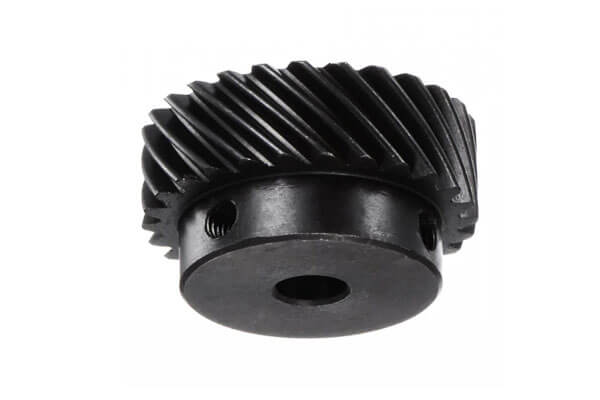
Componentes como engrenagens, buchas, rolamentos, rolos, guias, e os coxins podem operar com ruído reduzido e, em alguns casos, sem lubrificação externa.
Para aplicações deslizantes exigentes, a poliamida pode ser modificada com aditivos como:
- PTFE para menor atrito;
- Dissulfeto de molibdênio para melhor comportamento de deslizamento;
- Fibras de vidro para maior rigidez;
- Fibras de carbono para maior resistência e condutividade térmica;
- Lubrificantes sólidos para melhor desempenho de funcionamento a seco.
O comportamento final do desgaste depende fortemente dos materiais correspondentes, pressão superficial, velocidade de deslizamento, temperatura, e condições de lubrificação.
Desempenho térmico
As poliamidas geralmente oferecem melhor resistência ao calor do que os plásticos comuns, como o polipropileno e o polietileno.. No entanto, a capacidade térmica varia consideravelmente entre os graus.
PA6 e PA66 são adequados para muitas aplicações de temperatura moderadamente elevada, enquanto as poliamidas semi-aromáticas, como o PPA, são projetadas para ambientes mais exigentes, incluindo componentes automotivos sob o capô e conectores elétricos de alta temperatura.
O ponto de fusão, temperatura de deflexão térmica, e temperatura de serviço contínua devem ser consideradas ao selecionar uma poliamida.
O reforço pode melhorar ainda mais a estabilidade dimensional em temperaturas elevadas, embora também possa afetar a tenacidade e a processabilidade.
Absorção de umidade e estabilidade dimensional
A absorção de umidade é uma das considerações de engenharia mais importantes ao usar poliamida.
Os grupos amida na estrutura do polímero podem absorver água do ambiente circundante, causando alterações nas dimensões e propriedades mecânicas.
As poliamidas de cadeia curta, como PA6 e PA66, geralmente absorvem mais umidade do que as classes de cadeia longa, como PA11 e PA12..
Esta característica deve ser considerada ao projetar componentes de precisão.
As tolerâncias dimensionais devem levar em conta tanto a contração de fabricação quanto o potencial condicionamento ambiental durante o serviço.
Resistência química
A poliamida geralmente funciona bem quando exposta a óleos, graxas, combustíveis, e muitos hidrocarbonetos.
Esta é uma das razões pelas quais os materiais PA são amplamente utilizados em sistemas de combustível automotivo., Equipamento industrial, e aplicações de manuseio de fluidos.
No entanto, a resistência química não é universal. Ácidos fortes, agentes oxidantes fortes, certos solventes, e a exposição prolongada a produtos químicos de alta temperatura pode degradar o polímero.
A seleção de materiais deve, portanto, considerar o ambiente de serviço completo, em vez de depender apenas da classificação geral de um material como “quimicamente resistente”.
Propriedades elétricas
A poliamida é naturalmente isolante eletricamente e é amplamente utilizada em conectores elétricos, caixas de terminais, formadores de bobina, e componentes de isolamento.
No entanto, a umidade absorvida pode influenciar as propriedades dielétricas e a resistência da superfície.
Para aplicações elétricas de alta tensão ou alta confiabilidade, os engenheiros geralmente selecionam classes especificamente formuladas para desempenho elétrico, resistência à chama, baixa absorção de umidade, ou estabilidade de alta temperatura.
5. Métodos de fabricação e processamento de poliamida
A poliamida é um material termoplástico, permitindo que seja amolecido por aquecimento e formado usando uma variedade de processos de fabricação.
O método de processamento ideal depende do grau do polímero, geometria do componente, volume de produção, tolerância dimensional, requisitos de superfície, e sistema de reforço.
Moldagem por injeção
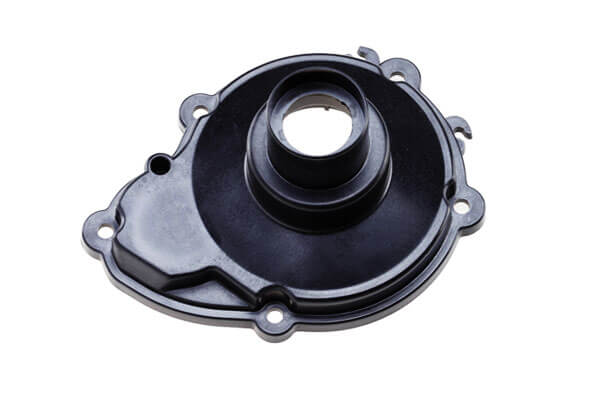
Moldagem por injeção é um dos métodos de fabricação mais importantes para a engenharia de componentes de poliamida.
Pellets de polímero secos são derretidos em um barril aquecido e injetados sob pressão em um molde de precisão.
O processo é particularmente adequado para a produção de complexos, componentes de alto volume com geometria consistente.
As aplicações típicas incluem:
- Engrenagens e componentes mecânicos;
- Clipes e suportes automotivos;
- Conectores elétricos;
- Componentes do aparelho;
- Caixas e gabinetes;
- Peças industriais de precisão.
Porque a poliamida pode absorver umidade, a secagem adequada da resina antes da moldagem é crítica
As poliamidas reforçadas com fibra de vidro também são comumente moldadas por injeção, embora o projeto do molde e as condições de processamento devam levar em conta a orientação das fibras, aumento da viscosidade, e contração anisotrópica.
Extrusão
A extrusão é usada para produzir continuamente produtos de poliamida com seção transversal constante. O polímero fundido é forçado através de uma matriz moldada e depois resfriado e dimensionado.
Produtos extrudados comuns incluem tubos, tubos, filmes, folhas, hastes, isolamento de cabos, e perfis de engenharia.
PA11 e PA12 são particularmente importantes para tubos flexíveis devido à sua combinação de resistência química, flexibilidade, e absorção de umidade relativamente baixa.
Na extrusão de perfis e tubos, Controle de temperatura, estabilidade de fusão, taxa de refrigeração, e a calibração dimensional são essenciais para manter espessura e geometria de parede consistentes.
Moldagem por sopro
A moldagem por sopro é usada quando são necessários componentes ocos de poliamida. Um tubo ou pré-forma de polímero aquecido é expandido dentro de um molde usando pressão de ar.
A moldagem por sopro de poliamida é comumente usada para reservatórios de fluidos automotivos, dutos, componentes do sistema de combustível, e contêineres industriais especializados.
Estruturas multicamadas também podem ser produzidas quando são necessárias propriedades de barreira adicionais.
Moldagem por compressão e transferência
Embora menos comum que a moldagem por injeção para poliamidas termoplásticas padrão, moldagem por compressão pode ser útil para grandes, altamente reforçado, ou componentes especializados.
O processo pode acomodar certos materiais reforçados com fibras longas e pode ser selecionado quando a geometria da peça ou a arquitetura do reforço são difíceis de alcançar através da moldagem por injeção convencional.
Usinagem CNC
A poliamida também pode ser usinada a partir de material extrudado ou fundido usando torneamento CNC, moagem, perfuração, e outros processos subtrativos.
Usinagem CNC é particularmente útil para:
- Desenvolvimento de protótipo;
- Produção de baixo volume;
- Componentes grandes;
- Peças que exigem recursos difíceis de moldar;
- Componentes que exigem tolerâncias rigorosas de pós-processamento.
No entanto, alterações dimensionais relacionadas à umidade devem ser consideradas ao usinar componentes de poliamida de precisão. O condicionamento do material deve idealmente ser controlado antes da inspeção final.
Fabricação aditiva
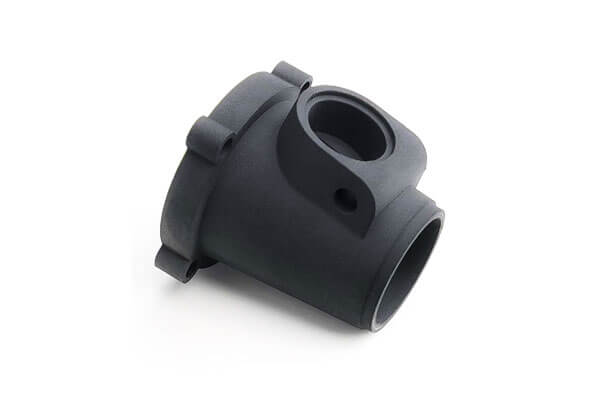
Vários materiais de poliamida, particularmente PA12 e PA11, são amplamente utilizados em tecnologias de fabricação aditiva, como Sinterização seletiva a laser (SLS) e Fusão Multijato (MJF)
Esses processos são especialmente adequados para protótipos, produtos personalizados, geometrias internas complexas, e produção de baixo a médio volume.
Comparado com moldagem por injeção, a fabricação aditiva elimina a necessidade de ferramentas dedicadas, mas geralmente envolve custos unitários mais elevados em grandes volumes de produção.
6. Materiais de poliamida reforçados e modificados
A poliamida não preenchida fornece uma combinação equilibrada de resistência, resistência, resistência ao desgaste, e processabilidade.
No entanto, muitas aplicações de engenharia exigem propriedades além daquelas do padrão PA6 ou PA66.
Por esse motivo, a poliamida é frequentemente composta com fibras de reforço, enchimentos minerais, modificadores de impacto, retardadores de chama, lubrificantes, e outros aditivos funcionais.
| Tipo de poliamida modificada | Modificação Primária | Melhoria de desempenho principal | Aplicações típicas |
| PA reforçado com fibra de vidro | Fibras de vidro | Força, rigidez, Resistência ao calor | Estruturas automotivas, conectores, máquinas |
| PA reforçado com fibra de carbono | Fibras de carbono | Alta resistência e rigidez específicas | Aeroespacial, Robótica, peças de alto desempenho |
| PA cheio de mineral | Talco, mica, minerais | Estabilidade dimensional, encolhimento mais baixo | Caixas, componentes de grande precisão |
| PA modificado por impacto | Modificadores de elastômero | Melhor tenacidade e resistência ao impacto | Componentes automotivos e de proteção |
PA retardador de chama |
Aditivos retardadores de chama | Melhor desempenho de fogo | Componentes elétricos e eletrônicos |
| PA autolubrificante | Ptfe, MoS₂, aditivos lubrificantes | Fricção e desgaste reduzidos | Rolamentos, engrenagens, peças deslizantes |
| PA condutivo | Enchimentos condutores à base de carbono | Controle ESD ou condutividade elétrica | Equipamentos eletrônicos e sensíveis à estática |
7. Vantagens e Limitações da Poliamida
Principais vantagens
- Alta força específica: A excepcional relação resistência/peso permite a substituição econômica do metal em aplicações estruturais.
- Excelente desempenho de desgaste: As propriedades autolubrificantes inerentes eliminam a necessidade de lubrificação externa em muitas aplicações de carga leve a média.
- Boa resistência química: Excelente tolerância a óleos, combustíveis e graxas para ambientes automotivos e industriais.
- Ampla processabilidade: Compatível com todos os principais métodos de fabricação de termoplásticos com boa fluidez no estado fundido.
- Resistência de alto impacto: Mantém boa ductilidade em uma ampla faixa de temperatura, especialmente em classes modificadas por impacto.
- Formulação versátil: Facilmente reforçado, endurecido, retardado à chama e composto para desempenho direcionado.
- Bom isolamento elétrico: Desempenho dielétrico suficiente para a maioria das aplicações elétricas e eletrônicas em geral.
Limitações inerentes
- Alta absorção de umidade: As classes padrão absorvem água atmosférica significativa, causando mudança dimensional e variação de propriedades - a maior restrição de projeto.
- Variabilidade dimensional: Maior contração do molde e inchaço induzido pela umidade exigem um projeto de tolerância cuidadoso.
- Fragilidade em baixa temperatura: As classes padrão não modificadas tornam-se quebradiças em temperaturas abaixo de zero e exigem modificação de impacto para serviços a frio.
- Resistência limitada a ácidos/alcalinos fortes: Degrada-se em ácidos minerais fortes e soluções alcalinas concentradas.
- Requisito de secagem de processamento: A pré-secagem obrigatória acrescenta etapas de processo e custo de energia em relação aos plásticos não higroscópicos.
- Degradação UV: Classes não estabilizadas degradam-se sob exposição prolongada aos raios UV ao ar livre e requerem estabilização para uso externo.
8. Aplicações de Poliamida
A combinação de resistência mecânica, resistência ao desgaste, baixo peso, Resistência química, e a flexibilidade de fabricação permite que a poliamida atenda a aplicações que vão desde produtos de consumo até componentes automotivos e industriais de alta engenharia.
Indústria automotiva
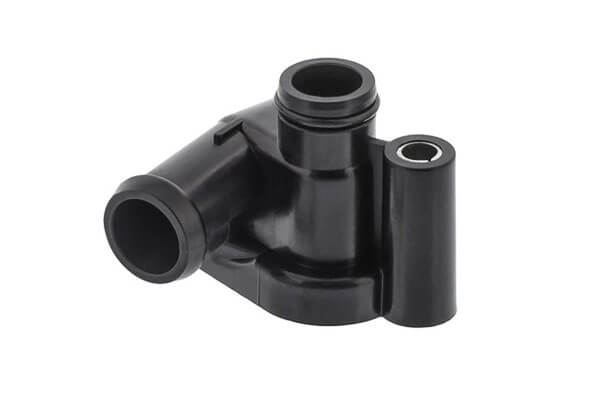
Automotivo engenharia é uma das maiores áreas de aplicação para poliamidas de engenharia.
PA6, PA66, e classes reforçadas são amplamente utilizadas para substituir componentes metálicos onde a redução de peso, Resistência à corrosão, e moldagem integrada são vantajosas.
Componentes típicos incluem:
- Tampas e suportes do motor
- Componentes de entrada de ar
- Componentes do sistema de refrigeração
- Guias de cabos e clipes
- Altas de equipamento
- Gaiolas de rolamento
- Componentes do sistema de combustível
- Conectores elétricos
- Suportes estruturais
- Componentes do ventilador e da polia
O PA66 reforçado com fibra de vidro é particularmente importante para aplicações sob o capô porque o reforço melhora a rigidez, resistência à fluência, e estabilidade dimensional.
Elétrica e Eletrônica
A poliamida é amplamente utilizada em componentes elétricos devido às suas propriedades isolantes, força mecânica, e capacidade de moldagem por injeção.
As aplicações incluem Altas do conector, blocos terminais, prensa-cabos, interruptores, caixas de sensores, componentes de proteção de circuito, e gabinetes elétricos.
Os graus retardadores de chama são frequentemente selecionados quando os requisitos regulatórios exigem ignição e propagação de chama controladas.
Máquinas industriais
Em máquinas, a poliamida é frequentemente usada onde componentes leves devem suportar movimentos mecânicos repetidos.
Exemplos comuns incluem:
- Engrenagens e rodas dentadas
- Buchas e rolamentos
- Rolos
- Tiras de uso
- Trilhos guia
- Transportadoras de cabo
- Componentes de vedação
- Protetores de máquinas
- Componentes do transportador
Comparado com componentes metálicos, peças de poliamida podem reduzir peso, barulho, e requisitos de lubrificação em certas aplicações.
Manuseio de Fluidos e Tubulação
PA11 e PA12 são particularmente valiosos para aplicações de tubulação e manuseio de fluidos porque combinam flexibilidade, Resistência química, baixa densidade, e absorção de umidade relativamente baixa.
Eles são usados para tubulação pneumática, linhas hidráulicas, linhas de combustível, componentes relacionados ao freio, revestimento de cabos, e mangueiras industriais, dependendo do grau específico e dos padrões aplicáveis.
Produtos de consumo e comerciais
A poliamida também é amplamente utilizada em produtos de consumo onde a durabilidade e a resistência ao impacto são importantes.
Os exemplos incluem componentes de ferramentas elétricas, Equipamento esportivo, prendedores, caixas, alças, rodas, acessórios mecânicos, e vários componentes moldados.
Aplicações médicas e de saúde
Classes especializadas de poliamida podem ser usadas para aplicações médicas e de saúde selecionadas, incluindo tubulação, componentes do instrumento, peças para manuseio de fluidos, e certos dispositivos descartáveis ou reutilizáveis.
Para essas aplicações, no entanto, Biocompatibilidade, resistência à esterilização, extraíveis, Compatibilidade química, e os requisitos regulamentares aplicáveis devem ser avaliados para o grau específico, em vez de presumidos a partir das propriedades gerais da poliamida.
9. Poliamida vs.. Outros plásticos de engenharia
A poliamida não é universalmente superior a outros plásticos de engenharia.
Cada polímero tem um perfil de desempenho diferente, e a escolha apropriada depende de fatores como carga mecânica, atrito, temperatura, exposição química, umidade, Requisitos dimensionais, e custo.
| Propriedade / Fator | Poliamida (PA) | Poloximetileno (POM) | Polipropileno (PP) | Ether de poliéter cetona (ESPIAR) |
| Classe de materiais | Termoplástico de engenharia | Termoplástico de engenharia | Termoplástico de commodity/semi-engenharia | Termoplástico de engenharia de alto desempenho |
| Força típica | Bom a alto | Bom | Moderado | Muito alto |
| Rigidez | Bom; maior com reforço | Bom | Moderado | Excelente |
| Resistência ao impacto | Bom a excelente | Bom | Bom a excelente | Bom |
| Resistência ao desgaste | Bom a excelente | Excelente | Moderado | Excelente |
| Atrito | Baixo a moderado | Muito baixo | Baixo | Baixo |
| Absorção de umidade | Moderado a alto para PA6/PA66; inferior para PA11/PA12 | Muito baixo | Muito baixo | Muito baixo |
| Estabilidade dimensional | Moderado; fortemente afetado pela umidade em alguns graus | Excelente | Bom | Excelente |
| Capacidade de temperatura | Moderado a alto, dependendo da nota | Moderado | Relativamente baixo | Excelente |
| Resistência química | Bom | Bom | Excelente | Excelente |
| Isolamento elétrico | Bom | Bom | Excelente | Excelente |
| Resistência à fadiga | Bom | Excelente | Bom | Excelente |
| Processabilidade | Excelente | Excelente | Excelente | Mais exigente |
Custo relativo do material |
Moderado | Moderado | Baixo | Muito alto |
| Aplicações típicas | Engrenagens, buchas, peças automotivas, conectores, Componentes estruturais | Engrenagens de precisão, rolamentos, válvulas, mecanismos | Embalagem, tanques, dobradiças vivas, Recipientes químicos | Aeroespacial, semicondutor, médico, maquinaria de alta temperatura |
| Principal vantagem | Desempenho mecânico e de processamento equilibrado | Baixo atrito e estabilidade dimensional | Baixo custo e resistência química | Excepcional desempenho mecânico e de alta temperatura |
| Limitação principal | Sensibilidade à umidade | Capacidade limitada de alta temperatura | Menor desempenho mecânico | Alto custo e processamento mais exigente |
10. Reciclagem e Sustentabilidade de Poliamida
Reciclagem Mecânica
A sucata de poliamida pós-industrial é rotineiramente reciclada mecanicamente por meio de reafiação e recomposição.
A resina reciclada retém a maior parte de suas propriedades mecânicas e é amplamente utilizada em peças estruturais não críticas.
A reciclagem pós-consumo está menos estabelecida, mas está crescendo, especialmente para fluxos de resíduos de fibras têxteis e de carpetes.
Reciclagem Química
Tecnologias avançadas de despolimerização podem transformar resíduos de poliamida em matérias-primas de monômeros puros, produzindo resina equivalente virgem com desempenho idêntico.
Instalações de reciclagem de produtos químicos em escala industrial estão agora operando na Europa e na América do Norte, permitindo circularidade de circuito fechado para materiais de poliamida.
Poliamidas de base biológica
A sustentabilidade não se limita à reciclagem. Certas poliamidas, incluindo PA11 e PA1010, podem ser produzidos parcial ou substancialmente a partir de matérias-primas renováveis, dependendo da rota de produção específica.
As matérias-primas de base biológica podem reduzir a dependência de recursos fósseis, mas um polímero de base biológica não é automaticamente superior ambientalmente.
Uma avaliação completa deve considerar o fornecimento de matéria-prima, impactos agrícolas, consumo de energia, emissões de fabricação, vida útil do produto, Reciclabalidade, e tratamento de fim de vida.
11. Peças personalizadas de poliamida da LangHe Indústria
Indústria de Langhe fornece soluções de fabricação personalizadas para componentes de plástico de engenharia, incluindo peças de poliamida projetadas para uso mecânico, Elétrica, automotivo, industrial, e outras aplicações exigentes.
Em vez de tratar a poliamida como um plástico genérico, o material e o processo de fabricação devem ser selecionados de acordo com as condições operacionais reais do componente.
Fatores como nota PA, exposição à umidade, temperatura, carregamento mecânico, tolerâncias dimensionais, requisitos de desgaste, ambiente químico, e reforço são avaliados durante o desenvolvimento de engenharia.
Capacidades personalizadas de fabricação de poliamida
| Capacidade | Detalhes |
| Seleção de material | PA6, PA66, PA11, PA12 e graus de poliamida reforçada ou modificada |
| Modificação de materiais | Fibra de vidro, fibra de carbono, classes cheias de minerais e modificadas por desgaste, sujeito aos requisitos de aplicação |
| Fabricação | Moldagem por injeção e usinagem de precisão para componentes de poliamida adequados |
| Usinagem CNC | Virando, moagem, perfuração, tedioso, e acabamento de componentes plásticos de engenharia |
| Geometrias complexas | Caixas, engrenagens, buchas, Suportes, guias, capas, e componentes mecânicos personalizados |
| Controle de precisão | Inspeção dimensional baseada na geometria do componente, Requisitos de tolerância, e necessidades de aplicativos |
| Produção de protótipo | Desenvolvimento de baixo volume e protótipo antes da produção em série |
| Suporte de engenharia | Seleção de material, Revisão do DFM, avaliação de tolerância, e otimização do processo |
| Qualidade | ISO 9001:2015 certificado. |
| Tempo de espera | 2-4 semanas para usinagem; 4‑8 semanas para ferramentas e produção. |
12. Conclusão
A poliamida é uma ampla família de polímeros de engenharia, em vez de um único material.
Do convencional PA6 e PA66 para diminuir a absorção de umidade PA11 e PA12, alta temperatura PPA, e classes reforçadas com fibra, diferentes formulações fornecem combinações significativamente diferentes de mecânica, térmico, químico, e desempenho dimensional.
Sua maior vantagem é seu desempenho de engenharia equilibrado. A poliamida combina densidade relativamente baixa com boa resistência, resistência, resistência ao desgaste, Resistência química, isolamento elétrico, e excelente processabilidade.
Estas características fazem dele uma alternativa eficaz aos metais e outros plásticos de engenharia em muitas aplicações..
Ao mesmo tempo, os designers não devem ignorar suas limitações. Absorção de umidade, propriedades dependentes da temperatura, rastejar, e a compatibilidade química podem influenciar fortemente o desempenho a longo prazo.
A seleção do material deve, portanto, basear-se no ambiente operacional completo e não apenas na resistência à tração ou no ponto de fusão..
Para componentes personalizados, a abordagem mais confiável é avaliar o grau de poliamida, reforço, processo de fabricação, Requisitos dimensionais, ambiente de serviço, e vida útil esperada como um sistema integrado.
Quando esses fatores são adequadamente controlados, a poliamida pode fornecer uma solução econômica e tecnicamente robusta para uma ampla gama de componentes de engenharia.
Perguntas frequentes sobre poliamida
Poliamida é o mesmo que náilon?
Não exatamente. O nylon é um grupo importante de poliamidas, particularmente poliamidas alifáticas, como PA6 e PA66.
A poliamida é a família química mais ampla que também inclui PA11, PA12, poliamidas semi-aromáticas, e poliamidas aromáticas.
A poliamida é um material forte?
Sim. A poliamida geralmente oferece boa resistência à tração, rigidez, resistência, e desempenho de fadiga. Fibra de vidro- e poliamidas reforçadas com fibra de carbono pode fornecer rigidez e resistência substancialmente maiores do que classes não preenchidas.
A poliamida absorve água?
Sim. A absorção de umidade é uma característica importante de muitas poliamidas, particularmente PA6 e PA66.
A absorção de água pode alterar dimensões e propriedades mecânicas, portanto, umidade e condicionamento devem ser considerados para aplicações de precisão.
A poliamida é adequada para aplicações de alta temperatura??
Depende da nota. PA6 e PA66 convencionais são adequados para temperaturas moderadamente elevadas, enquanto PPA e outras poliamidas de alta temperatura são mais adequados para ambientes térmicos exigentes.
A poliamida pode realmente substituir o metal em peças estruturais??
UM: Sim. As poliamidas reforçadas com fibra de vidro são amplamente utilizadas para substituir o alumínio fundido e o aço em estruturas automotivas., componentes industriais e de consumo.
Eles normalmente reduzem o peso da peça em 40–60%, ao mesmo tempo que fornecem resistência suficiente para muitas aplicações de suporte de carga. A substituição do metal continua sendo o principal impulsionador do crescimento das poliamidas de engenharia.
A poliamida é resistente a produtos químicos?
A poliamida tem boa resistência a muitos óleos, combustíveis, hidrocarbonetos, e produtos químicos industriais, mas sua resistência a ácidos fortes, agentes oxidantes, e certos solventes podem ser limitados.
O grau específico e as condições operacionais devem sempre ser avaliados.
A poliamida é melhor que o POM?
Nenhum dos dois é universalmente melhor. A poliamida geralmente oferece uma combinação mais forte de resistência e desempenho mecânico,
enquanto o POM geralmente fornece estabilidade dimensional superior, baixo atrito, e desempenho de desgaste.
A escolha depende da aplicação específica.
Avisos de direitos autorais e marcas registradas
- Kevlar® e Nomex® são marcas registradas da E. EU. du Pont de Nemours e companhia (DuPont).
- Torlon® é uma marca registrada da Syensqo.