Wśród wszystkich rodzin stali nierdzewnej, Austenityczna stal nierdzewna jest kategorią najczęściej stosowaną i mającą znaczenie komercyjne, odpowiada za ponad połowę światowej produkcji stali nierdzewnej.
Jest ceniony za wyjątkową odporność na korozję, Doskonała spawalność, wyjątkowa plastyczność, doskonała wytrzymałość, i niezwykłą wydajność zarówno w środowiskach wysokotemperaturowych, jak i kriogenicznych.
Unikalne właściwości austenitycznej stali nierdzewnej wynikają z jej specjalnej struktury metalurgicznej.
W przeciwieństwie do ferrytycznych lub martenzytycznych stali nierdzewnych, austenityczna stal nierdzewna utrzymuje a Cechutetycznie sześcienne (Fcc) Struktura krystaliczna w temperaturze pokojowej.
Taka struktura zapewnia doskonałą zdolność do odkształcenia plastycznego i zapobiega kruchemu uszkodzeniu, dzięki czemu nadaje się do zastosowań wymagających złożonego formowania, spawalniczy, i niezawodną pracę w trudnych warunkach.
Typowe oceny, takie jak 304, 316, 321, I 347 stal nierdzewna stały się standardami branżowymi, podczas gdy zaawansowane stopnie obejmują 904L, 254 My, i inne superaustenityczne stale nierdzewne zostały zaprojektowane z myślą o środowiskach silnie korozyjnych.
1. Co to jest austenityczna stal nierdzewna?
Austenityc stal nierdzewna to największa i najczęściej stosowana rodzina stali nierdzewnych, charakteryzuje się stabilnością Cechutetycznie sześcienne (Fcc) Struktura krystaliczna, znany metalurgicznie jako Austenite (faza γ).
Ta wyjątkowa mikrostruktura jest utrzymywana w temperaturze pokojowej dzięki dodatkowi pierwiastków stopowych stabilizujących austenit, głównie nikiel (W), wraz z elementami takimi jak mangan (Mn), azot (N), i węgiel (C).
W przeciwieństwie do czystego żelaza, gdzie austenit występuje tylko w podwyższonych temperaturach, austenityczne stale nierdzewne są konstruowane poprzez tworzenie stopów, aby zachować fazę austenityczną w szerokim zakresie temperatur, łącznie z warunkami otoczenia i kriogenicznymi.
Ta stabilna struktura austenityczna jest podstawowym powodem, dla którego materiały te wykazują wyjątkową kombinację odporności na korozję, plastyczność, wytrzymałość, Spawalność, i możliwości produkcyjne.
Termin „austenityczny” nie odnosi się do konkretnego składu chemicznego, ale raczej do dominująca faza metalurgiczna i struktura krystaliczna stopu.
W czystym żelazie, przemiana z ferrytu (faza α, struktura sześcienna skupiona na ciele) do austenitu (faza γ, Struktura FCC) następuje około godz 912° C..
Jednakże, dodatek niklu i innych pierwiastków tworzących austenit rozszerza zakres stabilności fazy FCC, dzięki czemu austenit pozostaje stabilny w temperaturze pokojowej, a nawet w warunkach pracy w ekstremalnie niskich temperaturach.
Kluczowe cechy definiujące austenityczną stal nierdzewną:
- Sześcienny zorientowany na twarz (Fcc) Struktura krystaliczna—zapewnia doskonałą ciągliwość, wytrzymałość, i formalność.
- Wysoka zawartość chromu (16-26%)—zapewnia odporność na korozję dzięki samonaprawiającej się pasywnej warstwie tlenku.
- Wysoka zawartość niklu (6-22%)—stabilizuje strukturę austenityczną, Poprawia odporność na korozję, i zwiększa wytrzymałość w niskich temperaturach.
- Niemagnetyczne (w stanie wyżarzonym)— w przeciwieństwie do ferrytycznych i martenzytycznych stali nierdzewnych, gatunki austenityczne są zasadniczo niemagnetyczne.
- Nie utwardzalny poprzez obróbkę cieplną— wytrzymałość można zwiększyć jedynie poprzez obróbkę na zimno (hartowanie pracy).
- Doskonała spawalność— większość gatunków jest łatwo spawalna, z gatunkami niskoemisyjnymi (Klasy L) specjalnie zaprojektowane, aby przeciwdziałać uczuleniom.
2. Skład chemiczny austenitycznej stali nierdzewnej
Właściwości austenitycznych stali nierdzewnych zależą od ich dokładnego składu chemicznego.
Poniższa tabela podsumowuje typowe zakresy składu najpopularniejszych pierwiastków i ich funkcji.
| Element | Typowy zakres (wt%) | Funkcjonować |
| Chrom (Cr) | 16-26 | Tworzy pasywny tlenek chromu (Cr₂o₃) folia zapewniająca odporność na korozję. Zwiększony Cr poprawia odporność na kwasy utleniające i utlenianie w wysokiej temperaturze. |
| Nikiel (W) | 6-22 | Stabilizuje strukturę austenityczną w temperaturze pokojowej; Poprawia odporność na korozję (szczególnie w kwasach redukujących); zwiększa wytrzymałość w niskich temperaturach; zmniejsza szybkość utwardzania przez zgniot. |
| Molibden (Mo) | 0-7 | Poprawia odporność na korozję wżery i szczeliną, zwłaszcza w środowiskach zawierających chlorki; zwiększa wytrzymałość w wysokich temperaturach. |
| Mangan (Mn) | ≤2,0 | Odtleniacz; stabilizuje austenit w niektórych gatunkach (NP., 200 szereg); poprawia hotalność. |
Krzem (I) |
≤1,0 | Odtleniacz; Poprawia odporność na utlenianie. |
| Węgiel (C) | ≤0,08 (standard) <0.03 (Klasy L) | Wzmacnia stop, ale może zmniejszyć odporność na korozję poprzez tworzenie węglików chromu (uczulenie). Gatunki niskokę (304L, 316L) zminimalizować uczulenie. |
| Azot (N) | 0-0,25 | Wzmacnia austenit; Poprawia oporność na wżery; stabilizuje strukturę austenityczną. |
| Miedź (Cu) | 0-3 | Zwiększa odporność na kwasy redukujące (zwłaszcza kwas siarkowy); zwiększa formowalność. |
| Tytan (Z) / Niobium (NB) | ≤1,0 | Stabilizatory— zapobiegać uczuleniom poprzez tworzenie węglików, preferencyjnie z węglem, pozostawiając chrom w roztworze. |
Kluczowe relacje kompozycyjne
- Odpowiednik chromu vs. Odpowiednik niklu: Równowaga pomiędzy elementami stabilizującymi ferryt (Cr, Mo, I) oraz elementy stabilizujące austenit (W, Mn, N, Cu) określa, czy mikrostruktura jest w pełni austenityczna, czy zawiera trochę ferrytu.
- Drewno (Liczba równoważna oporności wżery): Wzór empiryczny stosowany do porównywania odporności stali nierdzewnych na wżery:
Take = %cr + 3.3 × %Mo + 16 ×% N
Wyższe wartości PREN wskazują na lepszą odporność na korozję wżerową i szczelinową w środowiskach chlorkowych.
| Stopień | Drewno (ok.) | Odporność na korozję |
| 304 | 19 | Dobry |
| 316 | 26 | Lepsza |
| 904L | 34-38 | Doskonały |
| superaustenityczny (NP., 6-Stopy Mo) | >40 | Wyjątkowy |
3. Główne typy i gatunki austenitycznej stali nierdzewnej
Austenityczne stale nierdzewne stanowią największą i najczęściej stosowaną kategorię stali nierdzewnych, zawierający liczne gatunki opracowane w celu spełnienia różnych wymagań dotyczących odporności na korozję, Siła mechaniczna, zdolność temperaturowa, Spawalność, i wydajność produkcji.
Standardowe gatunki austenitycznej stali nierdzewnej (300 Szereg)
. 300 szereg to najbardziej znana rodzina austenitycznych stali nierdzewnych.
Gatunki te zazwyczaj zawierają chrom i nikiel jako podstawowe pierwiastki stopowe, zapewniając doskonałą równowagę odporności na korozję, właściwości mechaniczne, Spawalność, i efektywność kosztowa.
Typowe gatunki austenitycznej stali nierdzewnej serii 300
| Stopień | Oznaczenie USA | Przybliżony skład | Kluczowe cechy | Typowe zastosowania |
| 304 | S30400 | 18% Cr, 8% W | Najpowszechniej stosowana austenityczna stal nierdzewna; Doskonała odporność na korozję, Formalność, Spawalność, oraz równowagę kosztów i wydajności | Sprzęt do przetwarzania spożywczego, Sprzęt kuchenny, Komponenty architektoniczne, Części samochodowe, ogólne zastosowania przemysłowe |
| 304L | S30403 | 18% Cr, 8% W, niskie C ≤0,03% | Wersja niskoemisyjna 304; minimalizuje wytrącanie się węglika chromu i poprawia odporność na korozję po spawaniu | Spawane konstrukcje, sprzęt żywnościowy, sprzęt do przetwarzania chemicznego, naczynia ciśnieniowe |
| 316 | S31600 | 16–18% cr, 10-14% ma, 2–3% MO | Dodatek molibdenu znacząco poprawia odporność na korozję wżerową i szczelinową wywołaną chlorkami | Sprzęt morski, systemy przetwarzania chemicznego, Sprzęt farmaceutyczny, urządzenia medyczne |
316L |
S31603 | 16–18% cr, 10-14% ma, 2–3% MO, Niski c | Wersja niskoemisyjna 316; doskonała spawalność i odporność na korozję międzykrystaliczną | Zbiorniki farmaceutyczne, konstrukcje morskie, spawane systemy rurowe, sprzęt morski |
| 321 | S32100 | 17–19% Cr, 9–12% w, Ustabilizowany | Stabilizacja tytanem zapobiega wytrącaniu się węglika chromu; utrzymuje odporność na korozję po wystawieniu na działanie wysokiej temperatury | Wymienniki ciepła, układy wydechowe samolotów, Komponenty pieca, rurociągi wysokotemperaturowe |
| 347 | S34700 | 17–19% Cr, 9–13% w, Nb ustabilizowany | Stabilizacja niobem poprawia odporność na uczulenie i zwiększa wytrzymałość na pełzanie w wysokiej temperaturze | Komponenty lotnicze, sprzęt do wytwarzania energii, wysokotemperaturowe systemy przetwarzania chemicznego |
309 |
S30900 | 22–24% Cr, 12–15% w | Wyższa zawartość chromu i niklu zapewnia lepszą odporność na utlenianie w podwyższonych temperaturach | Części pieca, sprzęt do spalania, urządzenia do obróbki cieplnej, zbiorniki o wysokiej temperaturze |
| 310 | S31000 | 24–26% Cr, 19–22% w | Doskonała odporność na utlenianie i wytrzymałość w bardzo wysokich temperaturach | Wykładziny pieców, rurki promieniujące, wymienniki ciepła, urządzenia do obróbki termicznej |
| 904L | N08904 | 20% Cr, 25% W, 4–5% mies, Z dodatkiem | Gatunek superaustenityczny o wyjątkowej odporności na kwas siarkowy i silnie korozyjne chemikalia | Reaktory chemiczne, sprzęt do przetwarzania kwasu siarkowego, systemy farmaceutyczne |
Wysokowydajne i superaustenityczne gatunki stali nierdzewnej
Standardowe austenityczne stale nierdzewne mogą nie zapewniać wystarczających parametrów w ekstremalnie agresywnych środowiskach, takich jak stężone kwasy, Woda morska, i warunkach dużej zawartości chlorków.
Do tych zastosowań, stale nierdzewne o wysokiej wytrzymałości lub superaustenityczne zostały opracowane.
Reprezentatywne gatunki superaustenityczne
| Stopień | Oznaczenie USA | Przybliżony skład | Kluczowe cechy | Typowe zastosowania |
| 254 My | S31254 | 20% Cr, 18% W, 6% Mo, 0.2% N | Wyjątkowo wysoka odporność na chlorki; Wartość PREN powyżej 40; Doskonała odporność na korozję wżery i szczeliny | Systemy wody morskiej, Platformy offshore, rośliny odsalania, sprzęt do przetwarzania chemicznego |
| Al-6xn | N08367 | 21% Cr, 24% W, 6.3% Mo, 0.2% N | Wyjątkowa odporność na korozję chlorkową i środowisko kwaśne; Wysoka wytrzymałość mechaniczna | Inżynieria morska, przemysł celulozowo-papierniczy, Przetwarzanie chemiczne, sprzęt do kontroli zanieczyszczeń |
| Incoloy 825 | N08825 | 21% Cr, 42% W, 3% Mo, 2% Cu | Doskonała odporność na kwasy redukujące, pękanie korozji stresu, i środowiska o wysokiej temperaturze | Sprzęt naftowy i gazowy, Przetwarzanie chemiczne, zastosowania nuklearne |
Odlewane gatunki austenitycznej stali nierdzewnej
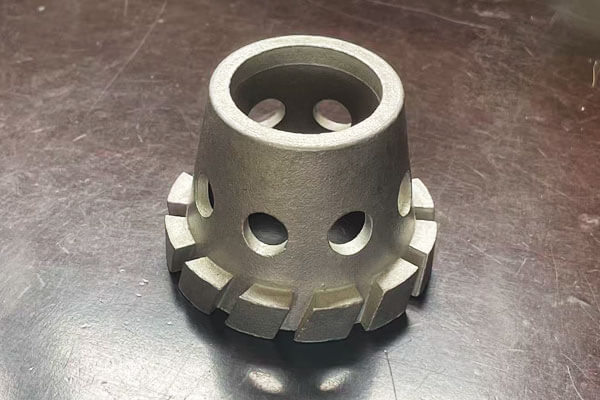
W przeciwieństwie do kutych stali nierdzewnych, odlewane stale nierdzewne są specjalnie zaprojektowane do produkcji w procesach odlewania, takich jak:
- Casting inwestycyjny
- Casting piasku
- Formowanie skorupy
Typowe gatunki odlewanej austenitycznej stali nierdzewnej
| Klasa odlewu ASTM | Oznaczenie USA | Kutego równoważna | Kluczowe cechy | Typowe zastosowania |
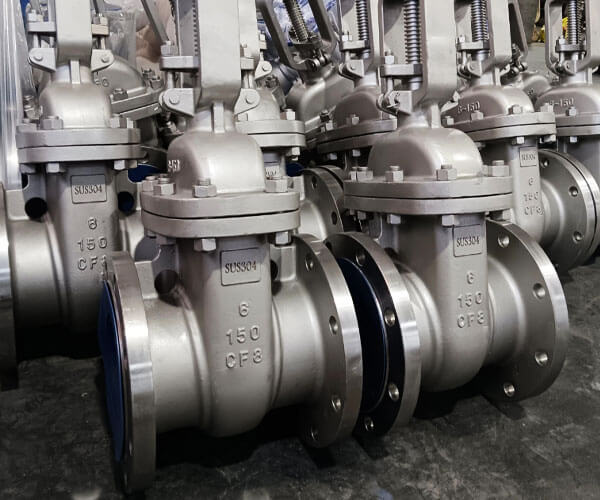
| CF-8 | J92600 | 304 | Odlewana austenityczna stal nierdzewna ogólnego przeznaczenia; doskonała odporność na korozję i lejność | Ciała zaworów, pompowanie obudowa, Złącza do rury, Komponenty przemysłowe |
| CF-3 | J92500 | 304L | Gatunek odlewniczy o niskiej zawartości węgla; doskonała spawalność i odporność na uczulenia | Spawane elementy zaworów, Sprzęt chemiczny, naczynia ciśnieniowe |
| CF-8M | J92900 | 316 | Stop odlewniczy zawierający molibden o zwiększonej odporności na korozję chlorkową | Zawory morskie, pompy chemiczne, Sprzęt farmaceutyczny |
| CF-3M | J92800 | 316L | Niskoemisyjna wersja CF-8M; doskonała spawalność i odporność na korozję | Sprzęt offshore, systemy odsalania, odlewy z obróbki chemicznej |
| CN-7M | J95150 | Stop 20 | Wysoka odporność na kwas siarkowy i agresywne środowisko chemiczne | Sprzęt do przetwarzania kwasu, komponenty petrochemiczne |
4. Kluczowe właściwości austenitycznej stali nierdzewnej
Austenityczne stale nierdzewne są powszechnie uznawane za doskonałą równowagę odporności na korozję, Wydajność mechaniczna, możliwości produkcyjne, i niezawodność usług.
O tych właściwościach decyduje przede wszystkim ich stabilność Cechutetycznie sześcienne (Fcc) Struktura krystaliczna, Wysoka zawartość chromu, oraz obecność pierwiastków stabilizujących austenit, takich jak nikiel i azot.
Odporność na korozję
Wyjątkowa odporność na korozję jest najbardziej charakterystyczną cechą austenitycznej stali nierdzewnej.
Ochrona pochodzi z tworzenia się cienkiej warstwy, stabilny, i samoleczenia Tlenek chromu (Cr₂o₃) Film pasywny na powierzchni materiału.
Kiedy chrom reaguje z tlenem w otaczającym środowisku, tworzy ochronną warstwę tlenku, która zapobiega dalszemu utlenianiu i chroni leżący pod spodem metal przed atakiem korozyjnym.
Nawet wtedy, gdy powierzchnia jest uszkodzona mechanicznie, ta warstwa pasywna może szybko się regenerować w środowiskach zawierających tlen.
Właściwości korozyjne austenitycznej stali nierdzewnej zależą od składu stopu. Chrom zapewnia podstawową odporność na korozję, natomiast nikiel poprawia odporność na środowisko chemiczne i stabilizuje strukturę austenityczną.
Gatunki zawierające molibden, jak na przykład 316 i 316L, oferują znacznie lepszą odporność na korozję wżerową i szczelinową wywołaną chlorkami.
Do bardziej agresywnych warunków pracy, zaawansowane gatunki, takie jak 904L, 254 My, i AL-6XN zostały opracowane z wyższą zawartością niklu, molibden, i azot, aby wytrzymać trudne warunki, w tym wodę morską, mocne kwasy, oraz zastosowania przetwarzania chemicznego.
Właściwości mechaniczne i zachowanie podczas utwardzania
Austenityczne stale nierdzewne zapewniają doskonałą równowagę pomiędzy wytrzymałością i ciągliwością.
W stanie wyżarzonym, ich wytrzymałość jest umiarkowana w porównaniu ze stalami nierdzewnymi martenzytycznymi lub duplex, ale ich doskonała plastyczność pozwala im ulegać znacznym odkształceniom bez pękania.
Wystawa typowych austenitycznych stali nierdzewnych:
- Wytrzymałość na rozciąganie: około 500–750 MPa
- Granica plastyczności: około 170–350 MPa
- Wydłużenie: powszechnie powyżej 40%
Jedną z najważniejszych właściwości mechanicznych austenitycznej stali nierdzewnej jest jej wytrzymałość zdolność do utwardzania przez zgniot.
Podczas odkształcania na zimno, takie jak toczenie, rysunek, lub formowanie, wzrasta gęstość dyslokacji w strukturze FCC, co skutkuje wyższą wytrzymałością i twardością.
Takie zachowanie zapewnia kilka korzyści inżynieryjnych. Obróbka na zimno może znacznie poprawić wytrzymałość mechaniczną elementów bez dodatkowej obróbki cieplnej, umożliwiając produkcję drutu ze stali nierdzewnej o dużej wytrzymałości, sprężyny, paski, i części precyzyjne.
Jednakże, silne utwardzanie przez zgniot stwarza również wyzwania podczas produkcji.
Materiał wymaga większych sił formowania, przyspiesza zużycie narzędzia podczas obróbki, i może wymagać wyżarzania pośredniego podczas ciężkich operacji formowania w celu przywrócenia plastyczności.
Wytrzymałość w niskich temperaturach
Austenityczne stale nierdzewne charakteryzują się wyjątkową wytrzymałością w ekstremalnie niskich temperaturach dzięki stabilnej strukturze krystalicznej FCC.
W przeciwieństwie do ferrytycznych i martenzytycznych stali nierdzewnych, nie doświadczają ostrej temperatury przejścia od ciągliwego do kruchego, co pozwala im zachować doskonałą odporność na uderzenia nawet w warunkach kriogenicznych.
Typowe oceny, takie jak 304L i 316L zachowują doskonałą wytrzymałość w zbliżających się temperaturach −196°C, co czyni je idealnymi materiałami do zastosowań obejmujących skroplone gazy i ekstremalnie zimne środowiska.
To unikalne połączenie wytrzymałości w niskich temperaturach i odporności na korozję sprawia, że austenityczne stale nierdzewne są szeroko stosowane:
- Systemy magazynowania i transportu LNG
- Rurociągi kriogeniczne
- Sprzęt do ciekłego tlenu i azotu
- Lotnicze systemy paliwowe
- Infrastruktura regionu zimnego
Niewiele materiałów konstrukcyjnych zapewnia porównywalną niezawodność kriogeniczną, zachowując jednocześnie dobrą spawalność i odporność na korozję.
Spawalność
Austenityczne stale nierdzewne są uważane za jedne z najbardziej spawalnych materiałów ze stali nierdzewnej ze względu na ich stabilną mikrostrukturę, Doskonała plastyczność, i stosunkowo niskie ryzyko pęknięć związanych ze spawaniem.
Można je wytwarzać przy użyciu popularnych metod spawania, w tym TIG-a, JA, Spawanie laserowe, i zgrzewanie oporowe.
Większość standardowych gatunków można spawać bez wstępnego podgrzewania, i złącza spawane na ogół zachowują dobre właściwości mechaniczne i odporność na korozję.
Najważniejszą kwestią podczas spawania jest uczulenie, co ma miejsce, gdy węglik chromu wytrąca się na granicach ziaren pod wpływem temperatur około 450–850°C.
Proces ten zmniejsza dostępność chromu w pobliżu granic ziaren i może prowadzić do korozji międzykrystalicznej.
Aby zminimalizować to ryzyko, gatunki niskoemisyjne, takie jak 304L i 316L są szeroko stosowane.
Ich obniżona zawartość węgla ogranicza powstawanie węglików i zapewnia lepszą odporność na korozję po spawaniu, dzięki czemu nadają się szczególnie do zbiorników ciśnieniowych, systemy rur, Sprzęt farmaceutyczny, i komponenty do przetwarzania chemicznego.
Formowalność i wydajność produkcyjna
Doskonała odkształcalność austenitycznej stali nierdzewnej jest bezpośrednim wynikiem jej struktury krystalicznej FCC i wysokiej ciągliwości.
W porównaniu z wieloma innymi stopami konstrukcyjnymi, gatunki austenityczne mogą ulegać rozległym odkształceniom plastycznym przy zachowaniu integralności strukturalnej.
Nadają się do procesów produkcyjnych np:
- Głęboki rysunek
- Cechowanie
- Pochylenie się
- Formowanie rolki
- Hydroformowanie
Oceny takie jak 304 I 316 są szeroko stosowane w przypadku elementów o skomplikowanych kształtach, łącznie z wyposażeniem kuchni, urządzenia medyczne, Części samochodowe, i obudowy przemysłowe.
Ich duże wydłużenie pozwala producentom wytwarzać cienkościenne i skomplikowane elementy o mniejszym ryzyku pękania.
Jednakże, ponieważ materiały te szybko twardnieją podczas odkształcania, złożone operacje formowania mogą wymagać zoptymalizowanego oprzyrządowania, wiele etapów formowania, lub wyżarzanie pośrednie.
Charakterystyka obróbki
Chociaż austenityczne stale nierdzewne doskonale nadają się do formowania i spawania, są na ogół trudniejsze w obróbce niż stale węglowe.
Główne wyzwania związane z obróbką są związane z ich wytrzymałością, plastyczność, i zachowanie hartujące.
Podczas cięcia, warstwa wierzchnia może szybko stać się twardsza, zwiększenie sił skrawania i przyspieszenie zużycia narzędzia.
Ponadto, ich stosunkowo niska przewodność cieplna powoduje, że w strefie cięcia gromadzi się więcej ciepła, co może zmniejszyć trwałość narzędzia.
Aby osiągnąć wydajną obróbkę, producenci zazwyczaj stosują:
- Odpowiednie parametry cięcia
- Ostre narzędzia z węglików spiekanych lub powlekane
- Efektywne systemy chłodzenia
- Sztywne konfiguracje maszyn
Gatunki do obróbki swobodnej, takie jak 303 stal nierdzewna są czasami wybierane, gdy wymagana jest lepsza skrawalność, chociaż generalnie zapewniają nieco niższą odporność na korozję niż standardowe 304 Lub 316 oceny.
Zachowanie niemagnetyczne (Warunek wyżarzonego)
Na ogół stosuje się austenityczne stale nierdzewne niemagnetyczne w stanie wyżarzonym ponieważ ich austenityczna struktura FCC nie wykazuje właściwości ferromagnetycznych.
Ta cecha odróżnia je od ferrytycznych i martenzytycznych stali nierdzewnych, które są naturalnie magnetyczne ze względu na różne struktury krystaliczne.
Typowe oceny, takie jak 304, 316, i 316L mają bardzo niską przenikalność magnetyczną po wyżarzaniu rozpuszczającym, dzięki czemu nadają się do zastosowań, w których należy zminimalizować zakłócenia magnetyczne, w tym:
- Sprzęt medyczny
- Instrumenty laboratoryjne
- Precyzyjne urządzenia elektroniczne
- Środowiska związane z MRI
Jednakże, Obróbka na zimno może częściowo przekształcić austenit w martenzyt wywołany odkształceniem, powodując pewien wzrost odpowiedzi magnetycznej. Stopień magnetyzmu zależy od składu stopu, Treść niklu, Zawartość azotu, oraz wielkość odkształceń mechanicznych.
5. Ograniczenia austenitycznej stali nierdzewnej
Chociaż austenityczne stale nierdzewne są szeroko stosowane ze względu na ich doskonałą odporność na korozję, wytrzymałość, Spawalność, i formalność, mają one również kilka ograniczeń, które należy wziąć pod uwagę podczas doboru materiałów i projektowania komponentów.
Niższa granica plastyczności w stanie wyżarzonym
Jednym z głównych ograniczeń konwencjonalnych austenitycznych stali nierdzewnych jest ich stosunkowo niska granica plastyczności w stanie wyżarzonym.
Typowe oceny, takie jak 304 I 316 stal nierdzewna zazwyczaj mają granicę plastyczności niższą niż wiele materiałów ferrytycznych, Martenzytyczny, i duplex stali nierdzewnej.
Oznacza to, że mogą wymagać grubszych przekrojów lub dodatkowych metod wzmacniania, jeśli są stosowane w zastosowaniach nośnych.
W przeciwieństwie do martenzytycznych stali nierdzewnych, gatunków austenitycznych nie można wzmacniać za pomocą konwencjonalnej obróbki cieplnej. Ich siła wzrasta głównie poprzez:
- Zimna praca
- Stopowanie azotu
- Wzmocnienie roztworu stałego
Odkształcenie na zimno może znacznie poprawić wytrzymałość, ale może zmniejszyć plastyczność i zwiększyć trudności w formowaniu.
Do zastosowań wymagających wysokiego stosunku wytrzymałości do masy, takie jak konstrukcje morskie lub ciężkie elementy mechaniczne, lepszą wydajność mogą zapewnić stale nierdzewne typu duplex lub stale nierdzewne utwardzane wydzieleniowo.
Ryzyko uczulenia podczas ekspozycji termicznej
Mogą wystąpić austenityczne stale nierdzewne o wyższej zawartości węgla uczulenie po wystawieniu na działanie temperatur zazwyczaj pomiędzy 450° C i 850 ° C., szczególnie podczas spawania lub długotrwałej pracy w wysokiej temperaturze.
Podczas tego procesu:
- Węgiel reaguje z chromem, tworząc węglik chromu, wytrącający się na granicach ziaren.
- W pobliżu granic ziaren rozwijają się obszary zubożone w chrom.
- Zmniejsza się lokalna odporność na korozję, potencjalnie powodując korozję międzykrystaliczną.
Aby zminimalizować to ryzyko, inżynierowie często wybierają:
- Stopnie niskoemisyjne, takie jak 304L i 316L
- Stopnie ustabilizowane, jak na przykład 321 I 347
Gatunki te zostały zaprojektowane tak, aby zachować odporność na korozję po spawaniu lub ekspozycji termicznej.
Pękanie korozyjne naprężeniowe w środowiskach chlorkowych
Chociaż austenityczne stale nierdzewne zapewniają doskonałą ogólną odporność na korozję, mogą być na nie narażeni pękanie korozji stresu (SCC) w określonych warunkach.
SCC zwykle występuje, gdy trzy czynniki występują jednocześnie:
- Stres na rozciąganie
- Środowisko zawierające chlorki
- Podwyższona temperatura
Typowe środowiska ryzyka obejmują:
- Systemy wody morskiej
- Sprzęt offshore
- Procesy chemiczne zawierające chlorki
- Wysokotemperaturowe systemy przemysłowe
Wysokostopowe gatunki austenityczne ze zwiększoną zawartością niklu, molibden, i zawartość azotu, jak na przykład 904L, 254 My, i AL-6XN, zapewniają lepszą odporność na korozję wywołaną chlorkami.
Jednakże, dla wyjątkowo trudnych środowisk chlorkowych, Nadal preferowane mogą być stale nierdzewne typu duplex lub super duplex.
Trudna wydajność obróbki
Austenityczne stale nierdzewne są na ogół trudniejsze w obróbce niż stale węglowe ze względu na ich wyjątkowe właściwości mechaniczne.
Głównym wyzwaniem jest ich siła tendencja do hardowania pracy. Podczas obróbki, zdeformowana warstwa wierzchnia staje się twardsza, zwiększenie sił skrawania i przyspieszenie zużycia narzędzia.
Dodatkowe trudności w obróbce obejmują:
- Niska przewodnictwo cieplne, powodując koncentrację ciepła w strefie skrawania
- Wysoka plastyczność, co skutkuje długimi i trudnymi do kontrolowania wiórami
- Zwiększone ryzyko złego wykończenia powierzchni
Wymagana jest wydajna obróbka:
- Odpowiednie parametry cięcia
- Narzędzia ostre i odporne na zużycie
- Skuteczne chłodzenie i smarowanie
- Sztywne konfiguracje maszyn
Gatunki do obróbki swobodnej, takie jak 303 stal nierdzewna może poprawić wydajność obróbki, chociaż generalnie poświęcają pewną odporność na korozję w porównaniu ze standardem 304.
Wyższy koszt materiału
Austenityczne stale nierdzewne są na ogół droższe niż ferrytyczne lub martenzytyczne stale nierdzewne ze względu na wyższą zawartość stopu, szczególnie nikiel.
Nikiel jest niezbędny do stabilizacji struktury austenitycznej i poprawy wytrzymałości, ale znacznie zwiększa koszty materiałów.
Dodatkowe pierwiastki stopowe, takie jak molibden w 316 i superaustenityczne dodatkowo podnoszą cenę.
Jednakże, wyższy koszt początkowy jest często równoważony przez:
- Dłuższa żywotność
- Niższe wymagania konserwacyjne
- Lepsza odporność na korozję
- Zmniejszona częstotliwość wymiany
Do zastosowań, w których awaria korozyjna spowodowałaby długie przestoje lub ryzyko bezpieczeństwa, austenityczna stal nierdzewna często zapewnia lepszą ogólną wartość ekonomiczną.
Formowanie wyzwań
Austenityczne stale nierdzewne charakteryzują się doskonałą odkształcalnością, jednak ich silne właściwości utwardzające mogą powodować wyzwania podczas skomplikowanych operacji formowania.
W porównaniu ze stalami węglowymi, wymagają:
- Wyższe siły formujące
- Mocniejszy sprzęt
- Bardziej uważna kontrola procesu
Podczas gięcia i tłoczenia, Springback może wystąpić z powodu ich wysokiego powrotu sprężystego. Może to mieć wpływ na dokładność wymiarową i wymagać kompensacji podczas projektowania narzędzia.
Do głębokiego tłoczenia i skomplikowanych procesów kształtowania, producenci być może będą musieli to rozważyć:
- Wieloetapowe operacje formowania
- Wyżarzanie pośrednie
- Zoptymalizowana geometria narzędzi
Pomimo tych wyzwań, austenityczne stale nierdzewne pozostają jednymi z dostępnych materiałów ze stali nierdzewnej o największej plastyczności.
6. Zastosowania austenitycznej stali nierdzewnej
Ze względu na doskonałe połączenie odporności na korozję, wytrzymałość, Spawalność, i możliwości produkcyjne, austenityczna stal nierdzewna jest stosowana w prawie każdym większym sektorze przemysłu.
| Przemysł | Aplikacje | Typowe oceny | Kluczowe wymagania |
| Żywność & napój | Czołgi, naczynia, rurociąg, przenośniki, Sztućce, Sprzęt kuchenny. | 304, 316L | Zgodny z FDA; higieniczny; odporny na korozję; Łatwy do czyszczenia. |
| Medyczny & farmaceutyczny | Instrumenty chirurgiczne, implanty, Systemy Wi-Fi, Sprzęt do pomieszczeń czystych. | 316L, 304L | Biokompatybilny; sterylizować; nieporowaty; odporny na korozję. |
| Przetwarzanie chemiczne | Reaktory, wymienniki ciepła, rurociąg, zawory, lakierki. | 316L, 904L, Stop 20 | Odporność na korozję na kwasy, chemikalia, i wysokie temperatury. |
| Morski & Offshore | Ruruk wód morskich, lakierki, wymienniki ciepła, Platformy offshore. | 316L, 254 My, dupleks | Odporność na wżery chlorkowe; odporność na korozję w wodzie morskiej. |
| Architektoniczny & budowa | Okładzina, zadaszenie, poręcze, ściany kurtyny, sekcje konstrukcyjne. | 304, 316 | Estetyka; Odporność na korozję; trwałość; Długie życie. |
Wytwarzanie energii |
Wymienniki ciepła, Rurki kondensacyjne, elementy kotła, Części turbiny. | 304L, 316L, 310, 347 | Wytrzymałość w wysokiej temperaturze; Odporność na utlenianie; Odporność na pełzanie. |
Automobilowy |
Układy wydechowe, elementy turbosprężarki, czujniki, przycinać. | 304, 321, 310 | Odporność na utlenianie w wysokiej temperaturze; Odporność na korozję; Formalność. |
| Aerospace | Komponenty silnika, układy wydechowe, części strukturalne, łączniki. | 304, 321, 347 | Wytrzymałość w wysokiej temperaturze; Odporność na korozję; wytrzymałość. |
| Kriogeniczne | Zbiorniki magazynujące LNG, rurociągi kriogeniczne, transport gazu skroplonego. | 304, 316 | Wytrzymałość w niskich temperaturach (bez DBTT). |
| Elektronika | Obudowy, złącza, zastawianie, elementy instrumentu. | 304, 316L | Niemagnetyczne; odporny na korozję; Formalność. |
| Olej & gaz | Rurociąg, zawory, armatura, Sprzęt podmorski, Wellhead Elements. | 316L, 904L, 254 My | Odporność na chlorki SCC; Wysoka siła; odporność na kwaśny gaz. |
7. Austenityczna stal nierdzewna vs inne typy stali nierdzewnej
Stale nierdzewne dzieli się na kilka głównych rodzin w zależności od ich właściwości Mikrostruktura, Skład stopowy, właściwości mechaniczne, i reakcję na obróbkę cieplną.
Chociaż wszystkie stale nierdzewne opierają się na chromie, aby osiągnąć odporność na korozję, różnice w strukturze kryształu i pierwiastkach stopowych powodują znaczne różnice w wytrzymałości, wytrzymałość, Wydajność korozji, Spawalność, i przydatność aplikacji.
| Kryterium | Austenityczna stal nierdzewna | Ferrytyczna stal nierdzewna | Martenzytyczna stal nierdzewna | Dupleks ze stali nierdzewnej | Harding opadów (Ph) Stal nierdzewna |
| Struktura krystaliczna | Fcc (Austenite) | BCC (ferryt) | Bct (Martensite) | Mieszany FCC + BCC | Struktura martenzytyczna lub austenityczna w zależności od gatunku |
| Typowa zawartość chromu | 16–26% | 10.5–30% | 11–18% | 21–26% | 14–17% |
| Typowa zawartość niklu | 6–22% | <1% | <2% | 4–7% | 3–8% |
| Zawartość molibdenu | 0–7% | 0–2% | 0–1% | 0–4% | 0–4% |
| Maksymalna twardość | ≤217 HB | ≤250HB | Aż do 600 HB (wygaszone) | ≤300HB | Aż do 500 HB |
| Granica plastyczności (Wyższywany) | 170–280 MPa | 200–300 MPa | 250–450 MPa | 450–550 MPa | 550–1100 MPa |
| Wytrzymałość na rozciąganie | 485–650 MPa | 400–500 MPa | 700–1000 MPa | 650–800 MPa | 1,000–1300 MPa |
| Wydłużenie | 35–60% | 20–30% | 10–20% | 20–30% | 8–15% |
| Ogólna odporność na korozję | Doskonały | Dobry | Umiarkowany | Doskonały | Dobry do doskonałości |
| Odporność na korozję naprężeniową chlorków | Umiarkowany | Dobry | Słaby | Doskonały | Umiarkowany |
| Wytrzymałość w niskich temperaturach | Doskonały | Słaby (przejście od plastycznego do kruchego) | Słaby (przejście od plastycznego do kruchego) | Umiarkowany do dobrych | Umiarkowany |
Siła wysokiej temperatury |
Doskonały (około 800–1100°C, w zależności od gatunku) | Dobry (do około 800°C) | Umiarkowany (zazwyczaj poniżej 400°C) | Ograniczone w porównaniu z gatunkami austenitycznymi | Umiarkowany |
| Spawalność | Doskonały | Dobry | Słaby do umiarkowanego | Dobry | Dobry |
| Zachowanie magnetyczne | Niemagnetyczne w stanie wyżarzonym | Magnetyczny | Magnetyczny | Słabo magnetyczny | Generalnie magnetyczne |
| Hartowanie poprzez obróbkę cieplną | NIE (wzmacniane głównie poprzez obróbkę na zimno) | Ograniczony | Tak | NIE | Tak |
| Koszt względny | Wyższe ze względu na zawartość niklu | Niżej | Umiarkowany | Wyższy | Wyższy |
| Typowe zastosowania | Sprzęt chemiczny, przetwórstwo spożywcze, Systemy morskie, urządzenia medyczne, architektura | Systemy wydechowe samochodowe, urządzenia, Panele architektoniczne | Sztućce, zawory, namiar, elementy odporne na zużycie | Platformy offshore, Systemy wody morskiej, Przetwarzanie chemiczne | Komponenty lotnicze, elementy złączne o dużej wytrzymałości, precyzyjne części mechaniczne |
8. Wniosek
Austenityczne stale nierdzewne zajmują wyjątkową i niezastąpioną pozycję w inżynierii materiałowej.
Ich w pełni austenityczna struktura krystaliczna FCC zapewnia połączenie doskonałej odporności na korozję, wyjątkowa formowalność, wyjątkowa wytrzymałość kriogeniczna i dobra wydajność w wysokich temperaturach, której nie może w pełni dorównać żadna inna rodzina stali nierdzewnej.
Od wszechobecnych 18/8 stopień 304 do wysokowydajnych stopów superaustenitycznych, ta klasa materiałów zapewnia skalibrowane rozwiązania dla każdego poziomu intensywności zastosowań korozyjnych.
Zrozumienie austenitycznych stali nierdzewnych oznacza uznanie zarówno ich niezwykłej wszechstronności, jak i określonych granic.
Doskonale radzą sobie z korozją ogólną, kriogeniczne, zastosowaniach wymagających wysokiej temperatury i intensywnego formowania, ale nie są one optymalnym wyborem do zastosowań konstrukcyjnych o dużej wytrzymałości, środowiska pracy w trudnych warunkach SCC z chlorkami lub komponenty obrabiane na dużą skalę, gdzie inne rodzaje stali nierdzewnej mogą zapewnić lepszą wydajność przy niższych kosztach.
FAQ
Dlaczego austenityczna stal nierdzewna jest niemagnetyczna??
Kubik skupiony na twarzy (Fcc) struktura austenitu jest nieferromagnetyczna.
Inaczej jest w przypadku ferrytycznych i martenzytycznych stali nierdzewnych, które mają strukturę BCC i są magnetyczne.
Czy austenityczną stal nierdzewną można utwardzać poprzez obróbkę cieplną??
NIE. Austenitycznych stali nierdzewnych nie można utwardzać poprzez obróbkę cieplną. Wzmacnia się je jedynie poprzez obróbkę na zimno (hartowanie pracy).
Dzieje się tak, ponieważ struktura FCC nie ulega przemianie martenzytycznej podczas chłodzenia.
Co to jest uczulenie, i jak temu zapobiegać?
Uczulenie następuje, gdy węgliki chromu wytrącają się na granicach ziaren w temperaturze 450-850°C, miejscowo wyczerpując chrom i powodując korozję międzykrystaliczną.
Można temu zapobiec, stosując gatunki niskoemisyjne (304L, 316L), stopnie ustabilizowane (321, 347), lub szybkie chłodzenie po spawaniu.
Jaka jest różnica między 304 i 304L?
304L ma niższą zawartość węgla (≤0,03% vs. ≤0,08% dla 304).
Zmniejsza to ryzyko uczulenia podczas spawania, dzięki czemu 304L nadaje się do konstrukcji spawanych wymagających dobrej odporności na korozję.
Jaki jest numer PREN?
Drewno (Liczba równoważna oporności wżery) to wzór empiryczny stosowany do przewidywania odporności stali nierdzewnych na wżery: Take = %cr + 3.3 × %Mo + 16 ×% N.
Wyższe wartości PREN wskazują na lepszą odporność na korozję wżerową i szczelinową w środowiskach chlorkowych.
Czy austenityczna stal nierdzewna nadaje się do zastosowań kriogenicznych??
Tak. Austenityczne stale nierdzewne (zwłaszcza 304 I 316) zachowują wysoką wytrzymałość aż do temperatur kriogenicznych (−269°C, ciekły hel).
Nie wykazują przejścia plastycznego w kruche, co czyni je niezbędnymi do przechowywania LNG i sprzętu kriogenicznego.