

1. Invoering
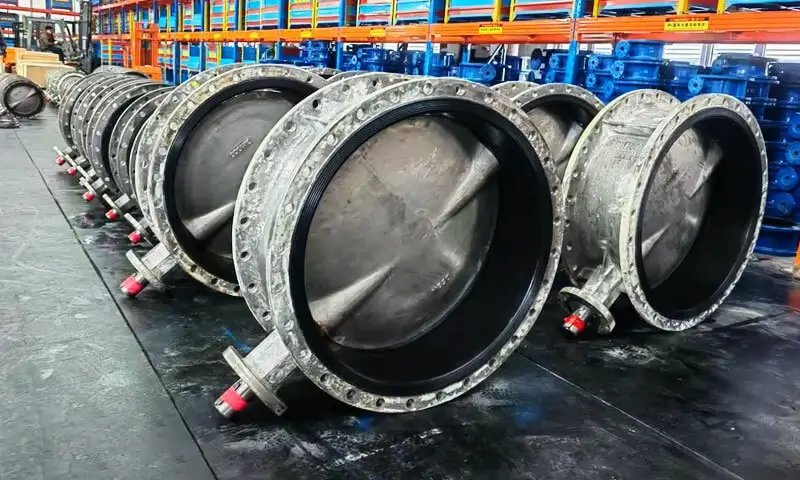
Vlinderkleppen behoren tot de meest gebruikte stroomregelapparaten in industriële leidingsystemen.
Hun eenvoudige maar effectieve ontwerp – een roterende schijf die de stroom regelt – maakt ze onmisbaar bij de waterbehandeling, chemische verwerking, olie en gas, Eten en drank, en stroomopwekking.
Het hart van elke vlinderklep is het kleplichaam, de structurele behuizing die de schijf bevat, stoelen, stang, en actuators, en moet bestand zijn tegen interne druk, temperatuur, en corrosieve media.
De productie van vlinderkleplichamen is van oudsher gebaseerd op zandgieten, smeden, of vervaardiging uit plaat.
Echter, investeringsgieten is uitgegroeid tot een superieure productieroute voor hoogwaardige vlinderkleplichamen – vooral in roestvrij staal en duplexlegeringen – die een ongeëvenaarde maatnauwkeurigheid bieden, oppervlakte -afwerking, en materiële integriteit.
2. Wat is een vlinderklephuis?
A vlinderklep regelt de vloeistofstroom door een cirkelvormige schijf ongeveer te draaien 90 graden rond een centrale as.
Vergeleken met schuifafsluiters, wereldkleppen, en kogelkranen, vlinderkleppen bieden een veel compactere structuur en een lager gewicht, waardoor ze bijzonder geschikt zijn voor leidingsystemen met grote diameter.
Hoewel de klep relatief eenvoudig lijkt, elk onderdeel vervult een kritische mechanische functie.
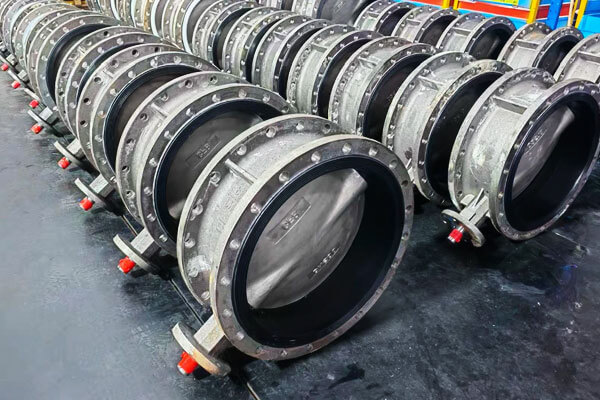
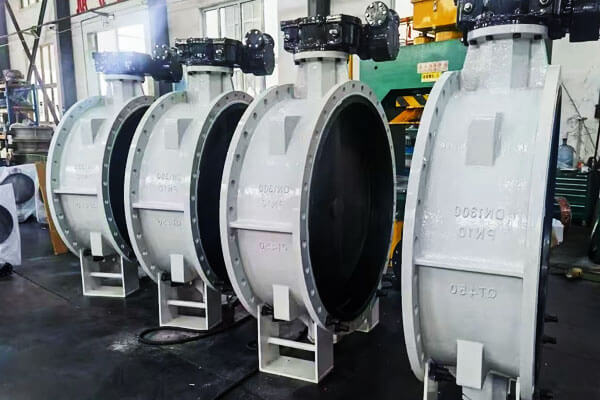
Een vlinderklephuis is het hoofddrukhoudende huis van een vlinderklep.
Het ondersteunt de stuurpenlagers, herbergt de klepzitting, levert de afdichtingsoppervlakken voor pijpleidingverbindingen, en is bestand tegen zowel interne vloeistofdruk als externe mechanische belastingen.
Basiscomponenten van een vlinderklep
| Onderdeel | Functie |
| Lichaam | Bevat de schijf en stoelen; zorgt voor leidingaansluitingen (flens, sjouwen, wafeltje, of stomplaseinden). |
| Schijf | Het roterende sluitorgaan dat de stroom regelt; doorgaans integraal met of afzonderlijk van de steel gegoten. |
| Stang / schacht | Brengt koppel over van de actuator naar de schijf. |
| Stoelen | Zorg voor een lekdichte afdichting tussen de schijf en het huis. |
| Actuator | Handmatig (hefboom, handwiel) of geautomatiseerd (pneumatisch, elektrisch, hydraulisch). |
| Motorkap / bovenste flens | Bevat de stuurpen en biedt montage voor de actuator. |
Soorten vlinderklephuisontwerpen
| Lichaamstype | Beschrijving | Typische toepassingen |
| Wafelstijl | Dunne behuizing met doorgaande boutgaten; ingeklemd tussen pijpflenzen. | Lage druk, compacte systemen. |
| Lug-stijl | Inzetstukken met schroefdraad aan elke kant; kan worden gebruikt als end-of-line-klep. | Matige druk; toegang voor onderhoud. |
| Flens | Integrale flenzen aan beide uiteinden; rechtstreeks op de pijpflenzen vastgeschroefd. | Hoge druk, systemen met grote diameter. |
| Stomplas | Uiteinden ontworpen om rechtstreeks in de buis te lassen. | Hoge temperatuur, hoge druk, lekkritische systemen. |
| Verbijstering / excentriek | Schijf verschoven ten opzichte van het midden voor betere afdichting en lager koppel. | Hoge prestaties, toepassingen met nauwe afsluiting. |
Kritieke functionele vereisten
| Vereiste | Technische implicatie |
| Drukintegriteit | Moet bestand zijn tegen interne druk zonder lekkage of vervorming (tot ASME-klasse 150-2500). |
| Corrosieweerstand | Weerstaat media (water, chemicaliën, gassen, zeewater) zonder degradatie. |
| Dimensionale nauwkeurigheid | Nauwkeurige boringdiameter en face-to-face afmetingen voor flenscompatibiliteit. |
| Oppervlakte -afwerking | Gladde boring- en flensvlakken verminderen de stromingsweerstand en zorgen voor afdichting. |
| Structurele stijfheid | Behoudt de uitlijning van schijf en zittingen onder thermische en drukcycli. |
| Vermoeidheid weerstand | Bestand tegen herhaalde cycli en drukschommelingen. |
3. Waarom kiezen voor investeringsgietwerk voor vlinderkleplichamen?
De gekozen productiemethode voor een vlinderklephuis heeft een grote invloed op de maatnauwkeurigheid, mechanische prestaties, corrosieweerstand, productie -efficiëntie, en totale kosten.
Onder de verschillende beschikbare productieprocessen, Investeringsuitgifte is een van de voorkeurskeuzes geworden voor het produceren van hoogwaardige vlinderkleplichamen, vooral die welke worden gebruikt in veeleisende industriële toepassingen.
In tegenstelling tot conventionele gietmethoden, Bij investeringsgieten wordt gebruik gemaakt van vervangbare waspatronen en precisie-keramische mallen om bijna-netvormige componenten te produceren met uitzonderlijke maatnauwkeurigheid en oppervlakteafwerking.
Het proces is in staat ingewikkelde geometrieën te reproduceren die moeilijk zouden zijn, kostbaar, of zelfs onmogelijk te vervaardigen met behulp van traditioneel zandgieten of uitgebreide machinale bewerking.
Als gevolg hiervan, investeringsgieten verbetert niet alleen de productkwaliteit, maar verbetert ook de productie-efficiëntie en vermindert materiaalverspilling.
Voor vlinderkleplichamen, die complexe stroomdoorgangen bevatten, Afdichtingsoppervlakken, STEM BORES, en flensverbindingen, investeringsgieten biedt een unieke combinatie van ontwerpflexibiliteit, structurele integriteit, en productieconsistentie.
Belangrijkste voordelen van investeringsgieten voor kleplichamen
| Voordeel | Uitleg |
| Complexe interne geometrie | Stroomdoorgangen, ribben, en montagefuncties kunnen direct worden gegoten, het elimineren van meerdelige fabricage. |
| Bijna-netvorm | Minimale bewerking vermindert materiaalverspilling en verlaagt de productiekosten. |
| Uitstekende oppervlakteafwerking | Gegoten Ra 1,6-6,3 µm vermindert de stromingsweerstand en verbetert de afdichting van de zitting. |
| Strakke dimensionale toleranties | Zorgt voor uitlijning van de flens, concentriciteit van de stoel, en lekdichte montage. |
Veelzijdigheid van legering |
Giet elk gietbaar roestvrij staal, duplex, superlegering, of nikkellegering. |
| Drukintegriteit | Geluidsgietstukken met de juiste afdichting bereiken drukdichte prestaties tot aan ANSI-klasse 2500. |
| Uniforme microstructuur | De fijnkorrelige gegoten structuur zorgt voor consistente mechanische eigenschappen. |
| Kosteneffectiviteit bij gemiddelde volumes | 100‑10.000 onderdelen/jaar; ideaal voor aangepaste en standaardformaten. |
4. Materiaalkeuze voor gegoten vlinderkleplichamen
Het selecteren van een geschikt materiaal is een van de meest kritische beslissingen bij het ontwerp en de fabricage van een gegoten vlinderklephuis.
Terwijl het investeringsgietproces de dimensionale kwaliteit en geometrische complexiteit van het onderdeel bepaalt, de legering bepaalt de mechanische eigenschappen, corrosieweerstand, druk vermogen, temperatuurbereik, en verwachte levensduur.
Roestvrij staal
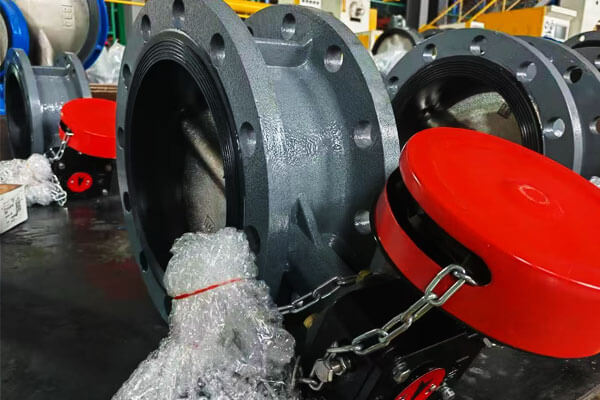
Roestvrij staal is het meest gebruikte materiaal voor gegoten vlinderkleplichamen vanwege de uitstekende balans van corrosieweerstand, mechanische sterkte, fabrikant, en betrouwbaarheid op lange termijn.
De chroomrijke passieve oxidefilm die op het oppervlak wordt gevormd, biedt effectieve bescherming tegen atmosferische corrosie en veel industriële chemicaliën.
CF8 (Equivalent aan ASTM A351 klasse CF8)
CF8 is het gegoten equivalent van gesmeed type 304 roestvrij staal en bevat ongeveer 18% chroom en 8% nikkel.
Het biedt een goede corrosieweerstand in water, stoom, voedingsproducten, en veel licht corrosieve chemicaliën.
De voordelen zijn onder meer:
- Goede algemene corrosieweerstand
- Uitstekende castabiliteit
- Goede lasbaarheid
- Stabiele mechanische eigenschappen
- Concurrerende materiaalkosten
CF8 wordt veel gebruikt:
- Waterbehandelingssystemen
- Voedselverwerking
- HVAC-apparatuur
- Algemene industriële pijpleidingen
- Corrosiearme chemische diensten
Echter, CF8 wordt niet aanbevolen voor omgevingen met hoge concentraties chloriden, waar plaatselijke putcorrosie en spleetcorrosie kunnen optreden.
CF8M (Equivalent aan ASTM A351 klasse CF8M)
CF8M komt overeen met het gesmeed type 316 roestvrij staal, maar bevat ongeveer 2 à 3% molybdeen.
De toevoeging van molybdeen verbetert de weerstand hiertegen aanzienlijk:
- Chloride-putvorming
- Spleetcorrosie
- Mariene omgevingen
- Organische zuren
- Chemische procesvloeistoffen
Typische toepassingen omvatten:
- Offshore-techniek
- Zeewaterkoelsystemen
- Chemische planten
- Farmaceutische apparatuur
- Pulp- en papierindustrie
Hoewel CF8M over het algemeen duurder is dan CF8, de verbeterde corrosieweerstand resulteert vaak in aanzienlijk lagere onderhoudskosten gedurende de levensduur van de klep.
Koolstofarm roestvrij staal (CF3 en CF3M)
CF3 en CF3M zijn koolstofarme versies van CF8 en CF8M, respectievelijk.
Het verminderde koolstofgehalte minimaliseert carbide-neerslag tijdens het lassen, waardoor de weerstand tegen intergranulaire corrosie in door hitte beïnvloede zones wordt verbeterd.
Deze kwaliteiten worden vaak geselecteerd:
- Gelaste leidingsystemen
- Farmaceutische productie
- Voedselverwerkingsapparatuur
- Hoogzuivere chemische systemen
Waar uitgebreid laswerk wordt verwacht, roestvrij staal met een laag koolstofgehalte heeft over het algemeen de voorkeur boven standaardkwaliteiten.
Koolstofstaal
Hoewel roestvrij staal de corrosieve toepassingen domineert, koolstofstaal blijft een economische keuze voor veel vlinderkleplichamen die onder niet-corrosieve of licht corrosieve omstandigheden werken.
WCB-koolstofstaal
ASTM A216 WCB is een van de meest gebruikte koolstofstaalsoorten in de kleppenindustrie.
De voordelen zijn onder meer:
- Hoge mechanische sterkte
- Goede slagvastheid
- Uitstekende bewerkbaarheid
- Lage materiaalkosten
- Goede drukbestendigheid
Typische toepassingen omvatten:
- Oliepijpleidingen
- Transport van aardgas
- Stoomsystemen
- Brandbeveiliging
- Industriële nutsvoorzieningen
Echter, WCB vereist beschermende coatings of interne voeringen bij blootstelling aan corrosieve omgevingen.
LCC Koolstofstaal voor lage temperaturen
LCC is speciaal ontwikkeld voor gebruik bij lage temperaturen.
Vergeleken met WCB, het vertoont een verbeterde slagvastheid bij temperaturen onder nul en wordt vaak gebruikt in:
- LNG-faciliteiten
- Cryogene opslag
- Koelsystemen
- Arctische pijpleidinginfrastructuur
Duplex roestvrij staal
Naarmate industriële omgevingen steeds agressiever worden, duplex roestvast staal heeft een brede acceptatie gekregen voor hoogwaardige vlinderkleplichamen.
Duplex roestvrij staal bevat ongeveer gelijke hoeveelheden ferriet en austeniet, het combineren van de voordelen van beide microstructuren.
Hun kenmerken omvatten:
- Zeer hoge treksterkte
- Uitstekende chloridebestendigheid
- Uitstekende weerstand tegen spanningscorrosie
- Goede vermoeidheidsprestaties
- Uitstekende erosiebestendigheid
Vergeleken met conventionele austenitische roestvaste staalsoorten, duplexlegeringen bieden vaak bijna tweemaal de vloeigrens terwijl ze een uitstekende corrosieweerstand behouden.
Veel voorkomende investeringsgietkwaliteiten zijn onder meer:
- CD4MCU
- ASTM A890 Grade 4A
- ASTM A890 Grade 5A
Typische toepassingen omvatten:
- Offshore olieplatforms
- Ontziltingsinstallaties
- Mariene pijpleidingen
- Chemische reactoren
- Zeewaterkoelsystemen
Hoewel duplexlegeringen duurder zijn dan conventionele roestvaste staalsoorten, hun langere levensduur rechtvaardigt vaak de extra investering.
Op nikkel gebaseerde legeringen
Sommige industriële processen werken onder omstandigheden die de mogelijkheden van roestvrij staal te boven gaan.
Sterk geconcentreerde zuren, verhoogde temperaturen, oxiderende chemicaliën, en reducerende omgevingen vereisen gespecialiseerde legeringen met uitzonderlijke corrosieweerstand.
Door middel van investeringsgieten kunnen vlinderkleplichamen worden vervaardigd uit legeringen op nikkelbasis, zoals:
Hastelloy
Hastelloy-legeringen vertonen een uitstekende weerstand tegen:
- Zoutzuur
- Zwavelzuur
- Fosforzuur
- Chloriden
- Oxiderende chemicaliën
Ze worden veel gebruikt in chemische verwerkingsfabrieken waar conventioneel roestvrij staal snel zou corroderen.
Inconiëren
Inconel-legeringen bieden:
- Uitstekende sterkte bij hoge temperaturen
- Oxidatieweerstand
- Thermische vermoeidheidsweerstand
- Drukbestendigheid bij verhoogde temperaturen
Toepassingen omvatten:
- Stroomopwekking
- Petrochemische verwerking
- Ondersteuningssystemen voor de lucht- en ruimtevaart
- Chemische fabrieken op hoge temperatuur
Monel
Monel-legeringen bezitten een uitzonderlijke weerstand tegen:
- Zeewater
- Fluorwaterstofzuur
- Zout oplossingen
- Mariene biofouling
Ze worden vaak geselecteerd voor maritieme en offshore vlinderkleppen.
Hoewel nikkellegeringen een aanzienlijke materiaalinvestering vertegenwoordigen, ze kunnen de onderhoudskosten en uitvaltijd in zware serviceomgevingen dramatisch verlagen.
5. Mechanische prestaties van gegoten vlinderkleplichamen
Het primaire doel van elk vlinderklephuis is het bieden van betrouwbare mechanische ondersteuning onder veeleisende bedrijfsomstandigheden.
Terwijl investeringsgieten vaak wordt erkend vanwege de uitstekende maatnauwkeurigheid en oppervlakteafwerking, het vermogen om componenten met uitstekende mechanische prestaties te produceren is net zo belangrijk.
Druk weerstand
Drukbeheersing is de fundamentele functie van elk kleplichaam.
Tijdens bedrijf, het lichaam ervaart interne hydrostatische druk die tijdens het gieten trekspanningen genereert.
Kritieke stressgebieden omvatten:
- Stamopeningen
- Flens wortels
- Boutgaten
- Wandovergangen
- Versterking van ribkruisingen
Investeringsgieten draagt bij aan superieure drukprestaties door:
- Uniforme wanddikte
- Verminderde door bewerking veroorzaakte stress
- Vloeiende geometrische overgangen
- Hoge dimensionale consistentie
Het drukvermogen wordt uiteindelijk geverifieerd door middel van hydrostatische druktests in overeenstemming met de toepasselijke industrienormen.
Structurele sterkte
Structurele sterkte verwijst naar het vermogen van het kleplichaam om permanente vervorming onder mechanische belasting te weerstaan.
Belangrijke materiaaleigenschappen zijn onder meer:
- Levert kracht op
- Treksterkte
- Elasticiteitsmodulus
- Hardheid
Gegoten roestvast staal biedt doorgaans uitstekende combinaties van sterkte en ductiliteit, waardoor het kleplichaam bestand is:
- Pijpleidingbelastingen
- Actuatorkoppel
- Installatie krachten
- Thermische uitzettingsspanningen
Een goede warmtebehandeling verbetert de sterkte verder door de microstructuur van de legering te verfijnen.
Vermoeidheid weerstand
In tegenstelling tot statische drukvaten, vlinderkleppen worden gedurende hun hele levensduur vaak herhaaldelijk belast.
Elke bedrijfscyclus genereert:
- Drukschommelingen
- Stuurpen koppel
- Trillingen
- Thermische uitzetting
- Mechanische impact
Gedurende duizenden – of zelfs miljoenen – cycli, Er kunnen microscopische vermoeiingsscheuren ontstaan.
Investeringsgieten verbetert de vermoeidheidsprestaties door:
- Gladde oppervlakteafwerking
- Verminderde stressconcentratie
- Uniforme microstructuur
- Hoge dimensionale nauwkeurigheid
Ontwerpkenmerken zoals royale filets en geoptimaliseerde plaatsing van de ribben verbeteren de weerstand tegen vermoeidheid verder door de spanningen gelijkmatiger te verdelen.
Impact taaiheid
Industriële afsluiters kunnen tijdens transport worden blootgesteld aan plotselinge mechanische schokken, installatie, of operatie. In omgevingen met lage temperaturen, onvoldoende taaiheid kan leiden tot brosse breuk.
Slagvastheid is daarom een essentiële eigenschap, vooral voor:
- LNG-systemen
- Cryogene pijpleidingen
- Offshore-installaties
- Koude klimaatinfrastructuur
Materialen zoals LCC-koolstofstaal en duplex roestvrij staal behouden een uitstekende taaiheid bij lagere temperaturen, waardoor ze geschikt zijn voor veeleisende applicaties.
Slijtage- en erosieweerstand
Hoewel het kleplichaam over het algemeen niet wordt blootgesteld aan direct schuifcontact zoals de schijf of zitting, het kan nog steeds last hebben van erosie door vloeistoffen met hoge snelheid die schurende deeltjes vervoeren.
Typische erosieve media zijn onder meer:
- Slurries
- Met zand beladen water
- Mijnbouwafval
- Vliegas
- Chemische suspensies
Gegoten duplex roestvrij staal en legeringen op nikkelbasis bieden superieure weerstand tegen erosie dankzij hun hogere hardheid en sterkere microstructuren.
Geoptimaliseerde interne stroomdoorgangen verminderen ook plaatselijke turbulentie, het minimaliseren van erosie gedurende langere gebruiksperioden.
Corrosieweerstand
Corrosie blijft een van de belangrijkste oorzaken van klepstoringen in industriële systemen.
Afhankelijk van de gebruiksomgeving, vlinderkleplichamen kunnen tegenkomen:
- Algemene corrosie
- Putcorrosie
- Spleetcorrosie
- Galvanische corrosie
- Intergranulaire corrosie
- Stresscorrosie kraken
Investeringsgieten ondersteunt het gebruik van zeer corrosiebestendige legeringen en produceert tegelijkertijd dichte, hoogwaardige gietstukken met minimale oppervlaktedefecten.
Juiste oppervlaktebehandelingen, zoals passivatie of elektrolytisch polijsten, kunnen de corrosieweerstand verder verbeteren door de beschermende oxidelaag op roestvrijstalen oppervlakken te versterken.
Prestaties op hoge temperatuur
Service bij hoge temperaturen brengt extra technische uitdagingen met zich mee.
Naarmate de temperatuur stijgt:
- De vloeigrens neemt af
- Kruipweerstand wordt belangrijk
- Oxidatie versnelt
- Er kan zich thermische vermoeidheid ontwikkelen
Voor toepassingen bij hoge temperaturen, gegoten kleplichamen worden gewoonlijk vervaardigd uit hittebestendig roestvrij staal of superlegeringen op nikkelbasis die de mechanische eigenschappen kunnen behouden bij langdurige thermische blootstelling.
Dimensionale stabiliteit
Dimensionale stabiliteit is vooral belangrijk omdat vlinderkleppen afhankelijk zijn van een nauwkeurige uitlijning tussen het lichaam, stang, schijf, en zitplaats.
Een slechte maatvastheid kan leiden tot:
- Verhoogd bedrijfskoppel
- Stoelkleding
- Lekkage
- Voortijdige lagerstoring
Investeringsgieten biedt uitstekende dimensionale herhaalbaarheid door vervorming tijdens de productie te minimaliseren.
Gecontroleerde warmtebehandeling en precisiebewerking zorgen er verder voor dat kritische afmetingen binnen de gespecificeerde toleranties blijven.
Dit hoge niveau van maatvastheid draagt rechtstreeks bij aan een soepele werking van de klep, betrouwbare afdichtingsprestaties, en lange levensduur.
6. Warmtebehandeling en oppervlakteafwerking van gegoten vlinderklephuis
Warmtebehandeling en oppervlakteafwerking zijn geen secundaire nabewerkingsstappen bij de productie van afsluiters;
liever, het zijn kritische fasen die direct bepalend zijn voor de mechanische betrouwbaarheid, corrosieweerstand, dimensionale stabiliteit, en service leven van gegoten vlinderkleplichamen.
Warmtebehandeling: Microstructuurtechniek voor prestatieoptimalisatie
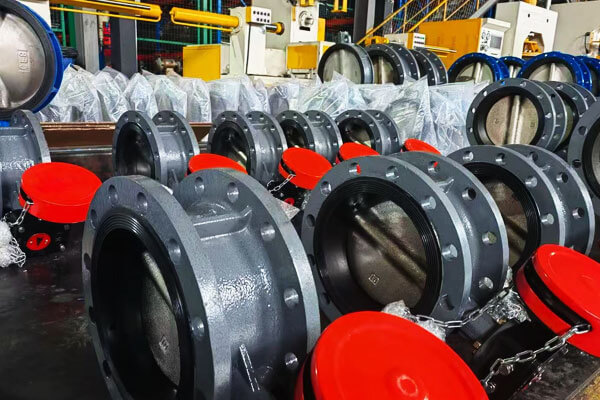
Warmtebehandeling wordt toegepast om de microstructuur van de gegoten legering te wijzigen, elimineren van restspanningen, en het vereiste krachtevenwicht bereiken, taaiheid, en corrosieweerstand.
Oplossing warmtebehandeling (Austenitisch roestvrij staal)
Voor roestvrij staalsoorten zoals CF8, CF8M, CF3, en CF3M, oplossingsbehandeling is het meest kritische proces.
Het proces omvat:
- Het gieten verwarmen tot ongeveer 1040°C–1120°C
- Op temperatuur houden om carbiden op te lossen en de structuur te homogeniseren
- Snel blussen (meestal waterkoeling)
De belangrijkste resultaten zijn onder meer:
- Eliminatie van neerslag van chroomcarbide
- Herstel van corrosieweerstand
- Verbeterde ductiliteit en taaiheid
- Gehomogeniseerde austenitische microstructuur
Zonder de juiste oplossingsbehandeling, roestvrijstalen kleplichamen kunnen last hebben van interkristallijne corrosie en vroegtijdig falen in chloorrijke omgevingen.
Warmtebehandeling tegen stress (Koolstof- en legeringsstaals)
Kleplichamen van gegoten koolstofstaal (Bijv., WCB, LCC) behouden vaak restspanningen door stolling en afkoeling.
Stressverlichting wordt uitgevoerd bij 550°C–650°C naar:
- Verminder interne restspanningen
- Verbeter de dimensionale stabiliteit
- Minimaliseer vervorming tijdens bewerking en service
- Verbeter de weerstand tegen vermoeidheid
Dit proces is vooral belangrijk voor vlinderkleplichamen met een grote diameter, waar de ongelijkmatige koelgradiënten groter zijn.
Normaliseren en blussen & Temperen
Voor koolstof- en laaggelegeerde staalsoorten die een hogere sterkte vereisen:
- Normaal verfijnt de korrelstructuur en verbetert de uniformiteit
- Blussen en temperen verbetert de sterkte en hardheid aanzienlijk, terwijl de voldoende taaiheid behouden blijft
Deze behandelingen worden vaak gebruikt in hogedruktoepassingen zoals oliepijpleidingen en stoomsystemen.
Oppervlakteafwerking: Functionele en beschermende verbetering
Oppervlakteafwerking is net zo belangrijk omdat het de corrosieweerstand rechtstreeks beïnvloedt, zuiverheid, hydraulische prestaties, en esthetische kwaliteit.
Stralen en reinigen
Kogelstralen is doorgaans de eerste afwerkingsstap na het verwijderen van het gietstuk.
Zijn functies omvatten:
- Keramische schaalresten verwijderen
- Het elimineren van oxideaanslag
- Uniforme oppervlaktetextuur
- Het oppervlak voorbereiden voor verdere behandeling
Voor gietstukken van koolstofstaal, staalschot wordt vaak gebruikt, terwijl roestvrijstalen componenten vaak roestvrijstalen shot- of gecontroleerde media gebruiken om verontreiniging te voorkomen.
Beitsen en ontkalken
Beitsen is een chemisch proces dat voornamelijk wordt gebruikt voor gietstukken van roestvrij staal.
Het verwijdert:
- Warmte tint
- Oxide lagen
- Oppervlakteverontreiniging door verwerking bij hoge temperaturen
Zure mengsels (typisch salpeterzuur + fluorwaterstofzuursystemen) herstel een schoon metalen oppervlak, wat essentieel is voor corrosiebestendigheid.
Passiveringsbehandeling
Passivering verbetert de natuurlijke corrosieweerstand van roestvrij staal door de vorming van een stabiele chroomoxidelaag te bevorderen.
Voordelen omvatten:
- Verbeterde putweerstand
- Verbeterde chemische stabiliteit
- Langdurige oppervlaktebescherming
- Verminderd risico op plaatselijke corrosie
Deze stap is van cruciaal belang voor CF8M-kleplichamen die worden gebruikt in maritieme en chemische omgevingen.
Electropolishing (Hoogwaardige toepassingen)
Elektrolytisch polijsten is een elektrochemisch afwerkingsproces dat microscopisch kleine oppervlaktepieken verwijdert, wat resulteert in een extreem glad en schoon oppervlak.
Voordelen zijn onder meer:
- Ultra-lage oppervlakteruwheid
- Verbeterde hygiënische prestaties
- Verminderde bacteriële adhesie
- Verbeterde corrosieweerstand
- Verbeterde stromingseigenschappen
Het wordt veel gebruikt in:
- Farmaceutische systemen
- Pijpleidingen voor biotechnologie
- Voedselveilige verwerkingsapparatuur
- Ultrazuivere watersystemen
Beschermende coatings (Koolstofstaaltoepassingen)
Voor kleplichamen van koolstofstaal, beschermende coatings zijn essentieel om omgevingscorrosie te voorkomen.
Veel voorkomende coatingsystemen zijn onder meer:
- Fusion-gebonden epoxy (FBE)
- Polyurethaan coatings
- Zinkrijke primers
- Poedercoatingsystemen
Deze coatings zorgen voor een langdurige weerstand tegen vocht, chemicaliën, en atmosferische corrosie.
7. Bewerking van gegoten kleplichamen
Door middel van investeringsgieten worden lichamen in de vorm van een bijna net gevormd, maar kritische afmetingen vereisen bewerking.
Typische bewerkingen
| Werking | Doel | Tolerantie |
| Flens vlakfrezen | Bereik vlakheid en parallelliteit | ± 0,05 mm |
| Boring draaien | Bereik een nauwkeurige interne diameter | ±0,05‑0,10 mm |
| Boren van boutgaten | Maak flensboutgaten | ±0,1‑0,2 mm |
| Draad tappen (nokken) | Creëer schroefdraad voor lug-style kleppen | ISO / ASME-standaard |
| Zittinggroef draaien | Precisie-uitsparing voor zittingring | ±0,02‑0,05 mm |
| Stemgat saai | Voor klepsteel | ±0,02‑0,05 mm |
| Bewerking van montageplaten | Voor montage van aandrijvingen | ±0,05‑0,10 mm |
Bewerkingsuitdagingen
| Uitdaging | Oorzaak | Oplossing |
| Werkharden | Austenitisch roestvast staal hardt uit | Scherpe hardmetalen gereedschappen; geschikte voedingen/snelheden. |
| Slijtage van gereedschap | Roestvrij is schurend | Gecoat hardmetaal (Tialn, PVD); koelmiddel. |
| Babbelen / trilling | Dunwandige secties | Gebruik vaste rustmomenten; verhoog de stijfheid; overhang verminderen. |
| Dimensiestabiliteit | Restspanning door gieten | Stressverlichting; voorbewerking → veroudering → nabewerking. |
8. Kwaliteitscontrole en inspectie
Gegoten vlinderkleplichamen vereisen strenge kwaliteitsborging om aan de industrienormen te voldoen.
Niet -destructieve testen (NDT)
| NDT-methode | Detecteert | Standaard | Frequentie |
| Visuele inspectie | Oppervlaktefouten | ASTM E430 | 100% |
| Kleurstoffen (PT) | Oppervlaktescheuren, porositeit | ASTM E165 | 100% (kritieke gebieden) |
| Radiografie (X‑ RAY) | Interne porositeit, insluitsels | ASTM E94 | 10‑25% (partij) |
| Ultrasoon | Interne defecten, wanddikte | ASTM E114 | 10‑25% (partij) |
| Druktest | Lekdichtheid | API 598 | 100% |
Dimensionale inspectie
| Meting | Apparatuur | Tolerantie |
| Boring diameter | CMM of binnenmaat | ± 0,05 mm |
| Vlakheid van het flensvlak | Optische of meetklok | ≤0,05 mm/m |
| Face-to-face dimensie | CMM of meetlint | ±0,5‑1,0 mm |
| Flensboutgatpatroon | CMM of sjabloon | ±0,1‑0,2 mm |
| Afmetingen zitgroef | CMM of speciale meter | ±0,02‑0,05 mm |
Mechanisch testen
| Test | Doel | Standaard |
| Trek | Opbrengst, trek, verlenging | ASTM E8 / IN 10002 |
| Hardheid | HB of HRB | ASTM E10 / ASTM E18 |
| Invloed (Chary) | Taaiheid | ASTM E23 |
| Hydrostatische test | Drukintegriteit | API 598 / ASME B16.34 |
9. Industriële toepassingen van vlinderklepbehuizingen voor investeringsgieten
Gegoten vlinderkleplichamen worden veel gebruikt in tal van industrieën, omdat ze een hoge maatnauwkeurigheid combineren, Uitstekende mechanische eigenschappen, en uitstekende corrosiebestendigheid.
Hun vermogen om complexe geometrieën te accommoderen met behoud van de drukintegriteit maakt ze geschikt voor zowel standaard industriële diensten als zeer veeleisende werkomgevingen.
Waterbehandeling en verdeling
Waterbehandeling is een van de grootste toepassingssectoren voor vlinderkleppen.
Gemeentelijke waterplanten, ontziltingsfaciliteiten, afvalwaterzuiveringsstations, en irrigatiesystemen vereisen allemaal betrouwbare stroomregelapparatuur die continu kan werken met minimaal onderhoud.
Investeringsgegoten vlinderkleplichamen zijn bijzonder voordelig omdat ze een goede kwaliteit bieden:
- Uitstekende maatvastheid voor betrouwbare afdichting
- Gladde interne oppervlakken die de stromingsweerstand verminderen
- Goede corrosieweerstand in drinkwater en behandeld water
- Lange levensduur bij frequente bedrijfscycli
Afhankelijk van de waterkwaliteit en bedrijfsomstandigheden, veelgebruikte materialen zijn onder meer:
- CF8 roestvrij staal
- CF8M roestvrij staal
- Nodulair gietijzer met beschermende coatings
- Duplex roestvrij staal voor zeewatertoepassingen
Voor ontziltingsinstallaties, duplex roestvrij staal heeft vaak de voorkeur vanwege zijn superieure weerstand tegen door chloride veroorzaakte putcorrosie en spleetcorrosie.
Olie- en gasindustrie
De olie- en gasproductie onderwerpt kleplichamen aan enkele van de zwaarste gebruiksomstandigheden die men in industriële toepassingen tegenkomt.
Typische operationele uitdagingen zijn onder meer::
- Hoge druk
- Verhoogde temperaturen
- Waterstofsulfide (H₂s)
- Kooldioxide (Co₂)
- Schurende deeltjes
- Offshore maritieme omgevingen
Gegoten vlinderkleplichamen bieden een uitstekende drukbeheersing en zijn tegelijkertijd geschikt voor corrosiebestendige legeringen die speciaal zijn ontworpen voor zure toepassingen.
Veel voorkomende materialen omvatten:
- WCB-koolstofstaal
- CF8M roestvrij staal
- Duplex roestvrij staal
- Superduplex roestvrij staal
- Op nikkel gebaseerde legeringen
Typische toepassingen omvatten:
- Ruwe oliepijpleidingen
- Offshore platforms
- Raffinaderijproceseenheden
- Transport van aardgas
- LNG-terminals
- Petrochemische fabrieken
De precisie van het precisiegieten verbetert ook de betrouwbaarheid van de afdichting, wat van cruciaal belang is voor het voorkomen van diffuse emissies en het garanderen van naleving van de milieuwetgeving.
Chemische verwerking
Chemische fabrieken verwerken zeer agressieve media die conventionele technische materialen snel kunnen aantasten.
Typische chemicaliën zijn onder meer:
- Zwavelzuur
- Zoutzuur
- Salpeterzuur
- Natriumhydroxide
- Chloride oplossingen
- Organische oplosmiddelen
Door middel van investeringsgieten kunnen fabrikanten vlinderkleplichamen produceren uit zeer corrosiebestendige legeringen met behoud van een uitstekende maatnauwkeurigheid.
Afhankelijk van de proceschemie, geschikte materialen omvatten:
- CF8M roestvrij staal
- Duplex roestvrij staal
- Hastelloy
- Inconiëren
- Monel
De uitstekende oppervlakteafwerking die door het precisiegieten wordt verkregen, minimaliseert ook de vorming van spleten, het verminderen van plaatselijke corrosie en het vergemakkelijken van het reinigen van apparatuur.
Stroomopwekking
Elektriciteitscentrales hebben kleppen nodig die continu kunnen werken onder veeleisende thermische en mechanische omstandigheden.
Toepassingen omvatten:
- Ketelvoedingswatersystemen
- Stoomverdeling
- Koelwatersystemen
- Rookgasontdeling
- Condensaatsystemen
Kleplichamen moeten bestand zijn tegen:
- Hoge druk
- Thermisch fietsen
- Verhoogde temperaturen
- Corrosieve condensaten
Hittebestendig roestvast staal en legeringen op nikkelbasis worden doorgaans voor deze toepassingen gekozen.
De dimensionale stabiliteit die door investeringsgieten wordt geboden, draagt bij aan consistente klepprestaties tijdens herhaalde thermische uitzettings- en krimpcycli.
Eten- en drankenindustrie
Voedselverwerkingsapparatuur moet voldoen aan strenge hygiënenormen en tegelijkertijd een uitstekende corrosieweerstand behouden.
Typische toepassingen omvatten:
- Drankproductie
- Zuivelverwerking
- Brouwen
- Raffinage van suiker
- Productie van eetbare olie
Gegoten roestvrijstalen vlinderkleplichamen bieden verschillende belangrijke voordelen:
- Zacht, schoonbare oppervlakken
- Lage bacteriële adhesie
- Uitstekende corrosieweerstand
- Hoge dimensionale nauwkeurigheid
- Compatibiliteit met sanitaire reinigingsprocedures
Elektrolytisch gepolijst CF3- en CF3M-roestvrij staal wordt vaak gebruikt in hygiënische processystemen waar productzuiverheid essentieel is.
Farmaceutische en biotechnologische industrieën
De farmaceutische productie stelt nog strengere eisen dan de voedselverwerking.
Kleplichamen moeten zichtbaar zijn:
- Extreem gladde oppervlakken
- Minimaal besmettingsrisico
- Uitstekende reinigbaarheid
- Bestand tegen agressieve sterilisatiechemicaliën
- Naleving van GMP-normen
Investeringsgieten biedt uitzonderlijke geometrische nauwkeurigheid en minimaliseert onvolkomenheden in het oppervlak die micro-organismen zouden kunnen herbergen.
Extra elektrolytisch polijsten verbetert verder:
- Oppervlakteruwheid
- Corrosieweerstand
- Steriliteit
- Productzuiverheid
Deze kenmerken maken gegoten vlinderkleplichamen zeer geschikt voor steriele verwerkingssystemen.
Mariene engineering
Mariene omgevingen combineren verschillende agressieve factoren:
- Zoutwatercorrosie
- Hoge luchtvochtigheid
- Biologische vervuiling
- Mechanische trillingen
- Cyclisch laden
Kleplichamen gebruikt aan boord van schepen, offshore platforms, en kustfaciliteiten vereisen een uitstekende corrosieweerstand.
Veel voorkomende materialen omvatten:
- Duplex roestvrij staal
- Superduplex roestvrij staal
- Monel
- Bronzen legeringen
Investeringsgieten maakt complexe scheepsklepontwerpen mogelijk en garandeert tegelijkertijd een uitstekende mechanische integriteit bij voortdurende blootstelling aan zeewater.
Mijnbouw en minerale verwerking
Mijnbouwactiviteiten brengen unieke uitdagingen met zich mee vanwege de zeer schurende slurries die zwevende vaste stoffen bevatten.
Kleplichamen moeten weerstand bieden:
- Schurende slijtage
- Impactbelasting
- Corrosie
- Hoge stroomsnelheden
Investeringsgegoten duplex roestvast staal biedt een uitstekende combinatie van slijtvastheid, kracht, en corrosieweerstand, waardoor het geschikt is voor mesttransportsystemen.
HVAC en gebouwentechniek
Grote bedrijfspanden maken veelvuldig gebruik van vlinderkleppen:
- Gekoeld water
- Verwarmingssystemen
- Koeltorens
- Brandbeveiliging
- Waterdistributie
Gegoten gegoten kleplichamen zorgen voor een lichtgewicht constructie, nauwkeurige afmetingen, en betrouwbare afdichting, terwijl de onderhoudskosten gedurende lange gebruiksperioden worden verlaagd.
10. Toekomstige ontwikkelingstrends
| Trend | Beschrijving | Impact op gegoten kleplichamen |
| Additieve productie van waspatronen | 3D-geprinte patronen elimineren gereedschap voor lage volumes. | Maakt snelle prototyping mogelijk; aangepaste formaten zonder matrijskosten. |
| Digitale tweeling en simulatie | Realtime simulatie van gieten en bewerken. | Vermindert defecten; optimaliseert het proces. |
| AI-gestuurde defectvoorspelling | Machine learning voorspelt porositeit en insluitsels. | Verbetert de opbrengst; vermindert de inspectie. |
Hoogwaardige duplexlegeringen |
Nieuwe duplexlegeringen met hogere sterkte en corrosieweerstand. | Maakt dunnere secties mogelijk; gewichtsvermindering. |
| Duurzame schaalmaterialen | Biogebaseerde bindmiddelen; recycleerbare schaal. | Vermindert de impact op het milieu. |
| Slimme kleplichamen | Ingebouwde sensoren voor temperatuur, druk, corrosie. | Maakt voorspellend onderhoud mogelijk; conditiebewaking. |
| Investeringsgietwerk met grote diameter | Gietmaten tot DN1200 / 48″. | Breidt het toepassingsbereik uit naar grote pijpleidingen. |
| Elektrificatie van het smelten | Inductiesmelten met hernieuwbare elektriciteit. | Vermindert de ecologische voetafdruk. |
11. Conclusie
Investeringsgieten is het belangrijkste productieproces voor hoogwaardige vlinderkleplichamen, vooral in roestvrij staal en duplexlegeringen.
Het biedt een unieke combinatie van geometrische complexiteit, dimensionale nauwkeurigheid, oppervlakte -afwerking, en materiële integriteit dat is ongeëvenaard door zandgieten, smeden, of verzinsel.
Het proces levert bijna netvormige componenten op met minimale bewerking, uitstekende drukintegriteit, en consistente mechanische eigenschappen.
Voor kleplichamen die corrosiebestendigheid vereisen, nauwe toleranties, en lange levensduur – of het nu in chemische fabrieken is, offshore platforms, of voedselverwerkingslijnen – investeringsgieten is de voorkeursmethode.
Het succes van gegoten vlinderkleplichamen hangt af van een strenge controle in de gehele productieketen: legeringsselectie, patroonontwerp, shell -gebouw, smeltend, gieten, warmtebehandeling, bewerking, en inspectie.
Vooruitgang in simulatie, automatisering, en duurzame materialen versterken het proces verder, waardoor het efficiënter wordt, betrouwbaar, en milieuvriendelijk.
Omdat industrieën hogere prestaties eisen, lichter gewicht, en een langere levensduur van stroomregelapparatuur, investment casting zal een centrale rol blijven spelen bij het aangaan van deze uitdagingen.
FAQ's
Wat is de maximale grootte van een vlinderklephuis dat gegoten kan worden?
Typische investeringsgietcapaciteit: tot 600 mm (24″) diameter voor wafer-/luglichamen; grotere maten tot 900 mm (36″) zijn mogelijk met gespecialiseerde cascobouw.
Voor zeer grote ventielen (>48″), zandgieten of fabricage is economischer.
Wat is het verschil tussen wafer- en lug-stijl kleplichamen?
Wafervormige lichamen zijn dun en worden tussen flenzen geklemd; lug-achtige lichamen hebben inzetstukken met schroefdraad aan elke kant en kunnen worden gebruikt als end-of-line-kleppen. Beide zijn investeringsgietbaar.
Kunnen gegoten kleplichamen worden gerepareerd??
Kleine gietfouten kunnen door middel van lassen worden gerepareerd (met de juiste vulstof en voorverwarmen), maar grote defecten resulteren doorgaans in schroot. HIP kan porositeit elimineren, maar kan geen oppervlaktedefecten repareren.
Wat is de typische levertijd voor gegoten kleplichamen?
8‑12 weken voor gereedschappen en eerste artikelen; 2-4 weken voor nabestellingen (met bestaand gereedschap). Spoedbestellingen kunnen tegen extra kosten worden versneld.

