

1. Introduzzjoni
PIŻIJIET 5 hija waħda mill-ligi taż-żingu die-casting l-aktar stabbiliti fl-industrija moderna.
Jappartjeni għall-familja ta 'liga taż-żingu konvenzjonali aktar milli l-grupp ZA ta' aluminju ogħla, u huwa rikonoxxut ħafna għall-kombinazzjoni kastabbiltà tajba, saħħa ogħla minn Zamak 3, reżistenza għat-tkaxkir imtejba, u l-imġieba eċċellenti tal-irfinar.
Fil-manifattura prattika, dik il-kombinazzjoni tagħti ZAMAK 5 pożizzjoni speċifika ħafna u siewja ħafna: mhuwiex l-aktar liga taż-żingu fluwidu, u mhuwiex l-aktar duttili, iżda hija waħda mill-aktar ligi bilanċjati għal partijiet die-cast funzjonali.
Dan il-bilanċ jispjega l-użu wiesa 'tagħha fil-valvi, pompi, Ħardwer tal-karozzi, housings, komponenti sanitarji, partijiet dekorattivi-funzjonali, u prodotti ta' inġinerija ġenerali.
Meta disinn jeħtieġ komponent tal-metall ta 'forma ta' qrib nett bi preċiżjoni dimensjonali affidabbli, kwalità tajba tal-wiċċ, u profil mekkaniku rispettabbli, PIŻIJIET 5 ħafna drabi hija waħda mill-ewwel ligi kkunsidrati.
2. X'inhu ZAMAK 5 Liga?
PIŻIJIET 5 huwa a liga tad-die-casting ibbażata fuq iż-żingu b'kimika konvenzjonali taż-żingu-aluminju-ram-manjeżju.
Huwa komunement magħruf bħala Liga 5, u jidher taħt sistemi ta' ismijiet industrijali multipli.
Fi swieq u standards differenti, jista' wkoll jiġi identifikat bħala Tagħbijiet 5, ZP5, ZL5, ZL0410, jew ZnAl4Cu1.
Dawn l-ismijiet differenti jirriflettu konvenzjonijiet reġjonali aktar milli materjali differenti.
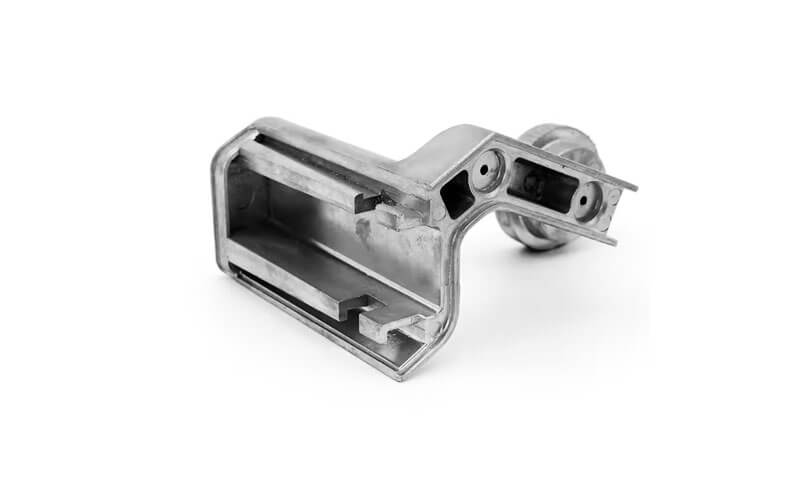
Il-liga hija parti mill-familja klassika tad-die-casting taż-żingu, li ilha vvalutata għall-abbiltà li tagħmel irqiq, preċiż, u partijiet relattivament kumplessi b'veloċità għolja u spiża ta 'unità baxxa.
Fost dawk il-ligi taż-żingu konvenzjonali, PIŻIJIET 5 spiss jitqies bħala l-aktar b'saħħtu, aħwa Zamak aktar reżistenti għat-tkaxkir 3.
Karatteristiċi tal-qalba
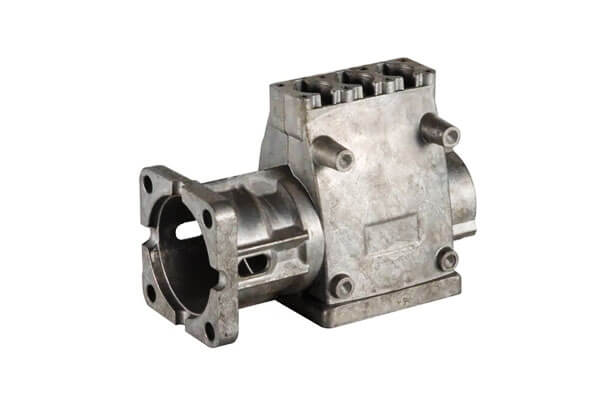
PIŻIJIET 5 hija definita minn sett ta 'karatteristiċi li jagħmluha partikolarment utli fil-produzzjoni industrijali:
- Kastabbiltà tajba, speċjalment f'partijiet die-cast ta 'volum għoli.
- Prestazzjoni tat-tensjoni ogħla minn Zamak 3.
- Reżistenza aħjar għal creep minn Zamak 3, li jgħodd f'partijiet taħt tagħbija sostnuta.
- Kisi tajjeb u mġiba tal-irfinar, jagħmilha adattata għal partijiet viżibbli jew dekorattivi.
- Makkinabilità utli, partikolarment meta jkunu meħtieġa operazzjonijiet sekondarji.
- Stabbiltà dimensjonali tajba, li jappoġġja applikazzjonijiet ta 'preċiżjoni.
3. Kompożizzjoni Kimika ta 'ZAMAK 5 Liga
PIŻIJIET 5 hija liga taż-żingu li l-prestazzjoni tagħha ġejja minn kimika kkontrollata bir-reqqa.
Iż-żingu huwa l-metall bażiku, iżda l-proprjetajiet tiegħu huma sintonizzati minn żgħar, żidiet sinifikanti ta 'aluminju, ram, u manjesju, b'kontroll strett tal-impuritajiet.
| Element | Kontenut tipiku | Funzjoni |
| Żingu | Bilanċ | Metall bażiku u matriċi tal-liga |
| Aluminju | 3.9–4.3% | Jappoġġja castability u stabbiltà matriċi |
| Ram | 0.7–1.1% | Jgħolli s-saħħa, ebusija, u reżistenza creep |
| Manjesju | 0.03–0.06% | Jgħin biex jirfina l-istruttura u jtejjeb l-imġieba tal-ikkastjar |
| Ħadid | ≤ 0.035% | Miżmum baxx ħafna minħabba li l-ħadid żejjed jagħmel ħsara lill-kwalità tal-ikkastjar |
| Ċomb | ≤ 0.004% | Impurità kkontrollata |
| Kadmju | ≤ 0.003% | Impurità kkontrollata |
| Landa | ≤ 0.0015% | Impurità kkontrollata |
4. Proprjetajiet Fiżiċi u Mekkaniċi ta 'ZAMAK 5 Liga
PIŻIJIET 5 huwa normalment speċifikat fi kif imfittex jew kif mitfugħa/età kundizzjoni, għalhekk il-proprjetajiet imkejla tagħha jistgħu jvarjaw kemmxejn mal-kwalità tal-ikkastjar, ħxuna tat-taqsima, u l-ħin tat-tixjiħ.
Fl-għażla rigoruża tal-materjal, huwa għalhekk aħjar li jiġu trattati l-figuri hawn taħt bħala valuri ta' inġinerija rappreżentattivi aktar milli bħala kostanti immutabbli.
| Proprjetà | Imperjali | Metrika |
| Densità | 0.240 lb / in³ | 6.6 g / cm³ |
| Firxa tat-tidwib | 717–727 °F | 380–386 °C |
| Konduttività elettrika | 26% IACS | 26% IACS |
| Konduttività termali | 62.9 BTU/ft·hr·°F | ≈ 109 W / m · k |
| Koeffiċjent ta 'espansjoni termali | 15.2 μin/in/°F | ≈ 27.4 µm / m · k |
| Modulu elastiku | 12.4 × 10⁶ psi | ≈ 85 GPA |
| Saħħa tat-tensjoni aħħarija | 48 KSI | 328 MPA |
| Saħħa tar-rendiment | 39 KSI | 269 MPA |
| Titwil | 7% | 7% |
| Ebusija Brinell | 91 HB | 91 HB |
| Is-saħħa tal-impatt | 65 J | 65 J |
| Qawwa tal-għeja | ≈ 8.1 KSI | 56 MPA |
| Limitu tal-creep tal-ħin | ≈ 14.5 KSI | 100 MPA |
Kif taqra dawn in-numri
Mill-perspettiva tad-disinn, PIŻIJIET 5 huwa l-aħjar meqjus bħala a liga tal-ikkastjar ta 'preċiżjoni funzjonali.
Huwa iebes biżżejjed għall-housings u l-ħardwer, iebes biżżejjed għal ħafna użi relatati mal-ilbies, u stabbli biżżejjed għal partijiet li għandhom iżommu l-ġeometrija maż-żmien.
Mhuwiex l-aħjar għażla meta parti trid tkun deformata ħafna wara l-ikkastjar, iżda huwa effettiv ħafna meta l-parti tkun maħsuba biex tkun mitfugħa qrib il-forma finali.
5. Ipproċessar u Karatteristiċi tal-Manifattura
PIŻIJIET 5 hija waħda mill-ligi taż-żingu l-aktar effiċjenti fil-manifattura minħabba li tgħaqqad kastabbiltà eċċellenti, temperatura baxxa tat-tidwib, imġieba qawwija ta 'mili tal-moffa, u rispons tajjeb għall-irfinar.
Die casting bħala r-rotta primarja
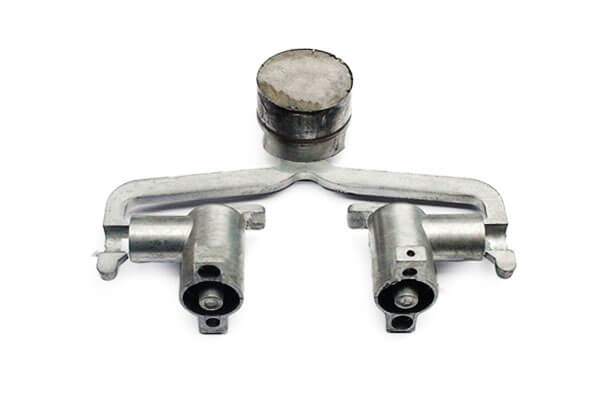
Għal ZAMAK 5, ir-rotta tal-manifattura dominanti hija pressjoni die casting.
Il-firxa ta 'tidwib baxx tagħha, tipikament madwar 380–386 °C, jappoġġja t-trasferiment rapidu tas-sħana, ħinijiet taċ-ċiklu qosra, u stress termali aktar baxx fuq imut minn metalli li jdubu ogħla.
Din hija waħda mir-raġunijiet ewlenin ligi taż-żingu huma tant użati fil-produzzjoni ta 'komponenti ta' volum għoli.
F'termini prattiċi, dan ifisser ZAMAK 5 huwa speċjalment effettiv għall-partijiet bil:
- Ħitan irqaq,
- kustilji fini u pumijiet,
- Ġeometrija kumplessa,
- Tolleranzi dimensjonali stretti,
- u ħtieġa għal uċuħ relattivament nodfa kif mitfugħa.
Dak il-vantaġġ tal-proċess ħafna drabi jnaqqas il-ħtieġa għal magni estensivi wara l-ikkastjar, li tnaqqas l-ispiża totali tal-manifattura.
Kompatibilità tal-kamra sħuna
PIŻIJIET 5 jappartjeni għall-familja ta 'ligi taż-żingu li huma adattati tajjeb għal hot-chamber die casting.
Dan il-proċess huwa produttiv minħabba li l-metall jista 'jiġi injettat malajr u ripetutament b'piż termali relattivament baxx.
L-imġieba tal-ikkastjar tal-liga hija waħda mir-raġunijiet Zamak 5 jibqa' daqshekk komuni f'hardware prodott bil-massa u kkastjar funzjonali.
Il-loġika tal-manifattura hawnhekk hija sempliċi: it-temperatura baxxa tal-likwidu tal-liga u l-fluwidità tajba jappoġġaw mili stabbli ta 'kavitajiet ikkomplikati, filwaqt li r-rotta tad-die-casting tappoġġja throughput effiċjenti.
Għall-manifatturi, dik il-kombinazzjoni hija vantaġġ ekonomiku kbir.
Immaniġġjar tat-tidwib u kontroll tal-kompożizzjoni
PIŻIJIET 5 mhix biss “iddewweb u ferraʼ.” Bħall-ligi kollha taż-żingu die-casting, teħtieġ kontroll bir-reqqa tat-tidwib.
Il-kimika trid tibqa' f'tieqa dejqa, u l-impuritajiet għandhom jinżammu kkontrollati sewwa minħabba li jistgħu jaffettwaw il-kwalità tal-ikkastjar, imġieba tal-korrużjoni, u prestazzjoni fit-tul.
ASTM B240 u r-referenzi tal-liga attwali t-tnejn jenfasizzaw limiti baxxi għal elementi mhux mixtieqa bħaċ-ċomb, kadmju, landa, u ħadid.
Dan huwa importanti għaliex il-prestazzjoni tal-liga tiddependi fuq iż-żamma tal-bilanċ maħsub tal-aluminju, ram, u manjesju.
Jekk it-tidwib ikun ikkontaminat jew immaniġġjat ħażin, l-ikkastjar li jirriżulta jistgħu jitilfu l-konsistenza fis-saħħa, finitura tal-wiċċ, jew stabbiltà dimensjonali.
F'ambjent ta' produzzjoni, metallurġija tajba hija għalhekk inseparabbli minn kontroll tajjeb tal-proċess.
Tixjiħ u evoluzzjoni tal-proprjetà wara l-ikkastjar
Karatteristika sottili iżda importanti ta 'ZAMAK 5 hija li l-proprjetajiet tiegħu jistgħu jevolvu wara l-ikkastjar.
Żingu die-casting referenzi jinnota li l-proprjetajiet mekkaniċi fil-ZP5 / PIŻIJIET 5 familja tista 'tinbidel maż-żmien, b'saħħa tensili u ebusija li għandhom tendenza li jonqsu filwaqt li tiżdied it-titwil.
Dan ifisser li l-kundizzjoni ta '"mitfugħa friska" mhix dejjem il-kundizzjoni tas-servizz finali, u d-disinn tal-inġinerija għandu jikkunsidra l-istat tal-proprjetà stabbilizzat aktar milli biss ir-riżultat immedjat ta 'wara l-ikkastjar.
Din l-imġieba li qed tixjieħ mhix difett. Hija parti mill-ħajja metallurġika normali tal-materjal.
Dak li huwa importanti huwa li d-disinjatur u l-manifattur jifhmuha u jispeċifikaw il-parti kif xieraq. Għal prodotti li jifilħu t-tagħbija jew sensittivi għat-tolleranza, dan huwa punt kritiku.
Irfinar tal-wiċċ u post-ipproċessar
PIŻIJIET 5 huwa ferm favorevoli għal Irfinar tal-wiċċ. Huwa platti sew, żebgħa sew, u jappoġġja finituri illustrati jew dekorattivi b'mod effettiv.
Din hija waħda mir-raġunijiet ewlenin tal-liga għas-suċċess fil-prodotti tal-konsumatur, ħardwer sanitarju, u partijiet funzjonali viżibbli.
Il-kwalità tal-finitura tal-liga mhix biss kożmetika; ħafna drabi tikkontribwixxi għall-protezzjoni tal-korrużjoni tal-prodott u l-appell tas-suq.
L-operazzjonijiet sekondarji huma wkoll relattivament maniġġabbli. Partijiet spiss jistgħu jiġu mirquma, imtaqqba, sfruttat, jew maħduma ħafif wara l-ikkastjar, imma ZAMAK 5 mhix ideali għal deformazzjoni tqila ta 'wara mitfugħa.
Minħabba li d-duttilità tagħha hija moderata aktar milli għolja, operazzjonijiet bħal liwi, irbattar, tibdil, jew crimping għandhom jiġu kkunsidrati bir-reqqa fid-disinn.
Ekonomija tal-għodda u tal-produzzjoni
Mil-lat ekonomiku tal-manifattura, PIŻIJIET 5 huwa attraenti għax jappoġġja produzzjoni fil-forma kważi netta.
Ir-riżultat huwa inqas makkinar, inqas ruttam mit-tneħħija tal-ħażniet, inqas operazzjonijiet, u ħafna drabi inqas spiża totali tal-parti. Meta l-volum tal-parti jkun għoli, dak l-iffrankar jista’ jkun sostanzjali.
It-temperatura tat-tidwib relattivament baxxa tagħha tnaqqas ukoll it-tagħbija termali fuq imut, li jgħin biex jappoġġja ċikli ta 'produzzjoni mgħaġġla.
Din hija waħda mir-raġunijiet għaliex id-die-casting taż-żingu jibqa' rotta ta' manifattura dejjiema għal partijiet ta' preċiżjoni żgħar u medji.
6. Vantaġġi u Limitazzjonijiet ta 'ZAMAK 5 Liga
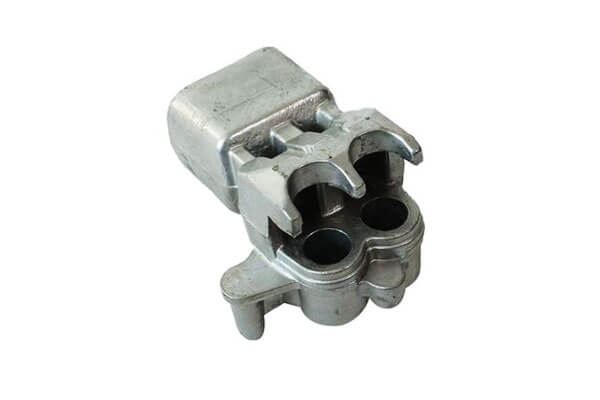
PIŻIJIET 5 tintuża ħafna minħabba li tokkupa triq tan-nofs prattika ħafna fid-die casting taż-żingu.
Mhuwiex l-aktar liga taż-żingu fluwidu, u mhuwiex l-aktar duttili, iżda joffri taħlita effettiva ħafna ta ' saħħa, Reżistenza tal-creep, finitura kwalità, kastabbiltà, u l-effiċjenza tal-produzzjoni.
Dak il-bilanċ huwa l-valur reali tal-liga.
Vantaġġi
Saħħa aħjar minn Zamak 3
PIŻIJIET 5 fih madwar 1% ram, u dik iż-żieda tgħolli l-prestazzjoni tat-tensjoni u l-ebusija relattiva għal Zamak 3.
F'termini prattiċi, tagħti lid-disinjaturi ftit aktar marġni mekkaniku meta l-parti trid iġorr tagħbija jew tirreżisti d-deformazzjoni.
Reżistenza mtejba għat-tkaxkir
Wieħed mill-aktar benefiċċji importanti ta 'ZAMAK 5 hija l-prestazzjoni aħjar tiegħu meta mqabbla ma 'Zamak 3.
Dak huwa importanti f'komponenti li jistgħu jibqgħu taħt forza sostnuta għal perjodi twal, minħabba li l-creep hija problema ta 'deformazzjoni bil-mod aktar milli mod ta' falliment immedjat.
Kastabbiltà eċċellenti
PIŻIJIET 5 jibqa' adattat ħafna għal die casting ta 'preċiżjoni. Hija timla rqiqa, kavitajiet kumplessi tajjeb u jappoġġja l-produzzjoni ta 'partijiet dettaljati ta' forma kważi netta b'magni sekondarji relattivament ftit.
Din hija raġuni waħda hija tant utli fil-manifattura ta 'volum għoli.
Finitura qawwija tal-wiċċ u mġiba tal-kisi
Il-liga hija tajba ħafna għall-kisi, pittura, u finitura dekorattiva.
Dan jagħmilha utli mhux biss f'partijiet mekkaniċi moħbija, iżda wkoll fi prodotti tal-konsumatur viżibbli u ħardwer fejn l-apparenza hija importanti.
Stabbiltà dimensjonali tajba
Ligi die-casting taż-żingu huma vvalutati għall-ġeometrija stabbli tagħhom, u ZAMAK 5 huwa adattat tajjeb għal partijiet fejn ir-ripetibilità dimensjonali u l-kontroll tat-tolleranza jimpurtaw matul iż-żmien.
Ekonomiku fil-produzzjoni tal-volum
Minħabba li titfa 'b'mod effiċjenti f'temperatura relattivament baxxa u ħafna drabi teħtieġ makkinar limitat, PIŻIJIET 5 jista 'jnaqqas l-ispiża totali tal-manifattura fil-produzzjoni ta' volum għoli.
Dan huwa wieħed mill-aktar argumenti b'saħħithom għall-użu tiegħu.
Limitazzjonijiet
Duttilità aktar baxxa minn Zamak 3
L-istess żieda tar-ram li ttejjeb is-saħħa tnaqqas ukoll id-duttilità.
Bħala riżultat, PIŻIJIET 5 huwa inqas taħfer jekk il-parti trid tgħaddi minn deformazzjoni kbira wara l-ikkastjar, bħal liwi, tibdil, irbattar, jew crimping.
Mhux adattat għal servizz strutturali b'temperatura għolja
Il-firxa ta 'tidwib baxx ta' ZAMAK 5 hija vantaġġ tal-manifattura, iżda tikkonferma wkoll li l-liga mhix iddisinjata għal użu strutturali b'temperatura elevata.
Huwa liga tal-ikkastjar għal servizz f'temperatura tal-kamra jew moderatament sħun, mhux liga reżistenti għas-sħana.
Il-proprjetajiet jiddependu fuq il-kwalità tal-ikkastjar u t-tixjiħ
Il-prestazzjoni mekkanika tista 'tinbidel maż-żmien wara l-ikkastjar, u l-letteratura tinnota li s-saħħa tat-tensjoni u l-ebusija jistgħu jonqsu filwaqt li tiżdied it-titwil.
Dan ifisser li l-valuri tad-disinn għandhom jintgħażlu b'attenzjoni u jitqabblu mal-kundizzjoni attwali stabbilizzata tal-parti.
Sensittivi għall-kwalità tad-dewweb u l-kontroll tal-impurità
PIŻIJIET 5 ma jaħferx prattika ħażina tat-tidwib. Il-limiti baxxi speċifikati fuq ħadid u traċċi ta 'impuritajiet bħaċ-ċomb, kadmju, u l-landa jeżistu minħabba li l-kontroll tal-kompożizzjoni jaffettwa direttament il-kwalità u l-prestazzjoni tal-ikkastjar.
Mhux l-aħjar għażla għall-iffurmar aggressiv wara l-ikkastjar
PIŻIJIET 5 twettaq l-aħjar meta l-parti tkun iddisinjata biex tkun qrib il-forma finali dritta mid-die.
Jekk l-applikazzjoni tiddependi minn post-cast forming sostanzjali, materjal ieħor jista 'jkun aktar adattat.
7. Applikazzjonijiet Tipiċi ta 'ZAMAK 5 Liga
PIŻIJIET 5 jintuża f'partijiet fejn Preċiżjoni, kwalità tajba tal-wiċċ, saħħa moderata, u produzzjoni tal-massa ekonomika huma kollha importanti.
Valvoli u pompi
Il-valvoli u l-komponenti tal-pompa huma ZAMAK klassiċi 5 applikazzjonijiet minħabba li l-liga tista 'tipproduċi forom preċiżi, finituri tal-wiċċ utli, u saħħa suffiċjenti għal ħafna kundizzjonijiet ta 'servizz mhux severi.
Ir-reżistenza mtejba tat-tkaxkir tagħha tgħin ukoll f'partijiet li jibqgħu taħt tagħbija għal perjodi twal.
Komponenti tal-karozzi
PIŻIJIET 5 jidher fil-ħardwer tal-karozzi, elementi trim, komponenti strutturali żgħar, u partijiet mitfugħa funzjonali li jibbenefikaw minn ġeometrija ripetibbli u mġiba tajba ta 'tlestija.
F'dan is-settur, il-valur tal-liga mhuwiex sempliċiment tnaqqis fl-ispiża; hija wkoll il-kapaċità li tagħmel partijiet kumplessi b'mod affidabbli b'rati ta 'produzzjoni għolja.
Ħardwer tal-inġinerija ġenerali
Il-liga tintuża komunement f'partijiet ta 'inġinerija ġenerali fejn prestazzjoni mekkanika moderata u stabbiltà dimensjonali huma aktar importanti minn saħħa estrema.
Dan jinkludi parentesi, housings, Qxur, muntaturi, tkopri, u assemblaġġi żgħar li għandhom ikunu konsistenti u faċli biex jintemm.
Issakkar korpi, ħardwer tas-sigurtà, u fittings
PIŻIJIET 5 huwa adattat tajjeb biex jissakkar korpi, lukketti, u ħardwer relatat minħabba li dawk il-partijiet ħafna drabi jeħtieġu taħlita ta 'kumplessità tal-forma, kwalità tal-wiċċ, u robustezza mekkanika suffiċjenti.
L-imġieba tal-irfinar tal-liga hija wkoll utli fi prodotti fejn l-utent jara u jimmaniġġja l-parti direttament.
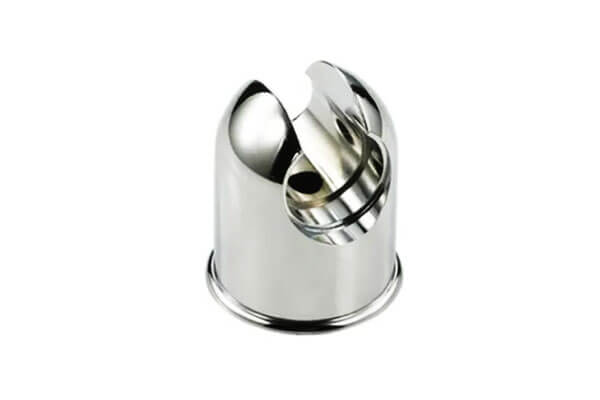
Komponenti sanitarji u tal-kamra tal-banju
Fittings sanitarji, partijiet relatati mad-doċċa, u l-ħardwer tal-kamra tal-banju huma eżempji tajbin ta 'ZAMAK 5 użu minħabba li jibbenefikaw minn die casting preċiż u kisi tajjeb jew irfinar dekorattiv.
Il-liga hija speċjalment attraenti meta l-parti trid tidher tajba u tiffunzjona b'mod affidabbli, iżda m'għandux bżonn id-duttilità ta 'metall maħdum.
Alloġġi elettriċi u elettroniċi
PIŻIJIET 5 huwa wkoll utli għall-housings elettriċi u elettroniċi fejn riġida, dettaljat, u ikkastjar faċli għall-finitura hija meħtieġa.
Il-kkastabilità tal-liga u l-kwalità tal-wiċċ jappoġġjaw kompartimenti u qxur kompatti li jkunu jiswew aktar flus biex jiġu manifatturati bil-magni jew fabbrikazzjoni.
Partijiet tal-konsumatur dekorattivi-funzjonali
Il-prodotti tal-konsumatur spiss jeħtieġu materjal li jidher raffinat, iħossu solidu, u jistgħu jiġu prodotti b'mod effiċjenti.
PIŻIJIET 5 toqgħod li jeħtieġ ukoll għaliex huwa faċli għall-pjanċa u finitura, u jappoġġja produzzjoni ta 'volum għoli ta' partijiet bħal manki, pumi, Kisi dekorattivi, u ħardwer tal-apparat.
8. Tqabbil ma 'Liegi taż-Żingu Oħra
| Oġġett ta' paragun | PIŻIJIET 5 | Tagħbijiet 3 | Tagħbijiet 7 | ZA-8 |
| Familja / identità | Liga ZAMAK konvenzjonali; wieħed mill-gradi standard tad-die-casting taż-żingu. | Liga ZAMAK konvenzjonali; il-liga standard ta' referenza. | Liga ZAMAK konvenzjonali; modifika ta’ Zamak 3. | Liga tal-familja ZA b'kontenut ta 'aluminju ogħla minn gradi ZAMAK konvenzjonali. |
| Il-loġika tal-kompożizzjoni ewlenija | Madwar 1% żieda tar-ram, li tgħolli s-saħħa u r-reżistenza għall-creep. | Liga taż-żingu konvenzjonali tar-ram aktar baxx iffukat fuq il-bilanċ u l-istabbiltà. | Manjeżju aktar baxx u speċifikazzjoni ta 'impurità aktar stretta minn Zamak 3. | Liga ogħla taż-żingu tal-aluminju b'saħħa qawwija u proprjetajiet creep. |
| Kastabbiltà / fluwidità | Kastabbiltà eċċellenti; addattat tajjeb għal die casting ta 'preċiżjoni. | Castability superb; standard li miegħu huma kklassifikati oħrajn. | Fluwidità tal-ikkastjar imtejba, speċjalment utli għal partijiet b'ħitan irqaq. | Liga tajba tal-ikkastjar tal-gravità; adattat ukoll għal hot-chamber die casting. |
Saħħa / enfasi ebusija |
Marġinalment aktar b'saħħtu u diffiċli minn Zamak 3. | Liga bbilanċjata ta 'saħħa standard. | Mhux iffukat fuq is-saħħa; ottimizzat aktar għal fluwidità u finitura milli għal uplift mekkaniku. | Saħħa ogħla u proprjetajiet creep minn gradi ZAMAK konvenzjonali. |
| Creep / imġieba fit-tul tat-tagħbija | Prestazzjoni mtejba tal-creep fuq Zamak 3. | Servizz ġenerali tajjeb, iżda reżistenza għal creep aktar baxxa minn ZAMAK 5. | Imġieba konvenzjonali tal-familja; mhux magħżula primarjament għar-reżistenza għat-tkaxkir. | Qawwa għolja u proprjetajiet creep jagħmluha attraenti meta ż-żamma tat-tagħbija tkun importanti. |
| Duttilità / Formabilità | Duttilità mnaqqsa kontra Zamak 3; inqas ideali għall-liwi sekondarju, irbattar, tibdil, jew crimping. | Bilanċ eċċellenti ta 'proprjetajiet fiżiċi u mekkaniċi, bi stabbiltà dimensjonali fit-tul. | Duttilità mtejba fuq Zamak 3. | Finitura konvenzjonali ta 'liga taż-żingu u mġiba tal-proċess; id-duttilità mhix il-punt ewlieni tal-bejgħ. |
Finitura tal-wiċċ / plating |
Faċilment indurati, lest, u bil-makna; komparabbli ma’ Zamak 3. | Karatteristiċi tal-irfinar eċċellenti għall-kisi, pittura, u trattamenti tal-kromat. | Finitura mtejba tal-wiċċ relattiva għal Zamak 3. | Faċilment miksi u lest bl-użu ta 'proċeduri standard għal-ligi taż-żingu konvenzjonali. |
| Rotta tipika tal-ikkastjar | Hot-chamber die casting. | Hot-chamber die casting. | Hot-chamber die casting. | Liga tajba tal-ikkastjar tal-gravità; wkoll hot-chamber die castable. |
| L-aħjar tajbin | Partijiet li jeħtieġu aktar prestazzjoni tat-tensjoni minn Zamak 3 u reżistenza aħjar għat-tkaxkir. | Die castings taż-żingu ta 'preċiżjoni għal skopijiet ġenerali. | Komponenti b'ħitan irqaq li jeħtieġu fluwidità aħjar, duttilità, u finitura. | Meta Zamak 3 jew ZAMAK 5 il-prestazzjoni hija borderline u huma meħtieġa saħħa ogħla/reżistenza għat-tkaxkir. |
| Limitazzjoni ewlenija | Duttilità aktar baxxa minn Zamak 3, għalhekk id-deformazzjoni sekondarja hija aktar limitata. | Saħħa aktar baxxa u reżistenza għat-tkaxkir minn ZAMAK 5. | Inqas orjentat lejn il-prestazzjoni minn gradi ZA meta s-saħħa jew l-ilbies isiru dominanti. | Aktar speċjalizzati minn gradi ZAMAK konvenzjonali; mhux l-aktar għażla sempliċi. |
9. Konklużjoni
PIŻIJIET 5 hija liga taż-żingu ta 'inġinerija klassika li tokkupa niċċa prattika ħafna.
Mhuwiex l-aktar liga taż-żingu fluwidu, u mhuwiex l-aktar duttili, iżda tagħti taħlita eċċellenti ta ' saħħa, Reżistenza tal-creep, kastabbiltà, u finitura kwalità.
Dawk il-karatteristiċi jagħmluha għażla affidabbli għal die castings funzjonali fil-karozzi, ħardwer, apparat, sanitarju, u applikazzjonijiet ta' inġinerija ġenerali.
F'sentenza waħda, PIŻIJIET 5 hija l-liga li tilħaq meta trid prestazzjoni aktar minn Zamak 3, mingħajr ma tħalli l-familja konvenzjonali tad-die-casting taż-żingu.
Huwa għalhekk li jibqa 'wieħed mill-ligi taż-żingu l-aktar użati fl-Ewropa u wieħed mill-gradi tal-ikkastjar taż-żingu kummerċjali l-aktar fdati madwar id-dinja.

