1. Introduzzjoni
Makkinar CNC u metallurġija tat-trab (PM) huma żewġ teknoloġiji tal-manifattura fundamentalment differenti iżda komplementari.
Makkinar CNC — sottrattiv, flessibbli, u preċiżi—jogħla fil-produzzjoni ta' komponenti ta' volum baxx għal medju b'ġeometriji kumplessi, tolleranzi stretti, u firxa wiesgħa ta 'materjali.
Metallurġija tat-trab — addittiv/konsolidattiv, effiċjenti, u ripetibbli—jiddi fil-produzzjoni ta 'volum għoli ta' partijiet ta 'kumplessità medja b'utilizzazzjoni ta' materjal superjuri u porożità kkontrollata.
L-għażla bejniethom mhix kwistjoni li hija "aħjar". Hija deċiżjoni strateġika li taffettwa l-ispiża, ħin taċ-ċomb, proprjetajiet materjali, u restrizzjonijiet tad-disinn.
2. X'inhu l-magni CNC?
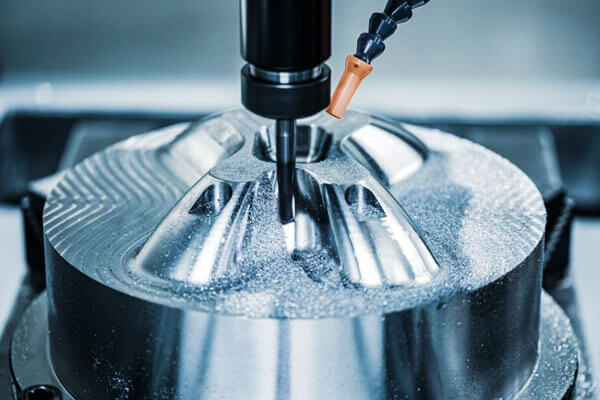
Kontroll numeriku tal-kompjuter (CNC) magni huwa proċess ta’ manifattura ta’ preċiżjoni li fih għodod tal-magni pprogrammati bil-kompjuter ineħħu awtomatikament materjal minn biċċa tax-xogħol solida biex jipproduċu komponenti b’dimensjonijiet preċiżi ħafna u ġeometriji kumplessi.
B'differenza mill-magni manwali tradizzjonali, Is-sistemi CNC jinterpretaw id-dejta diġitali CAD/CAM u jikkonvertuha f'movimenti preċiżi tal-magni permezz ta 'kontroll numeriku.
Kull moviment tal-għodda tat-tqattigħ — inkluż il-pożizzjonament, rata ta 'għalf, Veloċità tal-magħżel, fond tal-qtugħ, u l-għodda bidliet-jiġi eżegwit awtomatikament skond l-istruzzjonijiet programmati, tiżgura ripetibbiltà u konsistenza eċċezzjonali.
Bħala proċess ta 'manifattura sottratt, Il-magni CNC jibda bi stokk mhux maħdum fil-forma ta 'billetti, pjanċi, vireg, Forgings, ikkastjar, jew estrużjonijiet.
Il-materjal jitneħħa progressivament permezz ta 'operazzjonijiet ta' qtugħ ikkontrollati sakemm il-komponent lest jaqbel mad-disinn mixtieq.
Kif jaħdem CNC Machining
Għalkemm operazzjonijiet ta 'mmaxinjar differenti jużaw tagħmir speċjalizzat, il-fluss tax-xogħol tal-magni CNC ġenerali jsegwi proċess ta 'manifattura diġitali sistematiku.
Pass 1: Disinn CAD
Il-proċess jibda b'mudell CAD tridimensjonali maħluqa bl-użu ta 'softwer tal-inġinerija.
Il-mudell jiddefinixxi kull karatteristika ġeometrika, tolleranza, toqba, raġġ, ħajt, u l-ħtieġa tal-wiċċ tal-komponent finali.
Pass 2: Programmazzjoni CAM
Il-mudell CAD huwa importat fil-Manifattura Megħjuna mill-Kompjuter (Cam) softwer, fejn jiġu żviluppati strateġiji tal-magni.
Is-sistema CAM tiddetermina:
- Toolpaths
- Sekwenzi tat-tqattigħ
- Għażla tal-għodda
- Rati tal-għalf
- Veloċitajiet tal-magħżel
- Strateġija tal-likwidu li jkessaħ
- Simulazzjoni tal-magni
- Ħin taċ-ċiklu stmat
Is-softwer imbagħad jiġġenera kodiċi G li jikkontrolla l-magna CNC.
Pass 3: Setup tal-Magni
Qabel ma jibda l-magni, operaturi jippreparaw it-tagħmir billi:
- Installazzjoni ta' attrezzaturi
- Immuntar tal-biċċa tax-xogħol
- Tagħbija ta 'għodod tal-qtugħ
- L-issettjar tal-koordinati tax-xogħol
- Il-kalibrar tal-offsets tal-għodda
- Il-verifika tal-parametri tal-magna
Setup xieraq jinfluwenza direttament l-eżattezza u l-produttività tal-magni.
Pass 4: Makkinar Awtomatiku
Ladarba jibda l-programm tal-magni, il-magna CNC tesegwixxi l-operazzjonijiet kollha programmati awtomatikament.
Jiddependi fuq il-komponent, operazzjonijiet jistgħu jinkludu:
- Tħin tal-wiċċ
- Tħin tal-but
- Qtugħ tal-islott
- Tidwir
- Threading
- Tħaffir
- Reaming
- Boring
- Tapping
- Tħin
Iċ-ċentri moderni tal-magni jistgħu jwettqu operazzjonijiet multipli fi ħdan setup wieħed.
Pass 5: Spezzjoni u Kontroll tal-Kwalità
Komponenti lesti jgħaddu minn verifika dimensjonali bl-użu ta 'tagħmir ta' spezzjoni avvanzat bħal:
- Tikkoordina magni tal-kejl (Cmm)
- Skaners tal-lejżer
- Sistemi ta' kejl ottiku
- Testers tal-ħruxija tal-wiċċ
- Kalipers diġitali
- Mikrometri
Id-dejta tal-ispezzjoni ħafna drabi hija integrata direttament fis-sistemi tal-manifattura diġitali għall-kontroll tal-proċess statistiku.
Proċessi Komuni tal-Maċinazzjoni CNC
| Proċess | Deskrizzjoni | Applikazzjonijiet tipiċi |
| Tħin CNC | Għodda tal-qtugħ li ddur tneħħi materjal minn biċċa tax-xogħol wieqfa; 3‑assi għal 5‑assi. | Uċuħ 3D kumplessi, bwiet, slots, kontorni. |
| Tidwir CNC | Il-biċċa tax-xogħol iddur waqt li għodda tal-qtugħ stazzjonarja tneħħi l-materjal. | Partijiet ċilindriċi (Xaftijiet, Pinnijiet, ċrieki, ħjut). |
| Tħaffir CNC | Drill bit li jdur joħloq toqob. | Toqob għall-qfieli, passaġġi fluwidi, wajers. |
| Tħin CNC | Ir-rota li joborxu tneħħi materjal għal finitura fina tal-wiċċ u tolleranzi stretti. | Xaftijiet ta' preċiżjoni, uċuħ li jġorru, imut. |
| EDM (Makkinar ta' Skarigu Elettriku) | Sparks elettriċi jonqsu materjal konduttiv. | Kavitajiet kumplessi, materjali iebsin, forom. |
| Makkinar b'ħafna assi | 4‑assi, 5‑assi, jew aktar; movimenti simultanji jew indiċjati. | Komponenti aerospazjali, Ġeometriji kumplessi. |
Materjali Adattati għall-Maċinazzjoni CNC
| Kategorija materjali | Gradi tipiċi / Eżempji | Karatteristiċi ewlenin | Applikazzjonijiet Komuni |
| Azzar tal-Karbonju | Aisi 1018, 1045, 4140, 4340 | Saħħa għolja, Makkinabilità tajba, kosteffikaċi | Xaftijiet, gerijiet, Gwarniċi tal-Magni, Tagħmir industrijali |
| Stainless Steel | 303, 304, 316, 17-4 PH, 420, 440Ċ | Reżistenza eċċellenti għall-korrużjoni, saħħa għolja, Reżistenza tajba għall-ilbies | Apparat mediku, Tagħmir għall-ipproċessar tal-ikel, valvi, pompi |
| Għodda Azzar | D2, A2, O1, H13, M2 | Ebusija għolja, reżistenza għall-ilbies eċċellenti, trattabbli bis-sħana | Forom, imut, Għodda tal-Qtugħ, Punches |
| Ligi tal-aluminju | 6061, 6063, 7075, 2024, 5052 | Ħafifa, Makkinabilità eċċellenti, reżistenti għall-korrużjoni | Partijiet aerospazjali, Komponenti tal-karozzi, elettronika, robotika |
| Ligi tat-titanju | Grad 2, Ti-6al-4v (Grad 5) | Proporzjon għoli ta 'saħħa għal piż, Reżistenza eċċellenti għall-korrużjoni, bijo-kompatibbli | Aerospazjali, Impjanti mediċi, Komponenti tal-Baħar |
| Ram | C101, C110 | Konduttività elettrika u termali eċċellenti | Konnetturi elettriċi, busbars, Skambjaturi tas-sħana |
Ram |
C26000, C36000, C46400 | Makkinabilità eċċellenti, Reżistenza għall-korrużjoni, Dehra attraenti | Valvi, Fittings, ħardwer tal-plaming, Komponenti dekorattivi |
| Bronż | C93200, C95400 | Reżistenza tajba għall-ilbies, proprjetajiet tal-bearing eċċellenti | Boxxli, bearings, ħardwer tal-baħar, gerijiet |
| Ligi tan-nikil | Inconel 625, Inconel 718, Monel 400, Hastelloy C276 | Qawwa ta 'temperatura għolja, ossidazzjoni u reżistenza għall-korrużjoni | Magni aerospazjali, Ipproċessar kimiku, żejt & gass |
| Ligi tal-manjeżju | AZ31B, AZ91D | Ultra-ħfief, faċli għall-magna, Qawwa speċifika għolja | Strutturi aerospazjali, partijiet tal-karozzi, elettronika |
| Plastik tal-Inġinerija | PEEK, Ptfe, POM (Delrin), Najlon, UHMW-OR, Polikarbonat | Ħafifa, reżistenti għall-kimiċi, iżolanti elettrikament | Apparat mediku, tagħmir semikonduttur, Komponenti ta 'preċiżjoni |
| Materjali komposti | Komposti tal-fibra tal-karbonju (CFRP), G10, FR4 | Proporzjon għoli ta 'saħħa għal piż, Stabbiltà dimensjonali eċċellenti | Pannelli aerospazjali, elettronika, oġġetti sportivi |
3. X'inhu Metallurġija tat-Trab?
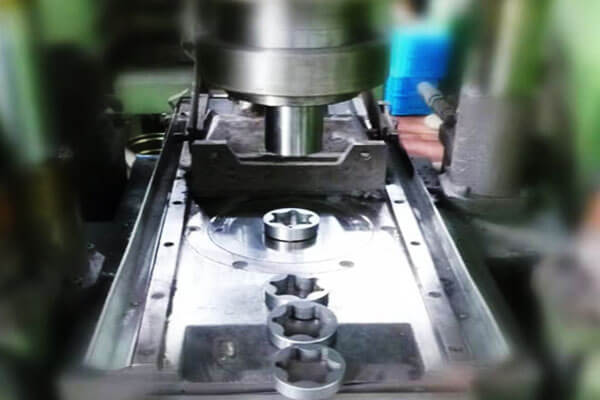
Metallurġija tat-trab (PM) hija teknoloġija ta 'manifattura avvanzata li tipproduċi komponenti tal-metall billi tikkumpatta trabijiet tal-metall maħdumin b'mod fin f'forma predeterminata
u mbagħad tikkonsolidahom permezz ta 'proċessar termali, tipikament minn sinterizzazzjoni taħt il-punt tat-tidwib tal-metall primarju.
B'differenza mill-ikkastjar konvenzjonali jew bil-magni CNC, il-metallurġija tat-trab tifforma partijiet b'tneħħija minima tal-materjal, tagħmilha a forma kważi-net proċess ta 'manifattura li joffri użu eċċezzjonalment għoli tal-materjal u effiċjenza tal-produzzjoni eċċellenti.
Pjuttost milli tibda b'billetta solida jew metall imdewweb, il-metallurġija tat-trab tibda bi trabijiet tal-metall li huma mfassla bir-reqqa biex jinkisbu distribuzzjonijiet speċifiċi tad-daqs tal-partiċelli, morfoloġiji, Kompożizzjonijiet kimiċi, u l-karatteristiċi tal-fluss.
Dawn it-trabijiet huma mħallta, ikkumpattat taħt pressjoni għolja, u sussegwentement imsaħħan fi fran b'atmosfera kkontrollata, fejn id-diffużjoni atomika tgħaqqad partiċelli individwali flimkien fi dens, komponent strutturalment sod.
Il-proċess huwa partikolarment vantaġġuż għall-manifattura ta 'komponenti żgħar sa ta' daqs medju f'volumi ta 'produzzjoni għolja, fejn il-kapaċità tagħha li timminimizza l-iskart, tnaqqas il-magni sekondarji, u tiżgura kwalità konsistenti tipprovdi benefiċċji ekonomiċi sostanzjali.
Kif Taħdem il-Metallurġija tat-Trab
Għalkemm teknoloġiji differenti tal-metallurġija tat-trab jimpjegaw metodi distinti ta 'konsolidazzjoni, il-fluss tax-xogħol tal-manifattura konvenzjonali jsegwi diversi stadji definiti tajjeb.
Pass 1: Produzzjoni tat-Trab
Il-proċess jibda bil-produzzjoni ta 'trab tal-metall ta' kwalità għolja.
Karatteristiċi tat-trab — inkluż id-daqs tal-partiċelli, forma tal-partiċelli, purità, densità apparenti, u l-flussabilità — għandhom influwenza profonda fuq il-proprjetajiet mekkaniċi u l-konsistenza dimensjonali tal-komponent finali.
Metodi komuni ta 'produzzjoni ta' trab jinkludu:
- Atomizzazzjoni tal-ilma
- Atomizzazzjoni tal-gass
- Elettroliżi
- Tnaqqis kimiku
- Tħin mekkaniku
- Dekompożizzjoni tal-karbonil
- Atomizzazzjoni tal-plażma
Kull metodu huwa magħżul skond il-proprjetajiet materjali meħtieġa u l-applikazzjoni.
Pass 2: Taħlit u Kondizzjonament tat-Trab
Trabijiet individwali huma mħallta bir-reqqa biex tinkiseb il-kompożizzjoni tal-liga mixtieqa u l-karatteristiċi tal-ipproċessar. Matul dan l-istadju, il-manifatturi jistgħu jintroduċu:
- Trabijiet tal-liga
- Lubrikanti
- Legaturi
- Aġenti tal-fluss
- Addittivi tas-sinterizzazzjoni
It-taħlit uniformi huwa essenzjali biex tiġi żgurata densità konsistenti, Kimika, u prestazzjoni mekkanika matul il-komponent lest.
Pass 3: Kompattazzjoni
It-trab ikkundizzjonat jiġi trasferit f'kavità tad-die ta 'preċiżjoni u kkumpattat taħt pressjonijiet li komunement ivarjaw minn 400 MPa to over 800 MPA, skond il-materjal u l-proċess.
Il-kompattazzjoni sservi diversi funzjonijiet importanti:
- Jifforma l-ġeometrija inizjali
- Iżżid id-densità ħadra
- Ittejjeb il-kuntatt tal-partikuli
- Jipprovdi biżżejjed saħħa ħadra għall-immaniġġjar
Il-komponent kompatt prodott f'dan l-istadju huwa magħruf bħala l- kompatt aħdar.
Pass 4: Sinterizzazzjoni
Il-kompatt aħdar imbagħad jissaħħan f'forn b'atmosfera kkontrollata għal temperaturi taħt il-punt tat-tidwib tal-metall primarju.
Waqt is-sinterizzazzjoni:
- Id-diffużjoni atomika sseħħ bejn partiċelli li jmissu magħhom.
- Jiżviluppaw rabtiet metallurġiċi.
- Il-porożità tonqos.
- Is-saħħa mekkanika tiżdied.
- L-istabbiltà dimensjonali titjieb.
Skont is-sistema tal-liga, atmosferi tas-sinterizzazzjoni jistgħu jinkludu idroġenu, Nitroġenu, Argon, vakwu, jew gass endotermiku biex jipprevjeni l-ossidazzjoni u jiżgura l-aħjar kwalità metallurġika.
Pass 5: Operazzjonijiet sekondarji
Għalkemm ħafna komponenti tal-metallurġija tat-trab huma prodotti bħala partijiet qrib il-forma netta, ipproċessar addizzjonali jista 'jsir meta prestazzjoni mtejba jew tolleranzi aktar stretti huma meħtieġa.
Operazzjonijiet sekondarji komuni jinkludu:
- Coining
- Daqs
- Trattament tas-sħana
- Irfinar tal-wiċċ
- Impregnazzjoni
- Infiltrazzjoni
- Makkinar CNC
- Tħin
- Trattament bil-fwar
- Kisi jew kisi
Proċessi Maġġuri tal-Metallurġija tat-Trab
| Proċess | Deskrizzjoni | Applikazzjonijiet tipiċi |
| Press-and-sinter konvenzjonali | Pressjoni unjaxjali + sinterizzazzjoni; l-aktar proċess PM komuni. | Gerijiet, bearings, Sprockets, partijiet strutturali. |
| Molding tal-injezzjoni tal-metall (Mim) | Trab fin + injezzjoni binder iffurmat bħall-plastik; debind + sinter. | Żgħir, Partijiet kumplessi (armi tan-nar, mediku, elettronika). |
| L-ippressar isostatiku sħun (Ġenbejn) | Temperatura għolja + gass bi pressjoni għolja jikkonsolida trab. | Partijiet aerospazjali, SuperAlloys, komponenti kompletament densi. |
| Forġa tat-trab | Preforma falsifikata għal densità sħiħa; jgħaqqad PM + Forġa. | Vireg tal-konnessjoni, partijiet strutturali ta' saħħa għolja. |
| Manifattura addittiva (sodda tat-trab tal-metall) | Il-lejżer jew ir-raġġ ta 'l-elettroni jdub trab saff b'saff. | Prototipi, kumpless, partijiet ta' volum baxx. |
Materjali Użati fil-Metallurġija tat-Trab
| Kategorija materjali | Materjali tipiċi / Gradi | Karatteristiċi ewlenin | Applikazzjonijiet Komuni |
| Ħadid Pur | Trab tal-Ħadid Atomizzat, Trab tal-Ħadid imnaqqas | Spiża baxxa, kompressibbiltà tajba, addattat għal partijiet strutturali | Komponenti strutturali, qlub manjetiċi, partijiet tal-makkinarju |
| Azzar b'liga baxxa | Fe-Cu-C, Trid-It-I, Fe-Cr-Mo | Saħħa għolja, Reżistenza tajba għall-ilbies, trattabbli bis-sħana | Irkaptu tal-karozzi, Sprockets, komponenti tat-trasmissjoni |
| Stainless Steel | 304L, 316L, 410L, 17-4 PH | Reżistenza għall-korrużjoni, saħħa għolja, Stabbiltà dimensjonali tajba | Apparat mediku, makkinarju tal-ikel, pompi, valvi |
| Għodda Azzar | Azzar b'veloċità għolja (HSS), PM Tool Azzar | Ebusija eċċezzjonali, Reżistenza għall-ilbies, distribuzzjoni uniformi tal-karbur | Għodda tal-Qtugħ, forom, imut, Punches |
| Ligi tal-aluminju | Trab tal-Aluminju, Ligi Al-Si | Ħafifa, Konduttività termali tajba, reżistenti għall-korrużjoni | Automotive, aerospazjali, Partijiet strutturali ħfief |
| Ram | Trab tar-ram pur | Konduttività elettrika u termali eċċellenti | Kuntatti elettriċi, Sinkijiet tas-sħana, komponenti konduttivi |
| Bronż | Bronż tal-landa, Bronż tal-fosfru | Prestazzjoni eċċellenti tal-bearing, kapaċità awto-lubrikanti | Bearings, boxxli, gerijiet |
| Ram | Ligi Cu-Zn | Reżistenza tajba għall-korrużjoni, makkinabilità, dehra dekorattiva | Fittings, valvi, Komponenti tal-plumbing |
Ligi bbażati fuq in-nikil |
Inconel 625, Inconel 718, Hastelloy, Monel | Qawwa ta 'temperatura għolja, Reżistenza għall-ossidazzjoni | Komponenti tat-turbina, aerospazjali, Tagħmir kimiku |
| Ligi tat-titanju | CP Titanju, Ti-6al-4v | Proporzjon għoli ta 'saħħa għal piż, Bijokompatibilità, Reżistenza għall-korrużjoni | Impjanti mediċi, aerospazjali, Manifattura addittiva |
| Metalli Refrattarji | Tungstenu, Molibdenu, Tantalu | Punt tat-tidwib estremament għoli, reżistenza eċċellenti għall-ilbies u s-sħana | Kuntatti elettriċi, difiża, aerospazjali, komponenti ta 'temperatura għolja |
| Karburi Simentati | Tungstenu Karbur-Kobalt (WC-CO), Karbide tat-titanju (Tic) | Ebusija ultra-għolja, Reżistenza għall-ilbies superjuri | Għodda tal-Qtugħ, għodod tal-minjieri, inserzjonijiet reżistenti għall-ilbies |
| Materjali Manjetiċi rotob | Fe-Iva, Trid-In, Ligi Fe-P | Permeabilità manjetika għolja, telf baxx tal-qalba | Muturi elettriċi, Transformers, Inductors |
| Materjali Manjetiċi Permanenti | NdFeB, SmCo, Ferrite | Proprjetajiet manjetiċi qawwija, densità għolja ta 'enerġija | Muturi, Sensers, ġeneraturi, Sistemi EV |
| Materjali Awto-Lubrikanti | Ħadid jew Bronż Mimli biż-Żejt | Porożità kkontrollata taħżen lubrikanti, operazzjoni mingħajr manutenzjoni | Bearings, boxxli, Muturi elettriċi, apparat tad-dar |
| Molding tal-injezzjoni tal-metall (Mim) Materjali ta' għalf | Stainless Steel, Għodda Azzar, Titanju, Kobalt-Kromju | Trabijiet fini jippermettu ġeometriji kkomplikati u kwalità eċċellenti tal-wiċċ | Strumenti mediċi, elettronika, partijiet mekkaniċi ta' preċiżjoni |
4. Prinċipji tal-Manifattura: Tneħħija tal-Materjal vs. Forma Qrib-Net
| Kriterju | Makkinar CNC | Metallurġija tat-trab |
| Prinċipju | Strawż (tneħħi materjal minn blokk solidu). | Addittiv/konsolidattiv (jibni mit-trab). |
| L-użu tal-materjal | 30-80% (skond il-ġeometrija tal-parti); ruttam jiġi ġġenerat. | >95% (ftit li xejn skart; ruttam aħdar jiġi riċiklat). |
| Materjal tal-bidu | Bar, virga, platt, Billet, jew ikkastjar. | Trab tal-metall. |
| Għodda | Għodda tal-Qtugħ (imtieħen, Drills, inserzjonijiet) – spiża relattivament baxxa. | Preċiżjoni imut (imut istampa) – spiża għolja. |
| Post-ipproċessar | Spiss minimu (deburring, illustrar). | Trattament tas-sħana, id-daqs, magni (Kultant). |
| Il-kumplessità tal-forma | Għoli ħafna (3D, Undercuts, uċuħ kumplessi). | Moderat (2.5D, undercuts limitati; angoli tal-abbozz meħtieġa). |
| Ħxuna tas-sezzjoni | Illimitat. | Limitat (tipikament 1-10 mm; sezzjonijiet irqaq possibbli). |
5. Tqabbil tal-Proċess: Magni CNC vs.. Metallurġija tat-trab
Għalkemm iż-żewġ teknoloġiji jimmanifatturaw komponenti tal-metall ta 'preċiżjoni, huma differenti b'mod sinifikanti fil-metodoloġija tal-produzzjoni, flessibilità, eżattezza, effiċjenza, u skalabbiltà.
Fluss tax-Xogħol tal-Produzzjoni
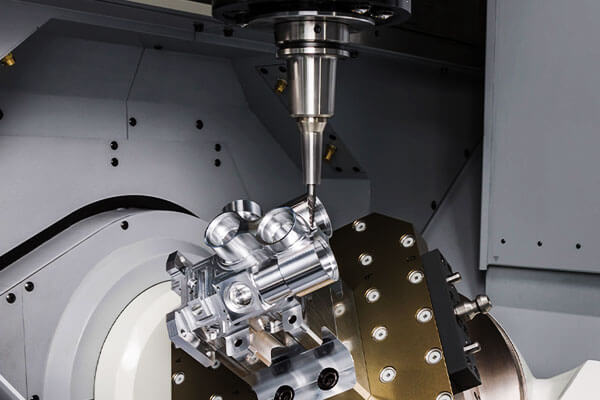
Il-magni CNC isegwi fluss tax-xogħol diġitali li jinvolvi l-immudellar CAD, Programmazzjoni CAM, setup tal-magna, qtugħ, u spezzjoni.
Kull parti hija maħduma individwalment, jagħmlu l-proċess adattabbli ħafna iżda relattivament ħin.
Il-metallurġija tat-trab tiddependi fuq manifattura bbażata fuq die.
Ladarba l-għodda tkun ġiet żviluppata, mili tat-trab, kompattazzjoni, sinterizzazzjoni, u l-irfinar fakultattiv jista 'jitwettaq kontinwament b'intervent minimu tal-operatur, li jippermetti throughput estremament għoli.
Flessibilità tal-Manifattura
Makkinar CNC joffri flessibilità mhux imqabbla. Il-modifika ta 'disinn ħafna drabi teħtieġ biss l-aġġornament tal-programm tal-magni, jagħmilha ideali għall-prototyping, Komponenti tad-dwana, u produzzjoni ta 'volum baxx.
Il-metallurġija tat-trab hija inqas adattabbli minħabba li l-bidliet dimensjonali ġeneralment jeħtieġu disinn mill-ġdid ta 'dies ta' preċiżjoni, tiżdied kemm l-ispiża kif ukoll il-ħin taċ-ċomb.
Parti kumplessità
Il-magni CNC jistgħu jipproduċu ġeometriji kumplessi ħafna, speċjalment b'magni ta '5 assi. Madankollu, kavitajiet interni magħluqa u strutturi tal-kannizzata jistgħu jkunu diffiċli jew impossibbli għall-magni.
Il-metallurġija tat-trab teċċella fil-produzzjoni ta 'ġeometriji esterni kkomplikati b'ripetibbiltà konsistenti.
Proċessi bħal Metal Injection Molding jistgħu jimmanifatturaw komponenti minjatura b'dettall eċċezzjonali, għalkemm die pressing konvenzjonali timponi limiti fuq undercuts u karatteristiċi tal-ġenb.
Eżattezza dimensjonali
Modern CNC makkinar rutina tikseb tolleranzi ta ':
- ±0.005 mm sa ±0.02 mm għal komponenti ta 'preċiżjoni
- Tolleranzi saħansitra aktar stretti bit-tħin u l-irfinar fin
Metallurġija tat-trab konvenzjonali tipikament tikseb:
- ±0.03 mm sa ±0.10 mm wara s-sinterizzazzjoni
- Tolleranzi mtejba wara d-daqs jew makkinar sekondarju
Finitura tal-wiċċ
Uċuħ bil-makna CNC jistgħu jilħqu:
- Ra 0.2-1.6 μm wara l-irfinar
- Finituri ta 'kwalità mera permezz ta' illustrar jew tħin
Komponenti tal-metallurġija tat-trab ġeneralment juru:
- Ra 1.6-6.3 μm wara s-sinterizzazzjoni
- Finituri mtejba wara makkinar jew illustrar
Ripetibilità
Iż-żewġ teknoloġiji jipprovdu konsistenza eċċellenti fil-produzzjoni.
CNC tiddependi fuq kontroll preċiż tal-magni u mogħdijiet ta 'għodda ripetibbli, filwaqt li l-metallurġija tat-trab tikseb ripetibbiltà notevoli permezz ta 'għodda fissi u proċessi ta' kompattazzjoni awtomatizzati.
6. Tqabbil tal-Propjetajiet Mekkaniċi: Makkinar CNC vs Metallurġija tat-Trab
| Proprjetà | Makkinar CNC (stokk maħdum) | Metallurġija tat-trab (press-and-sinter) | Mim (trab fin) |
| Densità (% teoretiku) | 100% | 85‑95% | 95‑98% |
| Qawwa tat-tensjoni | Eċċellenti (proprjetajiet maħduma). | 80‑95% ta' maħdum (skond id-densità). | 90‑98 % ta’ maħdum. |
| Saħħa tar-rendiment | Livell maħdum. | 80‑90% ta' maħdum. | 90‑95% ta' maħdum. |
| Titwil | 10-35% (azzar). | 2-15% (dipendenti mid-densità). | 5-20% (dipendenti fuq il-liga). |
| Ebusija | Livell maħdum. | Komparabbli ma 'wought (l-istess materjal). | Komparabbli ma 'wought. |
| Impatt ebusija | Eċċellenti. | Inqas (il-porożità taġixxi bħala li jqajjem l-istress). | Tajjeb (Densità ogħla). |
| Qawwa tal-għeja | Eċċellenti (100% dens). | Inqas (stress risers mill-porożità). | Tajjeb (Densità għolja). |
| Ebusija | Eċċellenti. | Tixbaħ (80‑95%). | Tixbaħ (90‑98%). |
| Reżistenza għall-korrużjoni | Proprjetajiet sħaħ maħdumin. | Simili għal maħdum (iżda l-porożità tista 'tinsab aġenti korrużivi). | Simili għal maħdum. |
Intuwizzjoni ewlenija: Partijiet PM mhumiex kompletament densi (tipikament 85-95% għall-press-and-sinter).
Din il-porożità residwa tnaqqas is-saħħa tat-tensjoni, duttilità, u reżistenza għall-għeja meta mqabbla ma 'materjali maħduma. Madankollu, għal ħafna applikazzjonijiet, it-tnaqqis huwa aċċettabbli.
Ġenbejn u Mim jipproduċu densitajiet ferm ogħla (95‑99%), resqin lejn il-proprjetajiet maħduma.
7. Preċiżjoni u Tqabbil tal-Kwalità: Makkinar CNC vs Metallurġija tat-Trab
| Kriterju | Makkinar CNC | Metallurġija tat-trab |
| Eżattezza dimensjonali | ±0.005-0.02 mm (tħin/tidwir); ±0.001-0.005 mm (tħin). | ±0.05-0.1 mm (kif sinterizzat); ±0.01-0.02 mm (daqs/immarkat). |
| Il-kumplessità ġeometrika | Għoli ħafna; jistgħu magna undercuts, ħjut interni, uċuħ ta' forma ħielsa. | Moderat; essenzjalment 2.5D; ebda undercuts; abbozz meħtieġ. |
| Finitura tal-wiċċ | Ra 0.4-3.2 µm (magni); Ra 0.1-0.4 µm (tħin/illustrar). | Ra 3-12 µm (kif sinterizzat); Ra 0.8-3 µm (daqs). |
| Ripetibilità | Eċċellenti (CPK >1.33). | Tajjeb (Cpk 1.0-1.33); varjazzjoni jinxtorob sinterizzazzjoni tista 'tnaqqas Cpk. |
| Riskju ta' difett | Ilbes tal-għodda, ċajter, distorsjoni termali. | Porożità, gradjenti tad-densità, qsim, varjazzjoni dimensjonali. |
| Spezzjoni | Cmm, komparaturi ottiċi, Profilers tal-wiċċ. | Cmm, kejl tad-densità, analiżi tal-porożità, Ndt. |
8. Analiżi tal-Ispiża Ekonomika taċ-ċiklu tal-ħajja sħiħ
| Element tal-ispiża | Makkinar CNC | Metallurġija tat-trab |
| Materja prima | Moderat-għoli (bar, virga, platt). | Baxx (trab huwa irħas għal kull kg; >95% utilizzazzjoni). |
| Għodda | Baxx-moderat (Għodda tal-Qtugħ, attrezzaturi). | Għoli (imut istampa, trejs tas-sinter). |
| Laburista | Moderat (programmazzjoni, setup, operazzjoni). | Baxx (ippressar awtomatizzat; superviżjoni biss). |
| Amortizzazzjoni tal-magni | Moderat-għoli (Magni CNC $100k-1M). | Għoli (tagħfas $200k-1M; Fran tas-sinterizzazzjoni). |
| Enerġija | Moderat (qtugħ, likwidu li jkessaħ). | Għoli (Fran tas-sinterizzazzjoni). |
Irfinar |
Spiss minimu (Jekk meħtieġ). | Jistgħu jeħtieġu trattament tas-sħana, id-daqs, magni. |
| Valur tar-ruttam | Baxx (ruttam huwa riċiklabbli iżda valur aktar baxx mit-trab). | Għoli (ruttam aħdar riċiklat). |
| Spiża totali għal kull parti (Volum baxx) | Baxx-moderat. | Għoli ħafna (għodda amortizzata). |
| Spiża totali għal kull parti (volum medju, 1‑5k) | Moderat. | Moderat-baxx. |
| Spiża totali għal kull parti (volum għoli, >10k) | Għoli (xogħol, ħin tal-magna). | Baxx ħafna (għodda amortizzata). |
9. Vantaġġi u limitazzjonijiet
Kemm il-magni CNC kif ukoll il-metallurġija tat-trab huma teknoloġiji ta’ manifattura maturi b’saħħiet u dgħufijiet distinti.
Vantaġġi tal-magni CNC
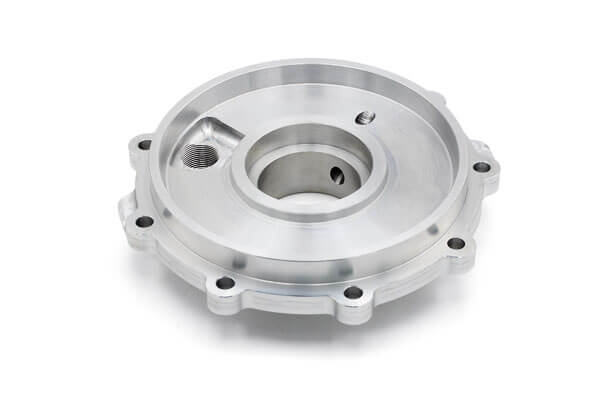
Il-magni CNC huwa rikonoxxut b'mod wiesa 'għall-flessibbiltà tiegħu, Preċiżjoni, u l-abbiltà li tipproċessa prattikament kwalunkwe materjal li jista' jinħadem.
- Preċiżjoni dimensjonali eċċezzjonali
- Preċiżjoni ġeometrika eċċellenti
- Finitura tal-wiċċ superjuri
- Kompatibilità wiesgħa tal-materjal
- Ebda għodda dedikata għalja
- Modifiki rapidi tad-disinn
- Ideali għal prototipi u partijiet tad-dwana
- Proprjetajiet mekkaniċi eċċellenti minn materjali maħduma
- Adattat għal baxx- u produzzjoni ta’ volum medju
- Flessibilità għolja għal bidliet fl-inġinerija
- Makkinar multi-assi jippermetti ġeometriji kumplessi ħafna
- Kontroll strett tal-kwalità u ripetibbiltà
Limitazzjonijiet tal-Maċinazzjoni CNC
Minkejja l-versatilità tiegħu, Il-magni CNC għandu bosta limitazzjonijiet inerenti.
- Skart materjali sinifikanti
- Ċikli itwal tal-magni għal partijiet kumplessi
- Spiża ta 'unità ogħla fil-produzzjoni tal-massa
- L-ilbies tal-għodda jżid l-ispiża tal-produzzjoni
- Produttività limitata għal miljuni ta 'komponenti identiċi
- Fixtures kumplessi jistgħu jkunu meħtieġa
- Diffiċli biex timmanifattura karatteristiċi interni magħluqa mingħajr tekniki speċjalizzati
Vantaġġi tal-Metallurġija tat-Trab
Il-metallurġija tat-trab toffri sett fundamentalment differenti ta 'benefiċċji ċċentrata fuq l-effiċjenza u l-iskalabbiltà.
- Manifattura ta 'forma ta' qrib nett
- Użu ta 'materjal pendenti
- Ġenerazzjoni ta' ruttam minimu
- Ripetibbiltà eċċellenti
- Veloċità għolja tal-produzzjoni
- Spiża baxxa għal kull parti fil-produzzjoni tal-massa
- Kompożizzjoni uniformi tal-liga
- Kapaċità li tipproduċi komponenti porużi
- MACINING SEKONDARJU Mnaqqsa
- Konsistenza dimensjonali eċċellenti
- Produzzjoni awtomatizzata ħafna
- Favur l-ambjent minħabba skart baxx
Limitazzjonijiet tal-Metallurġija tat-Trab
Għalkemm il-metallurġija tat-trab jeċċella fil-produzzjoni fuq skala kbira, għandha wkoll bosta restrizzjonijiet.
- Investiment għoli fl-għodda
- Inqas ekonomiku għall-prototipi
- Flessibilità limitata għal modifiki tad-disinn
- PM konvenzjonali jista' jkun fih porożità residwa
- Limitazzjonijiet ta' daqs imposti minn tagħmir ta' kompattazzjoni
- Il-waqfien kumplessi huma diffiċli fl-ippressar tad-die
- Xi karatteristiċi ta 'preċiżjoni jeħtieġu makkinar sekondarju
- Proprjetajiet mekkaniċi tal-PM konvenzjonali jistgħu jkunu aktar baxxi minn materjali maħduma
- Żmien itwal ta 'żvilupp minħabba l-fabbrikazzjoni tal-għodda
10. Applikazzjonijiet Industrijali Tipiċi: Makkinar CNC vs Metallurġija tat-Trab
| Industrija | Makkinar CNC | Metallurġija tat-trab |
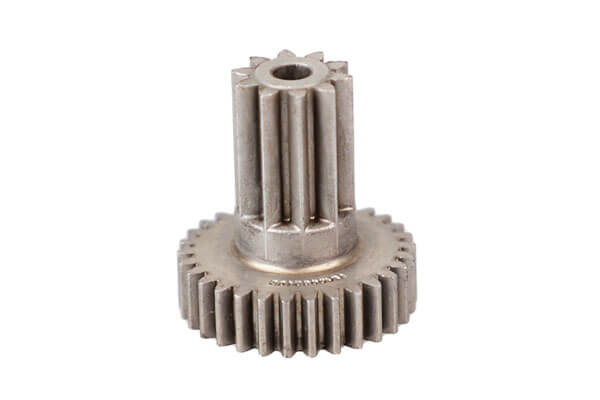
| Automotive | Prototipi, blokki tal-magna, Irjus taċ-ċilindru, gerijiet tad-dwana, Xaftijiet. | Gerijiet, Sprockets, ċentri tas-sinkronizzazzjoni, Qabdiet tal-konnessjoni, bearings, gwidi tal-valvi. |
| Aerospazjali | Xfafar tat-turbina, komponenti strutturali, Irkaptu tal-inżul, Mounts tal-magna, djar avjoniċi. | Boxxli, siġilli, filtri, Woxers tal-ġibda, parentesi tat-titanju (Mim). |
| Mediku | Strumenti kirurġiċi, Impjanti ortopediċi, abutments dentali, Komponenti tal-MRI. | Strumenti kirurġiċi (Mim), Impjanti ortopediċi (HIP/ME), Fajls dentali. |
| Elettronika | Sinkijiet tas-sħana, kompartimenti, konnetturi, Komponenti tas-semikondutturi. | Qlub manjetiċi rotob, konnetturi, Sinkijiet tas-sħana, Emi Shielding. |
Makkinarju Industrijali |
Housings tal-pompa, Korpi tal-valv, gerijiet, Xaftijiet, komponenti tal-għodda tal-magni. | Boxxli, bearings, cams, Sprockets, Ilbes pjanċi. |
| Żejt & gass | Korpi tal-valv, Impellers tal-pompa, flanġijiet, fittings tal-pipeline. | Elementi tal-filtru, Piżijiet tal-ibbilanċjar ta' liga tqila tat-tungstenu, ċrieki tas-siġill. |
| Oġġetti għall-konsumatur | Apparat tad-dar, Għodda tal-enerġija, ħardwer, oġġetti sportivi. | Komponenti Lock, partijiet biż-żippijiet, parentesi żgħar, komponenti tal-armi tan-nar (Mim). |
11. Makkinar CNC vs Metallurġija tat-Trab: Kif Agħżel?
L-għażla bejn il-magni CNC u l-metallurġija tat-trab teħtieġ evalwazzjoni ta’ fatturi multipli ta’ inġinerija u ekonomiċi aktar milli tiffoka fuq metrika waħda ta’ prestazzjoni.
It-tqabbil li ġej jiġbor fil-qosor id-differenzi ewlenin bejn iż-żewġ teknoloġiji tal-manifattura, tipprovdi referenza prattika għall-inġiniera, disinjaturi tal-prodotti, u professjonisti tal-akkwist.
| Punt ta' Tqabbil | Makkinar CNC | Metallurġija tat-trab (PM) |
| Prinċipju tal-Manifattura | Manifattura sottrattiva; materjal jitneħħa minn biċċa xogħol solida. | Manifattura ta 'forma ta' qrib nett; trabijiet tal-metall huma kompatti u sinterizzat fil-forma. |
| Materjal tal-Bidu | Bars, billetti, pjanċi, Forgings, ikkastjar, estrużjonijiet. | Trab tal-metall b'daqs u kompożizzjoni tal-partiċelli kkontrollati. |
| Tagħmir Primarju | Magni tat-tħin CNC, torn, ċentri tal-magni, grinders. | Presses tat-trab, magni tal-iffurmar tal-injezzjoni, Fran tas-sinterizzazzjoni, Sistemi HIP. |
| Użu tal-materjal | Moderat (tipikament 50-90%, skond il-ġeometrija tal-parti). | Eċċellenti (tipikament 95-99%). |
| Skart materjali | Għoli minħabba l-ġenerazzjoni taċ-ċippa. | Baxx ħafna; ruttam minimu. |
| L-ispiża tal-għodda | Baxx għal moderat. | Għoli minħabba forom u forom ta 'preċiżjoni. |
| Flessibilità tad-Disinn | Pendenti; bidliet fid-disinn jeħtieġu biss aġġornamenti tas-softwer. | Moderat; modifiki fl-għodda huma għaljin u jieħdu ħafna ħin. |
| Kapaċità Prototip | Eċċellenti. | Fqir għal moderat. |
Eżattezza dimensjonali |
Eċċellenti (±0.005–0.02 mm li jistgħu jintlaħqu). | Tajjeb għal eċċellenti (±0.03–0.10 mm; aktar stretti b'daqs sekondarju jew magni). |
| Finitura tal-wiċċ | Eċċellenti; Ra 0.2–1.6 μm jew aħjar wara li tispiċċa. | Tajjeb; Ra 1.6-6.3 μm wara s-sinterizzazzjoni, imtejba b'irfinar sekondarju. |
| Kumplessità ġeometrika | Eċċellenti, speċjalment b'magni b'ħafna assi. | Tajjeb; MIM jippermetti forom kkomplikati, filwaqt li l-PM konvenzjonali għandu limitazzjonijiet relatati mad-die. |
| Karatteristiċi Interni | Limitat mill-aċċessibbiltà tal-għodda. | Ċerti ġeometriji interni jistgħu jinkisbu mingħajr magni, skond il-proċess. |
| Propjetajiet mekkaniċi | Eċċellenti; iżomm proprjetajiet ta 'materjal maħdum b'densità sħiħa. | Tajjeb għal eċċellenti; proċessi PM avvanzati (Ġenbejn, forġa tat-trab) approċċ proprjetajiet maħduma. |
Densità |
Kważi 100% Densità teoretika. | 85–99.9%, skond il-proċess PM. |
| Porożità | Essenzjalment xejn. | Porożità kkontrollata jew densità kważi sħiħa skont l-applikazzjoni. |
| Reżistenza għall-ilbies | Eċċellenti wara trattament bis-sħana u kisi. | Eċċellenti; Il-kompożizzjoni tal-liga tista 'tiġi ottimizzata għal applikazzjonijiet ta' xedd. |
| Reżistenza għall-korrużjoni | Iddeterminat mill-grad tal-materjal; struttura kompletament densa toffri prestazzjoni eċċellenti. | Jiddependi fuq il-liga u d-densità; il-porożità residwa tista' tnaqqas ir-reżistenza sakemm ma tkunx issiġillata jew densifikata. |
| Veloċità tal-produzzjoni | Moderat; il-ħin tal-magni jiżdied bil-kumplessità. | Għoli ħafna wara li titlesta l-għodda. |
| Volum tal-Produzzjoni | L-aħjar għall-prototipi, Volum baxx, u produzzjoni ta’ volum medju. | L-aħjar għal medju- għal volum għoli u produzzjoni tal-massa. |
| Livell ta' Awtomazzjoni | Għoli. | Għoli ħafna. |
Operazzjonijiet sekondarji |
Normalment limitat għat-trattament tas-sħana u l-irfinar tal-wiċċ. | Jista 'jinkludi d-daqs, magni, tħin, infiltrazzjoni, u trattament tas-sħana. |
| Ħin taċ-ċomb | Qasira għal prodotti ġodda. | Itwal minħabba l-iżvilupp tal-għodda. |
| Spiża ta 'unità (Volum Baxx) | Baxx. | Għoli. |
| Spiża ta 'unità (Volum għoli) | Ogħla minn PM. | Baxx ħafna minħabba l-ekonomiji ta' skala. |
| Impatt ambjentali | Konsum ogħla ta 'enerġija u skart materjali. | Skart aktar baxx u effiċjenza materjali eċċellenti. |
| Industriji Tipiċi | Aerospazjali, mediku, robotika, żejt & gass, tagħmir ta' preċiżjoni. | Automotive, Għodda tal-enerġija, Elettronika għall-konsumatur, bearings, komponenti strutturali. |
| Applikazzjonijiet ideali | Partijiet tad-dwana ta 'preċiżjoni għolja, prototipi, komponenti kumplessi. | Komponenti standardizzati ta 'volum għoli b'ġeometrija konsistenti. |
12. Konklużjoni
Makkinar CNC vs metallurġija tat-trab jirrappreżentaw tnejn mit-teknoloġiji tal-manifattura l-aktar importanti fl-industrija moderna, kull wieħed joffri vantaġġi uniċi bbażati fuq prinċipji ta 'inġinerija differenti.
Makkinar CNC jibqa 'l-punt ta' referenza għal Preċiżjoni, flessibilità, u l-adattament. L-approċċ tal-manifattura sottrattiv tiegħu jippermetti preċiżjoni dimensjonali eċċezzjonali, kwalità superjuri tal-wiċċ, u kompatibilità ma 'firxa wiesgħa ta' materjali ta 'inġinerija.
Hija s-soluzzjoni ppreferuta għall-prototipi, produzzjoni ta’ volum baxx, Komponenti ta 'prestazzjoni għolja, u applikazzjonijiet fejn tolleranzi stretti u ġeometriji kumplessi huma essenzjali.
Metallurġija tat-trab, B'kuntrast, hija mibnija fuq il-kunċett ta ' manifattura ta' forma ta' qrib nett, jenfasizzaw l-effiċjenza materjali, konsistenza tal-produzzjoni, u produzzjoni tal-massa kost-effettiva.
Billi timminimizza l-iskart u tnaqqas il-magni sekondarji, PM sar indispensabbli għal industriji bħall-karozzi, Għodda tal-enerġija, Elettronika għall-konsumatur, u makkinarju industrijali, fejn miljuni ta’ komponenti identiċi jridu jiġu prodotti ekonomikament mingħajr ma tiġi kompromessa l-kwalità.
Hekk kif il-manifattura tkompli tevolvi permezz tal-Industrija 4.0, Tewmin diġitali, Intelliġenza artifiċjali, ipproċessar avvanzat tat-trab, u sistemi CNC b'ħafna assi, l-integrazzjoni ta 'dawn it-teknoloġiji se tkompli ttejjeb il-produttività u tespandi l-possibilitajiet tad-disinn.
Kumpaniji li jifhmu l-kapaċitajiet u l-limitazzjonijiet taż-żewġ proċessi se jkunu mgħammra aħjar biex jiżviluppaw prodotti innovattivi, jottimizzaw l-ispejjeż tal-manifattura, u jżommu vantaġġ kompetittiv f'suq globali dejjem aktar impenjattiv.
FAQs
X'inhi d-differenza ewlenija bejn il-magni CNC vs il-metallurġija tat-trab?
Id-differenza primarja tinsab fil-prinċipju tal-manifattura.
Makkinar CNC huwa a Proċess li jitnaqqas li tneħħi materjal minn biċċa xogħol solida, filwaqt li l-metallurġija tat-trab hija a proċess ta' forma ta' kważi nett li tifforma komponenti billi tikkumpatta u sinterizza trab tal-metall.
Il-magni CNC jipprijoritizzaw il-preċiżjoni u l-flessibilità, billi l-metallurġija tat-trab tiffoka fuq l-effiċjenza tal-materjal u l-produzzjoni ta 'volum għoli.
Il-metallurġija tat-trab hija adattata għall-manifattura tal-prototip?
F'ħafna każijiet, LE. L-ispiża għolja u ż-żmien twil assoċjat mal-għodda jagħmlu l-metallurġija tat-trab mhux ekonomika għal prototipi jew ġirjiet ta 'produzzjoni żgħar ħafna.
Il-magni CNC huma tipikament l-għażla preferuta għall-iżvilupp tal-prototip minħabba l-flessibilità u r-rekwiżiti minimi tal-għodda.
X'inhu d-daqs massimu tal-parti għall-metallurġija tat-trab?
Il-partijiet PM tal-press-and-sinter tipikament jiżnu <10 kg u għandhom dijametru <300 mm. Partijiet akbar jistgħu jiġu prodotti minn HIP (L-ippressar isostatiku sħun) jew forġa tat-trab, iżda dawn huma aktar għaljin.
Jistgħu partijiet tal-metallurġija tat-trab jiġu mmaxinjati wara s-sinterizzazzjoni?
IVA. Ħafna komponenti tal-metallurġija tat-trab jgħaddu minn makkinar CNC sekondarju biex jipproduċu toqob ta 'preċiżjoni, ħjut, Uċuħ tas-siġillar, jew sedili li jġorru li jeħtieġu tolleranzi aktar stretti milli l-proċess ta 'sinterizzazzjoni waħdu jista' jikseb.