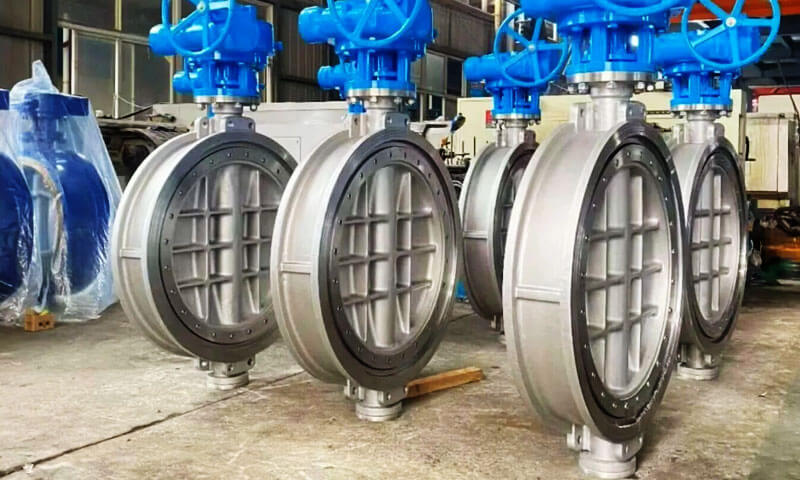
Il-valvoli tal-farfett huma fost l-aktar apparati ta 'kontroll tal-fluss użati fis-sistemi tal-pajpijiet industrijali, joffri sempliċi, kumpatt, u soluzzjoni kost-effettiva għar-regolazzjoni tal-fluss tal-gassijiet, likwidi, u slurries.
Meta l-applikazzjoni titlob saħħa, ekonomija, u reżistenza moderata tal-korrużjoni, valvoli tal-farfett tal-azzar tal-karbonju issir l-għażla default—speċjalment fit-trattament tal-ilma, żejt u gass, Ġenerazzjoni tal-Enerġija, u servizz industrijali ġenerali.
Il-produzzjoni tal-komponenti tal-valv tal-farfett tal-azzar tal-karbonju — korpi, diski, zkuk, u parentesi — tradizzjonalment bbażat fuq l-ikkastjar tar-ramel jew il-fabbrikazzjoni.
Madankollu, ikkastjar ta 'investiment (ikkastjar tax-xama 'mitluf) ħareġ bħala rotta ta 'manifattura superjuri għal ħafna komponenti tal-valvi tal-azzar tal-karbonju, offerta preċiżjoni tal-forma kważi netta, Finitura tal-wiċċ eċċellenti, Tolleranzi dimensjonali stretti, u proprjetajiet mekkaniċi konsistenti.
Dan l-artikolu jipprovdi gwida teknika u strateġika komprensiva għal soluzzjonijiet tal-ikkastjar tal-investiment tal-valv tal-farfett tal-azzar tal-karbonju.
1. X'inhu Valv tal-farfett tal-Azzar tal-Karbonju?
A azzar tal-karbonju Valv tal-farfett huwa valv li jdur kwart-dawran iddisinjat biex jibda, waqqaf, jew jirregola l-fluss tal-fluwidu billi ddawwar diska ċirkolari madwar xaft ċentrali.
B'differenza valvoli ta 'moviment lineari bħal valvi tal-bieb jew valvi tal-globu, il-valvoli tal-farfett jeħtieġu biss rotazzjoni ta’ 90 grad biex jimxu bejn pożizzjonijiet miftuħa għal kollox u magħluqa għal kollox, li jippermetti tħaddim rapidu b'torque minimu.
Id-disinn sempliċi iżda effiċjenti tagħhom jagħmilhom wieħed mit-tipi ta 'valvi l-aktar versatili għal sistemi ta' mmaniġġjar ta 'fluwidu industrijali.
Il-valvoli tal-farfett tal-azzar tal-karbonju jintużaw ħafna f'pipelines li jittrasportaw l-ilma, fwar, żejt, gass naturali, arja kkompressata, u diversi midja mhux korrużiva jew ħafifa korrużiva.
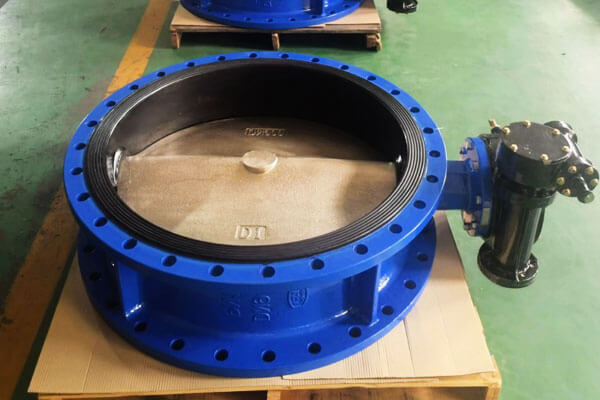
Komponenti Bażiċi ta' Valv tal-Farfett
| Komponent | Funzjoni |
| Korp | Djar li fih id-diska, siġġijiet, u zokk; jipprovdi konnessjonijiet tal-pajpijiet (flanged, lug, wejfer). |
| Diska | Membru tal-għeluq li jdur; tikkontrolla l-fluss billi ddawwar minn pożizzjoni miftuħa għal magħluqa. |
| Zokk (xaft) | Jitrażmetti t-torque mill-attwatur għad-diska. |
| Siġġijiet | Ipprovdi siġillar bejn id-diska u l-korp; sostitwibbli jew mitfugħa integralment. |
| Attwatur | Manwal (lieva, handwheel) jew awtomatizzat (pnewmatiku, elettriku, idrawliku). |
| Bonit / flanġ ta 'fuq | Jospita l-zokk u jipprovdi immuntar attwatur. |
| Siġilli | Evita tnixxija tul iz-zokk. |
Tipi ta 'Disinni tal-Korp tal-Valv tal-farfett
| Tip ta 'korp | Deskrizzjoni | Applikazzjonijiet tipiċi |
| Stil tal-wejfer | Korp irqiq b'toqob tal-boltijiet; imdawwar bejn il-flanġi tal-pajpijiet. | Pressjoni baxxa, sistemi kompatti, HVAC, linji tal-ilma. |
| Lug-style | Inserzjonijiet bil-kamin fuq kull naħa; servizz fit-tmiem tal-linja possibbli. | Pressjoni moderata; aċċess għall-manutenzjoni. |
| Flanged | Flanġijiet integrali fuq iż-żewġt itruf; imbarrati direttament mal-ħanek tal-pajpijiet. | Pressjoni għolja, sistemi ta’ dijametru kbir, żejt & gass. |
| Butt-weldjatura | Truf iddisinjati għall-iwweldjar fil-pajp. | Temperatura għolja, pressjoni għolja, sistemi kritiċi għat-tnixxija. |
Rekwiżiti Funzjonali Kritiċi għal Valvoli tal-Farfett tal-Azzar tal-Karbonju
| Ħtieġa | Implikazzjoni tal-inġinerija |
| Integrità tal-pressjoni | Għandu jiflaħ pressjoni interna (sa ASME Klassi 150-600 għall-azzar tal-karbonju). |
| Qawwa u toughness | Għandu jirreżisti tagħbijiet mekkaniċi, vibrazzjoni, u ċ-ċikliżmu termali. |
| Eżattezza dimensjonali | Toqba preċiża, ħanek jiffaċċjaw, u l-allinjament tat-toqba taz-zokk jiżguraw is-siġillar u t-tħaddim. |
| Reżistenza għall-korrużjoni | Reżistenza moderata għall-atmosfera, ilma, u ambjenti kimiċi ħfief. |
| Weldabilità | Il-gradi tal-azzar tal-karbonju għandhom ikunu weldjabbli għall-installazzjoni u t-tiswija. |
| Kost-effettività | Spiża aktar baxxa tal-materjal mill-istainless steel; addattat għal valvi b'dijametru kbir. |
2. Għaliex l-Ikkastjar ta 'Investiment huwa Ideali għall-Komponenti tal-Valv tal-farfett
Ikkastjar ta 'investiment, komunement magħrufa bħala l- proċess ta 'ikkastjar tax-xama' mitlufa, hija rikonoxxuta bħala waħda mit-teknoloġiji tal-manifattura l-aktar avvanzati għall-produzzjoni ta 'komponenti tal-metall ta' preċiżjoni.
Meta mqabbel ma 'metodi ta' ikkastjar konvenzjonali, investment casting offers substantial improvements in dimensional accuracy, kwalità tal-wiċċ, Integrità strutturali, and production consistency, making it particularly suitable for high-performance butterfly valve components.
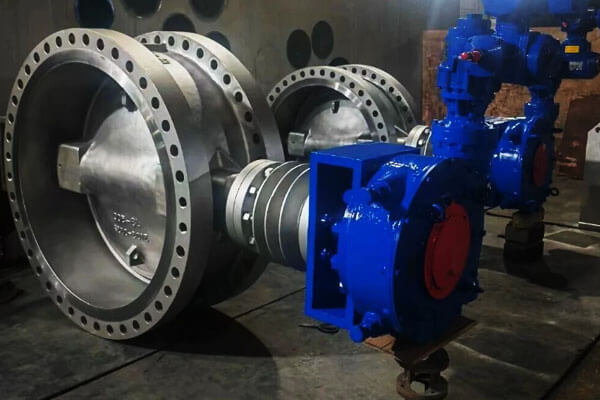
Preċiżjoni dimensjonali eċċezzjonali
Butterfly valves contain numerous precision-machined interfaces, including flange faces, Stem Bores, sedili li jġorru, u uċuħ li jissiġillaw.
Even minor dimensional deviations can lead to leakage, excessive operating torque, or premature wear.
Investment casting produces near-net-shape components with tight tolerances, significantly reducing the need for corrective machining and ensuring excellent interchangeability between parts.
Il-benefiċċji jinkludu:
- Improved assembly efficiency
- Reduced machining allowances
- Better sealing performance
- Consistent product quality across production batches
Finitura tal-wiċċ superjuri
B'differenza mill-ikkastjar tar-ramel, where coarse molds often leave rough surfaces, ikkastjar ta 'investiment tutilizza qxur taċ-ċeramika fini li jirriproduċu b'mod preċiż il-mudell tax-xama'.
Il-ħruxija tipika tal-wiċċ tvarja minn RA 3.2-6.3 μm, Provvista:
- Adeżjoni aħjar tal-kisi
- Rekwiżiti mnaqqsa tal-illustrar
- Reżistenza aktar baxxa tal-fluwidu
- Dehra mtejba għall-komponenti tal-valv esposti
Mogħdija ta 'fluss intern aktar lixxa tikkontribwixxi wkoll għal turbolenza mnaqqsa u telf ta' pressjoni aktar baxx waqt it-tħaddim.
Ġeometrija Kumpless Mingħajr Fabbrikazzjoni Addizzjonali
Il-korpi moderni tal-valvoli tal-farfett ħafna drabi jinkorporaw kustilji li jsaħħu, pads tal-immuntar tal-attwatur, kontorni li jiggwidaw il-fluss, u strutturi ta' appoġġ integrati.
Il-manifattura ta 'dawn il-karatteristiċi permezz ta' magni jew fabbrikazzjoni żżid il-kumplessità u l-ispiża tal-produzzjoni.
L-ikkastjar ta 'investiment jippermetti li dawn il-ġeometriji kkomplikati jiġu ffurmati direttament waqt l-ikkastjar, jitnaqqas in-numru ta 'ġonot iwweldjati u tittejjeb l-integrità strutturali.
Kwalità metallurġika mtejba
Minħabba li l-metall imdewweb jimla moffa taċ-ċeramika ta 'preċiżjoni taħt kundizzjonijiet ikkontrollati bir-reqqa, ikkastjar ta 'investiment jista' jikseb:
- Struttura uniformi tal-qamħ
- Segregazzjoni mnaqqsa
- Kontenut ta 'inklużjoni aktar baxx
- Densità mtejba
- Reżistenza mtejba għall-għeja
Dawn il-vantaġġi metallurġiċi huma partikolarment ta 'valur għall-valvi li joperaw taħt pressjoni ċiklika jew kundizzjonijiet termali li jvarjaw.
Użu Ogħla tal-Materjal
Makkinar tradizzjonali ħafna drabi tneħħi porzjon sinifikanti tal-materja prima biex tinkiseb il-ġeometrija finali, li jirriżulta fi skart bla bżonn.
L-ikkastjar ta 'investiment jipproduċi komponenti qrib id-dimensjonijiet finali tagħhom, joffri diversi benefiċċji ekonomiċi:
- Inqas skart materjali
- Ħin imnaqqas tal-magni
- Ilbes ta 'għodda aktar baxx
- Ċikli ta' produzzjoni iqsar
- Sostenibbiltà mtejba
Tqabbil tal-Metodi tal-Manifattura
| Metodu tal-manifattura | Preċiżjoni | Finitura tal-wiċċ | Użu tal-materjal | Effiċjenza tal-Produzzjoni | Applikazzjonijiet Adattati |
| Casting ta' Investiment | Eċċellenti | Eċċellenti | Eċċellenti | Għoli | Komponenti tal-valv ta 'preċiżjoni |
| Ikkastjar tar-ramel | Moderat | Mhux maħdum | Moderat | Għoli | Kbir, kkastjar sempliċi |
| Forġa | Eċċellenti | Tajjeb | Moderat | Medju | Partijiet ta 'pressjoni ta' saħħa għolja |
| Makkinar CNC | Eċċellenti | Eċċellenti | Baxx | Baxx | Komponenti tad-dwana ta 'lott żgħir |
3. Għażla tal-Materjal tal-Azzar tal-Karbonju għall-Ikkastjar tal-Investiment
L-għażla tal-materjal hija waħda mid-deċiżjonijiet ta 'inġinerija l-aktar kritiċi fil-manifattura ta' valvi tal-farfett mitfugħa b'investiment.
Filwaqt li l-proċess tal-ikkastjar tal-investiment jiddetermina l-eżattezza dimensjonali u l-integrità strutturali, il grad tal-azzar tal-karbonju
Gradi Komuni tal-Azzar tal-Karbonju għal Valvoli tal-farfett Investiment-Cast
Gradi differenti ta 'azzar tal-karbonju huma ddisinjati biex jissodisfaw kundizzjonijiet speċifiċi ta' servizz.
Azzar tal-karbonju fondut standard bħal WCB u WCC jintużaw ħafna għal applikazzjonijiet industrijali ġenerali, filwaqt li gradi ta 'temperatura baxxa bħal LCB u LCC jintgħażlu għal servizz krijoġeniku.
Għal ambjenti b'temperatura elevata, azzar fondut liga tal-kromju-molibdenu inkluż WC6 u WC9
It-tabella hawn taħt tiġbor fil-qosor il-gradi l-aktar komunement użati għall-komponenti tal-valv tal-farfett fondut b'investiment.
| Grad ASTM | L-Istati Uniti Nru. | Karbonju (%) | Saħħa tar-rendiment (MPA) | Qawwa tat-tensjoni (MPA) | Titwil (%) | Temperatura massima tas-servizz | Applikazzjonijiet tipiċi |
| WCA | J02502 | ≤0.25 | ≥205 | ≥415 | ≥24 | 425° C. | Valvoli ekonomiċi għal servizzi bi pressjoni baxxa u mhux kritiċi |
| WCB | J03002 | ≤0.30 | ≥250 | ≥485 | ≥22 | 425° C. | Valvoli tal-farfett standard għall-ilma, żejt, gass, u fwar |
| WCC | J02505 | ≤0.25 | ≥275 | ≥485 | ≥22 | 425° C. | Valvoli heavy-duty li jeħtieġu saħħa ogħla u weldjabbiltà mtejba |
| LCB | J03003 | ≤0.25 | ≥240 | ≥450 | ≥22 | -46° C. | Pipelines b'temperatura baxxa u sistemi refriġerati |
| LCC | J03005 | ≤0.25 | ≥275 | ≥485 | ≥22 | -46° C. | Faċilitajiet LNG, ipproċessar krijoġeniku, u applikazzjonijiet fil-klima kiesħa |
| WC6 | J12072 | 0.05–0.20 | ≥275 | ≥550 | ≥20 | 540° C. | Sistemi ta 'ġenerazzjoni ta' fwar u enerġija b'temperatura għolja |
| WC9 | J21890 | 0.05–0.18 | ≥310 | ≥585 | ≥20 | 595° C. | Tagħmir petrokimiku u tar-raffinerija b'temperatura għolja |
Fost dawn il-materjali, ASTM A216 WCB jibqa 'l-punt ta' referenza tal-industrija għall-korpi tal-valvoli tal-farfett tal-azzar tal-karbonju minħabba l-bilanċ eċċellenti tiegħu tal-prestazzjoni mekkanika, kastabbiltà, makkinabilità, u kosteffikaċja.
Hija l-għażla preferuta għall-maġġoranza tal-applikazzjonijiet industrijali li joperaw taħt temperaturi ambjentali jew moderatament elevati.
4. Proċess ta 'Manifattura ta' Casting ta 'Investiment għal Valv tal-Farfett
Il-prestazzjoni ta 'valv tal-farfett tal-azzar tal-karbonju hija determinata mhux biss mid-disinn u l-għażla tal-materjal tagħha iżda wkoll mill-preċiżjoni u l-istabbiltà tal-proċess tal-manifattura tagħha.
Ikkastjar ta 'investiment, magħruf ukoll bħala proċess ta 'ikkastjar tax-xama' mitlufa, huwa metodu ta 'produzzjoni kkontrollat ħafna li kapaċi jimmanifattura komponenti ta' valv kumplessi bi preċiżjoni dimensjonali eċċezzjonali, Finitura tal-wiċċ eċċellenti, u proprjetajiet metallurġiċi konsistenti.
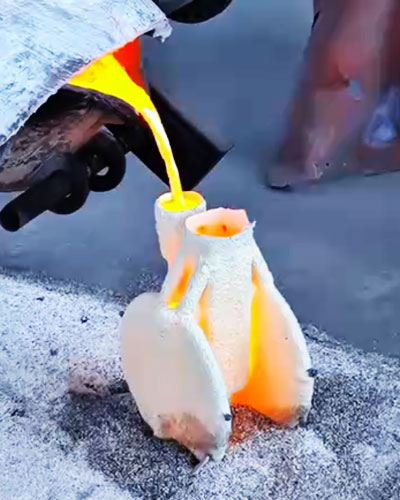
B'differenza mill-ikkastjar tar-ramel konvenzjonali, ikkastjar ta 'investiment jipproduċi forma kważi-net komponenti li jeħtieġu sinifikament inqas makkinar filwaqt li jżommu tolleranzi aktar stretti.
Dan il-proċess huwa partikolarment adattat għall-korpi tal-valvoli tal-farfett, diski, parentesi tal-immuntar, u partijiet strutturali oħra fejn il-preċiżjoni taffettwa direttament il-prestazzjoni tas-siġillar u l-affidabbiltà operattiva.
Ħarsa Ġenerali tal-Fluss tal-Proċess
| Stadju | Pass | Dettall ewlieni |
| 1 | Produzzjoni tal-mudell | Injezzjoni ta 'xama' f'die tal-metall ta 'preċiżjoni (għodda) forma tal-korp tal-valv li tirreplika. |
| 2 | Assemblaġġ tas-siġar | Mudelli multipli tax-xama' mwaħħla ma' sprue ċentrali (siġra). |
| 3 | Bini tal-qoxra | 6‑10 saffi ta' demel likwidu taċ-ċeramika (Sol tas-Silika) + stokk (żirkon/alumina). |
| 4 | Dewaxing | L-awtoklavi tal-fwar idub ix-xama '; jibqa’ qoxra. |
5 |
Sparar tal-qoxra | Maħmar f'900-1100°C biex issaħħaħ iċ-ċeramika u tneħħi l-volatili. |
| 6 | Tidwib tal-azzar tal-karbonju & tferrigħ | Induzzjoni jew tidwib bl-ark f'1550-1650°C; jitferra fil-qoxra msaħħna minn qabel. |
| 7 | Tkessiħ & knockout | Tkessiħ ikkontrollat; qoxra mneħħija bil-vibrazzjoni jew bil-ġett tal-ilma. |
| 8 | Qtugħ & irfinar | Gates u risers maqtugħin; tħin, Shot Blasting, Tumbling. |
| 9 | Trattament tas-sħana | Normalizzar jew iserrħu l-istress biex jinkisbu proprjetajiet speċifikati. |
| 10 | Spezzjoni & ittestjar | Viżwali, dimensjonali, Ndt (X-ray, żebgħa penetrant), test tal-pressjoni idrostatika. |
Kontrolli Kritiċi tal-Proċess għall-Korpi tal-Valvi tal-Azzar tal-Karbonju
| Fattur | Mira | Għaliex huwa importanti |
| Temperatura tat-tferrigħ | 1550-1650°C | Baxx wisq → ġiri ħażin; għoli wisq → erożjoni tal-qoxra, Porożità tal-gass. |
| Qoxra qabel is-sħana | 200-600°C | Jipprevjeni xokk termali; ittejjeb timla. |
| Rata tat-tkessiħ | Ikkontrollat (arja) | Tipprevjeni l-preċipitazzjoni tal-karbur; jiżgura toughness. |
| Disinn tal-gating | Tevita t-taqlib; jippromwovi solidifikazzjoni direzzjonali | Tnaqqas l-inklużjonijiet u l-porożità li tinxtorob. |
| Trattament tas-sħana | Normalizzanti (870‑930°C) jew serħan mill-istress (600-650°C) | Tikseb proprjetajiet mekkaniċi speċifikati; ittaffi l-istress residwu. |
Trattament tas-Sħana tal-Karbun Steel Valve Castings
| Trattament | Temperatura | Tkessiħ | Skop |
| Normalizzanti | 870‑930°C | Arja friska | Irfina l-istruttura tal-qamħ; itejjeb is-saħħa u l-ebusija. |
| Serħan mill-istress | 600-650°C | Forn jew kessaħ bl-arja | Inaqqas l-istress residwu mill-ikkastjar u l-iwweldjar. |
| Tkessiħ & ittemprar | 850‑900°C (quench) + 550-650°C (temperament) | Żejt jew ilma + arja | Iżid is-saħħa u l-ebusija (għal applikazzjonijiet ta' grad ogħla). |
5. Soluzzjonijiet ta 'Reżistenza għall-Korrużjoni u Protezzjoni tal-wiċċ
L-azzar tal-karbonju huwa apprezzat ħafna għas-saħħa għolja tiegħu, Makkinabilità eċċellenti, u kosteffikaċja. Madankollu, b'differenza mill-istainless steel, it ma jippossjedix reżistenza inerenti għall-korrużjoni.
Meta jkun espost għall-ossiġnu, umdità, imluħa, jew midja kimikament aggressiva, azzar tal-karbonju huwa suxxettibbli għall-ossidazzjoni, korrużjoni uniformi, Pitting, u l-korrużjoni tax-xquq.
Mingħajr protezzjoni xierqa, dawn il-mekkaniżmi ta 'korrużjoni jistgħu jnaqqsu gradwalment il-ħxuna tal-ħajt, ixekkel il-prestazzjoni tas-siġillar, iżżid it-torque operattiv, u fl-aħħar mill-aħħar tqassar il-ħajja tas-servizz tal-valv tal-farfett.
Fortunatament, avvanzi fl-inġinerija tal-wiċċ għamluha possibbli għall-valvoli tal-farfett tal-azzar tal-karbonju biex jiksbu durabilità fit-tul anke f'kundizzjonijiet ta 'servizz eżiġenti permezz tal-użu ta' kisjiet protettivi, finituri metalliċi, kisi, u strateġiji ta 'manutenzjoni xierqa.
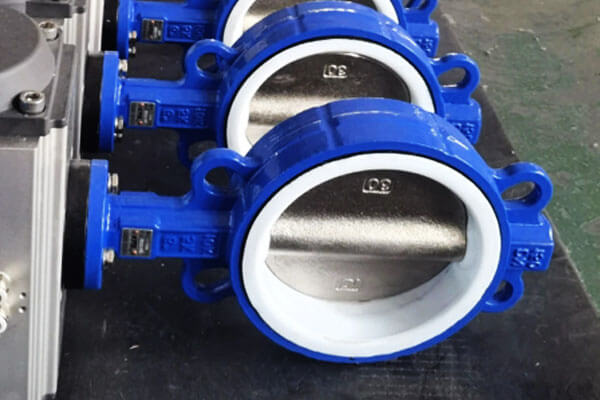
Metodi Komuni ta' Protezzjoni mill-Korrużjoni
Diversi teknoloġiji ta 'trattament tal-wiċċ huma disponibbli għall-valvoli tal-farfett tal-azzar tal-karbonju, kull wieħed joffri livelli differenti ta 'reżistenza għall-korrużjoni, Protezzjoni tal-ilbies, u l-effiċjenza ekonomika.
| Metodu ta' Protezzjoni | Deskrizzjoni tal-proċess | Ħxuna tipika tal-kisi (μm) | Ħajja tas-Servizz Stima* | Applikazzjonijiet tipiċi |
| Pittura Epossidika / Kisi Likwidu | Applikazzjoni ta 'bexx jew pinzell ta' żebgħa epoxy industrijali | 100–300 | 5–15-il sena | Valvi industrijali ġenerali, ilma, arja, HVAC |
| Kisi tat-Trab | Bexx ta 'trab elettrostatiku segwit minn ikkurar tal-forn | 60–120 | 10–20 sena | Ilma muniċipali, Tagħmir industrijali, installazzjonijiet fuq barra |
| Fużjoni Bonded Epoxy (Fbe) | Trab epossidiku elettrostatiku applikat fuq wiċċ ta 'l-azzar imsaħħan | 250–500 | 20–30 sena | Pipelines tal-ilma, pipelines midfuna, sistemi ta' protezzjoni min-nar |
| Galvanizzanti hot-dip | Immersjoni fiż-żingu imdewweb biex tifforma kisi metallurġiku taż-żingu | 50–100 | 20–40 sena | Strutturi ta' barra, faċilitajiet kostali, tagħmir tal-baħar |
| Electroplating (Żingu/Nikil) | Depożizzjoni elettrokimika ta' kisjiet metalliċi | 5–25 | 5–15-il sena | Qafliet, zkuk, protezzjoni dekorattiva jew ħafifa |
Fosfat |
Kisi ta 'konverżjoni kimika li tipproduċi saff ta' fosfat | 5–20 | 2–5 snin | Pretrattament qabel iż-żebgħa, protezzjoni temporanja kontra l-korrużjoni |
| Kisi jew Kisi PTFE/FEP | Inforra tal-fluworopolimeru applikata fuq uċuħ interni | 300–1000 | Jiddependi fuq il-kundizzjonijiet tas-servizz | Kimiċi korrużivi, aċidi, Alkali |
| Protezzjoni katodika | Anodi sagrifiċjali jew sistemi ta 'kurrent impressjonat | - | Dipendenti mid-disinn | Pajpijiet midfuna, valvi mgħaddsa |
| Konċessjoni għall-Korrużjoni | Ħxuna tal-ħajt addizzjonali inkorporata waqt id-disinn | 1–3 mm | Dipendenti mid-disinn | Pipelines industrijali fit-tul |
Nota: Il-ħajja tas-servizz attwali tvarja skont il-kundizzjonijiet ambjentali, kwalità tal-kisi, prattiċi ta' manutenzjoni, u t-temperatura operattiva.
Fost dawn il-metodi, Fużjoni Bonded Epoxy (Fbe) saret waħda mis-soluzzjonijiet l-aktar adottati għall-valvoli tal-farfett tal-azzar tal-karbonju fil-provvista tal-ilma muniċipali, Trattament tad-Drenaġġ, u l-infrastruttura tal-pipeline minħabba l-adeżjoni eċċellenti tagħha, Reżistenza kimika, u durabilità fit-tul.
Għażla tas-Sistema Approprjata għall-Protezzjoni tal-wiċċ
L-ebda sistema ta 'kisi waħda hija adattata għal kull ambjent operattiv.
L-għażla ta 'soluzzjoni ta' protezzjoni kontra l-korrużjoni għandha tkun ibbażata fuq valutazzjoni komprensiva tal-espożizzjoni ambjentali, karatteristiċi tal-midja, temperatura tas-servizz, xedd mekkaniku, u aċċessibilità għall-manutenzjoni.
Ir-rakkomandazzjonijiet li ġejjin jipprovdu gwida prattika għal xenarji ta' applikazzjoni komuni.
| Ambjent Operattiv | Protezzjoni tal-wiċċ Rakkomandata | Inġinerija Motivazzjoni |
| Ġewwa, Ambjenti niexfa | Żebgħa epoxy jew kisi tat-trab (100–150 μm) | Protezzjoni ekonomika kontra l-korrużjoni atmosferika |
| Barra, installazzjonijiet mhux kostali | Kisi epoxy ta 'bini għoli jew galvanizzar bis-sħana | Reżistenza eċċellenti għax-xita, umdità, u espożizzjoni għall-UV |
| Ambjenti kostali u tal-baħar | Hot-dip galvanizzar b'topcoat epoxy (sistema ta 'kisi duplex) | Iż-żingu jipprovdi protezzjoni tas-sagrifiċċju filwaqt li l-epossi jaġixxi bħala barriera kontra l-isprej tal-melħ |
| Provvista tal-ilma u trattament tad-drenaġġ | Intern u estern Fusion Bonded Epoxy (Fbe) Kisi | Reżistenza eċċellenti għall-ilma, kimiċi ħfief, u korrużjoni influwenzata mikrobijoloġikament |
Ipproċessar kimiku |
Kisi PTFE jew FEP; alternattivament, azzar li ma jissaddadx għal servizz sever | Il-kisi tal-fluworopolimeru jirreżistu aċidi aggressivi, Alkali, u solventi |
| Pajpijiet midfuna | Kisi FBE flimkien ma 'protezzjoni katodika | Tipprevjeni l-korrużjoni tal-ħamrija u testendi l-ħajja tas-servizz taħt l-art |
| Ambjenti ta 'brix għoli | Kisi taċ-ċeramika epoxy jew kisi polimeru reżistenti għall-ilbies | Ittejjeb kemm ir-reżistenza għall-korrużjoni kif ukoll għall-brix |
Strateġiji tad-Disinn għal Reżistenza Mtejba għall-Korrużjoni
Minbarra trattamenti tal-wiċċ, disinn ta 'inġinerija maħsub għandu rwol sinifikanti fit-titjib tar-reżistenza għall-korrużjoni tal-valvoli tal-farfett tal-azzar tal-karbonju.
Konsiderazzjonijiet ewlenin tad-disinn jinkludu:
- Żamma Ħxuna uniformi tal-ħajt biex timminimizza l-korrużjoni lokalizzata.
- Jeliminaw xquq fejn l-umdità u l-kontaminanti jistgħu jakkumulaw.
- Disinn ta 'passaġġi tal-fluss interni lixxi biex titnaqqas l-erożjoni-korrużjoni.
- Jinkorporaw raġġi ġenerużi biex tiġi evitata l-konċentrazzjoni tal-istress u t-tirqiq tal-kisi.
- Iżolament ta 'metalli differenti biex jipprevjenu l-korrużjoni galvanika.
- Li tippermetti biżżejjed konċessjoni ta 'korrużjoni f'applikazzjonijiet b'telf ta' materjal prevedibbli.
- Għażla ta 'materjali ta' siġillar kompatibbli u qfieli għall-ambjent tas-servizz.
6. Difetti Komuni Casting u Soluzzjonijiet ta 'Inġinerija
L-ikkastjar ta 'investiment huwa magħruf għall-produzzjoni ta' komponenti ta 'preċiżjoni għolja, iżda l-ebda proċess ta 'manifattura ma huwa kompletament immuni għad-difetti.
Varjazzjonijiet fid-disinn tal-moffa, kwalità tal-metall, Parametri li jferrgħu, kundizzjonijiet tat-tkessiħ, jew il-kontroll tal-proċess jista 'jwassal għal imperfezzjonijiet li jaffettwaw il-proprjetajiet mekkaniċi, eżattezza dimensjonali, u l-prestazzjoni tas-siġillar tal-komponenti tal-valv tal-farfett.
Il-fehim tal-kawżi ewlenin ta’ dawn id-difetti—u l-implimentazzjoni ta’ soluzzjonijiet ta’ inġinerija xierqa—huwa essenzjali biex tinkiseb kwalità konsistenti tal-prodott u jiġu minimizzati l-ispejjeż tal-produzzjoni.
| Difett | Firma viżwali/NDT | Kawża tal-għerq | Prevenzjoni / rimedju |
| Porożità tal-gass | Spazji interni tondi | Idroġenu/nitroġenu maħlul; Deossidazzjoni inadegwata. | Ħruq biex jiddewweb; ittejjeb il-prattika tat-tferrigħ; uża ċarġ nadif. |
| Jinxtorob il-porożità | Jagged, vojt interni irregolari | Tmigħ insuffiċjenti; disinn ta 'riser fqir. | Ottimizza gating/risering; uża tertir; jissimulaw solidifikazzjoni. |
| Tiċrit jaħraq | Xquq bi truf imqaxxra | Stress tat-tensjoni matul is-solidifikazzjoni finali; restrizzjoni tal-moffa. | Naqqas it-temperatura tat-tferrigħ; itejbu l-kollassabilità tal-qoxra. |
| Inklużjonijiet (ossidu/gagazza) | Partiċelli mhux metalliċi irregolari | Tferrigħ turbulenti; tidwib maħmuġ; qoxra mnaqqsa. | Filtri taċ-ċeramika; tferrigħ tal-qiegħ; ħlas nadif. |
Eġittu / magħluq kiesaħ |
Mili mhux komplut; wiċċ mitwi | Temperatura baxxa tat-tferrigħ; fluwidità fqira. | Żid it-temperatura tat-tferrigħ; itejbu gating. |
| Ħruxija tal-wiċċ / finning | Linji mgħollija fuq il-wiċċ | Qxur tal-qoxra waqt il-mili; qawwa baxxa tal-qoxra. | Żid il-ħxuna tal-qoxra; uża binder aktar b'saħħtu. |
| Devjazzjoni dimensjonali | Dimensjonijiet barra mit-tolleranza | Varjazzjoni ta 'jinxtorob tax-xama'; espansjoni tal-qoxra; die xedd. | Injezzjoni ta 'xama' ta 'kontroll; żomm il-kundizzjoni tad-die. |
Assigurazzjoni tal-Kwalità għall-Karbun Steel Valve Castings
| Element tal-QA | Metodu | Kriterji ta' aċċettazzjoni |
| Analiżi kimika | Spettrometrija | Jissodisfa l-ispeċifikazzjoni ASTM A216. |
| Ittestjar mekkaniku | Tensjoni, ebusija, impatt | Rendiment ≥250 MPa; Titwil ≥22%. |
| Ndt | Żebgħa penetrant (Pt) jew radjografija (RT) | Ebda xquq, porożità li taqbeż l-ispeċifikazzjoni. |
| Spezzjoni dimensjonali | Cmm, Gauges | Jissodisfa t-tolleranzi tat-tpinġija; flatness tal-wiċċ tal-ħanek. |
| Ittestjar tal-pressjoni | Idrostatiku (1.5× pressjoni nominali) | Ebda tnixxija; ebda deformazzjoni. |
| Finitura tal-wiċċ | Viżwali, profilometru | Ra ≤6.3 µm (jew kif speċifikat). |
7. Vantaġġi ta ' l-Investiment Casting Carbon Steel Butterfly Valve
| Vantaġġ | Spjegazzjoni |
| Ġeometriji kumplessi | Passaġġi tal-fluss interni, kustilji, flanġijiet, u karatteristiċi ta 'immuntar mitfugħa integralment. |
| Forma qrib nett | Inaqqas il-ħin tal-magni u l-iskart tal-materjal (85-95% rendiment tal-materjal). |
| Finitura tal-wiċċ eċċellenti | As-cast Ra 1.6-6.3 µm inaqqas ir-reżistenza tal-fluss u l-kwistjonijiet tas-siġillar. |
| Tolleranzi dimensjonali stretti | ±0.1-0.3 mm; jiżgura l-allinjament tal-flanġ u siġillar li ma jnixxix. |
| Proprjetajiet mekkaniċi konsistenti | Struttura uniformi tal-qamħ; saħħa u toughness affidabbli. |
| Flessibilità tal-liga | Casts WCB, WCC, LCB, LCC, WC6, WC9, u gradi tad-dwana. |
| Kost-effettività | Spiża totali aktar baxxa minn forġa + makkinar għal forom kumplessi. |
| Integrità tal-pressjoni | Ikkastjar tal-ħoss jiflaħ pressjonijiet għoljin (Klassi 150-600). |
| Weldabilità | Il-gradi tal-azzar tal-karbonju fondut huma faċilment iwweldjati għall-installazzjoni u t-tiswija. |
| Skalabbiltà | Adattat għal daqsijiet tal-lott minn 100 biex 10,000+ komponenti fis-sena. |
8. Applikazzjonijiet ta 'l-Industrija tal-Valvoli Butterfly ta' l-Azzar tal-Karbonju
Valvoli tal-farfett tal-azzar tal-karbonju manifatturati permezz tal-ikkastjar tal-investiment jintużaw ħafna f'industriji li jeħtieġu kontroll tal-fluss affidabbli, Qawwa mekkanika għolja, u operazzjoni kosteffettiva.
Il-kapaċità eċċellenti tagħhom li jġorru l-pressjoni, flimkien ma 'manifattura ta' preċiżjoni u trattamenti protettivi tal-wiċċ, jippermettilhom iwettqu b'mod effiċjenti f'firxa wiesgħa ta 'ambjenti ta' servizz.
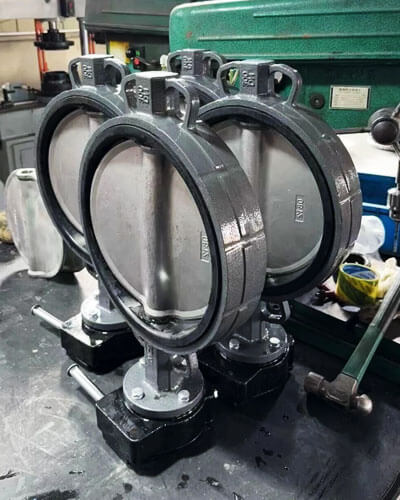
Industrija taż-Żejt u tal-Gass
Is-settur taż-żejt u l-gass ipoġġi wħud mill-ogħla talbiet fuq il-prestazzjoni tal-valv.
Valvoli tal-farfett huma komunement installati upstream, nofs in-nixxiegħa, u operazzjonijiet downstream fejn jirregolaw il-fluss taż-żejt mhux raffinat, gass naturali, prodotti raffinati, u fluwidi awżiljarji tal-proċess.
Applikazzjonijiet tipiċi jinkludu:
- Sistemi ta' trasport bil-pipeline
- Raffineriji taż-żejt
- Impjanti tal-ipproċessar tal-gass
- Terminali tal-ħażna
- Pjattaformi barra mill-kosta
- Stazzjonijiet tal-pompi
Provvista tal-Ilma u Trattament tal-Ilma Mormi
L-infrastruttura tal-ilma muniċipali tiddependi ħafna fuq valvi tal-farfett minħabba li jipprovdu kontroll tal-fluss ekonomiku għal pajpijiet ta 'dijametru kbir.
Applikazzjonijiet komuni jinkludu:
- Distribuzzjoni tal-ilma tax-xorb
- Pjanti tat-trattament tal-ilma
- Faċilitajiet għat-trattament tal-ilma mormi
- Stazzjonijiet tal-pompi
- Sistemi ta' irrigazzjoni
- Pjanti tad-desalinizzazzjoni
Industrija tal-Ipproċessar Kimiku
Il-faċilitajiet ta 'produzzjoni kimika jeħtieġu valvi li kapaċi jimmaniġġjaw varjetà wiesgħa ta' likwidi u gassijiet taħt kundizzjonijiet ikkontrollati.
Il-valvoli tal-farfett tal-azzar tal-karbonju huma adattati għal midja kemmxejn korrużiva meta mgħammra b'kisi jew kisi protettiv xieraq.
Applikazzjonijiet tipiċi jinkludu:
- Pipelines ta' trasferiment kimiku
- Tankijiet tal-Ħażna
- Sistemi tal-ilma li jkessaħ
- Pipelines ta' utilità
- Sistemi ta' mmaniġġjar tas-solvent
Skont il-mezz tal-proċess, diski tal-valvi u sedili jistgħu jkunu miksija b'PTFE jew materjali oħra reżistenti għall-korrużjoni.
Ġenerazzjoni tal-Enerġija
L-impjanti tal-enerġija joperaw taħt temperaturi u pressjonijiet għoljin, jeħtieġu prestazzjoni affidabbli tal-valv matul ċikli ta 'tħaddim kontinwi.
Il-valvoli tal-farfett huma komunement użati fi:
- Ċirkolazzjoni ta 'l-ilma li jkessaħ
- Sistemi ta' kondensatur
- Sistemi awżiljarji tal-bojler
- Desulfurizzazzjoni tal-gass taċ-ċumnija (FGD)
- Netwerks tal-protezzjoni min-nar
Minjieri u Ipproċessar Minerali
Operazzjonijiet tal-minjieri jittrasportaw slurries li joborxu, drenaġġ, u l-fluwidi tal-proċess li jagħmlu xedd konsiderevoli fuq it-tagħmir tal-pipeline.
Il-valvoli tal-farfett huma installati ta 'spiss:
- Sistemi tat-trasport tad-demel likwidu
- Pipelines tailings
- Impjanti tal-ipproċessar tal-minerali
- Sistemi ta' rkupru tal-ilma
- Sistemi ta' trażżin tat-trab
Industrija tal-Baħar u tal-Bini tal-Vapuri
Ambjenti tal-baħar jesponu t-tagħmir għall-umdità, sprej tal-melħ, u temperaturi li jvarjaw.
Applikazzjonijiet tipiċi jinkludu:
- Sistemi ta 'ilma ta' saborra
- Ċirkwiti tal-ilma li jkessaħ
- Sistemi tas-sentina
- Linji tat-trasferiment tal-fjuwil
- Sistemi ta' protezzjoni min-nar
Servizzi tal-HVAC u tal-Bini
Bini kummerċjali u faċilitajiet industrijali jutilizzaw valvi tal-farfett għat-tisħin, ventilazzjoni, u sistemi ta’ arja kondizzjonata.
L-applikazzjonijiet jinkludu:
- Sistemi ta' ilma mkessaħ
- Ċirkolazzjoni ta 'ilma sħun
- Torrijiet tat-Tkessiħ
- Tisħin distrettwali
- Sistemi ta' bexxiexa tan-nar
Ikel u Utilitajiet Industrijali Ġenerali
Għalkemm l-istainless steel huwa ġeneralment preferut għal proċessi iġjeniċi, Il-valvoli tal-farfett tal-azzar tal-karbonju jintużaw ħafna f'sistemi ta 'utilità li jservu faċilitajiet ta' ikel u xorb.
Applikazzjonijiet tipiċi jinkludu:
- Distribuzzjoni tal-fwar
- Ilma li jkessaħ
- Arja kkompressata
- Pipelines ta' utilità
- Ilma tal-proċess mhux tal-prodott
9. Azzar tal-karbonju vs.. Valv tal-farfett tal-istainless steel
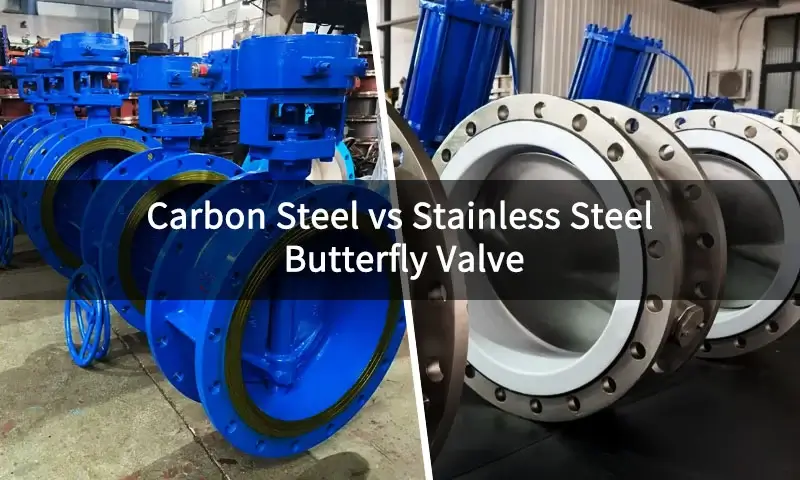
Għażla bejn a azzar tal-karbonju u a valv tal-farfett tal-istainless steel teħtieġ evalwazzjoni aktar minn sempliċiment il-prezz tax-xiri inizjali.
L-inġiniera għandhom jikkunsidraw il-prestazzjoni mekkanika, Reżistenza għall-korrużjoni, ambjent operattiv, rekwiżiti ta’ manutenzjoni, Spiża taċ-ċiklu tal-ħajja, u konformità mal-istandards tal-industrija.
| Fattur ta' Tqabbil | Valv tal-farfett tal-azzar tal-karbonju | Valv tal-farfett tal-istainless steel |
| Gradi ta' Materjal Komuni | ASTM A216 WCB, WCC, LCB, LCC | ASTM A351 CF8, Cf8m, CF3, Cf3m |
| Qawwa mekkanika | Saħħa u riġidità eċċellenti; ideali għal medju- u sistemi ta' pressjoni għolja | Qawwa għolja b'ebusija eċċellenti; saħħa ta 'rendiment kemmxejn aktar baxxa għal xi gradi awstenitiċi |
| Reżistenza għall-korrużjoni | Moderat; teħtieġ kisjiet jew kisi protettivi biex jipprevjenu s-sadid | Reżistenza għall-korrużjoni inerenti pendenti minħabba film passiv b'ħafna kromju |
| Kapaċità tat-temperatura | Adattat għal madwar -46°C sa 425°C (gradi speċjali disponibbli għal temperaturi ogħla) | Adattat kemm għal servizz krijoġeniku kif ukoll għal temperaturi elevati, skond il-grad tal-liga |
| Prestazzjoni tal-Pressjoni | Kapaċità eċċellenti li ġġorr il-pressjoni għal sistemi ta 'pajpijiet industrijali | Kapaċità ta 'pressjoni komparabbli meta ddisinjata għall-istess standards |
Rekwiżiti tal-Protezzjoni tal-wiċċ |
Kisi epossidiku, Fbe, galvanizzazzjoni, Kisi PTFE, jew trattamenti protettivi oħra huma ġeneralment meħtieġa | Normalment l-ebda kisi estern meħtieġ ħlief għal kundizzjonijiet estetiċi jew speċjali ta 'servizz |
| Reżistenza għall-ilbies u l-brix | Eċċellenti wara t-trattament tas-sħana; addattat għall-midja industrijali li joborxu | Reżistenza tajba għall-ilbies; jistgħu jeħtieġu hard-facing f'applikazzjonijiet severi tal-brix |
| Weldabilità | Tajjeb (speċjalment il-WCC); jistgħu jeħtieġu trattament tas-sħana wara l-iwweldjar skond il-ħxuna | Weldability eċċellenti bi trattament minimu ta 'wara l-iwweldjar għal ħafna gradi |
| Makkinabilità | Makkinabilità aħjar; xedd aktar baxx tal-għodda u veloċitajiet tal-magni aktar mgħaġġla | Aktar diffiċli għall-magna minħabba tendenza ogħla ta 'twebbis tax-xogħol |
| Spiża tal-Manifattura | Tbaxxi l-ispejjeż tal-materja prima u l-ipproċessar | Materjal ogħla u spejjeż tal-magni |
| Rekwiżiti ta 'manutenzjoni | Spezzjoni perjodika tal-kisi u manutenzjoni tal-korrużjoni meħtieġa | Manutenzjoni aktar baxxa f'ambjenti korrużivi minħabba wiċċ li jippassiva waħdu |
Ħajja tas-servizz mistennija |
Ħajja ta 'servizz twila b'kisja u manutenzjoni xierqa | Ħajja ta 'servizz twila ħafna, speċjalment f'ambjenti korrużivi jew tal-baħar |
| Applikazzjonijiet tipiċi | Żejt & gass, trattament tal-ilma, HVAC, Ġenerazzjoni tal-Enerġija, Minjieri, infrastruttura muniċipali | Ipproċessar kimiku, Inġinerija tal-Baħar, Farmaċewtiku, ikel & xorb, desalinizzazzjoni, pjattaformi barra mill-kosta |
| Vantaġġi primarji | Saħħa għolja, Ekonomiku, reżistenza eċċellenti għall-pressjoni, ideali għal valvi b'dijametru kbir | Reżistenza superjuri għall-korrużjoni, Iġjeniku, Manutenzjoni baxxa, durabilità eċċellenti |
| Limitazzjonijiet Primarji | Suxxettibbli għall-korrużjoni mingħajr trattament protettiv | Investiment inizjali ogħla u spiża tal-magni |
| L-Aħjar Xenarju tal-Għażla | Proġetti sensittivi għall-ispiża b'midja mhux korrużiva jew ħafifa korrużiva | Korrużiv ħafna, sanitarju, SICH-KLORIDE, jew ambjenti kritiċi għall-manutenzjoni |
| Prestazzjoni tal-Ispejjeż Ġenerali | Investiment inizjali aktar baxx u valur eċċellenti għal servizz industrijali ġenerali | Spiża inizjali ogħla iżda manutenzjoni aktar baxxa u ċiklu tal-ħajja itwal f'applikazzjonijiet korrużivi |
10. Konklużjoni
Hekk kif is-sistemi industrijali jkomplu jevolvu lejn effiċjenza ogħla, affidabilità akbar, u spejjeż aktar baxxi taċ-ċiklu tal-ħajja, id-domanda għal tagħmir ta 'kontroll tal-fluss ta' inġinerija ta 'preċiżjoni qatt ma kienet akbar.
Fost il-ħafna teknoloġiji tal-manifattura tal-valvi disponibbli llum, ikkastjar ta 'investiment stabbilixxa ruħu bħala wieħed mill-aktar proċessi avvanzati u affidabbli għall-produzzjoni ta' valvi tal-farfett ta 'l-azzar tal-karbonju ta' kwalità għolja.
Il-kapaċità tagħha li timmanifattura komponenti kumplessi bi preċiżjoni dimensjonali eċċezzjonali, Finitura tal-wiċċ superjuri, u proprjetajiet metallurġiċi konsistenti jipprovdu vantaġġ kompetittiv sinifikanti fuq metodi ta 'ikkastjar konvenzjonali.
Inħarsu 'l quddiem, teknoloġiji emerġenti—inkluża l-Industrija 4.0, Intelliġenza artifiċjali (Ai), Internet Industrijali tal-Oġġetti (Iiot), Awtomazzjoni robotika, Tewmin diġitali, u monitoraġġ tal-proċess f'ħin reali—huma mistennija li jkomplu jittrasformaw l-industrija tal-ikkastjar tal-investiment.
Hekk kif l-industriji jkomplu jitolbu prestazzjoni ogħla, ħajja itwal, u spiża aktar baxxa, valvoli tal-azzar tal-karbonju fondut b'investiment—bid-disinn robust tagħhom u l-manifattura preċiża—se jibqgħu soluzzjoni kritika għall-kontroll tal-fluss.
Valv tal-farfett tal-azzar tal-karbonju tad-dwana minn LangHe Foundry
Langhe Foundry tispeċjalizza fil-manifattura tad-dwana ta 'komponenti tal-valv tal-farfett tal-azzar tal-karbonju fondut b'investiment, li joffru soluzzjonijiet integrati minn disinn ta 'inġinerija u ikkastjar ta' preċiżjoni għal magni CNC, trattament tas-sħana, Irfinar tal-wiċċ, u spezzjoni tal-kwalità.
Kemm jekk għaż-żejt u l-gass, trattament tal-ilma, Ġenerazzjoni tal-Enerġija, Ipproċessar kimiku, Minjieri, Inġinerija tal-Baħar, jew sistemi ta' pajpijiet industrijali ġenerali,
LangHe Foundry tipprovdi soluzzjonijiet personalizzati għall-ikkastjar tal-valv tal-farfett iddisinjati biex jissodisfaw standards internazzjonali u rekwiżiti tekniċi speċifiċi għall-klijent.
Il-kombinazzjoni tagħha ta 'għarfien espert ta' inġinerija, Manifattura ta 'Preċiżjoni, u kontroll strett tal-kwalità jagħmel lil LangHe sieħeb affidabbli għall-OEMs, manifatturi tal-valvi, u fornituri ta 'tagħmir industrijali li jfittxu durabbli, komponenti tal-valv tal-farfett tal-azzar tal-karbonju ta 'prestazzjoni għolja.
FAQs
X'inhu l-aktar grad komuni ta 'azzar tal-karbonju għall-korpi tal-valvoli tal-farfett?
WCB (ASTM A216) huwa l-aktar grad komuni għal korpi ta' valvola farfett għal skopijiet ġenerali, li joffru saħħa tajba (≥485 MPa tat-tensjoni), weldabilità, u l-ekonomija.
X'inhi d-differenza bejn il-valvi tal-wejfer u tal-lug-style?
Il-valvoli ta' l-istil tal-wejfer huma rqaq u kklampjati bejn il-flanġi; ma jistgħux jintużaw bħala valvi tat-tmiem tal-linja.
Il-valvoli ta’ l-istil tal-lug għandhom inserzjonijiet bil-kamin u jistgħu jiġu mbarrati fuq naħa waħda tal-pajp għal servizz ta’ tmiem il-linja.
Valvoli tal-farfett tal-azzar tal-karbonju jistgħu jiġu wweldjati fil-qasam?
IVA, Il-gradi WCB u WCC jistgħu jiġu ssaldjati faċilment. Tisħin minn qabel (100-150°C) u trattament bis-sħana wara l-weldjatura huma rakkomandati għal sezzjonijiet ħoxnin.
Għaliex huwa l-ikkastjar ta 'investiment preferut fuq l-ikkastjar tar-ramel għall-valvoli tal-farfett tal-azzar tal-karbonju?
L-ikkastjar ta 'investiment joffri preċiżjoni dimensjonali ferm ogħla, finituri tal-wiċċ lixx, u tolleranzi ta 'manifattura aktar stretti minn ikkastjar tar-ramel tradizzjonali.
Minħabba li l-komponenti huma prodotti f'forma kważi netta, inqas makkinar huwa meħtieġ, it-tnaqqis tal-ħin tal-produzzjoni u l-iskart tal-materjal.
Barra minn hekk, ikkastjar ta 'investiment jipproduċi mikrostruttura aktar uniformi b'inqas difetti interni, li jirriżulta f'saħħa mekkanika mtejba, Prestazzjoni tas-siġillar, u l-konsistenza tal-prodott.
Dawn il-vantaġġi jagħmluha partikolarment adattata għal komponenti tal-valv tal-farfett li jeħtieġu uċuħ ta 'tgħammir ta' preċiżjoni u tħaddim affidabbli fit-tul.