1. Introduzzjoni
"Sadid aħmar" fuq l-istainless steel spiss jiġi żbaljat għal difett purament kosmetiku, iżda f'ħafna sistemi industrijali hija ħafna aktar minn tebgħa tal-wiċċ.
Fl-utilitajiet farmaċewtiċi, Tagħmir għall-ipproċessar tal-ikel, linji ta ' l-ilma ultrapur semikondutturi, u netwerks tal-fwar ta 'purità għolja,
id-dehra ta 'kulur aħmar kannella tista' tindika tkissir tal-passivazzjoni, kontaminazzjoni tal-ħadid, jew proċessi ta' korrużjoni fi stadju bikri li jistgħu jikkompromettu l-integrità tas-sistema.
B'differenza sadid ordinarju fuq l-azzar tal-karbonju, is-sadid aħmar tal-istainless steel ġeneralment jiżviluppa taħt kundizzjonijiet operattivi speċifiċi aktar milli permezz ta 'korrużjoni bl-ingrossa uniformi.
Għalhekk huwa mifhum l-aħjar bħala sinjal dijanjostiku: meta jidher sadid aħmar, spiss jiżvela nuqqas ta 'qbil bejn l-għażla tal-materjal, kundizzjoni tal-wiċċ, kimika tal-proċess, u kontroll operattiv.
F'sistemi ta 'purità għolja, dak in-nuqqas ta' qbil jista' jwassal mhux biss għal difetti estetiċi, iżda wkoll għall-kontaminazzjoni tal-prodott, tħassib regolatorju, ħajja tas-servizz imnaqqsa, u spejjeż ogħla ta 'manutenzjoni.
2. Xi tfisser sadid aħmar fuq Stainless Steel
Azzar li ma jissaddadx għandu r-reżistenza għall-korrużjoni tiegħu għal irqiq, film passiv li jfejjaq lilu nnifsu b'ħafna kromju li jifforma b'mod naturali fuq il-wiċċ.
Taħt kundizzjonijiet normali, dan il-film jiżola l-metall sottostanti mill-ambjent u jrażżan ossidazzjoni sinifikanti tal-ħadid.
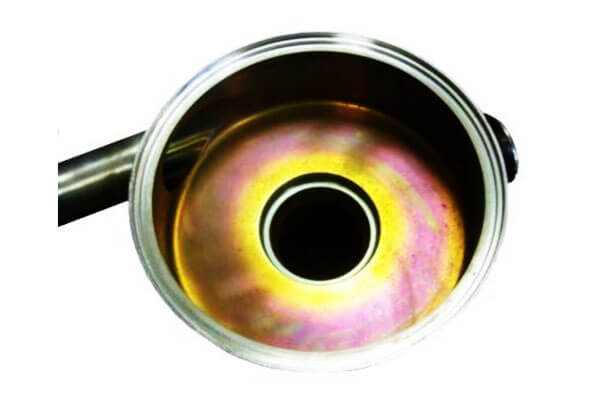
Is-sadid aħmar jidher meta dak is-saff passiv jiddgħajjef, imħarbat, jew mibdula kimikament.
Ladarba l-film protettiv jitlef l-istabbiltà, ħadid mir-reġjun tal-wiċċ jew qrib il-wiċċ jista 'jemigra 'l barra u jossidizza.
L-ossidi u l-idrossidi tal-ħadid li jirriżultaw jistgħu jidhru bħala ħomor, oranġjo, kannella, kannella skur, jew anke films vjola-iswed skond l-istat ta 'ossidazzjoni, kimika lokali, temperatura, u l-istorja tal-espożizzjoni.
Fi kliem ieħor, sadid aħmar mhuwiex fenomenu wieħed.
Hija familja ta 'manifestazzjonijiet tal-wiċċ marbuta mad-degradazzjoni tal-film passiv, arrikkiment tal-ħadid, kontaminazzjoni esterna, jew imġieba ta 'ossidazzjoni f'temperatura għolja.
3. Sadid Aħmar Mhuwiex L-Istess bħal Sadid Ordinarju
Huwa importanti li tiddistingwi s-sadid aħmar tal-istainless steel mid-sadid klassiku tal-azzar tal-karbonju.
Fuq l-azzar tal-karbonju, il-korrużjoni hija tipikament attakk dirett u progressiv fuq il-materjal tal-massa.
Il-ħadid huwa ossidizzat, ossidi tal-ħadid idrati jakkumulaw, u s-sottostrat jirqaq gradwalment, fosos, skali, u spalls. Il-proċess huwa distruttiv u awto-propagazzjoni:
Fe → Fe²⁺ → Fe(Oh)₂ → Fe(Oh)₃ → prodotti tas-sadid
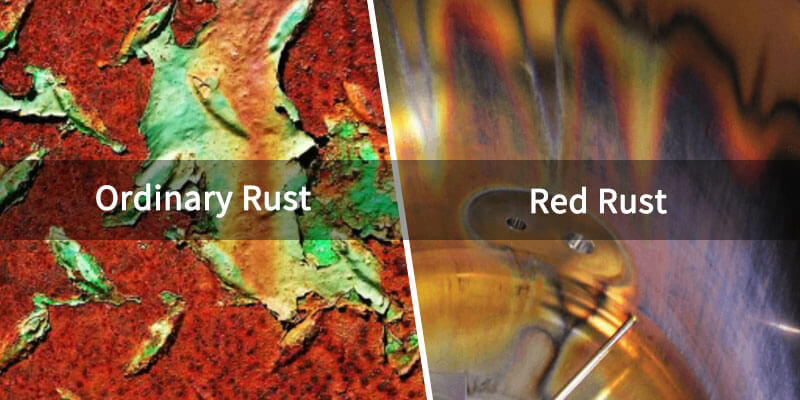
Fuq l-istainless steel, Madankollu, il-liga bażi mhix suppost tissaddad b'dan il-mod taħt kundizzjonijiet normali ta 'servizz.
Is-sadid aħmar spiss jibda b'tfixkil fil-livell tal-wiċċ: kontaminazzjoni, tindif ħażin, passivazzjoni mhux xierqa, kimika tal-ilma aggressiva, jew espożizzjoni termali.
Is-sottostrat jista' jibqa' intatt fil-bidu, iżda d-dehra tas-sadid tindika li l-ekwilibriju protettiv ġie mfixkel.
Dik id-distinzjoni hija importanti għaliex ir-rispons korrett mhuwiex sempliċement “neħħi t-tebgħa.” Il-kompitu reali huwa li tidentifika għaliex il-film passiv falla u jipprevjeni rikorrenza.
4. Forom Prinċipali ta 'Sadid Aħmar Stainless Steel
Minn perspettiva ta 'inġinerija, is-sadid aħmar tal-istainless steel m'għandux jiġi ttrattat bħala difett uniformi wieħed.
Id-dehra tiegħu, adeżjoni, u l-oriġini jvarjaw b'mod sinifikanti skont is-sors tal-kontaminazzjoni, kundizzjoni tal-wiċċ, u l-ambjent tas-servizz.
Tip I Red Rust: Sadid Indott minn Kontaminazzjoni Esterna
Is-sadid aħmar tat-Tip I tipikament jidher bħala depożitu tal-wiċċ aħmar jgħajjat jew oranġjo ħamrani.
Huwa kkawżat minn kontaminazzjoni esterna tal-ħadid aktar milli korrużjoni vera tas-sottostrat tal-istainless steel.
Sorsi komuni jinkludu partiċelli tal-ħadid li jżommu f'wiċċ l-ilma, trab tal-azzar tal-karbonju, residwu tat-tħin, kontaminazzjoni tat-trasferiment tal-għodda, u impuritajiet metalliċi barranin oħra li jaderixxu mal-wiċċ tal-istainless steel u sussegwentement jossidaw.
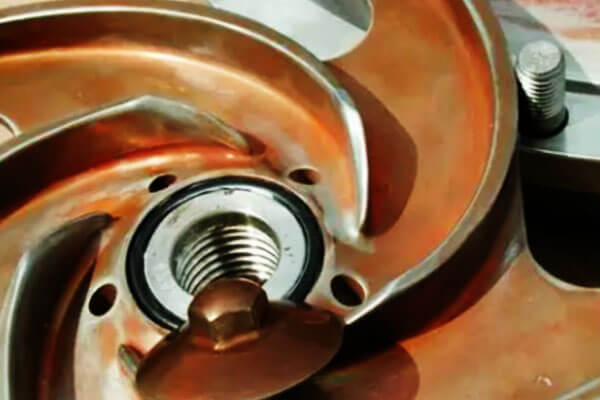
Dan it-tip ta 'sadid huwa normalment imwaħħla b'mod laxk u ħafna drabi jistgħu jitneħħew permezz ta 'tindif ordinarju, timsaħ, jew trattament mekkaniku ħafif.
Importanti, il-film passiv tal-istainless steel u l-metall bażiku ġeneralment għadhom intatti, li jfisser li ma seħħet l-ebda korrużjoni sinifikanti in-situ.
F'termini prattiċi, Is-sadid tat-tip I huwa l-aħjar mifhum bħala a problema ta 'kontaminazzjoni tal-wiċċ aktar milli problema ta’ degradazzjoni materjali.
Anke hekk, f'sistemi ta' purità għolja jew iġjeniċi, jibqa' tħassib serju dwar il-kwalità għaliex jindika fabbrikazzjoni insuffiċjenti jew kontroll tal-immaniġġjar.
Sadid Aħmar tat-Tip II: Sadid ta' Preċipitazzjoni In-Situ
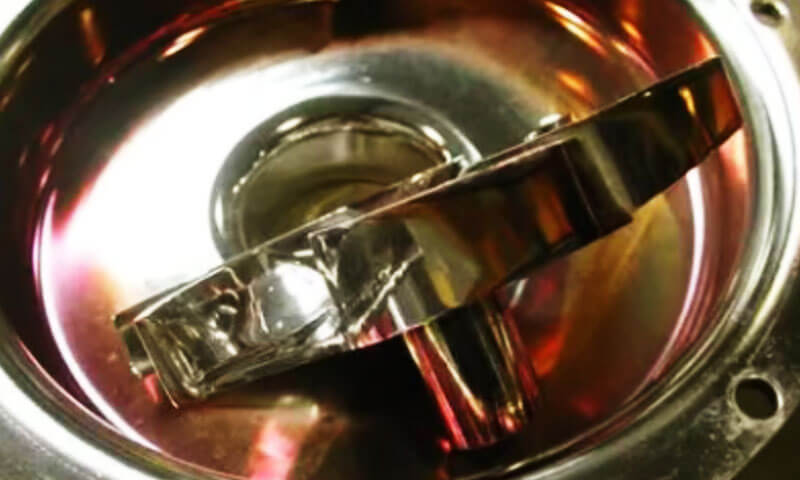
Tip II sadid aħmar normalment jippreżenta bħala kulur kannella skur jew iswed u huwa assoċjat ma ' preċipitazzjoni fil-post fuq il-wiċċ tal-istainless steel.
Huwa osservat l-aktar b'mod komuni f'sistemi ta 'ċirkolazzjoni ta' ilma ultrapur fit-tul, jew f'tagħmir fejn il-passivazzjoni ma kinitx kompluta, irregolari, jew degradati maż-żmien.
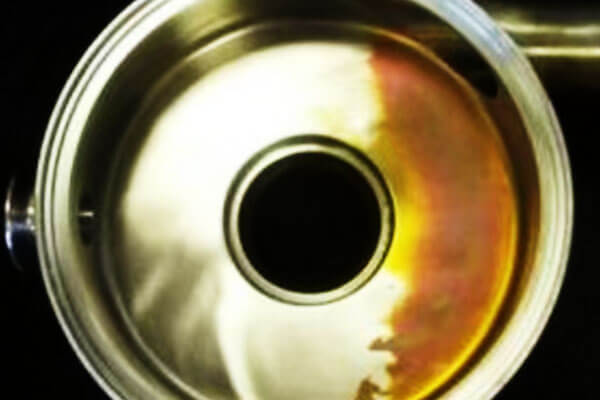
F'dan il-każ, il-film passiv b'ħafna kromju huwa rqiq wisq, difettuż, jew kimikament instabbli biex irażżan bis-sħiħ il-migrazzjoni tal-ħadid mill-matriċi tal-istainless steel.
Bħala riżultat, speċi li fihom il-ħadid jisseparaw lokalment, jossidizza fil-wiċċ, u jiffurmaw saff ta 'ossidu aktar stabbli u li jaderixxi b'mod qawwi.
B'differenza Tip I sadid, din il-formola ma tistax titneħħa sempliċement billi timsaħ, għaliex mhix biss kontaminazzjoni depożitata; hija marbuta ma 'falliment tal-film passiv ta' stadju bikri u attivazzjoni tal-wiċċ.
Mil-lat ta' inġinerija, Is-sadid tat-Tip II huwa aktar sinifikanti mit-Tip I għaliex jissuġġerixxi li l-wiċċ tal-materjal m'għadux protett għal kollox.
Ħafna drabi huwa sinjal ta 'twissija bikrija ta' riskju ta 'korrużjoni lokalizzat, deterjorazzjoni tal-wiċċ, jew kontroll inadegwat tal-kimika tal-proċess.
Sadid Aħmar tat-Tip III: Sadid Indott mill-Fwar b'Temperatura Għolja
Tip III sadid aħmar jidher bħala vjola skur, kannella skur, jew kulur ossidu iswed u tifforma speċifikament fi ambjenti tal-fwar nadif b'temperatura għolja.
Taħt temperatura u pressjoni elevati, il-kompożizzjoni u l-istruttura tal-film passiv jinbidlu sostanzjalment.
Is-saff protettiv b'ħafna kromju jitlef l-istabbiltà, u l-bilanċ tal-ħadid għall-kromju fil-wiċċ jinbidel b'mod li jiffavorixxi l-ġenerazzjoni ta 'ossidi tal-ħadid, speċjalment manjetita (Fe₃o₄).
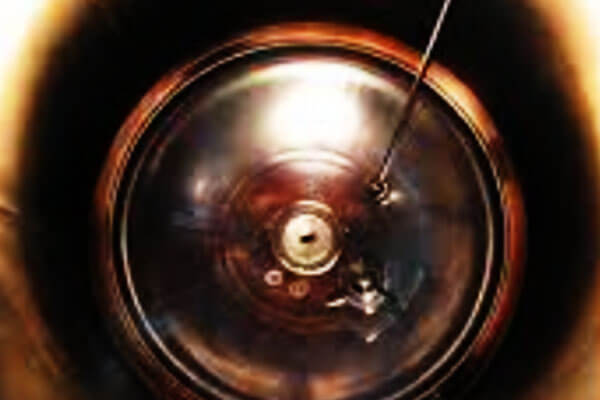
Din il-forma ta 'sadid hija tipikament densa, aderenti bis-sħiħ, u ħafna aktar diffiċli biex jitneħħew mill-ewwel żewġ tipi.
Ħafna drabi tindika ħsara aktar serja lill-film passiv u tista 'tkun akkumpanjata minn ħruxija tal-wiċċ, ħoxna, jew l-iżvilupp inizjali tal-korrużjoni tal-pitting.
Fost it-tliet kategoriji, Tip III jirrappreżenta l- l-ogħla livell ta’ riskju, minħabba li tirrifletti kemm stress ambjentali sever kif ukoll telf aktar profond ta 'protezzjoni tal-wiċċ.
5. Kundizzjonijiet tax-Xogħol ta' Riskju Għoli għall-Ġenerazzjoni tas-Sadid Aħmar
Is-sadid aħmar ta 'l-istainless steel huwa kkonċentrat ħafna f'purità għolja, temperatura għolja, sterili, u sistemi industrijali b'livell baxx ta' ossiġnu maħlul, fejn l-istabbiltà tal-film passiv tal-kromju hija estremament vulnerabbli għall-qerda.
Sistemi tal-Ilma Farmaċewtiċi u Bijofarmaċewtiċi
Ilma għall-injezzjoni (WFI) u sistemi tal-fwar nadif jeħtieġu indafa u sterilità ultra-għolja.
L-għorik fit-tul b'ilma ta 'purità għolja u fwar ċikliku b'temperatura għolja kontinwament jonqos il-film passiv.
Skolorazzjoni ħafifa tas-sadid aħmar se tikser direttament l-istandards GMP, li tikkawża kontaminazzjoni medji u riskji ta' konformità tal-produzzjoni.
Linji ta' Produzzjoni ta' Ikel u Xorb
CIP frekwenti (Tindif fil-post) tindif ċikliku u kuntatt intermittenti ma 'aġenti tat-tindif aċidużi gradwalment jissaddad il-film passiv ta' l-istainless steel.
Il-ħsara tal-film lokali tħaffef il-preċipitazzjoni tal-ħadid u l-adeżjoni tas-sadid aħmar, li jaffettwaw is-sikurezza tal-ikel u l-purità tal-prodott.
Semikondutturi Ultra-Pure Water Pipelines
L-ilma ultra-pur għandu kapaċità qawwija ta 'dissoluzzjoni u estrazzjoni tal-joni b'kontenut ta' joni kważi żero.
Huwa kontinwament jinħall u strixxi l-film passiv tal-kromju, ħolqien ta 'ambjent fqir fl-ossiġnu li jfixkel l-awto-tiswija tal-film passiv, taċċellera ħafna n-nukleazzjoni u t-tkabbir tas-sadid aħmar.
Sistemi ta 'Utilità Industrijali ta' Purità Għolja
Loops li jiċċirkolaw f'temperatura għolja bħall-ilma tal-għalf tal-bojler u l-kondensat tal-fwar fl-industriji tal-enerġija u kimiċi joperaw taħt kundizzjonijiet fit-tul ta 'temperatura għolja.
L-istress termali u l-għorik medju jiksru l-bilanċ dinamiku tal-passivazzjoni u t-tiswija tal-film passiv, isir xenarju tipiku ta' inċidenza għolja għas-sadid aħmar tat-Tip III.
6. Riskji Potenzjali u Perikli ta' Difetti tas-Sadid Aħmar
Is-sadid aħmar mhuwiex biss difett viżwali. F'sistemi industrijali high-end, toħloq riskji f'saffi li jinvolvu kontaminazzjoni, konformità, degradazzjoni tal-prestazzjoni, u l-ispiża operattiva.
Prodott u Riskju Medju ta' Kontaminazzjoni
Wieħed mill-aktar perikli immedjati huwa l-kontaminazzjoni tal-mezz tax-xogħol.
Partiċelli ta 'ossidu sfużi jew speċi ta' ħadid maħlul jistgħu jidħlu fl-ilma ta 'purità għolja, fluwidi farmaċewtiċi, Soluzzjonijiet tat-tindif, jew midja tal-proċess tas-semikondutturi.
Anke traċċi ta' kontaminazzjoni tista' tagħmel lott mhux konformi, tnaqqas ir-rendiment tal-proċess, jew tikkomprometti l-kwalità tal-prodott downstream.
Riskju Regolatorju u ta' Konformità
Is-sadid aħmar viżibbli fuq l-uċuħ tal-istainless steel ħafna drabi huwa inaċċettabbli f'ambjenti regolati.
Fil-farmaċewtika, bijofarmaċewtiċi, ikel, u faċilitajiet tas-semikondutturi, difetti bħal dawn jistgħu jwasslu għal sejbiet ta' spezzjoni, Nuqqas ta' konformità tal-GMP, talbiet għal azzjoni korrettiva, interruzzjoni tal-produzzjoni, jew dewmien tal-proġett.
F'dawn is-setturi, il-kundizzjoni tal-wiċċ mhix biss kwistjoni ta 'inġinerija iżda wkoll kwistjoni ta' konformità.
Riskju Progressiv ta' Korrużjoni
Jekk jitħalla mhux ittrattat, sadid aħmar jista 'jevolvi minn depożizzjoni superfiċjali għal forom aktar serji ta' korrużjoni lokalizzata, inkluża l-korrużjoni tal-pitting u tal-xquq.
Ladarba l-ħruxija tal-wiċċ tiżdied u l-film passiv jibqa 'instabbli, id-degradazzjoni tista' taċċellera.
Dan jista 'jqassar il-ħajja tas-servizz, tnaqqas il-prestazzjoni tal-indafa, u tagħmel ħsara lill-affidabbiltà fit-tul tat-tagħmir.
Żieda fl-Ispejjeż tal-Operazzjoni u l-Manutenzjoni
Tindif ripetut, repassivazzjoni, tiswija lokalizzata, u s-sostituzzjoni parzjali kollha jżidu l-ispiża taċ-ċiklu tal-ħajja. Fil-prattika, il-piż finanzjarju ħafna drabi jkun ħafna akbar mid-difett viżibbli innifsu.
Is-sadid aħmar għalhekk jista 'jsir multiplikatur tal-manutenzjoni, speċjalment f'sistemi fejn l-għeluq huma għaljin jew il-kontinwità tal-produzzjoni hija kritika.
7. Mekkaniżmu ta' Formazzjoni Fil-Fond ta' Sadid Aħmar ta' l-Azzar li ma jsaddadx
Ir-reżistenza għall-korrużjoni ta 'l-istainless steel tiddependi fuq a film passiv dens arrikkit bil-kromju b'kapaċità ta 'awto-tiswija. Taħt kundizzjonijiet atmosferiċi normali, dan il-film jifforma spontanjament u jista 'jirrestawra lilu nnifsu wara ħsara minuri.
Madankollu, f'sistemi ta 'ilma ta' purità għolja u ambjenti industrijali speċjalizzati oħra, dak il-bilanċ dinamiku jiġi mfixkel.
L-ilma ultra-pur għandu tendenza qawwija ta 'xoljiment tal-jone.
Minħabba li fih ftit speċi maħlula, tista 'tħoll kontinwament l-ossidu tal-kromju mill-film passiv, gradwalment traqqaq is-saff protettiv u l-ħolqien ta 'punti ta' qsim lokali.
Ladarba l-wiċċ jitlef passivazzjoni sħiħa, din tiċċaqlaq minn stat passiv stabbli għal stat tal-wiċċ attiv.
F'dan l-istadju, il-kromju u n-nikil jistgħu jinħallu fil-medju b'mod relattivament stabbli, filwaqt li l-ħadid huwa aktar probabbli li jemigra, preċipitat, u jossidizza fuq il-wiċċ attivat.
Matul passivazzjoni sekondarja mhux kompluta, speċi tal-ħadid jistgħu idrolizzaw u jiffurmaw idrossidi tal-ħadid, li mbagħad jiġu ossidizzati aktar f'depożiti ta' ossidu ferriku.
Dawn id-depożiti jakkumulaw bħala s-saff aħmar viżibbli tas-sadid.
Il-kulur li jirriżulta mhux dejjem ikun uniformi. Ċikli ripetuti ta 'tqassim tal-film, irkupru parzjali, u attakk imġedded jista 'jipproduċi spettru ta' sfumaturi, minn aħmar jgħajjat-oranġjo għal kannella skur jew iswed.
Din il-varjazzjoni tal-kulur tirrifletti differenzi fil-kompożizzjoni tal-ossidu, stat ta 'ossidazzjoni, storja tat-temperatura, u l-ambjent tas-servizz.
Minbarra l-falliment tal-film immexxi minn medju, fatturi kimiċi esterni jistgħu jintensifikaw il-formazzjoni tas-sadid aħmar.
Pereżempju, bikarbonat tal-ħadid użat f'xi proċessi ta 'trattib tal-ilma jista' jgħaddi minn idroliżi u ossidazzjoni, li jiġġeneraw idrossidi tal-ħadid u depożiti ta' ossidu ferriku.
Bl-istess mod, id-dijossidu tal-karbonju maħlul jista 'jbaxxi l-pH lokali, iddgħajjef l-istabbiltà tal-film passiv, u tippromwovi n-nukleazzjoni u l-akkumulazzjoni tas-sadid f'sistemi ta 'ilma ultrapur.
F'dan is-sens, sadid aħmar huwa r-riżultat viżibbli ta 'proċess akkoppjat li jinvolvi deterjorazzjoni tal-film passiv, migrazzjoni tal-ħadid, ossidazzjoni tal-wiċċ, u l-kimika ambjentali.
8. Miżuri Komprensivi ta' Kontroll u Prevenzjoni tal-Inġinerija
Kontroll effettiv tas-sadid aħmar jeħtieġ a strateġija ta 'inġinerija b'ħafna saffi. L-ebda miżura waħda mhi biżżejjed waħedha.
Il-prevenzjoni trid tindirizza l-għażla materjali, kundizzjoni tal-wiċċ, disinn tas-sistema, u dixxiplina operattiva flimkien.
Għażla tal-Materjal Ottimizzata
L-għażla tal-materjal għandha tirrifletti kemm is-severità kimika tal-ambjent kif ukoll ir-rekwiżiti tal-indafa tal-proċess.
Meta mqabbel ma 'standard 304 azzar li ma jissaddadx, gradi awstenitiċi li fihom il-molibdenu bħal 316L joffru reżistenza sostanzjalment aħjar għas-sadid aħmar f'ħafna applikazzjonijiet ta 'purità għolja.
F'servizz aktar sever ta 'temperatura għolja jew ta' korrużjoni għolja, ligi premium bħal Al-6xn jew Hastelloy jistgħu jkunu aktar xierqa minħabba li jrażżnu aħjar il-migrazzjoni tal-ħadid u jnaqqsu l-instabilità tal-film passiv.
Trattament tal-wiċċ ta 'preċiżjoni u passivazzjoni
Il-preparazzjoni tal-wiċċ hija kritika. Tħin ta 'preċiżjoni, illustrar fin, u elettrolitiku illustrar jista 'jnaqqas il-ħruxija, neħħi ħadid ħieles inkorporat, u telimina mikrodifetti tal-wiċċ li jaġixxu bħala siti ta 'bidu tas-sadid.
Wara l-fabbrikazzjoni, passivazzjoni kimika bl-użu ta 'aċidu nitriku jew aċidu ċitriku tgħin biex terġa' tinbena film passiv uniformi b'ħafna kromju.
Meta kkontrollati sew, dan il-pass itejjeb b'mod sinifikanti r-reżistenza għall-formazzjoni tas-sadid f'ambjenti ta 'purità għolja.
Disinn Standardizzat ta' Pipeline u Sistema
Sistema mfassla tajjeb tgħin lill-film passiv jibqa 'stabbli.
Il-pajpijiet għandhom jiġu rranġati biex iżommu fluss adegwat u jevitaw saqajn mejta, bwiet staġnati, u xquq fejn il-midja korrużiva tista' tikkonċentra.
Il-fluss turbulenti jew li jiċċaqlaq biżżejjed jappoġġja t-tindif u jnaqqas l-akkumulazzjoni lokali, filwaqt li l-bilanċ xieraq ta 'l-ossiġnu jista' jassisti l-awto-tiswija tal-film passiv f'sistemi xierqa.
Disinn tajjeb jipprevjeni l-kundizzjonijiet lokali li ħafna drabi jikkawżaw il-bidu tas-sadid aħmar.
Protezzjoni tal-Kisi tal-Ostakoli Inerti
Għal applikazzjonijiet speċjalment eżiġenti, saffi ta 'barriera inerti bħal films taċ-ċeramika jew kisi tal-metall jistgħu jipprovdu livell addizzjonali ta' protezzjoni.
Dawn il-kisi jisseparaw fiżikament is-sottostrat tal-istainless steel mill-ambjent korrużiv, jillimitaw il-migrazzjoni tal-joni u l-ossidazzjoni.
Huma partikolarment utli fejn stress termali, Espożizzjoni kimika, jew ir-riskju ta 'kontaminazzjoni jaqbeż il-kapaċità ta' l-istainless steel vojt.
Tindif regolari, Spezzjoni, u manutenzjoni
Programm ta' manutenzjoni dixxiplinat huwa essenzjali.
Spezzjoni viżwali għandha titwettaq fuq bażi skedata, u depożiti ta' sadid fl-istadju bikri għandhom jitneħħew minnufih bl-użu ta' aġenti xierqa tat-tindif bħal aċidu ċitriku jew formulazzjonijiet ta' perossidu ta' l-idroġenu.
Fl-industriji farmaċewtiċi u semikondutturi, it-tindif waħdu mhux biżżejjed; dokumentazzjoni traċċabbli sħiħa, rekords ta' spezzjoni, u l-fajls tal-manutenzjoni huma meħtieġa biex jappoġġjaw il-konformità tal-GMP fit-tul u l-validazzjoni tal-proċess.
9. Trattament Prattiku ta 'Sadid Aħmar Eżistenti
Meta s-sadid aħmar ikun diġà preżenti, l-ewwel pass huwa li tidentifika l-oriġini tagħha.
Jekk il-kulur huwa kkawżat minn kontaminazzjoni esterna tal-ħadid, jista 'jitneħħa permezz ta' tindif bir-reqqa, illustrar li ma jikkontaminax, u repassivazzjoni.
Madankollu, jekk it-tebgħa terġa' lura malajr, il-kawża ewlenija x'aktarx tibqa' mhux solvuta.
Jekk is-sadid huwa marbut ma 'passivazzjoni fqira, lewn tas-sħana tal-weldjatura, jew kundizzjonijiet ta’ servizz aggressivi, trattament tal-wiċċ waħdu mhux biżżejjed.
Is-sistema tista' teħtieġ disinn mill-ġdid, validazzjoni mill-ġdid, jew liga ta 'grad ogħla.
Prinċipju utli huwa dan:
neħħi t-tebgħa, imma kkoreġi l-kawża.
Mingħajr dak it-tieni pass, il-problema normalment tiġi lura.
10. Konklużjoni
Is-sadid aħmar ta 'l-istainless steel huwa sinjal ta' deterjorazzjoni bikrija ta 'żbilanċ passiv tal-film, aktar milli sempliċi difett kosmetiku tal-wiċċ.
Il-formazzjoni tiegħu toriġina mill-qerda tal-film li jipproteġi lilhom infushom b'ħafna kromju, preċipitazzjoni selettiva tal-element tal-ħadid, u depożizzjoni ossidattiva taħt kundizzjonijiet tax-xogħol speċjali ta 'purità għolja u ta' temperatura għolja.
Tipi differenti ta 'sadid aħmar jikkorrispondu għal kontaminazzjoni esterna, falliment mhux komplut tal-film passiv, u ħsara strutturali severa f'temperatura għolja rispettivament, b'livelli ta' periklu li qed jiżdiedu progressivament.
Sadid aħmar mhux ikkontrollat se jwassal għal tniġġis medju, nuqqasijiet ta' konformità, u korrużjoni progressiva tat-tagħmir, jirrestrinġu l-operat stabbli ta 'sistemi industrijali high-end.
L-adozzjoni ta' strateġiji ta' prevenzjoni xjentifiċi inkluż għażla ottimizzata tal-materjal, passivazzjoni tal-wiċċ ta 'preċiżjoni, disinn tas-sistema standardizzata,
u l-manutenzjoni standardizzata ta 'kuljum tista' effettivament tinibixxi l-ġenerazzjoni tas-sadid aħmar, tnaqqas ir-riskji tat-tħaddim tat-tagħmir, u jestendu l-ħajja tas-servizz tal-faċilitajiet tal-istainless steel.
Fil-ġestjoni tal-inġinerija industrijali, li tingħata importanza lit-twissija bikrija tas-sadid aħmar u lill-prevenzjoni sistematika hija essenzjali biex tinżamm l-istabbiltà fit-tul, Indafa, u konformità ta 'sistemi ta' proċess ta 'l-istainless steel ta' purità għolja.