1. Introduzzjoni
Ikkastjar ta 'investiment (xama 'mitlufa / ikkastjar ta 'preċiżjoni b'sistemi ta' qoxra taċ-ċeramika) hija rotta ta 'produzzjoni konvinċenti għal korpi ta' valv personalizzat
meta d-disinn jitlob mogħdijiet ta 'fluss interni kumplessi, Ħitan irqaq, finitura tal-wiċċ fin, tolleranzi dimensjonali stretti u għażliet materjali madwar l-istainless steel, ligi tan-nikil u ligi tar-ram.
Meta mqabbel mal-ikkastjar tar-ramel jew bil-magni mill-billetta, ikkastjar ta 'investiment inaqqas jew jelimina magni estensivi tal-qalba, jippermetti forom qrib nett li jimminimizzaw wara l-magni, u jappoġġja spettru wiesa 'ta' korrużjoni- u ligi reżistenti għat-temperatura.
Il-kompromessi huma dixxiplina tal-proċess (għodda tax-xama', kontroll tal-qoxra, indafa dewweb), għodda ta 'unità ogħla u spiża ta' setup għal volumi baxxi, u kontroll strett tal-porożità u l-kwalità interna.
2. Għaliex ikkastjar ta 'investiment għall-korpi tal-valvi?
Ikkastjar ta 'investiment jeċċella meta valv korpi jeħtieġu passaġġi interni kumplessi, sezzjonijiet tal-ħajt irqaq jew varjabbli, tolleranzi dimensjonali stretti fuq uċuħ tas-siġillar u toqob, metallurġija kritika (Stainless, duplex, minn Alloys), u makkinar sekondarju minimu.
Jagħti forom kważi netti b'finitura tajba tal-wiċċ u integrità mikrostrutturali, li tippermetti spiża totali fl-użu aktar baxxa għal volumi minn medju sa baxx jew komponenti ta 'valur għoli.
Vantaġġi tekniċi
Kapaċità ġeometrika — kumplessità interna magħmula fattibbli
- Passaġġi interni kumplessi: Il-qlub taċ-ċeramika jippermettu mogħdijiet ta 'fluss intern b'ħafna portijiet, kanali dojoq u ġeometriji li jidħlu mill-ġdid li ma jkunux prattiċi jew jiswew ħafna flus għall-magni jew prodotti b'metodi oħra ta' ikkastjar.
- Ħitan irqaq u xbieki: Ikkastjar b'investiment jista 'jipproduċi sezzjonijiet irqaq b'mod affidabbli b'uċuħ konsistenti minħabba li l-forom tal-qoxra jirriproduċu fedelment mudelli tax-xama'.
- Karatteristiċi integrati: Boxxli, flanġijiet tal-immuntar, kustilji u pumijiet jistgħu jiġu integrati f'forma waħda kważi netta, tnaqqis tal-ħtiġijiet ta 'assemblaġġ u wweldjar.
Eżattezza dimensjonali & kwalità tal-wiċċ
- Tolleranzi stretti: L-eżattezza dimensjonali kif mitfugħa hija superjuri għall-ikkastjar tar-ramel tipiku; uċuħ kritiċi tas-siġillar u toqob tat-tgħammir jeħtieġu inqas allowance tal-magni.
- Finitura tal-wiċċ tajba: Uċuħ tal-qoxra taċ-ċeramika jagħtu ħruxija baxxa, li jtejjeb il-prestazzjoni tas-siġillar u jnaqqas il-ħtieġa għat-tħin tal-finitura jew lapping fuq żoni mhux kritiċi.
Flessibilità tal-materjal & integrità metallurġika
- Għażla wiesgħa ta 'liga: L-ikkastjar ta 'investiment jaċċetta firxa wiesgħa ta' ligi - awstenitiku, azzar inossidabbli duplex/super-duplex, gradi tat-twebbis tal-preċipitazzjoni,
Superalloys tan-nikil-bażi, ligi tar-ram — li jippermettu għażla diretta għall-korrużjoni, ħtiġijiet ta 'temperatura u pressjoni. - Mikrostruttura aktar nadifa: Tidwib ikkontrollat, turbolenza mnaqqsa u għalf tajjeb fl-ikkastjar ta’ preċiżjoni għandhom it-tendenza li jipproduċu kontenut ta’ inklużjoni aktar baxx u mikrostrutturi aktar fini minn ħafna proċessi ta’ moffa oħxon — importanti għal komponenti li jġorru l-pressjoni.
- Kompatibilità li tista' tiġi trattata bis-sħana: Ħafna ligi fonduti użati għall-valvi jirrispondu b'mod prevedibbli għal trattamenti ta 'soluzzjoni/età biex jilħqu l-proprjetajiet mekkaniċi meħtieġa.
MACINING SEKONDARJU Mnaqqsa
- Forma kważi-net: L-ikkastjar preċiż u l-post tal-gating jippermettu makkinar minimu ta 'uċuħ mhux kritiċi; uċuħ tat-tgħammir biss, toqob u sedili kritiċi spiss jeħtieġu xogħol finitura.
Dan inaqqas il-ħin taċ-ċiklu għal kull parti u l-iskart tal-materjal.
3. Rekwiżiti Ewlenin tal-Prestazzjoni għall-Korpi tal-Valv Cast Custom
Id-disinn u l-għażliet tal-materjal għandhom ikunu mmexxija mill-kundizzjonijiet tas-servizz:
- Kimika tal-fluwidu: korrużiv (klorur, H₂s), demel likwidu li joborxu, fluwidi jew idrokarburi krijoġeniċi.
- Pressjoni operattiva u temperatura: jiddetermina r-rendiment tal-materjal u l-limiti tal-creep; jistabbilixxi wkoll livelli ta 'prova u tat-test tat-tifqigħ.
- Issiġillar u tgħammir uċuħ: uċuħ tal-flanġ, it-toqob tas-sedil u l-portijiet ħafna drabi jeħtieġu lapping, finitura tħin jew daħħal l-installazzjoni.
- Tagħbijiet ta' attwazzjoni u immuntar: jiddettaw is-saħħa tal-boxxla, integrità taċ-ċirku tal-bolt u reżistenza għall-għeja.
- Sigurtà & regolatorju: konformità mal-istandards tal-industrija, traċċabilità u ttestjar (E.g., reċipjent tal-pressjoni/kodiċi tal-pajpijiet, speċifikazzjonijiet tal-klijent).
Ittraduċi dawn ir-rekwiżiti f'saħħa materjali, ebusija, Reżistenza għall-korrużjoni, konċessjoni tal-magni u talbiet għall-ispezzjoni mill-bidu.
4. Metallurġija & għażla tal-liga — materjal li jqabbel mal-midja, pressjoni u temperatura
L-għażla tal-materjal hija ċentrali. Raggruppamenti ta' liga komuni użati għal korpi ta' valvi fonduti b'investiment u r-raġuni tas-servizz tipiku tagħhom:
- Austenitic Azzar li ma jissaddadx (E.g., 304/316 ekwivalenti tal-familja): Reżistenza tajba għall-korrużjoni, duttilità, u servizz ġenerali għall-ilma, idrokarburi korrużivi ħafif u servizz b'temperatura baxxa. Weldability tajba u mitfugħa faċilment permezz ta 'qxur taċ-ċeramika.
- Duplex & azzar inossidabbli super-duplex: qawwa ogħla u reżistenza superjuri għall-qsim tal-klorur tal-istress-korrużjoni; magħżula għall-ilma baħar, ambjenti aggressivi tal-klorur u pressjoni ogħla.
Jeħtieġ kontroll bir-reqqa tas-solidifikazzjoni u t-trattament tas-sħana biex tinkiseb mikrostruttura bilanċjata tal-ferrite/austenite. - Azzar li ma jissaddadx li jwebbsu bil-preċipitazzjoni (E.g., 17-4 Ekwivalenti tal-PH): użat fejn huma meħtieġa saħħa u ebusija ogħla b'reżistenza moderata għall-korrużjoni; jippermettu trattamenti tas-sħana li jwebbsu l-età biex jilħqu s-saħħa tad-disinn.
- Ligi bbażati fuq in-nikil (Inconel, Ekwivalenti tal-familja Hastelloy): magħżula għal temperatura għolja, korrużiv ħafna, jew servizz qares; creep eċċellenti, ossidazzjoni, u reżistenza għall-korrużjoni iżda spiża ogħla u jeħtieġu tidwib/ipproċessar speċjalizzat.
- Ligi tar-ram / bronż / cupronickel: servizz tal-ilma baħar u imġieba triboloġika tajba; castability u makkinabilità tajba iżda saħħa aktar baxxa f'temperatura elevata.
- Azzar tal-karbonju / azzar b'liga baxxa: użat fejn l-ekonomija hija primarja u l-protezzjoni kontra l-korrużjoni pprovduta permezz tal-kisi; ħafna drabi għal servizzi mhux korrużivi jew meta l-protezzjoni miksija/kisja hija fattibbli.
Konsiderazzjonijiet metallurġiċi ewlenin:
- Karatteristiċi ta' solidifikazzjoni: il-kompożizzjoni taffettwa l-firxa tal-iffriżar, tendenza li tifforma porożità li tinxtorob, u segregazzjoni ta 'elementi ta' liga.
Firxiet dojoq tal-iffriżar inaqqsu t-tiċrit sħun li jinxtorob u jtejbu l-għalf. - Stabbiltà tal-fażi u rispons għat-trattament tas-sħana: ligi duplex jeħtieġu ittemprar tas-soluzzjoni + Tkessiħ ikkontrollat;
Ligi PH jeħtieġu soluzzjoni u età biex jiżviluppaw is-saħħa. L-ikkastjar ta 'investiment għandu jippjana trattament tas-sħana biex jilħaq il-proprjetajiet fil-mira. - Weldabilità: korpi tal-valvi huma ħafna drabi bil-makna u wweldjati għall-aċċessorji — agħżel ligi li jaċċettaw fabbrikazzjonijiet meħtieġa. Xi ligi Ni jeħtieġu prattika speċjali tal-iwweldjar.
- Makkinabilità & allowance ta' wara l-ipproċessar: ikkastjar ta 'investiment kważi nett inaqqsu l-magni, iżda toqob kritiċi & uċuħ tas-siġillar xorta tipikament jeħtieġu magni tal-finitura.
5. Għażliet ta 'proċess ta' ikkastjar ta 'investiment & varjabbli tal-proċess importanti għall-korpi tal-valvi
Ikkastjar ta 'investiment jinkludi stadji distinti; kull wieħed għandu varjabbli li jaffettwaw direttament il-kwalità tal-korp tal-valv.
Mudell & assemblaġġ (għodda tax-xama')
- L-eżattezza u r-ripetibbiltà tal-għodda tax-xama’ jolqtu l-konsistenza dimensjonali.
- Disinji ta’ xama’ f’ħafna partijiet immuntati fuq is-siġar għandhom ikunu ddisinjati biex jimminimizzaw il-gating intern u biex jippermettu aċċess għad-demel likwidu taċ-ċeramika.
- Użu ta' qlub solubbli jew kollassabbli (għal passaġġi interni) vs. sistemi tal-qalba taċ-ċeramika hija deċiżjoni primarja tad-disinn.
Teknoloġija tal-qalba taċ-ċeramika
- Passaġġi interni kumplessi huma ffurmati minn qlub taċ-ċeramika (taħlitiet alumina/titania/silikat). Integrità tal-qalba, it-tqabbil ta' CTE u ankrar xieraq huma essenzjali.
- Venting tal-qalba, Id-disinn tal-istampar tal-qalba u l-appoġġ tal-qalba matul il-kisi għandhom ikunu inġinerija biex jevitaw il-moviment tal-qalba u l-qbid tal-gass waqt it-ferragħ.
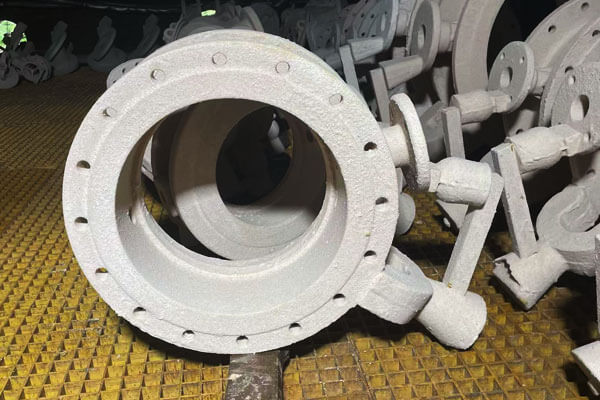
Bini tal-qoxra u tnixxif
- Ħxuna tal-qoxra, il-permeabilità u t-tnixxif ta 'saff ta' bejn is-saffi jinfluwenzaw gradjenti termali, is-saħħa tal-qoxra u l-potenzjal għal falliment tal-qoxra waqt it-ferragħ.
- Il-viskożità kkontrollata tad-demel likwidu u d-daqs tal-istuk jagħtu finitura tal-wiċċ prevedibbli u kontroll dimensjonali.
Dewaxing u ħami tal-qoxra
- Dewaxing komplut jevita residwu tal-karbonju u difetti pinhole; L-iskedi tas-sinterizzazzjoni tal-qoxra jneħħu l-legaturi organiċi u jibbies iċ-ċeramika.
- Fuq- jew taħt il-ħami jaffettwa s-saħħa tal-qoxra u r-reazzjonijiet tal-metall-qoxra.
Tidwib & trattament ta 'tidwib
- Dewweb indafa, Degassing, il-flussing u l-kontroll tal-inklużjoni huma kritiċi — il-korpi tal-valvi ħafna drabi jiġu ttestjati bil-pressjoni, u l-inklużjonijiet/bwiet huma punti ta' responsabbiltà.
- Għal ligi sensittivi għall-korrużjoni, Tidwib bil-vakwu jew proċessi VIM/VAR jistgħu jkunu meħtieġa għal-ligi Ni jew duplex stainless biex jikkontrollaw gassijiet maħlula u inklużjonijiet.
Tferrigħ & Kontroll termali
- Għat-temperatura, rata ta 'tferrigħ, u l-użu tat-tundishes tal-qiegħ vs. top pour approċċ jaffettwaw turbolenza u qbid ossidu.
- Strateġiji ta' solidifikazzjoni/tmigħ direzzjonali (tqegħid ta' gradi u bard, użu ta' feeders) tnaqqas il-porożità li tinxtorob f'sezzjonijiet kritiċi.
Għalkemm l-ikkastjar ta 'investiment għandu inqas dispożizzjoni għal alimentaturi esterni minn ikkastjar tar-ramel, Id-disinn tal-gting u t-tqegħid tar-riser fuq is-siġra għadhom jippermettu l-mogħdijiet tal-għalf.
Tneħħija tal-qoxra & tindif
- Knock-out ikkontrollat jippreserva sezzjonijiet irqaq u l-integrità tal-passaġġ intern; tindif kimiku għandu jneħħi l-materjal tal-qoxra mingħajr ma jattakka l-metall.
6. Disinn għall-manifattura (DFM) — linji gwida għal korpi ta' valvi fonduti b'investiment
L-ikkastjar ta 'investiment jippermetti forom kumplessi, iżda d-disinjaturi għandhom jirrispettaw ir-realtajiet tal-proċess. Rakkomandazzjonijiet ewlenin:
Ġeometrija & Ħxuna tal-ħajt
- Żomm ħxuna tal-ħajt konsistenti fejn possibbli. Transizzjonijiet tal-ħxuna f'daqqa jinkoraġġixxu jinxtorob u hot spots.
Firxa tipika tal-ħxuna tal-ħajt lest tvarja skont il-materjal; ikkonsulta l-kapaċità ta 'caster, iżda timmira sezzjonijiet konsistenti u tevita xbieki rqaq ħafna mingħajr tisħiħ. - Uża fletti u radii ġenerużi fl-intersezzjonijiet; kantunieri li jaqtgħu huma konċentraturi tal-istress u ċeramika tan-nassa. Il-fletti jiffaċilitaw il-mili tal-moffa u jnaqqsu s-siti tad-difetti.
Disinn tal-qalba u passaġġi interni
- Iddisinja passaġġi interni b'abbozz u taper fejn il-qlub għandhom jitneħħew jew biex jgħinu l-vent.
- Inkludi appoġġi tal-qalba u kanali tal-vent biex jipprevjenu ċaqliq tal-qalba waqt l-assemblaġġ u ferra.
- Imminimizza l-ġeometriji interni li jidħlu mill-ġdid li huma diffiċli biex jinqalbu; fejn meħtieġ, taċċetta makkinar ta 'sedili interni kritiċi.
Gating, post u tmigħ
- Poġġi xtiebi biex jitimgħu l-eħxen sezzjonijiet l-ewwel u biex jippromwovu solidifikazzjoni direzzjonali lejn il-sprue. Evita li tiġbor direttament ġo ħitan irqaq.
- Ippjana s-sistema tal-gating u l-orjentazzjoni tal-parti fuq is-siġra biex timminimizza wara l-magni tal-gradi u l-risers.
Tolleranza & spiċċa
- Iddefinixxi dimensjonijiet gross li jistgħu jinkisbu mill-ikkastjar u speċifika tolleranzi kritiċi fejn meħtieġ biss.
Uża callouts maħduma bil-lesti (bores, uċuħ tas-siġillar) u jippermettu stokk realistiku tal-magni. - Speċifika l-klassijiet tal-finitura tal-wiċċ: uċuħ esterni kif mitfugħa jistgħu jkunu tajbin ħafna; uċuħ interni mill-qlub taċ-ċeramika jistgħu jkunu aktar ħorox u jeħtieġu l-irfinar.
Materjal & għażla tal-proċess imqabbla mal-funzjoni
- Agħżel familji ta 'liga li jaqblu mas-servizz (E.g., duplex għas-servizz tal-klorur). Ikkunsidra l-manifattura: xi super-ligi jeħtieġu tidwib bil-vakwu u sistemi taċ-ċeramika aktar għaljin.
7. Ipproċessar post-cast: trattament tas-sħana, magni, irfinar u assemblaġġ
L-ikkastjar ta 'investiment huwa normalment segwit minn sekwenza ta' passi biex il-korpi tal-valvi jkunu lesti għas-servizz.
Trattament tas-sħana
- Serħan mill-istress: inaqqas l-istress tal-ikkastjar għall-istabbiltà dimensjonali.
- Soluzzjoni anneal + quench / età tal-preċipitazzjoni: użat għal ligi duplex u PH biex tinkiseb is-saħħa jew il-bilanċ tal-fażi meħtieġa.
- Ittemprar ta 'stabbilizzazzjoni: kultant meħtieġa għal ċerti familji li ma jissaddadx biex tiġi evitata s-sensitizzazzjoni.
Magni
- Bores kritiċi, uċuħ tas-siġillar, ħjut u porting tipikament jeħtieġu finitura magni.
Uża twaħħil stabbli u kont għall-ikkastjar ta 'distorsjoni wara t-trattament tas-sħana. Ippjana l-konċessjonijiet tal-magni bbażati fuq it-tnaqqis u l-finitura mistennija.
Irfinar tal-wiċċ
- Shot blasting jew xoffa tal-ħġieġ itejjeb l-uċuħ tas-siġillar u l-ħajja tal-għeja; shot peening jista 'jtejjeb l-għeja iżda jaffettwa l-uċuħ tas-siġillar, għalhekk jintuża masking/finitura selettiva.
- Passivazzjoni (għall-istainless steel), kisi jew kisi (epossidiku, epoxy magħqud bil-fużjoni) għall-protezzjoni tal-korrużjoni.
Iwweldjar u assemblaġġ
- Jekk it-twaħħil huma wweldjati, tiżgura metalli tal-mili kompatibbli u trattamenti tas-sħana qabel/wara l-iwweldjar kif meħtieġ.
Il-postijiet tal-weldjatura għandhom ikunu ddisinjati biex jimmaniġġjaw l-istress u biex jevitaw sezzjonijiet irqaq.
8. Difetti tipiċi, kawżi fundamentali u kontromiżuri
Il-fehim tat-tipi ta 'difetti frekwenti jevita xogħol mill-ġdid għali:
Jinxtorob il-porożità / vojt
- Kawżi għeruq: għalf inadegwat, Firxa wiesgħa tal-iffriżar, hot spots.
- Kontromiżuri: disinn tal-bieb u tas-siġar biex jitimgħu żoni ħoxnin, użu ta' tkexkix ta' bard/alimentaturi iżolanti fuq is-siġar, għażla ta 'liga b'meded ta' solidifikazzjoni idjaq, temperatura tat-tferrigħ ottimizzata u tkessiħ aktar bil-mod fejn xieraq.
Porożità tal-gass (idroġenu, arja mdaħħla)
- Kawżi għeruq: umdità fil-qoxra/qalba, idroġenu fit-tidwib, tferrigħ turbulenti.
- Kontromiżuri: degassing rigoruż, tnixxif xieraq tal-qalba, tferrigħ laminari, vakwu pour jew superheat mnaqqsa, u filtrazzjoni ta 'inklużjoni.
Inklużjonijiet u gagazza
- Kawżi għeruq: immaniġġjar ħażin tat-tidwib, ċarġ ikkontaminat, fluss inadegwat.
- Kontromiżuri: prattika tat-tidwib nadif, skimming, flussing, użu ta 'filtri taċ-ċeramika, tidwib bil-vakwu għal-ligi reattivi.
Moviment tal-qalba u ġiri ħażin
- Kawżi għeruq: appoġġ ewlieni fqir, qawwa tal-qoxra insuffiċjenti, assemblaġġ mhux xieraq.
- Kontromiżuri: prints tal-qalba robusti, labar ta 'appoġġ, bini tal-qoxra ottimizzat, kontroll tal-kwalità waqt l-assemblaġġ.
Porożità tal-wiċċ u reazzjonijiet (reazzjoni tal-qoxra tal-metall)
- Kawżi għeruq: temperatura għolja pour, kimika tal-qoxra inkompatibbli, ligi reattivi (E.g., Ligi Ti jew Ni reattivi).
- Kontromiżuri: aġġusta t-temperatura ferra, ibiddel il-kompożizzjoni tal-qoxra, applika kisjiet ta' barriera (aħsel) għall-qoxra ta 'ġewwa.
Dmugħ sħun u qsim
- Kawżi għeruq: solidifikazzjoni ristretta, gradjenti termali għoljin, ligi ta 'firxa wiesgħa ta' ffriżar.
- Kontromiżuri: disinn għal mogħdijiet li jinxtorob, ġeometrija ta' arrotondament, it-tqegħid tal-bieb biex jiġi evitat it-trażżin fuq il-meded tal-iffriżar.
9. Spezzjoni, kwalifika u ttestjar għall-korpi tal-valvi
Il-korpi tal-valvi huma kritiċi għas-sikurezza u jeħtieġu spezzjoni f'saffi.
Spezzjoni dimensjonali
- Koordinati Magni tal-Kejl (Cmm) kontrolli ta' interfaces kritiċi (Toqob tal-bolt, dijametri tal-ħanek, bore positions), runout u flatness fuq uċuħ tas-siġillar.
Ittestjar mhux distruttiv (Ndt)
- Radjografija / X-ray / CT Scanning: identifika l-porożità interna, inklużjonijiet, u difetti tal-qalba. CT jippermetti spezzjoni interna kumplessa tal-passaġġ.
- Ittestjar ultrasoniku (Ut): tajjeb għal difetti volumetriċi f'sezzjonijiet eħxen.
- Żebgħa penetrant: xquq tal-wiċċ, tnixxijiet fuq uċuħ bil-makna.
- Ittestjar tal-partiċelli manjetiċi (għal-ligi tal-ħadid): discontinuities tal-wiċċ/ħdejn il-wiċċ.
- Identifikazzjoni Pożittiva tal-Materjal (PMI): jivverifika l-kimika tal-liga (kritiku għal duplex & minn Alloys).
Ittestjar mekkaniku
- Testijiet ta' ebusija u tensjoni (kupuni tal-kampjuni jew kkastjar tas-sagrifiċċju) biex tikkonferma r-rispons tat-trattament bis-sħana u l-proprjetajiet mekkaniċi.
- Kontrolli tal-mikrostruttura permezz tal-metallografija għall-bilanċ tal-fażi (E.g., proporzjon austenite/ferrite duplex).
Pressjoni & ittestjar tan-nixxija
- Testijiet tal-pressjoni idrostatika u pnewmatika biex jipprovaw kontra l-pressjoni tad-disinn u biex jivvalidaw uċuħ tas-siġillar. Ittestjar ta 'tnixxija ta' elju jew bżieżaq għal tnixxijiet żgħar ħafna.
10. Spiża, kompromessi fil-ħin taċ-ċomb u l-volum tal-produzzjoni vs. alternattivi
Għodda & NRE
- L-għodda tax-xama 'u l-ispejjeż tal-mudell huma sinifikanti bil-quddiem; għal kwantitajiet baxxi (prototipi, lottijiet żgħar) għodda tax-xama' tista 'tiġi ġġustifikata jekk il-kumplessità tal-parti tkun għolja.
- Għal volumi baxxi ħafna, mudelli manifatturati bl-addittiv jew mudelli ta 'xama'/reżina stampati 3D jistgħu jnaqqsu l-NRE.
Kost unitarju vs. volum
- L-ikkastjar b'investiment isir kost-kompetittiv hekk kif in-numru ta 'partijiet jiżdied meta mqabbel ma' magni estensivi minn forġar jew billetta; break-even jiddependi fuq il-kumplessità u l-magni meħtieġa.
- L-ikkastjar tar-ramel jiswa inqas għal partijiet kbar ħafna jew meta r-rekwiżiti tal-wiċċ/tolleranza huma rilassati; die casting huwa attraenti għall-partijiet tal-ħajt irqiq ta 'volum għoli mhux tal-ħadid iżda jillimita l-għażliet tal-liga.
Ħinijiet taċ-ċomb
- Disinn tal-għodda, L-għodda tax-xama 'u l-iżvilupp tal-qoxra jżidu l-ħin taċ-ċomb. L-iżvilupp parallel ta 'l-għodda u l-provi tal-proċess iqassar iż-żmien għall-ewwel parti, imma jistennew ġimgħat sa xhur skont il-kumplessità u l-ħtieġa għall-kwalifika.
11. Applikazzjonijiet Tipiċi ta 'Korpi ta' Valv fondut ta 'Investiment Custom
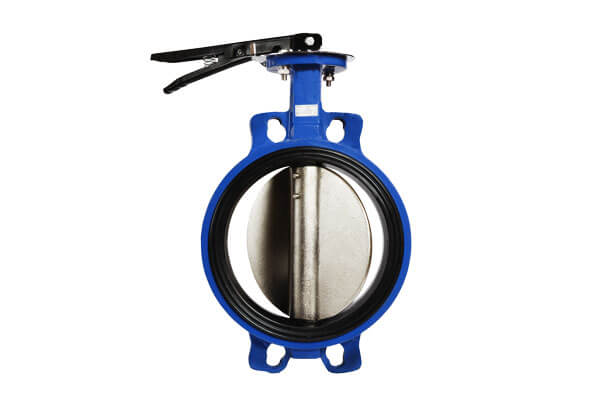
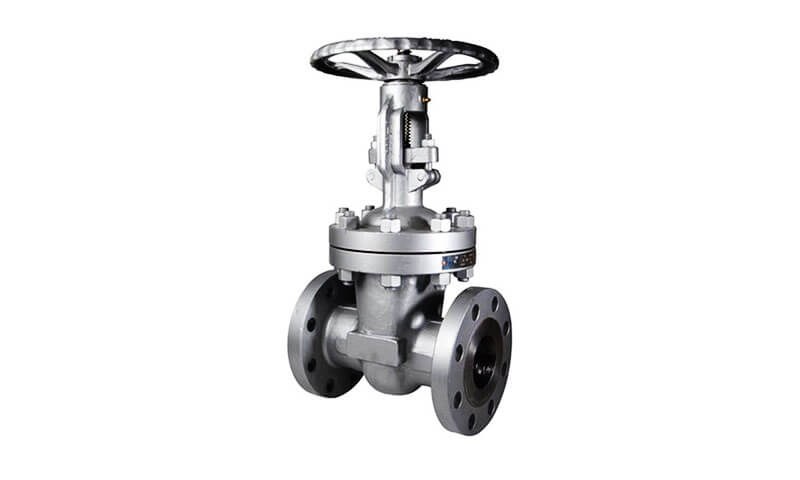
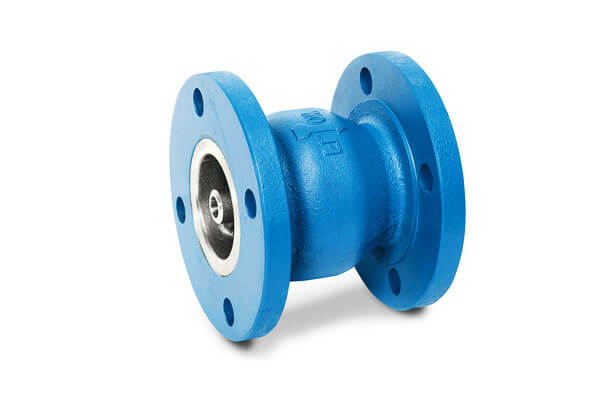
- Żejt & Gass: Valvi tal-ballun, valvi tal-bieb, Iċċekkja l-valvi, jifga valvi
- Petrokimiċi & Kimika: Valvi tal-istainless steel reżistenti għall-korrużjoni u liga tan-nikil
- Impjanti tal-enerġija: Boiler u valvi tal-fwar ta 'temperatura għolja u ta' pressjoni għolja
- Marine & Offshore: Istainless steel duplex u valvi kontra l-korrużjoni
- Trattament tal-ilma & Desalinizzazzjoni: 304 / 316 valvi tal-istainless steel
- Sistemi ta' Fluwidu Speċjali: Valvoli mhux standard iddisinjati apposta
12. Analiżi komparattiva — Investment casting vs. proċessi oħra
| Kriterji ta' evalwazzjoni | Ikkastjar ta 'investiment | Ikkastjar tar-ramel (aħdar / qoxra) | Forġa + magni |
| Il-kumplessità tad-disinn & libertà tal-ġeometrija | Eċċellenti - jappoġġja forom esterni kumplessi ħafna, Ħitan irqaq, karatteristiċi li jidħlu mill-ġdid, u pumijiet integrati | Moderat - adattat għal ġeometriji sempliċi għal moderatament kumplessi; ħitan irqaq u karatteristiċi fini huma limitati | Baxxa - ġeometrija ristretta mid-disinn tad-die tal-forġa; forom kumplessi jeħtieġu makkinar estensiv |
| Kapaċità ta 'passaġġ intern | Eċċellenti - qlub taċ-ċeramika jippermettu kumplessi, mogħdijiet tal-fluss intern b'ħafna portijiet | Moderat - il-qlub tar-ramel jippermettu passaġġi kbar, iżda l-eżattezza u l-kumplessità huma limitati | Fqir - passaġġi interni għandhom jiġu mtaqqba, mitħun, jew immuntati minn komponenti multipli |
| Preċiżjoni dimensjonali kif mitfugħa | Għoli - tolleranzi stretti li jistgħu jintlaħqu, allowance minima għall-magni | Baxxi għal moderati - tolleranzi wiesgħa, magni sinifikanti meħtieġa | Mhux applikabbli (dimensjonijiet miksuba bil-magni) |
Finitura tal-wiċċ (kif imfittex) |
Tajjeb ħafna - wiċċ lixx tal-qoxra taċ-ċeramika | Fqir għal ġust - wiċċ mhux maħdum, ħafna drabi teħtieġ makkinar tqil | Eċċellenti fuq uċuħ bil-makna |
| Materjal / Flessibilità tal-liga | Wiesgħa ħafna - azzar li ma jissaddadx, duplex, Gradi tal-pH, Ligi bbażati fuq l-NI, Ligi tar-ram | Wide – ligi tal-ħadid u mhux tal-ħadid; kontroll metallurġiku inqas raffinat | Wiesgħa ħafna - azzar ta 'kwalità maħduma, ligi li ma jissaddadx u speċjali |
| Propjetajiet mekkaniċi (tipiku) | Tajjeb għal eċċellenti - jiddependi fuq liga u trattament tas-sħana; adattat għal servizz ta 'pressjoni | Moderata - struttura tal-qamħ oħxon; proprjetajiet ivarjaw aktar | Eċċellenti - saħħa superjuri, toughness u reżistenza għall-għeja minħabba l-fluss tal-qamħ falsifikat |
| Integrità tal-pressjoni & reżistenza għat-tnixxija | Għoli - kontroll tajjeb tal-porożità bi prattika xierqa ta' gating u tidwib | Moderat - riskju ogħla ta 'porosità li tinxtorob u mogħdijiet ta' tnixxija | Għoli ħafna - materjal dens b'difetti interni minimi |
Rekwiżiti tal-magni |
Baxxa - forma kważi netta; makkinar iffokat fuq issiġillar uċuħ u toqob | Għoli - makkinar estensiv meħtieġ biex jissodisfa t-tolleranzi u r-rekwiżiti tal-wiċċ | Għoli ħafna - il-biċċa l-kbira tal-karatteristiċi huma mmaxinjati |
| Il-Volum tal-Produzzjoni L-adegwatezza | Volumi baxxi sa medji; ekonomija mmexxija mill-kumplessità | Volumi baxxi u partijiet kbar ħafna | Volumi baxxi għal medji fejn il-prestazzjoni tiġġustifika l-ispiża |
| L-ispiża tal-għodda (NRE) | Moderat għal għoli - għodda tax-xama 'u tal-qalba | Baxx - mudelli relattivament sempliċi | Għoli - forġa dies flimkien ma 'tagħmir tal-magni |
| Ħin taċ-ċomb | Moderat - għodda u setup tal-proċess meħtieġa | Produzzjoni tal-mudell qasir - veloċi | Moderat – għodda flimkien mal-ipprogrammar tal-magni |
Riskji tipiċi & limitazzjonijiet |
Ċaqliq tal-qalba, qsim tal-qoxra, porożità interna jekk il-kontroll tal-proċess huwa fqir | Varjabilità dimensjonali, difetti fil-wiċċ, porożità ogħla | Skart ta 'materjal għoli, spiża għolja tal-magni, ġeometrija interna limitata |
| L-aħjar applikazzjonijiet tal-korp tal-valv | Korpi ta 'valvi kumplessi li jeħtieġu reżistenza għall-korrużjoni, tolleranzi stretti, u passaġġi interni integrati | Kbir, korpi tal-valvi bi prezz baxx b'mogħdijiet ta 'fluss sempliċi u tolleranzi ġenerużi | Pressjoni għolja, korpi tal-valvi kritiċi għall-għeja fejn il-ġeometrija hija sempliċi u hija meħtieġa prestazzjoni mekkanika massima |
13. Konklużjoni
L-ikkastjar ta 'investiment huwa teknoloġija l-aħjar meta d-disinji tal-korp tal-valv jitolbu kumplessità interna, tolleranzi stretti tal-finitura, u flessibilità tal-liga.
It-triq għal affidabbli, korp tal-valv li jista 'jservi jibda b'matriċi ċara ta' rekwiżiti tas-servizz (pressjoni, temperatura, fluwidu), għażla ta 'familja ta' liga xierqa, u kollaborazzjoni bikrija ma 'speċjalisti tal-ikkastjar tal-investiment biex jiżżewġu disinn għall-proċess.
Kontroll tal-kwalità tat-tidwib, integrità tal-qalba taċ-ċeramika, gating u parametri tal-qoxra, u reġim ta' spezzjoni li jaqbel mal-kritiċità tas-servizz huma l-pilastri tas-suċċess.
Meta dawn il-varjabbli jiġu ġestiti flimkien, ikkastjar ta 'investiment jagħti korpi ta' valv li joffru prestazzjoni ottimizzata, operazzjonijiet sekondarji mnaqqsa, u valur eċċellenti taċ-ċiklu tal-ħajja.
Mid-Disinn għall-Affidabbiltà: LangHe Custom Cast Valve Body Solutions
Minn LangHe Custom Cast Valve Body, il-klijenti jiksbu aċċess għal soluzzjoni tal-ikkastjar kompletament inġinerija aktar milli parti sempliċi manifatturata.
LangHe tiffoka fuq it-traduzzjoni tar-rekwiżiti tal-prestazzjoni tal-valv—klassifikazzjoni tal-pressjoni, ġeometrija tal-fluss intern, Reżistenza għall-korrużjoni, u preċiżjoni dimensjonali—f'disinji tal-ikkastjar ottimizzati li jibbilanċjaw l-integrità metallurġika mal-manifattura.
Billi tgħaqqad il-kompetenza tad-disinn għall-manifattura, proċessi kkontrollati tal-ikkastjar, u prattiċi ta' spezzjoni rigorużi, LangHe jagħti korpi tal-valvi tad-dwana li jnaqqsu l-magni, ittejjeb l-affidabbiltà tas-siġillar, u jappoġġaw il-prestazzjoni tas-servizz fit-tul fl-applikazzjonijiet industrijali eżiġenti.