1. Introduzzjoni
L-ikkastjar tal-investiment tar-ram jokkupa pożizzjoni unika fil-pajsaġġ tal-metallforming.
Tgħaqqad il-libertà ġeometrika tal-ikkastjar tal-investiment mad-dehra attraenti, makkinabilità, u bilanċ funzjonali ta 'ligi tar-ram.
Għal komponenti li jeħtieġu dettall fin, kwalità dekorattiva, Reżistenza moderata għall-korrużjoni, u effiċjenza fil-forma kważi netta, ikkastjar tar-ram jibqa 'waħda mill-aktar soluzzjonijiet prattiċi disponibbli.
Għalkemm ir-ram ħafna drabi huwa assoċjat ma 'fittings dekorattivi, Strumenti mużikali, u ħardwer tal-ħardwer, ir-rwol industrijali tiegħu huwa usa 'mill-apparenza biss.
Fl-ikkastjar tal-investiment, ram jista 'jintuża biex jipproduċi komponenti b'ġeometrija kkomplikata, dettall preċiż, u ripetibbiltà stabbli.
Dan jagħmilha adattata mhux biss għal prodotti li jiffaċċjaw il-konsumatur, iżda wkoll għall-ħardwer tal-plaming, aċċessorji tal-baħar, partijiet tal-valv, Konnetturi elettriċi, u komponenti mekkaniċi ta 'preċiżjoni.
2. X'inhu Brass Investment Casting
Ram ikkastjar ta 'investiment huwa l-użu tal-proċess tax-xama' mitlufa biex jimmanifattura komponenti tar-ram b'ġeometrija dettaljata u preċiżjoni dimensjonali kkontrollata.
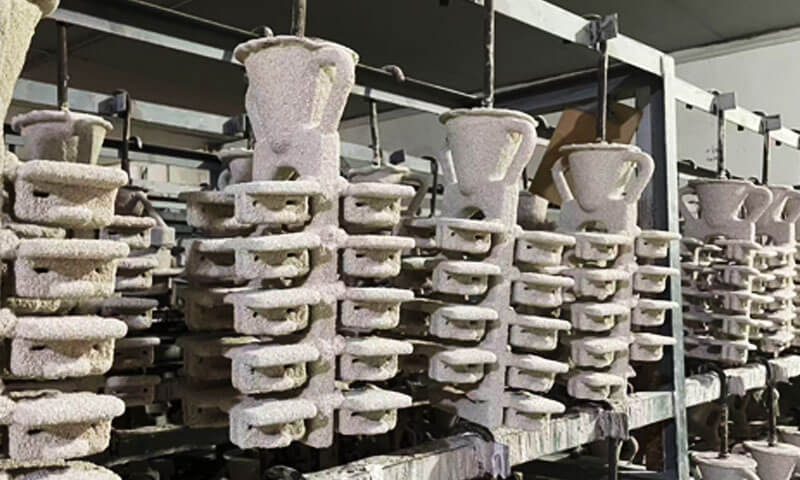
Mudell ta 'xama' jew polimeru huwa mibni għall-forma mixtieqa, miksija ripetutament b'demel likwidu taċ-ċeramika u materjal refrattorju biex tifforma qoxra, u mbagħad imdewweb.
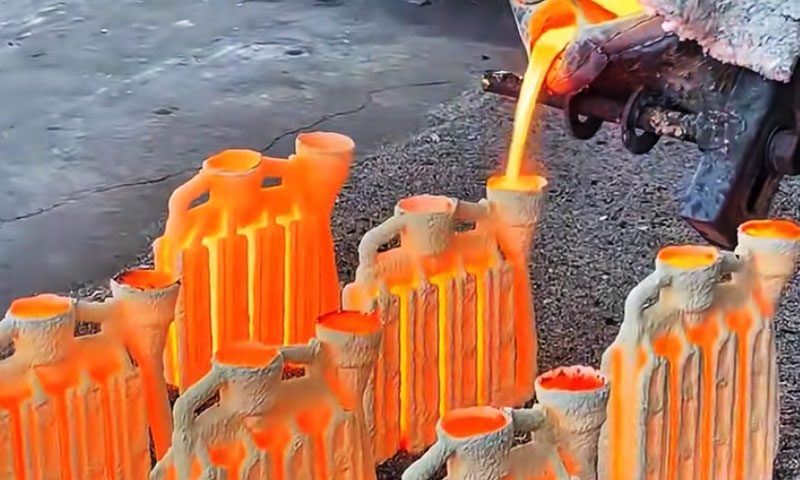
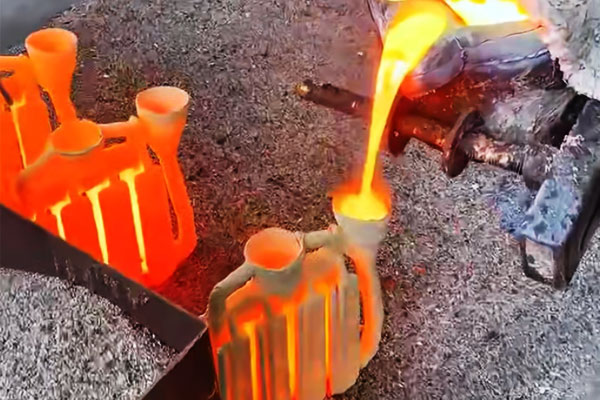
Ram imdewweb jitferra fil-kavità, tissolidifika, u wara jitnaddaf, lest, u spezzjonat.
Il-proċess huwa speċjalment ta 'valur meta l-parti tkun diffiċli jew għalja biex tipproduċi bil-magni waħedha.
L-ikkastjar ta 'investiment tar-ram jippermetti lid-disinjaturi jintegraw kontorni kumplessi, siltiet interni, uċuħ dekorattivi, karatteristiċi tal-immuntar, u dettalji żgħar f'komponent wieħed ta 'forma netta jew kważi netta.
F'termini prattiċi, il-proċess jintgħażel meta parti trid tissodisfa bosta mill-kundizzjonijiet li ġejjin f'daqqa:
- ġeometrija dettaljata
- dehra tajba tal-wiċċ
- prestazzjoni mekkanika moderata
- Reżistenza moderata għall-korrużjoni
- produzzjoni effiċjenti ta 'partijiet żgħar għal ta' daqs medju
- spejjeż imnaqqsa tal-magni u l-assemblaġġ
Dan huwa fejn l-ikkastjar ta 'investiment isir aktar minn metodu ta' manifattura. Issir faċilitatur tad-disinn.
3. Għaliex ir-ram huwa differenti bħala liga tal-ikkastjar
Ir-ram mhuwiex liga waħda iżda familja ta 'ligi tar-ram-żingu, kultant b'żidiet żgħar taċ-ċomb, landa, aluminju, Manganiż, jew silikon skond il-prestazzjoni fil-mira.
L-imġieba tiegħu waqt l-ikkastjar hija għalhekk influwenzata mhux biss mill-kontenut taż-żingu, iżda wkoll mill-bilanċ speċifiku tal-liga u l-kundizzjoni tas-servizz maħsuba.
Karatteristiċi metallurġiċi ewlenin
| Proprjetà | Imġieba tar-ram | Sinifikat tal-Inġinerija |
| Sistema bażi | Familja ta 'liga tar-ram-żingu | Joffri bilanċ ta 'dehra, makkinabilità, u reżistenza għall-korrużjoni |
| Imġieba tat-tidwib | Firxa ta 'tidwib aktar baxxa mir-ram | Jappoġġja kundizzjonijiet tal-ikkastjar relattivament aċċessibbli |
| Fluwidità | Tajjeb għal tajjeb ħafna | Jgħin biex jirriproduċi karatteristiċi fini u sezzjonijiet irqaq |
| Dehra tal-wiċċ | Attraenti, finitura metallika sħuna | Siewi f'komponenti dekorattivi u viżibbli |
Reżistenza għall-korrużjoni |
Tajjeb f'ħafna ambjenti mhux severi | Adattat għall-plaming, trim tal-baħar, u ħardwer ġenerali |
| Makkinabilità | Tajjeb għal eċċellenti, dipendenti fuq il-liga | Jappoġġja l-irfinar ta 'wara mitfugħa u l-interfaces ta' preċiżjoni |
| Densità | Relattivament għoli | Jagħti sensazzjoni premium iżda jżid il-piż tal-parti |
| Imġieba taż-żingu | Sensittivi għall-volatilizzazzjoni f'temperatura għolja | Jeħtieġ kontroll bir-reqqa tat-tidwib |
Imġieba tas-sistema tar-ram-żingu
Is-sistema tar-ram-żingu tagħti lir-ram il-bilanċ distintiv ta 'proprjetajiet tiegħu.
Ir-ram jikkontribwixxi reżistenza għall-korrużjoni u konduttività, filwaqt li ż-żingu jtejjeb il-fluwidità, saħħa, u l-kastabbiltà.
Il-proporzjon bejn it-tnejn jiddetermina jekk il-liga ġġibx ruħha aktar bħal ram dekorattiv duttili, ram mingħajr magni, jew varjant tar-ram strutturali aktar b'saħħtu.
Għall-ikkastjar, l-iktar punt importanti huwa li r-ram jista 'jiċċirkola sew f'kavitajiet dettaljati.
Dan jagħmilha adattata għal ornamentazzjoni fina, karatteristiċi bil-kamin, u ġeometrija tal-komponenti kompatti. Madankollu, din l-istess sistema hija aktar sensittiva milli ħafna nies jassumu.
Jekk it-tidwib jissaħħan iżżejjed jew jinżamm twil wisq, iż-żingu jista 'volatizza, tibdil fil-kompożizzjoni u żieda fir-riskju tad-difetti.
Tidwib, fluwidità, u volatilizzazzjoni taż-żingu
Ir-ram ġeneralment idub f'temperatura aktar baxxa mir-ram pur, li jgħin biex jitnaqqsu t-talbiet tal-forn.
Għandha wkoll it-tendenza li tgħaddi sew fil-forom, li hija raġuni waħda li taħdem tajjeb f'ikkastjar kkomplikat.
Iżda dak il-vantaġġ jiġi b'kawtela: żingu huwa aktar volatili mir-ram, u espożizzjoni termali eċċessiva tista 'tbiddel il-kimika finali tal-liga.
Jekk it-telf taż-żingu ma jkunx ikkontrollat, il-parti mitfugħa tista' ssir inkonsistenti fil-kompożizzjoni, b'konsegwenzi għas-saħħa, kulur, imġieba tal-korrużjoni, u jinxtorob.
Huwa għalhekk li l-ikkastjar tar-ram jeħtieġ bilanċ bir-reqqa bejn il-fluwidità u t-trażżin termali.
Reżistenza għall-korrużjoni u kwalità tal-wiċċ
Ir-ram joffri reżistenza għall-korrużjoni rispettabbli f'ħafna ġewwa, plumbing, u ambjenti moderati fil-beraħ.
Mhuwiex reżistenti għall-korrużjoni daqs xi azzar li ma jissaddadx jew ligi tan-nikil, iżda jaħdem tajjeb ħafna fejn id-dehra estetika u d-durabilità moderata huma importanti.
Għandu wkoll vantaġġ viżwali naturali. Ram għandu sħun, dehra premium li tista 'titjieb aktar bl-illustrar, plating, kisi tal-laker, jew patinazzjoni.
Għal din ir-raġuni, ikkastjar ta 'investiment tar-ram ħafna drabi jintgħażel fejn il-parti trid tiffunzjona u tidher raffinata fl-istess ħin.
4. Gradi Komuni tar-ram Użati fl-Ikkastjar ta 'Investiment
| Tip tar-ram | Karatteristiċi Tipiċi | Gradi komuni | Tipiċi Investiment-Casting / Preċiżjoni-Casting Użi |
| Brass aħmar | Kontenut għoli ta 'ram, Reżistenza tajba għall-korrużjoni, castability stabbli | C83600, C83300 | Korpi tal-valv, Fittings, ħardwer tal-plaming, Partijiet fonduti dekorattivi-funzjonali |
| Ram Semi-Aħmar | Saħħa bilanċjata, Reżistenza għall-korrużjoni, u makkinabilità | C84400, C84800 | Valvoli ta' pressjoni baxxa, Fittings tal-pajpijiet, attrezzaturi tal-pompa, ħardwer tal-baħar |
| Ram isfar | Fluwidità tajba, saħħa moderata, ekonomiku u versatili | C85800, C85900 | Komponenti tal-plaming, ħardwer ġenerali, fittings ħfief, ikkastjar ornamentali |
Brass taċ-ċomb / Brass tal-magna ħielsa |
Makkinabilità eċċellenti, imġieba tajba tal-ikkastjar | C84500, C85700 | Fittings ta' preċiżjoni, komponenti bil-kamin, siġġijiet tal-valv, partijiet fonduti bil-makna |
| Mingħajr Ċomb / Ram taċ-ċomb baxx | Konformità ambjentali mtejba, Reżistenza tajba għall-korrużjoni | C89510, C89833 | Komponenti tas-sistema tal-ilma, Fittings sanitarji, ħardwer modern tal-plaming |
5. Fluss tal-Proċess tal-Ikkastjar tal-Investiment tar-Ram
Ram ikkastjar ta 'investiment isegwi l-prinċipju klassiku tax-xama' mitlufa, iżda t-tieqa tal-proċess għandha tkun imfassla għall-imġiba speċifika tal-ligi tar-ram-żingu.
Meta mqabbel ma 'l-azzar jew ikkastjar ta' investiment ibbażat fuq in-nikil, ram jeħtieġ attenzjoni aktar stretta għall volatilizzazzjoni taż-żingu, kontroll tal-ossidazzjoni, kimika tal-qoxra, u l-ġestjoni tat-tnaqqis.
Disinn tal-mudell u Injezzjoni tax-Xemgħa
Il-proċess jibda bl-ottimizzazzjoni tad-disinn fil-livell tal-komponent. F'dan l-istadju, il-ġeometrija mhix definita biss mill-funzjoni, iżda wkoll minn castability.
Raġġi tal-flett, transizzjonijiet tal-ħajt, u l-postijiet tal-gate għandhom jiġu rranġati biex inaqqsu l-konċentrazzjoni tal-istress u jevitaw tiċrit sħun waqt is-solidifikazzjoni.
L-ikkastjar tar-ram huma speċjalment sensittivi għall-iżbilanċ termali, għalhekk bidliet f'daqqa fis-sezzjonijiet għandhom jiġu minimizzati kull fejn ikun possibbli.
Ladarba l-ġeometrija tiġi ffinalizzata, Ix-xama 'ikkastjar li tinxtorob baxx hija injettata biex tipproduċi mudelli ta' xama 'bi preċiżjoni għolja.
Minħabba li l-ikkastjar ta 'investiment tar-ram huwa proċess ta' forma qrib nett, l-eżattezza tal-mudell tax-xama taffettwa direttament il-parti finali.
L-allowance ta 'jinxtorob għandha tkun riżervata bir-reqqa skond il-kompożizzjoni tal-liga u l-imġiba ta' solidifikazzjoni mistennija.
Mudelli singoli kwalifikati mbagħad jiġu mmuntati f'siġar tax-xama 'biex itejbu l-konsistenza tal-lott u l-effiċjenza tal-produzzjoni.
Fabbrikazzjoni tal-qoxra taċ-ċeramika mmirata
Il-qoxra taċ-ċeramika għall-ikkastjar tar-ram għandha tkun inġinerija differenti minn qxur użati għall-ikkastjar tal-azzar jew superliga.
Ram teħtieġ a sistema refrattorja newtrali jew b'alkali baxx biex titnaqqas l-interazzjoni kimika bejn il-liga imdewweb u l-wiċċ tal-moffa.
Jekk il-kimika tal-qoxra ma tkunx imqabbla ħażin, reazzjonijiet interfacial jistgħu jiddegradaw finitura tal-wiċċ, iżżid il-kontaminazzjoni tal-ossidu, u tnaqqas l-istabbiltà dimensjonali.
Il-kisja tal-wiċċ hija tipikament mibnija b'materjali refrattorji ta 'qamħa fin bħal mullite mdewba jew trab taż-żirkon biex tiżgura wiċċ tal-kavità lixxa u replikazzjoni aħjar ta' dettalji fini.
Is-saffi tal-backup jużaw aggregati refrattarji aktar oħxon biex itejbu l-permeabilità, Qawwa mekkanika, u stabbiltà termali.
Tgħaddis multipli, Stuccoing, u ċikli kkontrollati tat-tnixxif tal-arja jintużaw biex jeliminaw il-mikro-porożità fil-qoxra u jtejbu r-reżistenza tagħha għal xokk termali waqt it-tferrigħ.
Dewaxing u Sinterizzazzjoni tal-qoxra f'temperatura għolja
Id-dewaxing normalment isir bil-fwar jew metodi assistiti bil-pressjoni biex jitneħħa l-mudell tax-xama' malajr u b'mod nadif.
Dan huwa importanti għaliex ix-xama 'fdal li tikkarbonizza waqt it-tisħin tista' tifforma inklużjonijiet tal-karbonju u tikkomprometti s-saħħa interna.
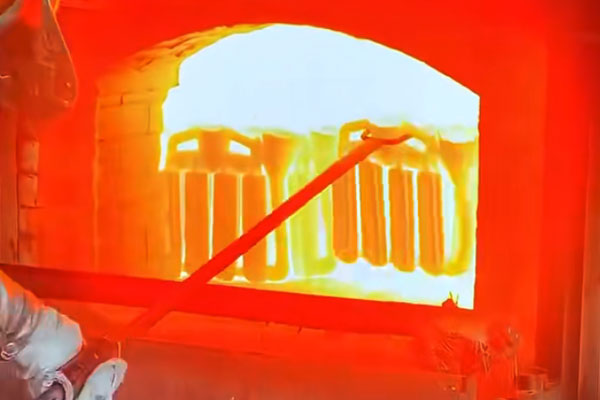
Wara t-tneħħija, il-qoxra taċ-ċeramika hija sinterizzata bejn wieħed u ieħor 950°C sa 1050°C biex tneħħi l-umdità residwa u jinħarqu residwi organiċi.
Dan l-istadju tas-sinterizzazzjoni jsaħħaħ il-qoxra u jistabbilizza l-moffa qabel ma jitferra. Immedjatament qabel l-ikkastjar, il-qoxra hija msaħħan minn qabel għal madwar 550° C sa 650 ° C..
Din il-firxa tat-tisħin minn qabel tgħin tnaqqas id-distakk termali bejn ir-ram imdewweb u l-kavità tal-moffa, li mbagħad jimminimizza l-għeluq tal-kesħa, misruns, u iffriżar prematur f'sezzjonijiet irqaq.
Tidwib u Tferrigħ Ikkontrollat
Il-prattika tat-tidwib hija waħda mill-aktar stadji kritiċi fl-ikkastjar tar-ram.
Il-kompożizzjoni ta 'ċarġ għandha titqabbel bir-reqqa mal-formula tal-liga fil-mira, u l-aġenti li jkopru kontra l-ossidazzjoni ħafna drabi jintużaw waqt it-tidwib biex jrażżnu l-ossidazzjoni tal-wiċċ u jillimitaw it-telf taż-żingu.
Peress li ż-żingu huwa aktar volatili mir-ram, tisħin żejjed eċċessiv jew żamma fit-tul jistgħu jbiddlu l-kompożizzjoni finali u jaffettwaw kemm il-prestazzjoni mekkanika kif ukoll kosmetika.
L-ikkastjar tar-ram jista 'jitwettaq b'diversi rotot ta' tferrigħ:
- Tferrigħ tal-gravità, addattat għal partijiet strutturali jew dekorattivi konvenzjonali fejn l-effiċjenza fl-ispiża hija importanti.
- Tferrigħ awżiljarju bi pressjoni baxxa, użat meta jkun hemm bżonn ta 'mili aħjar tal-kavità u fluss tal-metall aktar stabbli.
- Tferrigħ assistit bil-vakwu, preferut għal partijiet ta' preċiżjoni għolja jew b'ħitan irqaq fejn l-inklużjoni tal-ossidu u l-qbid tal-arja għandhom jiġu minimizzati.
It-temperatura tat-tferrigħ għandha tkun ikkontrollata sewwa f'tieqa relattivament dejqa, tipikament madwar 50° C., minħabba li r-ram jitlob bilanċ bejn il-fluwidità u ż-żamma taż-żingu.
Jekk it-temperatura tkun baxxa wisq, qtar tal-fluss u misruns isiru aktar probabbli. Jekk huwa għoli wisq, telf ta 'ħruq taż-żingu u riskju ta' ossidazzjoni jiżdiedu drastikament.
Solidifikazzjoni Gradjata u Tkessiħ Ikkontrollat
L-imġieba tas-solidifikazzjoni f'ikkastjar tar-ram għandha tkun diretta bir-reqqa permezz ta 'disinn ta' gating u riser.
L-għan huwa li tippromwovi solidifikazzjoni sekwenzjali, bl-għalf dirett mill-riser lejn l-aħħar żoni tal-iffriżar.
Minħabba li r-ram juri jinxtorob, għalkemm ġeneralment modest, hot spots għadhom jeħtieġu risers awżiljarji jew appoġġ għall-għalf biex jipprevjenu vojt interni.
Żoni b'ħitan ħoxnin għandhom jiġu ġestiti sabiex jissolidifikaw b'mod ikkontrollat u direzzjonali.
Sezzjonijiet b'ħitan irqaq, B'kuntrast, għandu jiksaħ bil-mod biżżejjed biex jiġi evitat stress termali residwu u tiċrit sħun.
Din l-istrateġija tat-tkessiħ gradata hija speċjalment importanti f'ikkastjar bi ħxuna tal-ħajt imħallat, fejn l-iżbilanċ termali jista' inkella jipproduċi difetti jew distorsjoni lokalizzati.
Irfinar ta 'wara l-ikkastjar u Trattament tas-Sħana
Wara solidifikazzjoni u shakeout, spuri, Risers, u materjali tal-qoxra residwi jitneħħew. L-irfinar tal-wiċċ imbagħad jintgħażel skont l-applikazzjoni.
Metodi ta' finitura komuni jinkludu sandblasting, tħin ta 'preċiżjoni, illustrar, u finitura tal-mera għal partijiet dekorattivi jew premium.
Għal ċerti kkastjar tar-ram, speċjalment dawk bi strutturi ta 'fażi aktar kumplessi jew potenzjal ogħla ta' stress residwu, ittemprar ta' eżenzjoni mill-istress f'250°C sa 350°C huwa rrakkomandat.
Dan il-pass jgħin inaqqas l-istress intern u jtejjeb l-istabbiltà fit-tul.
F'partijiet li jġorru l-pressjoni jew kritiċi għas-servizz, it-trattament tas-sħana mhuwiex biss pass ta 'finitura; hija parti mill-istrateġija tal-affidabbiltà.
Jgħin biex jipprevjeni l-qsim tal-korrużjoni tal-istress ittardjat u jtejjeb il-konsistenza tas-servizz maż-żmien.
Spezzjoni Finali tal-Kwalità
L-istadju finali huwa l-verifika tal-kwalità.
L-ikkastjar tal-investiment tar-ram għandu jgħaddi minn spezzjoni dimensjonali, eżami viżwali tal-wiċċ, u analiżi metallografika biex tikkonferma li l-ikkastjar jissodisfa r-rekwiżiti tad-disinn u l-proċess.
Għal komponenti li jġorru l-pressjoni bħal korpi tal-valvi, ittestjar tal-issikkar idrawliku ħafna drabi huwa meħtieġ.
Għal partijiet ta 'servizz tal-baħar jew ta' barra, L-ittestjar tal-korrużjoni tal-isprej tal-melħ jista 'jkun meħtieġ ukoll biex tiġi vverifikata d-durabilità ambjentali.
Proċess ta 'ikkastjar ta' investiment tar-ram ikkontrollat tajjeb għandu juri:
- dimensjonijiet preċiżi,
- kwalità tal-wiċċ nadifa u lixxa,
- porożità baxxa,
- kompożizzjoni stabbli,
- u mġiba affidabbli tas-servizz taħt il-kundizzjonijiet operattivi maħsuba.
6. Sfidi Tekniċi Ewlenin: Brass Investment Casting
L-ikkastjar tal-investiment tar-ram jidher sempliċi mal-ewwel daqqa t'għajn għaliex ir-ram għandu fluwidità tajba u jirriproduċi d-dettall tajjeb. Fil-prattika, Madankollu, huwa proċess teknikament sensittiv.
Id-diffikultà ewlenija hija li r-ram mhux biss liga bbażata fuq ir-ram; huwa a liga li ġġorr iż-żingu li l-prestazzjoni tagħhom waqt it-tidwib, tferrigħ, u s-solidifikazzjoni tista 'tiċċaqlaq malajr jekk it-temperatura, atmosfera, jew il-kompatibilità tal-qoxra mhumiex ikkontrollati bir-reqqa.
Żingu Volatilizzazzjoni u Kompożizzjoni Drift
L-aktar sfida distintiva fl-ikkastjar tar-ram hija telf taż-żingu.
Iż-żingu jevapora aktar faċilment mir-ram f'temperatura elevata, hekk sħana żejda fit-tul jew ħin ta 'żamma eċċessiv jistgħu jibdlu l-kompożizzjoni tal-liga qabel ma jibda t-tferrigħ. Din mhix kwistjoni minuri.
Ċaqliq fil-kontenut taż-żingu jista 'jaffettwa l-fluwidità, imġieba ta 'jinxtorob, kulur, Reżistenza għall-korrużjoni, u rispons mekkaniku.
F'termini prattiċi, drift kompożizzjoni jista 'jikkawża:
- fluwidità tal-ikkastjar imnaqqsa,
- inkonsistenza tal-kulur wara t-tlestija,
- proprjetajiet mekkaniċi mibdula,
- żieda fl-ossidazzjoni u l-formazzjoni ta’ ħmieġ,
- instabbiltà bejn il-lottijiet.
Minħabba dan, l-ikkastjar tar-ram għandu jibbilanċja l-fluwidità tat-tidwib kontra t-trażżin termali. Is-sħana żejda tista' ttejjeb il-fluss temporanjament, iżda ħafna drabi toħloq aktar problemi milli ssolvi.
Ossidazzjoni u Formazzjoni ta' Ħmieġ
Ir-ram huwa sensittiv ħafna għall-ossidazzjoni waqt it-tidwib u t-tferrigħ.
Kemm ir-ram kif ukoll iż-żingu jistgħu jiffurmaw ossidi, iżda l-formazzjoni ta 'ossidu taż-żingu hija speċjalment problematika minħabba li tista' żżid il-volum tal-gagazza, tnaqqas l-indafa tal-metall, u jinterferixxu mal-kwalità tal-wiċċ.
Films tal-ossidu u ħmieġ jistgħu jinqabdu fil-ikkastjar jekk it-tindif tat-tidwib ma jkunx adegwat jew jekk it-turbolenza tat-tferrigħ tkun għolja wisq.
Difetti relatati mal-ossidazzjoni spiss jidhru bħala:
- tbajja tal-wiċċ,
- inklużjonijiet interni,
- finitura mhux maħduma jew irqiq,
- rispons fqir għall-illustrar jew kisi,
- porożità lokalizzata.
Dan jagħmel il-kontroll tal-atmosfera u l-indafa tad-dewweb ċentrali għas-suċċess tal-proċess.
Difetti tal-porożità u jinxtorob
Anke jekk ir-ram għandu fluwidità tajba, għadu vulnerabbli għal Porożità tal-gass u jinxtorob il-porożità jekk it-tmigħ u s-solidifikazzjoni mhumiex ġestiti kif suppost.
Peress li l-ikkastjar tar-ram spiss jinvolvi dettalji fini, Ħitan irqaq, jew ġeometrija kompatta, ir-riskju ta 'defiċjenza ta' għalf lokalizzat huwa reali.
Mekkaniżmi komuni relatati mal-porożità jinkludu:
- gass maqbud waqt it-tferrigħ,
- gass maħlul rilaxxat waqt is-solidifikazzjoni,
- Risering insuffiċjenti f'sezzjonijiet ħoxnin,
- solidifikazzjoni direzzjonali fqira,
- rilaxx tal-gass relatat mal-qoxra fil-kavità.
F'partijiet viżwalment importanti, il-porożità tista' tiġi rrifjutata anke meta ma taffettwax il-funzjoni immedjatament, minħabba li l-perfezzjoni tal-wiċċ ħafna drabi hija parti mir-rekwiżit tal-prodott.
Xquq sħun u Sensittività tas-Solidifikazzjoni
Ċerti kompożizzjonijiet tar-ram huma aktar suxxettibbli għal qsim sħun jew tiċrit termali waqt is-solidifikazzjoni finali.
Dan hu veru speċjalment fejn il-ġeometrija toħloq tranżizzjonijiet severi ta 'sezzjoni, kontrazzjoni mrażżna, jew stress termali lokalment għoli.
Ir-ram ġeneralment jimla d-dettalji sew, iżda xorta jeħtieġ mogħdija ta 'tmigħ iddisinjata tajjeb u bilanċ tas-sezzjoni.
Ir-riskju jiżdied bi:
- bidliet f'daqqa fil-ħxuna tal-ħajt,
- kantunieri interni li jaqtgħu,
- żoni ta' solidifikazzjoni ristretti,
- qoxra fqira preheat,
- disinn tal-flett insuffiċjenti.
Dan huwa għaliex id-disinn tal-ikkastjar mhuwiex eżerċizzju dekorattiv. Hija parti mill-istrateġija tal-kontroll metallurġiku.
Kompatibilità tal-qoxra u Reazzjoni tal-wiċċ
Il-qoxra taċ-ċeramika għandha tibqa' stabbli f'kuntatt mar-ram imdewweb.
Jekk il-kimika tal-qoxra hija wisq alkalina, reattiv wisq, jew sinterizzat mhux biżżejjed, reazzjoni interfacial tista 'tiddegrada l-wiċċ tal-ikkastjar u tikkomplika t-tindif jew irfinar.
Ir-ram huwa speċjalment sensittiv għall-kwalità tal-wiċċ tal-qoxra minħabba li ħafna mill-applikazzjonijiet tiegħu huma mmexxija mid-dehra.
Qoxra fqira tista 'tikkawża:
- ħruxija tal-wiċċ,
- tbajja jew kulur,
- difetti tal-penetrazzjoni,
- fedeltà dimensjonali mnaqqsa,
- irfinar inkonsistenza.
Għall-ikkastjar ta 'investiment tar-ram, il-kwalità tal-qoxra hija għalhekk determinanti dirett tal-valur tal-prodott.
Preċiżjoni Dimensjonali u Riproduzzjoni tal-wiċċ
L-ikkastjar ta 'investiment tar-ram ħafna drabi jintgħażel minħabba li jista' jirriproduċi ġeometrija fina. Dak il-benefiċċju jeżisti biss jekk il-proċess ikun ikkontrollat sewwa.
Allowance jinxtorob, temperatura tal-moffa, gating bilanċ, u l-fluss tal-metall kollha jinfluwenzaw id-dimensjonijiet finali.
Anke devjazzjonijiet żgħar jistgħu jidhru f'reġjuni bil-kamin, Uċuħ tas-siġillar, Karatteristiċi dekorattivi, jew interfaces twaħħil.
Dan huwa partikolarment importanti f'partijiet fejn:
- dehra u tajbin jimpurtaw bl-istess mod,
- makkinar post-cast għandu jiġi minimizzat,
- dettall tal-wiċċ huwa parti mill-identità tal-prodott.
Stress ta 'wara l-Kast u Stabbiltà tas-Servizz
Xi kkastjar tar-ram jistgħu jżommu stress residwu minn tkessiħ irregolari jew ġeometrija ristretta.
Jekk dawk l-istress ma jiġux ġestiti, il-komponent jista 'jgħawweġ waqt il-magni jew jiżviluppa kwistjonijiet ta' stabbiltà fit-tul waqt is-servizz.
F'applikazzjonijiet impenjattivi, l-istress jista 'wkoll jikkontribwixxi għal qsim ittardjat jew imġieba ta' korrużjoni relatata mal-istress.
Dan huwa għaliex serħan mill-istress jista 'jkun meħtieġ għal gradi tar-ram jew kundizzjonijiet ta' servizz magħżula, partikolarment meta l-parti hija aktar minn sempliċi hardware dekorattiv.
7. Fatturi Kritiċi ta' Kontroll tal-Proċess: Brass Investment Casting
Il-kwalità tal-ikkastjar tal-investiment tar-ram hija determinata minn numru limitat ta 'fatturi ta' kontroll b'impatt għoli.
Dawn il-varjabbli għandhom jiġu ġestiti mhux bħala azzjonijiet iżolati fil-ħanut iżda bħala tieqa tal-proċess integrata.
Kontroll tat-Temperatura tad-Dewweb
Il-kontroll tat-temperatura huwa l-aktar fattur importanti fl-ikkastjar tar-ram.
It-tidwib għandu jkun sħun biżżejjed biex jimla karatteristiċi fini, iżda mhux daqshekk sħun li l-volatilizzazzjoni taż-żingu u l-ossidazzjoni jsiru eċċessivi.
Minħabba li r-ram huwa sensittiv għall-kompożizzjoni, il-firxa tat-tferrigħ aċċettabbli hija relattivament dejqa meta mqabbla ma 'ħafna ligi ġeneriċi tal-ikkastjar.
Reġim ta 'temperatura kkontrollata tajjeb jgħin:
- jippreserva l-kompożizzjoni tal-liga,
- tnaqqas it-telf taż-żingu,
- ittejjeb il-konsistenza tal-fluss,
- jillimitaw il-formazzjoni ta' ossidu,
- jistabbilizza l-kwalità minn lott għal lott.
Ħin taż-Żamma Dewweb
Anke jekk it-temperatura tat-tidwib hija korretta, ħin ta 'żamma eċċessiv xorta jista' jiddegrada l-kwalità.
Ir-ram itwal jibqa 'f'temperatura għolja, iktar ikun probabbli li jitlef iż-żingu u jiġbed l-ossidi.
Għal din ir-raġuni, it-tidwib għandu jiġi ppreparat b'mod effiċjenti u mferra mingħajr dewmien bla bżonn.
Qasir, espożizzjoni termali kkontrollata hija ġeneralment aħjar minn tixrib fit-tul f'temperatura għolja.
Ġestjoni ta' l-Atmosfera u Ossidazzjoni
Ir-ram għandu jiġi mmaniġġjat taħt kundizzjonijiet li jimminimizzaw l-ossidazzjoni.
Aġenti li jkopru kontra l-ossidazzjoni jistgħu jintużaw waqt it-tidwib, u t-tidwib għandu jkun protett minn espożizzjoni eċċessiva għall-arja kull meta jkun possibbli.
Il-prattika tat-tidwib nadif tnaqqas il-ħmieġ, riskju ta' inklużjoni, u problemi ta' finitura.
Il-kontroll tal-atmosfera huwa speċjalment importanti għal:
- Partijiet dekorattivi,
- kkastjar b'ħajt irqiq,
- Fittings ta 'preċiżjoni,
- finituri tal-wiċċ premium.
Kimika tal-qoxra u Preparazzjoni Termali
Il-qoxra taċ-ċeramika għandha tkun kimikament kompatibbli mar-ram u termalment stabbli fit-temperatura tat-tferrigħ.
Alkali baxx, Sistemi refrattorji newtrali huma preferuti biex jipprevjenu reazzjoni tal-wiċċ.
Is-sinterizzazzjoni u t-tisħin minn qabel tal-qoxra huma importanti bl-istess mod għaliex inaqqsu l-umdità residwa u jillimitaw ix-xokk termali waqt it-tferrigħ..
Il-preparazzjoni tal-qoxra taffettwa direttament:
- kwalità tal-wiċċ,
- fedeltà tal-kavità,
- evoluzzjoni tal-gass,
- riskju ħażin,
- u rata ta' difetti.
Temperatura ta 'Preheat Moffa
It-tisħin minn qabel tal-moffa għal temperatura xierqa jgħin ir-ram jiċċirkola f'dettalji fini u jnaqqas is-solidifikazzjoni prematura.
Jekk il-qoxra hija kiesħa wisq, misruns u cold shuts isiru aktar probabbli. Jekk ikun sħun wisq jew ikkontrollat ħażin, riskju ta 'reazzjoni tal-wiċċ jista' jiżdied.
It-tieqa tas-sħana minn qabel għandha tkun imqabbla ma ':
- ħxuna tat-taqsima,
- Parti kumplessità,
- Kompożizzjoni tal-liga,
- metodu tat-tferrigħ.
Metodu tat-tferrigħ u Fluss tal-Metall
L-għażla bejn it-tferrigħ tal-gravità, tferrigħ bi pressjoni baxxa, u t-tferrigħ assistit bil-vakwu jiddependi fuq il-kumplessità tal-parti u r-rekwiżiti tal-kwalità.
- Tferrigħ tal-gravità jaħdem tajjeb għal partijiet standard u produzzjoni sensittiva għall-ispiża.
- Tferrigħ bi pressjoni baxxa itejjeb l-istabbiltà tal-mili u jista 'jnaqqas it-turbolenza.
- Tferrigħ assistit bil-vakwu huwa utli meta l-inklużjoni tal-ossidu u l-gass maqbud iridu jiġu minimizzati.
Prattika tajba tat-tferrigħ għandha tippromwovi mili tal-kavità bla xkiel mingħajr tixrid, turbulenza, jew iffriżar prematur.
Gating, Riser, u Disinn tas-Solidifikazzjoni
Ir-ram jiċkien fuq is-solidifikazzjoni, għalhekk is-sistema tal-gate u risering għandha tappoġġja l-iffriżar direzzjonali u tikkumpensa għat-tnaqqis finali.
Dan huwa partikolarment importanti f'sezzjonijiet ħoxnin u żoni ta 'junction, fejn hot spots inkella jistgħu jipproduċu vojt interni.
Disinn ta ' gating effettiv għandu:
- għalf hot spots progressivament,
- tnaqqas it-taqlib,
- tevita żoni iżolati li jinxtorob,
- appoġġ fluss tal-metall nadif,
- iżżomm is-solidifikazzjoni tas-sekwenza.
Kontroll tal-Kompożizzjoni tal-Liga
Minħabba li l-prestazzjoni tar-ram tiddependi ħafna fuq il-proporzjon tar-ram-żingu u ż-żidiet ta 'traċċa, il-formulazzjoni tal-liga għandha tkun ikkontrollata sewwa.
Anke devjazzjonijiet żgħar jistgħu jibdlu l-kulur, saħħa, Reżistenza għall-korrużjoni, u l-imġieba tal-ikkastjar.
Dan huwa speċjalment rilevanti fil-gradi tar-ram mingħajr ċomb jew konformi, fejn ir-rekwiżiti regolatorji jistgħu jillimitaw il-flessibbiltà tal-kompożizzjoni.
Irfinar ta 'wara l-ikkastjar u eżenzjoni mill-istress
L-istrateġija tal-irfinar għandha tkun imqabbla mar-rekwiżiti funzjonali u viżwali tal-parti. Sandblasting, tħin, illustrar, u l-kisi kollha jaffettwaw il-valur finali.
Fejn stress residwu huwa ta 'tħassib, ittemprar ta' eżenzjoni mill-istress fil- 250°C–350°C firxa tista 'tintuża biex tittejjeb l-istabbiltà dimensjonali u jitnaqqas ir-riskju fit-tul.
Spezzjoni u Verifika
L-ispezzjoni finali mhijiex formalità. Jikkonferma jekk is-sistema ta 'kontroll tal-proċess ħadmitx. L-ikkastjar tar-ram għandu jiġi ċċekkjat:
- dimensjonijiet,
- dehra tal-wiċċ,
- porożità,
- konsistenza tal-kompożizzjoni,
- issikkar jew integrità tat-tnixxija fejn applikabbli,
- prestazzjoni tal-korrużjoni meta l-ambjent tas-servizz jeħtieġha.
8. Vantaġġi u Limitazzjonijiet tal-Brass Investment Casting
Vantaġġi
- Riproduzzjoni ta 'dettall eċċellenti
- Dehra attraenti
- fluwidità tajba għal ġeometrija kumplessa
- Reżistenza moderata għall-korrużjoni
- makkinabilità qawwija f'ħafna gradi
- effiċjenza fil-forma kważi netta
- addattat għal komponenti dekorattivi u funzjonali
Limitazzjonijiet
- riskju ta 'telf taż-żingu f'temperatura għolja
- limitazzjoni tad-daqs
- spiża għal kull unità relattivament għolja
- aktar sensittivi milli ħafna jassumu għall-ossidazzjoni u drift kompożizzjoni
- mhux ideali għal servizz strutturali b'temperatura għolja
- il-prestazzjoni mekkanika hija moderata meta mqabbla ma 'ligi ta' saħħa għolja
- jistgħu jeħtieġu irfinar bir-reqqa biex jippreservaw id-dehra
9. Applikazzjonijiet Tipiċi ta 'Brass Investment Castings
Ikkastjar ta 'investiment tar-ram huma użati f'diversi industriji.
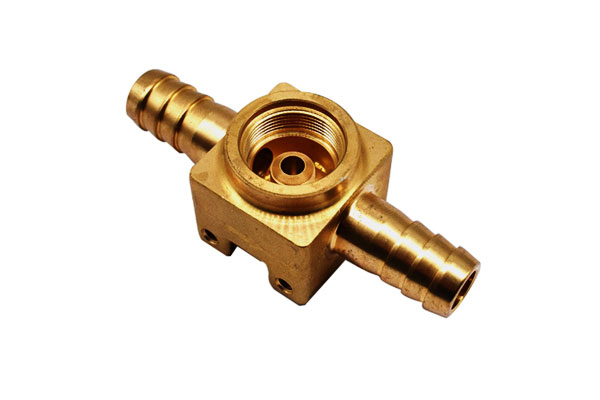
Ħardwer dekorattiv u arkitettoniku
- Mankijiet
- ċappetti
- fittings ornamentali
- attrezzaturi
- Komponenti tat-timjil
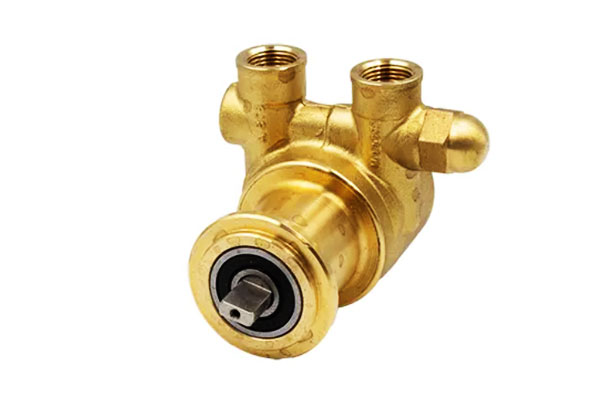
Komponenti tal-plaming u sanitarji
- valvi
- Fittings
- akkoppjar
- konnetturi
- ħardwer relatat mal-ilma
Aċċessorji tal-baħar u kostali
- trim reżistenti għall-korrużjoni
- Fittings
- housings
- ħardwer espost għal ambjenti umdi jew salin
Partijiet elettriċi u ta' strumentazzjoni
- konnetturi
- korpi terminali
- housings tas-sensuri
- komponenti relatati mal-kuntatt
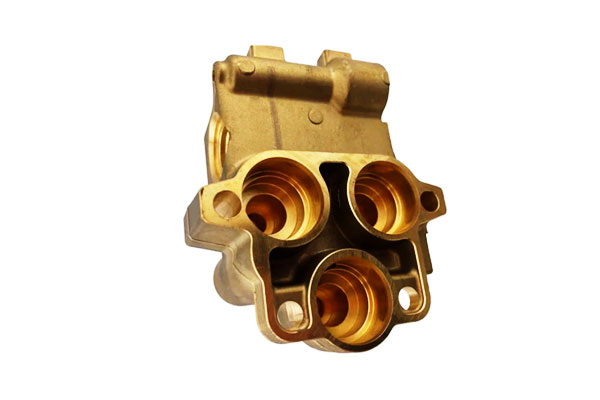
Komponenti mekkaniċi u industrijali
- gerijiet żgħar
- lievi
- parentesi
- Housings ta 'preċiżjoni
- korpi bil-kamin
10. Tqabbil ma 'Rotot Oħra ta' Manifattura
Meta tagħżel rotta tal-manifattura għall-komponenti tar-ram, id-deċiżjoni rari hija bbażata fuq fattur wieħed.
L-għażla reali tiddependi fuq il-ġeometrija meħtieġa, kontroll tat-tolleranza, finitura tal-wiċċ, Volum tal-Produzzjoni, effiċjenza tal-materjal, u l-ispiża totali tal-irfinar.
| Punt ta' Evalwazzjoni | Casting ta' Investiment | Magni minn Bar Stock | Forġa | Ikkastjar tar-ramel |
| L-aktar adattat għal | Partijiet kumplessi qrib forma netta b'dettall fin | Partijiet ta 'preċiżjoni għolja b'ġeometrija sempliċi għal moderata | Partijiet aktar b'saħħithom b'ġeometrija aktar sempliċi | Partijiet kbar jew inqas sensittivi għad-dettall |
| Kumplessità tal-Ġeometrija | Għoli | Moderat | Baxx għal moderat | Moderat |
| Finitura tal-wiċċ | Tajjeb għal tajjeb ħafna | Eċċellenti | Moderat | Ġust għall-foqra |
| Tolleranzi lineari | Tajjeb; tipikament aħjar mill-ikkastjar tar-ramel, aktar dgħajfa minn magni ta 'preċiżjoni | Eċċellenti | Tajjeb | Ġust |
| Tolleranzi ġeometriċi | Tajjeb; adattat għal kontorni kkomplikati u karatteristiċi irqaq | Tajjeb ħafna fuq forom sempliċi, limitati mill-konfigurazzjoni tal-magni | Tajjeb fuq forom robusti, inqas favorevoli għal ġeometrija kkomplikata | Ġust |
| Konsistenza dimensjonali fil-produzzjoni tal-lott | Tajjeb | Eċċellenti għal volum baxx għal medju | Tajjeb | Moderat |
| Użu tal-materjal | Għoli | Baxx | Moderat | Moderat |
| Rekwiżit sekondarju tal-magni | Baxx għal moderat | Moderat għal għoli | Moderat | Għoli |
| L-ispiża tal-għodda | Moderat | Baxx għal moderat | Għoli | Baxx |
| Spiża għal kull parti b'volum medju | Kompetittiv | Ħafna drabi ogħla minħabba l-ħin tal-magni | Ħafna drabi ogħla minħabba l-għodda | Lower għal partijiet sempliċi, ogħla għall-irfinar-partijiet tqal |
| Adattat għal partijiet dekorattivi | Eċċellenti | Tajjeb ħafna | Moderat | Fqir għal ġust |
| Idoneità għal partijiet li jġorru l-pressjoni | Tajjeb, liga- u dipendenti mid-disinn | Tajjeb | Tajjeb ħafna | Moderat |
| Adattabbiltà għal dettall tal-ħajt irqiq | Eċċellenti | Limitat | Fqir | Limitat |
Kif tinterpreta tolleranzi lineari u ġeometriċi
Fil-manifattura tal-komponenti tar-ram, il-prestazzjoni tat-tolleranza għandha tiġi evalwata f'żewġ dimensjonijiet separati:
Tolleranzi lineari irreferi għall-eżattezza dimensjonali tul it-tul, wisa', ħxuna, dijametru, jew il-pożizzjoni tat-toqba.
Tolleranzi ġeometriċi jirreferu għall-kontroll tal-forma u relazzjonijiet pożizzjonali bħall-flatness, Roundness, paralleliżmu, konċentriċità, simetrija, twist, u l-preċiżjoni tal-profil.
11. Il-Funderija LangHe hija l-Fornitur tas-Servizz Tiegħek tal-Ikkastjar tar-Ram Brass
Langhe Foundry jipprovdi soluzzjonijiet tarf sa tarf tal-ikkastjar tar-ram iddisinjati biex jappoġġjaw proġetti mill-iżvilupp tal-kunċett sal-kunsinna finali.
B'kapaċitajiet integrati fl-inġinerija tal-mudelli, ikkastjar ta 'investiment, magni, Irfinar tal-wiċċ, u spezzjoni tal-kwalità, Langhe Foundry jgħin lill-klijenti jikkonvertu rekwiżiti kumplessi tal-komponenti tar-ram f'affidabbli, partijiet lesti għall-produzzjoni.
Jekk il-proġett jinvolvix validazzjoni tal-prototip, Manifattura ta 'lott żgħir, jew provvista stabbli fit-tul,
Langhe Foundry jappoġġja programmi ta 'ikkastjar tar-ram imfassal apposta b'attenzjoni għall-eżattezza dimensjonali, kwalità tal-wiċċ, konsistenza tal-proċess, u prestazzjoni speċifika għall-applikazzjoni.
Billi tgħaqqad l-għarfien tekniku ma 'appoġġ ta' produzzjoni reattiv, Langhe Foundry iservi bħala sieħeb affidabbli għal dekorattivi, funzjonali, u applikazzjonijiet ta 'ikkastjar tar-ram ta' preċiżjoni.
11. Konklużjoni
Ikkastjar ta 'investiment tar-ram huwa matur, teknoloġija tal-manifattura tax-xama' mitlufa ta' preċiżjoni kost-effettiva u estetikament versatili mfassla apposta għall-karatteristiċi tal-liga tar-ram-żingu.
Il-kompetittività ewlenija tagħha toriġina mill-punt tat-tidwib baxx tar-ram, fluwidità eċċellenti u tinxtorob ta 'solidifikazzjoni baxxa,
li jagħtu lill-proċess vantaġġi mingħajr paragun fil-formazzjoni kumplessa tal-istruttura tal-ħajt irqiq u replikazzjoni tal-wiċċ ta 'kwalità għolja meta mqabbla ma' metodi oħra ta 'manifattura tar-ram.
Minkejja l-limitazzjonijiet tar-restrizzjonijiet tad-daqs u l-ispiża tal-unità relattivament għolja, ikkastjar ta 'investiment tar-ram għadu jżomm vitalità qawwija tas-suq
fl-inġinerija tal-plaming, ħardwer tal-baħar u oqsma ta 'dekorazzjoni ta' livell għoli bis-saħħa tal-attributi doppji tiegħu ta 'affidabilità funzjonali u estetika artistika.
Fil-futur, bil-popolarizzazzjoni ta 'ligi ambjentali mingħajr ċomb u teknoloġija ta' proċess ta 'simulazzjoni intelliġenti,
l-ikkastjar tal-investiment tar-ram se jkompli jkisser il-konġestjonijiet tal-ispejjeż u jespandi l-konfini tal-applikazzjoni, isir proċess indispensabbli ta 'appoġġ tal-qalba għal komponenti globali ta' liga tar-ram ta 'preċiżjoni personalizzati ta' livell għoli.
FAQs
X'inhi l-akbar diffikultà teknika fl-ikkastjar ta 'investiment tar-ram?
It-trażżin tal-volatilizzazzjoni b'temperatura għolja taż-żingu u l-korrużjoni tad-diżinċifikazzjoni tal-wiċċ, li jiddetermina direttament l-uniformità tal-kompożizzjoni tal-komponent u r-reżistenza għall-korrużjoni fit-tul.
X'inhi d-differenza bejn l-ikkastjar ta 'investiment tar-ram u l-ikkastjar tad-die?
L-ikkastjar ta 'investiment jappoġġja strutturi kumplessi vojta minn ġewwa b'mikrostruttura interna aktar densa;
die casting karatteristiċi effiċjenza ogħla iżda huwa limitat għal partijiet solidi sempliċi b'difetti inerenti tal-porożità tal-gass.
Liema liga tar-ram huwa l-aktar adattat għall-aċċessorji tal-ilma tax-xorb?
Ram alpha-beta mingħajr ċomb, li jikkonforma mal-istandards internazzjonali tas-sikurezza tal-ilma tax-xorb u jintegra prestazzjoni antibatterika u saħħa mekkanika moderata.
Għaliex tuża qxur newtrali minflok qxur alkalini għall-ikkastjar tar-ram?
Materjali refrattorji alkalini se jirreaġixxu mar-ram imdewweb biex jaċċelleraw il-korrużjoni tad-diżinċifikazzjoni u jnaqqsu l-ħajja tas-servizz tal-komponenti li jġorru l-pressjoni.
Huwa trattament tas-sħana wara l-ikkastjar meħtieġ għall-ikkastjar tar-ram?
L-ittemprar ta' ħelsien mill-istress huwa meħtieġ għal partijiet tar-ram b'fażi doppja biex jeliminaw l-istress termali u jipprevjenu l-qsim tal-korrużjoni tal-istress ittardjat;
ram dekorattiv ta 'fażi waħda jista' jħalli barra t-trattament tas-sħana skond it-talbiet attwali.