1. Introduction
The melting point of brass is a fundamental property that governs its behavior in casting, welding, brazing, and heat treatment.
Unlike pure metals, brass exhibits a melting range rather than a single temperature, typically between 880 °C (1,616 °F) and 1,095 °C (2,003 °F), depending on composition and alloying elements such as zinc, lead, tin, nickel, and aluminium.
Accurate control of this melting range is critical for industrial applications: it ensures proper mold filling, minimizes porosity and hot cracking, preserves mechanical properties, and prevents zinc volatilization.
Even small deviations from the optimal temperature window can significantly reduce yield and product quality.
Understanding the factors that influence the melting point of brass behavior—composition, microstructure, processing history, and environmental conditions.
Enables manufacturers to optimize performance, reduce defects, and achieve consistent results in diverse applications ranging from automotive components to musical instruments and marine hardware.
2. What brass is (composition and classification)
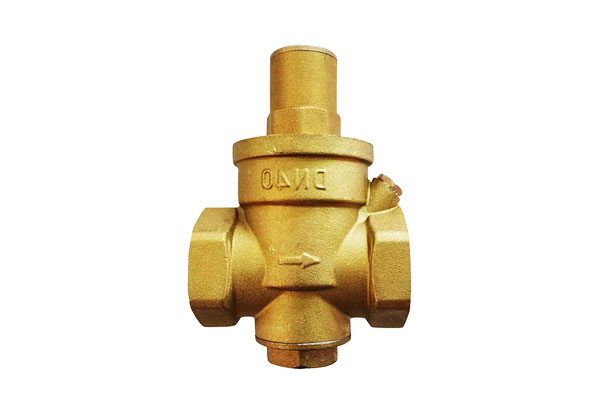
Brass denotes alloys whose principal elements are copper (Cu) and zinc (Zn).
By changing the Cu: Zn ratio and adding small quantities of other elements, a wide range of mechanical, corrosion, and thermal characteristics can be produced.
Common classifications:
- Alpha (α) brasses — Cu-rich (typically up to ~35 wt% Zn). Single-phase face-centred-cubic (fcc) solid solution. Good ductility and formability.
- Alpha-beta (α+β) brasses — moderate Zn (~35–45 wt%), duplex microstructure that increases strength and hardness but reduces cold ductility.
- High-zinc and special brasses — higher Zn or other major alloying elements (Al, Ni, Mn, Sn, Pb) alter phase equilibria and melting/solidification behavior.
These phase distinctions are the root cause of the melting-range behavior: unlike pure metals, alloys typically do not melt at a single temperature but over an interval between the solidus and the liquidus lines that appear on the phase diagram.
3. Brass alloy systems and typical melting ranges
Below are representative engineering values for several common brass categories and grades.
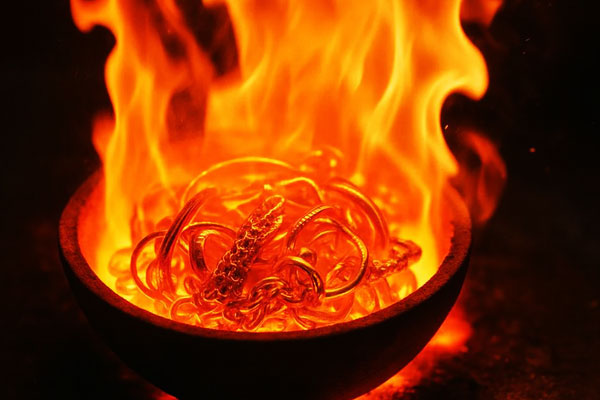
These values are typical working ranges used for process design and should be verified against material certificates, supplier datasheets, or laboratory thermal analysis for production-critical work.
| Alloy / family | Typical solidus (°C / °F) | Typical liquidus (°C / °F) | Notes |
| Generic yellow brass (common commercial mix) | ~900 °C / 1,652 °F | ~940 °C / 1,724 °F | General-purpose brass; easy to cast and machine. |
| C26000 (Cartridge brass, 70Cu–30Zn) | ~910–920 °C / 1,670–1,688 °F | ~954–965 °C / 1,750–1,769 °F | Excellent ductility; widely used in sheet and tube. |
| C36000 (Free-cutting brass, Pb-bearing) | ~885–890 °C / 1,625–1,634 °F | ~900 °C / 1,652 °F | Superior machinability; narrower melting window. |
| C23000 (Red brass, ~85Cu–15Zn) | ~990 °C / 1,814 °F | ~1,025 °C / 1,877 °F | Higher-Cu “red” brass; melts closer to pure copper. |
| C46400 (Naval brass, Cu–Zn–Sn) | ~888 °C / 1,630 °F | ~899 °C / 1,650 °F | Resistant to seawater corrosion; narrow melting interval. |
| C75200 (Nickel Silver 65-18-17) | ~1,070 °C / 1,958 °F | ~1,095 °C / 2,003 °F | Cu–Zn–Ni alloy; higher melting range due to Ni content; valued for strength and silver-like appearance. |
4. Key factors influencing brass’s melting range
How Alloying Elements Change the Melting Point of Brass
| Element | Melting Point (°C / °F) | Effect on Brass Melting Behaviour | Practical Consequences |
| Zinc (Zn) | 419 °C / 786 °F | Lowers solidus and liquidus relative to pure copper; higher Zn widens freezing range (α → β phase transitions). | Improves castability; excessive Zn increases risk of segregation and zinc loss during melting. |
| Lead (Pb) | 327 °C / 621 °F | Does not dissolve in Cu–Zn matrix; forms discrete low-melting inclusions that locally liquate. | Enhances machinability; but causes hot-shortness in welding/brazing and health concerns. |
| Tin (Sn) | 232 °C / 450 °F | Slightly raises melting range; improves stability of α-phase and corrosion resistance. | Used in naval and red brasses; suppresses dezincification but requires higher processing temperatures. |
| Nickel (Ni) | 1,455 °C / 2,651 °F | Raises solidus and liquidus; strengthens Cu–Zn matrix; stabilizes higher-temperature phases. | Produces nickel silvers (e.g., C75200) with higher melting ranges and improved strength. |
Aluminium (Al) |
660 °C / 1,220 °F | Tends to raise melting range; promotes intermetallic formation; improves oxidation resistance. | Used in aluminium brasses for seawater service; requires higher superheat during casting. |
| Manganese (Mn) | 1,246 °C / 2,275 °F | Refines microstructure; minor increase in melting range; may form second-phase particles. | Improves strength and toughness; enhances wear resistance. |
| Iron (Fe) | 1,538 °C / 2,800 °F | Forms intermetallics; slightly raises melting range; can act as nucleant during solidification. | Adds strength but can complicate casting due to inclusions. |
| Silicon (Si) | 1,414 °C / 2,577 °F | Acts mainly as a deoxidizer; limited direct impact on melting range but alters oxide behaviour. | Improves soundness and fluidity in casting; helps control dross. |
Microstructural State (Grain Size, Phase Distribution)
Brass’s melting range is slightly sensitive to its as-processed microstructure, though this effect is smaller than composition:
- Grain Size: Fine-grained brass (grain diameter <10 μm) has a solidus ~5–10°C lower than coarse-grained brass (>50 μm).
Fine grains have more grain boundaries, where atomic diffusion is faster—this accelerates melting at lower temperatures. - Phase Segregation: In α+β brass (e.g., C27200), uneven phase distribution (e.g., β-phase clusters) creates localized melting points.
β-phase regions melt first (at ~980°C), while α-phase regions persist until ~1050°C, widening the effective melting range by 10–20°C.
Practical Example: Cold-worked brass (e.g., drawn brass tubes) has a finer grain structure than cast brass.
When annealing cold-worked C26000 brass, the melting range starts at 1040°C (vs. 1050°C for cast C26000), requiring lower annealing temperatures to avoid partial melting.
Processing History (Casting, Welding, Heat Treatment)
Thermal processing alters brass’s melting range by modifying its chemical or microstructural state:
- Zinc Volatilization (Welding/Casting): Zinc has a low boiling point (907°C), so heating brass above 950°C causes zinc vapor loss (1–3 wt% per hour at 1000°C).
This increases copper content, raising the melting range—e.g., C36000 brass with 3% zinc loss has a liquidus of 960°C (vs. 940°C for unprocessed brass). - Heat Treatment (Solution Annealing): Annealing brass at 600–700°C (below the solidus) homogenizes the Cu-Zn solid solution, narrowing the melting range by 5–15°C.
For example, annealed C28000 brass has a melting range of 880–900°C (vs. 880–920°C for as-cast C28000).
5. Measurement Methods (how melting ranges are determined)
Quantifying the solidus and liquidus of a brass composition is standard metallurgical work.
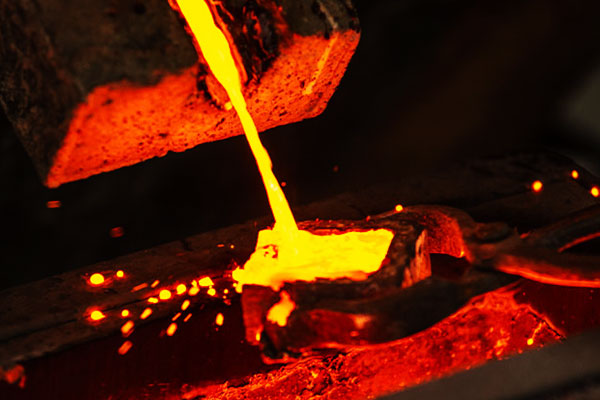
Methods commonly used:
- Differential Scanning Calorimetry (DSC) / Differential Thermal Analysis (DTA) — provide precise onset and completion temperatures for endothermic melting events, measure latent heat, and are ideal for small, well-prepared samples.
DSC traces show the start (solidus) as a deviation and the major endotherm peak(s) as liquidus and latent heat. - Cooling-curve (thermal arrest) analysis — in foundry labs, thermal histories recorded during cooling exhibit arrest points (plateaus or changes in slope) corresponding to phase transformations; these are useful for practical foundry verification.
- Arrested-cooling metallography — samples are heated to a target temperature in the solidus–liquidus interval and rapidly quenched;
inspection of resulting microstructures identifies which phases were present at that temperature, validating thermal analysis. - Thermodynamic modeling (CALPHAD) — computational tools can predict solidus/liquidus for multicomponent alloys and are widely used to screen compositions and plan experiments.
- Practical foundry trials — pouring test castings and inspecting defects, mechanical properties and microsegregation helps validate laboratory numbers under production conditions.
6. Industrial Applications of Brass Melting Range Control
Precise knowledge of brass’s melting range is critical to process optimization.
In many cases, even a 10 °C deviation from target temperatures can reduce yield by up to 20% through defects such as misruns, porosity, or zinc volatilization.
The following industrial practices highlight how melting control translates directly into manufacturing performance.
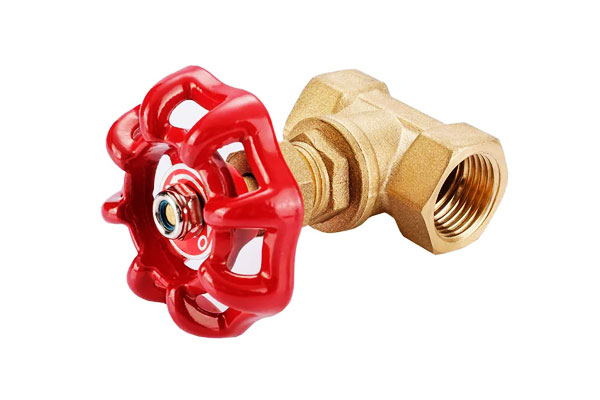
Casting (Sand Casting, Die Casting, Investment Casting)
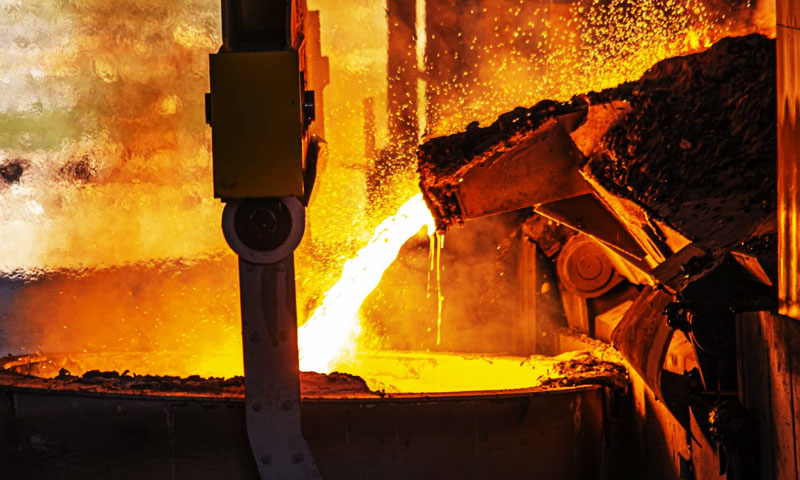
Casting requires heating brass to a pouring temperature typically liquidus + 50–100 °C, ensuring fluidity sufficient to fill mold cavities while minimizing zinc vaporization.
| Process | Brass Grade | Melting Range (°C / °F) | Pouring Temperature (°C / °F) | Fluidity Requirement | Key Outcome |
| Sand Casting (Automotive Brackets) | C28000 (Muntz metal) | 880–900 / 1,616–1,652 | 950–980 / 1,742–1,796 | Low (thick sections) | Shrinkage defects reduced by ~40% |
| High-Pressure Die Casting (Electrical Connectors) | C36000 (Free-cutting brass) | 870–940 / 1,598–1,724 | 980–1,020 / 1,796–1,868 | High (thin walls <2 mm) | Yield >95%, complete mold filling |
| Investment Casting (Musical Instrument Valves) | C75200 (Nickel Silver) | 1,020–1,070 / 1,868–1,958 | 1,100–1,150 / 2,012–2,102 | Medium (complex geometry) | Low porosity, improved acoustic quality |
Welding (TIG, Brazing)
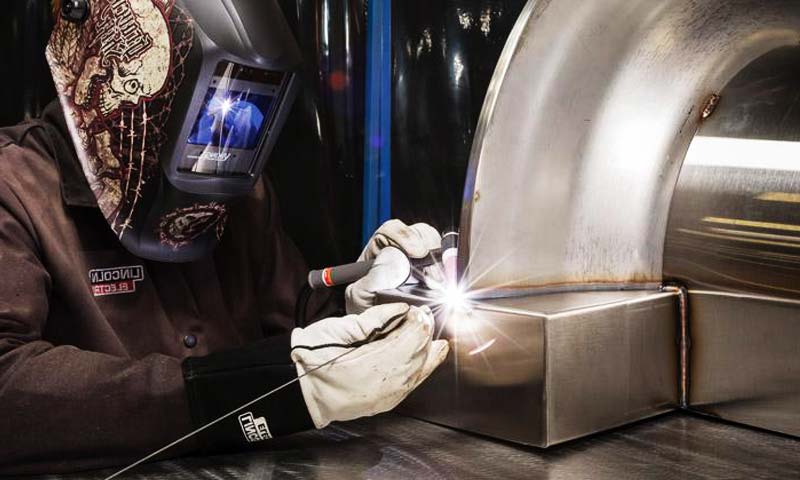
Brass welding requires avoiding temperatures above the liquidus (to prevent melting) while ensuring sufficient heat to fuse joints.
- TIG Welding (Thin Brass Sheets): Use a preheat temperature of 200–300°C (well below the solidus of C26000 brass: 1050°C) and a weld pool temperature of 950–1000°C (between solidus and liquidus).
This creates a “partial fusion” joint without melting the base metal. - Brazing (Brass Pipes): Use a brazing filler metal (e.g., BCuP-2, melting 645–790°C) with a melting point below brass’s solidus.
Heating to 700–750°C ensures the filler melts while the brass base remains solid, avoiding joint distortion.
Failure Mode: Overheating during TIG welding (temperature >1080°C for C26000 brass) causes “burn-through” (melting of the base metal), requiring rework and increasing costs by 50%.
Heat Treatment (Annealing, Stress Relieving)
Heat treatment temperatures are strictly limited to below the solidus to prevent partial melting:
- Annealing (Cold-Worked Brass Tubes): C26000 brass is annealed at 600–650°C (vs. solidus 1050°C) to restore ductility (elongation increases from 10% to 45%) without altering the melting range.
- Stress Relieving (Brass Fittings): Heat to 250–350°C to reduce residual stresses from machining—this temperature is far below the solidus, avoiding microstructural damage.
7. Processing & Safety Considerations of Brass
Zinc vaporization and metal-fume hazards
- Zinc boiling point is about 907 °C (≈1,665 °F). Because many common brasses have liquidus values near or above this temperature, zinc vaporization and the formation of zinc oxide fumes can occur during melting, welding or local overheating.
Inhalation of ZnO fume can cause metal fume fever, a flu-like occupational illness. - Controls: local exhaust ventilation, fume capture, appropriate respiratory protection, and temperature control in melting/welding operations are mandatory to protect workers.
Oxidation, dross and inclusion control
- Molten brass forms oxides (copper and zinc oxides) and dross.
Fluxing and controlled atmosphere practices, deoxidation chemistry and careful skimming reduce oxide inclusion entrainment.
Excessive oxidation reduces yield, increases defects and alters chemistry.
Lead and regulatory issues
- Lead (Pb) is used in some free-cutting brasses; even small Pb levels have regulatory implications for potable water and consumer products.
Lead-bearing scrap must be managed separately from lead-free streams, and finished products must meet local lead-content regulations.
Dezincification and long-term service
- Some brasses are susceptible to dezincification (selective leaching of zinc) in certain corrosive waters and environments.
Selection of dezincification-resistant alloys or protective measures is important for plumbing, marine and potable water applications.
8. Common Misconceptions About Brass Melting Point
Despite its industrial importance, brass’s melting behavior is often misunderstood. Below are key clarifications:
“Brass has a fixed melting point like pure copper.”
False: Pure copper melts at 1083°C (fixed), but brass—an alloy—has a melting range (solidus to liquidus).
For example, C36000 brass melts between 870°C and 940°C, not at a single temperature.
“Adding more zinc always lowers brass’s melting range.”
Partially True: Zinc content up to 45% lowers the melting range, but beyond 45%, zinc forms the brittle γ-phase (Cu₅Zn₈, melting 860°C), and the melting range stabilizes or slightly increases.
High-zinc brass (>50% Zn) is rarely used due to extreme brittleness.
“Impurities only lower brass’s melting range.”
False: Iron (Fe) and nickel (Ni) raise the melting range by forming high-melting intermetallics. Only “soft” impurities (Pb, S) consistently lower the melting range.
“Casting temperature can be arbitrary as long as it’s above the liquidus.”
False: Excessive heating (liquidus + >100°C) causes severe zinc volatilization (loss >5%) and dross formation, reducing mechanical strength.
Undercooking (liquidus + <30°C) leads to poor fluidity and mold filling defects.
9. Conclusion
The melting point of brass is not a single fixed value but a range defined by its composition, microstructure, and processing history.
Unlike pure metals with sharp melting transitions, brass—being a copper–zinc alloy with additional elements such as lead, tin, nickel, or aluminium—exhibits solidus and liquidus boundaries that vary widely.
These boundaries directly influence how brass behaves during casting, welding, brazing, and heat treatment, making precise control of melting range a cornerstone of industrial metallurgy.
FAQs
What is the melting range of common brass used in plumbing fixtures (C26000)?
C26000 (cartridge brass) has a solidus temperature of ~1050°C and a liquidus temperature of ~1085°C, resulting in a melting range of 35°C (1050–1085°C).
This narrow range makes it suitable for drawing into thin-walled pipes.
How does lead content affect the melting range of C36000 brass?
C36000 (free-cutting brass) contains 2.5–3.7 wt% lead.
Each 1 wt% increase in lead lowers the liquidus by ~10–15°C: a 2.5% Pb sample has a liquidus of ~940°C, while a 3.7% Pb sample has a liquidus of ~925°C.
Lead also widens the melting range (from 50°C to 70°C) by forming low-melting Pb-rich phases.
Can I weld brass using the same temperature as steel?
No. Steel (e.g., A36) has a melting range of 1425–1538°C, far higher than brass.
Welding brass (e.g., C26000) requires a maximum temperature of ~1000°C (between solidus and liquidus) to avoid melting the base metal—using steel welding temperatures would completely melt the brass.
How do I measure the melting range of brass in an industrial setting?
Use a high-temperature melting point apparatus (precision ±5–10°C) with a 1–5 g brass sample.
Heat the sample in a graphite crucible, monitor temperature with a thermocouple, and record the solidus (first liquid formation) and liquidus (full melting) temperatures.
This method is fast and suitable for batch quality control.
Why does zinc volatilization affect brass’s melting range?
Zinc volatilization (above 907°C) reduces the zinc content of the brass, shifting the composition toward copper.
Since copper has a higher melting point than brass, the melting range (solidus/liquidus) increases.
For example, C36000 brass with 3% zinc loss has a liquidus of 960°C (vs. 940°C for fresh brass), requiring higher casting temperatures to maintain fluidity.