Nokrišņu izturība (Ph) stainless steels form a distinct class of high-performance materials combining the corrosion resistance of austenitic stainless steels with the strength of martensitic grades.
Starp tiem, 15-5 nerūsējošais tērauds (DIN X4CrNiCuNb164) has emerged as a vital alloy in aerospace, medicīnisks, and industrial engineering sectors due to its superior strength, izturība, un uzticamība.
Originally developed as an improvement over the well-established 17-4 Ph (ASV S17400), 15-5 PH nerūsējošais tērauds (ASV S15500) was engineered to offer better transverse mechanical properties and greater compositional consistency.
Its name derives from its nominal composition—15% hroms un 5% niķelis—with copper added for precipitation strengthening.
1. Kas ir 15-5 Nerūsējošais tērauds?
15-5 nerūsējošais tērauds, also known by its Unified Numbering System (Mūs) designation S15500, ir a martensitic precipitation-hardening (Ph) nerūsējošais tērauds.
It is engineered to provide a combination of high strength, Lieliska izturība, un mērena izturība pret koroziju.
The alloy is particularly valued for its consistent mechanical properties in both the longitudinal and transverse directions, which makes it ideal for high-reliability applications.

Galvenās īpašības:
- Martensitic microstructure: Achieved through solution heat treatment followed by aging, resulting in high hardness and strength.
- Nokrišņu sacietēšana: Enhanced through the controlled addition of vara, which forms fine precipitates during aging to increase strength without compromising toughness.
- Improved over 17-4 Ph: Developed as a modification of 17-4 Ph (S17400) nerūsējošais tērauds,
15-5 offers better transverse toughness and more uniform mechanical properties across large cross-sections due to reduced delta ferrite and improved composition control.
Klasifikācija:
- ASV apzīmējums: S15500
- Materiāla tips: Martensitic precipitation-hardening stainless steel
2. Ķīmiskais sastāvs 15-5 Nerūsējošais tērauds
The chemical composition of 15-5 nerūsējošais tērauds is carefully balanced to achieve its superior mechanical properties, izturība pret koroziju, and consistency across large cross-sections.
It is characterized by a combination of hroms, niķelis, un vara, with tight control over carbon and other residual elements to minimize impurities and enhance performance.

Tipisks ķīmiskais sastāvs (Weight%):
| Elements | Apmierināts (%) | Darbība |
| Hroms (Krekls) | 14.0 - 15.5 | Provides corrosion resistance and contributes to hardenability |
| Niķelis (Iekšā) | 3.5 - 5.5 | Stabilizes the austenite phase, improves toughness and ductility |
| Varš (Cu) | 2.5 - 4.5 | Forms precipitates during aging, significantly increases strength |
| Ogleklis (C) | ≤ 0.07 | Low content reduces risk of carbide precipitation, izturības uzlabošana |
| Mangāns (Nojaukšanās) | ≤ 1.0 | Enhances hot working and improves deoxidation during steelmaking |
| Silīcijs (Un) | ≤ 1.0 | Deoxidizer during processing, minor effect on mechanical properties |
| Fosfors (Pūtīt) | ≤ 0.04 (typical max) | Controlled to prevent embrittlement |
| Sērs (S) | ≤ 0.03 (typical max) | Minimally present, aids machinability in small quantities |
| Niobijs (Nb) vai Columbium (Cb) | ≤ 0.45 | Darbojas kā graudu rafinētājs, prevents grain growth during heat treatment |
| Dzelzs (Fe) | Līdzsvars | Parastais metāls |
Atzīmēt: Actual composition may vary slightly by producer within the allowable specification ranges, especially to meet certain mechanical or corrosion resistance targets.
Role of Copper in Precipitation Strengthening
Viena no noteicošajām iezīmēm 15-5 stainless steel is its copper content, which plays a critical role in its precipitation-hardening mechanism.
Upon aging heat treatment (Piem., H900 or H1025), finely dispersed copper-rich precipitates form within the martensitic matrix.
These particles impede dislocation motion, resulting in a significant increase in yield and tensile strength without severely compromising ductility.
3. Mehāniskās īpašības 15-5 Nerūsējošais tērauds
15-5 nerūsējošais tērauds is highly regarded for its excellent mehāniskā izturība, izturība, un Noguruma pretestība.

These properties are primarily developed through nokrišņu sacietēšana (vecuma sacietēšana) following solution treatment.
By adjusting the aging temperature and time, the alloy can be tailored to meet specific application requirements.
| Īpašums | H900 | H1025 | H1075 | H1100 | H1150 | H1150M |
| Stiepes izturība (MPA) | ~1310 | ~1170 | ~1100 | ~1060 | ~1030 | ~1030 |
| Peļņas izturība 0.2% Kompensēt (MPA) | ~1170 | ~1070 | ~1000 | ~950 | ~ 900 | ~ 930 |
| Pagarināšana (%) | ~ 10 | ~ 14 | ~ 15 | ~ 16 | ~ 17 | ~16–18 |
| Cietība (HRC) | 40–45 | 33–38 | 30–34 | 28–32 | 25–30 | 26–31 |
| Lūzuma izturība k_ic (MPA√m)* | ~ 55 | ~65 | ~ 70 | ~72 | ~75 | ~75+ |
| Noguruma robeža (MPA)** | ~ 620 | ~540 | ~ 510 | ~490 | ~470 | ~ 460 |
4. Fiziskās īpašības 15-5 Nerūsējošais tērauds
15-5 stainless steel exhibits a well-balanced set of fizikālās īpašības that complement its high mechanical performance.
| Īpašums | Novērtēt | Piezīmes |
| Blīvums | 7.78 G/cm³ | Slightly higher than austenitic grades due to martensitic structure |
| Kušanas diapazons | 1390 - 1440 ° C | Narrow melting range typical of stainless steels |
| Elastības modulis | ~ 200 GPA | Augsts stīvums; stable across common temperature ranges |
| Siltumvadītspēja | ~ 18 w/m · k plkst 100 ° C | Zemāks par oglekļa tēraudu; affects heat transfer in thermal cycling parts |
| Īpaša siltuma jauda | ~ 460 J/kg · k | Mērens; relevant for thermal fatigue and energy absorption |
| Elektriskā pretestība | ~0.90 μΩ·m | Augstāks par oglekļa tēraudiem; useful in electrical isolation applications |
| Izplešanās koeficients | ~10.8 × 10⁻⁶ /°C (20–100 ° C) | Lower than austenitic stainless (Piem., 304), important for dimensional stability |
| Magnētisms | Magnetic in all conditions | Sakarā ar savu martensītu struktūru, remains magnetic even after aging |
5. Heat Treatment and Aging of 15-5 PH nerūsējošais tērauds
15 5 PH nerūsējošais tērauds derives its exceptional mechanical properties through a two-step termiskās apstrādes process: Risinājumu rūdīšana seko nokrišņu sacietēšana (novecošanās).
This controlled sequence develops a fine dispersion of strengthening precipitates, particularly copper-rich phases, within the martensitic matrix.
Risinājumu rūdīšana (Nosacījums A)
Risinājumu rūdīšana is the initial and essential heat treatment step for 15-5 nerūsējošais tērauds, Parasti dēvēts par Nosacījums A.
This process prepares the alloy for subsequent aging by dissolving existing precipitates and homogenizing its microstructure.
Procesa parametri
- Temperatūra: Aptuveni 1038° C (1900° F)
- Soaking Time: Parasti 30 līdz 60 protokols, depending on material thickness
- Dzesēšanas metode: Parasti dzesēšana vai oil quenching biezākām sekcijām
Purpose and Effects
- Dissolution of Precipitates: Any copper- or carbide-based precipitates formed during prior processing are fully dissolved, resulting in a uniform solid solution.
- Austenitizējošs: The steel is heated into the austenite phase field where the microstructure transforms to face-centered cubic (FCC) Austenīts.
- Martensitic Transformation on Cooling: Upon rapid cooling, a diffusionless transformation occurs, converting austenite into body-centered tetragonal (Bct) martensīts.
This martensitic matrix is the foundation for further precipitation hardening. - Homogenizācija: Eliminates segregation and microstructural inconsistencies, ensuring consistent mechanical properties throughout the material.
- Prepares for Aging: Sets the stage for controlled precipitation of strengthening phases during subsequent aging treatments.
Nokrišņu sacietēšana (Novecošanās)
After solution treatment, aging is performed at various temperatures to tailor the final mechanical properties. The most common aging tempers are:
| Aging Condition | Temperatūra (° C) | Temperatūra (° F) | Ilgums | Key Effects |
| H900 | 482 | 900 | 1 stunda | Maximum strength, reduced ductility |
| H1025 | 552 | 1025 | 4 laiks | Līdzsvarota izturība un elastība |
| H1075 | 579 | 1075 | 4 laiks | Slightly reduced strength, uzlabota stingrība |
| H1100 | 593 | 1100 | 4 laiks | Increased ductility, better fracture toughness |
| H1150 | 621 | 1150 | 4 laiks | Overaged for optimal toughness and stress relief |
| H1150M (Double Age) | 621 × 2 | 1150 × 2 | 4 + 4 laiks | Highest toughness, Izmēra stabilitāte |
Atzīmēt: All aging is done in air; no quench is needed after aging.
6. Izturība pret koroziju
15 - 5 stainless steel offers good corrosion resistance in atmospheric, jūras, un viegla ķīmiskā vide.
Normālos atmosfēras apstākļos, it can resist corrosion for long periods without significant degradation.
Jūras vidē, it can withstand the corrosive effects of saltwater spray and humidity better than many other martensitic stainless steels.
Compared to martensitic grades like 410 un 420, 15 - 5 stainless steel has better pitting and crevice corrosion resistance.
This is due to its chemical composition, which promotes the formation of a more stable and continuous passive film on the surface.
Tomēr, 15 - 5 stainless steel is not ideal for chloride-rich or highly acidic environments.
In such conditions, austenitic stainless steels like 316L or duplex stainless steels like 2205 are more suitable, as they offer superior corrosion resistance.
7. Manufacturing Processes and Fabrication of 15-5 Nerūsējošais tērauds
Liešana
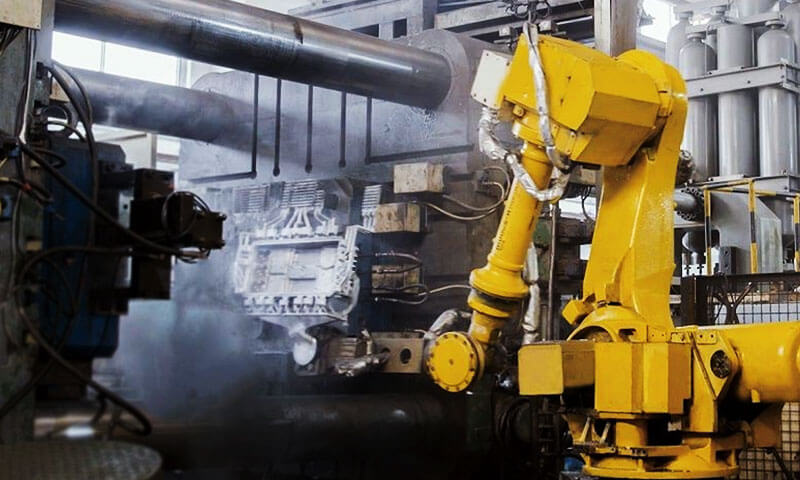
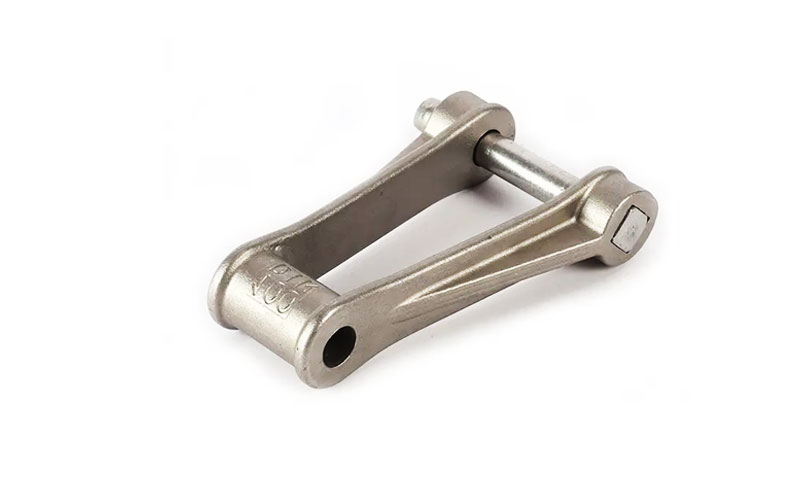
15-5 stainless steel can be cast through various methods, ieskaitot investīciju liešana un smilšu liešana, each suited to different component requirements.

- Investīciju liešana is often favored for producing complex-shaped components with high dimensional accuracy and superior surface finish.
This process involves creating a wax pattern of the desired part, pārklājot to ar keramikas apvalku, then melting out the wax to form a cavity.
Molten 15-5 PH stainless steel is poured into this cavity to form precise, sarežģītas detaļas. - Smilšu liešana, otrādi, is better suited for larger, less complex components.
It is generally more cost-effective for producing sizable parts where tight tolerances and fine surface finishes are less critical.
Karsts un auksts darbs
In its atkausēts stāvoklis, 15 5 stainless steel exhibits good formability, allowing for a wide range of hot and cold working processes:
- Karsts darbs: Techniques such as forging and rolling are performed at elevated temperatures (typically above 900°C).
This enables shaping the steel into various forms—bars, šķīvji, and tubes—while refining the grain structure and enhancing mechanical properties. - Aukstā darbība: Processes like cold rolling, zīmēšana, and stamping enable precise dimensional control and improved surface finishes.
Tomēr, cold working induces work hardening, which may necessitate subsequent annealing or stress-relief treatments to restore ductility and reduce internal stresses.
Apstrāde
Mašīnīgums 15 5 stainless steel is generally good in the rūdīts (apstrādāts ar šķīdumu) nosacījums, but decreases significantly as the material is hardened through precipitation aging.
- To machine 15-5 efektīvi, the use of carbide-tipped cutting tools is recommended due to their hardness and heat resistance.
- Employing ātrgaitas apstrāde techniques helps minimize cutting forces and heat buildup.
- Adequate use of coolants and lubricants is essential to reduce tool wear and achieve superior surface finishes on machined parts.
Metināšana
Metināšana 15 5 stainless steel requires meticulous control to prevent issues such as cracking and degradation of mechanical properties.
- Uzkarsēšana the base metal to around 150–200 ° C prior to welding helps minimize thermal stresses and reduce the risk of cracking.
- Depending on the welding method and application, izšķirt Pēc termiņa may be necessary to restore mechanical strength and relieve residual stresses.
- Selection of pildvielu metāli that closely match the chemical composition of stainless steel is critical for ensuring weld integrity and maintaining the desired mechanical properties in the joint.
8. Priekšrocības un ierobežojumi 15-5 Nerūsējošais tērauds
Priekšrocības
- Augstas stiprības un svara attiecība:
15-5 PH stainless steel offers excellent tensile and yield strength while maintaining relatively low density, making it ideal for weight-sensitive applications such as aerospace and high-performance engineering. - Excellent Toughness and Mechanical Stability:
The alloy demonstrates outstanding toughness, including across thick cross-sections and transverse directions, reducing the risk of brittle failure in critical components. - Laba izturība pret koroziju:
It resists atmospheric, jūras, and mild chemical environments better than conventional martensitic stainless steels (Piem., 410/420), enhancing durability in many industrial and marine settings. - Heat Treatability for Tailored Performance:
Its precipitation-hardening response allows engineers to customize mechanical properties (izturība, izturība, cietība) through controlled aging cycles. - Good Machinability in Hardened Conditions:
Compared to many other stainless steels, 15-5 maintains relatively good machinability after aging, facilitating efficient manufacturing of precision parts.
Ierobežojumi
- Susceptibility to Chloride and Acidic Environments:
Despite improved corrosion resistance over some martensitic grades,
15-5 is not recommended for prolonged exposure to highly chloride-rich or strongly acidic environments; alternatives such as 316L or duplex stainless steels are preferred. - Requirement for Precise Heat Treatment:
Achieving optimal mechanical and corrosion properties depends on strict control of solution annealing and aging parameters, adding complexity to manufacturing and quality assurance. - Higher Cost Compared to Austenitic Stainless Steels:
Due to alloying elements and specialized processing, 15-5 typically costs more than common grades like 304 vai 316, potentially limiting its use to performance-critical applications. - Limited Cold-Forming Flexibility:
The alloy is less ductile and more prone to work hardening than austenitic stainless steels, restricting its formability and necessitating intermediate annealing during cold working.
9. Lietojumprogrammas
15-5 stainless steel’s unique combination of high strength, izturība, izturība pret koroziju, and heat-treatability makes it a preferred material across a broad spectrum of demanding industries.

Aviācija
- Strukturālās sastāvdaļas: Used in airframe parts, iekavas, and supports where the strength-to-weight ratio is critical.
- Shafts and Fasteners: Ideal for landing gear, izpildmehānismi, and high-strength fasteners due to their toughness and dimensional stability.
- Turbine and Engine Parts: Suitable for components requiring good fatigue resistance and thermal stability.
Medicīnas
- Orthopedic Instruments: Surgical tools and implants benefit from 15-5’s biocompatibility, izturība pret koroziju, un mehāniskā uzticamība.
- Surgical Tools: Scalpel handles, skavas, and other precision instruments use 15-5 stainless steel for durability and ease of sterilization.
Rūpniecisks
- Gear Parts and Valve Stems: High-strength gears, vārpstas, and valve components in chemical and petrochemical plants.
- Pump Shafts and Fittings: Resistant to wear and corrosion in moderately aggressive environments.
- High-Strength Fittings: Used where weight savings and mechanical performance are essential.
Piedevu ražošana
- Metal Powder for 3D Printing: 15-5 PH stainless steel powder is increasingly used in Selektīva lāzera kausēšana (SLM) un Tiešā metāla lāzera saķepināšana (DMLS) processes to produce complex, high-performance components with excellent mechanical properties.

10. Comparison with Similar Stainless Steels
15 5 PH stainless steel is part of the family of martensitic precipitation-hardening (Ph) nerūsējoši tēraudi, and it shares many characteristics with alloys such as 17-4 Ph, 13-8 Noplūde, un 17-7 Ph.
Understanding its differences and advantages compared to these steels helps in selecting the most suitable material for specific applications.
| Īpašums / Sakausējums | 15-5 Nerūsējošais tērauds | 17-4 Ph Nerūsējošais tērauds | 13-8 Mo Stainless Steel | 17-7 PH nerūsējošais tērauds |
| ASV apzīmējums | S15500 | S17400 | S13800 | S17700 |
| Kompozīcijas izceltie | ~15% Cr, 5% Iekšā, Cu, Nb | ~ 17% cr, 4% Iekšā, Cu, Nb | ~13% Cr, 8% Iekšā, Noplūde, Cu | ~ 17% cr, 7% Iekšā, Cu, Nb |
| Termiskā apstrāde | Šķīduma rūdīšana + novecošanās (H900–H1150M) | Šķīduma rūdīšana + novecošanās (H900–H1150M) | Šķīduma rūdīšana + novecošanās | Šķīduma rūdīšana + novecošanās |
| Mehāniskā izturība | Augsts, up to ~1310 MPa tensile (H900) | Ļoti augsts, up to ~1380 MPa tensile (H900) | Lielāka izturība, laba izturība | Mērena izturība, lieliska elastība |
| Izturība | Superior toughness and transverse properties | Good toughness but lower than 15-5 | Augsta izturība, improved over 17-4 Ph | Excellent toughness and formability |
| Izturība pret koroziju | Better than 17-4 Ph, good marine resistance | Laba vispārēja izturība pret koroziju | Laba izturība pret koroziju | Mērena izturība pret koroziju |
| Mašīnīgums | Labi, especially in annealed and overaged states | Labi, widely used in machining | Mērena apstrādājamība | Laba mašīnīgums |
| Lietojumprogrammas | Aviācijas un kosmosa strukturālās daļas, medicīniskās ierīces | Aviācija, rūpniecisks, general-purpose PH | High-strength aerospace and chemical parts | Aerospace springs, precizitātes daļas |
| Maksāt | Mēreni vai augstu | Mērens | Higher due to Mo content | Mērens |
Application Scope:
Kamēr 17-4 PH stainless steel is often the go-to for general-purpose applications due to its cost-effectiveness and wide availability, 15-5 PH stainless steel is preferred where higher toughness and dimensional stability are required.
13-8 Mo stainless steel offers higher strength but at increased cost, tā kā 17-7 PH stainless steel is valued for excellent ductility and spring properties.
11. Forms and Specifications of 15-5 Nerūsējošais tērauds
Available Forms
- Stieple, rod, sloksne, plāksne
- Forgings and extrusions
- Powder for AM (piedevu ražošana)
Standarti un specifikācijas
- ASTM A564/A564M – Bars and shapes
- AMS 5659 – Aerospace components
- ASTM F899 – Surgical applications
- Iso 16061, Iekšā 10088-3 – International equivalents
12. Secinājums
15-5 nerūsējošais tērauds stands out as a premium engineering alloy that blends lielas izturības, izturība pret koroziju, un Izmēra stabilitāte with excellent mašīnīgums.
Its widespread use in aerospace, medicīnisks, and industrial sectors underscores its value where performance cannot be compromised.
With the increasing adoption of piedevu ražošana, 15-5 PH also opens new frontiers in design flexibility and lightweighting without sacrificing strength.
While it demands precise processing and heat treatment, its benefits in critical applications continue to make it a material of choice for demanding engineering environments.
LangHe: Precīza nerūsējošā tērauda liešana & Izgatavošanas pakalpojumi
LangHe ir uzticams nodrošinātājs Augstas kvalitātes nerūsējošā tērauda liešanas un precizitātes metāla ražošanas pakalpojumi, Kalpošanas nozares, kur darbība, izturība, un izturība pret koroziju ir kritiska.
Ar uzlabotām ražošanas iespējām un apņemšanos ievērot inženierzinātnes izcilību, LangHe Nodrošina uzticamu, Pielāgoti nerūsējošā tērauda risinājumi, lai izpildītu visprasīgākās lietojumprogrammas prasības.
Mūsu nerūsējošā tērauda spējas ietver:
- Investīciju liešana & Zaudēta vaska liešana
Augstas precizitātes liešana sarežģītām ģeometrijām, Nodrošināt stingras pielaides un augstākas virsmas apdari. - Smilšu liešana & Čaumalas veidne
Ideāli piemērots lielākām sastāvdaļām un rentablai ražošanai, Īpaši rūpnieciskām un strukturālām detaļām. - CNC apstrāde & Pēcapstrāde
Pilnīgi apstrādes pakalpojumi, ieskaitot pagriezienu, frizēšana, urbšana, pulēšana, un virsmas procedūras.
Vai jums ir nepieciešami augstas precizitātes komponenti, sarežģīti nerūsējoši komplekti, vai pasūtījuma inženierijas daļas, LangHe ir jūsu uzticamais partneris nerūsējošā tērauda ražošanā.
Sazinieties ar mums šodien Lai uzzinātu, kā LangHe var piegādāt nerūsējošā tērauda risinājumus ar veiktspēju, uzticamība, un precizitāte jūsu nozare prasa.
FAQ
Ir 15-5 steel magnetic?
Jā, 15-5 ph stainless steel is magnetic in all conditions due to its martensitic crystal structure.
Bēgt 15-5 Nerūsējošais tērauds ir metināts?
Jā, Bet metināšanai nepieciešama sildīšana (typically 150–200°C), proper filler metals, and often post-weld heat treatment to avoid cracking and maintain mechanical properties.
Ir 15-5 stainless steel suitable for additive manufacturing?
Jā, 15-5 stainless steel powder is widely used in selective laser melting (SLM) and direct metal laser sintering (DMLS) to produce complex, Augstas veiktspējas komponenti.