1. Ievads
Nerūsējošais tērauds tiek plaši uzskatīts par vienu no daudzpusīgākajiem un izturīgākajiem materiāliem dažādās nozarēs.
Nerūsējošā tērauda metināšana ļauj savienot detaļas un detaļas, nodrošinot materiāla integritāti un uzticamību, īpaši vidēs, kur nepieciešama gan izturība, gan izturība pret koroziju.
Šajā emuārā, mēs iepazīstināsim jūs ar visbiežāk izmantotajām nerūsējošā tērauda metināšanas metodēm, iedziļināties to priekšrocībās un izaicinājumos,
un dalieties ar padomiem par labāko praksi, lai nodrošinātu nevainojamus metinājumus un ilgstošus rezultātus.
2. Kas ir nerūsējošā tērauda metināšana?
Nerūsējošā tērauda metināšana ietver divu vai vairāku daļu savienošanu, izmantojot siltumu un/vai spiedienu. Šis process ir ļoti svarīgs, lai izveidotu spēcīgu, izturīgs, un korozijai izturīgas locītavas.

Nerūsējošā tērauda metināšanas nozīmi nevar pārvērtēt, īpaši, ja ņem vērā tā lomu struktūras integritātes saglabāšanā, vienlaikus saglabājot galaprodukta estētisko pievilcību.
Efektīva metināšana nodrošina, ka nerūsējošais tērauds saglabā savas derīgās īpašības, padarot to par neaizstājamu prasmi daudzos lietojumos.
3. Izplatītas nerūsējošā tērauda metināšanas metodes
Es metināšanu (Metāla inerta gāze)
Es metināšanu, pazīstams arī kā gāzes metāla loka metināšana (Ieeja), ir viena no visizplatītākajām un efektīvākajām metodēm, ko izmanto nerūsējošā tērauda metināšanai.
Tas izmanto nepārtrauktu stieples padevi gan kā elektrodu, gan kā pildvielu, ar inertu gāzi, piemēram, argonu, kas aizsargā metināšanas baseinu no piesārņojuma.
Šī metode ir pazīstama ar savu ātrumu, padarot to ideāli piemērotu liela apjoma ražošanai un biezākiem nerūsējošā tērauda gabaliem.

Tas spēj ražot spēcīgu, konsekventi metinātas un labi darbojas gan plāniem, gan bieziem materiāliem.
Saskaņā ar nozares ziņojumiem, MIG metināšana var piedāvāt nogulsnēšanas ātrumu līdz 4 mārciņas stundā dažiem lietojumiem, padarot to ļoti produktīvu.
TIG metināšana (Volframa inerta gāze)
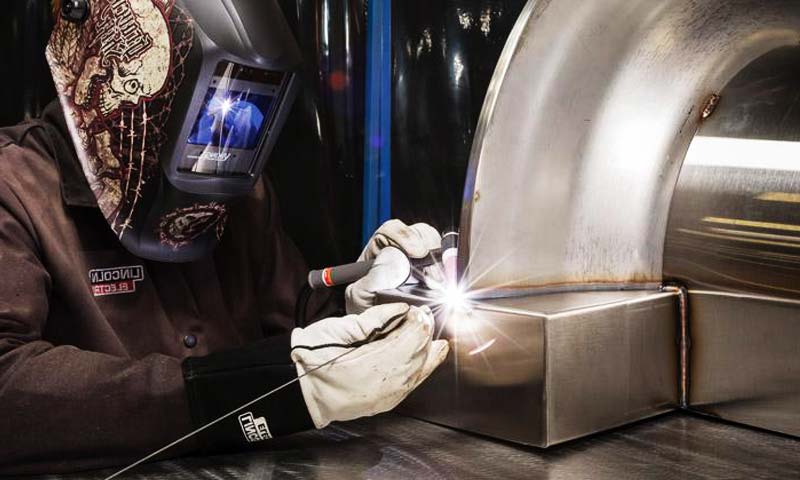
TIG metināšana, vai gāzes volframa loka metināšana (Gtaw), ir pazīstama ar savu precizitāti un spēju ražot augstas kvalitātes, tīras metināšanas šuves.
Atšķirībā no MIG, TIG izmanto nelietojamu volframa elektrodu, un pildvielu pievieno manuāli.
Šis paņēmiens nodrošina lielisku siltuma padeves kontroli, ļaujot metinātājiem strādāt pie plānsienu nerūsējošā tērauda, nesabojājot materiālu.

To bieži izmanto lietojumprogrammās, kur izskats, izturība, un tīrība ir vissvarīgākā, piemēram, kosmosa vai medicīnas ierīču ražošanā.
Ar TIG metināšanu, lietotāji var iegūt metinājuma šuves ar izcilu stiprības un svara attiecību un minimālu deformāciju.
Stick metināšana (Smirdēt)
Stīpmetināšana vai ekranēta metāla loka metināšana, parasti izmanto āra vai lieljaudas nerūsējošā tērauda metināšanas projektiem.
Procesā tiek izmantots patērējams elektrods, kas pārklāts ar plūsmu, kas metināšanas procesā nodrošina savu aizsarggāzi.
Metināšana ar stieņiem ir ieteicama lietojumiem, kuriem nepieciešama izturība un daudzpusība, un tas labi darbojas uz sarūsējušām vai piesārņotām virsmām.
Tomēr, tas var nenodrošināt tādu pašu precizitātes līmeni kā MIG vai TIG metināšana, padarot to piemērotāku konstrukciju vai būvniecības vajadzībām.
Flux-Corged ARC metināšana (Fcaw)
FCAW ir alternatīva MIG metināšanai, īpaši strādājot ar biezākām nerūsējošā tērauda sekcijām.
Tas izmanto dobu stiepli, kas piepildīta ar plūsmu, nodrošinot dziļu iespiešanos un lielāku metināšanas ātrumu.
Šī metode ir īpaši noderīga smagajā ražošanas nozarē, piemēram, kuģu būve un tērauda konstrukcija, kur ir iesaistīti biezāki materiāli.
Atšķirībā no MIG, FCAW var izmantot arī ārpus telpām, jo tas nodrošina labāku izturību pret vēju un vides faktoriem.
4. Metināšanai piemērotā nerūsējošā tērauda izvēle
Metināšanas projektam atbilstošas nerūsējošā tērauda kategorijas izvēle ir būtisks solis stiprības nodrošināšanā, izturīgs, un korozijai izturīgas locītavas.
Materiāla izvēle tieši ietekmēs metinājuma kvalitāti, gatavā produkta veiktspēja, un tā spēja izturēt vides spriedzi.
Nerūsējošā tērauda kategorijas
Nerūsējošais tērauds ir pieejams dažādās kategorijās, katrs piedāvā unikālas īpašības, kas pielāgotas dažādiem lietojumiem. Dažas no visbiežāk izmantotajām metināšanai kategorijām ietver:
- 304 Nerūsējošais tērauds:
304 ir visplašāk izmantotā nerūsējošā tērauda marka, piedāvā labu līdzsvaru pret koroziju, metināmība, un izturība.
To parasti izmanto virtuves iekārtām, pārtikas pārstrādes aprīkojums, un ķīmiskie konteineri.
Metinot 304, ir svarīgi izmantot a 308 pildījuma stienis, lai tas atbilstu tā īpašībām, nodrošinot spēcīgu, korozijizturīgs metinājums. - 316 Nerūsējošais tērauds:
Pazīstams ar izcilo izturību pret koroziju, īpaši pret hlorīdiem un skābēm, 316 is often used in marine environments, medicīniskās ierīces, and chemical processing industries.
Metinot 316, a 316L filler rod is typically preferred, as it offers lower carbon content to prevent carbide precipitation and intergranular corrosion. - 2205 Dupleksa nerūsējošā tērauda:
2205 is a duplex stainless steel known for its high strength, izturība pret stresa korozijas plaisāšanu, and pitting.
It is commonly used in highly corrosive environments like chemical processing plants and marine applications.
Metināšana 2205 requires careful consideration of the heat input to avoid issues like brittleness or cracking. It is often welded with a 2209 filler material for the best results. - 430 Nerūsējošais tērauds:
430 is a ferritic stainless steel used in applications where corrosion resistance is less critical, but strength and heat resistance are important.
It is often found in automotive parts, kitchen utensils, un siltummaiņi.
Jau 430 is not as weldable as austenitic grades, it requires more attention to heat control to avoid cracking during welding.
Metināmība
Not all stainless steel grades have the same weldability. Factors like carbon content, leģējošie elementi, and microstructure play a significant role in how easily a material can be welded.
- Austenīta nerūsējošā tēraudi (Piem., 304, 316):
Austenitic stainless steels have excellent weldability, as they are less prone to cracking and distortion compared to other stainless steel types.
Tomēr, they are heat-sensitive and require careful management of heat input to avoid issues like sensitization (formation of chromium carbide) Metināšanas laikā. - Ferītiski nerūsējoši tēraudi (Piem., 430):
Ferītiski nerūsējoši tēraudi, while generally easy to weld, are more prone to cracking compared to austenitic steels.
They also have higher susceptibility to oxidation, so welding parameters need to be adjusted to prevent degradation of the material properties. - Duplekss nerūsējošais tērauds (Piem., 2205):
Duplex stainless steels have a mixed microstructure of austenite and ferrite. While these steels offer excellent strength and corrosion resistance, they are more difficult to weld.
The proper filler material and heat control are necessary to avoid cracks and maintain the desired microstructure.
Oglekļa saturs un tā ietekme uz metināmību
The carbon content in stainless steel is a key factor that affects weldability. High carbon content increases the likelihood of Karbīda nokrišņi siltuma skartajā zonā (HAZ) Metināšanas laikā.
Tas var novest pie starpgranulārā korozija and reduce the material’s overall corrosion resistance.
- Low-Carbon Stainless Steels (Piem., 304Lukturis, 316Lukturis):
Low-carbon versions of austenitic steels (denoted by the “L” suffix) are designed to reduce the risk of carbide precipitation.
These are ideal for welding, as they offer better resistance to corrosion and cracking in the heat-affected zone.
Piemēram, 304L and 316L are frequently used in welding applications where corrosion resistance and strength are critical.
Sakausējuma sastāva apsvēršana
The alloy composition of stainless steel can significantly impact the welding process.
Jo īpaši, elements like chromium, niķelis, molibdēns, and nitrogen improve corrosion resistance but may also require special consideration during welding:
- Hroms:
Crucial for the corrosion resistance of stainless steel, chromium forms a passive oxide layer on the surface.
Tomēr, high levels of chromium may lead to more sensitive areas around the weld pool, requiring more precise control over heat input. - Niķelis:
Nickel is often added to stainless steel to improve its toughness and corrosion resistance. Tomēr, too much nickel can cause karsta plaisāšana Dažos gadījumos.
Tāpēc, a balanced alloy composition is necessary for optimal weldability. - Molibdēns:
Molybdenum enhances corrosion resistance, īpaši skābā vai hlorīdu bagātā vidē.
Stainless steels containing molybdenum, piemēram, 316, are more resistant to pitting corrosion.
Tomēr, high molybdenum content can make welding more challenging due to its tendency to cause liquid metal embrittlement augstā temperatūrā.
5. Nerūsējošā tērauda metināšanas uzgaļi
Mastering stainless steel welding requires not only an understanding of the different techniques but also a series of practical tips that can enhance your welding efficiency and quality.
Sagatavošanās ir galvenais
- Cleanliness: Before beginning any welding operation, ensure that the stainless steel surfaces are thoroughly cleaned.
Any contaminants such as oil, tauki, or dirt can lead to porosity and weaken the weld joint. Use solvents or wire brushes specifically for stainless steel to remove these contaminants. - Joint Preparation: Proper joint preparation is crucial. Ensure that the edges are beveled correctly if needed, and gaps are minimized to avoid excessive heat input during welding.
Pareizā pildījuma materiāla izvēle
- Match Your Base Metal: Choose filler materials that match the base metal’s composition as closely as possible.
Piemēram, use ER308L for welding Grade 304 nerūsējošais tērauds. This helps in maintaining the integrity and corrosion resistance of the welded joint. - Consider Dilution Rates: Keep in mind the dilution rates when selecting fillers.
Higher alloyed fillers may be necessary when joining dissimilar metals or when dealing with high heat inputs.
Siltuma kontroles metodes
- Minimize Heat Input: Stainless steel is particularly sensitive to overheating, which can cause warping, izkropļojums, and even changes in material properties.
Employ techniques like pulse TIG welding or using lower amperage settings to control heat input effectively. - Use Backing Bars: Utilize copper backing bars to dissipate heat more efficiently from the weld zone, helping to minimize distortion and maintain the workpiece’s shape.
Apsvērumi par aizsarggāzi
- Proper Gas Selection: Use inert gases like argon or helium for shielding, especially for TIG welding.
Argon provides better arc stability and cleaner welds, while helium increases penetration and welding speed. - Gas Flow Rate: Optimize the gas flow rate to protect the molten pool adequately without causing turbulence that could introduce atmospheric contamination.
Ārstēšanas metodes
- Picking un pasivācija: Pēc metināšanas, consider pickling and passivating the stainless steel to restore its corrosion resistance.
These processes remove any heat tint and oxide layers formed during welding, ensuring the surface remains passive and resistant to corrosion. - Rūdīšana: Noteiktās lietojumprogrammās, post-weld annealing might be necessary to relieve internal stresses and improve the material’s ductility and corrosion resistance.
Uzraudzība un regulēšana metināšanas laikā
- Real-Time Adjustments: Continuously monitor the weld pool and make real-time adjustments to parameters such as voltage, aktuāls, and travel speed.
This proactive approach helps in achieving consistent weld quality. - Vizuālā pārbaude: Regularly inspect the weld visually for any signs of defects or inconsistencies.
Early detection allows for prompt corrections, preventing costly rework later on.
6. Izaicinājumi nerūsējošā tērauda metināšanā
Stainless steel welding, while offering numerous advantages such as corrosion resistance and strength,
comes with a unique set of challenges that can affect the quality and integrity of the welds.
Karstuma jutīgums
- Izaicināt: Stainless steel is highly sensitive to heat, which can lead to distortion, krāsas maiņa, and warping.
Overheating can also degrade the material’s corrosion resistance properties. - Šķīdums: To mitigate these risks, it’s essential to control the heat input carefully.
Techniques like pulse TIG welding or using lower amperage settings can help manage heat more effectively.
Turklāt, employing copper backing bars can assist in dissipating heat away from the weld zone, minimizing distortion.
Plaisāšana un porainība
- Izaicināt: Noteiktas nerūsējošā tērauda pakāpes, especially those with higher carbon content, are prone to cracking and porosity, which can compromise the weld’s structural integrity.
- Šķīdums: Selecting the appropriate filler material is critical. Piemēram, low-carbon fillers like ER308L reduce the risk of intergranular corrosion and cracking.
Ensuring proper shielding gas coverage and avoiding contamination from oils, tauki, or moisture can also prevent porosity.
Starpgranulārā korozija
- Izaicināt: Starpgranulārā korozija, particularly sensitization, occurs when stainless steel is exposed to temperatures between 800°F and 1500°F (427°C – 816°C),
leading to chromium depletion at grain boundaries. - Šķīdums: This challenge can be addressed by selecting low carbon grades (Piem., 304Lukturis, 316Lukturis) vai stabilizētas pakāpes (Piem., 321, 347) that resist sensitization.
Post-weld heat treatments such as solution annealing can restore the material’s corrosion resistance by dissolving carbides back into the austenite phase.
7. Faktori, kas jāņem vērā, izvēloties metināšanas stieni
Choosing the right welding rod is essential to ensure a successful welding process and durable joint. Several factors must be considered when selecting a filler material:
Materiāla savietojamība
Ensure that the welding rod is compatible with the base material you’re working with.
Piemēram, when welding 304 nerūsējošais tērauds, you’ll typically use a 308 or 308L welding rod. Līdzīgi, par 316 nerūsējošais tērauds, līdz 316 or 316L welding rod is ideal.
Korozijas izturības prasības
The environment where the welded component will be used is a significant factor in selecting the right rod.
For environments exposed to high chloride concentrations (such as marine applications), using a rod with molybdenum (Piem., 316) will ensure superior resistance to pitting and crevice corrosion.
Izturība pret temperatūru
Augstas temperatūras lietojumprogrammām, rods such as 321 un 347 are more suitable because they offer improved resistance to oxidation, mērogošana, un starpgranulārā korozija.
These rods also maintain their mechanical properties at elevated temperatures.
Savienojuma veids un biezums
The size of the joint and the thickness of the base material also influences the choice of welding rod.
For thin materials, izšķirt 308 vai 309 welding rod might be more appropriate due to their lower heat input,
whereas thicker materials might require rods like 316 vai 347 that are designed to withstand higher stresses.
Pildvielas metāla saderība
When selecting a welding rod, it’s important to consider the compatibility of the filler metal with the parent metal.
The filler rod should match or be slightly more alloyed than the base material to ensure optimal mechanical properties and corrosion resistance.
8. Nerūsējošā tērauda metināšanas labākā prakse
- Pre-Welding Preparation: Proper surface cleaning is crucial to prevent contamination. Any oils, rūsēt, or scale can introduce defects into the weld.
- Ārstēšana pēc: Post-weld treatments like pickling and passivation are necessary to improve the corrosion resistance of the welded stainless steel,
particularly when welding grades that are more prone to corrosion.
9. Nerūsējošā tērauda metināšanas pielietojumi
- Aviācijas un aviācija: Stainless steel’s high strength-to-weight ratio and corrosion resistance make it ideal for aerospace components
such as brackets, rāmji, un izplūdes sistēmas. - Automobiļu rūpniecība: Welding stainless steel is critical in manufacturing automotive parts that must endure high temperatures and resist rust, such as exhaust systems and mufflers.
- Būvniecība un infrastruktūra: Stainless steel welded components are used extensively in bridges, margas, and structural support beams, ensuring long-term durability.
- Food Processing and Medical Equipment: Stainless steel is often used in environments that require high hygiene standards,
piemēram, medicīnas ierīcēs un pārtikas pārstrādes aprīkojumā. Welded joints must meet strict sanitation and corrosion resistance standards.
10. Nerūsējošā tērauda metināšanas iekārta un aprīkojums
Selecting the right equipment is fundamental to achieving high-quality stainless steel welds.
The advancements in welding technology have introduced a variety of machines and tools tailored specifically for stainless steel,
each designed to enhance precision, efektivitāte, and weld quality.
Metināšanas strāvas avoti
- Inverter-Based Power Supplies: Modern inverter-based power supplies provide excellent arc stability and control, which are crucial for welding stainless steel.
These units offer adjustable parameters like current, spriegums, and pulse frequency, enabling fine-tuned welding processes.
They are energy-efficient and can reduce electricity consumption by up to 30% compared to traditional transformer-based machines. - TIG Welders: Ideal for precise work on thin materials, TIG welders provide exceptional control over the welding process.
High-end models come with features such as square wave AC output for aluminum welding, advanced waveform controls, and remote control capabilities,
making them suitable for intricate stainless steel projects.
Metināšanas lāpas un pistoles
- Water-Cooled TIG Torches: For prolonged use or high amperage applications, water-cooled TIG torches are recommended.
They prevent overheating and ensure continuous operation without compromising on performance.
Water cooling systems can reduce torch temperatures by up to 70%, extending the life of consumables. - MIG Guns: When it comes to MIG welding, choosing a gun with an ergonomic design and appropriate duty cycle ensures comfort and reliability.
Look for guns with easy-to-replace contact tips and nozzles to minimize downtime.
Aizsarggāzes aparāti
- Gas Regulators and Flowmeters: Accurate gas flow control is vital for protecting the molten weld pool from atmospheric contamination.
High-precision regulators and flowmeters allow for consistent gas delivery, which is especially important when working with reactive metals like stainless steel.
Proper gas regulation can improve weld quality by reducing porosity and spatter. - Gas Mixers: Some applications may require mixed shielding gases (Piem., argon with small amounts of helium or nitrogen).
Advanced gas mixers ensure a homogeneous blend, optimizing penetration and bead appearance.
Automatizācija un robotika
- Robotic Welding Cells: Automation has revolutionized stainless steel fabrication, offering unparalleled precision and repeatability.
Robotic welding cells equipped with vision systems and adaptive control mechanisms can handle complex geometries and maintain tolerances within ±0.005 inches.
This level of accuracy significantly reduces rework rates and enhances productivity. - CNC Plasma Cutters: For preparing stainless steel components before welding, CNC plasma cutters provide clean, accurate cuts with minimal heat-affected zones.
These machines can operate at speeds exceeding 200 inches per minute, accelerating production cycles while maintaining high standards of cut quality.
Drošības aprīkojums
- Welding Helmets with Auto-Darkening Filters: Protecting your eyes and skin from harmful UV/IR radiation is non-negotiable.
Modern welding helmets feature auto-darkening filters that adjust instantly to changing light conditions, providing clear visibility during setup and protection during welding. - Ventilation Systems: Effective ventilation is critical in removing fumes and particulates generated during stainless steel welding.
Installing local exhaust ventilation systems near the welding area can significantly reduce exposure to hazardous substances, ensuring a safer working environment.
11. Tehnoloģiskie sasniegumi nerūsējošā tērauda metināšanā
- Automation in Welding: Robotic welding systems enhance productivity by automating repetitive tasks, ensuring consistent and precise welds.
These systems are particularly beneficial in industries where high-volume production is needed, such as automotive manufacturing.

- Lāzera metināšana: Laser welding enables highly precise welding with minimal heat-affected zones, ideal for thin-walled materials or intricate designs.
The precision of laser welding makes it suitable for high-end industries, including aerospace and medical device manufacturing. - Hybrid Welding: Hybrid welding, which combines laser welding and arc welding, offers the benefits of both processes.
It’s known for its ability to achieve high-speed welds with excellent penetration and minimal distortion.
12. Secinājums
Mastering stainless steel welding requires not only understanding the various welding techniques
but also knowing how to choose the right materials and manage the challenges that arise during the process.
With the proper skills, instrumenti, and techniques, you can produce high-quality welds that meet the most demanding standards across industries like aerospace, autobūves, and healthcare.
If you’re looking for high-quality Stainless Steel Welding services, izvēloties LangHe ir ideāls lēmums jūsu ražošanas vajadzībām.
Raksta atsauce: https://casting-china.org/stainless-steel-welding/