

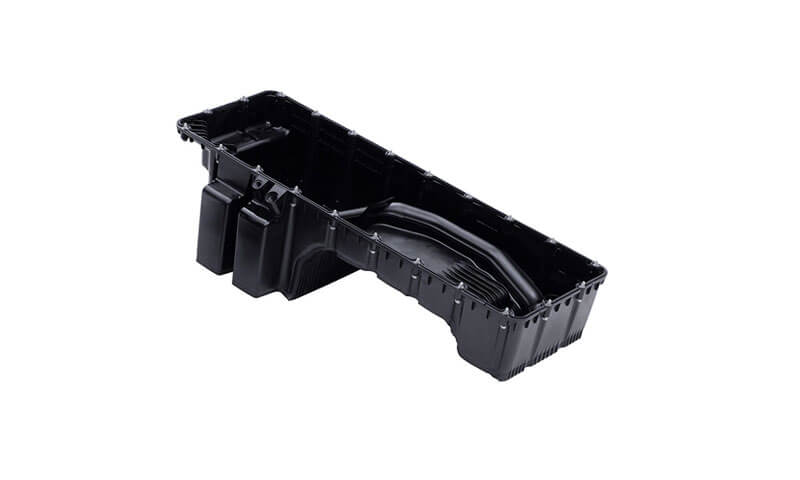
En savoir plus sur la chimie des polyamides, propriétés mécaniques et thermiques clés, méthodes de fabrication, nuances renforcées, avantages, limites, recyclage, et applications industrielles.
Le polyamide est l'une des familles de polymères techniques les plus polyvalentes et les plus utilisées au monde..
De la brosse à dents de votre salle de bain aux engrenages haute performance des moteurs automobiles, des fibres de vos vêtements aux composants structurels des applications aérospatiales, les polyamides sont partout.
Leur combinaison exceptionnelle de résistance mécanique, se résistance à l'usure, stabilité chimique, et leur transformabilité les a rendus indispensables dans d'innombrables industries.
Dans la pratique de l'ingénierie commerciale, le terme nylon est fréquemment utilisé de manière interchangeable avec le polyamide.
Bien que cela soit largement acceptable pour de nombreux matériaux courants tels que le PA6 et le PA66, polyamide est en fait la classification scientifique et technique plus large.
La famille comprend les nylons aliphatiques conventionnels, polyamides à longue chaîne, polyamides semi-aromatiques haute température, et des polyamides aromatiques hautement spécialisés tels que les aramides.
1. Qu'est-ce que le polyamide?
Polyamide (Pennsylvanie) est une classe de polymères contenant des groupes amide répétitifs dans la chaîne moléculaire principale. La liaison amide est communément représentée par:
–CO–NH–
La liaison amide est formée par la réaction de condensation entre un groupe acide carboxylique (–COOH) et un groupe amine (–NH₂).
La structure chimique générique d'un polyamide peut être représentée comme:
-[–CO–R–CO–NH–R’–NH–]-
Où R et R' sont des chaînes d'hydrocarbures de différentes longueurs.
Ces liaisons chimiques récurrentes distinguent les polyamides des autres grandes familles de polymères comme le polyéthylène., polypropylène, polycarbonate, et polyester.
Les polyamides peuvent être produits à partir de différents systèmes monomères, résultant en des matériaux avec des structures moléculaires et des caractéristiques de performance significativement différentes.
En fonction de la composition chimique, un polyamide peut être relativement flexible et résistant à l'humidité, très rigide et résistant à l'usure, ou capable de fonctionner à des températures élevées.
Au niveau moléculaire, les groupes amide sont polaires et peuvent former des liaisons hydrogène entre les chaînes polymères voisines.
Ces forces intermoléculaires contribuent à créer une structure polymère relativement solide et cohésive.. Par conséquent, de nombreux polyamides fournissent:
- Haute résistance à la traction et rigidité
- Bonne ténacité et résistance à la fatigue
- Excellente résistance à l'abrasion et à l'usure
- Faible frottement dans des conditions appropriées
- Bonne résistance aux huiles, carburant, et de nombreux produits chimiques industriels
- Performances thermiques utiles
- Fort potentiel de renforcement avec de la fibre de verre, fibre de carbone, ou charges minérales
Contrairement aux polymères thermodurcissables, les polyamides techniques les plus importants commercialement sont thermoplastiques.
Ils ramollissent ou fondent lorsqu'ils sont chauffés et peuvent être traités à l'aide de méthodes telles que le moulage par injection et l'extrusion..
Cette aptitude au traitement a rendu le polyamide particulièrement important dans la fabrication moderne, car des composants complexes peuvent souvent être produits de manière économique en grands volumes tout en conservant de bonnes performances mécaniques..
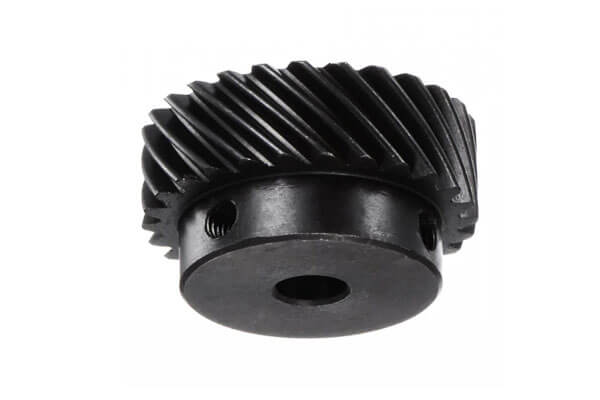
La relation entre le polyamide et le nylon
Le terme nylon a été introduit pour la première fois par DuPont en 1938 pour son polyamide 6,6 (PA66), qui était utilisé dans les fibres et les textiles.
Au fil du temps, le nylon est devenu le nom générique des polyamides aliphatiques, le type de polyamide le plus courant, et est souvent utilisé de manière interchangeable avec le polyamide dans les contextes de consommation et industriels..
Cependant, polyamide est le terme scientifique plus large qui englobe:
| Taper | Exemples | Description |
| Polyamides aliphatiques | PA6, PA66, PA11, PA12 | Les polyamides les plus courants; également connu sous le nom de nylon. |
| Polyamides Aromatiques (Aramides) | Kevlar®, Nomex® | Haute performance; anneaux aromatiques dans la colonne vertébrale. |
| Polyamides semi-aromatiques | APP (Polyphtalamide) | Performances à haute température; aromatique + unités aliphatiques. |
| Polyamide‑Imides | PAI (Torlon®) | Hautes performances; groupes imide en plus des groupes amide. |
Point clé: Tous les nylons sont des polyamides, mais tous les polyamides ne sont pas des nylons. Le terme « polyamide » est le terme technique correct pour toute la famille.
2. Comment est fabriqué le polyamide?
Le polyamide est produit en créant de longues chaînes polymères contenant des liaisons amide (–CONH–).
Selon le niveau, les polyamides commerciaux sont principalement fabriqués soit polymérisation par condensation ou polymérisation par ouverture de cycle.
Polymérisation par condensation
De nombreux polyamides, particulièrement PA66, sont produits en faisant réagir une diamine avec un acide dicarboxylique. La réaction forme des liaisons amides tout en libérant de petites molécules, généralement de l'eau.
Par exemple, Le PA66 est produit à partir de hexaméthylènediamine et acide adipique.
Contrôle précis du rapport monomère, température, pression, et le temps de polymérisation est essentiel car ces facteurs influencent le poids moléculaire, viscosité, cristallinité, et performances mécaniques finales.
Polymérisation par ouverture d'anneau
Autres notes importantes, tel que PA6, sont généralement produits par polymérisation par ouverture de cycle de caprolactame.
Sous température et pression contrôlées, les molécules de caprolactame cycliques s'ouvrent et se lient entre elles pour former des polymères PA6 à longue chaîne.
Cette voie permet une production efficace à grande échelle et est largement utilisée pour les plastiques techniques., fibres, films, et composants moulés.
Composition et modification de polymères
Après polymérisation, le polyamide de base peut être encore modifié par mélange.
Les fabricants peuvent incorporer fibres de verre, fibres de carbone, charges minérales, modificateurs d'impact, retardateurs de flamme, lubrifiants, ou des stabilisateurs adapter le matériau à des applications spécifiques.
Le polymère fini est généralement granulé et fourni sous forme de granulés pour un traitement ultérieur par moulage par injection, extrusion, moulage par coup, ou d'autres méthodes de fabrication de polymères.
3. Principaux types et qualités de polyamide
Le polyamide n'est pas un matériau unique mais une large famille de polymères aux structures moléculaires très différentes., comportement thermique, absorption d'humidité, propriétés mécaniques, et caractéristiques de traitement.
Polyamides aliphatiques (Nylons)
Les polyamides aliphatiques représentent le groupe de polyamides le plus vaste et le plus important commercialement..
Ils sont largement utilisés dans le moulage par injection, extrusion, production de fibres, et d'autres procédés industriels car ils offrent un équilibre favorable de résistance mécanique, se résistance à l'usure, Transformation, et coûter.
| Grade | Plage de fusion typique (° C) | Propriétés clés | Applications typiques |
| PA6 | 215–225 | Bonne ténacité, résistance à l'impact, se résistance à l'usure, et la transformation; absorption d'humidité relativement élevée. | Pièces automobiles, engrenages, logements, composants industriels, fibres. |
| PA66 | 255–265 | Résistance plus élevée, rigidité, résistance à la chaleur, et résistance au fluage que le PA6. | Engrenages, roulements, bagues, attaches, composants électriques, pièces automobiles sous le capot. |
| PA11 | 185–195 | Excellente flexibilité et résistance aux chocs; faible absorption d'humidité et bonne résistance chimique. | Tube flexible, conduites pneumatiques, gaines de câbles, systèmes de fluides automobiles. |
| PA12 | 175–185 | Très faible absorption d'humidité, Excellente résistance chimique, flexibilité, et stabilité dimensionnelle. | Conduites de carburant, tube pneumatique, tubes médicaux, isolation des câbles, composants de précision. |
PA610 |
215–225 | Meilleure stabilité dimensionnelle et absorption d'humidité inférieure à celle du PA6 et du PA66. | Connecteurs électriques, composants de câble, parties industrielles, poils. |
| PA612 | 210–220 | Bonne ténacité, résistance chimique, stabilité dimensionnelle, et une absorption d'eau réduite. | Conduites de fluides automobiles, composants électriques, tubes, pièces moulées avec précision. |
| PA1010 | 195–205 | Potentiel de matière première partiellement ou largement d’origine biologique; faible absorption d'humidité et bonne ténacité. | Produits de consommation durables, composants automobiles, applications industrielles. |
Polyamides semi-aromatiques
Les polyamides semi-aromatiques combinent des segments de chaîne aliphatique avec des structures aromatiques.
Les anneaux aromatiques augmentent la rigidité moléculaire et la stabilité thermique, permettant à ces matériaux de fonctionner à des températures dépassant la plage pratique du PA6 ou du PA66 conventionnel.
| Famille de matériaux | Notes représentatives | Plage de fusion typique (° C) | Caractéristiques clés | Applications typiques |
| APP | PA6T/66, PA6T/6I, PA9T et copolyamides associés | Environ. 280–330* | Résistance à la chaleur élevée, haute rigidité, bonne résistance chimique, faible fluage, et stabilité dimensionnelle améliorée. | Composants sous capot automobile, connecteurs haute température, Composants LED, Pump Pièces. |
| Polyamides à base de PA6T | Systèmes PA6T et PA6T copolymérisés | Souvent au-dessus 300 pour les compositions riches en PA6T* | Très haute stabilité thermique, excellente résistance, et bonne conservation des propriétés mécaniques à des températures élevées. | Connecteurs électriques et électroniques, composants automobiles, équipement industriel. |
PA9T |
Polyamide 9T | Environ. 300–310* | Résistance à la chaleur élevée, absorption d'humidité relativement faible, excellente stabilité dimensionnelle et résistance chimique. | Electronique à montage en surface, connecteurs, composants électriques de précision. |
Polyamides Aromatiques (Aramides)
Polyamides aromatiques, communément appelé aramides, représentent une classe de haute performance dans laquelle les cycles aromatiques constituent une partie majeure du squelette polymère.
Leur structure moléculaire rigide leur confère une résistance à la traction exceptionnelle, module, stabilité thermique, et, dans certains grades, la résistance aux flammes.
| Type d'aramide | Matériel représentatif | Structure moléculaire | Propriétés clés | Applications typiques |
| Para-aramide | Kevlar® | Polyamide aromatique para-orienté | Résistance à la traction et module extrêmement élevés, Excellente résistance à l'impact, et une bonne stabilité thermique. | Protection balistique, composites aérospatiaux, câbles de renfort, pneus, cordes, équipement sportif. |
| Méta-aramide | Nomex® | Polyamide aromatique méta-orienté | Excellente résistance aux flammes, stabilité thermique, isolation électrique, et résistance à l'exposition à la chaleur. | Vêtements de protection, isolation électrique, intérieurs aérospatiaux, média filtrant. |
Polyamide-Imide (PAI)
Le polyamide-imide représente une famille de polymères ultra-performants qui combinent groupes fonctionnels amide et imide dans la structure moléculaire.
Le résultat est un matériau avec une stabilité thermique exceptionnelle, résistance mécanique, se résistance à l'usure, et capacité de chargement.
L'un des exemples commerciaux les plus connus est Torlon® PAI.
| Matériel | Famille chimique | Propriétés clés | Applications typiques |
| PAI | Polyamide-imide | Résistance et rigidité extrêmement élevées, Excellente résistance à l'usure, faible fluage, stabilité thermique exceptionnelle, et bonnes performances sous de lourdes charges mécaniques. | Roulements, bagues, scellés, composants du compresseur, pièces aérospatiales, équipement semi-conducteur, composants industriels à haute température. |
4. Propriétés clés du polyamide
La performance du polyamide est déterminée par sa structure moléculaire, en particulier la concentration en groupes amide, poids moléculaire, cristallinité, et l'équilibre entre segments aliphatiques flexibles et structures aromatiques rigides.
Résistance mécanique et rigidité
La plupart des polyamides de qualité technique offrent un rapport résistance/poids favorable.
PA6 et PA66, Par exemple, sont largement utilisés pour les engrenages, supports, logements, clips, et les composants structurels car ils peuvent résister à des charges mécaniques répétées tout en restant plus légers que l'acier, aluminium, ou alliages de zinc.
Les propriétés mécaniques du polyamide peuvent varier considérablement en fonction des conditions d'humidité.
Parce que les groupes amide attirent les molécules d'eau, l'humidité absorbée peut agir comme un plastifiant.
Cela réduit généralement la rigidité et la résistance à la traction tout en augmentant la flexibilité et la résistance aux chocs..
Le renforcement en fibre de verre peut augmenter considérablement la rigidité et la résistance.
Un composant PA66 renforcé peut atteindre un module plusieurs fois supérieur à celui du polymère non chargé, ce qui le rend adapté aux applications automobiles et industrielles exigeantes.
Résistance à la ténacité et à l'impact
Le polyamide démontre généralement une bonne résistance aux chocs et aux sollicitations répétées.
PA6 et PA66 offrent un équilibre utile entre rigidité et ténacité, tandis que les qualités à chaîne longue telles que le PA11 et le PA12 sont particulièrement appréciées pour leur flexibilité et leurs performances en matière d'impact., surtout à basses températures.
Cette caractéristique rend le polyamide adapté aux composants exposés aux vibrations, choc, stress cyclique, et mouvement mécanique.
Clips automobiles, systèmes de protection des câbles, tube pneumatique, et les logements industriels en sont des exemples typiques.
Cependant, la performance d’impact dépend de plusieurs facteurs, y compris la température, teneur en humidité, cristallinité, épaisseur de paroi, et niveau de renforcement.
Les qualités hautement chargées ou hautement cristallines peuvent offrir une plus grande rigidité mais une résistance aux chocs réduite..
Résistance à l'usure et performances à faible frottement
Le polyamide est largement utilisé dans les applications tribologiques en raison de sa bonne résistance à l'abrasion et de son coefficient de frottement relativement faible..
Composants tels que les engrenages, bagues, roulements, rouleaux, guides, et les patins d'usure peuvent fonctionner avec un bruit réduit et, dans certains cas, sans lubrification externe.
Pour les applications coulissantes exigeantes, le polyamide peut être modifié avec des additifs tels que:
- PTFE pour réduire la friction;
- Bisulfure de molybdène pour un comportement de glissement amélioré;
- Fibres de verre pour une rigidité accrue;
- Fibres de carbone pour une résistance et une conductivité thermique améliorées;
- Lubrifiants solides pour de meilleures performances de marche à sec.
Le comportement à l'usure final dépend fortement des matériaux utilisés, pression superficielle, vitesse de glissement, température, et conditions de lubrification.
Performance thermique
Les polyamides offrent généralement une meilleure résistance à la chaleur que les plastiques courants tels que le polypropylène et le polyéthylène.. Cependant, la capacité thermique varie considérablement entre les qualités.
Le PA6 et le PA66 conviennent à de nombreuses applications à température modérément élevée, tandis que les polyamides semi-aromatiques tels que le PPA sont conçus pour des environnements plus exigeants, y compris les composants automobiles sous le capot et les connecteurs électriques haute température.
Le point de fusion, température de déflexion de la chaleur, et la température de service continu doivent toutes être prises en compte lors de la sélection d'un polyamide.
Le renforcement peut encore améliorer la stabilité dimensionnelle à des températures élevées, bien que cela puisse également affecter la ténacité et la transformabilité.
Absorption d'humidité et stabilité dimensionnelle
L'absorption de l'humidité est l'une des considérations techniques les plus importantes lors de l'utilisation du polyamide..
Les groupes amide dans la structure du polymère peuvent absorber l'eau du milieu environnant., provoquant des changements dans les dimensions et les propriétés mécaniques.
Les polyamides à chaîne courte tels que le PA6 et le PA66 absorbent généralement plus d'humidité que les polyamides à chaîne longue tels que le PA11 et le PA12..
Cette caractéristique doit être prise en compte lors de la conception de composants de précision.
Les tolérances dimensionnelles doivent tenir compte à la fois du retrait de fabrication et du conditionnement environnemental potentiel pendant le service..
Résistance chimique
Le polyamide fonctionne généralement bien lorsqu'il est exposé aux huiles, graisses, carburant, et de nombreux hydrocarbures.
C'est l'une des raisons pour lesquelles les matériaux PA sont largement utilisés dans les systèmes de carburant automobile., équipement industriel, et applications de manipulation de fluides.
Cependant, la résistance chimique n’est pas universelle. Acides forts, agents oxydants forts, certains solvants, et une exposition prolongée à des produits chimiques à haute température peut dégrader le polymère.
La sélection des matériaux doit donc prendre en compte l’environnement de service complet plutôt que de se fier uniquement à la classification générale d’un matériau comme « chimiquement résistant ».
Propriétés électriques
Le polyamide est naturellement isolant électrique et est largement utilisé pour les connecteurs électriques., boîtiers de bornes, formeurs de bobines, et composants d'isolation.
Cependant, l'humidité absorbée peut influencer les propriétés diélectriques et la résistance de la surface.
Pour les applications électriques haute tension ou haute fiabilité, les ingénieurs sélectionnent souvent des qualités spécialement formulées pour les performances électriques, résistance aux flammes, faible absorption d'humidité, ou stabilité à haute température.
5. Méthodes de fabrication et de traitement du polyamide
Le polyamide est un matériau thermoplastique, lui permettant d'être ramolli par chauffage et formé à l'aide de divers procédés de fabrication.
La méthode de traitement optimale dépend de la qualité du polymère, géométrie des composants, volume de production, tolérance dimensionnelle, exigences de surface, et système de renfort.
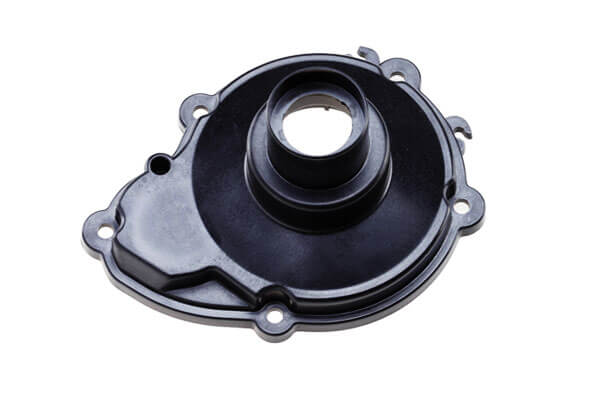
Moulage par injection
Moulage par injection est l'une des méthodes de fabrication les plus importantes pour l'ingénierie des composants en polyamide.
Les pastilles de polymère séchées sont fondues dans un fût chauffé et injectées sous pression dans un moule de précision..
Le procédé est particulièrement adapté à la production de complexes, composants à grand volume avec une géométrie cohérente.
Les applications typiques incluent:
- Engrenages et composants mécaniques;
- Clips et supports automobiles;
- Connecteurs électriques;
- Composants de l'appareil;
- Boîtiers et enceintes;
- Pièces industrielles de précision.
Parce que le polyamide peut absorber l'humidité, Un bon séchage de la résine avant le moulage est essentiel
Les polyamides renforcés de fibres de verre sont également couramment moulés par injection, bien que la conception du moule et les conditions de traitement doivent tenir compte de l'orientation des fibres, viscosité accrue, et retrait anisotrope.
Extrusion
L'extrusion est utilisée pour produire en continu des produits en polyamide avec une section constante. Le polymère fondu est forcé à travers une filière façonnée, puis refroidi et dimensionné..
Les produits extrudés courants comprennent les tubes, tuyaux, films, feuilles, tiges, isolation des câbles, et profils d'ingénieurs.
Le PA11 et le PA12 sont particulièrement importants pour les tubes flexibles en raison de leur combinaison de résistance chimique, flexibilité, et absorption d'humidité relativement faible.
En extrusion de profilés et de tubes, contrôle de la température, stabilité de fusion, taux de refroidissement, et l'étalonnage dimensionnel sont essentiels pour maintenir une épaisseur et une géométrie de paroi constantes.
Moulage par coup
Le moulage par soufflage est utilisé lorsque des composants creux en polyamide sont requis. Un tube ou une préforme en polymère chauffé est expansé à l'intérieur d'un moule à l'aide de la pression de l'air..
Le moulage par soufflage de polyamide est couramment utilisé pour les réservoirs de fluide automobile, conduits, composants du système de carburant, et conteneurs industriels spécialisés.
Des structures multicouches peuvent également être produites lorsque des propriétés de barrière supplémentaires sont requises.
Moulage par compression et transfert
Bien que moins courant que le moulage par injection pour les polyamides thermoplastiques standards, le moulage par compression peut être utile pour les grands, hautement renforcé, ou des composants spécialisés.
Le processus peut s'adapter à certains matériaux renforcés de fibres longues et peut être sélectionné lorsque la géométrie de la pièce ou l'architecture de renforcement est difficile à réaliser par moulage par injection conventionnel..
Usinage CNC
Le polyamide peut également être usiné à partir de matériaux extrudés ou moulés à l'aide du tournage CNC., fraisage, forage, et autres processus soustractifs.
Usinage CNC est particulièrement utile pour:
- Développement de prototypes;
- Production en faible volume;
- Gros composants;
- Pièces nécessitant des caractéristiques difficiles à mouler;
- Composants nécessitant des tolérances de post-traitement strictes.
Cependant, les changements dimensionnels liés à l'humidité doivent être pris en compte lors de l'usinage de composants de précision en polyamide. Le conditionnement des matériaux doit idéalement être contrôlé avant l’inspection finale.
Fabrication additive
Plusieurs matières polyamide, en particulier PA12 et PA11, sont largement utilisés dans les technologies de fabrication additive telles que Frittage laser sélectif (SLS) et Fusion multi-jets (MJF)
Ces procédés sont particulièrement adaptés aux prototypes, produits personnalisés, géométries internes complexes, et production de faibles à moyens volumes.
Par rapport au moulage par injection, la fabrication additive élimine le besoin d'outillage dédié mais implique généralement des coûts unitaires plus élevés pour de grands volumes de production.
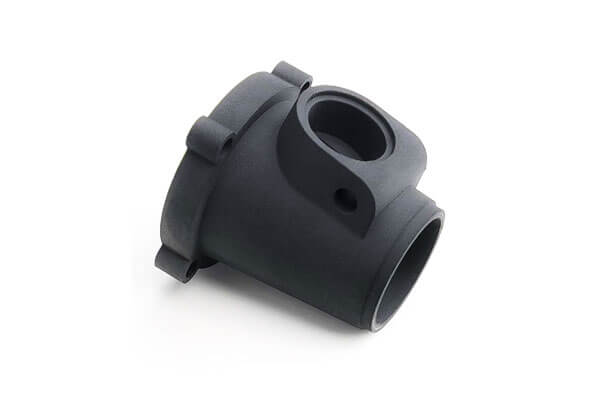
6. Matériaux polyamide renforcés et modifiés
Le polyamide non chargé offre une combinaison équilibrée de résistance, dureté, se résistance à l'usure, et la transformation.
Cependant, de nombreuses applications d'ingénierie nécessitent des propriétés supérieures à celles de la norme PA6 ou PA66.
Pour cette raison, le polyamide est fréquemment mélangé à des fibres de renforcement, charges minérales, modificateurs d'impact, retardateurs de flamme, lubrifiants, et autres additifs fonctionnels.
| Type de polyamide modifié | Modification principale | Amélioration principale des performances | Applications typiques |
| PA renforcé de fibres de verre | Fibres de verre | Force, rigidité, résistance à la chaleur | Structures automobiles, connecteurs, machinerie |
| PA renforcé de fibres de carbone | Fibres de carbone | Résistance spécifique et rigidité élevées | Aérospatial, robotique, pièces haute performance |
| PA rempli de minéraux | Talc, mica, minéraux | Stabilité dimensionnelle, retrait inférieur | Logements, composants de grande précision |
| PA modifié par impact | Modificateurs élastomères | Robustesse et résistance aux chocs améliorées | Composants automobiles et de protection |
PA ignifuge |
Additifs ignifuges | Performance au feu améliorée | Composants électriques et électroniques |
| PA autolubrifiant | Ptfe, MoS₂, additifs lubrifiants | Frottement et usure réduits | Roulements, engrenages, parties coulissantes |
| PA conductrice | Charges conductrices à base de carbone | Contrôle ESD ou conductivité électrique | Équipements électroniques et sensibles à l'électricité statique |
7. Avantages et limites du polyamide
Avantages clés
- Force spécifique élevée: Un rapport résistance/poids exceptionnel permet un remplacement rentable du métal dans les applications structurelles.
- Excellentes performances d'usure: Les propriétés autolubrifiantes inhérentes éliminent le besoin de lubrification externe dans de nombreuses applications à charge légère à moyenne..
- Bonne résistance chimique: Tolérance exceptionnelle aux huiles, carburants et graisses pour environnements automobiles et industriels.
- Large capacité de traitement: Compatible avec toutes les principales méthodes de fabrication de thermoplastiques avec une bonne fluidité à l'état fondu.
- Résistance élevée aux chocs: Maintient une bonne ductilité sur une large plage de températures, en particulier dans les qualités à impact modifié.
- Formulation polyvalente: Facilement renforcé, durci, ignifuge et composé pour des performances ciblées.
- Bonne isolation électrique: Performance diélectrique suffisante pour la plupart des applications électriques et électroniques générales.
Limites inhérentes
- Haute absorption d'humidité: Les qualités standard absorbent une quantité importante d’eau atmosphérique, provoquant un changement dimensionnel et une variation des propriétés - la plus grande contrainte de conception.
- Variabilité dimensionnelle: Un retrait de moulage plus élevé et un gonflement induit par l'humidité nécessitent une conception de tolérance minutieuse.
- Fragilité à basse température: Les qualités standard non modifiées deviennent cassantes à des températures inférieures à zéro et nécessitent une modification d'impact pour un service à froid..
- Forte résistance aux acides/alcalis limitée: Se dégrade dans les acides minéraux forts et les solutions alcalines concentrées.
- Exigence de séchage du traitement: Le pré-séchage obligatoire ajoute des étapes de processus et un coût énergétique par rapport aux plastiques non hygroscopiques.
- Dégradation des UV: Les qualités non stabilisées se dégradent sous une exposition prolongée aux UV extérieurs et nécessitent une stabilisation pour une utilisation extérieure..
8. Applications du polyamide
La combinaison de la résistance mécanique, se résistance à l'usure, faible poids, résistance chimique, et la flexibilité de fabrication permet au polyamide de servir dans des applications allant des produits de consommation aux composants automobiles et industriels de haute technologie..
Industrie automobile
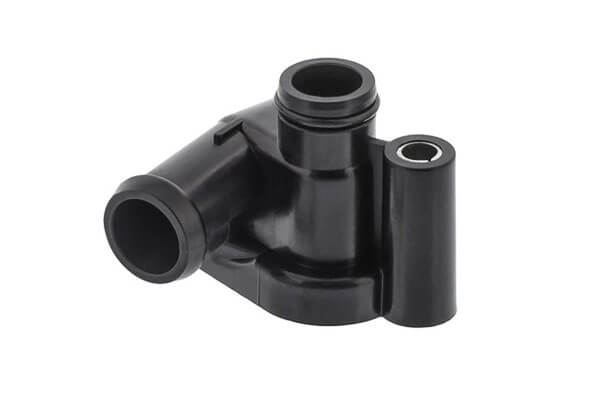
Automobile l'ingénierie est l'un des plus grands domaines d'application des polyamides techniques.
PA6, PA66, et les nuances renforcées sont largement utilisées pour remplacer les composants métalliques où la réduction de poids, résistance à la corrosion, et le moulage intégré sont avantageux.
Les composants typiques incluent:
- Capots et supports moteur
- Composants d'admission d'air
- Composants du système de refroidissement
- Guides-câbles et clips
- Boîtiers d'équipement
- Cages de roulements
- Composants du système de carburant
- Connecteurs électriques
- Supports structurels
- Composants de ventilateur et de poulie
Le PA66 renforcé de fibres de verre est particulièrement important pour les applications sous le capot car le renforcement améliore la rigidité, résistance au fluage, et stabilité dimensionnelle.
Électrique et électronique
Le polyamide est largement utilisé pour les composants électriques en raison de ses propriétés isolantes, résistance mécanique, et capacité de moulage par injection.
Les applications incluent boîtiers de connecteur, borniers, presse-étoupes, interrupteurs, boîtiers de capteurs, composants de protection des circuits, et coffrets électriques.
Les qualités ignifuges sont souvent sélectionnées lorsque les exigences réglementaires exigent un allumage et une propagation des flammes contrôlés..
Machines industrielles
En machinerie, le polyamide est fréquemment utilisé là où les composants légers doivent résister à des mouvements mécaniques répétés.
Les exemples courants incluent:
- Engrenages et roues dentées
- Douilles et roulements
- Rouleaux
- Bandes d'usure
- Rails de guidage
- Porte-câbles
- Composants d'étanchéité
- Protections de machines
- Composants du convoyeur
Par rapport aux composants métalliques, les pièces en polyamide peuvent réduire le poids, bruit, et exigences de lubrification dans certaines applications.
Manipulation des fluides et tubes
Le PA11 et le PA12 sont particulièrement utiles pour les applications de tubes et de manipulation de fluides car ils combinent flexibilité, résistance chimique, basse densité, et absorption d'humidité relativement faible.
Ils sont utilisés pour tube pneumatique, conduites hydrauliques, conduites de carburant, composants liés aux freins, gaine de câble, et tuyaux industriels, en fonction du grade spécifique et des normes applicables.
Produits de consommation et commerciaux
Le polyamide est également largement utilisé dans les produits de consommation où la durabilité et la résistance aux chocs sont importantes..
Les exemples incluent les composants d'outils électriques, équipement sportif, attaches, logements, poignées, roues, raccords mécaniques, et divers composants moulés.
Applications médicales et de santé
Des qualités de polyamide spécialisées peuvent être utilisées pour certaines applications médicales et de soins de santé, y compris le tube, composants de l'instrument, pièces de manipulation de fluides, et certains appareils jetables ou réutilisables.
Pour ces applications, cependant, biocompatibilité, résistance à la stérilisation, extractibles, compatibilité chimique, et les exigences réglementaires applicables doivent être évaluées pour la qualité spécifique plutôt que déduites des propriétés générales du polyamide..
9. Polyamide contre. Autres plastiques techniques
Le polyamide n’est pas universellement supérieur aux autres plastiques techniques.
Chaque polymère a un profil de performance différent, et le choix approprié dépend de facteurs tels que la charge mécanique, friction, température, exposition chimique, humidité, exigences dimensionnelles, et coûter.
| Propriété / Facteur | Polyamide (Pennsylvanie) | Polyoxyméthylène (POM) | Polypropylène (Pp) | Polyether Ether Ketone (Jeter un coup d'œil) |
| Classe de matériaux | Thermoplastique technique | Thermoplastique technique | Thermoplastique de base/semi-ingénierie | Thermoplastique technique haute performance |
| Force typique | Bon à élevé | Bien | Modéré | Très haut |
| Rigidité | Bien; plus haut avec renfort | Bien | Modéré | Excellent |
| Résistance à l'impact | Bon à excellent | Bien | Bon à excellent | Bien |
| Se résistance à l'usure | Bon à excellent | Excellent | Modéré | Excellent |
| Friction | Faible à modéré | Très bas | Faible | Faible |
| Absorption de l'humidité | Modéré à élevé pour le PA6/PA66; inférieur pour PA11/PA12 | Très bas | Très bas | Très bas |
| Stabilité dimensionnelle | Modéré; fortement affecté par l'humidité dans certaines qualités | Excellent | Bien | Excellent |
| Capacité de température | Modéré à élevé, en fonction de la note | Modéré | Relativement bas | Excellent |
| Résistance chimique | Bien | Bien | Excellent | Excellent |
| Isolation électrique | Bien | Bien | Excellent | Excellent |
| Résistance à la fatigue | Bien | Excellent | Bien | Excellent |
| Processabilité | Excellent | Excellent | Excellent | Plus exigeant |
Coût matériel relatif |
Modéré | Modéré | Faible | Très haut |
| Applications typiques | Engrenages, bagues, pièces automobiles, connecteurs, composants structurels | Engrenages de précision, roulements, vannes, mécanismes | Conditionnement, chars, charnières vivantes, conteneurs chimiques | Aérospatial, semi-conducteur, médical, machines à haute température |
| Principal avantage | Performances mécaniques et de traitement équilibrées | Faible frottement et stabilité dimensionnelle | Faible coût et résistance chimique | Performances mécaniques et à haute température exceptionnelles |
| Principale limite | Sensibilité à l'humidité | Capacité limitée à haute température | Performance mécanique inférieure | Coût élevé et traitement plus exigeant |
10. Recyclage du polyamide et durabilité
Recyclage mécanique
Les déchets post-industriels de polyamide sont régulièrement recyclés mécaniquement par rebroyage et recomposé..
La résine recyclée conserve la plupart de ses propriétés mécaniques et est largement utilisée pour les pièces structurelles non critiques.
Le recyclage post-consommation est moins établi mais en croissance, en particulier pour les flux de déchets de fibres textiles et de tapis.
Recyclage chimique
Les technologies avancées de dépolymérisation peuvent transformer les déchets de polyamide en matières premières monomères pures, produire une résine équivalente vierge avec des performances identiques.
Des installations de recyclage chimique à l’échelle industrielle fonctionnent désormais en Europe et en Amérique du Nord, permettant une circularité en boucle fermée pour les matériaux polyamide.
Polyamides d'origine biologique
La durabilité ne se limite pas au recyclage. Certains polyamides, y compris PA11 et PA1010, peut être produit en partie ou en grande partie à partir de matières premières renouvelables en fonction de la voie de fabrication spécifique.
Les matières premières d’origine biologique peuvent réduire la dépendance aux ressources fossiles, mais un polymère biosourcé n’est pas automatiquement supérieur à l’environnement.
Une évaluation complète devrait prendre en compte l’approvisionnement en matières premières, impacts agricoles, consommation d'énergie, émissions de fabrication, durée de vie du produit, Recyclabalité, et traitement de fin de vie.
11. Pièces en polyamide personnalisées de LangHe Industrie
Industrie de Langhe fournit des solutions de fabrication personnalisées pour les composants en plastique technique, y compris des pièces en polyamide conçues pour la mécanique, électrique, automobile, industriel, et autres applications exigeantes.
Plutôt que de traiter le polyamide comme un plastique générique, le matériau et le processus de fabrication doivent être sélectionnés en fonction des conditions réelles de fonctionnement du composant.
Facteurs tels que la note PA, exposition à l'humidité, température, chargement mécanique, tolérances dimensionnelles, exigences d'usure, environnement chimique, et le renforcement sont évalués lors du développement technique.
Capacités de fabrication de polyamide sur mesure
| Capacité | Détails |
| Sélection des matériaux | PA6, PA66, PA11, PA12 et grades de polyamide renforcés ou modifiés |
| Modification matérielle | Fibre de verre, fibre de carbone, nuances chargées de minéraux et modifiées contre l'usure, sous réserve des conditions de candidature |
| Fabrication | Moulage par injection et usinage de précision pour des composants en polyamide adaptés |
| Usinage CNC | Tournant, fraisage, forage, ennuyeux, et finition de composants en plastique technique |
| Géométries complexes | Logements, engrenages, bagues, supports, guides, couvertures, et composants mécaniques personnalisés |
| Contrôle de précision | Contrôle dimensionnel basé sur la géométrie des composants, exigences de tolérance, et les besoins d'application |
| Réalisation de prototypes | Développement de petits volumes et de prototypes avant la production en série |
| Support d'ingénierie | Sélection des matériaux, Examen du DFM, évaluation de la tolérance, et l'optimisation du processus |
| Qualité | ISO 9001:2015 agréé. |
| Délai de mise en œuvre | 2‑4 semaines pour l'usinage; 4‑8 semaines pour l'outillage et la production. |
12. Conclusion
Le polyamide est une large famille de polymères techniques plutôt qu'un seul matériau..
Du conventionnel PA6 et PA66 pour réduire l'absorption de l'humidité PA11 et PA12, à haute température APP, et qualités renforcées par des fibres, différentes formulations fournissent des combinaisons sensiblement différentes de propriétés mécaniques, thermique, chimique, et performances dimensionnelles.
Son plus grand avantage réside dans ses performances techniques équilibrées. Le polyamide combine une densité relativement faible avec une bonne résistance, dureté, se résistance à l'usure, résistance chimique, isolation électrique, et une excellente aptitude au traitement.
Ces caractéristiques en font une alternative efficace aux métaux et autres plastiques techniques dans de nombreuses applications..
En même temps, les concepteurs ne doivent pas négliger ses limites. Absorption de l'humidité, propriétés dépendantes de la température, ramper, et la compatibilité chimique peut fortement influencer les performances à long terme.
La sélection des matériaux doit donc être basée sur l'environnement d'exploitation complet plutôt que sur la seule résistance à la traction ou au point de fusion..
Pour les composants personnalisés, l'approche la plus fiable consiste à évaluer la qualité du polyamide, renforcement, processus de fabrication, exigences dimensionnelles, environnement de service, et durée de vie prévue en tant que système intégré.
Lorsque ces facteurs sont correctement contrôlés, le polyamide peut fournir une solution rentable et techniquement robuste pour une large gamme de composants techniques.
FAQ sur le polyamide
Le polyamide est-il la même chose que le nylon?
Pas exactement. Le nylon est un groupe majeur de polyamides, les polyamides particulièrement aliphatiques tels que le PA6 et le PA66.
Le polyamide est la famille chimique la plus large qui comprend également le PA11., PA12, polyamides semi-aromatiques, et polyamides aromatiques.
Le polyamide est-il un matériau résistant?
Oui. Le polyamide offre généralement une bonne résistance à la traction, rigidité, dureté, et performances en fatigue. Fibre de verre- et polyamides renforcés de fibres de carbone peut fournir une rigidité et une résistance nettement supérieures à celles des qualités non chargées.
Le polyamide absorbe-t-il l'eau?
Oui. L'absorption de l'humidité est une caractéristique importante de nombreux polyamides, en particulier PA6 et PA66.
L'absorption d'eau peut modifier les dimensions et les propriétés mécaniques, l'humidité et le conditionnement doivent donc être pris en compte pour les applications de précision.
Le polyamide est-il adapté aux applications à haute température?
Cela dépend de la note. Les PA6 et PA66 conventionnels conviennent aux températures modérément élevées, alors que PPA et autres polyamides haute température sont mieux adaptés aux environnements thermiques exigeants.
Le polyamide peut-il réellement remplacer le métal dans les pièces de structure?
UN: Oui. Les polyamides renforcés de fibres de verre sont largement utilisés pour remplacer l'aluminium et l'acier moulés sous pression dans la construction automobile., composants industriels et grand public.
Ils réduisent généralement le poids des pièces de 40 à 60 % tout en offrant une résistance suffisante pour de nombreuses applications porteuses.. Le remplacement des métaux reste le principal moteur de croissance des polyamides techniques.
Le polyamide est-il résistant aux produits chimiques?
Le polyamide a une bonne résistance à de nombreuses huiles, carburant, hydrocarbures, et produits chimiques industriels, mais sa résistance aux acides forts, agents oxydants, et certains solvants peuvent être limités.
La qualité spécifique et les conditions de fonctionnement doivent toujours être évaluées.
Le polyamide est-il meilleur que le POM?
Ni l’un ni l’autre n’est universellement meilleur. Le polyamide offre généralement une combinaison plus solide de résistance et de performances mécaniques,
tandis que le POM offre souvent une stabilité dimensionnelle supérieure, frottement faible, et performance à l'usure.
Le choix dépend de l'application spécifique.
Avis de droits d'auteur et de marques déposées
- Kevlar® et Nomex® sont des marques déposées de E. je. du Pont de Nemours and Company (Dupont).
- Torlon® est une marque déposée de Syensqo.

