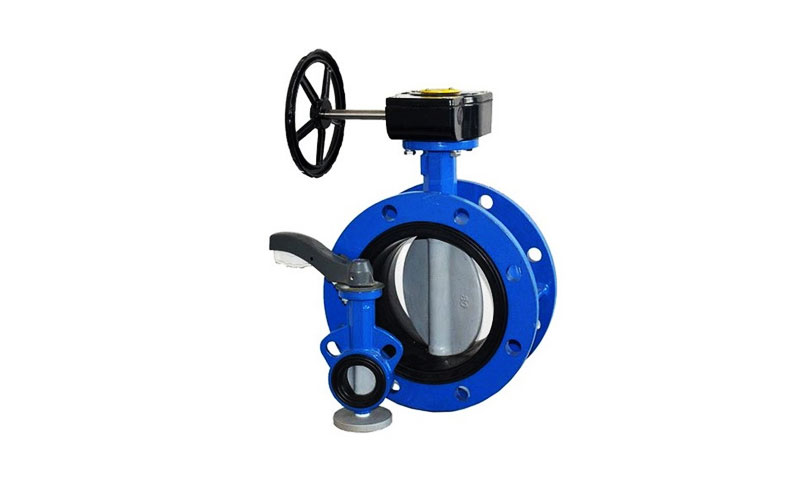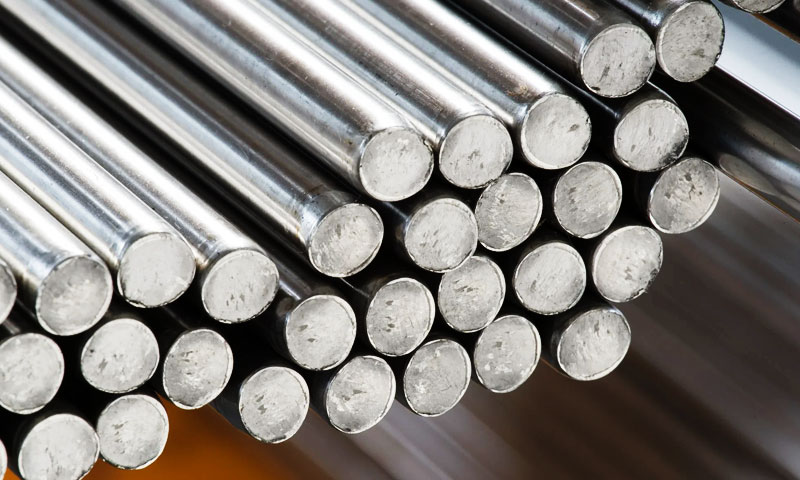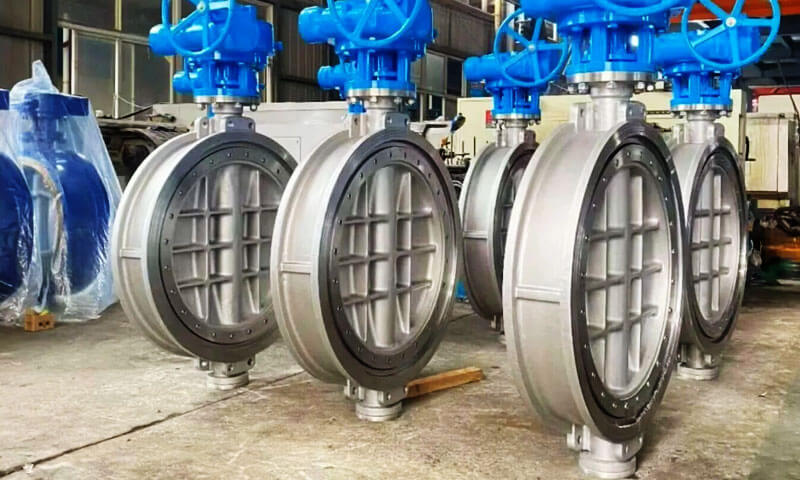
Läppäventtiilit ovat teollisuuden putkistojen laajimmin käytettyjä virtauksensäätölaitteita, tarjoaa yksinkertaisen, kompakti, ja kustannustehokas ratkaisu kaasuvirran säätelyyn, nesteet, ja lietteet.
Kun sovellus vaatii voimaa, taloutta, ja kohtalainen korroosionkestävyys, hiiliteräksiset läppäventtiilit tulee oletusvalinta – erityisesti vedenkäsittelyssä, öljy- ja kaasu, sähköntuotanto, ja yleinen teollisuuspalvelu.
Hiiliteräksisten läppäventtiilikomponenttien – runkojen valmistus, kiekot, varret, ja kannattimet – on perinteisesti tukeutunut hiekkavaluon tai valmistukseen.
Kuitenkin, investointi (kadonnut -bax casting) on noussut ylivoimaiseksi valmistusreitiksi monille hiiliteräsventtiilikomponenteille, tarjous lähes verkon muodon tarkkuus, Erinomainen pinta, tiukka ulottuvuustoleranssit, ja johdonmukaiset mekaaniset ominaisuudet.
Tämä artikkeli tarjoaa kattavan teknisen ja strategisen oppaan hiiliteräksisten läppäventtiilien sijoitusvaluratkaisuihin.
1. Mikä on hiiliteräsläppäventtiili?
Eräs hiiliteräs perhonen venttiili on neljänneskierros pyörivä venttiili, joka on suunniteltu käynnistymään, Stop, tai säädä nestevirtausta pyörittämällä pyöreää kiekkoa keskiakselin ympärillä.
Toisin kuin lineaariliikeventtiilit, kuten luistiventtiilit tai palloventtiilit, läppäventtiilit vaativat vain 90 asteen kierron liikkuakseen täysin avoimen ja täysin kiinni -asennon välillä, mahdollistaa nopean toiminnan pienellä vääntömomentilla.
Niiden yksinkertainen mutta tehokas rakenne tekee niistä yhden monipuolisimmista venttiilityypeistä teollisiin nesteenkäsittelyjärjestelmiin.
Hiiliteräksisiä läppäventtiilejä käytetään laajalti vettä kuljettavissa putkissa, höyryä, öljy, maakaasu, paineilma, ja erilaisia syövyttäviä tai lievästi syövyttäviä aineita.
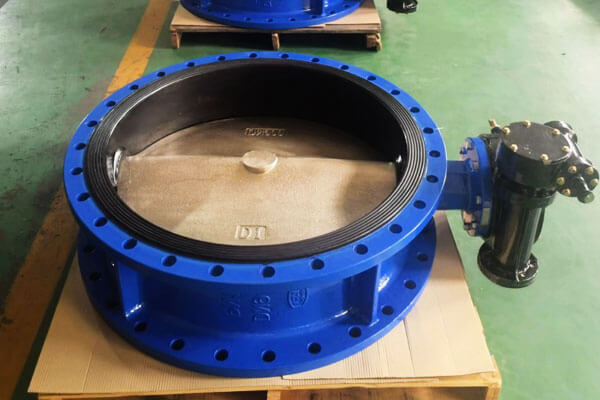
Perhosventtiilin peruskomponentit
| Komponentti | Funktio |
| Vartalo | Kotelo, joka sisältää levyn, istuimet, ja varsi; tarjoaa putkiliitännät (laiva, raahata, vohveli). |
| Levy | Pyörivä sulkuelin; ohjaa virtausta kiertämällä auki-asennosta kiinni. |
| Varsi (akseli) | Siirtää vääntömomentin toimilaitteesta levylle. |
| Istuimet | Tiivistä levyn ja rungon välillä; vaihdettavissa tai kiinteästi valettu. |
| Toimilaite | Manuaalinen (vipu, käsikirjoitus) tai automatisoitu (pneumaattinen, sähköinen, hydraulinen). |
| Konepelli / ylälaippa | Sijaitsee varren ja tarjoaa toimilaitteen asennuksen. |
| Tiivisteet | Estä vuodot vartta pitkin. |
Perhosventtiilin runkomallien tyypit
| Vartalotyyppi | Kuvaus | Tyypilliset sovellukset |
| Vohvelityylinen | Ohut runko pultinrei'illä; putken laippojen väliin. | Matala paine, kompaktit järjestelmät, LVI, vesilinjat. |
| Lug-tyylinen | Kierreliitokset molemmilla puolilla; loppupalvelu mahdollista. | Kohtalainen paine; huoltoon pääsy. |
| Laiva | Kiinteät laipat molemmissa päissä; pultattu suoraan putkien laippoihin. | Korkea paine, halkaisijaltaan suuria järjestelmiä, öljy & kaasu. |
| Puskuhitsaus | Päät on suunniteltu hitsattavaksi putkeen. | Korkea lämpötila, korkea paine, vuotokriittiset järjestelmät. |
Hiiliteräsläppäventtiilien kriittiset toiminnalliset vaatimukset
| Vaatimus | Tekninen merkitys |
| Paineen eheys | Pitää kestää sisäistä painetta (ASME-luokkaan 150-600 asti hiiliteräkselle). |
| Vahvuus ja sitkeys | On kestettävä mekaanista kuormitusta, värähtely, ja lämpöpyöräily. |
| Mitat tarkkuus | Tarkka reikä, laippa päin, ja varren reikien kohdistus varmistavat tiivistyksen ja toiminnan. |
| Korroosionkestävyys | Kohtuullinen kestävyys ilmakehän vaikutuksille, vettä, ja lievä kemiallinen ympäristö. |
| Hitsaus | Hiiliteräslaatujen tulee olla hitsattavia asennusta ja korjausta varten. |
| Kustannustehokkuus | Alhaisemmat materiaalikustannukset kuin ruostumaton teräs; sopii suuriläpimittaisille venttiileille. |
2. Miksi Investment Casting on ihanteellinen läppäventtiilikomponenteille
Sijoitusvalu, tunnetaan yleisesti nimellä kadonnut vahavaluprosessi, on tunnustettu yhdeksi edistyneimmistä valmistustekniikoista tarkkuusmetallikomponenttien valmistuksessa.
Verrattuna perinteisiin valumenetelmiin, sijoitusvalu tarjoaa huomattavia parannuksia mittatarkkuuteen, pinnan laatu, rakenteellinen eheys, ja tuotannon johdonmukaisuus, mikä tekee siitä erityisen sopivan korkean suorituskyvyn läppäventtiilikomponentteihin.
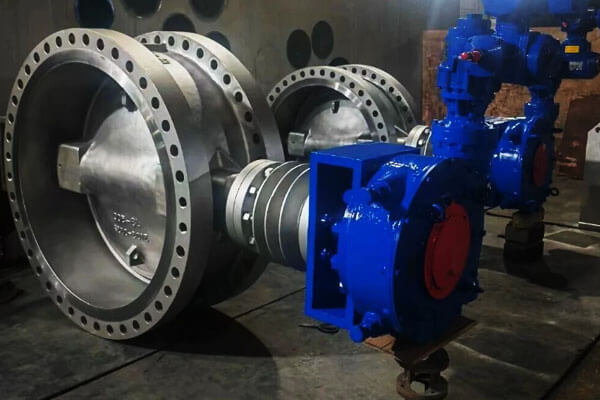
Poikkeuksellinen ulottuvuus tarkkuus
Läppäventtiileissä on lukuisia tarkkuuskoneistettuja liitäntöjä, mukaan lukien laippapinnat, varren poraus, kantapaikat, ja tiivistyspinnat.
Pienetkin mittapoikkeamat voivat aiheuttaa vuotoja, liiallinen käyttömomentti, tai ennenaikaista kulumista.
Investointivalu tuottaa lähes verkon muotoisia komponentteja tiukoilla toleransseilla, vähentää merkittävästi korjaavan koneistuksen tarvetta ja varmistaa erinomaisen osien vaihdettavuuden.
Edut sisältävät:
- Parempi kokoonpanotehokkuus
- Vähennetyt työstövarat
- Parempi tiivistyskyky
- Tasainen tuotteiden laatu tuotantoerissä
Ylivoimainen pintapinta
Toisin kuin hiekkavalu, jossa karkeat muotit jättävät usein karkeita pintoja, sijoitusvalussa käytetään hienoja keraamisia kuoria, jotka toistavat tarkasti vahakuvion.
Tyypillinen pinnan karheus vaihtelee RA 3,2-6,3 μm, tarjonta:
- Parempi pinnoitteen tarttuvuus
- Vähentyneet kiillotusvaatimukset
- Pienempi nesteen vastus
- Paranneltu ulkonäkö näkyville venttiilikomponenteille
Tasaisempi sisäinen virtausreitti vähentää myös turbulenssia ja painehäviötä käytön aikana.
Monimutkainen geometria ilman lisävalmisteita
Nykyaikaisissa läppäventtiilien rungoissa on usein vahvistusripoja, toimilaitteen asennuslevyt, virtausta ohjaavat ääriviivat, ja integroidut tukirakenteet.
Näiden ominaisuuksien valmistaminen koneistuksen tai valmistuksen avulla lisää tuotannon monimutkaisuutta ja kustannuksia.
Investointivalu mahdollistaa näiden monimutkaisten geometrioiden muodostamisen suoraan valun aikana, vähentää hitsausliitosten määrää ja parantaa rakenteiden eheyttä.
Parantunut metallurginen laatu
Koska sula metalli täyttää tarkkuuskeraamisen muotin tarkasti valvotuissa olosuhteissa, investointivalu voi saavuttaa:
- Tasainen viljarakenne
- Vähentynyt segregaatio
- Pienempi sisältö
- Parempi tiheys
- Parannettu väsymyksenkestävyys
Nämä metallurgiset edut ovat erityisen arvokkaita venttiileille, jotka toimivat syklisessä paineessa tai vaihtelevissa lämpöolosuhteissa.
Korkeampi materiaalin käyttöaste
Perinteinen koneistus poistaa usein merkittävän osan raaka-aineesta lopullisen geometrian saavuttamiseksi, aiheuttaa turhaa jätettä.
Investointivalu tuottaa komponentteja lähellä lopullisia mittojaan, tarjoaa useita taloudellisia etuja:
- Vähemmän materiaalihävikkiä
- Lyhennetty työstöaika
- Pienempi työkalujen kuluminen
- Lyhyemmät tuotantosyklit
- Parempi kestävyys
Valmistusmenetelmien vertailu
| Valmistusmenetelmä | Tarkkuus | Pintapinta | Materiaalien käyttö | Tuotantotehokkuus | Sopivat sovellukset |
| Investointi | Erinomainen | Erinomainen | Erinomainen | Korkea | Tarkkuusventtiilikomponentit |
| Hiekkavalu | Kohtuullinen | Karkea | Kohtuullinen | Korkea | Suuri, yksinkertaiset valut |
| Taonta | Erinomainen | Hyvä | Kohtuullinen | Keskipitkä | Erittäin lujat paineosat |
| CNC -koneistus | Erinomainen | Erinomainen | Matala | Matala | Pienen erän mukautetut komponentit |
3. Hiiliteräsmateriaalin valinta investointivalua varten
Materiaalin valinta on yksi kriittisimmistä insinööripäätöksistä investointivalettujen läppäventtiilien valmistuksessa.
Vaikka sijoitusvaluprosessi määrittää mittatarkkuuden ja rakenteellisen eheyden, se hiiliteräslaatu
Yleiset hiiliteräslaadut investointivalettuihin läppäventtiileihin
Eri hiiliteräslaadut on suunniteltu vastaamaan tiettyjä käyttöolosuhteita.
Vakiovaletut hiiliteräkset, kuten WCB ja WCC käytetään laajalti yleisiin teollisiin sovelluksiin, kun taas matalan lämpötilan laatuja, kuten LCB ja LCC valitaan kryogeeniseen palveluun.
Korkean lämpötilan ympäristöihin, kromi-molybdeeniseosvaluteräkset mukaan lukien WC6 ja WC9
Alla olevassa taulukossa on yhteenveto yleisimmin käytetyistä investointivalettujen läppäventtiilikomponenttien laaduista.
| ASTM -luokka | US nro. | Hiili (%) | Tuottolujuus (MPA) | Vetolujuus (MPA) | Pidennys (%) | Suurin huoltolämpötila | Tyypilliset sovellukset |
| WCA | J02502 | ≤0,25 | ≥ 205 | ≥415 | ≥24 | 425° C | Taloudelliset venttiilit matalapaineisiin ja ei-kriittisiin palveluihin |
| WCB | J03002 | ≤0,30 | ≥ 250 | ≥485 | ≥22 | 425° C | Vakioläppäventtiilit vedelle, öljy, kaasu, ja höyryä |
| WCC | J02505 | ≤0,25 | ≥ 275 | ≥485 | ≥22 | 425° C | Raskaat venttiilit, jotka vaativat suurempaa lujuutta ja parempaa hitsattavuutta |
| LCB | J03003 | ≤0,25 | ≥240 | ≥ 450 | ≥22 | -46° C | Matalalämpöiset putkistot ja jäähdytysjärjestelmät |
| LCC | J03005 | ≤0,25 | ≥ 275 | ≥485 | ≥22 | -46° C | LNG-laitokset, kryogeeninen käsittely, ja kylmän ilmaston sovellukset |
| WC6 | J12072 | 0.05–0.20 | ≥ 275 | ≥550 | ≥20 | 540° C | Korkean lämpötilan höyry- ja sähköntuotantojärjestelmät |
| WC9 | J21890 | 0.05-0,18 | ≥310 | ≥585 | ≥20 | 595° C | Korkean lämpötilan petrokemian ja jalostamoiden laitteet |
Näiden materiaalien joukossa, ASTM A216 WCB on edelleen hiiliteräksisten läppäventtiilirunkojen alan vertailukohta mekaanisen suorituskyvyn erinomaisen tasapainon ansiosta, kestävyys, konettavuus, ja kustannustehokkuus.
Se on suositeltu valinta useimpiin teollisiin sovelluksiin, jotka toimivat ympäristön lämpötilassa tai kohtalaisen kohotetussa lämpötilassa.
4. Investointivalujen valmistusprosessi Butterfly Valvelle
Hiiliteräksisen läppäventtiilin suorituskykyä määrää paitsi sen suunnittelu ja materiaalivalinta, myös sen valmistusprosessin tarkkuus ja vakaus.
Sijoitusvalu, tunnetaan myös nimellä kadonnut vahavaluprosessi, on erittäin kontrolloitu tuotantomenetelmä, jolla voidaan valmistaa monimutkaisia venttiilikomponentteja poikkeuksellisella mittatarkkuudella, Erinomainen pinta, ja tasaiset metallurgiset ominaisuudet.
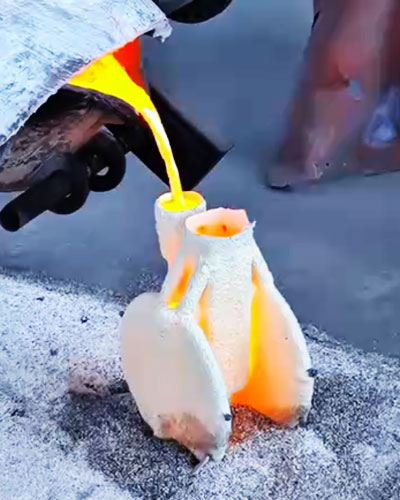
Toisin kuin perinteinen hiekkavalu, investointivalu tuottaa lähes verkko-muotoinen komponentteja, jotka vaativat huomattavasti vähemmän työstöä säilyttäen samalla tiukemmat toleranssit.
Tämä menetelmä soveltuu erityisen hyvin läppäventtiilirungoille, kiekot, kiinnityskiinnikkeet, ja muut rakenneosat, joissa tarkkuus vaikuttaa suoraan tiivistyskykyyn ja käyttövarmuuteen.
Prosessivirran yleiskatsaus
| Lava | Askel | Keskeinen yksityiskohta |
| 1 | Kuvioiden tuotanto | Vahan ruiskutus tarkkuusmetallisuuttimeen (työkalu) toistaa venttiilirungon muotoa. |
| 2 | Puun kokoonpano | Useita vahakuvioita kiinnitetty keskiputkeen (puu). |
| 3 | Kuoren rakennus | 6-10 kerrosta keraamista lietettä (Piidioksidi) + stukki (zirkonia/alumiinioksidi). |
| 4 | Köyhä | Höyryautoklaavi sulattaa vahan; kuori jää. |
5 |
Kuoren ampuminen | Poltettu 900–1100 °C:ssa keramiikan vahvistamiseksi ja haihtuvien aineiden poistamiseksi. |
| 6 | Hiiliteräksen sulatus & kaataminen | Induktio tai kaarisulatus 1550-1650°C; kaadetaan esilämmitettyyn kuoreen. |
| 7 | Jäähdytys & rynnäkkö | Hallittu jäähdytys; kuori poistettu tärinällä tai vesisuihkulla. |
| 8 | Katkaisu & viimeistely | Portit ja nousuputket leikattu; hiominen, ammuttu räjähdys, pyllähdys. |
| 9 | Lämmönkäsittely | Normalisointi tai jännityksenpoisto tiettyjen ominaisuuksien saavuttamiseksi. |
| 10 | Tarkastus & testaus | Visuaalinen, ulottuvuus-, Ndt (Röntgenkuva, väriaine), hydrostaattinen painetesti. |
Hiiliteräksisten venttiilirunkojen kriittiset prosessiohjaimet
| Tekijä | Kohde | Miksi sillä on merkitystä |
| Kaatamislämpötila | 1550-1650°C | Liian alhainen → väärinkäynti; liian korkea → kuoren eroosio, kaasuhuokoisuus. |
| Kuoren esilämmitys | 200-600°C | Estää lämpöshokin; parantaa täyttöä. |
| Jäähdytysnopeus | Hallittu (ilma) | Estää karbidin saostumisen; takaa sitkeyden. |
| Porttien suunnittelu | Välttää turbulenssia; edistää suunnattua kiinteytymistä | Vähentää sulkeumia ja kutistumishuokoisuutta. |
| Lämmönkäsittely | Normalising (870‑930°C) or stress relief (600‑650°C) | Saavuttaa tietyt mekaaniset ominaisuudet; relieves residual stress. |
Hiiliteräsventtiilivalujen lämpökäsittely
| Hoito | Lämpötila | Jäähdytys | Tarkoitus |
| Normalising | 870‑930°C | Ilmaviileä | Tarkentaa viljarakennetta; parantaa lujuutta ja sitkeyttä. |
| Stressin lievitys | 600‑650°C | Furnace or air cool | Vähentää valusta ja hitsauksesta aiheutuvaa jäännösjännitystä. |
| Sammutus & karkaisu | 850‑900°C (sammuttaa) + 550‑650°C (luonne) | Oil or water + ilma | Lisää voimaa ja kovuutta (korkealuokkaisiin sovelluksiin). |
5. Korroosionkestävyys ja pintasuojausratkaisut
Hiiliteräs on laajalti arvostettu korkean lujuutensa vuoksi, erinomainen konettavuus, ja kustannustehokkuus. Kuitenkin, unlike stainless steel, se sillä ei ole luontaista korroosionkestävyyttä.
Kun altistetaan happea, kosteus, suolat, tai kemiallisesti aggressiivisia aineita, hiiliteräs on herkkä hapettumiselle, uniform corrosion, pistorasia, ja raon korroosio.
Ilman asianmukaista suojausta, nämä korroosiomekanismit voivat asteittain vähentää seinämän paksuutta, heikentää tiivistyskykyä, lisää käyttömomenttia, ja lopulta lyhentää läppäventtiilin käyttöikää.
Onneksi, Pintatekniikan kehitys on mahdollistanut hiiliteräksisten läppäventtiilien pitkäaikaisen kestävyyden vaativissakin käyttöolosuhteissa suojapinnoitteita käyttämällä, metalliset viimeistelyt, vuoraus, ja oikeat huoltostrategiat.
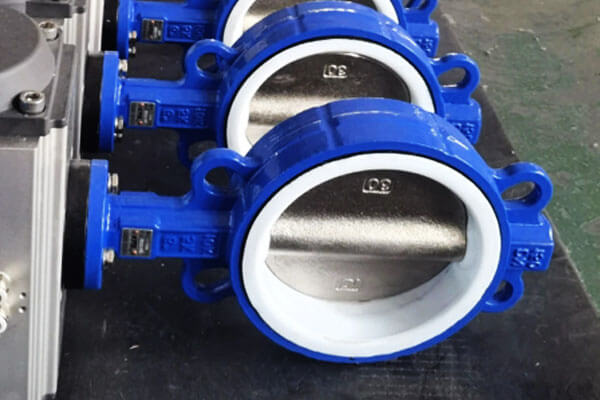
Yleiset korroosiosuojausmenetelmät
Hiiliteräsläppäventtiileille on saatavilla erilaisia pintakäsittelytekniikoita, jokainen tarjoaa eri korroosionkestävyyden, kulutussuojaus, ja taloudellinen tehokkuus.
| Suojausmenetelmä | Prosessin kuvaus | Tyypillinen pinnoitteen paksuus (μm) | Arvioitu käyttöikä* | Tyypilliset sovellukset |
| Epoksimaalaus / Nestemäinen pinnoite | Teollisuuden epoksimaalin ruisku- tai sivellinmaalaus | 100–300 | 5-15 vuotta | Yleiset teollisuusventtiilit, vettä, ilma, LVI |
| Jauhepäällyste | Sähköstaattinen jauheruiskutus, jota seuraa uunikovetus | 60–120 | 10-20 vuotta | Kunnallinen vesi, teollisuuslaitteet, ulkoasennukset |
| Fuusiosidottu epoksi (Fbe) | Sähköstaattinen epoksijauhe levitetty kuumennetulle teräspinnalle | 250–500 | 20-30 vuotta | Vesiputket, haudatut putket, palontorjuntajärjestelmät |
| Kuumin galvanointi | Upotus sulaan sinkkiin metallurgisen sinkkipinnoitteen muodostamiseksi | 50–100 | 20-40 vuotta | Ulkorakenteet, rannikon tilat, laivavarusteet |
| Elektropanoiva (Sinkki/nikkeli) | Metallipinnoitteiden sähkökemiallinen pinnoitus | 5–25 | 5-15 vuotta | Kiinnittimet, varret, koristeellinen tai kevyt suoja |
Fosfostointi |
Kemiallinen konversiopinnoite, joka tuottaa fosfaattikerroksen | 5–20 | 2–5 vuotta | Esikäsittely ennen maalausta, tilapäinen korroosiosuojaus |
| PTFE/FEP vuori tai pinnoite | Sisäpinnoille levitetty fluoripolymeerivuori | 300–1000 | Riippuu palveluehdoista | Syövyttävät kemikaalit, hapot, emäksinen |
| Katodinen suoja | Uhrautuvat anodit tai vaikuttavat virtajärjestelmät | - | Suunnittelusta riippuvainen | Haudattu putkistot, upotetut venttiilit |
| Korroosiokorvaus | Seinän paksuus lisätty suunnittelun aikana | 1–3 mm | Suunnittelusta riippuvainen | Pitkäaikaiset teollisuusputket |
Huomautus: Todellinen käyttöikä vaihtelee ympäristöolosuhteiden mukaan, pinnoitteen laatu, huoltokäytännöt, ja käyttölämpötila.
Näiden menetelmien joukossa, Fuusiosidottu epoksi (Fbe) on tullut yksi yleisimmin käytetyistä ratkaisuista hiiliteräksisille läppäventtiileille kunnallisessa vesihuollossa, jäteveden hoito, ja putkiinfrastruktuurin erinomaisen tarttuvuuden ansiosta, kemiallinen vastustuskyky, ja pitkäaikainen kestävyys.
Sopivan pintasuojausjärjestelmän valitseminen
Mikään yksittäinen pinnoitusjärjestelmä ei sovellu jokaiseen käyttöympäristöön.
Korroosiosuojaratkaisun valinnan tulee perustua kattavaan ympäristöaltistuksen arviointiin, median ominaisuudet, käyttölämpötila, mekaanista kulumista, ja ylläpidon saavutettavuus.
Seuraavat suositukset antavat käytännön ohjeita yleisiin sovellusskenaarioihin.
| Toimintaympäristö | Suositeltu pintasuojaus | Tekninen perustelu |
| Sisätiloissa, kuivat ympäristöt | Epoksimaali tai jauhemaalaus (100–150 μm) | Taloudellinen suojaus ilmakehän korroosiota vastaan |
| Ulkona, ei-rannikkoasennukset | Korkearakenteinen epoksipinnoite tai kuumasinkitys | Erinomainen sateenkestävyys, kosteus, ja UV -valotus |
| Rannikko- ja meriympäristöt | Kuumasinkitys epoksipinnoitteella (duplex-pinnoitusjärjestelmä) | Sinkki tarjoaa uhrautuvan suojan, kun taas epoksi toimii esteenä suolasumua vastaan |
| Vesihuolto ja jätevedenkäsittely | Sisäinen ja ulkoinen fuusiosidottu epoksi (Fbe) pinnoite | Erinomainen vedenkestävyys, lempeät kemikaalit, ja mikrobiologisesti vaikuttanut korroosio |
Kemiallinen prosessointi |
PTFE tai FEP vuori; vaihtoehtoisesti, ruostumaton teräs vaativaan käyttöön | Fluoripolymeerivuoraukset kestävät aggressiivisia happoja, emäksinen, ja liuottimet |
| Haudattu putkistot | FBE-pinnoite yhdistettynä katodisuojaukseen | Estää maaperän korroosiota ja pidentää maanalaista käyttöikää |
| Korkean kulutuksen ympäristöt | Epoksikeraaminen pinnoite tai kulutusta kestävä polymeeripinnoite | Parantaa sekä korroosion- että kulutuskestävyyttä |
Suunnittelustrategiat parannettua korroosionkestävyyttä varten
Pintakäsittelyjen lisäksi, harkitulla suunnittelulla on merkittävä rooli hiiliteräsläppäventtiilien korroosionkestävyyden parantamisessa.
Keskeisiä suunnittelunäkökohtia ovat mm:
- Ylläpito tasainen seinämän paksuus paikallisen korroosion minimoimiseksi.
- Poistaa halkeamat, joihin voi kerääntyä kosteutta ja epäpuhtauksia.
- Sujuvien sisäisten virtauskanavien suunnittelu eroosion-korroosion vähentämiseksi.
- Sisältää runsaasti säteitä jännityksen keskittymisen ja pinnoitteen ohenemisen välttämiseksi.
- Erilaisten metallien eristäminen galvaanisen korroosion estämiseksi.
- Mahdollistaa riittävän korroosionvaran sovelluksissa, joissa materiaalihäviö on ennakoitavissa.
- Yhteensopivien tiivistemateriaalien ja kiinnikkeiden valinta palveluympäristöön.
6. Yleiset valuvirheet ja tekniset ratkaisut
Investointivalu on tunnettu erittäin tarkkojen komponenttien valmistuksesta, kuitenkaan mikään valmistusprosessi ei ole täysin immuuni vioille.
Vaihtelua muotin suunnittelussa, metallilaatu, kaatavat parametrit, jäähdytysolosuhteet, tai prosessin ohjaus voi johtaa epätäydellisyyksiin, jotka vaikuttavat mekaanisiin ominaisuuksiin, mitat tarkkuus, ja läppäventtiilikomponenttien tiivistyskyky.
Näiden vikojen perimmäisten syiden ymmärtäminen ja asianmukaisten teknisten ratkaisujen toteuttaminen on olennaista tasaisen tuotteiden laadun saavuttamiseksi ja tuotantokustannusten minimoimiseksi..
| Vika | Visuaalinen/NDT-allekirjoitus | Syy | Ennaltaehkäisy / parannuskeino |
| Kaasuhuokoisuus | Pyöreät sisätilat | Liuennut vety/typpi; riittämätön deoksidaatio. | Polta sulamaan; parantaa kaatokäytäntöä; käytä puhdasta latausta. |
| Kutistuminen huokoisuus | rosoinen, epäsäännölliset sisätilat | Riittämätön ruokinta; huono nousuputken suunnittelu. | Optimoi portaat/nousu; käytä vilunväristyksiä; simuloida kiinteytymistä. |
| Kuuma repiminen | Halkeamia repaleilla reunoilla | Vetojännitys lopullisen jähmettymisen aikana; muotin rajoitus. | Alenna kaatolämpötilaa; parantaa kuoren kokoontaittuvuutta. |
| Sulkeumat (oksidi/kuona) | Epäsäännölliset ei-metalliset hiukkaset | Myrskyinen kaato; likainen sulate; kulunut kuori. | Keraamiset suodattimet; pohjakaataminen; puhdas lataus. |
Egypti / kylmä kiinni |
Epätäydellinen täyttö; taitettu pinta | Matala kaatolämpötila; huono juoksevuus. | Nosta kaatolämpötilaa; parantaa porttia. |
| Pinnan karheus / eväpyydys | Kohotetut viivat pinnalla | Kuori halkeilee täytön aikana; alhainen kuoren lujuus. | Lisää kuoren paksuutta; käytä vahvempaa sideainetta. |
| Mittapoikkeama | Toleranssin ulkopuoliset mitat | Vahan kutistumisen vaihtelu; kuoren laajennus; kuolla kulumista. | Ohjausvahan ruiskutus; säilyttää kuolin kunnossa. |
Laadunvarmistus hiiliteräsventtiilivaluille
| QA-elementti | Menetelmä | Hyväksymiskriteerit |
| Kemiallinen analyysi | Spektrometria | Täyttää ASTM A216 -standardin. |
| Mekaaninen testaus | Vetolujuus, kovuus, vaikutus | Saanto ≥ 250 MPa; Venymä ≥22 %. |
| Ndt | Väriaine (Pt) tai radiografia (Rt) | Ei halkeamia, huokoisuus ylittää vaatimukset. |
| Ulottuvuustarkastus | CMM, mittarit | Täyttää piirustustoleranssit; laipan pinnan tasaisuus. |
| Painekannustestaus | Hydrostaattinen (1.5× nimellispaine) | Ei vuotoa; ei muodonmuutoksia. |
| Pintapinta | Visuaalinen, profilometri | Ra ≤6,3 µm (tai kuten on määritelty). |
7. Investointivalun hiiliteräsläppäventtiilin edut
| Etu | Selitys |
| Monimutkaiset geometriat | Sisäiset virtauskanavat, kylkiluut, laipat, ja kiinnitysominaisuudet valettu kiinteästi. |
| Lähes verkon muoto | Vähentää koneistusaikaa ja materiaalihukkaa (85-95 % materiaalin saanto). |
| Erinomainen pinta | As-cast Ra 1,6–6,3 µm vähentää virtausvastusta ja tiivistysongelmia. |
| Tiukka ulottuvuustoleranssit | ±0,1-0,3 mm; varmistaa laipan kohdistuksen ja tiiviyden. |
| Tasaiset mekaaniset ominaisuudet | Tasainen viljarakenne; luotettava lujuus ja sitkeys. |
| Seoksen joustavuus | Heittää WCB:tä, WCC, LCB, LCC, WC6, WC9, ja mukautetut arvosanat. |
| Kustannustehokkuus | Pienemmät kokonaiskustannukset kuin taonta + monimutkaisten muotojen koneistus. |
| Paineen eheys | Äänivalut kestävät korkeita paineita (Luokka 150-600). |
| Hitsaus | Valetut hiiliteräslaadut ovat helposti hitsattavissa asennusta ja korjausta varten. |
| Skaalautuvuus | Sopii eräkokoihin alkaen 100 kohtaan 10,000+ komponentteja vuodessa. |
8. Hiiliteräsläppäventtiilien teollisuuden sovellukset
Investointivalulla valmistettuja hiiliteräksisiä läppäventtiilejä käytetään laajalti toimialoilla, jotka vaativat luotettavaa virtauksen säätöä, korkea mekaaninen lujuus, ja kustannustehokasta toimintaa.
Niiden erinomainen paineensietokyky, yhdistettynä tarkkuusvalmistukseen ja suojaaviin pintakäsittelyihin, mahdollistaa niiden tehokkaan suorituskyvyn monenlaisissa palveluympäristöissä.
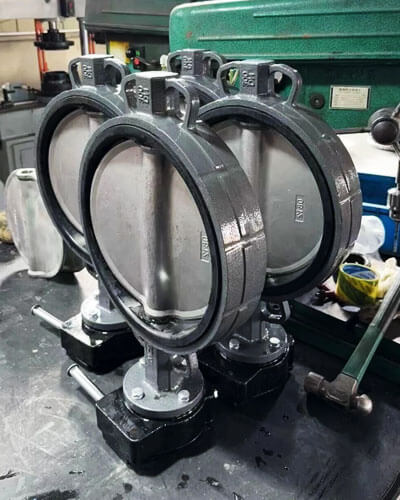
Öljy- ja kaasuteollisuus
Öljy- ja kaasusektori asettaa korkeimmat vaatimukset venttiilien suorituskyvylle.
Läppäventtiilit asennetaan yleensä ylävirtaan, keskivirtaan, ja loppupään toiminnot, joissa ne säätelevät raakaöljyn virtausta, maakaasu, jalostetut tuotteet, ja apuprosessinesteet.
Tyypilliset sovellukset sisältävät:
- Putkilinjan kuljetusjärjestelmät
- Öljynjalostamot
- Kaasunkäsittelylaitokset
- Varastointipäätteet
- Offshore -alustat
- Pumppuasemat
Vesihuolto ja jätevedenkäsittely
Kunnallinen vesiinfrastruktuuri on vahvasti riippuvainen läppäventtiileistä, koska ne tarjoavat taloudellisen virtauksen säätelyn suurihalkaisijaisissa putkissa.
Yleisiä sovelluksia ovat:
- Juomaveden jakelu
- Vedenkäsittelylaitokset
- Jätevedenkäsittelylaitokset
- Pumppuasemat
- Kastelujärjestelmät
- Suolanpoistokasvit
Kemiankäsittelyteollisuus
Kemikaalien tuotantolaitokset vaativat venttiileitä, jotka pystyvät käsittelemään monenlaisia nesteitä ja kaasuja valvotuissa olosuhteissa.
Hiiliteräksiset läppäventtiilit soveltuvat lievästi syövyttäville aineille, kun ne on varustettu asianmukaisilla vuorauksilla tai suojapinnoitteilla.
Tyypilliset sovellukset sisältävät:
- Kemikaalien siirtoputket
- Varastosäiliöt
- Jäähdytysvesijärjestelmät
- Sähköputkistot
- Liuottimien käsittelyjärjestelmät
Riippuen prosessiväliaineesta, venttiililevyt ja istukat voidaan vuorata PTFE:llä tai muilla korroosionkestävillä materiaaleilla.
Sähköntuotanto
Voimalaitokset toimivat korkeissa lämpötiloissa ja paineissa, vaatii luotettavaa venttiilin suorituskykyä jatkuvien käyttöjaksojen ajan.
Läppäventtiilejä käytetään yleisesti:
- Jäähdytysveden kierto
- Kondensaattorijärjestelmät
- Kattilan apujärjestelmät
- Savukaasun poistuminen (FGD)
- Palontorjuntaverkot
Kaivostoiminta ja mineraalien käsittely
Kaivostoiminta kuljettaa hiomalietteitä, jätevesi, ja prosessinesteet, jotka kuluttavat huomattavasti putkiston laitteita.
Läppäventtiilejä asennetaan usein:
- Lietteen kuljetusjärjestelmät
- Rikastusjätteen putket
- Malmin käsittelylaitokset
- Veden talteenottojärjestelmät
- Pölynpoistojärjestelmät
Meri- ja laivanrakennusteollisuus
Meriympäristöt altistavat laitteet kosteudelle, suolakäyttö, ja vaihtelevat lämpötilat.
Tyypilliset sovellukset sisältävät:
- Painolastivesijärjestelmä
- Jäähdytysvesipiirit
- Pilssijärjestelmät
- Polttoaineen siirtolinjat
- Palontorjuntajärjestelmät
LVI- ja kiinteistöpalvelut
Liikerakennukset ja teollisuustilat käyttävät läppäventtiilejä lämmitykseen, tuuletus, ja ilmastointijärjestelmät.
Sovellukset sisältävät:
- Kylmävesijärjestelmät
- Kuuman veden kierto
- Jäähdytystornit
- Kaukolämpö
- Sprinklerijärjestelmät
Elintarvikkeet ja yleiset teollisuuslaitokset
Vaikka ruostumaton teräs on yleensä suositeltava hygieniaprosesseissa, hiiliteräksisiä läppäventtiilejä käytetään laajalti apujärjestelmissä, jotka palvelevat ruoka- ja juomalaitoksia.
Tyypilliset sovellukset sisältävät:
- Steamin jakelu
- Jäähdytysvesi
- Paineilma
- Sähköputkistot
- Ei-tuotteen prosessivesi
9. Hiiliteräs vs.. Ruostumattomasta teräksestä valmistettu perhonen venttiili
Valitsemalla a hiiliteräs ja ruostumattomasta teräksestä valmistettu läppäventtiili edellyttää muutakin kuin alkuperäisen ostohinnan arvioimista.
Insinöörien on otettava huomioon mekaaninen suorituskyky, korroosionkestävyys, toimintaympäristö, huoltovaatimukset, elinkaarikustannukset, ja alan standardien noudattaminen.
| Vertailutekijä | Hiiliteräksinen läppäventtiili | Ruostumattomasta teräksestä valmistettu perhonen venttiili |
| Yleiset materiaaliluokat | ASTM A216 WCB, WCC, LCB, LCC | ASTM A351 CF8, CF8M, CF3, CF3M |
| Mekaaninen lujuus | Erinomainen lujuus ja jäykkyys; ihanteellinen keskikokoiselle- ja korkeapainejärjestelmät | Suuri lujuus ja erinomainen sitkeys; hieman pienempi myötöraja joillekin austeniittisille laaduille |
| Korroosionkestävyys | Kohtuullinen; vaatii suojaavia pinnoitteita tai vuorauksia ruosteen estämiseksi | Erinomainen luontainen korroosionkestävyys kromia sisältävän passiivikalvon ansiosta |
| Lämpötila | Sopii noin -46°C - 425 °C (saatavana erikoislaatuja korkeampiin lämpötiloihin) | Sopii sekä kryogeeniseen käyttöön että korkeisiin lämpötiloihin, seosainelaadusta riippuen |
| Paineen suorituskyky | Erinomainen paineensietokyky teollisuuden putkistojärjestelmiin | Vertailukelpoinen painekyky, kun se on suunniteltu samojen standardien mukaan |
Pinnan suojausvaatimukset |
Epoksipinnoite, Fbe, galvanoiva, PTFE vuori, tai muita suojaavia hoitoja tarvitaan yleensä | Yleensä ulkopuolista pinnoitetta ei tarvita paitsi esteettisissä tai erityisissä käyttöolosuhteissa |
| Kuluminen ja hankausvastus | Erinomainen lämpökäsittelyn jälkeen; sopii hankaaville teollisille materiaaleille | Hyvä kulumisvastus; saattaa vaatia kovapintaista pintaa vakavissa hankaussovelluksissa |
| Hitsaus | Hyvä (varsinkin WCC); voi vaatia hitsauksen jälkeistä lämpökäsittelyä paksuudesta riippuen | Erinomainen hitsattavuus minimaalisella hitsauksen jälkeisellä käsittelyllä useille laaduille |
| Konettavuus | Parempi konettavuus; pienempi työkalujen kuluminen ja nopeammat koneistusnopeudet | Vaikeampi työstää suuremman työstökarkaisukyvyn vuoksi |
| Valmistuskustannukset | Pienemmät raaka-aine- ja jalostuskustannukset | Korkeammat materiaali- ja koneistuskustannukset |
| Ylläpitovaatimukset | Pinnoitteen määräaikainen tarkastus ja korroosiohuolto vaaditaan | Pienempi huoltotarve syövyttävissä ympäristöissä itsepassivoivan pinnan ansiosta |
Odotettu käyttöikä |
Pitkä käyttöikä asianmukaisella pinnoitteella ja huollolla | Erittäin pitkä käyttöikä, erityisesti syövyttävissä tai meriympäristöissä |
| Tyypilliset sovellukset | Öljy & kaasu, vedenkäsittely, LVI, sähköntuotanto, kaivos, kunnallinen infrastruktuuri | Kemiallinen prosessointi, merenkulku, farmaseuttinen, ruoka & juoma, suolanpoisto, offshore -alustat |
| Ensisijaiset edut | Voimakkuus, taloudellinen, erinomainen paineenkesto, ihanteellinen suurihalkaisijaisille venttiileille | Ylivoimainen korroosionkestävyys, hygieeninen, alhainen huolto, erinomainen kestävyys |
| Ensisijaiset rajoitukset | Alttia korroosiolle ilman suojakäsittelyä | Korkeammat alkuinvestoinnit ja koneistuskustannukset |
| Paras valintaskenaario | Kustannusherkät projektit syövyttämättömillä tai lievästi syövyttävillä materiaaleilla | Erittäin syövyttävä, terveys-, kloridirikas, tai ylläpitokriittisissä ympäristöissä |
| Kokonaiskustannustehokkuus | Pienempi alkuinvestointi ja erinomainen vastine yleiseen teolliseen palveluun | Korkeammat alkukustannukset, mutta pienempi huolto ja pidempi elinkaari syövyttävissä sovelluksissa |
10. Johtopäätös
Teollisuuden järjestelmien kehittyessä kohti parempaa tehokkuutta, suurempi luotettavuus, ja pienemmät elinkaarikustannukset, tarkkuussuunniteltujen virtauksensäätölaitteiden kysyntä ei ole koskaan ollut suurempi.
Monien nykyään saatavilla olevien venttiilinvalmistustekniikoiden joukossa, investointivalu on vakiinnuttanut asemansa yhdeksi edistyneimmistä ja luotettavimmista prosesseista korkealaatuisten hiiliteräsläppäventtiilien valmistuksessa.
Sen kyky valmistaa monimutkaisia komponentteja poikkeuksellisella mittatarkkuudella, ylivoimainen pintapinta, ja tasaiset metallurgiset ominaisuudet tarjoavat merkittävän kilpailuedun tavanomaisiin valumenetelmiin verrattuna.
Katsella eteenpäin, kehittyvät teknologiat – mukaan lukien teollisuus 4.0, tekoäly (AI), Teollinen esineiden internet (Iioio), robotti -automaatio, digitaaliset kaksoset, ja reaaliaikainen prosessiseuranta – odotetaan edelleen muuttavan investointivaluteollisuutta.
Toimialat vaativat edelleen parempaa suorituskykyä, longer life, ja alhaisemmat kustannukset, investointivaletut hiiliteräsventtiilit – vankan rakenteensa ja tarkan valmistuksensa ansiosta – ovat edelleen kriittinen ratkaisu virtauksen säätelyssä.
Räätälöity hiiliteräsläppäventtiili LangHe Foundrysta
Langhe -valimo on erikoistunut investointivalettujen hiiliteräksisten läppäventtiilikomponenttien tilausvalmistukseen, tarjoaa integroituja ratkaisuja suunnittelusta ja tarkkuusvalusta CNC-koneistukseen, lämmönkäsittely, pinnan viimeistely, ja laatutarkastus.
Whether for oil and gas, vedenkäsittely, sähköntuotanto, kemiallinen prosessointi, kaivos, merenkulku, tai yleisiä teollisuusputkistojärjestelmiä,
LangHe Foundry tarjoaa räätälöityjä läppäventtiilien valuratkaisuja, jotka on suunniteltu täyttämään kansainväliset standardit ja asiakaskohtaiset tekniset vaatimukset.
Sen yhdistelmä insinööriosaamista, tarkkuusvalmistus, ja tiukka laadunvalvonta tekevät LangHesta luotettavan kumppanin OEM-valmistajille, venttiilien valmistajat, ja teollisuuslaitteiden toimittajat, jotka etsivät kestäviä, korkean suorituskyvyn hiiliteräksiset läppäventtiilikomponentit.
Faqit
Mikä on yleisin läppäventtiilirunkojen hiiliteräslaatu?
WCB (ASTM A216) on yleisin tyyppi yleiskäyttöisille läppäventtiilirungoille, tarjoaa hyvää voimaa (≥485 MPa vetolujuus), hitsaus, ja talous.
Mitä eroa on kiekko- ja korvaketyyppisillä venttiileillä??
Kiekotyyliset venttiilit ovat ohuita ja kiinnitetty laippojen väliin; niitä ei voi käyttää pääteventtiileinä.
Korvaketyyppisissä venttiileissä on kierteiset sisäosat ja ne voidaan kiinnittää putken toiselle puolelle linjan päätehuoltoa varten.
Voidaanko hiiliteräksisiä läppäventtiilejä hitsata kentällä?
Kyllä, WCB- ja WCC-laadut ovat helposti hitsattavia. Esilämmitys (100-150°C) ja hitsauksen jälkeistä lämpökäsittelyä suositellaan paksuille osille.
Miksi hiiliteräsläppäventtiilien sijoitusvalu on parempi kuin hiekkavalu??
Investointivalu tarjoaa huomattavasti paremman mittatarkkuuden, tasaisempi pintakäsittely, ja tiukemmat valmistustoleranssit kuin perinteinen hiekkavalu.
Koska komponentit valmistetaan lähes verkon muotoisessa muodossa, tarvitaan vähemmän koneistusta, vähentää tuotantoaikaa ja materiaalihukkaa.
Lisäksi, sijoitusvalu tuottaa tasaisemman mikrorakenteen, jossa on vähemmän sisäisiä vikoja, mikä parantaa mekaanista lujuutta, tiivistyssuorituskyky, ja tuotteen johdonmukaisuus.
Nämä edut tekevät siitä erityisen sopivan läppäventtiilikomponentteihin, jotka vaativat tarkkoja liitäntäpintoja ja luotettavaa pitkäkestoista toimintaa.