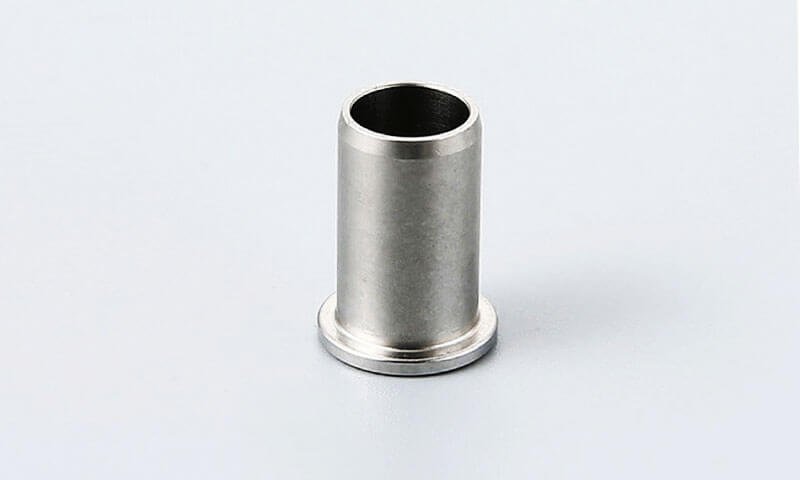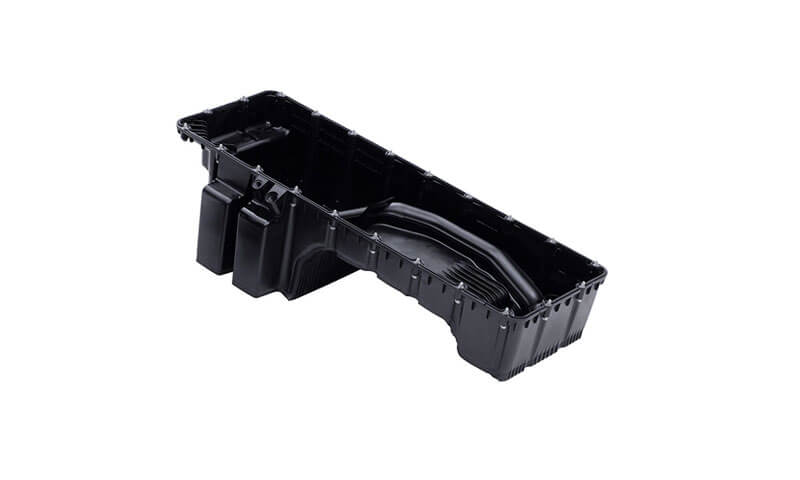
با شیمی پلی آمید آشنا شوید, خواص مکانیکی و حرارتی کلیدی, روشهای تولیدی, نمرات تقویت شده, مزایا, محدودیت ها, بازیافت, و کاربردهای صنعتی.
پلی آمید یکی از پرکاربردترین و پرکاربردترین خانواده پلیمرهای مهندسی در جهان است..
از مسواک در حمام گرفته تا چرخ دنده های با کارایی بالا در موتورهای خودرو, از الیاف لباس گرفته تا اجزای ساختاری در کاربردهای هوافضا, پلی آمیدها همه جا هستند.
ترکیب استثنایی آنها از مقاومت مکانیکی, مقاومت در برابر پوشیدن, ثبات شیمیایی, و پردازش پذیری آنها را در صنایع بی شماری ضروری ساخته است.
در عمل مهندسی بازرگانی, مدت نایلون اغلب به جای پلی آمید استفاده می شود.
اگرچه این به طور کلی برای بسیاری از مواد رایج مانند PA6 و PA66 قابل قبول است, پلی آمید در واقع طبقه بندی علمی و فنی گسترده تر است.
این خانواده شامل نایلون های آلیفاتیک معمولی است, پلی آمیدهای با زنجیره بلند, پلی آمیدهای نیمه معطر با دمای بالا, و پلی آمیدهای آروماتیک بسیار تخصصی مانند آرامیدها.
1. پلی آمید چیست؟?
پال آمید (پا) دسته ای از پلیمرهای حاوی گروه های آمیدی تکرار شونده در زنجیره مولکولی اصلی است. پیوند آمید معمولاً به صورت نشان داده می شود:
–CO–NH–
پیوند آمیدی از واکنش تراکم بین یک گروه کربوکسیلیک اسید تشکیل می شود (-COOH) و یک گروه آمین (– NH2).
ساختار شیمیایی عمومی یک پلی آمید را می توان به صورت:
-[–CO–R–CO–NH–R’–NH–]-
جایی که R و R زنجیره های هیدروکربنی با طول های مختلف هستند.
این پیوندهای شیمیایی تکرارشونده پلی آمیدها را از سایر خانواده های پلیمری اصلی مانند پلی اتیلن متمایز می کند, پلی پروپیلن, چند کربنات, و پلی استر.
پلی آمیدها را می توان از سیستم های مونومر مختلف تولید کرد, در نتیجه موادی با ساختار مولکولی و ویژگیهای عملکردی متفاوت بهوجود میآیند.
بسته به ترکیب شیمیایی, یک پلی آمید ممکن است نسبتاً انعطاف پذیر و مقاوم در برابر رطوبت باشد, بسیار سفت و مقاوم در برابر سایش, یا قابلیت کار در دماهای بالا.
در سطح مولکولی, گروه های آمید قطبی هستند و می توانند پیوندهای هیدروژنی را بین زنجیره های پلیمری مجاور تشکیل دهند.
این نیروهای بین مولکولی به ایجاد یک ساختار پلیمری نسبتاً قوی و منسجم کمک می کند. در نتیجه, بسیاری از پلی آمیدها فراهم می کنند:
- استحکام کششی و سختی بالا
- چقرمگی خوب و مقاومت در برابر خستگی
- مقاومت در برابر سایش و سایش عالی
- اصطکاک کم در شرایط مناسب
- مقاومت خوب در برابر روغن, سوخت, و بسیاری از مواد شیمیایی صنعتی
- عملکرد حرارتی مفید
- پتانسیل قوی برای تقویت با الیاف شیشه, فیبر کربن, یا پرکننده های معدنی
برخلاف پلیمرهای ترموست, مهمترین پلی آمیدهای مهندسی از نظر تجاری هستند ترموپلاستیک ها.
آنها هنگام گرم شدن نرم یا ذوب می شوند و می توان آنها را با استفاده از روش هایی مانند قالب گیری تزریقی و اکستروژن پردازش کرد..
این فرآیند پذیری باعث شده است که پلی آمید در تولید مدرن اهمیت ویژه ای پیدا کند، زیرا اغلب می توان اجزای پیچیده را در حجم های بالا به صرفه تولید کرد و در عین حال عملکرد مکانیکی خوبی را حفظ کرد..
رابطه بین پلی آمید و نایلون
اصطلاح نایلون اولین بار توسط DuPont در 1938 برای پلی آمید آن 6,6 (pa66), که در الیاف و منسوجات استفاده می شد.
با گذشت زمان, نایلون به نام عمومی پلی آمیدهای آلیفاتیک - رایج ترین نوع پلی آمید - تبدیل شده است و اغلب به جای پلی آمید در زمینه های مصرف کننده و صنعتی استفاده می شود..
هر چند, پلی آمید اصطلاح علمی گسترده تری است که در بر می گیرد:
| نوع | نمونه | توضیحات |
| پلی آمیدهای آلیفاتیک | pa6, pa66, PA11, PA12 | رایج ترین پلی آمیدها; همچنین به عنوان نایلون شناخته می شود. |
| پلی آمیدهای معطر (آرامیدها) | کولار®, Nomex® | با کارایی بالا; حلقه های معطر در ستون فقرات. |
| پلی آمیدهای نیمه معطر | PPA (پلی فتالامید) | عملکرد در دمای بالا; معطر + واحدهای آلیفاتیک. |
| پلی آمید-ایمیدها | PAI (Torlon®) | عملکرد بالا; گروه های ایمیدی علاوه بر گروه های آمیدی. |
نکته کلیدی: تمام نایلون ها پلی آمید هستند, اما همه پلی آمیدها نایلون نیستند. اصطلاح "پلی آمید" اصطلاح فنی صحیح برای کل خانواده است.
2. پلی آمید چگونه ساخته می شود?
پلی آمید با ایجاد زنجیره های پلیمری بلند حاوی تکرار تولید می شود پیوندهای آمیدی (–CONH–).
بسته به درجه, پلی آمیدهای تجاری عمدتاً از طریق هر دو ساخته می شوند پلیمریزاسیون تراکمی یا پلیمریزاسیون حلقه باز.
پلیمریزاسیون تراکمی
بسیاری از پلی آمیدها, به ویژه pa66, از واکنش یک دی آمین با یک اسید دی کربوکسیلیک تولید می شوند. این واکنش در حالی که مولکول های کوچکی را آزاد می کند، پیوندهای آمیدی تشکیل می دهد, معمولا آب.
به عنوان مثال, PA66 تولید شده از هگزامتیلن دی آمین وت اسید آدیپیک.
کنترل دقیق نسبت مونومر, درجه حرارت, فشار, و زمان پلیمریزاسیون ضروری است زیرا این عوامل بر وزن مولکولی تأثیر می گذارند, ولادی, تبلور, و عملکرد مکانیکی نهایی.
پلیمریزاسیون حلقه باز
نمرات مهم دیگر, مانند pa6, معمولاً از طریق پلیمریزاسیون حلقه باز تولید می شوند کاپرولاکتام.
تحت دما و فشار کنترل شده, مولکول های حلقوی کاپرولاکتام باز می شوند و به یکدیگر متصل می شوند تا پلیمرهای PA6 با زنجیره بلند را تشکیل دهند..
این مسیر تولید کارآمد در مقیاس بزرگ را امکان پذیر می کند و به طور گسترده برای مهندسی پلاستیک استفاده می شود, الیاف, فیلم, و قطعات قالب گیری شده.
ترکیب و اصلاح پلیمر
پس از پلیمریزاسیون, پلی آمید پایه را می توان از طریق ترکیب کردن اصلاح کرد.
تولید کنندگان ممکن است ترکیب کنند الیاف شیشه, الیاف کربن, پرکننده های معدنی, اصلاح کننده های ضربه, بازدارنده های شعله, روان کننده ها, یا تثبیت کننده ها برای تنظیم مواد برای کاربردهای خاص.
پلیمر تمام شده معمولاً گلوله می شود و به عنوان گرانول برای پردازش بعدی توسط قالب تزریقی, اکستاروژن, قالب گیری, یا سایر روش های ساخت پلیمر.
3. انواع و درجه های اصلی پلی آمید
پلی آمید یک ماده واحد نیست بلکه یک خانواده وسیع از پلیمرها با ساختارهای مولکولی بسیار متفاوت است, رفتار حرارتی, جذب رطوبت, خصوصیات مکانیکی, و ویژگی های پردازش.
پلی آمیدهای آلیفاتیک (نایلون ها)
پلی آمیدهای آلیفاتیک بزرگترین و از نظر تجاری مهم ترین گروه پلی آمیدها هستند.
آنها به طور گسترده ای در قالب گیری تزریقی استفاده می شوند, اکستاروژن, تولید الیاف, و سایر فرآیندهای صنعتی زیرا تعادل مطلوبی از مقاومت مکانیکی را ارائه می دهند, مقاومت در برابر پوشیدن, قابلیت پردازش, و هزینه.
| درجه | محدوده ذوب معمولی (درجه سانتیگراد) | خصوصیات کلیدی | برنامه های معمولی |
| pa6 | 215-225 | سختی, مقاومت در برابر ضربه, مقاومت در برابر پوشیدن, و قابلیت پردازش; جذب رطوبت نسبتاً بالا. | قطعات خودرو, چرخ دنده, محوطه, مؤلفه های صنعتی, الیاف. |
| pa66 | 255-265 | استحکام بالاتر, سفتی, مقاومت در برابر گرما, و مقاومت در برابر خزش نسبت به PA6. | چرخ دنده, یاتاقان, بوش, اتصال دهنده, اجزای الکتریکی, قطعات زیر کاپوت خودرو. |
| PA11 | 185-195 | انعطاف پذیری عالی و مقاومت در برابر ضربه; جذب رطوبت کم و مقاومت شیمیایی خوب. | لوله انعطاف پذیر, خطوط پنوماتیک, ژاکت کابل, سیستم های مایعات خودرو. |
| PA12 | 175-185 | جذب رطوبت بسیار کم, مقاومت عالی شیمیایی, انعطاف پذیری, و ثبات بعدی. | خطوط سوخت, لوله پنوماتیک, لوله پزشکی, عایق کابل, اجزای دقیق. |
PA610 |
215-225 | پایداری ابعادی بهتر و جذب رطوبت کمتر نسبت به PA6 و PA66. | اتصالات الکتریکی, اجزای کابل, قطعات صنعتی, موهای زائد. |
| PA612 | 210- 220 | سختی, مقاومت شیمیایی, ثبات ابعادی, و کاهش جذب آب. | خطوط سیال خودرو, اجزای الکتریکی, لوله, قطعات قالب گیری دقیق. |
| PA1010 | 195–205 | پتانسیل خوراک بر اساس جزئی یا تا حد زیادی زیستی; جذب رطوبت کم و چقرمگی خوب. | محصولات مصرفی پایدار, اجزای خودرو, کاربردهای صنعتی. |
پلی آمیدهای نیمه معطر
پلی آمیدهای نیمه آروماتیک بخش های زنجیره آلیفاتیک را با ساختارهای معطر ترکیب می کنند.
حلقه های معطر سفتی مولکولی و پایداری حرارتی را افزایش می دهند, به این مواد اجازه می دهد تا در دمایی فراتر از محدوده عملی PA6 یا PA66 معمولی کار کنند.
| خانواده مادی | نمرات نماینده | محدوده ذوب معمولی (درجه سانتیگراد) | خصوصیات اصلی | برنامه های معمولی |
| PPA | PA6T/66, PA6T/6I, PA9T و کوپلی آمیدهای مرتبط | تقریباً. 280–330* | مقاومت در برابر حرارت زیاد, سفتی بالا, مقاومت شیمیایی خوب, خزش کم, و ثبات ابعادی را بهبود بخشید. | اجزای زیر کاپوت خودرو, اتصال دهنده های دمای بالا, اجزای LED, قطعات پمپ. |
| پلی آمیدهای مبتنی بر PA6T | سیستم های PA6T و PA6T کوپلیمر شده | اغلب در بالا 300 برای ترکیبات PA6T بالا* | پایداری حرارتی بسیار بالا, قدرت عالی, و حفظ خوب خواص مکانیکی در دماهای بالا. | کانکتورهای الکتریکی و الکترونیکی, اجزای خودرو, تجهیزات صنعتی. |
PA9T |
پلی آمید 9 تی | تقریباً. 300–310* | مقاومت در برابر حرارت زیاد, جذب رطوبت نسبتا کم, پایداری ابعادی عالی و مقاومت شیمیایی. | تجهیزات الکترونیکی نصب شده روی سطح, اتصالات, قطعات الکتریکی دقیق. |
پلی آمیدهای معطر (آرامیدها)
پلی آمیدهای معطر, معمولاً به عنوان آرامیدها, نشان دهنده یک کلاس با کارایی بالا است که در آن حلقه های معطر بخش عمده ای از ستون فقرات پلیمری را تشکیل می دهند.
ساختار مولکولی سفت و سخت آنها استحکام کششی استثنایی به آنها می دهد, مدول, ثبات حرارتی, و - در برخی از گریدها - مقاومت در برابر شعله.
| نوع آرامید | مواد نماینده | ساختار مولکولی | خصوصیات کلیدی | برنامه های معمولی |
| پاراآرامید | کولار® | پلی آمید آروماتیک پاراگرا | استحکام کششی و مدول بسیار بالا, مقاومت در برابر ضربه عالی, و پایداری حرارتی خوب. | حفاظت بالستیک, کامپوزیت های هوافضا, کابل های تقویتی, لاستیک ها, طناب ها, تجهیزات ورزشی. |
| متا آرامید | Nomex® | پلی آمید آروماتیک متاگرا | مقاومت عالی در برابر شعله, ثبات حرارتی, عایق الکتریکی, و مقاومت در برابر حرارت. | لباس محافظ, عایق الکتریکی, فضای داخلی هوافضا, رسانه های فیلتراسیون. |
پلی آمید-ایمید (PAI)
پلی آمید-ایمید نشان دهنده یک خانواده پلیمری فوق العاده با کارایی بالا است که ترکیب می شود گروه های عاملی آمید و ایمید در ساختار مولکولی.
نتیجه یک ماده با پایداری حرارتی استثنایی است, قدرت مکانیکی, مقاومت در برابر پوشیدن, و قابلیت تحمل بار.
یکی از شناخته شده ترین نمونه های تجاری این است Torlon® PAI.
| مادی | خانواده شیمیایی | خصوصیات کلیدی | برنامه های معمولی |
| PAI | پلی آمید-ایمید | استحکام و سفتی بسیار بالا, مقاومت در برابر سایش عالی, خزش کم, ثبات حرارتی برجسته, و عملکرد خوب تحت بارهای مکانیکی سنگین. | یاتاقان, بوش, مهر, اجزای کمپرسور, قطعات هوافضا, تجهیزات نیمه هادی, قطعات صنعتی با دمای بالا. |
4. خواص کلیدی پلی آمید
عملکرد پلی آمید با ساختار مولکولی آن تعیین می شود, به ویژه غلظت گروه های آمید, وزن مولکولی, تبلور, و تعادل بین بخش های آلیفاتیک انعطاف پذیر و ساختارهای آروماتیک سفت و سخت.
استحکام مکانیکی و سختی
اکثر پلی آمیدهای درجه مهندسی نسبت مقاومت به وزن مطلوبی را ارائه می دهند.
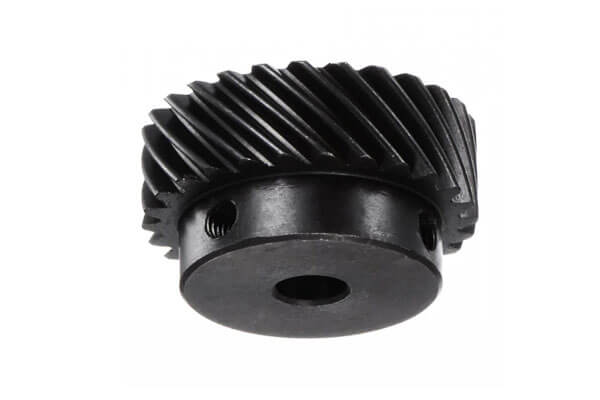
PA6 و PA66, به عنوان مثال, به طور گسترده ای برای چرخ دنده استفاده می شود, براکت, محوطه, گیره, و اجزای ساختاری زیرا می توانند بارهای مکانیکی مکرر را تحمل کنند در حالی که سبک تر از فولاد هستند, الومینیوم, یا آلیاژهای روی.
خواص مکانیکی پلی آمید بسته به شرایط رطوبت می تواند به طور قابل توجهی متفاوت باشد.
زیرا گروه های آمیدی مولکول های آب را جذب می کنند, رطوبت جذب شده می تواند به عنوان یک نرم کننده عمل کند.
این به طور کلی سفتی و استحکام کششی را کاهش می دهد و در عین حال انعطاف پذیری و مقاومت در برابر ضربه را افزایش می دهد.
تقویت فیبر شیشه ای می تواند به طور قابل ملاحظه ای سفتی و استحکام را افزایش دهد.
یک جزء PA66 تقویت شده ممکن است به مدول چندین برابر بیشتر از مدول پلیمر پر نشده برسد., آن را برای کاربردهای خودرویی و صنعتی مناسب می کند.
چقرمگی و مقاومت در برابر ضربه
پلی آمید به طور کلی مقاومت خوبی در برابر ضربه و بارگذاری مکرر نشان می دهد.
PA6 و PA66 تعادل مفیدی بین استحکام و چقرمگی را ارائه می دهند, در حالی که گریدهای زنجیره بلند مانند PA11 و PA12 به ویژه برای انعطاف پذیری و عملکرد ضربه ای ارزشمند هستند., به خصوص در دماهای پایین.
این ویژگی پلی آمید را برای اجزای در معرض ارتعاش مناسب می کند, شوک زدن, استرس چرخه ای, و حرکت مکانیکی.
کلیپ های خودرو, سیستم های محافظ کابل, لوله پنوماتیک, و مسکن های صنعتی نمونه های معمولی هستند.
هر چند, عملکرد تاثیر به عوامل مختلفی بستگی دارد, از جمله دما, محتوای رطوبت, تبلور, ضخامت دیواری, و سطح تقویت.
گریدهای بسیار پر شده یا بسیار کریستالی ممکن است سختی بیشتری داشته باشند اما مقاومت در برابر ضربه را کاهش دهند.
مقاومت در برابر سایش و عملکرد کم اصطکاک
پلی آمید به دلیل مقاومت در برابر سایش خوب و ضریب اصطکاک نسبتا پایین به طور گسترده در کاربردهای تریبولوژیکی استفاده می شود..
قطعاتی مانند چرخ دنده, بوش, یاتاقان, غلتک, راهنما, و پدهای سایش می توانند با کاهش نویز کار کنند و, در بعضی موارد, بدون روغن کاری خارجی.
برای برنامه های کشویی خواستار, پلی آمید را می توان با افزودنی هایی مانند:
- PTFE برای اصطکاک کمتر;
- دی سولفید مولیبدن برای بهبود رفتار لغزشی;
- الیاف شیشه برای افزایش سفتی;
- الیاف کربن برای افزایش استحکام و هدایت حرارتی;
- روان کننده های جامد برای بهبود عملکرد در حالت خشک.
رفتار سایش نهایی به شدت به مواد جفت گیری بستگی دارد, فشار سطحی, سرعت لغزش, درجه حرارت, و شرایط روغن کاری.
عملکرد حرارتی
پلی آمیدها به طور کلی مقاومت حرارتی بهتری نسبت به پلاستیک های کالایی مانند پلی پروپیلن و پلی اتیلن دارند.. هر چند, قابلیت حرارتی به طور قابل توجهی بین گریدها متفاوت است.
PA6 و PA66 برای بسیاری از کاربردهای با دمای متوسط بالا مناسب هستند, در حالی که پلی آمیدهای نیمه معطر مانند PPA برای محیط های سخت تر طراحی شده اند, از جمله اجزای زیر کاپوت خودرو و کانکتورهای الکتریکی با دمای بالا.
نقطه ذوب, دمای انحراف گرما, و دمای سرویس مداوم باید در هنگام انتخاب پلی آمید در نظر گرفته شود.
تقویت بیشتر می تواند ثبات ابعادی را در دماهای بالا بهبود بخشد, اگرچه ممکن است بر سختی و پردازش پذیری نیز تأثیر بگذارد.
جذب رطوبت و پایداری ابعادی
جذب رطوبت یکی از مهمترین ملاحظات مهندسی هنگام استفاده از پلی آمید است.
گروه های آمید در ساختار پلیمری می توانند آب را از محیط اطراف جذب کنند, باعث تغییر در ابعاد و خواص مکانیکی می شود.
پلی آمیدهای با زنجیره کوتاه مانند PA6 و PA66 معمولا رطوبت بیشتری را نسبت به گریدهای زنجیره بلند مانند PA11 و PA12 جذب می کنند..
این ویژگی باید هنگام طراحی اجزای دقیق در نظر گرفته شود.
تلورانس های ابعادی باید هم انقباض تولید و هم شرایط محیطی بالقوه را در حین سرویس در نظر بگیرند..
مقاومت شیمیایی
پلی آمید به طور کلی هنگام قرار گرفتن در معرض روغن عملکرد خوبی دارد, چرب, سوخت, و بسیاری از هیدروکربن ها.
این یکی از دلایلی است که چرا مواد PA به طور گسترده در سیستم های سوخت خودرو استفاده می شود, تجهیزات صنعتی, و کاربردهای جابجایی مایعات.
هر چند, مقاومت شیمیایی جهانی نیست. اسیدهای قوی, عوامل اکسید کننده قوی, حلال های خاص, و قرار گرفتن طولانی مدت در معرض مواد شیمیایی با دمای بالا می تواند پلیمر را تخریب کند.
بنابراین انتخاب مواد باید محیط خدمات کامل را در نظر بگیرد نه اینکه صرفاً بر طبقه بندی کلی یک ماده به عنوان "مقاوم در برابر شیمیایی" تکیه کند.
خاصیت الکتریکی
پلی آمید به طور طبیعی عایق الکتریکی است و به طور گسترده برای اتصالات الکتریکی استفاده می شود, محفظه های ترمینال, شکل دهنده های سیم پیچ, و اجزای عایق.
هر چند, رطوبت جذب شده می تواند بر خواص دی الکتریک و مقاومت سطح تأثیر بگذارد.
برای کاربردهای الکتریکی با ولتاژ بالا یا با قابلیت اطمینان بالا, مهندسان اغلب درجه هایی را انتخاب می کنند که به طور خاص برای عملکرد الکتریکی فرموله شده اند, مقاومت در برابر شعله, جذب رطوبت کم, یا پایداری در دمای بالا.
5. روشهای ساخت و فرآوری پلی آمید
پلی آمید یک ماده ترموپلاستیک است, اجازه می دهد تا با حرارت دادن نرم شود و با استفاده از فرآیندهای مختلف تولید شکل بگیرد.
روش پردازش بهینه به درجه پلیمر بستگی دارد, هندسه جزء, حجم تولید, تحمل ابعادی, الزامات سطح, و سیستم تقویتی.
قالب گیری تزریقی
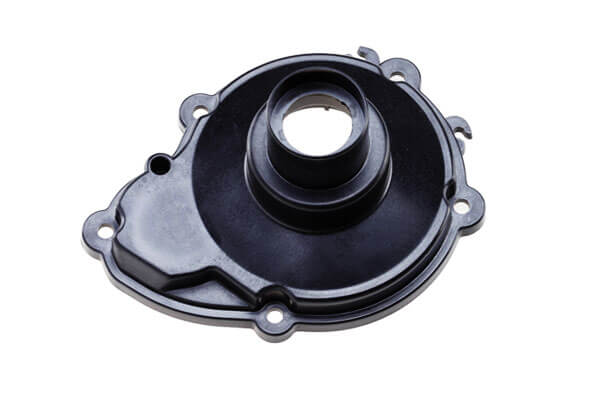
قالب تزریقی یکی از مهم ترین روش های ساخت برای مهندسی اجزای پلی آمید است.
گلوله های پلیمری خشک شده در یک بشکه گرم شده ذوب می شوند و تحت فشار به یک قالب دقیق تزریق می شوند..
این فرآیند به ویژه برای تولید مجتمع مناسب است, اجزای با حجم بالا با هندسه ثابت.
برنامه های معمولی شامل:
- چرخ دنده ها و اجزای مکانیکی;
- گیره و براکت خودرو;
- اتصالات الکتریکی;
- اجزای لوازم خانگی;
- مسکن و محوطه;
- قطعات صنعتی دقیق.
زیرا پلی آمید می تواند رطوبت را جذب کند, خشک کردن رزین مناسب قبل از قالب گیری بسیار مهم است
پلی آمیدهای تقویت شده با الیاف شیشه نیز معمولاً قالب گیری تزریقی هستند, اگرچه طراحی قالب و شرایط پردازش باید جهت الیاف را در نظر بگیرد, افزایش ویسکوزیته, و انقباض ناهمسانگرد.
اکستاروژن
از اکستروژن برای تولید مداوم محصولات پلی آمیدی با سطح مقطع ثابت استفاده می شود. پلیمر مذاب از طریق یک قالب شکلی عبور داده می شود و سپس سرد و اندازه می شود.
محصولات متداول اکسترود شده شامل لوله می باشد, لوله, فیلم, ورق, میله, عایق کابل, و پروفایل های مهندسی.
PA11 و PA12 به دلیل ترکیبی از مقاومت شیمیایی آنها برای لوله های انعطاف پذیر مهم هستند, انعطاف پذیری, و جذب رطوبت نسبتا کم است.
در پروفیل و اکستروژن لوله, کنترل دما, پایداری ذوب, میزان خنک کننده, و کالیبراسیون ابعادی برای حفظ ضخامت دیواره و هندسه ثابت ضروری است.
قالب گیری
قالب گیری دمشی زمانی استفاده می شود که اجزای پلی آمید توخالی مورد نیاز باشد. یک لوله پلیمری گرم شده یا پریفرم در داخل قالب با استفاده از فشار هوا منبسط می شود.
قالب گیری دمشی پلی آمید معمولاً برای مخازن مایعات خودرو استفاده می شود, مجاری, اجزای سیستم سوخت, و ظروف صنعتی تخصصی.
سازه های چند لایه نیز ممکن است در صورت نیاز به خواص مانع اضافی تولید شوند.
قالب گیری فشرده سازی و انتقال
اگرچه نسبت به قالب گیری تزریقی برای پلی آمیدهای گرمانرم استاندارد کمتر رایج است, قالب گیری فشرده می تواند برای بزرگ مفید باشد, بسیار تقویت شده, یا قطعات تخصصی.
این فرآیند میتواند برخی از مواد تقویتشده با الیاف بلند را در خود جای دهد و ممکن است زمانی انتخاب شود که هندسه بخشی یا معماری تقویتکننده از طریق قالبگیری تزریقی معمولی دشوار باشد..
ماشینکاری CNC
پلی آمید همچنین می تواند از استوک اکسترود شده یا ریخته گری با استفاده از تراشکاری CNC ماشینکاری شود, آسیاب کردن, حفاری, و سایر فرآیندهای کاهشی.
ماشینکاری CNC به ویژه مفید است برای:
- توسعه نمونه اولیه;
- تولید کم حجم;
- اجزای بزرگ;
- قطعاتی که به ویژگی هایی نیاز دارند که قالب گیری آنها دشوار است;
- مولفه هایی که به تلورانس های سخت پس از پردازش نیاز دارند.
هر چند, هنگام ماشینکاری قطعات پلی آمیدی دقیق، تغییرات ابعادی مربوط به رطوبت باید در نظر گرفته شود. تهویه مواد در حالت ایده آل باید قبل از بازرسی نهایی کنترل شود.
تولید افزودنی
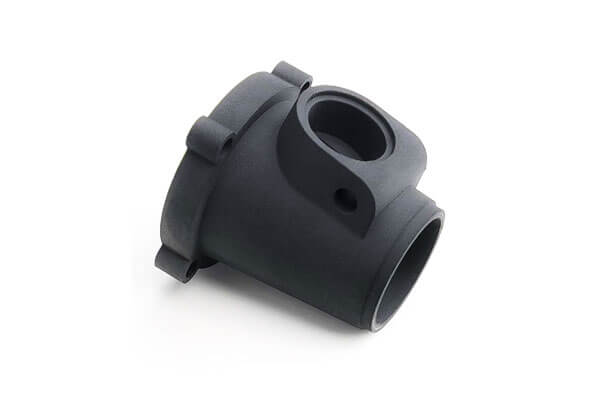
چندین ماده پلی آمیدی, به خصوص PA12 و PA11, به طور گسترده در فن آوری های تولید افزودنی استفاده می شود مانند پخت لیزر انتخابی (SLS) وت چند جت فیوژن (MJF)
این فرآیندها به ویژه برای نمونه های اولیه مناسب هستند, محصولات سفارشی, هندسه های داخلی پیچیده, و تولید با حجم کم تا متوسط.
در مقایسه با قالب گیری تزریقی, تولید افزودنی نیاز به ابزار اختصاصی را از بین می برد، اما به طور کلی شامل هزینه های بالاتر واحد در حجم های تولید بزرگ می شود..
6. مواد پلی آمید تقویت شده و اصلاح شده
پلی آمید پر نشده ترکیبی متعادل از استحکام را فراهم می کند, سختی, مقاومت در برابر پوشیدن, و قابلیت پردازش.
هر چند, بسیاری از کاربردهای مهندسی به خواصی فراتر از PA6 یا PA66 استاندارد نیاز دارند.
به همین دلیل, پلی آمید اغلب با الیاف تقویت کننده ترکیب می شود, پرکننده های معدنی, اصلاح کننده های ضربه, بازدارنده های شعله, روان کننده ها, و سایر افزودنی های کاربردی.
| نوع پلی آمید اصلاح شده | اصلاح اولیه | بهبود عملکرد اصلی | برنامه های معمولی |
| PA تقویت شده با الیاف شیشه | الیاف شیشه | قدرت, سفتی, مقاومت در برابر گرما | سازه های خودرو, اتصالات, ماشین آلات |
| PA تقویت شده با فیبر کربن | الیاف کربن | استحکام و سختی ویژه بالا | هوافضا, روباتیک, قطعات با کارایی بالا |
| PA پر از مواد معدنی | تالک, میکا, مواد معدنی | ثبات ابعادی, انقباض پایین | محوطه, قطعات دقیق بزرگ |
| PA اصلاح شده با ضربه | اصلاح کننده های الاستومری | چقرمگی و مقاومت در برابر ضربه بهبود یافته است | قطعات خودرو و محافظ |
PA مقاوم در برابر شعله |
افزودنی های ضد شعله | بهبود عملکرد آتش | قطعات الکتریکی و الکترونیکی |
| PA خود روان کننده | PTFE, MoS2, مواد افزودنی روان کننده | کاهش اصطکاک و سایش | یاتاقان, چرخ دنده, قطعات کشویی |
| PA رسانا | پرکننده های رسانا مبتنی بر کربن | کنترل ESD یا هدایت الکتریکی | تجهیزات الکترونیکی و حساس به استاتیک |
7. مزایا و محدودیت های پلی آمید
مزایای اصلی
- قدرت خاص: نسبت مقاومت به وزن استثنایی، جایگزینی مقرون به صرفه فلز را در کاربردهای سازه ای امکان پذیر می کند..
- عملکرد پوشیدن عالی: خواص روانکاری ذاتی نیاز به روانکاری خارجی را در بسیاری از کاربردهای بار سبک تا متوسط از بین می برد..
- مقاومت شیمیایی خوب: تحمل فوق العاده به روغن ها, سوخت و گریس برای محیط های خودرو و صنعتی.
- پردازش پذیری گسترده: سازگار با تمام روش های اصلی تولید ترموپلاستیک با جریان پذیری مذاب خوب.
- چقرمگی ضربه بالا: شکل پذیری خوبی را در محدوده دمایی وسیع حفظ می کند, به ویژه در گریدهای اصلاح شده با ضربه.
- فرمولاسیون همه کاره: به راحتی تقویت می شود, سفت شد, کند شعله و ترکیب شده برای عملکرد هدفمند.
- عایق الکتریکی خوب: عملکرد دی الکتریک کافی برای اکثر کاربردهای عمومی الکتریکی و الکترونیکی.
محدودیت های ذاتی
- جذب رطوبت بالا: گریدهای استاندارد آب جوی قابل توجهی را جذب می کنند, ایجاد تغییر ابعاد و تنوع ویژگی - بزرگترین محدودیت طراحی.
- تنوع ابعادی: انقباض بیشتر قالب و تورم ناشی از رطوبت نیاز به طراحی تحمل دقیق دارد.
- شکنندگی در دمای پایین: گریدهای استاندارد اصلاح نشده در دماهای زیر صفر شکننده می شوند و برای سرویس سرد نیاز به اصلاح ضربه دارند.
- مقاومت اسیدی/قلیایی قوی محدود: در اسیدهای معدنی قوی و محلول های قلیایی غلیظ تجزیه می شود.
- نیاز به خشک کردن پردازش: پیش خشک کردن اجباری مراحل فرآیند و هزینه انرژی را نسبت به پلاستیک های غیر رطوبت گیر اضافه می کند.
- تخریب اشعه ماوراء بنفش: گریدهای ناپایدار تحت قرار گرفتن طولانی مدت در معرض اشعه ماوراء بنفش در فضای باز تخریب می شوند و برای استفاده بیرونی نیاز به تثبیت دارند..
8. کاربردهای پلی آمید
ترکیبی از مقاومت مکانیکی, مقاومت در برابر پوشیدن, وزن کم, مقاومت شیمیایی, و انعطاف پذیری تولید به پلی آمید اجازه می دهد تا در کاربردهای مختلف از محصولات مصرفی گرفته تا قطعات خودرویی و صنعتی بسیار مهندسی شده استفاده کند..
صنعت خودرو
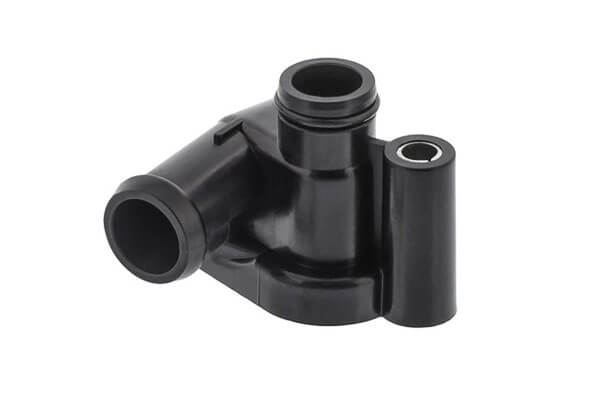
خودرو مهندسی یکی از بزرگترین حوزه های کاربردی برای پلی آمیدهای مهندسی است.
pa6, pa66, و نمرات تقویت شده به طور گسترده ای برای جایگزینی قطعات فلزی در مواردی که کاهش وزن استفاده می شود, مقاومت در برابر خوردگی, و قالب گیری یکپارچه سودمند است.
اجزای معمولی شامل:
- روکش موتور و براکت
- اجزای ورودی هوا
- اجزای سیستم خنک کننده
- راهنماها و گیره های کابل
- محل تجهیزات دنده
- قفس تحمل
- اجزای سیستم سوخت
- اتصالات الکتریکی
- براکت های ساختاری
- اجزای فن و قرقره
PA66 تقویت شده با الیاف شیشه برای کاربردهای زیر هود بسیار مهم است زیرا تقویت سفتی را بهبود می بخشد., مقاومت در برابر خزش, و ثبات بعدی.
برق و الکترونیک
پلی آمید به دلیل خاصیت عایق بودن به طور گسترده برای قطعات الکتریکی استفاده می شود, قدرت مکانیکی, و قابلیت قالب گیری تزریقی.
برنامه های کاربردی شامل محل اتصال, بلوک های ترمینال, غده های کابل, سوئیچ, محفظه های سنسور, اجزای حفاظت مدار, و محفظه های الکتریکی.
درجات بازدارنده شعله اغلب در مواردی انتخاب می شوند که الزامات نظارتی مستلزم احتراق کنترل شده و انتشار شعله باشد..
ماشین آلات صنعتی
در ماشین آلات, پلی آمید اغلب در مواردی استفاده می شود که اجزای سبک وزن باید در برابر حرکت مکانیکی مکرر مقاومت کنند.
نمونه های رایج عبارتند از:
- چرخ دنده و چرخ دنده
- بوش و بلبرینگ
- غلتک
- نوار بپوشید
- ریل های راهنما
- حامل های کابل
- اجزای آب بندی
- محافظ ماشین
- اجزای نوار نقاله
در مقایسه با اجزای فلزی, قطعات پلی آمید می توانند وزن را کاهش دهند, سر و صدا, و الزامات روانکاری در کاربردهای خاص.
جابجایی مایعات و لوله گذاری
PA11 و PA12 به ویژه برای کاربردهای لولهکشی و جابجایی مایع با ارزش هستند زیرا انعطافپذیری را با هم ترکیب میکنند., مقاومت شیمیایی, چگالی کم, و جذب رطوبت نسبتا کم است.
برای استفاده می شوند لوله پنوماتیک, خطوط هیدرولیک, خطوط سوخت, اجزای مرتبط با ترمز, روکش کابل, و شیلنگ های صنعتی, بسته به درجه خاص و استانداردهای قابل اجرا.
محصولات مصرفی و تجاری
پلی آمید همچنین به طور گسترده در محصولات مصرفی استفاده می شود که دوام و مقاومت در برابر ضربه مهم است.
به عنوان مثال می توان به اجزای ابزار قدرت اشاره کرد, تجهیزات ورزشی, اتصال دهنده, محوطه, دسته, چرخ, اتصالات مکانیکی, و اجزای مختلف قالب گیری شده.
برنامه های کاربردی پزشکی و مراقبت های بهداشتی
گریدهای تخصصی پلی آمید را می توان برای کاربردهای پزشکی و مراقبت های بهداشتی منتخب استفاده کرد, از جمله لوله, اجزای ساز, قطعات جابجایی مایعات, و برخی وسایل یکبار مصرف یا قابل استفاده مجدد.
برای این برنامه ها, هر چند, سازگاری, مقاومت در برابر عقیم سازی, قابل استخراج, سازگاری شیمیایی, و الزامات نظارتی قابل اجرا باید برای درجه خاص ارزیابی شوند نه اینکه از خواص عمومی پلی آمید فرض شوند..
9. پلی آمید در مقابل. سایر پلاستیک های مهندسی
پلی آمید به طور کلی نسبت به سایر پلاستیک های مهندسی برتری ندارد.
هر پلیمر مشخصات عملکرد متفاوتی دارد, و انتخاب مناسب به عواملی مانند بارگذاری مکانیکی بستگی دارد, اصطکاک, درجه حرارت, قرار گرفتن در معرض شیمیایی, رطوبت, الزامات بعدی, و هزینه.
| دارایی / عامل | پال آمید (پا) | پلی اکسی متیلن (پوم) | پلی پروپیلن (PP) | کتون اتر پلی اتر (نگاه داشتن) |
| کلاس مواد | ترموپلاستیک مهندسی | ترموپلاستیک مهندسی | ترموپلاستیک کالایی/نیمه مهندسی | ترموپلاستیک مهندسی با کارایی بالا |
| قدرت معمولی | خوب به بالا | خوب | معتاد | خیلی بلند |
| سفتی | خوب; بالاتر با تقویت | خوب | معتاد | عالی |
| مقاومت در برابر ضربه | خوب به عالی | خوب | خوب به عالی | خوب |
| مقاومت در برابر پوشیدن | خوب به عالی | عالی | معتاد | عالی |
| اصطکاک | کم تا متوسط | خیلی کم | کم | کم |
| جذب رطوبت | متوسط تا زیاد برای PA6/PA66; برای PA11/PA12 کمتر است | خیلی کم | خیلی کم | خیلی کم |
| ثبات ابعادی | معتاد; در برخی گریدها به شدت تحت تاثیر رطوبت قرار می گیرد | عالی | خوب | عالی |
| قابلیت دما | متوسط تا زیاد, بستگی به درجه دارد | معتاد | نسبتاً کم | عالی |
| مقاومت شیمیایی | خوب | خوب | عالی | عالی |
| عایق برق | خوب | خوب | عالی | عالی |
| مقاومت در برابر خستگی | خوب | عالی | خوب | عالی |
| پردازش پذیری | عالی | عالی | عالی | خواستارتر |
هزینه مواد نسبی |
معتاد | معتاد | کم | خیلی بلند |
| برنامه های معمولی | چرخ دنده, بوش, قطعات خودرو, اتصالات, مؤلفه های ساختاری | چرخ دنده های دقیق, یاتاقان, دریچه, مکانیسم ها | بسته بندی, مخازن, لولاهای زنده, ظروف شیمیایی | هوافضا, نیمه هادی, پزشکی, ماشین آلات با دمای بالا |
| مزیت اصلی | عملکرد متعادل مکانیکی و پردازشی | اصطکاک کم و پایداری ابعادی | کم هزینه و مقاومت شیمیایی | عملکرد فوق العاده در دمای بالا و مکانیکی |
| محدودیت اصلی | حساسیت به رطوبت | قابلیت محدود در دمای بالا | عملکرد مکانیکی پایین تر | هزینه بالا و پردازش سخت تر |
10. بازیافت پلی آمید و پایداری
بازیافت مکانیکی
ضایعات پلی آمید پساصنعتی به طور معمول به صورت مکانیکی با آسیاب مجدد و ترکیب مجدد بازیافت می شوند..
رزین بازیافتی بیشتر خواص مکانیکی خود را حفظ می کند و به طور گسترده برای قطعات ساختاری غیر بحرانی استفاده می شود..
بازیافت پس از مصرف کمتر تثبیت شده اما در حال رشد است, به ویژه برای جریان های زباله الیاف نساجی و فرش.
بازیافت مواد شیمیایی
فن آوری های پلیمریزاسیون پیشرفته می توانند ضایعات پلی آمید را به مواد اولیه مونومر خالص تبدیل کنند, تولید رزین معادل بکر با عملکرد یکسان.
تاسیسات بازیافت مواد شیمیایی در مقیاس صنعتی اکنون در اروپا و آمریکای شمالی فعال هستند, فعال کردن دایره حلقه بسته برای مواد پلی آمید.
پلی آمیدهای زیستی
پایداری به بازیافت محدود نمی شود. پلی آمیدهای خاص, از جمله PA11 و PA1010, بسته به مسیر تولید خاص، میتوان به طور جزئی یا عمده از مواد اولیه تجدیدپذیر تولید کرد..
مواد اولیه زیستی می توانند اتکا به منابع فسیلی را کاهش دهند, اما یک پلیمر مبتنی بر زیست به طور خودکار از نظر محیطی برتر نیست.
یک ارزیابی کامل باید منبع خوراک را در نظر بگیرد, اثرات کشاورزی, مصرف انرژی, انتشار آلاینده های تولید, طول عمر محصول, بازیافت, و درمان پایان عمر.
11. قطعات پلی آمید سفارشی از LangHe صنعت
صنعت لانگه راه حل های ساخت سفارشی برای قطعات مهندسی-پلاستیکی را ارائه می دهد, از جمله قطعات پلی آمید طراحی شده برای مکانیکی, برق, خودرو, صنعتی, و سایر برنامه های کاربردی خواستار.
به جای تلقی پلی آمید به عنوان یک پلاستیک عمومی, مواد و فرآیند ساخت باید با توجه به شرایط عملیاتی واقعی قطعه انتخاب شود.
عواملی مانند درجه PA, قرار گرفتن در معرض رطوبت, درجه حرارت, بارگذاری مکانیکی, تحمل های ابعادی, الزامات پوشیدن, محیط شیمیایی, و تقویت در طول توسعه مهندسی ارزیابی می شود.
قابلیت های سفارشی ساخت پلی آمید
| قابلیت | جزئیات |
| انتخاب مواد | pa6, pa66, PA11, PA12 و گریدهای پلی آمید تقویت شده یا اصلاح شده |
| اصلاح مواد | الیاف شیشه, فیبر کربن, نمرات پر از مواد معدنی و اصلاح شده با سایش, منوط به الزامات برنامه |
| تولید | قالب گیری تزریقی و ماشینکاری دقیق برای اجزای پلی آمید مناسب |
| ماشینکاری CNC | معکوس, آسیاب کردن, حفاری, خسته کننده, و تکمیل قطعات مهندسی – پلاستیک |
| هندسه های پیچیده | محوطه, چرخ دنده, بوش, براکت, راهنما, پوشش, و قطعات مکانیکی سفارشی |
| کنترل دقیق | بازرسی ابعادی بر اساس هندسه اجزا, الزامات تحمل, و نیازهای برنامه |
| تولید نمونه اولیه | توسعه کم حجم و نمونه اولیه قبل از تولید سریال |
| پشتیبانی مهندسی | انتخاب مواد, بررسی DFM, ارزیابی تحمل, و بهینه سازی فرآیند |
| کیفیت | ISO 9001:2015 گواهی شده است. |
| زمان پیشرو | 2- 4 هفته برای ماشینکاری; 4- 8 هفته برای ابزار و تولید. |
12. پایان
پلی آمید یک خانواده گسترده از پلیمرهای مهندسی است نه یک ماده واحد.
از متعارف PA6 و PA66 برای کاهش جذب رطوبت PA11 و PA12, درجه حرارت بالا PPA, و نمرات تقویت شده با الیاف, فرمولاسیون های مختلف ترکیبات مکانیکی متفاوتی را ارائه می دهند, گرمی, شیمیایی, و عملکرد ابعادی.
بزرگترین مزیت آن عملکرد مهندسی متعادل آن است. پلی آمید چگالی نسبتا کم را با استحکام خوب ترکیب می کند, سختی, مقاومت در برابر پوشیدن, مقاومت شیمیایی, عایق الکتریکی, و پردازش پذیری عالی.
این ویژگی ها آن را به یک جایگزین موثر برای فلزات و سایر پلاستیک های مهندسی در بسیاری از کاربردها تبدیل می کند.
در عین حال, طراحان نباید محدودیت های آن را نادیده بگیرند. جذب رطوبت, خواص وابسته به دما, خزیدن, و سازگاری شیمیایی می تواند به شدت بر عملکرد طولانی مدت تأثیر بگذارد.
بنابراین، انتخاب مواد باید بر اساس محیط عملیاتی کامل باشد نه تنها بر اساس استحکام کششی یا نقطه ذوب.
برای اجزای سفارشی, قابل اعتمادترین روش ارزیابی درجه پلی آمید است, تقویت, فرآیند تولیدی, الزامات بعدی, محیط کار, و طول عمر مورد انتظار به عنوان یک سیستم یکپارچه.
زمانی که این عوامل به درستی کنترل شوند, پلی آمید می تواند راه حلی مقرون به صرفه و از نظر فنی قوی برای طیف گسترده ای از قطعات مهندسی شده ارائه دهد..
سوالات متداول درباره پلی آمید
پلی آمید همان نایلون است?
نه دقیقا. نایلون یک گروه عمده از پلی آمیدها است, به ویژه پلی آمیدهای آلیفاتیک مانند PA6 و PA66.
پلی آمید خانواده شیمیایی وسیع تری است که شامل PA11 نیز می شود, PA12, پلی آمیدهای نیمه معطر, و پلی آمیدهای معطر.
پلی آمید یک ماده قوی است?
بله. پلی آمید به طور کلی استحکام کششی خوبی را فراهم می کند, سفتی, سختی, و عملکرد خستگی. الیاف شیشه- و پلی آمیدهای تقویت شده با فیبر کربن می تواند سختی و استحکام بسیار بالاتری نسبت به گریدهای پر نشده ارائه دهد.
آیا پلی آمید آب را جذب می کند؟?
بله. جذب رطوبت یکی از ویژگی های مهم بسیاری از پلی آمیدها است, به خصوص PA6 و PA66.
جذب آب می تواند ابعاد و خواص مکانیکی را تغییر دهد, بنابراین رطوبت و تهویه برای کاربردهای دقیق باید در نظر گرفته شود.
پلی آمید برای کاربردهای با دمای بالا مناسب است?
بستگی به درجه داره. PA6 و PA66 معمولی برای دماهای نسبتاً بالا مناسب هستند, در حالی که PPA و سایر پلی آمیدهای با دمای بالا برای محیطهای حرارتی سخت مناسبتر هستند.
آیا پلی آمید واقعا می تواند جایگزین فلز در قطعات ساختاری شود?
بوها: بله. پلی آمیدهای تقویت شده با الیاف شیشه به طور گسترده ای برای جایگزینی آلومینیوم و فولاد ریخته گری شده در خودروهای ساختاری استفاده می شود., قطعات صنعتی و مصرفی.
آنها معمولاً وزن قطعه را 40 تا 60٪ کاهش می دهند و در عین حال استحکام کافی برای بسیاری از کاربردهای باربر را فراهم می کنند.. جایگزینی فلزات محرک اصلی رشد پلی آمیدهای مهندسی است.
در برابر مواد شیمیایی پلی آمید مقاوم است?
پلی آمید مقاومت خوبی در برابر بسیاری از روغن ها دارد, سوخت, هیدروکربن ها, و مواد شیمیایی صنعتی, اما مقاومت آن در برابر اسیدهای قوی, عوامل اکسید کننده, و حلال های خاصی را می توان محدود کرد.
درجه خاص و شرایط عملیاتی همیشه باید ارزیابی شود.
آیا پلی آمید بهتر از POM است?
هیچکدام به طور جهانی بهتر نیستند. پلی آمید به طور کلی ترکیب قوی تری از چقرمگی و عملکرد مکانیکی را ارائه می دهد,
در حالی که POM اغلب ثبات ابعادی برتر را فراهم می کند, اصطکاک کم, و عملکرد پوشیدن.
انتخاب بستگی به برنامه خاص دارد.
اعلامیه های کپی رایت و علامت تجاری
- Kevlar® و Nomex® علائم تجاری ثبت شده E. من. du Pont de Nemours and Company (دوپون).
- Torlon® یک علامت تجاری ثبت شده Syensqo است.