Aprenda sobre la química de las poliamidas, Propiedades mecánicas y térmicas clave., métodos de fabricación, grados reforzados, ventajas, limitaciones, reciclaje, y aplicaciones industriales.
La poliamida es una de las familias de polímeros de ingeniería más versátiles y utilizadas en el mundo..
Desde el cepillo de dientes del baño hasta los engranajes de alto rendimiento de los motores de los automóviles, desde las fibras de su ropa hasta los componentes estructurales en aplicaciones aeroespaciales, las poliamidas están en todas partes.
Su excepcional combinación de resistencia mecánica., resistencia al desgaste, estabilidad química, y su procesabilidad los ha hecho indispensables en innumerables industrias.
En la práctica de la ingeniería comercial., el término nylon Se utiliza frecuentemente indistintamente con poliamida..
Aunque esto es ampliamente aceptable para muchos materiales comunes como PA6 y PA66., poliamida es en realidad la clasificación científica y técnica más amplia.
La familia incluye nailon alifático convencional., poliamidas de cadena larga, poliamidas semiaromáticas de alta temperatura, y poliamidas aromáticas altamente especializadas como las aramidas.
1. ¿Qué es la poliamida??
Poliamida (Pensilvania) Es una clase de polímeros que contienen grupos amida repetidos en la cadena molecular principal.. El enlace amida se representa comúnmente como:
–CO–NH–
El enlace amida se forma por la reacción de condensación entre un grupo ácido carboxílico. (–COOH) y un grupo amino (–NH₂).
La estructura química genérica de una poliamida se puede representar como:
-[–CO–R–CO–NH–R’–NH–]-
Donde R y R’ son cadenas de hidrocarburos de longitudes variables.
Estos enlaces químicos recurrentes distinguen a las poliamidas de otras familias de polímeros importantes, como el polietileno., polipropileno, policarbonato, y poliéster.
Las poliamidas se pueden producir a partir de diferentes sistemas monoméricos., dando como resultado materiales con estructuras moleculares y características de rendimiento significativamente diferentes.
Dependiendo de la composición química, una poliamida puede ser relativamente flexible y resistente a la humedad, muy rígido y resistente al desgaste, o capaz de operar a temperaturas elevadas.
A nivel molecular, Los grupos amida son polares y pueden formar enlaces de hidrógeno entre cadenas poliméricas vecinas..
Estas fuerzas intermoleculares ayudan a crear una estructura polimérica relativamente fuerte y cohesiva.. Como resultado, muchas poliamidas proporcionan:
- Alta resistencia a la tracción y rigidez.
- Buena tenacidad y resistencia a la fatiga.
- Excelente resistencia a la abrasión y al desgaste
- Baja fricción en condiciones adecuadas
- Buena resistencia a los aceites., combustible, y muchos productos químicos industriales
- Rendimiento térmico útil
- Gran potencial para el refuerzo con fibra de vidrio., fibra de carbono, o cargas minerales
A diferencia de los polímeros termoendurecibles, Las poliamidas de ingeniería más importantes comercialmente son termoplásticos.
Se ablandan o se derriten cuando se calientan y pueden procesarse mediante métodos como el moldeo por inyección y la extrusión..
Esta procesabilidad ha hecho que la poliamida sea particularmente importante en la fabricación moderna porque los componentes complejos a menudo se pueden producir de manera económica en grandes volúmenes manteniendo un buen rendimiento mecánico..
La relación entre poliamida y nailon
El término nylon Fue introducido por primera vez por DuPont en 1938 por su poliamida 6,6 (PA66), que se utilizaba en fibras y textiles.
Con el tiempo, El nailon se ha convertido en el nombre genérico de las poliamidas alifáticas, el tipo más común de poliamida, y a menudo se utiliza indistintamente con poliamida en contextos industriales y de consumo..
Sin embargo, poliamida es el término científico más amplio que abarca:
| Tipo | Ejemplos | Descripción |
| Poliamidas alifáticas | PA6, PA66, PA11, PA12 | Las poliamidas más comunes.; también conocido como nailon. |
| Poliamidas Aromáticas (aramidas) | Kevlar®, Nomex® | Alto rendimiento; anillos aromáticos en la columna vertebral. |
| Poliamidas semiaromáticas | APP (poliftalamida) | Rendimiento a alta temperatura; aromático + unidades alifáticas. |
| Poliamida-imidas | pai (Torlón®) | Rendimiento alto; grupos imida además de grupos amida. |
Punto clave: Todos los nailon son poliamidas., pero no todas las poliamidas son nailon. El término “poliamida” es el término técnico correcto para toda la familia.
2. ¿Cómo se fabrica la poliamida??
La poliamida se produce mediante la creación de largas cadenas de polímeros que contienen enlaces amida (–CONH–).
Dependiendo del grado, Las poliamidas comerciales se fabrican principalmente mediante polimerización por condensación o polimerización por apertura de anillo.
Polimerización por condensación
Muchas poliamidas, particularmente PA66, Se producen al hacer reaccionar una diamina con un ácido dicarboxílico.. La reacción forma enlaces amida mientras se liberan moléculas pequeñas., típicamente agua.
Por ejemplo, PA66 se produce a partir de hexametilendiamina y ácido adípico.
Control preciso de la proporción de monómeros, temperatura, presión, y el tiempo de polimerización es esencial porque estos factores influyen en el peso molecular., viscosidad, cristalinidad, y rendimiento mecánico final.
Polimerización por apertura de anillo
Otros grados importantes, como PA6, Se producen comúnmente mediante la polimerización con apertura de anillo de caprolactama.
Bajo temperatura y presión controladas., Las moléculas cíclicas de caprolactama se abren y se unen para formar polímeros PA6 de cadena larga..
Esta ruta permite una producción eficiente a gran escala y se utiliza ampliamente para plásticos de ingeniería., fibras, películas, y componentes moldeados.
Composición y modificación de polímeros
Después de la polimerización, la poliamida base se puede modificar aún más mediante la combinación.
Los fabricantes podrán incorporar fibras de vidrio, fibras de carbono, rellenos minerales, modificadores de impacto, retardantes de llama, lubricantes, o estabilizadores Para adaptar el material a aplicaciones específicas..
El polímero terminado normalmente se granula y se suministra en forma de gránulos para su posterior procesamiento por moldura de inyección, extrusión, moldura, u otros métodos de fabricación de polímeros.
3. Principales tipos y grados de poliamida
La poliamida no es un material único sino una amplia familia de polímeros con estructuras moleculares significativamente diferentes., comportamiento térmico, absorción de humedad, propiedades mecánicas, y características de procesamiento.
Poliamidas alifáticas (medias de nailon)
Las poliamidas alifáticas representan el grupo de poliamidas más grande y comercialmente más importante..
Son ampliamente utilizados en moldeo por inyección., extrusión, producción de fibra, y otros procesos industriales porque ofrecen un equilibrio favorable de resistencia mecánica., resistencia al desgaste, Procesabilidad, y costo.
| Calificación | Rango de fusión típico (° C) | Propiedades clave | Aplicaciones típicas |
| PA6 | 215–225 | Buena dureza, resistencia al impacto, resistencia al desgaste, y procesabilidad; absorción de humedad relativamente alta. | Piezas automotrices, engranaje, alojamiento, componentes industriales, fibras. |
| PA66 | 255–265 | Mayor resistencia, rigidez, resistencia al calor, y resistencia a la fluencia que PA6. | Engranaje, aspectos, bujes, sujetadores, componentes eléctricos, piezas automotrices debajo del capó. |
| PA11 | 185–195 | Excelente flexibilidad y resistencia al impacto.; baja absorción de humedad y buena resistencia química. | tubos flexibles, lineas neumaticas, chaquetas de cable, sistemas de fluidos automotrices. |
| PA12 | 175–185 | Absorción de humedad muy baja, Excelente resistencia química, flexibilidad, y estabilidad dimensional. | Líneas de combustible, tubería neumática, tubo médico, aislamiento de cables, componentes de precisión. |
PA610 |
215–225 | Mejor estabilidad dimensional y menor absorción de humedad que PA6 y PA66.. | Conectores eléctricos, componentes de cables, piezas industriales, cerdas. |
| PA612 | 210–220 | Buena dureza, resistencia química, estabilidad dimensional, y reducción de la absorción de agua. | Líneas de fluidos automotrices, componentes eléctricos, tubería, piezas moldeadas de precisión. |
| PA1010 | 195–205 | Potencial de materia prima de origen biológico, parcial o mayoritariamente.; baja absorción de humedad y buena tenacidad. | Productos de consumo sostenibles, componentes automotrices, aplicaciones industriales. |
Poliamidas Semi-Aromáticas
Las poliamidas semiaromáticas combinan segmentos de cadena alifática con estructuras aromáticas..
Los anillos aromáticos aumentan la rigidez molecular y la estabilidad térmica., permitiendo que estos materiales funcionen a temperaturas más allá del rango práctico de PA6 o PA66 convencional.
| Familia de materiales | Grados representativos | Rango de fusión típico (° C) | Características clave | Aplicaciones típicas |
| APP | PA6T/66, PA6T/6I, PA9T y copoliamidas relacionadas | Aproximadamente. 280–330* | Alta resistencia, alta rigidez, buena resistencia química, baja fluencia, y estabilidad dimensional mejorada. | Componentes automotrices debajo del capó, conectores de alta temperatura, Componentes LED, piezas de bombeo. |
| Poliamidas a base de PA6T | Sistemas PA6T y PA6T copolimerizado | A menudo arriba 300 para composiciones con alto contenido de PA6T* | Muy alta estabilidad térmica, excelente fuerza, y buena retención de propiedades mecánicas a temperaturas elevadas. | Conectores eléctricos y electrónicos., componentes automotrices, equipo industrial. |
PA9T |
Poliamida 9T | Aproximadamente. 300–310* | Alta resistencia, absorción de humedad relativamente baja, Excelente estabilidad dimensional y resistencia química.. | Electrónica de montaje en superficie, conectores, componentes eléctricos de precisión. |
Poliamidas Aromáticas (aramidas)
Poliamidas aromáticas, comúnmente conocido como aramidas, Representan una clase de alto rendimiento en la que los anillos aromáticos forman una parte importante de la columna vertebral del polímero..
Su rígida estructura molecular les confiere una resistencia a la tracción excepcional., módulo, estabilidad térmica, y, en algunos grados, resistencia a las llamas..
| Tipo de aramida | Material representativo | Estructura molecular | Propiedades clave | Aplicaciones típicas |
| para-aramida | Kevlar® | Poliamida aromática paraorientada | Resistencia y módulo de tracción extremadamente altos, Excelente resistencia al impacto, y buena estabilidad térmica. | Protección balística, compuestos aeroespaciales, cables de refuerzo, llantas, cuerdas, equipo deportivo. |
| meta-aramida | Nomex® | Poliamida aromática metaorientada | Excelente resistencia a las llamas, estabilidad térmica, aislamiento eléctrico, y resistencia a la exposición al calor. | Ropa protectora, aislamiento eléctrico, interiores aeroespaciales, medios de filtración. |
Poliamida-imida (pai)
La poliamida-imida representa una familia de polímeros de rendimiento ultraalto que combina grupos funcionales amida e imida dentro de la estructura molecular.
El resultado es un material con una estabilidad térmica excepcional, resistencia mecánica, resistencia al desgaste, y capacidad de carga.
Uno de los ejemplos comerciales más conocidos es Torlon® PAI.
| Material | Familia química | Propiedades clave | Aplicaciones típicas |
| pai | Poliamida-imida | Extremadamente alta resistencia y rigidez., Excelente resistencia al desgaste, baja fluencia, Excelente estabilidad térmica, y buen rendimiento bajo cargas mecánicas pesadas. | Aspectos, bujes, focas, compresor compresores, piezas aeroespaciales, equipo semiconductor, componentes industriales de alta temperatura. |
4. Propiedades clave de la poliamida
El rendimiento de la poliamida está determinado por su estructura molecular., particularmente la concentración de grupos amida, peso molecular, cristalinidad, y el equilibrio entre segmentos alifáticos flexibles y estructuras aromáticas rígidas.
Resistencia y rigidez mecánicas
La mayoría de las poliamidas de grado de ingeniería proporcionan una relación resistencia-peso favorable..
PA6 y PA66, Por ejemplo, son ampliamente utilizados para engranajes, corchetes, alojamiento, clips, y componentes estructurales porque pueden soportar cargas mecánicas repetidas sin dejar de ser más livianos que el acero., aluminio, o aleaciones de zinc.
Las propiedades mecánicas de la poliamida pueden variar significativamente según las condiciones de humedad..
Porque los grupos amida atraen moléculas de agua., La humedad absorbida puede actuar como plastificante..
Esto generalmente reduce la rigidez y la resistencia a la tracción al tiempo que aumenta la flexibilidad y la resistencia al impacto..
El refuerzo de fibra de vidrio puede aumentar sustancialmente la rigidez y la resistencia.
Un componente de PA66 reforzado puede alcanzar un módulo varias veces mayor que el del polímero sin relleno., haciéndolo adecuado para aplicaciones automotrices e industriales exigentes.
Resistencia a la dureza y el impacto
La poliamida generalmente demuestra buena resistencia al impacto y a cargas repetidas..
PA6 y PA66 ofrecen un equilibrio útil entre rigidez y dureza., mientras que los grados de cadena larga como PA11 y PA12 son particularmente valorados por su flexibilidad y rendimiento ante impactos., especialmente a bajas temperaturas.
Esta característica hace que la poliamida sea adecuada para componentes expuestos a vibraciones., choque, estrés cíclico, y movimiento mecánico.
Clips automotrices, sistemas de protección de cables, tubería neumática, y las viviendas industriales son ejemplos típicos.
Sin embargo, El rendimiento del impacto depende de varios factores., incluyendo la temperatura, contenido de humedad, cristalinidad, espesor de la pared, y nivel de refuerzo.
Los grados altamente rellenos o altamente cristalinos pueden ofrecer mayor rigidez pero menor resistencia al impacto..
Resistencia al desgaste y rendimiento de baja fricción
La poliamida se usa ampliamente en aplicaciones tribológicas debido a su buena resistencia a la abrasión y su coeficiente de fricción relativamente bajo..
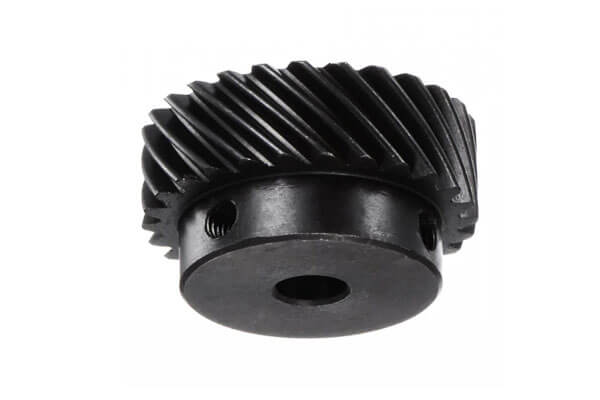
Componentes como engranajes., bujes, aspectos, rodillos, guías, y las pastillas de desgaste pueden funcionar con ruido reducido y, en algunos casos, sin lubricación externa.
Para aplicaciones deslizantes exigentes, La poliamida se puede modificar con aditivos como:
- PTFE para menor fricción;
- Disulfuro de molibdeno para mejorar el comportamiento de deslizamiento;
- Fibras de vidrio para mayor rigidez.;
- Fibras de carbono para mayor resistencia y conductividad térmica.;
- Lubricantes sólidos para mejorar el rendimiento en seco.
El comportamiento final ante el desgaste depende en gran medida de los materiales de contacto., presión superficial, velocidad de deslizamiento, temperatura, y condiciones de lubricación.
Rendimiento térmico
Las poliamidas generalmente proporcionan una mejor resistencia al calor que los plásticos básicos como el polipropileno y el polietileno.. Sin embargo, La capacidad térmica varía considerablemente entre grados..
PA6 y PA66 son adecuados para muchas aplicaciones de temperatura moderadamente elevada, mientras que las poliamidas semiaromáticas como el PPA están diseñadas para entornos más exigentes, incluidos componentes automotrices debajo del capó y conectores eléctricos de alta temperatura.
El punto de fusión, temperatura de deflexión del calor, y la temperatura de servicio continuo deben considerarse al seleccionar una poliamida..
El refuerzo puede mejorar aún más la estabilidad dimensional a temperaturas elevadas, aunque también puede afectar la dureza y la procesabilidad.
Absorción de humedad y estabilidad dimensional
La absorción de humedad es una de las consideraciones de ingeniería más importantes cuando se utiliza poliamida..
Los grupos amida en la estructura del polímero pueden absorber agua del entorno circundante., provocando cambios en las dimensiones y propiedades mecánicas..
Las poliamidas de cadena corta, como PA6 y PA66, generalmente absorben más humedad que las calidades de cadena larga, como PA11 y PA12..
Esta característica debe tenerse en cuenta al diseñar componentes de precisión..
Las tolerancias dimensionales deben tener en cuenta tanto la contracción de fabricación como el posible acondicionamiento ambiental durante el servicio..
Resistencia química
La poliamida generalmente funciona bien cuando se expone a aceites., grasas, combustible, y muchos hidrocarburos.
Esta es una de las razones por las que los materiales de PA se utilizan ampliamente en los sistemas de combustible de los automóviles., equipo industrial, y aplicaciones de manejo de fluidos.
Sin embargo, La resistencia química no es universal.. Ácidos fuertes, agentes oxidantes fuertes, ciertos solventes, y la exposición prolongada a productos químicos de alta temperatura puede degradar el polímero.
Por lo tanto, la selección de materiales debe considerar el entorno de servicio completo en lugar de depender únicamente de la clasificación general de un material como "químicamente resistente".
Propiedades eléctricas
La poliamida es un aislante eléctrico natural y se utiliza ampliamente para conectores eléctricos., carcasas de terminales, formadores de bobinas, y componentes de aislamiento.
Sin embargo, La humedad absorbida puede influir en las propiedades dieléctricas y la resistencia de la superficie..
Para aplicaciones eléctricas de alto voltaje o alta confiabilidad, Los ingenieros a menudo seleccionan grados específicamente formulados para el rendimiento eléctrico., resistencia a las llamas, baja absorción de humedad, o estabilidad a altas temperaturas.
5. Métodos de fabricación y procesamiento de poliamida.
La poliamida es un material termoplástico., permitiendo que se ablande mediante calentamiento y se le dé forma mediante una variedad de procesos de fabricación.
El método de procesamiento óptimo depende del grado del polímero., geometría del componente, volumen de producción, tolerancia dimensional, requisitos de superficie, y sistema de refuerzo.
Moldura de inyección
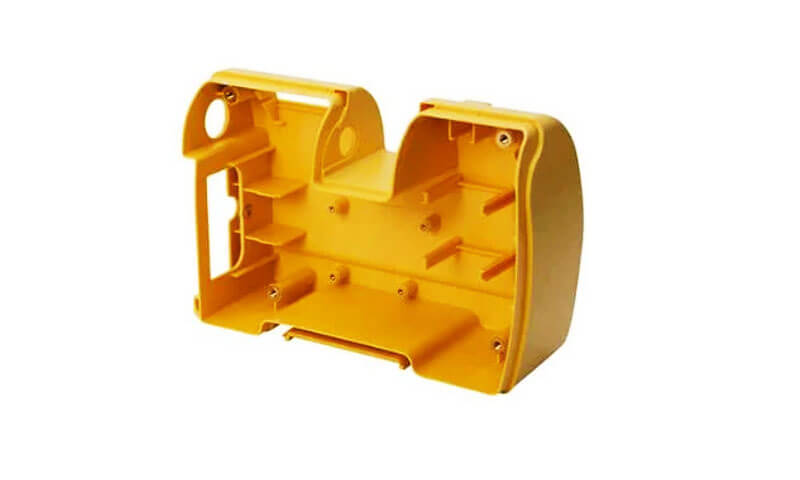
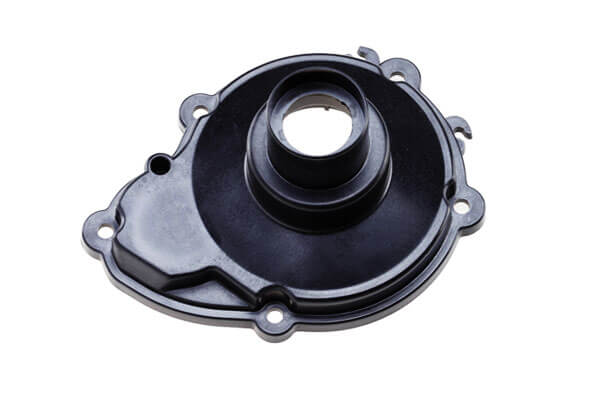
Moldura de inyección Es uno de los métodos de fabricación más importantes para diseñar componentes de poliamida..
Los gránulos de polímero secos se funden en un barril calentado y se inyectan bajo presión en un molde de precisión..
El proceso es particularmente adecuado para producir complejos, Componentes de gran volumen con geometría consistente..
Las aplicaciones típicas incluyen:
- Engranajes y componentes mecánicos.;
- Clips y soportes para automóviles;
- Conectores eléctricos;
- Componentes del electrodoméstico;
- Viviendas y cerramientos;
- Piezas industriales de precisión.
Porque la poliamida puede absorber la humedad., El secado adecuado de la resina antes del moldeo es fundamental.
Las poliamidas reforzadas con fibra de vidrio también se moldean comúnmente por inyección., aunque el diseño del molde y las condiciones de procesamiento deben tener en cuenta la orientación de la fibra., mayor viscosidad, y contracción anisotrópica.
Extrusión
La extrusión se utiliza para producir continuamente productos de poliamida con una sección transversal constante.. El polímero fundido se fuerza a través de una matriz moldeada y luego se enfría y se dimensiona..
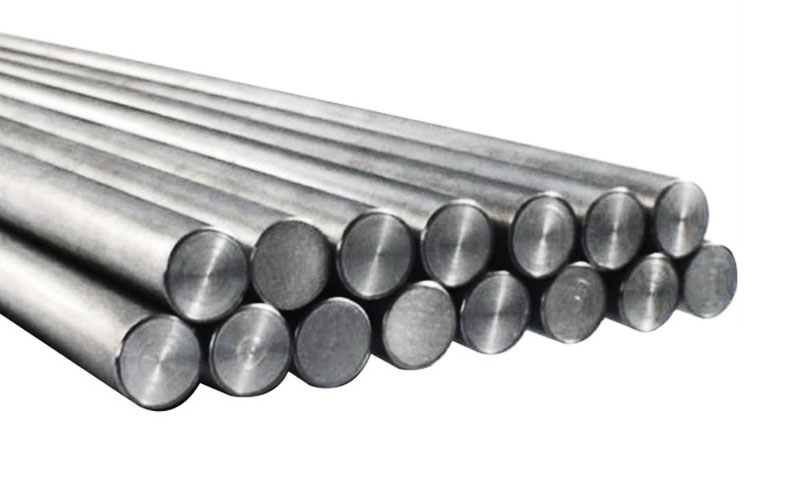
Los productos extruidos comunes incluyen tubos, tubería, películas, hojas, cañas, aislamiento de cables, y perfiles de ingeniería.
PA11 y PA12 son particularmente importantes para tubos flexibles debido a su combinación de resistencia química., flexibilidad, y absorción de humedad relativamente baja.
En extrusión de perfiles y tubos., control de temperatura, estabilidad en estado fundido, ritmo de enfriamiento, y la calibración dimensional son esenciales para mantener un espesor y una geometría de pared consistentes..
Moldura
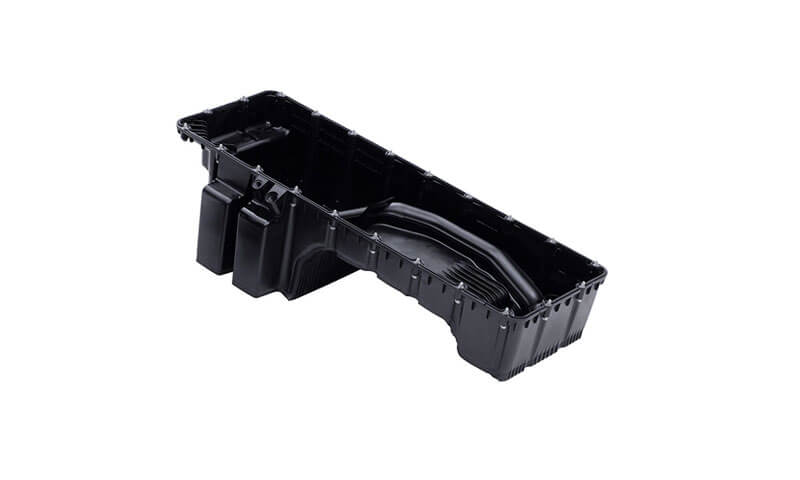
El moldeo por soplado se utiliza cuando se requieren componentes huecos de poliamida.. Un tubo o preforma de polímero calentado se expande dentro de un molde usando presión de aire..
El moldeo por soplado de poliamida se usa comúnmente para depósitos de fluidos automotrices., conductos, componentes del sistema de combustible, y contenedores industriales especializados.
También se pueden producir estructuras multicapa cuando se requieren propiedades de barrera adicionales..
Moldeo por compresión y transferencia
Aunque es menos común que el moldeo por inyección para poliamidas termoplásticas estándar., El moldeo por compresión puede ser útil para grandes, altamente reforzado, o componentes especializados.
El proceso puede adaptarse a ciertos materiales reforzados con fibras largas y puede seleccionarse cuando la geometría de la pieza o la arquitectura del refuerzo son difíciles de lograr mediante el moldeo por inyección convencional..
Mecanizado CNC
La poliamida también se puede mecanizar a partir de material extruido o fundido mediante torneado CNC., molienda, perforación, y otros procesos sustractivos.
Mecanizado CNC es particularmente útil para:
- Desarrollo de prototipos;
- Producción de bajo volumen;
- Componentes grandes;
- Piezas que requieren características difíciles de moldear;
- Componentes que requieren tolerancias estrictas de posprocesamiento.
Sin embargo, Se deben tener en cuenta los cambios dimensionales relacionados con la humedad al mecanizar componentes de poliamida de precisión.. Idealmente, el acondicionamiento del material debería controlarse antes de la inspección final..
Fabricación aditiva
Varios materiales de poliamida., particularmente PA12 y PA11, Se utilizan ampliamente en tecnologías de fabricación aditiva como Sinterización láser selectiva (SLS) y Fusión de chorro múltiple (mjf)
Estos procesos son especialmente adecuados para prototipos., productos personalizados, geometrías internas complejas, y producción de volumen bajo a medio.
Comparado con el moldeo por inyección, La fabricación aditiva elimina la necesidad de herramientas dedicadas, pero generalmente implica costos unitarios más altos en grandes volúmenes de producción..
6. Materiales de poliamida reforzada y modificada
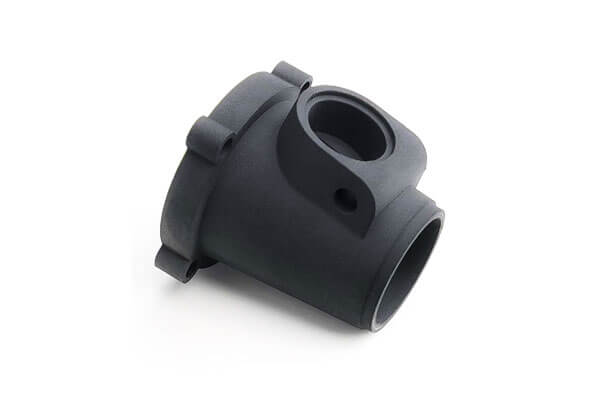
La poliamida sin relleno proporciona una combinación equilibrada de resistencia., tenacidad, resistencia al desgaste, y procesabilidad.
Sin embargo, Muchas aplicaciones de ingeniería requieren propiedades más allá de las del PA6 o PA66 estándar..
Por esta razón, La poliamida se combina frecuentemente con fibras de refuerzo., rellenos minerales, modificadores de impacto, retardantes de llama, lubricantes, y otros aditivos funcionales.
| Tipo de poliamida modificada | Modificación primaria | Mejora principal del rendimiento | Aplicaciones típicas |
| PA reforzada con fibra de vidrio | fibras de vidrio | Fortaleza, rigidez, resistencia al calor | Estructuras automotrices, conectores, maquinaria |
| PA reforzada con fibra de carbono | Fibras de carbono | Alta resistencia y rigidez específicas | Aeroespacial, robótica, piezas de alto rendimiento |
| PA lleno de minerales | Talco, mica, minerales | Estabilidad dimensional, menor contracción | Alojamiento, grandes componentes de precisión |
| PA modificada por impacto | Modificadores de elastómeros | Dureza y resistencia al impacto mejoradas. | Componentes de automoción y protección. |
PA retardante de llama |
Aditivos retardantes de llama | Comportamiento contra incendios mejorado | Componentes eléctricos y electrónicos. |
| PA autolubricante | Ptfe, MoS₂, aditivos lubricantes | Reducción de fricción y desgaste. | Aspectos, engranaje, piezas corredizas |
| PA conductora | Rellenos conductores a base de carbono | Control ESD o conductividad eléctrica. | Electrónica y equipos sensibles a la estática. |
7. Ventajas y limitaciones de la poliamida
Ventajas clave
- Alta fuerza específica: La excepcional relación resistencia-peso permite el reemplazo rentable del metal en aplicaciones estructurales.
- Excelente rendimiento de desgaste: Las propiedades autolubricantes inherentes eliminan la necesidad de lubricación externa en muchas aplicaciones de carga ligera a media..
- Buena resistencia química: Excelente tolerancia a los aceites., Combustibles y grasas para entornos automotrices e industriales..
- Amplia procesabilidad: Compatible con todos los principales métodos de fabricación de termoplásticos con buena fluidez en fusión.
- Dureza de alto impacto: Mantiene una buena ductilidad en un amplio rango de temperaturas., especialmente en grados modificados por impacto.
- Formulación versátil: Fácilmente reforzado, endurecido, ignífugo y compuesto para un rendimiento específico.
- Buen aislamiento eléctrico: Rendimiento dieléctrico suficiente para la mayoría de las aplicaciones eléctricas y electrónicas generales..
Limitaciones inherentes
- Alta absorción de humedad: Los grados estándar absorben una cantidad significativa de agua atmosférica., causando cambios dimensionales y variaciones de propiedades: la restricción de diseño más grande.
- Variabilidad dimensional: La mayor contracción del molde y el hinchamiento inducido por la humedad requieren un diseño de tolerancia cuidadoso.
- Fragilidad a baja temperatura: Los grados estándar no modificados se vuelven quebradizos a temperaturas bajo cero y requieren modificación de impacto para servicio en frío.
- Resistencia limitada a ácidos/álcalis fuertes: Se degrada en ácidos minerales fuertes y soluciones alcalinas concentradas..
- Requisito de secado del procesamiento: El presecado obligatorio añade pasos de proceso y costos de energía en relación con los plásticos no higroscópicos.
- Degradación UV: Los grados no estabilizados se degradan bajo exposición prolongada a los rayos UV al aire libre y requieren estabilización para uso exterior..
8. Aplicaciones de la poliamida
La combinación de resistencia mecánica., resistencia al desgaste, bajo peso, resistencia química, y la flexibilidad de fabricación permite que la poliamida sirva en aplicaciones que van desde productos de consumo hasta componentes industriales y automotrices de alta ingeniería..
Industria automotriz
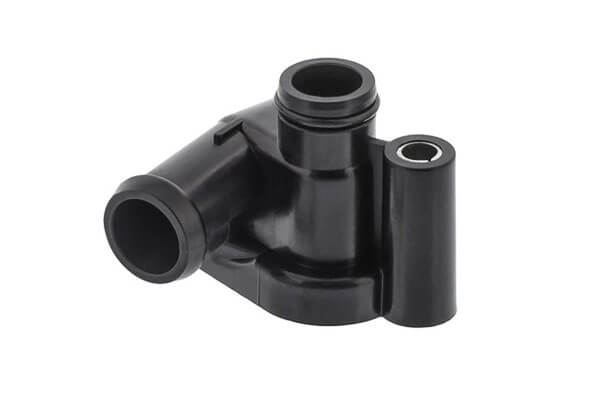
Automotor La ingeniería es una de las mayores áreas de aplicación de las poliamidas de ingeniería..
PA6, PA66, y los grados reforzados se utilizan ampliamente para reemplazar componentes metálicos donde la reducción de peso, resistencia a la corrosión, y el moldeado integrado son ventajosos.
Los componentes típicos incluyen:
- Cubiertas y soportes del motor
- Componentes de entrada de aire
- Componentes del sistema de refrigeración
- Guías y clips para cables
- Carcasa de equipo
- Jaulas de rodamientos
- Componentes del sistema de combustible
- Conectores eléctricos
- Corchetes
- Componentes de ventilador y polea.
El PA66 reforzado con fibra de vidrio es particularmente importante para aplicaciones debajo del capó porque el refuerzo mejora la rigidez., resistencia a la fluencia, y estabilidad dimensional.
Electrical y la electrónica
La poliamida se usa ampliamente para componentes eléctricos debido a sus propiedades aislantes., resistencia mecánica, y capacidad de moldeo por inyección.
Las aplicaciones incluyen carcasa del conector, bloques de terminales, prensaestopas, interruptor, carcasas de sensores, componentes de protección de circuitos, y armarios eléctricos.
Los grados retardantes de llama a menudo se seleccionan cuando los requisitos reglamentarios exigen ignición y propagación de llama controladas..
Maquinaria industrial
En maquinaria, La poliamida se utiliza con frecuencia cuando los componentes ligeros deben soportar movimientos mecánicos repetidos..
Los ejemplos comunes incluyen:
- Engranajes y ruedas dentadas
- Bujes y rodamientos
- Rodillos
- Tiras de desgaste
- Rieles guía
- Portadores de cable
- Componentes de sellado
- Protecciones de maquinas
- Componentes del transportador
Comparado con componentes metálicos, Las piezas de poliamida pueden reducir el peso., ruido, y requisitos de lubricación en ciertas aplicaciones.
Manejo de fluidos y tuberías
PA11 y PA12 son particularmente valiosos para aplicaciones de tuberías y manejo de fluidos porque combinan flexibilidad, resistencia química, baja densidad, y absorción de humedad relativamente baja.
Se utilizan para tubería neumática, líneas hidráulicas, líneas de combustible, componentes relacionados con los frenos, revestimiento de cables, y mangueras industriales, dependiendo del grado específico y de las normas aplicables.
Productos de consumo y comerciales
La poliamida también se utiliza ampliamente en productos de consumo donde la durabilidad y la resistencia al impacto son importantes..
Los ejemplos incluyen componentes de herramientas eléctricas., equipo deportivo, sujetadores, alojamiento, mangos, ruedas, accesorios mecánicos, y varios componentes moldeados.
Aplicaciones médicas y sanitarias
Se pueden utilizar grados de poliamida especializados para aplicaciones médicas y sanitarias seleccionadas., incluyendo tubos, componentes del instrumento, piezas de manejo de fluidos, y ciertos dispositivos desechables o reutilizables.
Para estas aplicaciones, sin embargo, biocompatibilidad, resistencia a la esterilización, extraíbles, compatibilidad química, y los requisitos reglamentarios aplicables deben evaluarse para el grado específico en lugar de asumirse a partir de las propiedades generales de la poliamida..
9. Poliamida vs.. Otros plásticos de ingeniería
La poliamida no es universalmente superior a otros plásticos de ingeniería.
Cada polímero tiene un perfil de rendimiento diferente, y la elección adecuada depende de factores como la carga mecánica, fricción, temperatura, exposición química, humedad, requisitos dimensionales, y costo.
| Propiedad / Factor | Poliamida (Pensilvania) | Polioximetileno (Pom) | Polipropileno (PÁGINAS) | Cetona de éter poliéter (OJEADA) |
| Clase de material | Termoplástico de ingeniería | Termoplástico de ingeniería | Termoplástico básico/semi-ingeniería | Termoplástico de ingeniería de alto rendimiento |
| Fuerza típica | Bueno a alto | Bien | Moderado | Muy alto |
| Rigidez | Bien; más alto con refuerzo | Bien | Moderado | Excelente |
| Resistencia al impacto | Bueno a excelente | Bien | Bueno a excelente | Bien |
| Resistencia al desgaste | Bueno a excelente | Excelente | Moderado | Excelente |
| Fricción | Bajo a moderado | Muy bajo | Bajo | Bajo |
| Absorción de humedad | Moderado a alto para PA6/PA66; inferior para PA11/PA12 | Muy bajo | Muy bajo | Muy bajo |
| Estabilidad dimensional | Moderado; fuertemente afectado por la humedad en algunos grados | Excelente | Bien | Excelente |
| Capacidad de temperatura | Moderado a alto, dependiendo de la calificación | Moderado | Relativamente bajo | Excelente |
| Resistencia química | Bien | Bien | Excelente | Excelente |
| Aislamiento eléctrico | Bien | Bien | Excelente | Excelente |
| Resistencia a la fatiga | Bien | Excelente | Bien | Excelente |
| Procesabilidad | Excelente | Excelente | Excelente | Más exigente |
Costo relativo del material |
Moderado | Moderado | Bajo | Muy alto |
| Aplicaciones típicas | Engranaje, bujes, piezas automotrices, conectores, componentes estructurales | Engranajes de precisión, aspectos, válvulas, mecanismos | Embalaje, tanques, bisagras vivas, contenedores químicos | Aeroespacial, semiconductor, médico, maquinaria de alta temperatura |
| Ventaja principal | Rendimiento mecánico y de procesamiento equilibrado | Baja fricción y estabilidad dimensional. | Bajo costo y resistencia química. | Excepcional rendimiento mecánico y a altas temperaturas |
| Limitación principal | Sensibilidad a la humedad | Capacidad limitada de alta temperatura | Rendimiento mecánico más bajo | Alto coste y procesamiento más exigente. |
10. Reciclaje y Sostenibilidad de Poliamida
Reciclaje Mecánico
Los desechos de poliamida postindustrial se reciclan mecánicamente de forma rutinaria mediante trituración y recombinación..
La resina reciclada conserva la mayoría de sus propiedades mecánicas y se utiliza ampliamente para piezas estructurales no críticas..
El reciclaje posconsumo está menos establecido pero está creciendo, particularmente para flujos de residuos de fibras textiles y de alfombras.
Reciclaje químico
Las tecnologías avanzadas de despolimerización pueden descomponer los residuos de poliamida en materias primas de monómero puro, producir resina virgen equivalente con idéntico rendimiento.
Actualmente hay instalaciones de reciclaje de productos químicos a escala industrial en funcionamiento en Europa y América del Norte., permitiendo la circularidad de circuito cerrado para materiales de poliamida.
Poliamidas de base biológica
La sostenibilidad no se limita al reciclaje. Ciertas poliamidas, incluido PA11 y PA1010, Se puede producir parcial o sustancialmente a partir de materias primas renovables dependiendo de la ruta de fabricación específica..
Las materias primas de origen biológico pueden reducir la dependencia de los recursos fósiles, pero un polímero de base biológica no es automáticamente superior desde el punto de vista ambiental.
Una evaluación completa debe considerar el abastecimiento de materia prima, impactos agrícolas, consumo de energía, emisiones de fabricación, vida útil del producto, Reciclabalidad, y tratamiento al final de la vida.
11. Piezas de poliamida personalizadas de LangHe Industria
Industria de Langhe Proporciona soluciones de fabricación personalizadas para componentes de plástico de ingeniería., incluyendo piezas de poliamida diseñadas para uso mecánico., eléctrico, automotor, industrial, y otras aplicaciones exigentes.
En lugar de tratar la poliamida como un plástico genérico, El material y el proceso de fabricación deben seleccionarse de acuerdo con las condiciones de funcionamiento reales del componente..
Factores como el grado de PA, exposición a la humedad, temperatura, carga mecánica, tolerancias dimensionales, requisitos de desgaste, ambiente químico, y refuerzo se evalúan durante el desarrollo de ingeniería.
Capacidades de fabricación de poliamida personalizadas
| Capacidad | Detalles |
| Selección de material | PA6, PA66, PA11, PA12 y grados de poliamida reforzada o modificada |
| Modificación de materiales | fibra de vidrio, fibra de carbono, Grados rellenos de minerales y modificados por desgaste., sujeto a requisitos de solicitud |
| Fabricación | Moldeo por inyección y mecanizado de precisión para componentes de poliamida adecuados |
| Mecanizado CNC | Torneado, molienda, perforación, aburrido, y acabado de componentes de plástico técnico |
| Geometrías complejas | Alojamiento, engranaje, bujes, corchetes, guías, cubiertas, y componentes mecánicos personalizados |
| Control de precisión | Inspección dimensional basada en la geometría del componente., requisitos de tolerancia, y necesidades de aplicación |
| Producción de prototipos | Desarrollo de prototipos y de bajo volumen antes de la producción en serie. |
| Ingeniería | Selección de material, revisión de DFM, evaluación de tolerancia, y optimización de procesos |
| Calidad | ISO 9001:2015 certificado. |
| Tiempo de entrega | 2-4 semanas para mecanizado; 4‑8 semanas para herramientas y producción. |
12. Conclusión
La poliamida es una amplia familia de polímeros de ingeniería en lugar de un solo material..
De lo convencional PA6 y PA66 para reducir la absorción de humedad PA11 y PA12, a alta temperatura APP, y grados reforzados con fibra, Diferentes formulaciones proporcionan combinaciones significativamente diferentes de mecánica., térmico, químico, y rendimiento dimensional.
Su mayor ventaja es su rendimiento de ingeniería equilibrado.. La poliamida combina una densidad relativamente baja con buena resistencia., tenacidad, resistencia al desgaste, resistencia química, aislamiento eléctrico, y excelente procesabilidad.
Estas características lo convierten en una alternativa eficaz a los metales y otros plásticos de ingeniería en muchas aplicaciones..
Al mismo tiempo, Los diseñadores no deben pasar por alto sus limitaciones.. Absorción de humedad, propiedades dependientes de la temperatura, arrastrarse, y la compatibilidad química puede influir fuertemente en el rendimiento a largo plazo.
Por lo tanto, la selección del material debe basarse en el entorno operativo completo y no solo en la resistencia a la tracción o el punto de fusión..
Para componentes personalizados, El enfoque más confiable es evaluar el grado de poliamida., reforzamiento, proceso de fabricación, requisitos dimensionales, entorno de servicio, y vida útil esperada como sistema integrado.
Cuando estos factores se controlan adecuadamente, La poliamida puede proporcionar una solución rentable y técnicamente robusta para una amplia gama de componentes de ingeniería..
Preguntas frecuentes sobre la poliamida
¿Es lo mismo la poliamida que el nailon??
No exactamente. El nailon es un grupo importante de poliamidas., particularmente poliamidas alifáticas como PA6 y PA66.
La poliamida es la familia química más amplia que también incluye PA11., PA12, poliamidas semiaromáticas, y poliamidas aromáticas.
¿Es la poliamida un material resistente??
Sí. La poliamida generalmente proporciona una buena resistencia a la tracción., rigidez, tenacidad, y rendimiento ante la fatiga. fibra de vidrio- y poliamidas reforzadas con fibra de carbono Puede proporcionar una rigidez y resistencia sustancialmente mayores que las calidades sin relleno..
¿La poliamida absorbe agua??
Sí. La absorción de humedad es una característica importante de muchas poliamidas., particularmente PA6 y PA66.
La absorción de agua puede cambiar las dimensiones y las propiedades mecánicas., por lo que se debe considerar la humedad y el acondicionamiento para aplicaciones de precisión..
¿Es la poliamida adecuada para aplicaciones de alta temperatura??
Depende del grado. PA6 y PA66 convencionales son adecuados para temperaturas moderadamente elevadas, mientras PPA y otras poliamidas de alta temperatura se adaptan mejor a entornos térmicos exigentes.
¿Puede la poliamida realmente reemplazar al metal en piezas estructurales??
A: Sí. Las poliamidas reforzadas con fibra de vidrio se utilizan ampliamente para reemplazar el aluminio y el acero fundidos a presión en estructuras automotrices., componentes industriales y de consumo.
Por lo general, reducen el peso de las piezas entre un 40 % y un 60 % y, al mismo tiempo, proporcionan suficiente resistencia para muchas aplicaciones de carga.. La sustitución del metal sigue siendo el principal motor de crecimiento de las poliamidas de ingeniería.
¿Es la poliamida resistente a los productos químicos??
La poliamida tiene buena resistencia a muchos aceites., combustible, hidrocarburos, y productos químicos industriales, pero su resistencia a los ácidos fuertes, agentes oxidantes, y ciertos disolventes pueden limitarse.
Siempre se deben evaluar el grado específico y las condiciones de operación..
¿Es la poliamida mejor que el POM??
Ninguno de los dos es universalmente mejor. La poliamida generalmente ofrece una combinación más fuerte de dureza y rendimiento mecánico.,
mientras que el POM a menudo proporciona una estabilidad dimensional superior, baja fricción, y rendimiento de desgaste.
La elección depende de la aplicación específica..
Avisos de derechos de autor y marcas comerciales
- Kevlar® y Nomex® son marcas registradas de E. I. du Pont de Nemours y compañía (DuPont).
- Torlon® es una marca registrada de Syensqo.