Einführung
In Investitionskaste, Das Entparaffinieren der Schale ist ein scheinbar einfacher, aber äußerst sensibler Schritt.
Sein Zweck ist klar: Entfernen Sie das Wachsmodell von der Keramikschale, ohne die strukturelle Integrität oder Oberflächentreue der Schale zu beschädigen.
In der Praxis, Jedoch, Das Entparaffinieren ist einer der fehleranfälligsten Schritte in der gesamten Prozesskette.
Die Granate ist zu diesem Zeitpunkt noch nicht vollständig in ihren endgültigen hochfesten Zustand gebrannt, Daher muss es schnellen thermischen Veränderungen standhalten, Innendruck durch geschmolzenes Wachs, lokale Dampfbeladung, und Stressbewältigung – alles auf einmal.
Beim Entparaffinieren wird schlecht kontrolliert, die Schale könnte reißen, verformen, oder es entstehen Löcher und Hohlräume auf der Oberfläche. Diese Mängel bleiben nicht isoliert.
Sie breiten sich oft in späteren Stadien aus, Verringerung der Granatenstärke beim Abfeuern, Erhöhtes Ausschussrisiko beim Gießen, und letztendlich die Gussqualität durch Porosität beeinträchtigen, Einschlüsse, Oberflächenfehler, oder dimensionale Instabilität.
Aus verfahrenstechnischer Sicht, Entparaffinierungsfehler werden selten durch einen einzelnen Parameter verursacht.
Sie sind in der Regel das Ergebnis gekoppelter Interaktionen zwischen ihnen Temperatur, Druck, Zeit, Schalenstruktur, Wachszusammensetzung, Beschichtungseigenschaften, und operative Disziplin.
Das Verständnis dieser Wechselwirkungen ist der Schlüssel zu einer stabilen Feingussproduktion.
1. Rissdefekte beim Entparaffinieren der Schale
Risse gehören zu den schwerwiegendsten Fehlern, die beim Entparaffinieren entstehen, da sie die Schale direkt schwächen und sie unbrauchbar machen können, bevor überhaupt mit dem Gießen begonnen wird.
In der Praxis, Rissdefekte können in drei Hauptformen auftreten: Oberflächenrisse, Zwischenschichtrisse, und Risse durch die Wand.
Oberflächenrisse
Oberflächenrisse erscheinen in der Regel fein, irregulär, linear, oder netzartige Markierungen auf der Außenfläche der Schale.
Sie entstehen häufig an Orten, an denen sich lokale Belastungen konzentrieren, wie Ecken, Übergänge, oder Bereiche mit ungleichmäßiger Erwärmung.
Diese Risse können auf den ersten Blick geringfügig erscheinen, aber sie sind wichtige Warnzeichen.
Ein Oberflächenriss weist darauf hin, dass die Schale bereits einer so hohen Belastung ausgesetzt war, dass das Beschichtungssystem lokal bricht.
Auch wenn der sichtbare Schaden gering ist, Die betroffene Zone kann beim anschließenden Brennen eine verringerte Festigkeit und eine geringere Thermoschockbeständigkeit aufweisen.
Risse in der Zwischenschicht
Zwischenschichtrisse erstrecken sich entlang der Grenzflächen zwischen Beschichtungsschichten.
Sie werden typischerweise durch ein nicht übereinstimmendes Schrumpfverhalten verursacht, Wärmeausdehnung, oder Aushärtungsreaktion zwischen benachbarten Schichten.
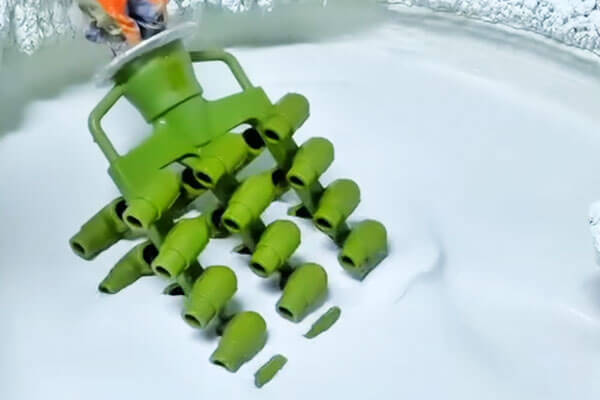
Denn Feingussschalen werden Schicht für Schicht aufgebaut, Jede Schicht muss ordnungsgemäß mit der nächsten verbunden sein.
Wenn die Schichten ungleichmäßig aushärten oder sich ihre thermischen Reaktionen beim Entparaffinieren zu stark unterscheiden, Die Schnittstelle kann sich trennen.
Diese Art von Riss ist besonders gefährlich, da sie häufig auf eine versteckte strukturelle Schwachstelle innerhalb der Schale und nicht nur auf der Oberfläche hinweist.
Während des Brennens oder Gießens kann sich die Trennung zwischen den Schichten ausbreiten und zum Zusammenbruch der Schale führen, Metalldurchdringung, oder örtliche Leckage.
Risse durch die Wand
Wanddurchgehende Risse durchdringen die gesamte Dicke der Schalenwand. Sie sind der schwerwiegendste Risstyp, da sie die Kontinuität der Schale direkt gefährden.
Diese Risse treten häufig auf, wenn die Hülle einer Entparaffinierungsbelastung ausgesetzt wird, die über ihre mechanische Belastbarkeit hinausgeht.
Ein Riss durch die Wand kann nicht nur die Schale schwächen, sondern auch Wachsrückstände hinterlassen, Dampf, oder späteres Eindringen von Metall, um stromabwärts größere Defekte zu erzeugen.
Sobald eine Schale einen solchen Riss hat, seine Zuverlässigkeit ist stark eingeschränkt.
Ursachen für Rissfehler
Die Rissbildung beim Entparaffinieren wird stark von den Prozessbedingungen beeinflusst.
Temperatureffekte
Die Entparaffinierungstemperatur ist eine der kritischsten Variablen.
Wenn die Temperatur zu hoch ist, Die Schale kann einer schnellen Wärmeausdehnung und Spannungskonzentration unterliegen, insbesondere wenn das Temperaturfeld ungleichmäßig ist.
Denn verschiedene Regionen der Schale dehnen sich unterschiedlich schnell aus, Es kommt zu inneren Spannungen und an Schwachstellen können Risse entstehen.
Wenn der Temperaturgradient zu steil ist, Shell-Regionen werden nicht synchron erweitert. Durch diese Diskrepanz entstehen lokale Zugzonen, die die Festigkeit der Schale übersteigen können.
Zeiteffekte
Ebenso wichtig ist die Entparaffinierungszeit. Wenn die Dauer zu kurz ist, Wachs kann möglicherweise nicht vollständig entfernt werden.
Restliches Wachs kann sich später beim Abkühlen oder Brennen ausdehnen oder wieder schmelzen, Es entstehen innere Spannungen und sekundäre Risse.
Wenn die Entparaffinierungszeit zu lang ist, Die Hülle ist über einen längeren Zeitraum einer thermischen Belastung ausgesetzt. Dies kann die Beschichtungsstruktur beschädigen und die Integrität der Hülle beeinträchtigen.
Druckeffekte
Ein unzureichender Entparaffinierungsdruck kann dazu führen, dass das Wachs den Schalenhohlraum nicht sauber verlässt.
Durch die Oberflächenspannung können Wachströpfchen oder eingeschlossene Gastaschen zurückgehalten werden, wodurch örtliche Druckkonzentrationen entstehen. Nach dem Abkühlen, Diese Bereiche können zu Rissauslösepunkten werden.
Risiken der Ultraschallunterstützung
In manchen Systemen, Zur Verbesserung der Entparaffinierungseffizienz wird Ultraschallunterstützung eingesetzt.
Jedoch, wenn die Frequenz oder Intensität zu hoch ist, Vibrationen können teilweise ausgehärtete Schalenschichten mechanisch beschädigen.
Anstatt die Shell-Freigabe zu verbessern, Es können Mikrorisse entstehen, die sich später unter thermischer Belastung ausbreiten.
Schalenrisse sind nicht nur ein Prozessproblem. Es ist auch eine Materialfrage.
Beschichtungsformulierung
Wenn Beschichtungsviskosität, Feststoffgehalt, und die Verdunstungsrate des Lösungsmittels sind nicht richtig ausgeglichen, Die Hülle kann beim Trocknen und Entparaffinieren ungleichmäßig schrumpfen.
Niedrigviskose Beschichtungen können gut eindringen, können aber nach dem Aushärten spröder werden. Ein hoher Feststoffgehalt kann die Schrumpfung und innere Spannung erhöhen.
Pulversortierung
Die Partikelgrößenverteilung des Keramikpulvers hat großen Einfluss auf die Festigkeit und Durchlässigkeit der Schale.
Grobe Partikel können Hohlräume und Schwachstellen verursachen, während übermäßige Feinanteile die Durchlässigkeit verringern und Lösungsmittel oder Feuchtigkeit einschließen können. Beide Bedingungen können die Rissbildung begünstigen.
Bindemittelverhalten
Das Bindemittelsystem bestimmt die Schalenzähigkeit und die thermische Reaktion.
Wenn der Glasübergangsbereich eines Silica-Kieselgels oder eines anderen Bindemittels mit dem Entparaffinierungstemperaturfenster überlappt, Die Schale kann gerade so weich werden, dass sie an Festigkeit verliert, während sie immer noch unter Zugspannung steht.
Nichtübereinstimmung von Kern und Schale
Wenn der Wärmeausdehnungskoeffizient der Kernstruktur oder der Trägermaterialien zu stark von der Mantelbeschichtung abweicht, Während des Erhitzens und der Wachsexpansion kann es zu einer Grenzflächentrennung kommen.
Auch das Schalendesign ist wichtig. Dünne Abschnitte, Scharfe Ecken, und Wanddickenunregelmäßigkeiten sind natürliche Spannungskonzentrationen.
Wenn die Schale beim Entparaffinieren zu fest eingespannt ist, es kann nicht schrumpfen oder sich frei verformen, und die daraus resultierende Zwangsspannung kann zu Rissen führen.
Ebenfalls, Eine schlecht koordinierte Vorwärmung und Entparaffinierung kann zu plötzlichen Temperaturschocks führen.
Eine Schale, die zu abrupt erhitzt wird, kann einfach deshalb reißen, weil der Temperaturgradient zu stark für die aktuelle Festigkeit im Rohzustand ist.
2. Verformungsfehler der Schale: Morphologische Eigenschaften und Kopplungsbildungsmechanismus
Unter Schalenverformung versteht man die allgemeine oder lokale Abweichung der ausgehärteten Schale von der Standardkontur des ursprünglichen Wachsmodells, Dies verringert direkt die Maßgenauigkeit der fertigen Gussteile und zerstört die Gleichmäßigkeit des Formhohlraums.
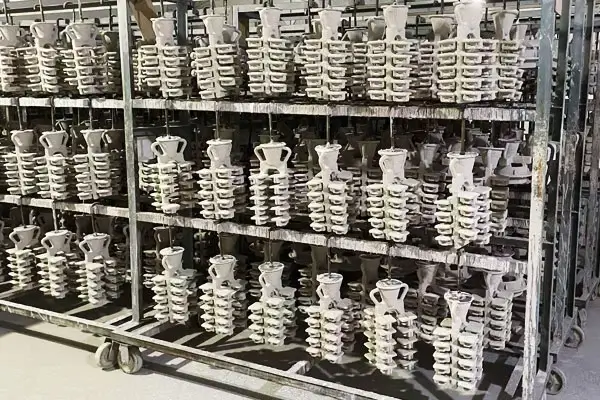
Es handelt sich um einen der häufigsten versteckten Qualitätsmängel im Entparaffinierungsprozess.
Hauptklassifikation von Verformungsfehlern
Die durch Entparaffinierung verursachte Schalenverformung wird in drei typische Formen eingeteilt:
Gesamttorsionsverformung der gesamten Schale, lokales Durchhängen oder Ausbeulen der Schalenoberflächen, und Risse und Verschiebungen an den Verbindungsstellen der Schalenbaugruppe.
Die meisten Verformungsfehler sind plastische irreversible Veränderungen, Dies kann in nachfolgenden Prozessen nicht repariert werden und führt zu Maßabweichungen der endgültigen Gussteile.
Ursachen der Verformung durch Multifaktorkopplung
Abnormale Temperatur und Heizrate
Die Dampferhitzung ist das gängige Entparaffinierungsverfahren für Feingussschalen.
Eine zu hohe Entparaffinierungstemperatur oder eine schnelle Aufheizrate erzeugen einen großen Temperaturgradienten zwischen der Innen- und Außenschicht der Hülle, Dies führt zu einer asynchronen thermischen Ausdehnung der inneren und äußeren Beschichtungsstrukturen.
Die akkumulierte thermische Spannung übersteigt die momentane Zugfestigkeit der Schale, plastische Verformung auslösen.
Industrielle Daten zeigen, dass jede Erhöhung der Entparaffinierungstemperatur um 50 °C die thermische Belastung der Schalenoberfläche um etwa 50 % erhöht 30%, deutlich erhöhtes Verformungsrisiko.
Darüber hinaus, Temperaturschwankungen von mehr als ±5 °C beeinträchtigen die Gleichmäßigkeit der Aushärtung kolloidaler Kieselsäurebeschichtungen und schwächen die Verformungsbeständigkeit der Hülle.
Unangemessene Entparaffinierungsdauer und unangemessener Dampfdruck
Bei unzureichender Entparaffinierungszeit verbleiben geschmolzene Wachsreste in der Hülle.
Durch die sekundäre Wärmeausdehnung des Restwachses beim anschließenden Erhitzen wird die innere Hohlraumwand zusammengedrückt, was zu einer lokalen Wölbungsverformung führt.
Eine längere Entparaffinierungszeit verlängert den thermischen Aktionszyklus, Die Anhäufung thermischer Spannungen und die allgemeine Verformung der Schale verstärken sich.
Eine ungleichmäßige Dampfdruckverteilung ist ein weiterer wichtiger Grund.
Wenn der Dampfdruckgradient größer ist 0.02 MPA, Es bilden sich Richtungsschrumpfungsunterschiede zwischen Hochdruck- und Niederdruck-Schalenbereichen, Dies führt zu einer gerichteten Biegeverformung der Schale.
Starke Druckschwankungen führen außerdem zu Verbindungsrissen und lokalen strukturellen Verschiebungen.
Mängel in der Materialleistung und im strukturellen Design
Die Schalensteifigkeit wird durch die Wanddickenverteilung bestimmt: dünnwandige Bereiche (Wandstärke <2 mm) neigen aufgrund unzureichender struktureller Steifigkeit während des Entparaffinierens zum lokalen Kollaps.
Der Unterschied des Wärmeausdehnungskoeffizienten zwischen Oberflächenbeschichtung und Sandschicht erreicht die Größenordnung von 10⁻⁶/℃, Dadurch wird eine anhaltende innere Spannung an der Grenzfläche erzeugt und bei Temperaturschwankungen eine relative Verschiebung der Beschichtungsschichten ausgelöst.
Auch die Leistung von Wachsmodellen trägt wesentlich dazu bei. Hochschrumpfende Wachsmodelle erzeugen beim Schmelzen eine starke Zugspannung und Volumenschrumpfung.
Statistische Daten zeigen, dass jeder 0.1% Eine Zunahme der Schrumpfung des Wachsmusters erhöht die Wahrscheinlichkeit einer Schalenverformung um 15%.
Für Schalen mit geringer Steifigkeit, Diese Zugspannung führt direkt zu einer gesamten Torsionsverformung.
Umfassendes Verformungsgesetz
Die Schalenverformung ist ein synergistisches Ergebnis der Prozessparameter, Materialeigenschaften und Strukturdesign.
Die Überlagerung von hoher Temperatur, Eine lange Entparaffinierungszeit und ein instabiler Dampfdruck verstärken die Ansammlung thermischer Spannungen und die Auswirkungen der Restwachsextrusion; Strukturelle Schwachstellen erhöhen das Verformungs- und Rissrisiko zusätzlich.
Präzise Gradiententemperaturregelung (Heizgradient ≤30℃/min), Eine standardisierte Anpassung der Entparaffinierungszeit und ein optimiertes Design der starren Schalenstruktur sind zentrale Maßnahmen zur Unterdrückung von Verformungsfehlern.
3. Defekte der Schalenporen: Morphologie und systematische Ursachenanalyse
Porendefekte sind konkave Fehler, die auf der Schalenoberfläche oder der inneren Struktur verteilt sind, Die Größe reicht von kleinen Löchern im Mikrometerbereich bis hin zu makroskopischen Grübchen von mehreren Millimetern, und in schweren Fällen sogar durchdringende Löcher.
Diese Mängel zerstören die Kompaktheit und strukturelle Integrität der Hülle, reduzieren die Wärmedämmung und den Feuerwiderstand, und verursachen beim Gießen leicht Gasporosität und Oberflächenlöcher auf den Gussteilen.
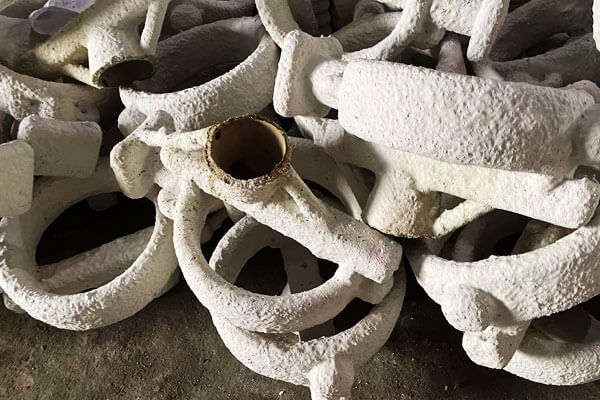
Morphologische Eigenschaften von Porendefekten
Durch die Entparaffinierung verursachte Poren sind meist kreisförmig, elliptische oder unregelmäßige vieleckige Vertiefungen.
Verteilte Mikroporen sind hauptsächlich auf der Schalenoberfläche verteilt, während große, durchdringende Poren durch die Schalenwand verlaufen.
Anders als beim Brennen von Poren, Entparaffinierungsporen weisen unregelmäßige Randkonturen und eine ungleichmäßige Verteilung auf, eng mit dem Wachsschmelz- und Gasverflüchtigungsverhalten verbunden.
Kernbildungsursachen für Porendefekte
Wachsmuster- und Beschichtungsmaterialfehler
Wachsmodelle, die übermäßig flüchtige Bestandteile und Verunreinigungen enthalten, erzeugen während der schnellen Vergasung beim Entparaffinieren sofort Hochdruckgas, Schwache Schalenbereiche werden aufgebrochen und es bilden sich feine Löcher oder netzartige Porendefekte.
Mikroporen und Mikrorisse auf der Oberfläche des ursprünglichen Wachsmodells werden sich bei der anschließenden Hochtemperaturbehandlung ausdehnen und zu makroskopischen Poren entwickeln.
Eine schlechte Suspensionsstabilität der Schalenbeschichtungsaufschlämmung führt zu einer ungleichmäßigen Verteilung der festen feuerfesten Partikel, Nach dem Trocknen bilden sich örtlich lose Poren.
Eine unsachgemäße Kontrolle der Beschichtungsdicke führt zu inkonsistenten Lösungsmittelverflüchtigungsraten, was die Bildung von Stressporen induziert.
Zu viele oder falsch ausgewählte Trennmittel schädigen die Grenzflächenfestigkeit zwischen Wachsmodell und Beschichtung, Beim Entparaffinieren entstehen abblätternde Poren.
Entparaffinierungsvorgang und Parameterabweichung
Eine zu hohe Entparaffinierungstemperatur führt zu einer explosionsartigen Vergasung der Wachsmuster, und der augenblicklich hohe Innendruck bricht die Schalenstruktur auf und bildet durchdringende Poren.
Eine niedrige Entparaffinierungstemperatur verringert die Fließfähigkeit des Wachses, was zu einer unvollständigen Entparaffinierung führt; Restwachs vergast beim Brennen und bildet innere, verborgene Poren.
Ungleichmäßiges Aufsprühen und unvollständige Aushärtung von Trennmitteln bilden Isolationsschichten auf der Wachsoberfläche, Dies behindert den Wachsaustritt und verursacht eine lokale Porenaggregation.
Nicht standardmäßige Beschichtungs- und Trocknungsprozesse
Eine unkontrollierte Viskosität der Aufschlämmung und unzureichende Beschichtungszeiten können die mikroskopisch kleine unebene Struktur von Wachsmustern nicht vollständig abdecken, Nach dem Trocknen bilden sich eingesunkene Poren.
Temperatur- und Feuchtigkeitsschwankungen während des Trocknungsprozesses führen zu einem asynchronen Schrumpfen der Beschichtung und spannungsbedingten Porendefekten.
Durch schnelles Erhitzen oder unzureichende Trocknungszeit können Feuchtigkeit und organische Bindemittel in der Beschichtung nicht vollständig abgeleitet werden. Restgas dehnt sich beim Brennen aus und bildet sekundäre Poren.
Eine unzureichende Brenndauer der Schale führt zu einer ungleichmäßigen Schrumpfung unvollständig ausgehärteter Beschichtungen in der Abkühlphase, Dies führt zu weiteren thermischen Spannungsporen.
4. Zusammenfassung der Fehlerarten und Hauptursachen
| Defekttyp | Typische Form | Hauptfolge | Dominante Ursachen |
| Oberflächenrisse | Bußgeld, unregelmäßige Oberflächenlinien oder Netzwerke | Reduzierte Oberflächenfestigkeit und Temperaturwechselbeständigkeit | Lokale Spannungskonzentration, Überhitzung, ungleichmäßige Ausdehnung |
| Risse in der Zwischenschicht | Trennung entlang der Beschichtungsgrenzflächen | Versteckte strukturelle Schwäche | Differenzielle Schrumpfung, Nichtübereinstimmung der Bindemittel, schlechter Schichtverbund |
| Risse durch die Wand | Risse, die die gesamte Schalendicke durchdringen | Schwerer Granatenfehler | Übermäßiger Stress, übermäßiger Druck, strukturelle Zurückhaltung |
| Verformung | Verdrehen, prall, schlaff, lokaler Zusammenbruch | Maßungenauigkeit, schlechte Schalengeometrie | Temperaturüberschreitung, Dampfdruckungleichgewicht, schwache Steifigkeit |
| Porosität / Löcher | Gruben, Hohlräume, Pinholes, Durchgangslöcher | Verlust der Kontinuität und Stärke der Schale | Flüchtiges Wachs, schlechte Güllestabilität, unzureichende Entwässerung, schnelle Gasfreisetzung |
5. Technische Maßnahmen zur Prävention
Obwohl die Mängel optisch unterschiedlich sind, Ihre Präventionslogik ist ähnlich: Stress kontrollieren, Materialien stabilisieren, und Prozessungleichgewichte beseitigen.
Wichtige Präventionsstrategien
- Optimieren Sie die Entparaffinierungstemperatur und die Heizrate, um steile Temperaturgradienten zu vermeiden.
- Passen Sie die Entparaffinierungszeit an die Wachsentfernungsanforderungen an, ohne es zu überbelichten.
- Kontrollieren Sie den Dampfdruck gleichmäßig über die Schale.
- Verbessern Sie die Stabilität der Gülle, Feststoffverteilung, und Bindemittelkonsistenz.
- Verwenden Sie richtig abgestufte Keramikpulver, um Durchlässigkeit und Festigkeit in Einklang zu bringen.
- Gestalten Sie Schalenwände nach Möglichkeit mit gleichmäßiger Dicke.
- Vermeiden Sie starre Befestigungen, die die natürliche Wärmeausdehnung und -kontraktion einschränken.
- Vorwärmen koordinieren, Entwachung, und Abfeuern, damit die Granate keinen abrupten Temperaturschock erfährt.
- Überprüfen Sie die Qualität des Wachsmusters vor dem Schalenbau, um versteckte Mängel zu vermeiden, die später zu Fehlern beim Entparaffinieren führen.
6. Das Kernprozessprinzip
Das Grundprinzip der Schalenentparaffinierung beim Feinguss ist im Konzept einfach, in der Praxis jedoch anspruchsvoll: Die Keramikschale muss von Wachs befreit werden, ohne ihre temporäre Festigkeitsgrenze zu überschreiten oder ihre Geometrie zu destabilisieren.
Beim Entparaffinieren handelt es sich nicht nur um einen Entfernungsschritt. Es handelt sich um einen kontrollierten Übergang, bei dem sich die Schale von einem wachsgestützten Körper bewegt, teilweise gefährdeter Zustand zu einer freistehenden Keramikstruktur, die das Brennen und Gießen überstehen muss.
Jeder Fehler bei diesem Übergang erscheint normalerweise als Rissbildung, Verformung, oder porösitätsbedingte Schäden.
Aus ingenieurwissenschaftlicher Sicht, Die Entparaffinierungsqualität wird durch ein Drei-Wege-Gleichgewicht bestimmt:
- thermische Belastung muss hoch genug sein, um das Wachs effizient zu schmelzen und zu entfernen,
- mechanische Belastung muss niedrig genug bleiben, um einen Schalenbruch zu vermeiden,
- Und materielle Reaktion muss stabil genug sein, um die Shell-Integrität während des Übergangs zu bewahren.
Wenn eines dieser drei Elemente zu weit getrieben wird, Die Schalenqualität nimmt schnell ab.
Entparaffinierung ist ein Prozess zur Stressbewältigung, kein einfacher Heizvorgang
Ein häufiges Missverständnis besteht darin, beim Entparaffinieren einfach nur die Anwendung von ausreichend Hitze oder Druck zu betrachten, um das Wachs zu entfernen.
In Wirklichkeit, Die Schale ist ein teilweise ausgehärteter Keramikkörper mit begrenzter Toleranz gegenüber Temperaturschocks, lokale Zurückhaltung, und Druckungleichgewicht.
Das Wachs im Hohlraum dehnt sich aus, Schmelzen, und fließt heraus, während die Schale ungleichmäßig erhitzt wird. Dadurch entsteht eine innere Spannung, noch bevor das Wachs vollständig verschwunden ist.
Aus diesem Grund muss das Entparaffinieren als behandelt werden Stressbewältigungsprozess. Dabei geht es nicht nur darum, das Wachs sauber zu entfernen, sondern dies auf eine Weise zu tun, die vermeidet:
- Zugspannungskonzentration,
- Grenzflächentrennung zwischen Beschichtungsschichten,
- Biegen oder Verziehen dünner Bereiche,
- Restwachsdruck in toten Ecken,
- und Mikroschäden, die sich später beim Abfeuern von Granaten ausbreiten.
Gleichmäßigkeit ist wichtiger als absolute Geschwindigkeit
Beim Entparaffinieren, schneller ist nicht unbedingt besser. Das Wichtigste ist kontrollierte Gleichmäßigkeit.
Eine Schale, die zu schnell oder ungleichmäßig erhitzt wird, kann eine unterschiedliche Ausdehnung zwischen ihrer Innen- und Außenfläche erfahren.
Auch wenn die Durchschnittstemperatur akzeptabel ist, Die örtlichen Gefälle können stark genug sein, um Risse oder Verformungen auszulösen.
Deshalb sollte der Prozess darauf ausgerichtet sein:
- gleichmäßiger Temperaturanstieg,
- stabiler Dampf- oder Heizdruck,
- vollständige und geordnete Wachsableitung,
- und Schalenunterstützung, die die natürliche Ausdehnung nicht übermäßig einschränkt.
Eine gleichmäßig erhitzte Hülle ist in der Regel leistungsfähiger als eine, die aggressiver, aber inkonsistenter Wärmeeinstrahlung ausgesetzt ist, auch wenn letzteres Wachs schneller entfernt.
Die Schalenstärke muss zum Entparaffinierungsfenster passen
Die vorübergehende Festigkeit der Hülle beim Entparaffinieren entspricht nicht ihrer endgültigen Brennfestigkeit. Diese Unterscheidung ist entscheidend.
Eine Schale kann stark genug sein, um während der Handhabung ihre Form zu behalten, ist aber dennoch anfällig für Dampfbelastung, Wachsexpansion, oder lokaler Thermoschock.
daher, Der Entparaffinierungsprozess muss auf den tatsächlichen Aushärtezustand der Schale abgestimmt sein, nicht auf eine idealisierte Annahme.
Das bedeutet, dass Prozessingenieure darüber nachdenken müssen:
- Beschichtungsformulierung,
- Vollständigkeit der Trocknung,
- Qualität der Schichtverbindung,
- Wandstärkenverteilung,
- und die Wachszusammensetzung selbst.
Ein Prozess, der bei einem Schalensystem funktioniert, kann bei einem anderen scheitern, wenn die temporäre Festigkeitskurve unterschiedlich ist.
Das Entparaffinierungsfenster muss daher für die reale Hülle definiert werden, nicht nur für den nominalen Prozess.
Wachsentfernung und Schalenüberleben müssen gemeinsam optimiert werden
Das hochwertigste Entparaffinierungsverfahren ist ein Verfahren, bei dem Wachs effektiv entfernt wird Und bewahrt gleichzeitig die Integrität der Schale. Das sind keine identischen Ziele.
Ein sehr aggressiver Prozess kann den Hohlraum gut reinigen, aber die Schale beschädigen. Durch ein sehr schonendes Verfahren bleibt die Schale erhalten, es bleiben jedoch Wachsreste zurück.
Der richtige Prozess liegt zwischen diesen Extremen.
In der Praxis, Dieses Gleichgewicht hängt davon ab:
- Wachsschmelzverhalten,
- Hohlraumentwässerungsdesign,
- Muscheldurchlässigkeit,
- Heizrate,
- Druckverteilung,
- und die Geometrie des Teils.
Komplexe Teile mit dünnen Abschnitten, tiefe Taschen, oder scharfe Übergänge erfordern eine sorgfältigere Entparaffinierungskontrolle, da sie natürliche Zonen mit Spannungskonzentration und Entwässerungsschwierigkeiten schaffen.
Bei Entparaffinierungsfehlern handelt es sich in der Regel um Systemfehler
Risse, Verformung, und Porosität beim Entparaffinieren sind selten Einzelunfälle. Sie weisen in der Regel darauf hin, dass ein oder mehrere Prozesselemente aus dem Gleichgewicht geraten.
Ein Riss kann auf einen Thermoschock hinweisen, aber die tiefere Ursache könnte eine schlechte Schlammformulierung sein, schwache Zwischenschichtbindung, unzureichende Entlüftung, oder starre Schalenbefestigung.
Eine Pore kann lokal erscheinen, aber der Ursprung könnte in der Flüchtigkeit des Wachses liegen, Entwässerungsverstopfung, oder unzureichende Trocknung.
Aus diesem Grund, Die Qualität der Entparaffinierung muss untersucht werden Systemproblem eher als ein einstufiges Problem.
Die Muschel, Wachs, Beschichtung, Ausrüstung, und Heizprofil interagieren alle. Die Verbesserung eines Faktors bei gleichzeitiger Ignorierung der anderen führt oft nur zu begrenzten Gewinnen.
Die praktische Ingenieursregel
Die Grundregel für die Entparaffinierung lässt sich klar formulieren:
Entfernen Sie das Wachs schnell genug, um die Produktionseffizienz zu gewährleisten, aber sanft genug, um die Schale innerhalb ihrer elastischen und thermischen Toleranz zu halten.
Das ist die eigentliche Prozessgrenze. Das beste Entparaffinierungssystem ist nicht das aggressivste, noch der langsamste, sondern derjenige, der ein stabiles Gleichgewicht zwischen thermischer Effizienz und Schalensicherheit aufrechterhält.
7. Abschluss
Fehler beim Entparaffinieren der Schale sind eines der wichtigsten Qualitätskontrollprobleme beim Feinguss.
Risse, Verformung, und Porosität unterscheiden sich im Aussehen, aber sie entstehen oft aus derselben Grundlogik: übermäßiger Stress, ungleichmäßige Wärmeübertragung, instabiles Materialverhalten, und schlechte Prozesskoordination.
Risse weisen auf strukturelles Versagen unter thermischer oder mechanischer Belastung hin. Eine Verformung weist darauf hin, dass die Schale bei ungleichmäßiger Ausdehnung oder ungleichmäßigem Druck an geometrischer Stabilität verloren hat.
Porosität und Löcher lassen auf eine Gasfreisetzung schließen, Entwässerungsfehler, oder Beschichtungsunterbrechung.
Zusammen, Diese Mängel zeigen, dass das Entparaffinieren ein Prozess ist, der sorgfältig geplant werden muss, wird nicht als routinemäßiger Erwärmungsschritt behandelt.
Der zuverlässigste Weg, die Qualität der Schalenentparaffinierung zu verbessern, besteht darin, sie als System zu verwalten: Temperatur kontrollieren, Druck stabilisieren, Materialien optimieren, Schalen intelligent gestalten, und eine strikte operative Disziplin einzuhalten.
Wenn diese Faktoren übereinstimmen, Das Entparaffinieren wird zu einer stabilen Brücke zwischen Schalenbau und Gusserfolg und nicht zu einer versteckten Ausschussquelle.