

I moderne fremstilling, enkelt-materiale dele opfylder sjældent de fulde krav til ydeevne, æstetik, og funktionalitet.
Nutidens produkter skal være holdbare og alligevel komfortable, vandtæt og alligevel åndbar, og kompleks, men alligevel nem at samle.
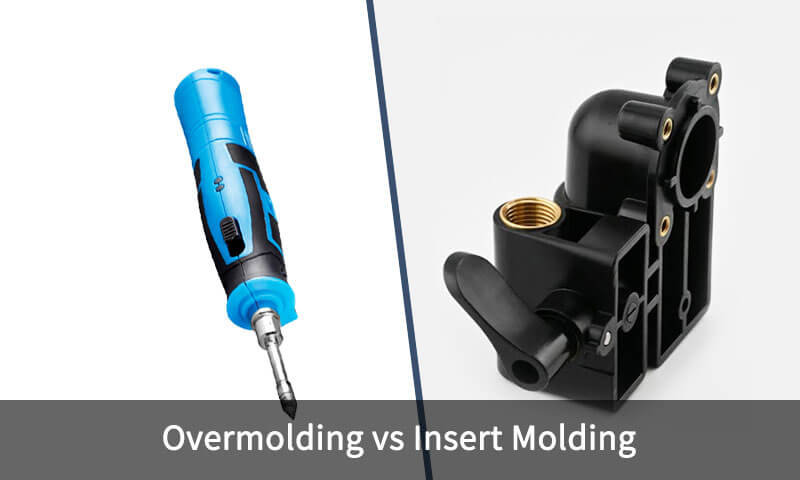
Dette har drevet den udbredte anvendelse af multi-materiale fremstillingsprocesser. Blandt disse, overstøbning og indsatsstøbning er to af de vigtigste og hyppigst sammenlignede teknikker.
Selvom de to udtryk nogle gange bruges i flæng, de beskriver forskellige fremstillingsmetoder og løser forskellige tekniske problemer.
Overstøbning involverer generelt støbning af et andet materiale over et eksisterende substrat for at skabe en multimaterialekomponent.
Indsæt støbning, derimod, placerer en præformet indsats - ofte metal - inde i en sprøjtestøbeform og indkapsler eller omgiver den delvist med plastik.
Denne artikel giver en omfattende, side-by-side sammenligning af overstøbning og indsatsstøbning.
1. Hvad er overstøbning?
Overmolding er en sprøjtestøbningsproces, hvor et materiale støbes over et eksisterende substrat eller tidligere støbt komponent for at skabe en integreret del af flere materialer.
Den første komponent omtales almindeligvis som substrat, mens materialet påført under den sekundære støbeoperation er overstøbt materiale.
Afhængig af produktdesign, substratet kan være en stiv termoplast, elastomer, metal komponent, eller en anden passende præformet del.
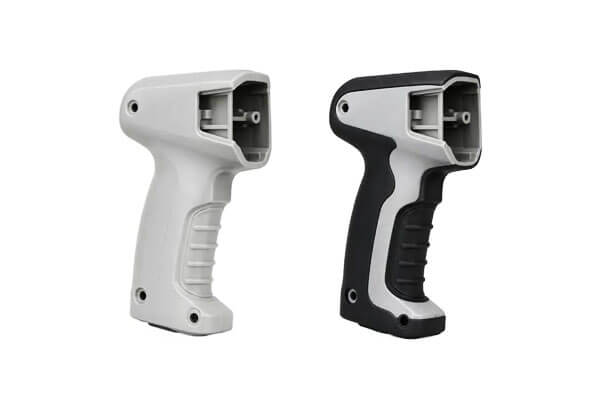
En typisk overstøbt komponent kan kombinere et stift strukturelt materiale med et blødere materiale.
For eksempel, et stift ABS-hus kan modtage en TPE-overstøbning for at give et behageligt greb, forbedre tætningen, eller skabe en beskyttende udvendig overflade.
Målet er ikke blot at placere et materiale oven på et andet. Grænsefladen mellem de to materialer skal give tilstrækkelig vedhæftning, mekanisk tilbageholdelse, eller en kombination af begge for at modstå produktets forventede mekaniske, Termisk, kemisk, og miljøforhold.
Sådan fungerer overstøbning
Overstøbningsprocessen begynder generelt med fremstilling af substratet.
Dette kan involvere en separat sprøjtestøbeoperation, bearbejdningsproces, stemplingsoperation, Die casting -proces, eller en anden fremstillingsmetode.
Efter at underlaget er inspiceret, den er placeret inde i en anden form. Formen er designet til at blotlægge de områder, der skal modtage overstøbningsmaterialet, mens den nøjagtigt lokaliserer og understøtter underlaget.
Det sekundære materiale opvarmes derefter til den passende forarbejdningstemperatur og sprøjtes ind i formhulrummet.
Det flyder rundt om de udpegede substratoverflader og danner den nødvendige ydre geometri.
Efter påfyldning og pakning, materialet afkøles og størkner, før den færdige komponent udstødes.
En typisk arbejdsgang er:
Underlagsproduktion → substratinspektion → formpåfyldning → positionering → sekundær materialeinjektion → pakning → køling → udstødning → inspektion
Kvaliteten af det endelige produkt afhænger i høj grad af interfacedesign. Hvis kemisk vedhæftning er påkrævet, substratet og overstøbningsmaterialet skal have tilstrækkelig kompatibilitet.
Hvis mekanisk tilbageholdelse er den primære mekanisme, underlaget kan kræve riller, ribben, huller, underskærder, eller andre funktioner, der tillader det andet materiale at låse på plads.
Overfladeforurening er en anden vigtig overvejelse. Olie, støv, frigivelsesmidler, oxidation, fugtighed, eller andre forurenende stoffer kan interferere med vedhæftning og føre til delaminering eller for tidlig adskillelse.
Almindelige overstøbningsmaterialer
Overstøbning kan bruge en bred vifte af termoplastiske og elastomere materialer, men ikke alle materialekombinationer er i sagens natur kompatible.
Materialevalg bør tage hensyn til smeltetemperatur, Kemisk kompatibilitet, Krympning, Koefficient for termisk ekspansion, hårdhed, fleksibilitet, overflade egenskaber, og forventede serviceforhold.
Almindelige kombinationer omfatter:
| Substratmateriale | Overform materiale | Typisk formål |
| Abs | TPE | Soft-touch huse og greb |
| Pc | TPE | Slagfaste produkter med ergonomiske overflader |
| Nylon | TPE/TPU | Industrielle greb og fleksible grænseflader |
| Pp | TPE | Forbrugerprodukter og sæler |
| PC/ABS | Tpu | Beskyttende og ergonomiske overflader |
| Stiv termoplast | LSR | Tætning og specialiserede fleksible komponenter |
Typiske overstøbningsapplikationer
Overstøbning er især nyttig, når produktet skal kombinere strukturel ydeevne med blødhed, fleksibilitet, forsegling, isolering, eller forbedret ergonomi.
Overstøbning bruges almindeligvis til:
- Håndværktøjsgreb
- Automotive kontakter og kontroller
- Huse til forbrugerelektronik
- Komponenter til medicinsk udstyr
- Bærbare enheder
- Kabel- og ledningsbeskyttelse
- Forsegling af komponenter
- Håndtag og ergonomiske interfaces
- Beskyttende betræk
- Industrielt udstyr kontrol
2. Hvad er Insert Molding?
Indsæt støbning er en sprøjtestøbningsproces, hvor en præformet komponent, kendt som en indsæt, er placeret inde i en sprøjtestøbeform og derefter delvist eller fuldstændigt indkapslet af smeltet plast.
Indsatsen er ofte lavet af metal, selvom plastik, keramisk, elektronisk, og andre præformede komponenter kan også anvendes.
I modsætning til konventionel enkeltmateriale sprøjtestøbning, indsatsstøbning kombinerer en uafhængigt fremstillet komponent med indsprøjtet plast under én støbeoperation.
Plasten størkner omkring indsatsen, producerer en integreret del, der kan eliminere efterfølgende montageoperationer.
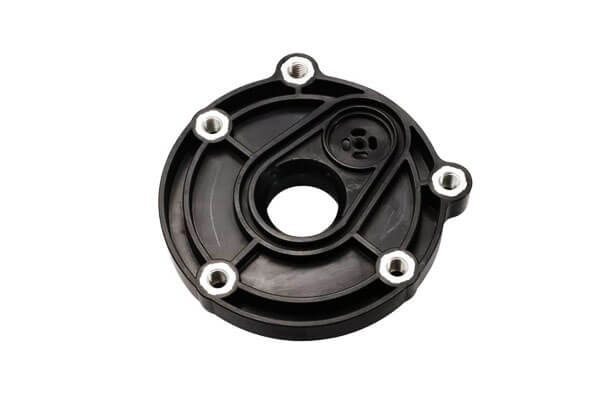
For eksempel, en messing gevindindsats kan placeres inde i en form og omgivet af nylon.
Efter støbning, den resulterende komponent indeholder en permanent metalgrænseflade uden at kræve, at gevindindsatsen skal installeres efterfølgende.
Sådan fungerer indsatsstøbning
Indsatsstøbning begynder med fremstilling og inspektion af indsatsen. Dimensionsnøjagtighed er særlig vigtig, fordi indsatsen skal passe korrekt i formen og bevare sin specificerede position under hele injektionen.
Indsatsen anbringes derefter manuelt i formen, semi-automatisk, eller gennem et automatiseret læssesystem.
Dedikerede armaturer, stifter, hulrum, eller fastholdelsesfunktioner kan bruges til at forhindre bevægelse.
Når formen lukker, smeltet plast sprøjtes ind rundt om indsatsen. Indsprøjtningstrykket kan være betydeligt, så formen skal give tilstrækkelig støtte til at forhindre indsatsen i at flytte sig, deformerende, eller bliver forkert justeret.
Plasten afkøles derefter og størkner omkring indsatsen. Efter udkast, den færdige komponent inspiceres for dimensionsnøjagtighed, indsætte position, blitz, hulrum, revner, og andre defekter.
Den grundlæggende rækkefølge er:
Indsatsfremstilling → indsatsinspektion → indsatspåfyldning → positionering og fastholdelse → formlukning → plastindsprøjtning → køling → udkastning → inspektion
Til fremstilling af store mængder, automatiseret skærpåfyldning kan integreres i støbecellen. Dette kan forbedre cykluskonsistensen og samtidig reducere manuel håndtering.
Almindelige indsatsmaterialer
Metal er det mest anerkendte indsatsmateriale, fordi det giver egenskaber, som plast generelt ikke kan reproducere, såsom høj elektrisk ledningsevne, tråd holdbarhed, Stivhed, slidstyrke, eller lokaliseret mekanisk styrke.
Almindelige indsatsmaterialer inkluderer:
- Messing
- Rustfrit stål
- Kulstofstål
- Aluminium
- Kobber og kobberlegeringer
- Teknisk plast
- Keramik
- Elektroniske komponenter
Typiske indsatsstøbningsapplikationer
Indstiksstøbning bruges almindeligvis, når et produkt kræver, at en metal eller en anden præformet komponent permanent integreres i et plastlegeme.
Typiske applikationer inkluderer:
- Trådede chefer
- Elektriske stik
- Bilterminaler
- Sensorhus
- Skift komponenter
- Medicinske instrumenter
- Strukturelle forstærkningskomponenter
- Kabelstik
- Elektroniske samlinger
- Præcisionsmekaniske komponenter
3. Overstøbning vs Insert Molding: Hvad er forskellen?
Selvom begge teknologier integrerer flere materialer eller komponenter, deres fremstillingslogik er anderledes.
Den enkleste skelnen er:
Overstøbning tilføjer et nyt materiale over et eksisterende underlag, mens indsatsstøbning indkapsler eller omgiver en præformet indsats med sprøjtestøbt plast.
Imidlertid, terminologien kan overlappe hinanden. I nogle produktionssammenhænge, indsatsstøbning kan diskuteres som en bredere form for overstøbning, fordi begge involverer støbning af materiale omkring en allerede eksisterende komponent.
Til ingeniørkommunikation, imidlertid, det er nyttigt at skelne dem ud fra rollen som den allerede eksisterende komponent.
Sammenligning af overstøbning vs indsatsstøbning
| Faktor | Overmolding | Indsæt støbning |
| Primært formål | Kombiner forskellige materialeegenskaber | Integrer en præformet indsats i plastik |
| Eksisterende komponent | Underlag | Indsæt |
| Fælles underlag/indsats | Plast, elastomer, metal | Metal, plast, keramisk, elektronisk komponent |
| Typisk kombination | Stiv plastik + elastomer | Plast + metal |
| Hovedgrænseflademekanisme | Adhæsion, mekanisk sammenlåsning, eller begge dele | Indkapsling, mekanisk tilbageholdelse, vedhæftning i nogle tilfælde |
| Nøgledesignspørgsmål | Materiel kompatibilitet | Indsæt positionering og fastholdelse |
| Typisk anvendelse | Blødt greb | Metalindsats med gevind |
| Overfladefunktion | Greb, forsegle, pude, beskyttelse | Elektrisk, mekanisk, Strukturel, fastgørelse |
| Automatisering | Meget automatiseret | Meget automatiseret, men skærbelastning er kritisk |
| Stor risiko | Delaminering eller dårlig binding | Indsæt bevægelse eller forskydning |
4. Overstøbning vs Insert Molding: Designovervejelser
Designkravene til overstøbning og indsatsstøbning adskiller sig primært, fordi de to processer håndterer forskellige grænseflader.
Overstøbning fokuserer på at skabe en pålidelig grænseflade mellem underlaget og det overstøbte materiale, mens indsatsstøbning fokuserer på præcis placering og sikker indkapsling af en præformet indsats.
| Designhensyn | Overmolding | Indsæt støbning |
| Materiel kompatibilitet | Vælg kompatible underlag og overstøbningsmaterialer baseret på vedhæftning, smeltetemperatur, Krympning, hårdhed, og termisk ekspansion. | Sørg for, at indsatsen kan modstå støbetemperatur og tryk uden deformation eller dimensionel ustabilitet. |
| Geometri & Vægtykkelse | Oprethold ensartet overformtykkelse og sørg for tilstrækkeligt limningsareal. Undgå pludselige tykkelsesændringer, der kan forårsage krympning, Warpage, eller svag binding. | Sørg for tilstrækkelig plastiktykkelse omkring indsatsen for styrke og brug riller, grynter, huller, eller skuldre, når yderligere fastholdelse er påkrævet. |
| Binding & Tilbageholdelse | Design grænsefladen til kemisk vedhæftning, mekanisk sammenlåsning, eller begge dele, afhængig af materialekompatibilitet. | Design mekaniske tilbageholdelses- og indkapslingsfunktioner for at modstå udtrækning og rotation. |
| Port & Materiale flow | Placer porte for at opnå afbalanceret fyldning og minimere svejselinjer, luftindfangning, og overdreven stress ved grænsefladen. | Kontroller materialestrømmen omhyggeligt for at forhindre indsatsforskydning, ufuldstændig indkapsling, eller for stort tryk på indsatsen. |
Indsæt / Underlagspositionering |
Underlaget skal placeres nøjagtigt og holdes sikkert under injektionen. | Præcis skærplacering er kritisk; lokaliseringsstifter, Lommer, inventar, eller automatiseret placering kan være påkrævet. |
| Krympning & Termisk ekspansion | Overvej forskelle i krympning og termisk ekspansion mellem substratet og overformen for at forhindre skævhed, Reststress, og delaminering. | Overvej termiske ekspansionsforskelle mellem indsatsen og polymeren, især i metal-til-plast applikationer, for at forhindre dimensionsvariationer og indre belastninger. |
| Udkast & Ejekter | Sørg for tilstrækkelig træk og korrekt placerede ejektorer for at frigøre delen uden at beskadige overstøbningen eller grænsefladen. | Design træk og udkast omhyggeligt for at forhindre indsatsbevægelser, deformation, eller løsne sig under udtagning af formen. |
Tolerancer |
Tag højde for substratdimensioner, overformens tykkelse, Materiel krympning, og mulig grænsefladebevægelse. | Tag højde for indsatsmål, positioneringsnøjagtighed, polymersvind, og endelig indsættelsesplacering. |
| DFM & Skimmelsvamp flow | Evaluer bindingsområdet, materiale flow, vægtykkelse, portens placering, og differentiel krympning før værktøj. | Evaluer indsatsfastholdelse, placering, polymer flow, Termisk opførsel, og potentiel skærforskydning før værktøj. |
| Kvalitetskontrol | Fokus på bindingsstyrke, overformens tykkelse, blitz, delaminering, Warpage, og dimensionel nøjagtighed. | Fokus på indsatsposition, fastholdelsesstyrke, indkapsling, blitz, hulrum, og dimensionel nøjagtighed. |
5. Tilpasset overstøbning og indsatsstøbning fra LangHe Industry
Langhe industri leverer skræddersyede sprøjtestøbningsløsninger til applikationer, der kræver overstøbning, indstiksstøbning, og andre integrerede støbeteknologier.
Vores produktionstilgang kan understøtte projekter fra indledende produktudvikling og værktøj til produktion og kvalitetsinspektion.
| Evne | Detaljer |
| Overstøbningstyper | To-skud (2K) Overmolding, pick-and-place overstøbning. |
| Indsæt støbning | Metal indsatser (messing, stål, kobber), Keramiske indsatser, elektroniske indsatser (PCBS, sensorer). |
| Materialer (Underlag) | Abs, Pc, Nylon (Pa6, PA66), Pp, PBT. |
| Materialer (Overform) | TPE, Tpu, LSR, moms, silikone. |
| Værktøj | In-house værktøjsdesign og fremstilling. |
| Kvalitet | ISO 9001:2015 certificeret; 100% inspektion. |
| Ledetid | 2–4 uger for prototyper; 4–8 uger til produktionsværktøj. |
6. Konklusion
Overstøbning vs indsatsstøbning er ikke et spørgsmål om at afgøre, hvilken proces der er universelt bedre. Begge er yderst effektive sprøjtestøbningsteknologier, men de adresserer forskellige produktudviklingskrav.
Overstøbning er primært velegnet til produkter, der skal kombinere forskellige materialeegenskaber i én integreret komponent.
Det er især værdifuldt til bløde overflader, ergonomiske greb, fleksible tætninger, dæmpning, isolering, og beskyttende lag.
Dens succes afhænger i høj grad af materialekompatibilitet, interface design, adhæsion, mekanisk sammenlåsning, og differentiel svindkontrol.
Indsæt støbning, I modsætning hertil, er især effektiv, når en præformet komponent - ofte en metalindsats - skal integreres permanent i en plastikstruktur.
Det er bredt velegnet til gevindgrænseflader, Elektriske terminaler, forstærkningskomponenter, sensorer, stik, og andre applikationer, hvor plastik og andet materiale udfører komplementære funktioner.
I sidste ende, procesvalg bør baseres på hele produktionssystemet, herunder materiel adfærd, produktgeometri, Værktøj, bindings- eller fastholdelsesstrategi, Produktionsvolumen, automatisering, inspektion, og livscyklusomkostninger.
FAQS
Hvad er forskellen mellem indsatsstøbning og toskudsstøbning?
Indstiksstøbning bruger en præformet indsats der placeres i formen før plastinjektion.
To-skudsstøbning producerer typisk to materialer sekventielt ved hjælp af specialiseret værktøj og flere sprøjtetrin, ofte uden manuelt at indlæse et separat fremstillet substrat mellem optagelserne.
Hvilken proces er hurtigere: overstøbning eller indstiksstøbning?
Indsatsstøbning er generelt hurtigere, fordi den bruger et enkelt sprøjteskud. Overstøbning kræver to skud eller en flertrinsproces.
Hvilken proces har lavere værktøjsomkostninger?
Indsatsstøbning har lavere værktøjsomkostninger, fordi det kun kræver et enkelt formhulrum. Overstøbning kræver to separate forme eller en kompleks to-shot form.
Hvornår skal jeg bruge overstøbning?
Brug overstøbning, når du har brug for bløde greb, vandtæt forsegling, Vibrationsdæmpning, eller forbedret æstetik.
Hvornår skal jeg bruge indsatsstøbning?
Brug indsatsstøbning, når du har brug for højstyrke gevindforbindelser, Elektrisk ledningsevne, eller strukturel forstærkning i plastdele.
Kan overstøbning og indstiksstøbning bruges sammen?
Ja. Nogle komplekse dele kombinerer begge processer - f.eks, en indsatsstøbt metaltråd med et overstøbt soft-touch greb på samme komponent.
Er indsatsstøbning en form for overstøbning?
Terminologien kan overlappe hinanden, fordi begge processer støber materiale omkring en allerede eksisterende komponent.
Imidlertid, i praktisk fremstillingsterminologi, Overmolding lægger normalt vægt på at tilføje endnu et materialelag eller materialesystem, mens indstiksstøbning understreger specifikt at indlejre en præformet indsats i den støbte komponent.
Kan metal bruges i overstøbning?
Ja. Metalsubstrater kan overstøbes med passende plast eller elastomerer.
Imidlertid, processen skal tage højde for overfladebehandling, Termisk ekspansion, adhæsion, mekanisk tilbageholdelse, og differentielt svind.

