Komerčně čistý titan 1 (Třída CP-Ti 1) je nejměkčí a nejtažnější ze standardních komerčně čistých jakostí titanu.
Jeho nízká hladina intersticiálních nečistot mu dává vynikající odolnost proti korozi, Vynikající formovatelnost a svařovatelnost, a vysokou biologickou inertností.
Stupeň 1 se volí tam, kde je odolnost proti korozi, Vlastnost, a biokompatibilita jsou primárními hnacími silami návrhu a tam, kde není vyžadována vysoká strukturální pevnost.
1. Co je to titan CP-Ti Grade 1?
Třída CP-Ti 1 (Komerčně čistý titan — jakost 1) je nejměkčí, nejtažnější a nejméně intersticiální varianta tvářeného komerčně čistého titanu.
Je v podstatě nelegovaný titan s přísnými limity intersticiálních prvků (kyslík, dusík, uhlík, vodík a drobné nečistoty).
Materiál je optimalizován pro Maximální odolnost proti korozi, tvarovatelnost a biologická inertnost spíše než pro vysokou pevnost.
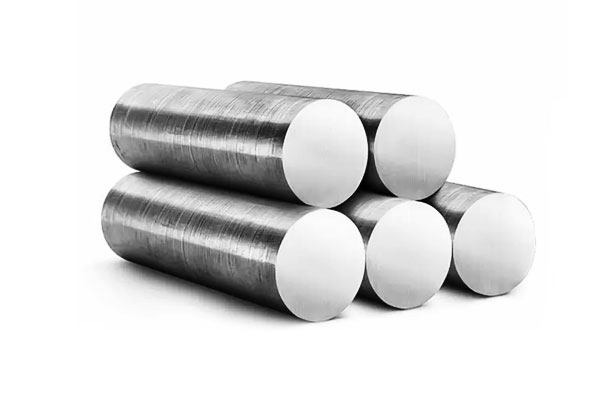
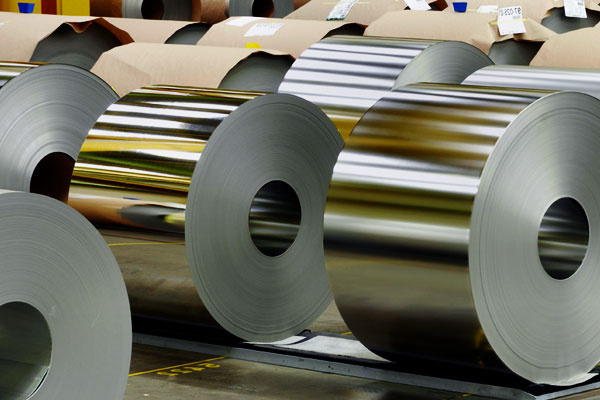
Stupeň 1 dodává se jako list, talíř, bar, trubice, drátu a tvarovaných součástí a je široce používán v korozivním prostředí, námořní služba, lékařské přístroje a tam, kde je vyžadováno hluboké tažení nebo složité tvarování.
Globální standardní ekvivalenty — CP-Ti Grade 1
| Standardní systém | Označení / kód | Typické jméno(s) používané v průmyslu |
| NÁS (USA) | R50250 | 50250 amerických dolarů |
| ASTM / ASME (USA) | ASTM B265 (Stupeň 1) / ASME SB-265; ASTM F67 (specifikace chirurgického implantátu pokrývá stupně 1–4) | Třída CP-Ti 1, ASTM GRADE 1 |
| Z / V (Evropa / Německo) | Materiál č. 3.7025 / Gr 1 | 3.7025, You-Build 1 |
| GB / GB-T (Čína) | TA1 (pro řadu GB/T 3620.x) | TA1 |
| Je (Japonsko) | TP270 / TR270 (Rodina JIS H4600) | Třída JIS 1 / TP270 |
| DIN W-č. / Materiál č. | 3.7025 | Ti1 / You-Build 1 |
| Společný obchod / jména prodejců | - | Třída CP-Ti 1, Ti-1, Gr 1, Ti1, TA1, TP270 |
2. Chemické složení a úloha intersticiálních látek
- Základní chemie: Stupeň 1 se skládá z >99% hmotnost titanu. Zbývající frakce se skládá z pečlivě omezeného množství kyslíku, dusík, uhlík, vodík a železo.
- Vlastnosti kontroly vsunutých reklam: Kyslík a dusík obsazují intersticiální místa v šestiúhelníkovém těsném shluku (hcp) α-titanová mřížka.
Malé zvýšení těchto intersticiálních částic vede k měřitelnému zvýšení kluzu a pevnosti v tahu (intersticiální zpevnění) při současném snížení tažnosti, lomová houževnatost a tvarovatelnost.
Tento kompromis je ústřední: Stupeň 1 je specifikován s nejnižším přípustným obsahem intersticiálních otvorů pro maximalizaci tažnosti a houževnatosti. - Drobné nečistoty: Uhlík a vodík podobně ovlivňují křehkost a musí být omezeny; železo v nízkých koncentracích je tolerováno, ale vyšší Fe může ovlivnit korozní chování a růst zrn během zpracování.
- Praktická implikace: Při objednávce Grade 1, konstruktéři by měli potvrdit přesné limity složení požadované pro aplikaci, protože i malé změny kyslíku nebo dusíku změní tvarování a mechanickou výkonnost.
3. Fyzikální & Mechanické vlastnosti třídy CP-Ti 1
| Vlastnictví | Typická hodnota (žíhané, zástupce) | Jednotky | Poznámky / závislost |
| Hustota | 4.50 | G · CM⁻³ | Jmenovitá objemová hmotnost pro třídu CP-Ti 1 — užitečné pro výpočty hmotnosti/hmotnosti. |
| Youngův modul (Modul pružnosti, E) | 105 | GPA | Relativně nízká ve srovnání s ocelí; ovlivňuje výchylku a vlastní frekvenci. Málo ovlivněný prací za studena. |
| Poissonův poměr | 0.34 | - | Typická izotropní aproximace pro návrh. |
Pevnost v tahu (UTS) |
240 - 350 | MPA | Silně závislé na formě produktu (list, bar, trubice) a předchozí práce za studena; vyšší při zpracování za studena. |
| Výnosová síla (0.2% offset) | 170 - 275 | MPA | Typické hodnoty žíhání blízko spodního konce; zvyšuje se při práci za studena. Při objednávce uveďte formu/stav. |
| Prodloužení při lomu (A%) | 20 - 35 | % | Vysoká tažnost v žíhaném plechu/desce; hodnoty klesají se zvyšujícím se obsahem kyslíku nebo prací za studena. |
| Tvrdost podle Vickerse (Hv) | ~80 – 160 | Hv | Relativně nízká tvrdost mezi titanovými výrobky; se liší podle práce za studena a stavu povrchu. |
Tvrdost podle Brinella (cca.) |
~70 – 150 | HB | Přibližný; v případě potřeby převést z HV — tvrdost použijte pouze jako srovnávací ukazatel. |
| Smykový modul (G) | ~ 40 | GPA | Užitečné pro výpočty kroucení a smyku (G ≈ E / (2(1+n))). |
| Tepelná vodivost | ~ 22 | W·m⁻¹·K⁻¹ | Nízké ve srovnání s běžnými konstrukčními kovy – důležité je tepelné řízení řezání a svařování. |
| Součinitel tepelné roztažnosti (20–100 ° C.) | ~8.6 | um·m⁻1·K⁻1 | Ovlivňuje změny rozměrů s teplotou a bimetalickým napětím. |
Měrná tepelná kapacita |
~ 520 | J·kg⁻¹·K⁻¹ | Relevantní pro výpočty tepelné hmotnosti a vytápění. |
| Bod tání | 1668 | ° C. | Solidus/teplota taveniny (cca.). |
| Elektrický odpor (na 20 ° C.) | ~420 | nΩ·m (0.42 µΩ · m) | Relativně vysoký odpor; důležité pro elektrické/EM konstrukční úvahy. |
| Únava (orientační) | ~80 – 140 | MPA | Velmi závislé na povrchové úpravě, zbytkové napětí, a případ alfa; používat pro kritické návrhy testování specifické pro aplikaci. |
Touhavost zlomenin (K_ic, orientační) |
Mírné až vysoké (dobrá houževnatost) | MPA · √m | Třída CP-Ti 1 obecně vykazuje dobrou houževnatost v žíhaném stavu; hodnoty se liší podle tloušťky a obsahu kyslíku. |
| Korozní chování | Vynikající (pasivní film TiO₂) | kvalitativní | Vynikající odolnost v oxidačních a mnoha chloridových prostředích; test na agresivní redukční chemie. |
| Magnetická permeabilita | ≈1,003 – 1.01 | - | V zásadě nemagnetické – užitečné tam, kde je potřeba nízký magnetický podpis. |
4. Mikrostruktura a metalurgie – proč se CP-Ti chová tak, jak se chová
- Jednofázová struktura α při pokojové teplotě: Nelegovaný titan za okolních podmínek existuje v α (hcp) Krystalová struktura. Bez β-stabilizujících legujících prvků, Stupeň 1 zůstává α při provozních teplotách relevantních pro většinu aplikací.
- Pevnostní mechanismy: Protože zde nejsou žádné přísady zpevňujících slitin, Síla 1. stupně se odvozuje od odporu mřížky (vnitřní), dislokační hustota (z práce za studena), velikost zrna a intersticiální obsah.
Práce za studena zvyšuje hustotu dislokací a tím i pevnost v kluzu/tahu; žíhací cykly snižují hustotu dislokací a obnovují tažnost. - Povrchový oxid: Titan vyvíjí tenký, Adherentní oxidová vrstva (Tio₂) spontánně ve vzduchu. Tato pasivní fólie je hlavním faktorem odolnosti proti korozi.
Tloušťka a stechiometrie oxidu jsou ovlivněny povrchovou úpravou a tepelnou expozicí během zpracování. - Citlivost zpracování: Kov je citlivý na kontaminaci během vysokoteplotního zpracování – nasávání kyslíku a dusíku při zvýšených teplotách vytváří křehké povrchové vrstvy ("alfa případ"), které snižují houževnatost a únavové vlastnosti, pokud nejsou odstraněny.
5. Odolnost proti korozi a biokompatibilita
- Pasivní ochrana: Odolnost proti korozi 1. stupně vychází z rychlého vytvoření stáje, samoopravný pasivní film TiO₂.
Tento film je chemicky stabilní v oxidačních médiích a mnoha prostředích obsahujících chloridy, poskytuje vynikající odolnost v mořské vodě, mnoho procesních chemikálií a atmosférických expozic. - Omezení: Za určitých agresivních redukčních podmínek (NAPŘ., některé koncentrované kyseliny nebo prostředí snižující vysokou teplotu), může dojít k lokalizované korozi nebo zrychlenému napadení.
Mechanická abraze, která odstraňuje pasivní film, může vést k přechodné korozi, dokud nedojde k repasivaci. - Biokompatibilita: Chemicky inertní povrchový oxid, nízké uvolňování iontů a nepřítomnost záměrných toxických legujících prvků činí Grade 1 vysoce biokompatibilní.
Je vhodný pro mnoho dlouhodobých aplikací v kontaktu s tkání, včetně některých implantátů a chirurgických nástrojů, za předpokladu, že jsou splněny mechanické požadavky. - Pokyny pro návrh: Pro kritické scénáře koroze, provádět korozní zkoušky specifické pro aplikaci (vystavení, štěrbina, galvanické párování) než spoléhat pouze na obecná prohlášení o „vynikající odolnosti proti korozi“.
6. Výroba: formování, obrábění, a úvahy o svařování
Formování
- Formování chladu: Stupeň 1 je vysoce tvarovatelný – hluboké tažení, ohýbání, zvlákňování a další operace tváření za studena jsou ve srovnání s titany s vyšší pevností jednoduché.
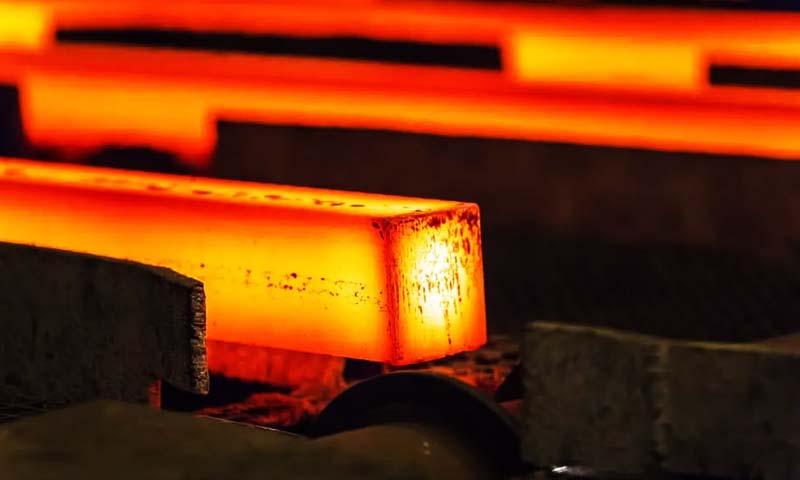
Při návrhu nástroje je třeba vzít v úvahu odpružení a anizotropii. - Horké formování: Provádí se nad teplotou okolí, ale pod teplotou, při které je příjem kyslíku/dusíku významný, nebo v řízené atmosféře (inertní plyn, vakuum).
Práce za tepla může snížit tvářecí zatížení, ale vyžaduje přísnou kontrolu atmosféry, aby se zabránilo zkřehnutí povrchu. - Nástroje: Používejte leštěné raznice a nástroje odolné proti korozi, abyste zabránili kontaminaci; mazání a konstrukce matrice jsou důležité pro minimalizaci zadření.
Obrábění
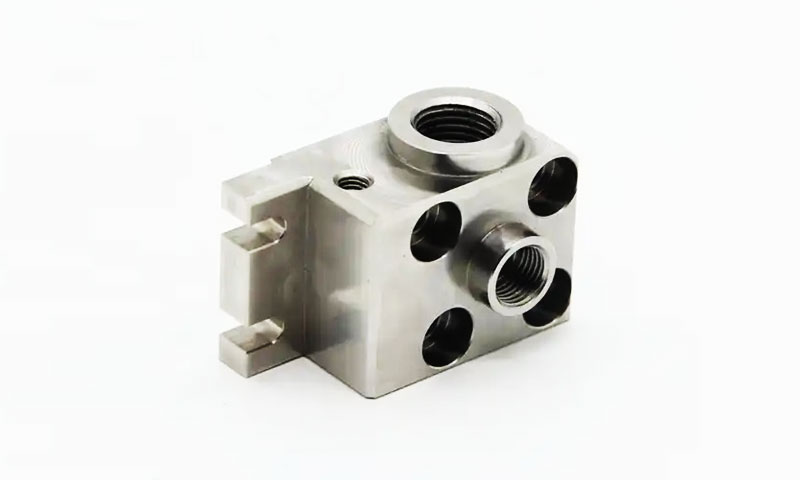
- Chování při řezání: Navzdory své relativní měkkosti, titan je obtížnější obrábět než mnoho ocelí kvůli špatné tepelné vodivosti (teplo se koncentruje na rozhraní nástroj-čip) a sklon k pracovnímu otužování.
Čipy mohou být dlouhé a gumovité, pokud nejsou použity správné parametry. - Doporučený přístup: Použijte pevná nastavení, ostré nástroje, kontrolovaná krmiva, a střední otáčky vřetena. Zdůrazněte odvod třísek a řízení životnosti nástroje.
Strategie chladicích kapalin a řezných kapalin by měla být zvolena tak, aby se zabránilo nasávání vodíku nebo jeho kontaminaci.
Svařování a spojování
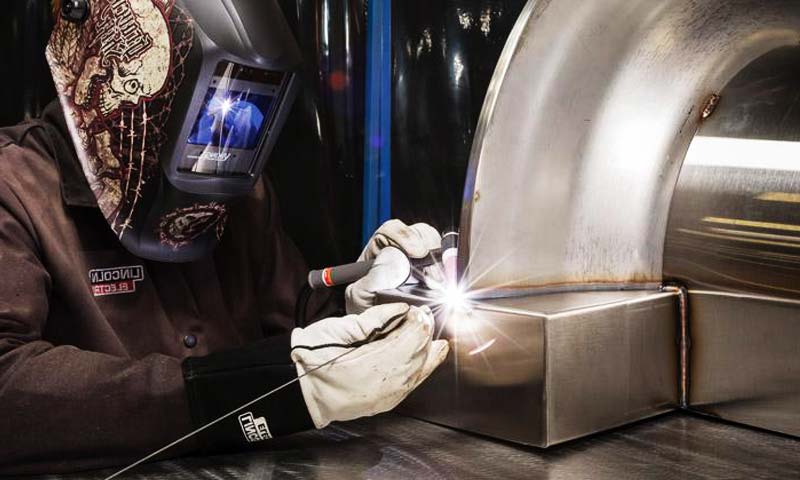
- Svařovatelnost: Stupeň 1 snadno svaří běžnými tavnými procesy (TIG/GTAW, plazma) protože je nelegovaný a netvoří křehké intermetalické látky.
Spojení v pevné fázi (třením hýbat, elektronový paprsek) je také proveditelné tam, kde to geometrie a náklady umožňují. - Stínění: Oblasti svařování chraňte inertním plynem (Argon) před- a post-flow, aby se zabránilo kontaminaci atmosféry. Vyvarujte se vystavení horkého titanu vzduchu a vlhkosti.
- Zóna postižená teplem (HAZ): Sběr kyslíku/dusíku v HAZ zkřehne oblast, pokud je stínění nedostatečné.
U kritických dílů se doporučuje čištění po svařování k odstranění povrchových oxidů a kontaminace. - Mechanická úprava: Spodní strany svarů a housenky mohou vyžadovat broušení nebo opracování; používejte vhodná brusiva a vyhněte se kontaminaci během dokončování.
7. Tepelné zpracování, povrchové ošetření, a možnosti dokončení
- Tepelné zpracování: Stupeň 1 není tepelně zpracovatelný ve smyslu zpevnění slitiny, protože postrádá legující prvky pro zpevnění fázovou transformací.
Tepelné cykly se používají pouze pro odlehčení pnutí nebo pro obnovení tažnosti po tváření za studena. - Povrchové čištění a pasivace: Typické čištění (kyselé moření, alkalické čištění) a řízená oxidační úprava se používá k odstranění kontaminantů a obnovení čistého pasivního filmu.
Eloxování lze použít k přizpůsobení tloušťky a vzhledu oxidu. - Nátěry a ošetření opotřebení: Pro aplikace vyžadující zvýšenou odolnost proti opotřebení, povlaky (keramický, tvrdé PVD/DLC, tepelný sprej) nebo jsou aplikovány povrchové úpravy,
uznává, že podkladový oxid a substrát musí být správně připraveny pro přilnavost. - Integrita povrchu: Vyhněte se zpracovatelským cestám, které vytvářejí zkřehlý „alfa případ“.
Kde se tvoří případ alfa (z vysokoteplotní expozice kyslíku), může být nutné odstranění mechanickými nebo chemickými prostředky.
8. Typické aplikace třídy CP-Ti 1
- Chemické zpracovatelské zařízení: Výměníky tepla, potrubí, a armatury vystavené korozi, oxidační média, kde záleží na dlouhé životnosti a nízké údržbě.
- Marine a systémy mořské vody: Hřídele čerpadla, součásti odsolovacího zařízení, a potrubí s mořskou vodou těží z odolnosti stupně 1 vůči biologickému znečištění a korozi v chloridových prostředích.
- Lékařská zařízení a vybavení: Chirurgické nástroje, nenosné implantáty a komponenty, které vyžadují inertnost a biokompatibilitu.
- Architektonické a spotřebitelské využití: Vnější architektonické prvky, spojovací prvky a dekorativní prvky, kde je důležitá odolnost proti korozi a vzhled.
- Elektronika a speciální díly: Komponenty, kde je výhodná nízká magnetická permeabilita a korozní stabilita.
- Poznámky k návrhu: V konstrukčních aplikacích, kde je zatížení významné, Stupeň 1 je obecně nahrazen vyššími třídami CP nebo legovaným titanem, aby se zmenšila velikost průřezu.
Stupeň 1 je upřednostňován při složitosti tvarování a odolnosti proti korozi převažují nad požadavky na mechanickou pevnost.
9. Výhody & Omezení
Výhody třídy CP-Ti 1
- Nejvyšší tvárnost a tažnost mezi komerčními druhy titanu.
- Vynikající svařitelnost a stabilita výroby.
- Vynikající vlastní odolnost proti korozi.
- Vynikající biokompatibilita (netoxický, nemagnetický).
- Nízká hustota, lehký, a vysoká rozměrová stabilita.
- Stabilní výkon při kryogenních a mírných teplotách.
Omezení třídy CP-Ti 1
- Nízká mechanická pevnost; nevhodné pro vysoce zatěžované konstrukční díly.
- Netvrditelné tepelným zpracováním (pouze pracovní kalení).
- Omezené použití v silně redukčních kyselinách bez modifikace slitiny (NAPŘ., Stupeň 7 s Pd).
- Vyšší materiálové náklady než uhlíková ocel a nerezová ocel.
10. Srovnání s CP-Ti třídy 2–4
Níže je zaměřeno, srovnání inženýrské úrovně, které zdůrazňuje, jak Grade 1 se liší od 2.–4. třídy v chemii, Mechanický výkon, výrobní chování a typické aplikace.
Uvedené údaje jsou zástupce (žíhané/tepané podmínky) a jsou určeny pro poradenství při výběru materiálu – vždy si zkontrolujte dodavatele / spec certifikáty pro garantované hodnoty.
| Atribut | Stupeň 1 (50250 amerických dolarů) | Stupeň 2 (50 400 USD) | Stupeň 3 (US R50550) | Stupeň 4 (50700 amerických dolarů) |
| Max Fe (WT%) | 0.20 | 0.30 | 0.30 | 0.50 |
| Max C (WT%) | 0.08 | 0.08 | 0.08 | 0.08 |
| Max N (WT%) | 0.03 | 0.03 | 0.05 | 0.05 |
| Max O (WT%) | 0.18 | 0.25 | 0.35 | 0.40 |
| Max H (WT%) | 0.015 | 0.015 | 0.015 | 0.015 |
| Typický výnos (Ys, žíhané) | ≈ ≥200 MPa | ≈ ≥270 MPa | ≈ ≥350 MPa | ≈ ≥410 MPa |
| Typický UTS (rozsah, žíhané) | ≈ 290–410 MPa | ≈ 390–540 MPa | ≈ 460–590 MPa | ≈ 540–740 MPa |
| Typické prodloužení (A, žíhané) | ≈ 30% | ≈ 22% | ≈ 18% | ≈ 16% |
Primární inženýrský kompromis |
Maximální tažnost / Formovatelnost, nejlepší pasivní korozní chování | Vyvážená tažnost + vyšší síla; nejpoužívanější třída CP | Vyšší pevnost pro více strukturální použití při zachování odolnosti proti korozi | Nejvyšší pevnost mezi třídami CP (deformovatelný); snížená tvarovatelnost |
| Běžná použití | Hluboký kresba, chemické složky/složky mořské vody, některé lékařské části | Obecné procesní zařízení, hadice, konstrukční prvky s mírným zatížením | Komponenty vyžadující vyšší dovolené namáhání, těžší procesní díly | Tam, kde je potřeba vyšší pevnost CP titanu (pnutím zpevněné spojovací prvky, hřídele, těžší díly) |
11. Závěr
Titan třídy CP-Ti 1 představuje nejčistší a nejtvarovatelnější forma komerčně čistého titanu.
Jeho definujícími vlastnostmi je velmi nízký obsah intersticií, jednofázová α mikrostruktura, a stáj, samoopravný oxidový film – dodává mu výjimečnou odolnost proti korozi, vynikající tažnost, a vynikající biokompatibilita.
Tyto atributy dělají Grade 1 preferovaný materiál pro chemicky agresivní prostředí, expozice mořské vodě, lékařské a biomedicínské použití, a aplikace vyžadující hluboké tažení nebo složité tváření za studena.
Z inženýrského hlediska, Stupeň 1 je není vysoce pevný materiál, a neměl by být zvolen tam, kde je dominantním požadavkem strukturální účinnost nebo nosnost.
Místo toho, jeho hodnota spočívá ve spolehlivosti, Výroba, a dlouhou životnost v korozivním nebo citlivém prostředí.
Když jsou správně specifikovány – zejména s ohledem na limity vsunutých reklam, stavu povrchu, a výrobní kontroly – stupeň CP-Ti 1 poskytuje předvídatelný výkon a nízké riziko životního cyklu.
Časté časté
Co znamená „CP-Ti“??
CP-Ti znamená Komerčně čistý titan. Týká se titanu, který není záměrně legován, s vlastnostmi řízenými převážně stopovými intersticiálními prvky (kyslík, dusík, uhlík, vodík) spíše než legovací přísady.
Je třídy CP-Ti 1 tepelně léčené?
Žádný. Stupeň 1 je nelze tepelně zpracovat pro zpevnění protože je nelegovaný. Tepelné zpracování se používá pouze pro odlehčení pnutí nebo žíhání pro obnovení tažnosti po tváření za studena.
Je Grade 1 silnější nebo slabší než slitiny titanu jako Ti-6Al-4V?
Stupeň 1 je mnohem slabší z hlediska meze kluzu a pevnosti v tahu než Ti-6Al-4V a jiné legované druhy titanu.
Jeho předností je odolnost proti korozi, tažnost, a snadnost tvarování – nikoli pevnost.
Proč je CP-Ti Grade 1 tak odolný proti korozi?
Jeho odolnost proti korozi pochází z a stabilní, přilnavý oxid titaničitý (Tio₂) Pasivní film které se tvoří okamžitě ve vzduchu nebo ve vodném prostředí.
Tento film je samoléčivý a chrání kov v mnoha oxidačních prostředích a prostředích obsahujících chloridy.
Je třídy CP-Ti 1 magnetický?
Žádný. Třída CP-Ti 1 je v podstatě nemagnetické, díky tomu je vhodný pro aplikace citlivé na magnetická pole (NAPŘ., určité lékařské a elektronické použití).