Materiál nylon (polyamid) je jednou z nejpoužívanějších rodin technických polymerů.
Od svého komerčního uvedení ve 30. letech 20. století jako textilní vlákno, chemie a zpracování nylonu se vyvinuly do všestranné platformy používané pro vlákna, filmy, lisované konstrukční součásti a vysoce výkonné kompozity.
Tento článek poskytuje technickou, multiperspektivní analýza nylonu: co to je chemicky, jeho hlavní stupně, klíčové fyzikální a mechanické chování, zpracování tras, Výhody a omezení, běžné aplikace, problémy udržitelnosti, a budoucí směry.
1. Co je Nylon?
Materiál nylon je obchodní název běžně používaný pro rodinu syntetických látek polyamid polymery.
Vyvinuto ve 30. letech 20. století jako první plně syntetické vlákno, nylon nyní existuje ve dvou širokých komerčních proudech: textilní vlákna (nylonové vlákno a vlákno) a technické termoplasty (vstřikované a extrudované polyamidy).
Jako materiální třída, silonky kombinovat dobrá mechanická síla, houževnatost, odolnost proti otěru a chemická odolnost s širokou zpracovatelností (Spinning, vytlačování, Injekční lisování), což je činí všudypřítomnými napříč textiliemi, spotřební zboží a aplikace průmyslového inženýrství.
2. Chemická struktura a hlavní komerční druhy
Základní chemie
Nylony jsou polyamidy tvořené opakujícími se amidovými vazbami (–CO–NH–) v polymerovém skeletu.
Rozdíly mezi kvalitami vyplývají z použitých monomerů az toho vyplývajících vzdáleností opakujících se jednotek, který řídí krystalinitu, teplota tání a hydrolytická stabilita.
Běžné komerční třídy (zkratky a krátké poznámky)
- PA6 (polykaprolaktam / nylon 6): vyrobené polymerací kaprolaktamu s otevřením kruhu. Dobrá houževnatost, mírně nižší bod tání než PA66; široce používané pro lisované díly a vlákna.
- PA66 (poly(hexamethylenadipamid) / nylon 66): vyrábí se kondenzací kyseliny adipové a hexamethylendiaminu.
Vyšší bod tání a mírně vyšší tuhost a tepelná odolnost než PA6. - PA11 / PA12 (silonky s dlouhým řetízkem): nižší příjem vody a lepší chemický/nízkoteplotní výkon; často se používá pro potrubí, palivové potrubí a flexibilní díly. PA11 může být vyroben z biologické suroviny (ricinový olej).
- Kopolyamidy (NAPŘ., Směsi PA6/66): vyměňovat vlastnosti; zlepšená zpracovatelnost nebo hydrolytická stabilita.
- Speciální polyamidy: vysokoteplotní silonky (NAPŘ., PA46), aromatické nebo semiaromatické polyamidy (vyšší výkon, vyšší náklady).
3. Typické fyzikální a mechanické vlastnosti (Typické rozsahy)
Níže uvedená tabulka uvádí typické technické rozsahy pro nevyplněné (elegantní) komerční silonky. Skutečné hodnoty závisí na třídě, klimatizace (Obsah vlhkosti), a zkušební metodu.
| Vlastnictví | Typický rozsah (čistý PA6 / PA66) | Praktická poznámka |
| Hustota (G · CM⁻³) | 1.12–1.15 | PA6 ≈1,13; PA66 ≈1,14 |
| Pevnost v tahu (MPA) | 50–90 | Vyšší pro PA66; skleněná výplň se zvýší na 100–200+ MPa |
| Youngův modul (GPA) | 2.5–3,5 | Zvyšuje se skleněnou výplní |
| Prodloužení při přetržení (%) | 20–150 | Po zaschnutí vysoce tažný; se sklem klesá |
| Vroubkovaný Izod (Kj ukazuje mat) | 20–80 | Dobrá rázová houževnatost |
| Bod tání (° C.) | PA6: ~215–220; PA66: ~255–265 | Zpracování a použití temp implikace |
| Skleněný přechod (° C.) | ≈ 40–70 | Vlhkost a krystalinita ovlivňují Tg |
| Absorpce vody (rovnováha, WT%) | 0.5–3.0 (záleží na RH & stupeň) | PA6 typicky 1,5–2,5 % at 50% RH; PA12/11 mnohem nižší |
| HDT (1.82 MPA) (° C.) | 60–120 (elegantní) | Skleněná výplň výrazně zvyšuje HDT |
Návrh poznámky: mechanické vlastnosti uvedené výše jsou pro schnout pryskyřice; vlhkostní rovnováha obvykle snižuje modul a zvyšuje houževnatost – proto by pro návrh měla být použita podmíněná zkušební data.
4. Tepelné chování a rozměrová stabilita
- Chování při tání: PA6 a PA66 jsou semikrystalické; jejich vysoká krystalinita dává pevnost a tepelnou odolnost, ale také anizotropní smrštění.
- Užitečná nepřetržitá provozní teplota: typicky až 80–120 °C pro neplněné druhy; druhy plněné sklem nebo tepelně stabilizované prodlužují použitelnou teplotu.
- Rozměrová stabilita: anizotropní smrštění během lisování a hygroskopické bobtnání jsou klíčovými hnacími silami rozměrových změn.
Konstruktéři musí počítat jak se smršťováním při zpracování, tak i s roztahováním způsobeným vlhkostí v tolerančních svazcích.
5. Absorpce vlhkosti a její účinky – určující praktické omezení
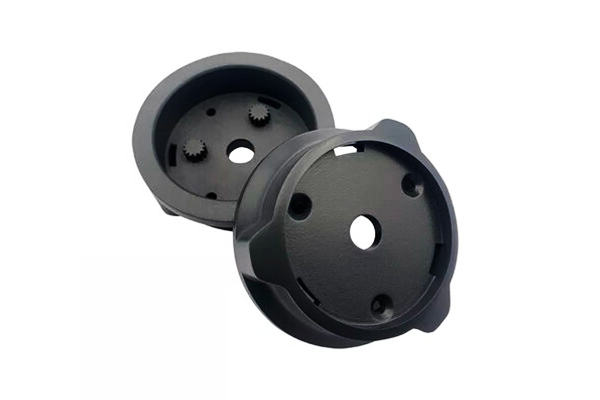
Vlhkost je jedním z nejdůležitějších praktických aspektů nylonového materiálu.
Mechanismus & velikost
- Nylon absorbuje vodu difúzí do amorfních oblastí; rovnovážný obsah závisí na relativní vlhkosti a teplotě.
- Typický rovnovážný příjem vody: PA6 ~1,5–2,5 % hmotn. (podmínky místnosti), PA66 o něco vyšší; PA11/PA12 << 1% (výhoda nylonu s dlouhým řetězcem).
Účinky na vlastnosti
- Snižuje se tuhost a pevnost jako voda působí jako změkčovadlo (pokles modulu o 10–30 % v rovnováze).
- Často se zvyšuje houževnatost a tažnost, snížení křehkosti.
- Rozměrová změna (otok) může být významný (stovky µm pro malé díly) a musí být přizpůsobeny návrhu nebo dodatečné úpravě.
- Důsledky zpracování: lisované díly by měly být před konečnou kontrolou kondicionovány na očekávanou provozní vlhkost; sušení před formováním je nezbytné, aby se zabránilo hydrolýze (stříhání řetězu) v tavenině.
Praktická pravidla
- Pro rozměrově kritické díly, specifikovat protokol kondicionování (NAPŘ., schnout: 0.05% vlhkost, podmíněný: 23°C/50 % RH až do dosažení rovnováhy).
- Zvažte silonky s dlouhým řetízkem (PA11/PA12) nebo plněné třídy pro snížení hygroskopičnosti.
6. Chemická odolnost a elektrické vlastnosti
- Chemická odolnost: nylony odolávají uhlovodíkům, oleje, tuky a mnoho rozpouštědel.
Jsou napadl silnými kyselinami, silná oxidační činidla a některá halogenovaná rozpouštědla – zejména při zvýšené teplotě.
Kompatibilita paliva a hydrauliky závisí na kvalitě a podmínkách expozice; dlouhodobé ponoření vyžaduje ověření. - Elektrické vlastnosti: dobrá elektrická izolace za sucha; dielektrická konstanta a ztrátová tečna se mění s vlhkostí, takže elektrické aplikace vyžadují prostředí s řízenou vlhkostí nebo hermetické zapouzdření.
7. Zpracování a výrobní metody
Běžné procesy
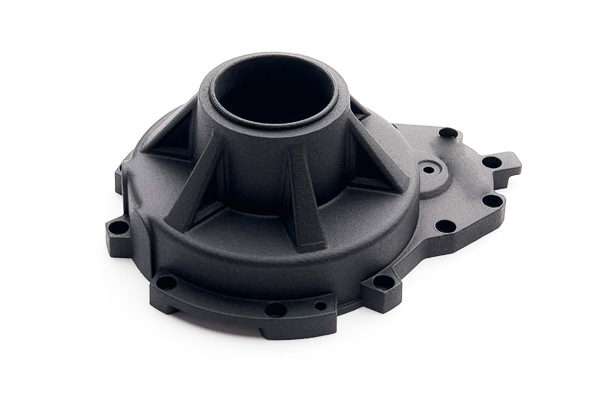
- Injekční lisování: dominantní pro složité tvary a vysoký objem. Zpracování teploty taveniny: PA6 ~230–260 °C; PA66 ~260–280 °C (počáteční body – ověřte podle stupně).
Formy se obvykle udržují v teple (60–90 ° C.) pro kontrolu krystalizace a snížení propadu. - Vytlačování: pruty, trubice, profily a filmy.
- Vyfukování/formování za tepla: pro konkrétní známky (Hadice PA12, palivové potrubí).
- Předení vláken: nylonová vlákna pro textilie a průmyslové pásky.
- Obrábění: nylon lze obrábět z extrudovaného materiálu; geometrie nástroje a kontrola třísky jsou důležité kvůli tažnosti.
Klíčové ovládací prvky zpracování
- Sušení: nylonový materiál musí být vysušen (typická cílová vlhkost <0.2%) před zpracováním taveniny, aby se zabránilo hydrolýze a špatné povrchové úpravě; programy sušení se liší (NAPŘ., 80–100 °C po dobu několika hodin).
- Stabilita taveniny: vyhněte se nadměrné době zdržení a vysokému smyku, aby se zabránilo degradaci.
- Konstrukce brány/průtoku: spravovat svarové linie a minimalizovat orientaci, která vede k anizotropii vlastností.
8. Vyztužené a speciální silonky
Plniva a kopolymerizace přizpůsobují vlastnosti nylonového materiálu:
- Sklo plněné silonky (20-50 % GF): zvýšení modulu a rozměrové stability, zvýšit HDT, ale snižují rázovou houževnatost a zvyšují abrazivní opotřebení protilehlých dílů.
- Minerální plniva (mastek, slída): mírné zvýšení tuhosti a zlepšená odolnost proti tečení.
- Typy mazané PTFE nebo grafitem: nižší koeficient tření a snížení opotřebení při kluzných aplikacích.
- Nehořlavý, Druhy stabilizované proti UV záření a hydrolýze jsou k dispozici pro náročná prostředí.
- Polyamidové směsi a kopolymery (NAPŘ., PA6/PA66, PA6T) optimalizovat zpracovatelnost a tepelný výkon.
9. Výhody a omezení nylonového materiálu
Výhody nylonu
- Vysoká síla a houževnatost
Typická pevnost v tahu se pohybuje od 50–90 MPa (čisté známky), s vynikající odolností proti nárazu a únavou. - Dobrá odolnost proti opotřebení a oděru
Zvláště efektivní v převodech, pouzdra, a posuvné komponenty; mazané třídy dále zlepšují tribologické chování. - Lehká s dobrou tuhostí
Hustota je nízká (~1,13–1,15 g/cm³), zatímco tuhost lze výrazně zvýšit použitím skla nebo minerálních plniv. - Chemická odolnost
Odolný vůči olejům, paliva, a mnoho uhlovodíků, takže nylon vhodný pro automobilové a průmyslové prostředí. - Cenově výhodné a snadno zpracovatelné
Kompatibilní se vstřikováním a vytlačováním, se širokou škálou komerčně dostupných jakostí. - Vysoce přizpůsobitelné
Vlastnosti mohou být přizpůsobeny pomocí výplní, Posílení, stabilizátory, a maziva.
Omezení nylonu
- Absorpce vlhkosti (klíčové omezení)
Nylon je hygroskopický; pohlcování vlhkosti (obvykle 1–3%%) snižuje tuhost a pevnost a způsobuje rozměrové změny. - Teplotní limity
Trvalé provozní teploty jsou obvykle pod 120°C pro standardní třídy; vlastnosti se při vyšších teplotách zhoršují. - Creep při trvalé zátěži
Dlouhodobé zátěže, zejména při zvýšené teplotě nebo vlhkosti, může vést k deformaci. - Rozměrová nestabilita
Polokrystalická struktura a citlivost na vlhkost mohou způsobit deformaci a odchylku tolerance. - Chemická citlivost
Špatná odolnost vůči silným kyselinám, oxidační činidla, a některá agresivní rozpouštědla. - Citlivost zpracování
Vyžaduje důkladné vysušení před formováním, aby se zabránilo hydrolýze a ztrátě mechanických vlastností.
10. Aplikace nylonového materiálu
- Automobilový průmysl: sací potrubí (PA6/6T), palivové a brzdové vedení (PA11/PA12), kryty motoru, ozubená kola a ložiska.
- Průmyslové stroje: pouzdra, válečky, Noste podložky, Komponenty dopravníku.
- Konzumní zboží & spotřebiče: rychlostní stupně, panty, upevňovací prvky, štětiny zubního kartáčku (vlákna).
- Elektrický & elektronika: stahovací pásky, konektory (když je vlhkost kontrolována).
- Textilie a kompozity: vlákna, šňůra, a vyztužené kompozitní matrice.
- Lékařský: PA12 používaný pro některé lékařské přístroje (platí úvahy o biokompatibilitě a sterilizaci).
11. Srovnání s jinými technickými plasty
| Vlastnictví / Kritérium | Nylon (PA6 / PA66) | POM (Acetal) | PTFE (Teflon) | PROHLÉDNĚTE | PBT | UHMW-OR |
| Hustota (G · CM⁻³) | 1.12–1.15 | ≈1,40–1,42 | ≈2,10–2,16 | ≈1,28–1,32 | ≈1,30–1,33 | ≈0,93–0,95 |
| Pevnost v tahu (MPA) | 50–90 | 50–75 | 20–35 | 90–110 | 50–70 | 20–40 |
| Youngův modul (GPA) | 2.5–3,5 | 2.8–3,5 | 0.3–0,6 | 3.6–4.1 | 2.6–3.2 | 0.8–1.5 |
| Tání / typická servisní tepl (° C.) | Tm ≈215 (PA6) / služba ≈80–120 | Tm ≈165–175 / služba ≈80–100 | Tm ≈327 / servis až do ≈260 (mechanické limity) | Tm ≈343 / služba ≈200–250 | Tm ≈220–225 / služba ≈120 | Tm ≈130–135 / služba ≈80–100 |
| Příjem vody (WT%, ekv.) | ≈1,5–2,5 % (PA6) | ≈0,2–0,3 % | ≈0 % | ≈0,3–0,5 % | ≈0,2–0,5 % | ≈0,01–0,1 % |
| Koeficient tření (schnout) | 0.15–0,35 | 0.15–0,25 | 0.04–0,15 (velmi nízké) | 0.15–0,4 | 0.25–0,35 | 0.08–0,20 |
| Nosit / tribologie | Dobrý (zlepšit pomocí plniv) | Vynikající (ozubená kola/pouzdra) | Chudý (zlepšuje plnivem) | Vynikající (nejlépe naplněné) | Dobrý | Vynikající (odolný proti oděru) |
| Chemická odolnost | Dobré na uhlovodíky; chudé až silné kyseliny/oxidanty | Dobré pro paliva/rozpouštědla | Vynikající (téměř univerzální) | Vynikající (agresivní média) | Dobrý | Velmi dobré |
Machinability |
Dobrý (Machinable) | Vynikající | Veletrh (obrobitelné ze sochoru) | Dobrý (tvrdý, ale obrobitelný) | Dobrý | Náročný (gumovitý) |
| Rozměrová stabilita | Mírný (hygroskopický) | Velmi dobré (málo hygroskopický) | Vynikající | Vynikající | Dobrý | Velmi dobré |
| Typické aplikace | Ozubená kola, ložiska, pouzdra, hadice (PA11/12) | Ozubená kola, přesná pouzdra, komponenty paliva | Těsnění, chemické vložky, povrchy s nízkým třením | Vysokoteplotní ložiska, kosmonautika, lékařské implantáty | Elektrické konektory, pouzdra | Vložky, Noste podložky, Komponenty dopravníku |
| Rychlý tip na výběr | Vyberte si, když na houževnatosti a ceně záleží; řídit vlhkost | Vybírejte pro přesnost, mechanické části s nízkým třením | Vyberte, zda je chemická inertnost & jsou vyžadovány nejnižší µ | Vyberte si pro vysokou teplotu & kritické díly s vysokým zatížením | Vyberte si pro dobrou rozměrovou stabilitu a snadnost tvarování | Vyberte si tam, kde je potřeba extrémní odolnost proti oděru a nárazu |
12. Udržitelnost, recyklace a regulační otázky
- Recyklace: Nylonový materiál je mechanicky recyklovatelný; regenerovaný PA může být snížen pro méně kritické použití.
Depolymerizace (chemická recyklace) existují a průmyslově se vyvíjejí cesty – mohou regenerovat monomer (kaprolaktam) nebo jiné suroviny. - Možnosti založené na bio: PA11 (z ricinového oleje) a PA610/1010 (částečně na biologické bázi) snížit závislost na fosilních surovinách.
- Regulační: styk s potravinami a lékařské použití vyžadují osvědčení o jakosti (FDA, EU) a tam, kde je to vhodné, soulad s testováním extrahovatelných/vyluhovatelných látek.
- Obavy o životní prostředí: hodnocení životního cyklu se liší podle třídy a výplně; náplň a obsah skla ovlivňují recyklovatelnost a ztělesněnou energii.
13. Závěry a praktická doporučení
Nylon (polyamid) je zralý, všestranná konstrukční skupina polymerů, která vyvažuje pevnost, houževnatost a odolnost proti opotřebení s ekonomickou zpracovatelností.
Široká paleta chemikálií — od PA6 a PA66 po PA11 a PA12 — spolu s plnivy a modifikátory, umožňuje jemné doladění aplikací od textilií až po vysoce výkonné automobilové systémy.
Hlavními technickými výzvami jsou řízení vlhkosti a chemická citlivost v agresivním prostředí; ty jsou řešeny vhodným výběrem třídy (silonky s dlouhým řetízkem), výplně, sušení a konstrukční přídavky.
Neustálé pokroky v recyklaci, bioprodukty a kompozitní technologie rozšiřují udržitelnost a rozsah použití nylonu.
Časté časté
Je lepší PA6 nebo PA66?
PA66 typicky nabízí vyšší bod tání, mírně vyšší tuhost a lepší odolnost proti tečení; PA6 se snadněji zpracovává a může být tvrdší. Vyberte na základě teploty a omezení zpracování.
Jak mám specifikovat nylon pro kontrolu rozměrů?
Určete stav kondicionování pro kontrolu (NAPŘ., „podmíněno 23 ° C., 50% RH až do rovnováhy"), a poskytují tolerance, které zohledňují bobtnání vlhkostí a anizotropii tvarování.
Lze použít nylonový materiál v palivových potrubích?
Ano – PA11 a PA12 jsou společné pro palivové a hydraulické potrubí kvůli nízké absorpci vlhkosti a dobré chemické odolnosti. Vždy validujte s konkrétní kapalinou a teplotou.
Jsou silonky plněné sklem recyklovatelné?
Mechanicky, Ano, ale obsah skla mění viskozitu taveniny a zachování vlastností; recyklovaný nylon plněný sklem se obvykle používá v méně náročných aplikacích, pokud není chemicky recyklován.
Jak zabráním hydrolýze během formování?
Důkladně vysušte pryskyřici podle specifikace dodavatele a omezte dobu zdržení taveniny a nadměrné teploty válce.