Zavedení
V 1889, na pařížské světové expozici, Svět omráčila tyčící se ocelová struktura - věž Eiffelovy věže.
Složený z 18,038 Komprosované složky železa, this engineering marvel not only symbolized the pinnacle of structural innovation but also marked humanity’s official entry into the Steel Age.
From the framework of skyscrapers to the intricate components of medical devices, steel has permeated every aspect of modern civilization with its irreplaceable role.
Beyond shaping industrial development, it has been a driving force behind global infrastructure expansion and technological progress.
This article delves into the scientific nature of steel, its manufacturing techniques, industrial evolution, a budoucí trendy,
revealing how this essential material continues to define the boundaries of human civilization.
1. A Historical Review of Steel
Human exploration of steel dates back to 1800 BCE in Anatolia, but the true industrial revolution began in the 19th century.
V 1856, Henry Bessemer invented the Bessemer converter, which increased steel production efficiency twentyfold,
directly accelerating the rapid development of railways, Budování lodí, and mechanical engineering.
By the 20th century, the widespread adoption of continuous casting technology further improved production efficiency, snížený materiál, and enhanced product quality.
In the 21st century, the global steel industry has undergone significant transformation.
China has emerged as the dominant force, Účtování 53.9% of global crude steel production in 2023.
Ve stejnou dobu, tightening environmental regulations and carbon neutrality goals are pushing the industry toward low-carbon and intelligent manufacturing.
A review of steel’s development history shows that each technological breakthrough has dramatically expanded its applications,
allowing steel to penetrate beyond traditional construction into aerospace, zdravotnické prostředky, and renewable energy sectors.
2. Steel Manufacturing Processes
Modern steel production is a highly sophisticated industrial system that integrates material science, engineering precision, a environmentální udržitelnost.
Its core stages include raw material selection, tavení, rafinace, a tvarování, as well as sustainable and circular economy practices.
Raw Materials & Extrakce
The quality of iron ore, coking coal, and alloying elements determines the final properties of steel.
Například, high-purity Železná ruda with a high Fe content significantly reduces impurities, enhancing mechanical strength and corrosion resistance.
Od 2024, global iron ore production has reached 2.2 billion tons, with resource distribution
and extraction costs playing a crucial role in shaping the competitive landscape of the steel industry.
Ironmaking & Steelmaking Processes
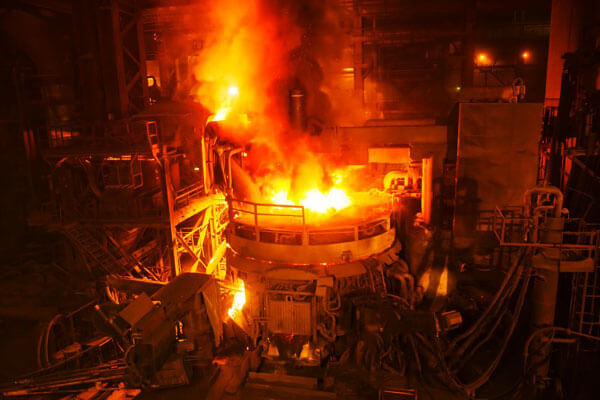
Modern steel production primarily relies on výbuchové pece (Bf), direct reduced iron (Dri), a basic oxygen furnaces (Bof).
DRI technology has become an essential method for green steel production, as it reduces carbon emissions by 30% compared to traditional blast furnaces.
Navíc, Elektrické obloukové pece (EAF), which utilize recycled scrap steel, mít increased their global production share to 28%,
significantly lowering energy consumption and contributing to a more sustainable production model.
Rafinace & Tvarování
Once molten steel undergoes secondary refining, it is processed through continuous casting and rolling to produce high-precision materials
například ultra-thin stainless steel sheets a aerospace-grade high-strength steel.
Advanced cooling control techniques improve grain structure and fatigue resistance, making steel products more suitable for extreme environments.
Udržitelnost & Kruhová ekonomika
Steel recycling is a cornerstone of modern industry sustainability.
Every ton of recycled steels prevents the emission of approximately 1.5 tons of CO₂, significantly reducing the industry’s carbon footprint.
Currently, The global steel recycling rate has reached 85%, reinforcing the transition toward greener and more efficient steel production.
3. Classifying Steel: Types and Their Unique Characteristics
Steel stands as one of the most versatile materials in modern engineering, and its endless adaptability stems from the precise control over its chemical composition.
By varying the carbon content and adding different alloying elements, manufacturers create steels with unique properties tailored for specific applications.
Uhlíková ocel
Uhlíková ocel serves as the foundation for countless applications due to its balance of strength and ductility.
Its properties primarily depend on the carbon content, which typically ranges from 0.05% na 2.0%.

Nízkouhlíková ocel (Mírná ocel):
- Charakteristiky: Contains less than 0.3% uhlík, making it highly malleable, easy to form, and weldable.
- Aplikace: Used extensively in automotive bodies, Strukturální paprsky, and consumer goods where high strength is not the primary concern.
- Datový bod: Low-carbon steel often exhibits a yield strength of around 250–350 MPa,
making it ideal for applications where moderate strength and excellent formability are required.
Středně uhlíková ocel:
- Charakteristiky: With carbon content between 0.3% a 0.6%, this steel offers an enhanced strength profile and improved wear resistance, although its ductility decreases.
- Aplikace: Often used for automotive components like gears and shafts, as well as in the manufacture of railway tracks.
- Datový bod: Typical tensile strengths range from 400–600 MPa, providing a balance between strength and ductility.
Vysoce uhlíková ocel:
- Charakteristiky: Contains between 0.6% a 2.0% uhlík, resulting in increased hardness and wear resistance, though it sacrifices ductility.
- Aplikace: Ideal for cutting tools, prameny, a vodiče s vysokou pevností, where durability under stress is critical.
- Datový bod: High-carbon steels can achieve tensile strengths over 800 MPa after appropriate heat treatment, making them perfect for heavy-duty applications.
Slitinová ocel
Legovaná ocel enhances the basic properties of carbon steel by adding elements such as manganese, Chromium, nikl, a molybden.
This customization allows for tailored performance attributes like improved toughness, odolnost proti teplu, a odolnost proti korozi.

Ocel s nízkým obsahem kliky:
- Charakteristiky: Typically includes small percentages (až do 5%) of alloying elements that boost strength without a significant loss in ductility.
- Aplikace: Používá se ve strukturálních aplikacích, potrubí, and automotive parts where high strength and moderate toughness are necessary.
Vysoce klimatická ocel:
- Charakteristiky: Incorporates a higher proportion of alloying elements to deliver superior performance,
including enhanced wear resistance and the ability to withstand extreme temperatures. - Aplikace: Common in the aerospace and power generation sectors, where materials must endure harsh environments.
- Datový bod: Certain high-alloy steels exhibit yield strengths exceeding 600 MPa and are engineered to resist deformation even at temperatures above 600°C.
Nerez
Nerez distinguishes itself by its excellent corrosion resistance, achieved by incorporating at least 10.5% chromium into the alloy.
The chromium forms a passive layer of chromium oxide on the surface, protecting the material from rust and environmental degradation.

Austenitická nerezová ocel:
- Charakteristiky: Nemagnetický, vysoce odolný vůči korozi, and noted for its excellent formability and weldability.
- Aplikace: Widely used in kitchen appliances, zařízení na chemické zpracování, a zdravotnické prostředky.
- Datový bod: Známky jako 304 a 316 stainless steel frequently demonstrate a tensile strength in the range of 500–750 MPa,
combined with outstanding corrosion resistance in diverse environments.
Martensitická nerezová ocel:
- Charakteristiky: Offers higher hardness and strength compared to austenitic types, though it is less corrosion-resistant and more difficult to weld.
- Aplikace: Commonly found in cutting tools, Chirurgické nástroje, a prostředí s vysokým opotřebením.
- Datový bod: Typical hardness values can reach up to 600 HRC po tepelném zpracování, making them suitable for high-performance applications.
Ferritická nerezová ocel:
- Charakteristiky: Magnetic and less ductile than austenitic stainless steel but offers good resistance to stress corrosion cracking.
- Aplikace: Utilized in automotive exhaust systems and industrial equipment that requires moderate strength with good corrosion resistance.
Duplexní nerezová ocel:
- Charakteristiky: Combines the best of austenitic and ferritic stainless steels, offering high strength and improved resistance to corrosion and stress corrosion cracking.
- Aplikace: Ideal for chemical processing, offshore struktury, a mořské aplikace.
- Datový bod: Duplex steels often boast yield strengths between 550–750 MPa, significantly outperforming many austenitic steels in terms of strength.
Tool and High-Speed Steels
Ocely nástroje a Vysokorychlostní oceli are specialized alloys designed for the manufacture of cutting tools, umírá, a formy.
They require exceptional hardness, nosit odpor, and the ability to retain strength at high temperatures.
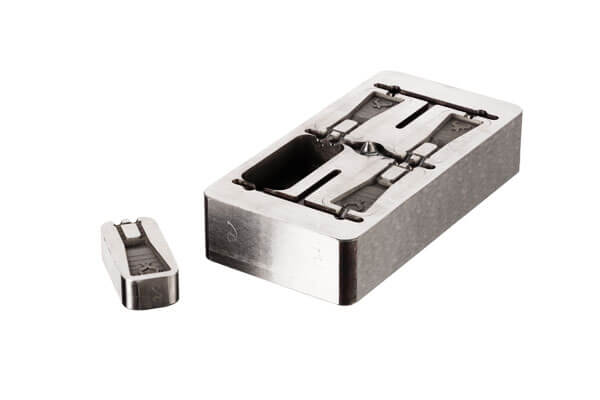
Nástrojová ocel:
- Charakteristiky: Formulated with tungsten, molybden, vanadium, and cobalt, these steels excel in hardness and durability under extreme conditions.
- Aplikace: Employed in the production of hand tools, umírá, and other precision tooling required for high-pressure applications.
- Datový bod: Some tool steels achieve hardness levels exceeding 65 HRC, making them capable of enduring prolonged use without significant wear.
Vysokorychlostní ocel (HSS):
- Charakteristiky: Known for its ability to maintain hardness even at high temperatures, HSS is critical for high-speed machining and cutting applications.
- Aplikace: Frequently used in drill bits, end mills, and other cutting tools in manufacturing processes.
- Datový bod: High-speed steels typically sustain operating temperatures up to 600°C while retaining their cutting performance, thereby increasing production efficiency.
4. Unpacking Steel’s Physical and Mechanical Properties
V této části, we break down the essential physical and mechanical properties of steel, highlighting how these characteristics drive its diverse applications.
Fyzikální vlastnosti
Density and Weight
- Steels boasts a density of approximately 7.85 g/cm³, which strikes an excellent balance between robustness and manageability.
This optimal density enables engineers to design structures that support heavy loads without incurring excessive weight. - Například, when constructing bridges or high-rise buildings, steel’s density allows for significant load-bearing capacity while maintaining structural efficiency.
Melting Point and Thermal Stability
- With a melting point that typically ranges between 1,370°C and 1,510°C, steel withstands extreme temperatures with ease.
This high melting point ensures that steels components remain stable even in high-heat environments such as turbine engines or industrial furnaces. - Navíc, the thermal stability of steel is critical in applications like automotive components and power plants, where consistent performance under heat is essential.
Tepelná vodivost
- Steel generally exhibits a thermal conductivity around 50 W/m · k, which allows it to effectively transfer heat.
This property makes steel an ideal choice for applications that demand efficient heat dissipation, such as heat exchangers and engine parts. - Navíc, effective thermal conductivity helps minimize hotspots during high-speed machining and industrial processing.
Koeficient tepelné roztažnosti
- Steel’s coefficient of thermal expansion, přibližně 11-13 µm/m · ° C., ensures that it maintains dimensional stability under varying temperature conditions.
This stability is particularly important in precision engineering and construction, where even minor distortions can compromise structural integrity.
Magnetické vlastnosti
- Steel’s inherent ferromagnetic properties allow it to be easily magnetized.
This attribute proves invaluable in the design of electric motors, Transformátory, and various electronic components, where controlled magnetic behavior is essential.
Mechanické vlastnosti
Pevnost v tahu a výnosu
- Steel stands out for its impressive tensile strength, which can range from 400 MPa to over 800 MPa after advanced heat treatments.
This strength enables steels to support massive loads, making it indispensable in large-scale construction and heavy machinery. - Navíc, the yield strength, obvykle mezi 250 MPA a 350 MPa for common structural steels,
ensures that steel components resist permanent deformation under high stress.
High-strength alloys may even surpass 500 MPA, meeting the rigorous demands of aerospace and automotive applications.
Tažnost a houževnatost
- Steel’s ability to deform under tensile stress without fracturing – known as ductility – proves vital in absorbing energy during impacts.
Například, advanced high-strength steels in automotive frames can absorb impact energies up to 120 kJ/cm³, thereby enhancing passenger safety. - Navíc, toughness—the capacity to withstand shock and vibration—ensures that steels can endure repetitive stress cycles,
which is critical for applications in bridges, železnice, a strojní zařízení.
Odolnost proti únavě
- The cyclic loading that many structures endure requires materials that can resist fatigue over time.
Steel’s excellent fatigue resistance guarantees that components such as beams and vehicle frames remain reliable even under constant load fluctuations,
thus extending the lifespan of critical infrastructure.
Tvrdost a odolnost proti opotřebení
- Steel’s hardness can be significantly enhanced through alloying and heat treatment processes, resulting in improved wear resistance.
This property is crucial for applications such as cutting tools, rychlostní stupně, a ložiska, where prolonged exposure to friction and stress demands a material that maintains its integrity over time. - Advanced heat treatments and alloying techniques enable certain steels to achieve hardness levels
that not only resist abrasion but also optimize performance in high-speed industrial processes.
Interplay of Properties and Their Impact
Synergistic Strength and Ductility
- The unique combination of high tensile strength and substantial ductility makes steels both robust and flexible.
This synergy allows it to support significant loads while absorbing shocks, which is critical in structures like skyscrapers and bridges.
Optimized Through Alloying and Heat Treatments
- Manufacturers continuously refine steel by adjusting carbon content and adding elements such as chromium, nikl, a mangan.
These enhancements lead to ultra-high-strength steels that can exceed 1 GPa in tensile strength while maintaining enough ductility to withstand dynamic stresses. - Navíc, ongoing advancements in heat treatment processes have improved fatigue resistance and overall performance,
ensuring that steels remains at the forefront of engineering materials.
Thermal and Mechanical Synergy
- Steel’s ability to efficiently transfer heat complements its mechanical robustness, Umožňuje jeho spolehlivé provádění za drsných podmínek.
Tato tepelná mechanická souhra se ukáže jako nezbytná v aplikacích, kde materiály
musí vydržet jak vysoké teploty, tak významný mechanický napětí, například v leteckých motorech a průmyslových kotlích.
5. Processing and Manufacturing of Steel
Neustálý pokrok technologie zpracování oceli výrazně zvýšil přidanou hodnotu ocelových produktů, umožňující vyšší výkon, trvanlivost, a účinnost.
Tepelné zpracování: Enhancing Strength and Durability
Procesy tepelného zpracování hrají rozhodující roli při úpravě mikrostruktury ocelí k optimalizaci jejich mechanických vlastností,
jako je tvrdost, houževnatost, a opotřebení odporu. Mezi běžné techniky patří:
- Žíhání - Snižuje vnitřní stres, Zlepšuje majitelnost, a zvyšuje tažnost.
- Normalizace - Zdokonaluje strukturu zrn a zlepšuje mechanickou sílu.
- Zhášení - Rychlé chlazení zvyšuje tvrdost a odolnost proti opotřebení.
- Temperování - Upravuje houževnatost a snižuje křehkost po zhášení.
Například, laser quenching technology can increase the surface hardness of gears to HRC60, reducing the wear rate by 70%,
thereby extending service life in high-load applications such as automotive transmissions and industrial machinery.
Zpracování chladu: Improving Precision and Surface Quality
Cold processing methods refine the dimensions and surface finish of steel components, offering superior accuracy and enhanced mechanical properties. Key techniques include:
- Válcování za studena – Increases strength and surface finish, commonly used in automotive panels and precision components.
- Cold Drawing – Improves dimensional accuracy and tensile strength, essential for producing fine steel wires and tubing.
- Cold Extrusion – Enhances uniformity and mechanical properties, often used in manufacturing fasteners and structural parts.
S 5-Obrábění CNC osy, the precision of turbine blade manufacturing can be controlled within ± 0,005 mm,
Zajištění optimální aerodynamické účinnosti v leteckém a výrobě energie.
Povrchové úpravy: Enhancing Corrosion Resistance and Aesthetic Appeal
Ošetření povrchu poskytuje ochranné vrstvy, které prodlužují životnost ocelových výrobků, zlepšit odpor opotřebení, a zlepšit vizuální přitažlivost. Mezi pokročilé metody úpravy povrchu patří:
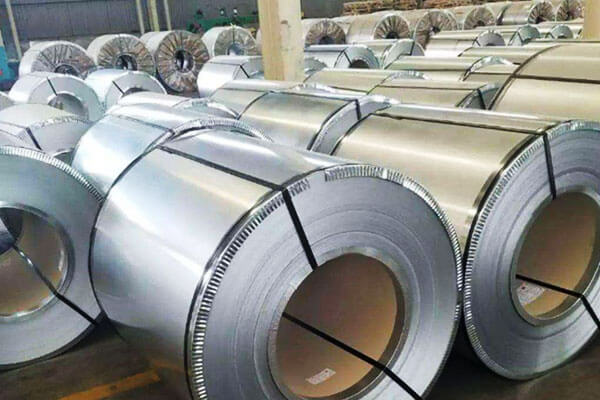
- Galvanizující - Zinkový povlak chrání ocel před rez a oxidací.
- Chromová pokovování - zvyšuje tvrdost a poskytuje elegantní, Korozivní cíl.
- Fosfting - tvoří ochrannou vrstvu, která zvyšuje adhezi barvy a odolnost proti korozi.
Zejména, Technologie nano-galvanizace má revoluci na ochraně koroze prodloužením Antikorrozní cyklus 50 let při současném snižování spotřeba zinku od 60%,
učinit z něj ekologicky udržitelné řešení pro infrastrukturu a mořské aplikace.
Welding Technology: Achieving Strong and Reliable Joints
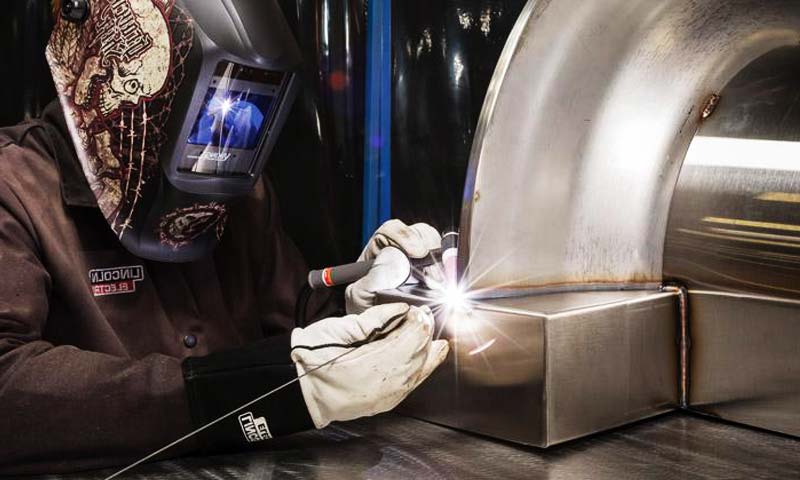
Ocelové struktury často vyžadují pokročilé svařování techniques to ensure durability and load-bearing capacity.
The choice of welding method depends on factors such as material composition, joint design, a požadavky na aplikaci. Common welding techniques include:
- Svařování oblouku – Versatile and widely used in structural steel fabrication.
- Laserové svařování – Provides high precision with minimal heat distortion, suitable for aerospace and medical components.
- Svařování elektronového paprsku – Ideal for high-strength joints in vacuum environments, commonly used in aerospace and nuclear industries.
Inovace v automated robotic welding a Svařování tření (FSW) have further improved joint integrity and manufacturing efficiency,
making complex assemblies more reliable and cost-effective.
Přesná výroba: Achieving Unprecedented Accuracy
Precision manufacturing is crucial in industries that require high-performance steel components with tight tolerances.
Vývoj pokročilých obráběcích technologií revolucionizoval výrobu složitých ocelových částí. Key techniques include:
- CNC obrábění Centra -Povolit vysokorychlostní, vysoce přesné řezání a tvarování.
- Wire EDM (Elektrické vypouštěcí obrábění) -Umožňuje ultra jemné řezání složitých komponent oceli.
- EDM (Elektrické vypouštěcí obrábění) -Zvyšuje přesnost v těžko-strojových ocelových slitinách.
Tyto špičkové technologie vedly bezprecedentní zlepšení kvality a výkonu produktů oceli,
Povolení jejich rozšířené aplikace v Aerospace, lékařské implantáty, a vysoce výkonné inženýrství.
6. The Global Impact and Applications of Steel
Vliv Steel zahrnuje více průmyslových odvětví, každý těží ze svých jedinečných vlastností:
- Konstrukce a infrastruktura: Ocel tvoří páteř moderní městské krajiny.
Strukturální ocel podporuje mrakodrapy, mosty, a železnice, zatímco posilují tyče (výztuž) Poskytněte základní sílu pro konkrétní struktury.
Například, Používal most Hongkong-Zhuhai-Macau 2 milion tun oceli, zajistit překročení života 120 roky za drsných mořských podmínek. - Automobilový průmysl a letecký průmysl: Vysoce pevné ocelové slitiny zajišťují bezpečnost a účinnost paliva vozidla.
V leteckém prostoru, Ocel přispívá k lehkému, odolné draky a komponenty motoru, které vydrží extrémní teploty a tlaky. - Výrobní a průmyslové vybavení: Od obráběcích strojů po těžké průmyslové stroje, Robustnost a všestrannost oceli je nezbytná.
Jeho použití v přesných zařízeních transformovalo účinnost výroby po celém světě. - Spotřebitelské a lékařské výrobky: Odolnost proti korozi a biokompatibility z nerezové oceli je ideální pro kuchyňské spotřebiče, lékařské implantáty, a chirurgické nástroje.
Pokročilé slitiny, jako je 316LVM, poskytují vynikající výkon při náročných zdravotních aplikacích.
7. Current State of the Steel Industry: Komplexní analýza
Ocelový průmysl je v bodě obratu, balancing technological progress with sustainability goals while adapting to shifting economic and geopolitical landscapes.
Global Market Overview: The Push for Carbon-Neutral Steel
Countries worldwide are investing in environmentally friendly steelmaking processes.
Sweden’s hydrogen metallurgical test furnace is now operational, targeting zero carbon emissions by 2030.
Mezitím, leading producers are implementing low-emission production techniques to meet stringent global regulations.
Supply Chain Management: Ensuring Stability and Efficiency
Dostupnost surovin, Logistika, and international trade policies remain critical factors affecting steel production.
Companies are adopting smart supply chain solutions to enhance stability and efficiency.
Například, Anshan Iron and Steel’s smart factory, utilizing full-process AI, has achieved a 99.7% defect detection rate, significantly improving production accuracy and reducing waste.
Technological Innovation: The Evolution of High-Performance Steel
Cutting-edge developments are redefining the steel industry:
- Smart factories -Systémy řízené AI umožňují monitorování a optimalizaci výroby v reálném čase.
- Lehký, vysoce pevné oceli - nezbytné pro automobilový průmysl a letecký průmysl sektory, Snížení spotřeby paliva a zlepšení bezpečnosti.
- Nanokrystalická ocel - zatímco nabízí výše uvedené silné stránky 2 GPA, Stále je ve vývoji v raném stádiu,
s výrobními náklady 40% nižší než slitiny titanu ale čelí výzvám ve velkých průmyslových aplikacích.
Climate Change Strategies: Industry-wide Decarbonization Efforts
Ocelový průmysl přijímá proaktivní opatření ke snížení emisí:
- Čínský závazek - plánuje snížit intenzitu emisí uhlíku 18% podle 2030 Prostřednictvím pokročilých procesů CCU a energeticky účinných procesů.
- Elektrifikace a alternativní paliva - Přijetí Hodnota na bázi vodíku a rozšíření Elektrická oblouková pec (EAF) výroba jsou klíčem k dosažení emisí čistého nula.
8. Future Trends and Challenges in the Steel Industry
Jak se ocelářský průmysl vyvíjí tak, aby uspokojil globální poptávku, cíle udržitelnosti, and technological advancements, it faces both transformative opportunities and significant challenges.
The sector navigates a landscape shaped by innovation, environmental policies, and shifting economic conditions.
Technological Innovation: Smart Manufacturing and High-Performance Materials
Integrace automatizace, Umělá inteligence (Ai), and smart factories is reshaping steel production.
AI-driven systems optimize production efficiency, snižovat odpad, and enhance quality control.
Vzestup nanocrystalline steel, boasting strengths exceeding 2 GPA, is revolutionizing high-performance applications,
potentially rivaling titanium alloys in aerospace and advanced engineering.
Mezitím, breakthroughs in 3D printing of steel allow for complex, lightweight designs with superior mechanical properties.
Iniciativy udržitelnosti: Decarbonization and Green Production
In response to climate change and carbon reduction targets, the steel industry is actively adopting cleaner production technologies. Key sustainability trends include:
- Hydrogen-based steelmaking - Země jako Švédsko jsou průkopnickou metalurgií vodíku, zaměření na uhlíkově neutrální ocel 2030.
- Zachycení uhlíku, využití, a skladování (CCUS) - Cílem čínského sektoru oceli je snížit intenzitu uhlíku 18% podle 2030, Využití technologií zachycení a recyklace uhlíku.
- Electric arc furnaces (EAFS) - Rostoucí spoléhání se na EAFS, Který recykluje šrotovací ocel, Snižuje spotřebu energie a emise ve srovnání s tradičními vysokými pecemi.
Competitive Material Landscape: The Challenge of Alternatives
Ocelové tváře konkurence z rozvíjejících se materiálů, jako například kompozity, Hliníkové slitiny, a nanomateriály, zejména v automobilovém a leteckém průmyslu.
Však, Nákladová efektivita oceli, trvanlivost, a recyklovatelnost Pokračujte v páteři průmyslové výroby.
Inovace v vysoká pevnost, lehké oceli dále zvyšují svou přizpůsobivost ve strukturálních aplikacích.
Global Market Dynamics: Trade Policies and Economic Shifts
Ocelový průmysl je hluboce ovlivněn geopolitickými faktory, obchodní předpisy, a ekonomické trendy:
- Narušení dodavatelského řetězce – Fluctuating raw material prices and political trade barriers impact global steels production.
- Regional growth – Rapid industrialization in Southeast Asia and Africa is driving increased steel consumption.
- Strategic alliances – Steels producers are forming global partnerships to enhance resource efficiency and market expansion.
9. Závěr
Steel not only transformed the physical landscape—from the Eiffel Tower to modern urban skylines—but also reshaped human progress itself.
As the world transitions toward more sustainable and innovative manufacturing processes,
steel continues to evolve, driven by advancements in technology and a relentless commitment to excellence.
Its journey from ancient iron production to modern smart factories encapsulates the spirit of industrial innovation and human ingenuity.
Pokud hledáte vysoce kvalitní výrobky z oceli nebo oceli, výběr Langhe je perfektním rozhodnutím pro vaše výrobní potřeby.