1. Zavedení
Hliníkové slitiny jsou široce zasypány pískem, Trvalá forma, zemřít, gravitační nebo investiční procesy pro automobilový průmysl, kosmonautika, spotřebitelské a průmyslové aplikace.
Ve srovnání s železnými odlitky, hliník má specifické metalurgické chování – vysokou tepelnou vodivost, rychlé tuhnutí, značná citlivost na absorpci vodíku a silná tendence k tvorbě oxidových filmů – které vytvářejí jedinečné režimy defektů.
Pochopení mechanismů defektů a řízení taveniny, vstřikování a tuhnutí jsou nezbytné pro výrobu spolehlivých odlitků s předvídatelnými mechanickými vlastnostmi.
2. Vliv vad na hliníkových odlitcích
Vady v obsazení hliníku díly nejsou pouze kosmetické problémy – přímo snižují výkon, zkrátit životnost, zvýšit náklady a může vést k ohrožení bezpečnosti a odpovědnosti.
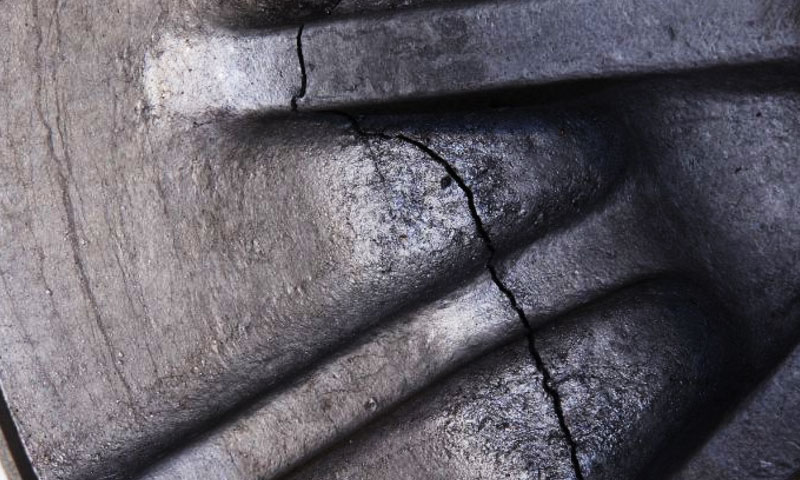
Vnitřní a povrchové vady, jako je pórovitost, srážení, Inkluze, praskliny, a deformace snižují účinnou nosnou plochu, vytvářet koncentrátory stresu, a výrazně snižují únavovou životnost, tlaková těsnost, rozměrová přesnost, a odolnost proti korozi.
V kritických aplikacích, tyto vady mohou vést k předčasnému nebo katastrofickému selhání, bezpečnostní rizika, a regulační nebo odpovědnostní expozice.
Z pohledu výroby, vady zvyšují složitost kontroly, sazby zmetkovitosti a přepracování, výrobní náklady, a nejistota dodání, a zároveň zavádí velkou variabilitu mechanických vlastností, která si vynucuje konzervativní konstrukční rezervy.
V důsledku toho, účinná kontrola vad odlitků není pouze otázkou kvality, ale strategickým požadavkem, náročný na prevenci orientovaný procesní návrh, přísná kontrola taveniny a plísní, inženýrství řízené simulací, a kritéria inspekce a akceptace založená na riziku.
3. Klasifikace běžných vad
Široce, vady odlitku spadají do dvou skupin:
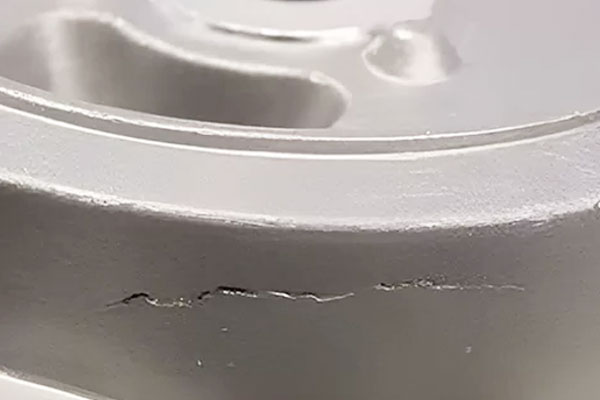
- Povrch / viditelné vady — snadno patrné na hotových dílech: ploutve/blesk, Studené zavřené, Misruns, na povrchu viditelné smršťovací dutiny, Inkluze písku, povrchová pórovitost, Horké slzy, překrytí, a rozměrových zkreslení.
- Vnitřní / skryté vady — zabudované do součásti a často kritické pro pevnost: Pórovitost plynu, vnitřní smršťovací dutiny, oxidové a struskové inkluze, zachycování strusky, segregace, a vnitřní praskliny.
Obě skupiny mohou snížit únavovou životnost, nižší pevnost v tahu, způsobit únikové cesty v tlakových částech, nebo vést k úplnému odmítnutí součástí kritických pro bezpečnost.
4. Detailní popis závad
Níže uvedená tabulka shrnuje nejčastější vady, se kterými se setkáváme u hliníkových odlitků, jejich základní příčiny, jak se projevují, a praktická protiopatření.
| Přeběhnout | Příčina(s) | Jak to ovlivňuje část | Detekční metody | Prevence / sanace |
| Pórovitost plynu (Blowholes, mikroporéznost) | Vodík rozpuštěný v kapalném Al; unášený vzduch v důsledku turbulentního lití; vlhkost ve formě/jádrech | Vnitřní dutiny snižující statickou a únavovou pevnost; únikové cesty | Radiografie (X-Ray/Ct), ultrazvukové, dělení | Degassing (rotační, inertní plyn), tavení, minimalizovat turbulence, předsušit jádra/formy, ovládání teploty taveniny, vakuové lití, vylepšené hradlování |
| Smršťovací dutiny / Porozita smršťování | Objemové smrštění při tuhnutí s nedostatečným podáváním; Špatné umístění stoupaček; široký rozsah mrazu ve slitině | Velké dutiny, často interdendritické; výrazné snížení nosnosti | rentgen, Ct, dělení, vizuální, pokud se povrch rozbije | Směrové tuhnutí, stoupačky/zimnice, krmné systémy, použití podavačů a zimnic, výběr slitin s užším rozsahem mrazu |
| Studený uzávěr / studený klín | Nízká teplota kovu nebo pomalý tok vedou k tomu, že se dva proudy nestaví | Nespojitost povrchu, koncentrátor stresu, snížená místní pevnost | Vizuální kontrola, penetrační barvivo pro povrchové trhliny | Zvyšte teplotu lití, Zlepšete návrh hraček, snížit prudké změny v průřezu, zvýšit rychlost kovu |
Horké trhání (Horké praskání) |
Tepelná kontrakce omezená během konečného tuhnutí; vysoká zdrženlivost; špatná konstrukce slitiny nebo formy | Praskliny se tvoří během tuhnutí — často v rozích nebo tenkých částech | Vizuální, penetrant, dělení | Snižte zdrženlivost, přepracovat geometrii (vyhněte se ostrým rohům), upravit dráhu tuhnutí, používat zušlechťovače obilí, ovládat teplotu lití |
| Strhávání oxidového filmu / dross / Inkluze | Povrchové oxidy složené do kapaliny turbulencí; strhávání strusky; Špatné čištění taveniny | Vnitřní inkluze působící jako místa iniciace trhlin; pórovitost sousedící s inkluzemi | Radiografie, Metallografie, dělení | Odstředěná struska, použijte keramické filtry, laminární výplň, kontrolované nalévání, tavení, správná praxe pece |
| Začlenění písku/strusky | Špatná integrita formy, degradovaný písek, nedostatečné mytí jádra, přenos strusky | Zvyšovače stresu, povrchové vady, potenciální iniciace koroze | Vizuální, rentgen, dělení | Zlepšete kvalitu písku a manipulaci, lepší příprava formy/jádra, filtrace taveniny |
Egypt / neúplná výplně |
Nízká teplota lití, zablokovaná brána, příliš dlouhá dráha toku | Chybějící funkce, slabé úseky, šrot | Vizuální, CMM pro geometrii | Zvyšte teplotu lití, optimalizovat hradlování, zvětšit velikost vtokového kanálu/běžce, snížit tenké průřezy |
| Drsnost povrchu / pískový úder / plynový strup | Vývoj plynu na povrchu formy (vlhkost, rozklad pojiva), špatné větrání | Špatná povrchová úprava, časná iniciace trhliny | Vizuální kontrola | Kontrolujte vlhkost plísní, zlepšit ventilaci, použijte vhodná pojiva a sušení |
| Studený klín / kola / záhyby | Příliš nízká rychlost toku způsobuje přehýbání kovu | Povrchová trhlina, špatné chování při únavě | Vizuální, penetrant | Zvyšte teplotu/rychlost kovu, změnit hradlování, omezit náhlé změny geometrie |
Rozměrové zkreslení (Warpage, offset) |
Nerovnoměrné chlazení, nestejnoměrná tloušťka stěny, špatné nářadí | Díly mimo toleranci, montážní problémy | Cmm, 3D skenování | Jednotná tloušťka stěny, vyvážené chlazení, řádné fetování, konstrukce pro odlévací tolerance |
| Segregace (chemická nehomogenita) | Mikrosegregace během tuhnutí, široký rozsah mrazu, pomalé chlazení | Lokální variace mechanických vlastností, snížená odolnost proti korozi | Metallografie, chemické bodové testy | Optimalizovaná volba slitiny, míchání (pokud je to možné), kontrolované tuhnutí, homogenizační tepelné zpracování |
| Vnitřní praskliny (zpožděné praskání) | Vodík, zbytkové napětí, nadměrné stárnutí, nesprávné tepelné zpracování | Katastrofální porucha v provozu | Ultrazvukové, penetrační barvivo pro povrch, fraktografie | Snižte množství vodíku, úleva od stresu, kontrolované tepelné zpracování, eliminovat ostré přechody |
5. Pokročilé metody detekce vad hliníkových odlitků
Přesná a účinná detekce závad je základní zárukou pro kvalifikované hliníkové lité díly.
Cílení na různé typy a umístění defektů, průmysl využívá kombinaci více technologií detekce, aby bylo dosaženo kontroly kvality plného pokrytí:
Vizuální kontrola
Použitelné vady: Povrchové otvory, povrchová smršťovací dutina/poréznost, povrchová inkluze strusky, Začlenění písku, zjevné praskliny, studený uzávěr, Egypt, povrchové otřepy/otřepy, přebytečný materiál, materiální ztráty.
Technické vlastnosti: Provádí zkušení inspektoři kvality s lupami (5-10× zvětšení) pro podrobné pozorování; jednoduchý, levné a efektivní, slouží jako screeningová metoda první linie kvality.
Detekční standard: Vyhovuje ASTM E186, s tolerancí velikosti povrchových defektů řízenou uvnitř 0.05 mm pro přesné odlitky.
Rentgenová kontrola
Použitelné vady: Vnitřní foukací otvory, vnitřní smršťovací dutina/poréznost, vnitřní inkluze strusky a skryté vnitřní trhliny.
Technické vlastnosti: Využívá penetraci rentgenového záření k vytvoření snímků vnitřních struktur; defekty vypadají jako tmavé (prázdnota) nebo světlé (Inkluze) skvrny na obrázku.
Základní výhody: Nedestruktivní testování (Ndt), vysoká přesnost detekce (lze identifikovat velikost defektu ≥0,02 mm), jasná vizualizace rozložení a tvaru vnitřních defektů.
Standard shody: Splňuje ASTM E94, povinné pro kritické komponenty v leteckém a automobilovém průmyslu.
Inspekce fluorescenčního penetratu (FPI)
Použitelné vady: Podpovrchové a povrchové mikrotrhliny, studený uzávěr a drobná pórovitost, která je pouhým okem neviditelná.
Technické vlastnosti: Na povrch odlitku se nanáší penetrant s vysokou fluorescencí; penetrant prosakuje do defektních mezer, a přebytečný penetrant se vyčistí; ozáření ultrafialovým světlem způsobuje, že defekty vyzařují jasnou fluorescenci.
Základní výhody: Vysoká citlivost, schopný detekovat mikrotrhliny s šířkou <0.01 mm a hloubka <0.05 mm; vhodné pro tvarově složité odlitky.
Standard shody: Vyhovuje ASTM E1417, nezbytný pro detekci trhlin citlivých na napětí v odlitcích z vysoce pevných hliníkových slitin.
Endoskopická kontrola
Použitelné vady: Blesk vnitřní dutiny, vnitřní povrchová inkluze strusky a rozměrová odchylka složitých vnitřních dutin.
Technické vlastnosti: Flexibilní nebo tuhé endoskopy s kamerami s vysokým rozlišením se vkládají do vnitřní dutiny odlitku, aby zachytily snímky vnitřního povrchu v reálném čase.
Základní výhody: Nedestruktivní, dokáže detekovat složité vnitřní struktury, které jsou pro jiné metody nedostupné; podporuje přesné umístění vnitřních defektů.
Scénář aplikace: Povinné pro hliníkové lité díly se složitými vnitřními dutinami (NAPŘ., hlavy válců motoru, tělesa hydraulických ventilů).
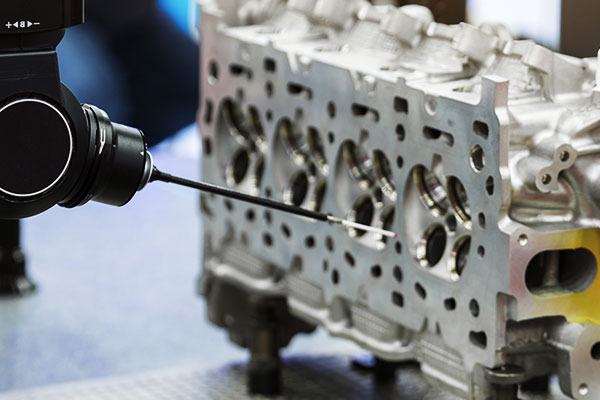
3D technologie skenování
Použitelné vady: Posun jádra, nesoulad, deformace odlitku a rozměrová odchylka přesahující konstrukční toleranci.
Technické vlastnosti: Používá laserové nebo strukturované světelné 3D skenery ke shromažďování celoplošných dat mračna bodů odlitků; porovnává s 3D návrhovými modely pro analýzu rozměrových odchylek s vysokou přesností.
Základní výhody: Vysoká přesnost měření (± 0,005 mm), plnorozměrná detekce, digitalizovaný výstup dat; může kvantifikovat stupeň deformace a polohu odlitků.
Standard shody: Splňuje ISO 10360, kritické pro přesné hliníkové díly vyžadující přísné rozměrové tolerance (± 0,01–0,05 mm).
6. Klíčová preventivní opatření pro běžné vady hliníkových odlitků
Níže je kompakt, inženýrsky orientovaný soubor preventivních opatření s klíčem k dominantním mechanismům defektů při odlévání hliníku.
Kvalita taveniny & zpracování kovů
- Degassing: použijte rotační nebo vakuové odplyňování a sledujte účinnost (hustotní index nebo ekvivalent). Před naléváním se zaměřte na trvale nízké hladiny rozpuštěného plynu.
- Tok & skimming: rutinně odstraňujte strusku a oxidované povrchové filmy; používejte vhodnou chemii tavidla a postupy sbírání, abyste minimalizovali nekovové vměstky.
- Filtrace: nainstalujte keramické/pěnové filtry do vtokového systému (vhodné hodnocení pórů pro slitinu a tekutost) k zachycení strusky a inkluzí.
- Regulace teploty & přehřátí: udržovat opakovatelné teploty tání a lití s úzkými kontrolními limity (vhodné přehřátí nad likvidem pro slitinu) takže plnění a fúze jsou spolehlivé bez nadměrného nabírání plynu.
- Kontrola chemie slitin: udržujte složení v mezích specifikací, abyste se vyhnuli širokým rozsahům tuhnutí a nežádoucímu chování při tuhnutí; provádět častou analýzu vzorků a zachovat tepelnou návaznost.
Gating, stoupačka & design plnění formy
- Laminární výplň: navrhněte brány a kolejnice tak, aby podporovaly hladkost, laminární tok (spodní nebo dobře navržené vložky, zúžené běžce) aby se zabránilo skládání oxidu a zachycení vzduchu.
- Řízená rychlost plnění: vyhněte se turbulentnímu rozstřiku, který strhává vzduch; použijte modelování proudění k nastavení rozměrů žlabu a rychlosti nalévání.
- Směrové tuhnutí: umístěte nálitky/podavače a chladicí zařízení, abyste vytvořili předvídatelné čelo tuhnutí a zabránili vnitřnímu smrštění.
- Přiměřené stoupání: velikost a umístění podavačů, aby byla zajištěna dostatečná kovová hlava a přívod během konečné fáze tuhnutí; pokud je to výhodné, zvažte izolované stoupačky nebo exotermické manžety.
Plísně, jádra a cvičení vzorů
- Schnout, dobře vytvrzená jádra/formy: udržovat nízkou vlhkost a správné vytvrzení pojiva, aby se zabránilo vývoji plynu (pískový úder) a strupovitost.
- Odvětrávání & propustnost: zajistit ventilační otvory a ventilační kanály v zónách s vysokým obsahem plynu, a řídit propustnost písku tak, aby vyhovovala slitině a tloušťce sekce odlitku.
- Očistěte povrchy formy & povlaky: používejte vhodné mytí/nátěry pro řízení reakcí kov-forma a zlepšení povrchové úpravy; ověřit kompatibilitu povlaků s teplotou sochoru a praxí odlévání.
- Údržba nářadí: vyměňte opotřebované vzory nebo matrice, abyste zabránili nadměrným defektům záblesků / dělicí čáry.
Plnicí & nácvik nalévání
- Spodní nebo řízené spodní plnění: pokud je to možné, použijte spodní nebo ponořený vtok ke snížení strhávání povrchových oxidů.
- Minimalizujte turbulence v bodech tuhnutí: použijte kuželové brány, dobře navržené nalévací pohárky a techniky rovnoměrného nalévání.
- Zabraňte opětovnému roztavení strusky: nelijte z povrchu stěrky do formy; umístěte naběračky a čepování pro tažení z čistého kovu.
- Důsledné postupy operátora: prosazovat standardní operační postupy (SOPS) pro pec, naběračka, a nalijte, které zahrnují ověření kontrolního seznamu (odplynění dokončeno, nainstalován filtr, nalít teplotu přihlášen).
Ovládání tuhnutí & Tepelná správa
- Zmrazování a regulace teploty: aplikujte chlad na podporu směrového tuhnutí; umístěte je na základě výstupu simulace.
- Snižte odchylky tloušťky řezu: navrhujte komponenty s jednotnou tloušťkou stěny a velkorysými zaobleními, aby se zabránilo horkým místům a koncentracím napětí.
- Ovládejte rychlost chlazení: kde je to možné, používat kontrolované chladicí přípravky nebo formy ke snížení teplotních gradientů a zbytkového napětí, které vedou k roztržení a deformaci za tepla.
Specifická slitinová a metalurgická opatření
- Zdokonalení obilí / očkování: používejte vhodné zjemňovače nebo modifikátory zrna (NAPŘ., Sr pro systémy Al-Si) zlepšit krmení a snížit náchylnost k roztržení za tepla.
- Řízení vodíku: k minimalizaci zdrojů vodíku používejte odplyňovací a suché kelímky/vložky; kontrolovat vlhkost v tocích, povlaky a jádra.
- Homogenizace / řešení: pro odlitky, které umožňují tepelné zpracování, aplikujte cykly homogenizace nebo rozpouštěcího žíhání ke snížení segregace a rozpuštění škodlivých fází.
Simulace procesů, design pro slévatelnost & DFCAST
- Simulace plnění a tuhnutí formy: spusťte CFD/solidifikační modely v rané fázi návrhu, abyste identifikovali rizikové zóny (chladná místa, oblasti turbulence, smršťovací horká místa) a iterovat hradlování, rozložení podavače a chlazení.
- Design pro slévatelnost (DFCAST): zahrnout jednotnou tloušťku sekce, velkorysé poloměry, vyhnout se náhlým změnám sekcí, a odlévací funkce (koncepty, přístupný příspěvek na obrábění) ve fázi návrhu.
Slévárenská praxe, inspekce & průběžné kontroly
- Logování parametrů procesu: zaznamenat chemii taveniny, odplyňovací metriky, Teplota nalévání, použití filtru/tavidla a stav sušení formy pro každé teplo/směnu.
- Strategie vrstvené NDT: definovat úrovně kontroly na základě kritičnosti součásti — vizuální → penetrační barvivo pro povrchové trhliny → radiografie/CT nebo fázovaná UT pro vnitřní objemové defekty.
- Kritéria přijetí vázaná na funkci: specifikujte povolenou velikost pórovitosti, umístění a objemový podíl ve vztahu k provoznímu zatížení (nejen počet „projde/nevyhoví“ povrch).
- On-line sledování: kde je to možné, používat inline monitorování vodíku, indexy čistoty tání a alarmy teploty nalévání k zastavení nevyhovujících výtoků.
Následná sanace & ověření
- Izostatické lisování za tepla (Hip): specifikujte HIP pro vysoce hodnotné odlitky nebo odlitky kritické z hlediska únavy k uzavření vnitřní pórovitosti, je-li to povoleno.
- Kvalifikované postupy oprav: opravy svarů nebo pájení pouze s kontrolovanými postupy a následným NDT a mechanickým ověřením.
- Finální opracování & funkční testování: odstranit povrchové vady opracováním tam, kde je to přijatelné; proveďte zkoušku tlaku/těsnosti tlakových částí.
7. Závěr
Vady hliníkových odlitků vznikají metalurgicky, tepelné a procesní interakce.
Proaktivní kontrola – počínaje cvičením čistého tání, pečlivý design vtoku a stoupačky, sušení a odvětrávání forem/jader, a dobře definované strategie NDT – podstatně snižuje výskyt defektů.
Pro kriticky důležité díly, investovat do pokročilé kontroly (Ct, UT s fázovým polem), simulace procesu a, když je to zaručeno, post-casting HIP pro zajištění strukturální integrity a dlouhé životnosti.
Časté časté
Jaká je nejčastější základní příčina vnitřní pórovitosti u hliníkových odlitků?
Absorpce a zachycování vodíku během tuhnutí, zhoršuje turbulentní plnění a nedostatečné odplyňování, je nejčastější příčinou vnitřní pórovitosti plynu.
Lze tepelným zpracováním odstranit veškerou pórovitost?
Žádný. Konvenční tepelné zpracování nevylučuje plynatost ani pórovitost smršťování. Izostatické lisování za tepla (Hip) může uzavřít vnitřní pórovitost u dílů s vysokou hodnotou.
Které NDT je nejlepší pro detekci malých vnitřních pórů?
Ct (počítačová tomografie) poskytuje nejlepší 3D citlivost a přesnost velikosti; radiografie a UT s fázovým polem jsou také účinné a ekonomičtější v závislosti na velikosti defektu a dostupnosti.
Jak mám specifikovat akceptační kritéria pro poréznost?
Přijetí by mělo být řízeno aplikací: specifikujte maximální povolenou velikost defektu, objemový zlomek, nebo limity kritického umístění (NAPŘ., žádná pórovitost těsnících ploch), a nařídit inspekční metodu použitou k ověření.
Je hliníkový odlitek vždy náchylnější k defektům než ocelový odlitek?
Ne přirozeně – každý kov má své vlastní dominantní mechanismy defektů.
Citlivost hliníku na vodík, oxidové filmy a jejich široký rozsah zmrazování vyžadují specifické kontroly; se správnou procesní disciplínou, míra defektů může být tak nízká jako u jiných slitin.
Reference: Přehled předmětu hliník a hliníkové slitiny