
Six High-Temperature Alloys
In advanced industrial systems—gas turbines, reheating furnaces, chemical reactors and aerospace hardware—materials are routinely expected to survive extreme thermal and […]
Six High-Temperature Alloys Read More »


In advanced industrial systems—gas turbines, reheating furnaces, chemical reactors and aerospace hardware—materials are routinely expected to survive extreme thermal and […]
Six High-Temperature Alloys Read More »

1. Introduction Polyethylene (PE) is a polymer produced by polymerisation of the monomer ethylene (CH₂=CH₂). First commercialised in the 1930s,
What Is Polyethylene (PE)? Read More »

Polyetheretherketone (PEEK) occupies a unique position among polymers: a semicrystalline, aromatic thermoplastic engineered for sustained performance in environments that defeat
PEEK: The King at the Top of Specialty Engineering Plastics Read More »

1. Introduction Polytetrafluoroethylene (PTFE) is a fully fluorinated, semi-crystalline thermoplastic polymer best known for an exceptionally low coefficient of friction,
What Is PTFE Material? Read More »
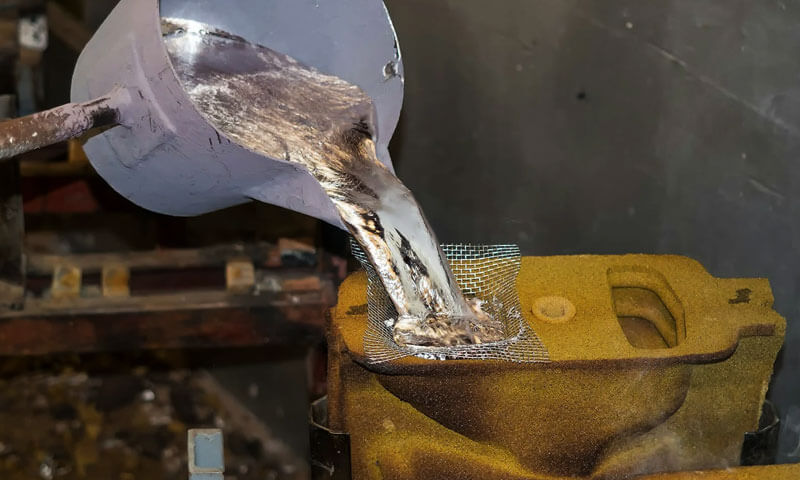
Producing high-quality aluminum extrusion feedstock and castings demands integrated control of alloy chemistry, melt cleanliness, thermal history and solidification behaviour.
Aluminum Alloy Smelting, Formulation, and Casting Technology Read More »

Nylon material (polyamide) is one of the most widely used families of engineering polymers. Since its commercial introduction in the
What Is Nylon Material? | Performance, Applications Read More »
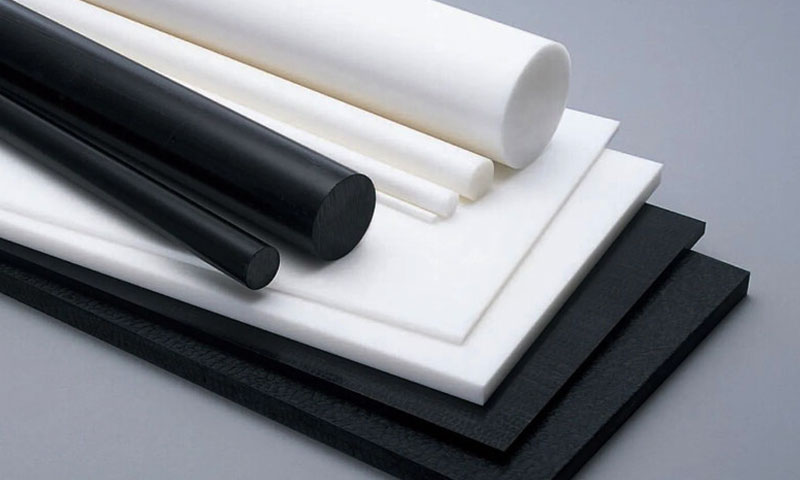
1. Introduction Polyoxymethylene (POM), commonly called acetal or by trade names such as Delrin®, is a semi-crystalline engineering thermoplastic prized
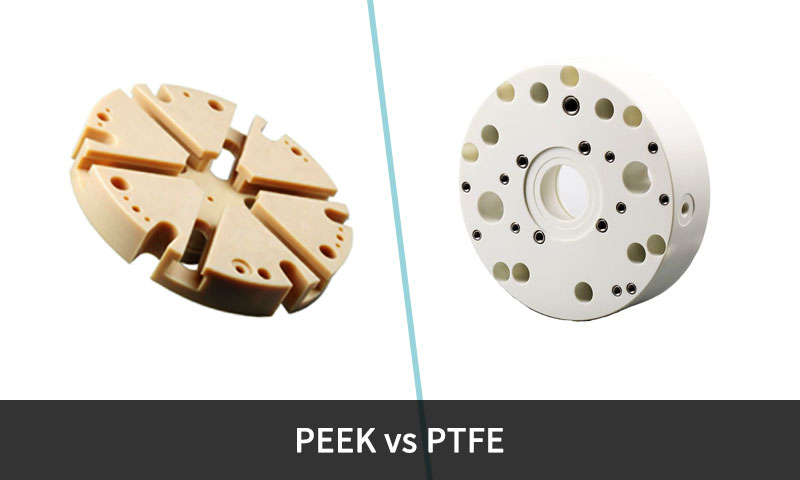
1. Introduction PEEK (polyetheretherketone) and PTFE (polytetrafluoroethylene) are high-performance engineering polymers but with very different strengths and weaknesses. PEEK is
PEEK vs PTFE: Which Wins for Your Application? Read More »
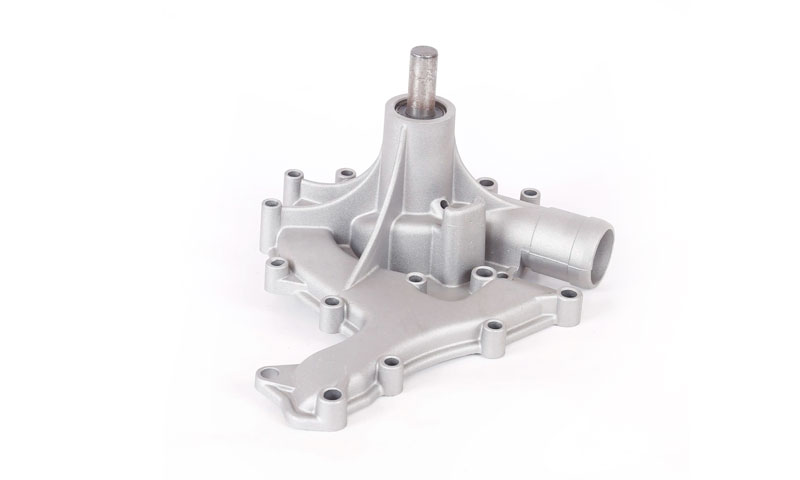
1. Executive summary “Cast aluminum–magnesium” refers to two related but distinct engineering families: (A) high-Mg cast Al–Mg alloys (Mg-majority alloying
Cast Aluminum–Magnesium Alloys: Lightweight Strength Read More »
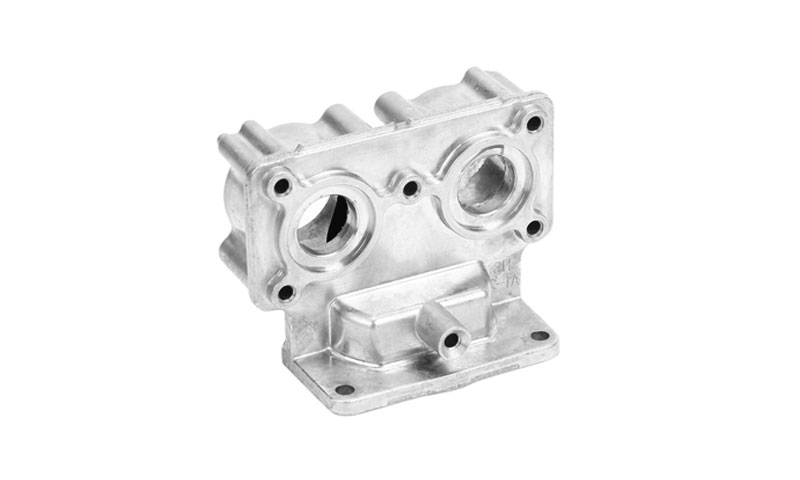
Cast aluminum alloys are pivotal materials in automotive, aerospace, industrial machinery, and consumer electronics, valued for their lightweight properties (density
Classification & Performance of Cast Aluminum Alloys Read More »