1. Introduction
Brass Casting refers to the process of producing metal components by pouring molten brass—a copper-zinc alloy—into a mold where it solidifies into a desired shape.
As one of the oldest and most widely used non-ferrous casting materials, brass has maintained its industrial relevance for centuries due to its excellent castability, corrosion resistance, and attractive appearance.
In modern manufacturing, brass casting plays a vital role across diverse industries, including plumbing, marine hardware, electrical engineering, and architectural design.
Compared to other copper-based casting alloys such as bronze (copper-tin) or gunmetal (copper-tin-zinc), brass generally offers superior fluidity, lower melting temperatures, and better machinability, making it more cost-effective for mass production of complex components.
2. What is Brass?
Brass is a metallurgical alloy composed primarily of copper (Cu) and zinc (Zn).
It is part of the broader family of copper alloys, but unlike bronze—which primarily uses tin—brass relies on zinc as its principal alloying element.
The copper-to-zinc ratio in brass significantly influences its mechanical properties, corrosion resistance, color, and suitability for various manufacturing processes, especially casting.

Classification of Brass Alloys
Brass can be classified into three main categories based on the zinc content and resulting metallurgical structure:
- Alpha Brass (≤ 35% Zn)
-
- Structure: Single-phase (α-phase), face-centered cubic.
- Properties: Excellent cold workability, moderate strength, good corrosion resistance.
- Use in casting: Limited, more suitable for forging and drawing.
- Alpha-Beta (Duplex) Brass (35–45% Zn)
-
- Structure: Mixture of α-phase and β-phase.
- Properties: Good strength, decent ductility, better fluidity than alpha brasses.
- Casting use: Widely used; balances castability and mechanical performance.
- Beta Brass (> 45% Zn)
-
- Structure: Predominantly β-phase (body-centered cubic).
- Properties: Harder, stronger, but more brittle.
- Casting use: Rare, mostly avoided due to brittleness and dezincification risk.
Common Alloying Elements
Beyond copper and zinc, other elements are often added to brass to enhance specific performance attributes:
| Element | Purpose |
| Lead (Pb) | Improves machinability; commonly used in plumbing and hardware grades. |
| Tin (Sn) | Enhances corrosion resistance, especially in marine applications. |
| Aluminum (Al) | Increases strength and corrosion resistance, particularly in seawater. |
| Silicon (Si) | Enhances fluidity and wear resistance; used in silicon brasses. |
| Manganese (Mn) | Increases strength, wear, and impact resistance. |
Note: Due to environmental and health regulations (e.g., RoHS, NSF/ANSI 61), lead-containing brasses are being phased out or replaced with lead-free or low-lead variants in many applications.
3. Why Cast Brass?
Brass is a preferred casting material due to its unique combination of properties:
- Superior Castability: Low melting point (950–1050°C) and high fluidity enable casting of thin walls (≥0.5 mm in investment casting) and intricate details (e.g., 0.1 mm threads).
- Corrosion Resistance: Naturally forms a protective copper oxide layer, with corrosion rates as low as 0.005 mm/year in freshwater (C83600).
- Machinability: Leaded brasses (C36000) have a machinability rating of 100% (vs. 30% for stainless steel), reducing tool wear by 40–50%.
- Aesthetics: Polishes to a gold-like finish (Ra 0.025–0.1 μm), eliminating the need for plating in decorative applications.
- Cost-Effectiveness: 20–30% cheaper than bronze and 50% cheaper than stainless steel for equivalent parts.
Compared to forging, casting produces complex shapes (e.g., multi-port valves) in one step, reducing assembly costs by 30–40%.
Versus machining, casting achieves 70–90% material utilization (vs. 30–50% for machining).
4. Common Brass Casting Alloys
Brass casting alloys are specifically formulated to optimize fluidity, mechanical performance, corrosion resistance, and machinability during and after casting.
These alloys vary in their copper, zinc, and lead content, with some including tin, aluminum, or silicon for enhanced properties.

Table: Typical Brass Casting Alloys and Their Properties
| Alloy Designation | Composition (Approx.) | Key Properties | Applications |
| C83600 (Leaded Red Brass) | Cu 85%, Sn 5%, Pb 5%, Zn 5% | Excellent castability, corrosion resistance, good machinability | Plumbing fittings, pump housings, valve bodies |
| C84400 (Leaded Semi-Red Brass) | Cu 81–83%, Pb 6–7%, Zn 7–10%, Sn 4–5% | High machinability, smooth surface finish | Plumbing parts, faucets, low-pressure fittings |
| C85700 (Manganese Brass) | Cu 60%, Zn 38%, Fe/Mn/Ni trace | High strength, wear resistance, moderate corrosion resistance | Heavy-duty bushings, gears, marine components |
| C85800 (Silicon Brass) | Cu 74%, Zn 23%, Si 2%, Mn <1% | Good strength, superior corrosion resistance in seawater | Marine castings, condenser tubes, pump impellers |
| C87300 (Low-Lead Brass) | Cu 76%, Zn 21%, Si 2%, Pb <0.25% | RoHS compliant, good mechanical strength | Potable water fittings, eco-friendly applications |
| C99700 (Lead-Free Brass) | Cu 88–90%, Zn balance, Bi <1% | Safe for drinking water, excellent machinability | Drinking water valves, green building components |
5. Brass Casting Methods
Brass can be cast using various methods, each suited to different component sizes, complexity levels, tolerances, and production volumes.
The selection of a casting technique depends on the desired mechanical properties, dimensional precision, surface quality, and cost constraints.
Brass Sand Casting
Overview:
Sand casting involves forming a cavity in compacted sand around a pattern that replicates the desired shape.
The mold can be made using green sand (clay-bonded) or resin-bonded sand. Molten brass is poured into the mold, where it solidifies before the sand mold is broken away.
This method has been used for centuries and remains widely employed due to its simplicity, low cost, and ability to cast large or complex parts.

Advantages:
- Low tooling cost and short lead times
- Suitable for small to very large components (from 0.5 kg to several hundred kg)
- Flexibility in design and wall thickness (≥5 mm)
Limitations:
- Rougher surface finish (Ra 6.3–25 μm)
- Moderate dimensional tolerances (±0.75–1.5 mm)
- Porosity and inclusions more common than other methods
Typical Applications:
Valve bodies, impellers, architectural hardware, large fittings
Brass Investment Casting (Lost Wax Casting)
Overview:
Investment casting starts with the creation of wax patterns that are assembled into a tree and repeatedly dipped into ceramic slurry to build a refractory shell.
After dewaxing, molten brass is poured into the preheated shell, allowing for precise and intricate part replication.
This process is ideal for components requiring tight tolerances and complex geometries, often used in high-performance or decorative applications.

Advantages:
- High dimensional accuracy (±0.1–0.3 mm)
- Excellent surface finish (Ra 1.6–3.2 μm)
- Capable of casting complex and thin-walled geometries (≥1.5 mm)
Limitations:
- Higher cost due to mold preparation and burnout process
- Typically used for small to medium-sized parts (up to ~50 kg)
Typical Applications:
Decorative hardware, musical instruments, aerospace fittings, precision valves
Brass Permanent Mold Casting (Gravity Die Casting)
Overview:
Permanent mold casting uses reusable metallic molds, typically made from cast iron or steel. Molten brass is poured by gravity into the preheated mold cavity.
The metal cools rapidly due to the high thermal conductivity of the mold, resulting in improved surface finish, finer microstructure, and consistent mechanical properties.
This method is suitable for medium-production runs of geometrically simple to moderately complex parts.
Advantages:
- Superior dimensional consistency and mechanical properties
- Faster cycle times compared to sand or investment casting
- Good surface finish (Ra 3.2–6.3 μm)
Limitations:
- High initial tooling cost
- Limited to simple to moderately complex shapes
- Thermal fatigue can reduce mold life
Typical Applications:
Water meter bodies, electrical terminals, gear housings, plumbing components
Brass Centrifugal Casting
Overview:
In centrifugal casting, molten brass is poured into a rapidly rotating mold.
The centrifugal force distributes the metal evenly against the mold walls, producing dense, fine-grained, and porosity-free castings.
The process can be vertical or horizontal depending on the part geometry. It is particularly advantageous for cylindrical and symmetrical components requiring high mechanical integrity.
Advantages:
- High density and minimal porosity
- Excellent mechanical strength and grain refinement
- Ideal for hollow, cylindrical components
Limitations:
- Limited to symmetrical parts (tubes, rings)
- Specialized equipment required
Typical Applications:
Bushings, sleeves, pipe fittings, bearing shells
(Optional) Brass Die Casting (Pressure Die Casting)
Overview:
Though not as common as aluminum or zinc die casting, pressure die casting can be used for brass when high-volume production and fine surface finish are required.
Molten brass is injected into a steel mold under high pressure, allowing for fast cycle times and tight tolerances.
Special die materials and lubricants are used to withstand brass’s high melting temperature and abrasive nature.

Advantages:
- High-speed production and excellent dimensional control
- Fine surface finish
- Good repeatability for high-volume runs
Limitations:
- Expensive tooling and shorter mold life due to brass’s abrasiveness
- Not ideal for very thick or large parts
Applications:
Small plumbing components, electronic connectors
Summary of Brass Casting Method Comparison
| Method | Complexity | Surface Finish (Ra) | Dimensional Accuracy | Best For |
| Sand Casting | Moderate | 6.3–25 μm | ±0.75–1.5 mm | Large parts, low/medium-volume runs |
| Investment Casting | High | 1.6–3.2 μm | ±0.1–0.3 mm | Precision parts, complex geometry |
| Permanent Mold Casting | Medium | 3.2–6.3 μm | ±0.3–0.8 mm | Repetitive medium-sized parts |
| Centrifugal Casting | Low (Symmetric) | 1.6–6.3 μm | ±0.2–0.6 mm | Tubes, bushings, bearing housings |
| Die Casting (optional) | Medium | 1.6–3.2 μm | ±0.1–0.3 mm | Small parts in high production volumes |
6. Brass Casting Process: Step by Step
- Mold Prep (depending on method)
- Melting & Temperature Control (~950–1050 °C)
- Degassing & Fluxing to remove oxides
- Pouring & Gating design to minimize turbulence
- Solidification ensures good grain and uniform shrinkage
- Shakeout & Fettling remove gates and risers
- Optional Heat Treatment (stress relieve or grain size control)
- Final Finishing as per design requirements
7. Surface Finishing Options of Brass Casting
Surface finishing is a critical phase in brass casting, influencing not only the aesthetic appeal of the final component but also its corrosion resistance, dimensional accuracy, and mechanical performance.
Machining and Polishing
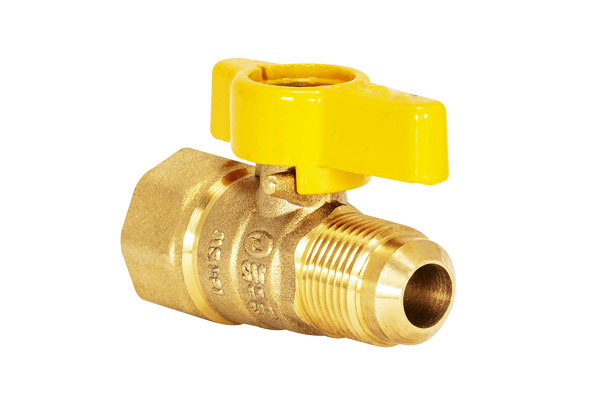
- Purpose: Improve dimensional accuracy and remove casting imperfections such as flash, gate residues, or surface roughness.
- Process:
-
- CNC machining or manual turning, milling, or drilling.
- Polishing involves abrasive belts, wheels, or buffing compounds to achieve mirror-like finishes.
- Applications: Plumbing fittings, architectural hardware, precision mechanical components.
Note: Brass is highly machinable due to its soft nature and chip-breaking characteristics, especially leaded brass grades.
Pickling and Passivation
- Purpose: Remove surface oxides, scale, and discoloration from heat treatment or casting.
- Pickling:
-
- Acid solutions (e.g., dilute sulfuric or nitric acid) are used to clean the surface.
- Passivation:
-
- Chemical treatment creates a thin, protective oxide film to improve corrosion resistance.
- Benefits:
-
- Restores uniform metallic appearance.
- Prepares surface for further coatings or plating.
Electroplating
- Purpose: Enhance appearance, corrosion resistance, or surface hardness.
- Common Plating Options:
-
- Nickel plating: Bright, corrosion-resistant finish for household fittings and automotive parts.
- Chrome plating: Hard, reflective surface often used in decorative applications.
- Gold or silver plating: For jewelry or luxury hardware.
Process Tip: Proper cleaning and degreasing are essential before plating to ensure adhesion.
Lacquering and Protective Coatings
- Purpose: Prevent tarnishing and oxidation, especially for decorative or exposed parts.
- Types:
-
- Clear lacquer coatings: Transparent and UV-resistant; often applied by spray or dip.
- Powder coatings: Durable, thermoset plastic films that protect from abrasion and chemicals.
- Applications:
-
- Lighting fixtures, furniture trim, musical instruments, marine fittings.
Advantage: Lacquering retains the natural golden appearance of brass for years.
Bead Blasting and Sandblasting
- Purpose: Uniform matte surface texture, removal of oxide layers, and surface preparation for coating.
- Media:
-
- Bead blasting uses fine glass beads for smoother finishes.
- Sandblasting uses coarser media for aggressive surface cleaning.
- Usage:
-
- Common pre-treatment before painting or anodizing.
- Aesthetic matte finishes for industrial design components.
8. Advantages of Brass Casting
Brass casting offers a range of benefits that make it a preferred method for manufacturing complex components across industries such as plumbing, marine, decorative hardware, and electrical systems.
Excellent Castability and Fluidity
- Brass alloys—especially those with higher zinc content—exhibit superior fluidity, enabling the production of intricate, thin-walled, or complex-shaped parts.
- This allows brass to fill detailed molds efficiently, minimizing defects like cold shuts or incomplete filling.
- Suitable for various casting methods including investment casting, sand casting, and permanent mold casting.
High Corrosion Resistance
- Brass naturally resists corrosion in most environments, particularly in water-based, humid, and slightly acidic conditions.
- Alloys such as dezincification-resistant brass (DZR) are specifically designed for prolonged service in potable water and marine applications.
- Protective surface finishes (e.g., lacquer, plating) further enhance corrosion resistance.
Attractive Aesthetic Appearance
- Brass has a natural golden hue that makes it a popular choice for visible or decorative parts.
- It is widely used in architecture, musical instruments, home décor, and fine art casting.
- Can be easily polished, patinated, or plated to match design requirements.
Excellent Machinability
- Leaded brass casting alloys, such as C85800 or C36000, offer excellent machinability due to the presence of free-cutting lead particles.
- Post-casting operations such as drilling, threading, and turning are efficient and cost-effective.
- This reduces tool wear and improves production throughput in finishing stages.
Good Mechanical Properties
- Brass castings offer a balanced combination of strength, toughness, and hardness suitable for structural and load-bearing applications.
- Typical tensile strength: 200–500 MPa, depending on alloy and process.
- Adequate wear resistance for parts such as gears, valve bodies, and bearings.
Versatility in Alloy Selection
- Wide range of casting alloys available: yellow brass, red brass, silicon brass, lead-free brass, and naval brass.
- Allows customization for mechanical strength, corrosion resistance, regulatory compliance (e.g., lead-free), and appearance.
- Designers can tailor properties based on specific application needs.
Cost-Effectiveness
- Brass is relatively easy to cast, requiring less energy and simpler molding systems than ferrous metals.
- Tooling costs for brass casting are moderate, particularly in sand and investment casting.
- Long tool life and efficient processing reduce overall manufacturing costs.
Excellent Recyclability
- Brass scrap can be efficiently reused without significant loss of properties.
- High recycling rates (often over 90%) make brass casting environmentally friendly and economically sustainable.
- Recycled brass retains its value, contributing to lower raw material costs.
Compatibility with Various Casting Techniques
- Brass can be cast using almost every major method: sand casting, investment casting, permanent mold, centrifugal, and shell molding.
- This flexibility allows manufacturers to choose the most appropriate process based on part size, complexity, volume, and required tolerances.
9. Limitations and Challenges of Brass Casting
- Zinc Loss: 2–5% of zinc oxidizes during melting, requiring careful temperature control and fluxing to maintain alloy composition.
- Lead Regulations: RoHS restricts lead to <0.1% in electrical components; U.S. Safe Drinking Water Act limits lead in plumbing brass to <0.25% (effective 2014).
- Strength: Tensile strength (340–450 MPa) is lower than steel (600–800 MPa) or bronze (400–600 MPa), limiting use in high-load structural parts.
- Dezincification: High-zinc brasses (C36000) are prone to zinc leaching in acidic environments; mitigated by tin additions (C83600) or low-zinc alloys.
10. Applications of Brass Castings
Brass castings are widely utilized across a diverse range of industries due to their excellent mechanical properties, corrosion resistance, aesthetic appeal, and versatility.

Plumbing and Pipe Fittings
- Key Reasons: Corrosion resistance, machinability, and compliance with potable water standards.
- Examples:
-
- Faucets and valves
- Pipe connectors and couplings
- Backflow preventers
- Drainage fittings
- Regulations: Many brass alloys used in plumbing are lead-free or low-lead to comply with regulations like NSF/ANSI 61.
Decorative Hardware and Architectural Elements
- Key Reasons: Natural golden finish, polishability, and resistance to tarnishing.
- Examples:
-
- Door handles and knobs
- Lighting fixtures and chandeliers
- Window latches and hinges
- Handrails, plaques, and trim details
Marine Components
- Key Reasons: Excellent corrosion resistance in saltwater environments.
- Examples:
-
- Propellers and impellers
- Pump housings and valve bodies
- Marine-grade fittings and hardware
- Deck components and fasteners
Electrical and Instrumentation Components
- Key Reasons: High electrical conductivity, corrosion resistance, and fine castability.
- Examples:
-
- Electrical switchgear housings
- Connectors and terminal blocks
- Meter bases and control panels
- Electrical enclosures and bus bar supports
Musical Instruments and Fine Art Castings
- Key Reasons: Acoustic properties, formability, and aesthetic value.
- Examples:
-
- Bells, trumpets, and horns
- Sculpture and decorative castings
- Instrument fittings and resonating components
Industrial and Hydraulic Components
- Key Reasons: Wear resistance, machinability, and stable mechanical properties.
- Examples:
-
- Gear blanks and worm wheels
- Hydraulic pump bodies and valve seats
- Bearing cages and bushings
- Heat exchanger components
Automotive and Aerospace Applications
- Key Reasons: Lightweight, corrosion resistance, and cost-effectiveness.
- Examples:
-
- Carburetor and fuel system parts
- Decorative interior trim
- Bearings and connectors
- Sensor housings and brackets (non-structural)
Sanitary and Food-Grade Equipment
- Key Reasons: Non-toxic, corrosion-resistant, and compliant with hygiene standards.
- Examples:
-
- Beverage dispensers
- Water meters and filter components
- Food processing equipment fittings
- Alloys: Lead-free brass grades are preferred for food-contact and sanitary applications.
HVAC and Gas Fittings
- Key Reasons: Brass’s sealing ability, thermal conductivity, and corrosion resistance.
- Examples:
-
- Gas valves and regulators
- Thermostat housings
- Pressure relief valve bodies
- Radiator cores and pump impellers
Locks and Security Systems
- Key Reasons: Precision casting, wear resistance, and resistance to corrosion and tampering.
- Examples:
-
- Padlock bodies
- Cylinder lock components
- Keyways and locking cams
11. Quality Control in Brass Casting
- Chemical Analysis: Optical emission spectrometry verifies composition (e.g., 60–63% Cu in C36000).
- Mechanical Testing: Tensile tests (per ASTM B557) ensure strength; hardness testing (Brinell) confirms 70–120 HB range.
- Non-Destructive Testing:
-
- X-ray detects internal porosity (critical for pressure vessels).
- Dye penetrant identifies surface cracks in valve seats.
- Standards Compliance: ASTM B584 (specifications for brass castings) and EN 1982 (European standards for copper alloys).
12. Conclusion
Brass casting delivers a versatile solution for engineers and designers requiring a balance of fluidity, aesthetics, and corrosion resistance.
While each casting method carries specific trade-offs in cost, precision, and scale, selecting the right process and alloy ensures optimal performance, whether for ornate hardware or robust industrial components.
FAQs
What is the most common brass alloy for casting?
C36000 (free-cutting brass) is most common, valued for its machinability and castability in plumbing and electrical applications.
Can brass castings be welded?
Yes, but with caution. Gas tungsten arc welding (GTAW) works best, using a silicon-bronze filler to avoid zinc vaporization (which causes porosity).
How long do brass castings last?
In freshwater, C36000 fittings last 50+ years; in seawater, C83600 components endure 30–40 years with minimal corrosion.
Is brass casting environmentally friendly?
Yes—brass is 90% recyclable, and modern lead-free alloys (e.g., C37700) comply with global environmental standards.
What’s the difference between brass and bronze casting?
Brass (Cu-Zn) offers better castability and lower cost; bronze (Cu-Sn) provides higher strength and wear resistance, used in heavy machinery.
What casting defects are common in brass?
Beware of gas porosity, zinc vapor porosity, segregation, and shrinkage cavities—controlled through degassing, gating design, and process control.
Is brass magnetic?
No, brass is not magnetic. It is a non-ferrous alloy made primarily of copper and zinc, neither of which are ferromagnetic. Therefore, brass will not be attracted to magnets.
Does brass rust?
Brass does not rust because it contains no iron. However, it can tarnish or develop a patina (a dull layer or greenish film) due to oxidation or exposure to moisture and air over time.
This is different from the red-brown flaking rust seen in iron and steel.