নাইলন উপাদান (পলিমাইড) ইঞ্জিনিয়ারিং পলিমারের বহুল ব্যবহৃত পরিবারগুলির মধ্যে একটি.
যেহেতু টেক্সটাইল ফাইবার হিসাবে 1930 এর দশকে এর বাণিজ্যিক প্রবর্তন, নাইলন রসায়ন এবং প্রক্রিয়াকরণ তন্তুগুলির জন্য ব্যবহৃত বহুমুখী প্ল্যাটফর্মে বিকশিত হয়েছে, চলচ্চিত্র, ঢালাই প্রকৌশল উপাদান এবং উচ্চ কর্মক্ষমতা কম্পোজিট.
এই নিবন্ধটি একটি প্রযুক্তিগত প্রদান করে, নাইলনের বহু-দৃষ্টিকোণ বিশ্লেষণ: এটা কি রাসায়নিক, এর প্রধান গ্রেড, মূল শারীরিক এবং যান্ত্রিক আচরণ, প্রক্রিয়াকরণ রুট, সুবিধা এবং সীমাবদ্ধতা, সাধারণ অ্যাপ্লিকেশন, টেকসই সমস্যা, এবং ভবিষ্যতের দিকনির্দেশ.
1. নাইলন কি?
নাইলন উপাদান সাধারণত সিন্থেটিক পরিবারের জন্য ব্যবহৃত বাণিজ্য নাম পলিমাইড পলিমার.
প্রথম সম্পূর্ণ সিন্থেটিক ফাইবার হিসাবে 1930 সালে বিকশিত হয়, নাইলন এখন দুটি বিস্তৃত বাণিজ্যিক ধারায় বিদ্যমান: টেক্সটাইল ফাইবার (নাইলন ফাইবার এবং ফিলামেন্ট) এবং ইঞ্জিনিয়ারিং থার্মোপ্লাস্টিক (ইনজেকশন-ঢাকা এবং এক্সট্রুড পলিমাইড).
একটি উপাদান শ্রেণী হিসাবে, নাইলন একত্রিত ভাল যান্ত্রিক শক্তি, দৃঢ়তা, ঘর্ষণ প্রতিরোধের এবং রাসায়নিক প্রতিরোধের বিস্তৃত প্রক্রিয়াযোগ্যতা সহ (স্পিনিং, এক্সট্রুশন, ইনজেকশন ছাঁচনির্মাণ), যা তাদের টেক্সটাইল জুড়ে সর্বব্যাপী করে তোলে, ভোগ্যপণ্য এবং শিল্প প্রকৌশল অ্যাপ্লিকেশন.
2. রাসায়নিক কাঠামো এবং প্রধান বাণিজ্যিক গ্রেড
মৌলিক রসায়ন
নাইলন হল পলিমাইডস যা বারবার অ্যামাইড বন্ধন দ্বারা গঠিত হয় (–CO-NH-) একটি পলিমার ব্যাকবোনে.
গ্রেডের মধ্যে পার্থক্যগুলি ব্যবহৃত মনোমার এবং ফলস্বরূপ পুনরাবৃত্তি-ইউনিট ব্যবধান থেকে উদ্ভূত হয়, যা স্ফটিকতা নিয়ন্ত্রণ করে, গলনাঙ্ক এবং হাইড্রোলাইটিক স্থায়িত্ব.
সাধারণ বাণিজ্যিক গ্রেড (সংক্ষিপ্ত রূপ এবং সংক্ষিপ্ত নোট)
- PA6 (polycaprolactam / নাইলন 6): ক্যাপ্রোল্যাক্টামের রিং-ওপেনিং পলিমারাইজেশন দ্বারা তৈরি. ভাল দৃ ness ়তা, PA66 এর চেয়ে সামান্য কম গলনাঙ্ক; ঢালাই অংশ এবং ফাইবার জন্য ব্যাপকভাবে ব্যবহৃত.
- PA66 (পলি(hexamethylene adipamide) / নাইলন 66): এডিপিক অ্যাসিড এবং হেক্সামেথিলেনেডিয়ামিনের ঘনীভবন দ্বারা উত্পাদিত হয়.
উচ্চতর গলনাঙ্ক এবং PA6 এর তুলনায় সামান্য উচ্চতর কঠোরতা এবং তাপ প্রতিরোধের. - PA11 / PA12 (দীর্ঘ চেইন নাইলন): কম জল গ্রহণ এবং ভাল রাসায়নিক/নিম্ন-তাপমাত্রা কর্মক্ষমতা; প্রায়ই টিউব জন্য ব্যবহৃত, জ্বালানী লাইন এবং নমনীয় অংশ. PA11 বায়ো-ভিত্তিক ফিডস্টক থেকে তৈরি করা যেতে পারে (ক্যাস্টর তেল).
- কপোলিয়ামাইডস (যেমন, PA6/66 মিশ্রিত): সম্পত্তি ব্যবসা বন্ধ; উন্নত প্রক্রিয়াযোগ্যতা বা হাইড্রোলাইটিক স্থায়িত্ব.
- বিশেষত্ব পলিমাইড: উচ্চ-তাপমাত্রা নাইলন (যেমন, PA46), সুগন্ধযুক্ত বা আধা-সুগন্ধযুক্ত পলিমাইড (উচ্চ কর্মক্ষমতা, উচ্চ ব্যয়).
3. সাধারণ শারীরিক এবং যান্ত্রিক বৈশিষ্ট্য (সাধারণ ব্যাপ্তি)
নীচের সারণীটি অপূর্ণতার জন্য সাধারণ ইঞ্জিনিয়ারিং রেঞ্জ দেয় (ঝরঝরে) বাণিজ্যিক নাইলন. প্রকৃত মান গ্রেডের উপর নির্ভর করে, কন্ডিশনার (আর্দ্রতা সামগ্রী), এবং পরীক্ষা পদ্ধতি.
| সম্পত্তি | সাধারণ পরিসীমা (ঝরঝরে PA6 / PA66) | ব্যবহারিক নোট |
| ঘনত্ব (g · cm⁻⁻) | 1.12-1.15 | PA6 ≈1.13; PA66 ≈1.14 |
| টেনসিল শক্তি (এমপিএ) | 50–90 | PA66 এর জন্য উচ্চতর; গ্লাস ভরাট 100-200+ MPa-এ উন্নীত হয় |
| তরুণের মডুলাস (জিপিএ) | 2.5–3.5 | গ্লাস ভরাট সঙ্গে বৃদ্ধি |
| বিরতি এ দীর্ঘতা (%) | 20–150 | শুকিয়ে গেলে অত্যন্ত নমনীয়; কাচ দিয়ে কমে যায় |
| খাঁজযুক্ত ইজোড (কেজে মাদুর দেখায়) | 20–80 | ভাল প্রভাব দৃঢ়তা |
| গলনাঙ্ক (° সে) | PA6: ~215-220; PA66: ~255–265 | টেম্প ইমপ্লিকেশন প্রক্রিয়া করুন এবং ব্যবহার করুন |
| কাচের রূপান্তর (° সে) | ≈ 40-70 | আর্দ্রতা এবং স্ফটিকতা Tg কে প্রভাবিত করে |
| জল শোষণ (ভারসাম্য, ডাব্লুটি%) | 0.5–3.0 (RH এর উপর নির্ভর করে & গ্রেড) | PA6 সাধারণত 1.5-2.5% এ 50% আরএইচ; PA12/11 অনেক কম |
| এইচডিটি (1.82 এমপিএ) (° সে) | 60–120 (ঝরঝরে) | গ্লাস ভরাট উল্লেখযোগ্যভাবে HDT বাড়ায় |
ডিজাইন নোট: উপরে তালিকাভুক্ত যান্ত্রিক বৈশিষ্ট্য জন্য শুকনো রজন; আর্দ্রতা ভারসাম্য সাধারণত মডুলাস হ্রাস করে এবং কঠোরতা বাড়ায় - তাই ডিজাইনের জন্য শর্তযুক্ত পরীক্ষার ডেটা ব্যবহার করা উচিত.
4. তাপীয় আচরণ এবং মাত্রিক স্থায়িত্ব
- গলে যাওয়া আচরণ: PA6 এবং PA66 আধা-ক্রিস্টালাইন; তাদের উচ্চ স্ফটিকতা শক্তি এবং তাপ প্রতিরোধের দেয় কিন্তু অ্যানিসোট্রপিক সংকোচনও করে.
- দরকারী অবিচ্ছিন্ন পরিষেবা তাপমাত্রা: অপূর্ণ গ্রেডের জন্য সাধারণত 80-120 °C পর্যন্ত; গ্লাস-ভরা বা তাপ-স্থিতিশীল গ্রেডগুলি ব্যবহারযোগ্য তাপমাত্রা প্রসারিত করে.
- মাত্রিক স্থায়িত্ব: ছাঁচনির্মাণের সময় অ্যানিসোট্রপিক সংকোচন এবং হাইগ্রোস্কোপিক ফোলা মাত্রিক পরিবর্তনের মূল চালক.
ডিজাইনারদের অবশ্যই সহনশীলতার স্তুপে প্রক্রিয়াকরণ সংকোচন এবং আর্দ্রতা-প্ররোচিত প্রসারণের জন্য দায়ী করতে হবে.
5. আর্দ্রতা গ্রহণ এবং এর প্রভাব - সংজ্ঞায়িত ব্যবহারিক সীমাবদ্ধতা
নাইলন উপাদানের জন্য আর্দ্রতা একক সবচেয়ে গুরুত্বপূর্ণ ব্যবহারিক বিবেচনা.
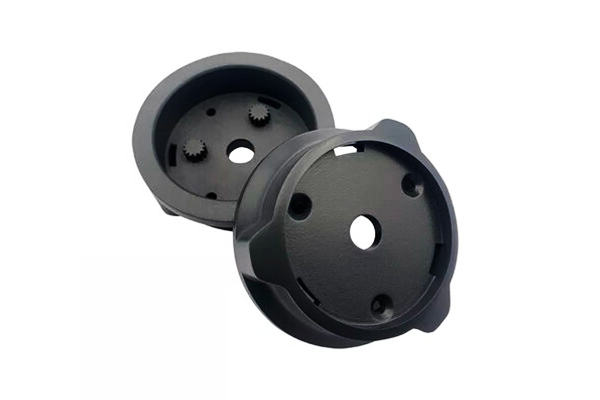
প্রক্রিয়া & মাত্রা
- নাইলন নিরাকার অঞ্চলে ছড়িয়ে দিয়ে জল শোষণ করে; ভারসাম্য বিষয়বস্তু আপেক্ষিক আর্দ্রতা এবং তাপমাত্রার উপর নির্ভর করে.
- সাধারণ ভারসাম্য জল গ্রহণ: PA6 ~1.5–2.5 wt% (কক্ষের অবস্থা), PA66 সামান্য বেশি; PA11/PA12 << 1% (দীর্ঘ-চেইন নাইলন সুবিধা).
বৈশিষ্ট্যের উপর প্রভাব
- দৃঢ়তা এবং শক্তি হ্রাস পানি প্লাস্টিকাইজার হিসাবে কাজ করে (সাম্যাবস্থায় মডুলাস 10-30% কম).
- দৃঢ়তা এবং প্রসারণ প্রায়ই বৃদ্ধি পায়, ভঙ্গুরতা হ্রাস.
- মাত্রিক পরিবর্তন (ফোলা) তাৎপর্যপূর্ণ হতে পারে (ছোট অংশের জন্য শত শত µm) এবং ডিজাইন বা পোস্ট-কন্ডিশনিং দ্বারা মিটমাট করা আবশ্যক.
- প্রক্রিয়াকরণ প্রভাব: ঢালাই অংশ চূড়ান্ত পরিদর্শন আগে প্রত্যাশিত সেবা আর্দ্রতা শর্তাধীন করা উচিত; হাইড্রোলাইসিস এড়াতে ছাঁচনির্মাণের আগে শুকানো অপরিহার্য (চেইন কাঁচ) গলে.
ব্যবহারিক নিয়ম
- মাত্রিক সমালোচনামূলক অংশ জন্য, কন্ডিশনার প্রোটোকল নির্দিষ্ট করুন (যেমন, শুকনো: 0.05% আর্দ্রতা, শর্তযুক্ত: 23ভারসাম্য না হওয়া পর্যন্ত °C/50% RH).
- দীর্ঘ চেইন নাইলন বিবেচনা করুন (PA11/PA12) বা হাইগ্রোস্কোপিসিটি কমাতে গ্রেড পূরণ করুন.
6. রাসায়নিক প্রতিরোধের এবং বৈদ্যুতিক বৈশিষ্ট্য
- রাসায়নিক প্রতিরোধ: নাইলন হাইড্রোকার্বন প্রতিরোধ করে, তেল, গ্রীস এবং অনেক দ্রাবক.
তারা হয় আক্রমণ শক্তিশালী অ্যাসিড দ্বারা, শক্তিশালী অক্সিডাইজার এবং কিছু হ্যালোজেনেটেড দ্রাবক—বিশেষ করে উচ্চ তাপমাত্রায়.
জ্বালানী এবং জলবাহী সামঞ্জস্যতা গ্রেড এবং এক্সপোজার অবস্থার উপর নির্ভর করে; দীর্ঘমেয়াদী নিমজ্জন বৈধতা প্রয়োজন. - বৈদ্যুতিক বৈশিষ্ট্য: শুকিয়ে গেলে ভাল বৈদ্যুতিক নিরোধক; অস্তরক ধ্রুবক এবং ক্ষতি স্পর্শক পরিবর্তন সঙ্গে আর্দ্রতা, তাই বৈদ্যুতিক অ্যাপ্লিকেশনের জন্য আর্দ্রতা-নিয়ন্ত্রিত পরিবেশ বা হারমেটিক এনক্যাপসুলেশন প্রয়োজন.
7. প্রক্রিয়াকরণ এবং উত্পাদন পদ্ধতি
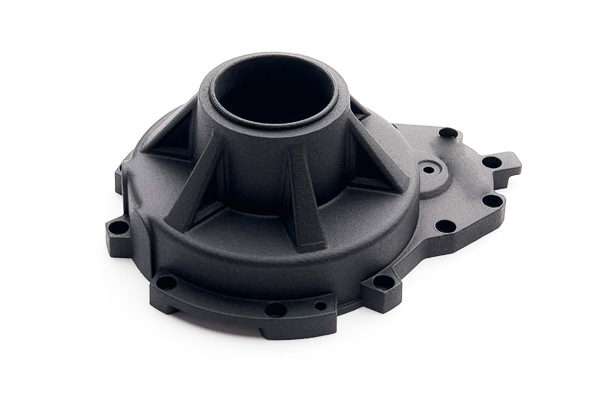
সাধারণ প্রক্রিয়া
- ইনজেকশন ছাঁচনির্মাণ: জটিল আকার এবং উচ্চ ভলিউমের জন্য প্রভাবশালী. গলিত তাপমাত্রা প্রক্রিয়াকরণ: PA6 ~230–260°C; PA66 ~260–280 °C (শুরু পয়েন্ট - প্রতি গ্রেড যাচাই).
ছাঁচগুলি সাধারণত উষ্ণ রাখা হয় (60-90 °সে) ক্রিস্টালাইজেশন নিয়ন্ত্রণ এবং সিঙ্ক কমাতে. - এক্সট্রুশন: রডস, টিউব, প্রোফাইল এবং ছায়াছবি.
- ব্লো ছাঁচনির্মাণ/থার্মোফর্মিং: নির্দিষ্ট গ্রেডের জন্য (PA12 টিউবিং, জ্বালানী লাইন).
- ফাইবার স্পিনিং: টেক্সটাইল এবং শিল্প টেপ জন্য নাইলন ফাইবার.
- মেশিনিং: নাইলন এক্সট্রুড স্টক থেকে মেশিন করা যেতে পারে; নমনীয়তার কারণে টুলিং জ্যামিতি এবং চিপ নিয়ন্ত্রণ গুরুত্বপূর্ণ.
মূল প্রক্রিয়াকরণ নিয়ন্ত্রণ
- শুকানো: নাইলন উপাদান শুকানো আবশ্যক (সাধারণ লক্ষ্য আর্দ্রতা <0.2%) জলবিশ্লেষণ এবং দরিদ্র পৃষ্ঠ ফিনিস প্রতিরোধ গলে প্রক্রিয়াকরণের আগে; শুকানোর সময়সূচী পরিবর্তিত হয় (যেমন, 80-100 ডিগ্রি সেলসিয়াস কয়েক ঘন্টার জন্য).
- স্থিরতা গলে: অবক্ষয় রোধ করতে অত্যধিক বসবাসের সময় এবং উচ্চ শিয়ার এড়ান.
- গেট/প্রবাহ নকশা: ওয়েল্ড লাইন পরিচালনা করুন এবং স্থিতিবিন্যাস কমিয়ে দিন যা সম্পত্তি অ্যানিসোট্রপির দিকে পরিচালিত করে.
8. চাঙ্গা এবং বিশেষ নাইলন
Fillers এবং copolymerization দর্জি নাইলন উপাদান কর্মক্ষমতা:
- গ্লাস ভরা নাইলন (20-50% জিএফ): মডুলাস এবং মাত্রিক স্থায়িত্ব বৃদ্ধি, HDT বাড়ান, কিন্তু প্রভাব দৃঢ়তা কমাতে এবং সঙ্গম অংশে ঘষিয়া তুলিয়া ফেলিতে সক্ষম পরিধান বৃদ্ধি.
- খনিজ ফিলার (ট্যালক, মিকা): মাঝারি কঠোরতা বৃদ্ধি এবং উন্নত হামাগুড়ি প্রতিরোধের.
- PTFE বা গ্রাফাইট লুব্রিকেটেড গ্রেড: ঘর্ষণ কম সহগ এবং স্লাইডিং অ্যাপ্লিকেশন পরিধান কমাতে.
- শিখা-প্রতিরোধী, UV-স্থিতিশীল এবং হাইড্রোলাইসিস-স্থিতিশীল গ্রেড চাহিদা পরিবেশের জন্য উপলব্ধ.
- পলিমাইড মিশ্রণ এবং কপোলিমার (যেমন, PA6/PA66, PA6T) প্রক্রিয়াযোগ্যতা এবং তাপ কর্মক্ষমতা অপ্টিমাইজ করুন.
9. নাইলন উপাদানের সুবিধা এবং সীমাবদ্ধতা
নাইলনের সুবিধা
- উচ্চ শক্তি এবং দৃ ness ়তা
সাধারণ প্রসার্য শক্তি থেকে রেঞ্জ 50-90 এমপিএ (ঝরঝরে গ্রেড), চমৎকার প্রভাব প্রতিরোধের এবং ক্লান্তি কর্মক্ষমতা সঙ্গে. - ভাল পরিধান এবং ঘর্ষণ প্রতিরোধের
বিশেষ করে গিয়ারে কার্যকর, বুশিংস, এবং স্লাইডিং উপাদান; লুব্রিকেটেড গ্রেড ট্রাইবোলজিক্যাল আচরণকে আরও উন্নত করে. - ভাল দৃঢ়তা সঙ্গে হালকা
ঘনত্ব কম (~1.13–1.15 গ্রাম/সেমি³), গ্লাস বা খনিজ ফিলার ব্যবহার করে দৃঢ়তা উল্লেখযোগ্যভাবে বৃদ্ধি করা যেতে পারে. - রাসায়নিক প্রতিরোধ
তেল প্রতিরোধী, জ্বালানী, এবং অনেক হাইড্রোকার্বন, স্বয়ংচালিত এবং শিল্প পরিবেশের জন্য উপযুক্ত নাইলন তৈরি করা. - খরচ কার্যকর এবং প্রক্রিয়া করা সহজ
ইনজেকশন ছাঁচনির্মাণ এবং এক্সট্রুশন সঙ্গে সামঞ্জস্যপূর্ণ, বাণিজ্যিকভাবে উপলব্ধ গ্রেডের বিস্তৃত পরিসর সহ. - অত্যন্ত কাস্টমাইজযোগ্য
ফিলারগুলির মাধ্যমে বৈশিষ্ট্যগুলি তৈরি করা যেতে পারে, শক্তিবৃদ্ধি, স্ট্যাবিলাইজার, এবং লুব্রিক্যান্টস.
নাইলনের সীমাবদ্ধতা
- আর্দ্রতা শোষণ (মূল সীমাবদ্ধতা)
নাইলন হাইগ্রোস্কোপিক; আর্দ্রতা গ্রহণ (সাধারণত 1–3 ডাব্লুটি%) দৃঢ়তা এবং শক্তি হ্রাস করে এবং মাত্রিক পরিবর্তন ঘটায়. - তাপমাত্রা সীমা
ক্রমাগত সেবা তাপমাত্রা সাধারণত 120 ডিগ্রি সেলসিয়াসের নিচে স্ট্যান্ডার্ড গ্রেডের জন্য; উচ্চ তাপমাত্রায় বৈশিষ্ট্যগুলি হ্রাস পায়. - টেকসই লোড অধীনে হামাগুড়ি
দীর্ঘমেয়াদী লোড, বিশেষ করে উচ্চ তাপমাত্রা বা আর্দ্রতায়, বিকৃতি হতে পারে. - মাত্রিক অস্থিরতা
আধা-ক্রিস্টালাইন গঠন এবং আর্দ্রতা সংবেদনশীলতা যুদ্ধ এবং সহনশীলতা প্রবাহের কারণ হতে পারে. - রাসায়নিক সংবেদনশীলতা
শক্তিশালী অ্যাসিডের দুর্বল প্রতিরোধ, অক্সিডাইজার, এবং কিছু আক্রমনাত্মক দ্রাবক. - সংবেদনশীলতা প্রক্রিয়াকরণ
হাইড্রোলাইসিস এবং যান্ত্রিক বৈশিষ্ট্যের ক্ষতি রোধ করতে ছাঁচনির্মাণের আগে পুঙ্খানুপুঙ্খভাবে শুকানোর প্রয়োজন.
10. নাইলন উপাদান অ্যাপ্লিকেশন
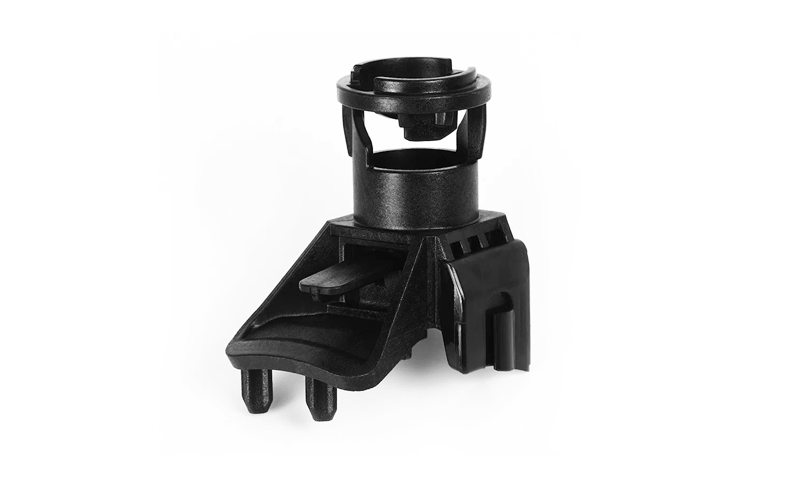
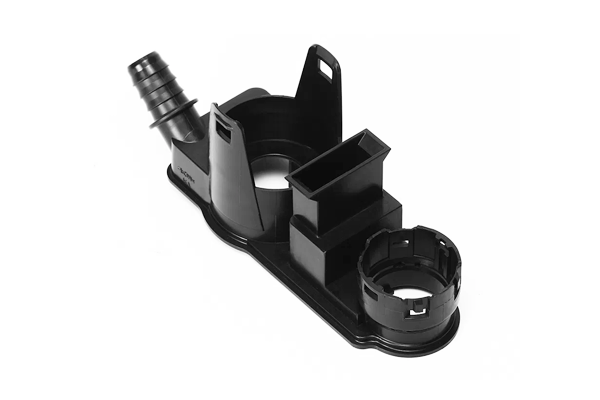
- মোটরগাড়ি: বহুগুণ গ্রহণ (PA6/6T), জ্বালানী এবং ব্রেক লাইন (PA11/PA12), ইঞ্জিন কভার, গিয়ার এবং বিয়ারিং.
- শিল্প যন্ত্রপাতি: বুশিংস, রোলার, প্যাড পরেন, পরিবাহক উপাদান.
- ভোক্তা পণ্য & সরঞ্জাম: গিয়ার্স, কব্জা, ফাস্টেনার্স, টুথব্রাশ bristles (তন্তু).
- বৈদ্যুতিক & ইলেকট্রনিক্স: তারের বন্ধন, সংযোগকারী (যখন আর্দ্রতা নিয়ন্ত্রণ করা হয়).
- টেক্সটাইল এবং কম্পোজিট: তন্তু, কর্ডেজ, এবং চাঙ্গা যৌগিক ম্যাট্রিক্স.
- মেডিকেল: PA12 কিছু মেডিকেল ডিভাইসের জন্য ব্যবহৃত হয় (জৈব সামঞ্জস্যতা এবং নির্বীজন বিবেচনা প্রযোজ্য).
11. অন্যান্য ইঞ্জিনিয়ারিং প্লাস্টিকের সাথে তুলনা
| সম্পত্তি / মানদণ্ড | নাইলন (PA6 / PA66) | POM (অ্যাসিটাল) | Ptfe (টেফলন) | উঁকি দিন | পিবিটি | UHMW-OR |
| ঘনত্ব (g · cm⁻⁻) | 1.12-1.15 | ≈1.40–1.42 | ≈2.10–2.16 | ≈1.28–1.32 | ≈1.30–1.33 | ≈0.93–0.95 |
| টেনসিল শক্তি (এমপিএ) | 50–90 | 50–75 | 20–35 | 90–110 | 50–70 | 20–40 |
| তরুণের মডুলাস (জিপিএ) | 2.5–3.5 | 2.8–3.5 | 0.3–0.6 | 3.6-4.1 | 2.6–3.2 | 0.8–1.5 |
| গলিত / সাধারণ পরিষেবার তাপমাত্রা (° সে) | টিএম ≈215 (PA6) / পরিষেবা ≈80-120 | Tm ≈165–175 / পরিষেবা ≈80-100 | Tm ≈327 / ≈260 পর্যন্ত পরিষেবা (যান্ত্রিক সীমা) | Tm ≈343 / পরিষেবা ≈200-250 | Tm ≈220–225 / পরিষেবা ≈120 | Tm ≈130–135 / পরিষেবা ≈80-100 |
| জল তোলা (ডাব্লুটি%, eq) | ≈1.5-2.5% (PA6) | ≈0.2–0.3% | ≈0% | ≈0.3-0.5% | ≈0.2-0.5% | ≈0.01–0.1% |
| ঘর্ষণ সহগ (শুকনো) | 0.15–0.35 | 0.15–0.25 | 0.04–0.15 (very low) | 0.15–0.4 | 0.25–0.35 | 0.08–0.20 |
| পরা / ট্রাইবোলজি | ভাল (ফিলার দিয়ে উন্নতিযোগ্য) | দুর্দান্ত (গিয়ারস/বুশিং) | দরিদ্র (ফিলার দিয়ে উন্নতি করে) | দুর্দান্ত (সেরা ভরা) | ভাল | দুর্দান্ত (ঘর্ষণ-প্রতিরোধী) |
| রাসায়নিক প্রতিরোধ | হাইড্রোকার্বন ভাল; দরিদ্র থেকে শক্তিশালী অ্যাসিড/অক্সিডাইজার | জ্বালানী/দ্রাবক ভাল | অসামান্য (প্রায় সর্বজনীন) | দুর্দান্ত (আক্রমণাত্মক মিডিয়া) | ভাল | খুব ভাল |
মেশিনিবিলিটি |
ভাল (মেশিনযোগ্য) | দুর্দান্ত | মেলা (billet থেকে machinable) | ভাল (কঠিন কিন্তু machinable) | ভাল | চ্যালেঞ্জিং (আঠালো) |
| মাত্রিক স্থায়িত্ব | মাঝারি (হাইগ্রোস্কোপিক) | খুব ভাল (কম হাইড্রোস্কোপিক) | দুর্দান্ত | দুর্দান্ত | ভাল | খুব ভাল |
| সাধারণ অ্যাপ্লিকেশন | গিয়ার্স, বিয়ারিংস, হাউজিংস, টিউবিং (PA11/12) | গিয়ার্স, নির্ভুল bushings, জ্বালানী উপাদান | সিলস, রাসায়নিক লাইনার, কম ঘর্ষণ পৃষ্ঠতল | উচ্চ তাপমাত্রা বিয়ারিং, মহাকাশ, মেডিকেল ইমপ্লান্ট | বৈদ্যুতিক সংযোগকারী, হাউজিংস | লাইনার, প্যাড পরেন, পরিবাহক উপাদান |
| দ্রুত নির্বাচন ইঙ্গিত | যখন দৃঢ়তা এবং খরচ গুরুত্বপূর্ণ চয়ন করুন; আর্দ্রতা পরিচালনা করুন | নির্ভুলতা জন্য চয়ন করুন, কম ঘর্ষণ যান্ত্রিক অংশ | রাসায়নিক জড়তা নির্বাচন করুন & সর্বনিম্ন µ প্রয়োজন | উচ্চ-তাপ জন্য চয়ন করুন & উচ্চ লোড সমালোচনামূলক অংশ | ভাল মাত্রিক স্থায়িত্ব এবং ছাঁচনির্মাণ সহজ জন্য চয়ন করুন | যেখানে চরম ঘর্ষণ প্রতিরোধের এবং প্রভাব প্রয়োজন তা চয়ন করুন |
12. টেকসই, পুনর্ব্যবহারযোগ্য এবং নিয়ন্ত্রক সমস্যা
- পুনর্ব্যবহারযোগ্য: নাইলন উপাদান যান্ত্রিকভাবে পুনর্ব্যবহারযোগ্য; পুনরুদ্ধার করা PA কম গুরুত্বপূর্ণ ব্যবহারের জন্য ডাউনগ্রেড করা যেতে পারে.
ডিপোলিমারাইজেশন (রাসায়নিক পুনর্ব্যবহার) রুট বিদ্যমান এবং শিল্পগতভাবে উন্নয়নশীল - তারা মনোমার পুনরুদ্ধার করতে পারে (ক্যাপ্রোল্যাক্টাম) বা অন্যান্য ফিডস্টক. - জৈব-ভিত্তিক বিকল্প: PA11 (ক্যাস্টর অয়েল থেকে) এবং PA610/1010 (আংশিকভাবে জৈব-ভিত্তিক) জীবাশ্ম ফিডস্টক নির্ভরতা হ্রাস করুন.
- নিয়ন্ত্রক: খাদ্য যোগাযোগ এবং চিকিৎসা ব্যবহারের জন্য গ্রেড সার্টিফিকেশন প্রয়োজন (এফডিএ, ইইউ) এবং এক্সট্র্যাক্টেবল/লিচযোগ্য পরীক্ষার সাথে সম্মতি যেখানে উপযুক্ত.
- পরিবেশগত উদ্বেগ: জীবনচক্র মূল্যায়ন গ্রেড এবং ফিলার দ্বারা পরিবর্তিত হয়; ভরাট এবং কাচের উপাদান পুনর্ব্যবহারযোগ্যতা এবং মূর্ত শক্তিকে প্রভাবিত করে.
13. উপসংহার এবং ব্যবহারিক সুপারিশ
নাইলন (পলিমাইড) একটি পরিপক্ক হয়, বহুমুখী ইঞ্জিনিয়ারিং পলিমার পরিবার যা শক্তির ভারসাম্য বজায় রাখে, অর্থনৈতিক প্রক্রিয়াযোগ্যতার সাথে কঠোরতা এবং পরিধান প্রতিরোধের.
রসায়নের বিস্তৃত প্যালেট — PA6 এবং PA66 থেকে PA11 এবং PA12 — একসাথে ফিলার এবং মডিফায়ার সহ, উচ্চ-কার্যক্ষমতা সম্পন্ন স্বয়ংচালিত সিস্টেমে টেক্সটাইল বিস্তৃত অ্যাপ্লিকেশনগুলির জন্য ফাইন-টিউনিংয়ের অনুমতি দেয়.
প্রধান ইঞ্জিনিয়ারিং চ্যালেঞ্জ হল আর্দ্রতা ব্যবস্থাপনা এবং আক্রমণাত্মক পরিবেশে রাসায়নিক সংবেদনশীলতা; এগুলো যথাযথ গ্রেড নির্বাচনের মাধ্যমে সমাধান করা হয় (দীর্ঘ চেইন নাইলন), ফিলার্স, শুকানোর এবং নকশা ভাতা.
পুনর্ব্যবহারে চলমান অগ্রগতি, জৈব-ফিডস্টক এবং যৌগিক প্রযুক্তি নাইলনের স্থায়িত্ব এবং প্রয়োগের খাম প্রসারিত করছে.
FAQS
PA6 বা PA66 ভাল?
PA66 সাধারণত উচ্চতর গলনাঙ্ক সরবরাহ করে, সামান্য উচ্চ দৃঢ়তা এবং ভাল হামাগুড়ি প্রতিরোধের; PA6 প্রক্রিয়া করা সহজ এবং কঠিন হতে পারে. তাপমাত্রা এবং প্রক্রিয়াকরণের সীমাবদ্ধতার উপর ভিত্তি করে নির্বাচন করুন.
আমি কিভাবে মাত্রিক নিয়ন্ত্রণের জন্য নাইলন নির্দিষ্ট করা উচিত?
পরিদর্শনের জন্য কন্ডিশনার অবস্থা উল্লেখ করুন (যেমন, শর্তযুক্ত 23 ° সে, 50% ভারসাম্য না হওয়া পর্যন্ত RH"), এবং সহনশীলতা প্রদান করে যা আর্দ্রতা ফোলা এবং ছাঁচনির্মাণ অ্যানিসোট্রপির জন্য দায়ী.
নাইলন উপাদান জ্বালানী লাইন ব্যবহার করা যেতে পারে?
হ্যাঁ— PA11 এবং PA12 কম আর্দ্রতা গ্রহণ এবং ভাল রাসায়নিক প্রতিরোধের কারণে জ্বালানী এবং জলবাহী টিউবিংয়ের জন্য সাধারণ. সর্বদা নির্দিষ্ট তরল এবং তাপমাত্রার সাথে যাচাই করুন.
কাচ-ভরা নাইলন পুনর্ব্যবহারযোগ্য?
যান্ত্রিকভাবে, হ্যাঁ, কিন্তু কাচের বিষয়বস্তু গলিত সান্দ্রতা এবং সম্পত্তি ধারণ পরিবর্তন করে; পুনর্ব্যবহৃত কাচ-ভর্তি নাইলন সাধারণত কম চাহিদাযুক্ত অ্যাপ্লিকেশনগুলিতে ব্যবহৃত হয় যদি না রাসায়নিকভাবে পুনর্ব্যবহৃত হয়.
ছাঁচনির্মাণের সময় আমি কীভাবে হাইড্রোলাইসিস প্রতিরোধ করব??
সরবরাহকারীর স্পেসিফিকেশনে পুঙ্খানুপুঙ্খভাবে শুষ্ক রজন এবং গলে থাকার সময় এবং অতিরিক্ত ব্যারেল তাপমাত্রা সীমিত করুন.