ভূমিকা
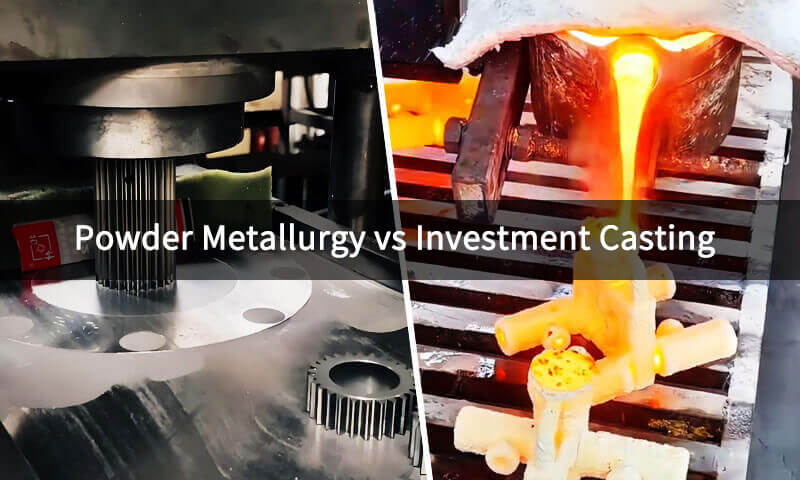
উত্পাদন পদ্ধতি অগণিত মধ্যে, দুটি স্বতন্ত্রভাবে আলাদা-তবুও প্রায়শই প্রতিযোগিতা করে-প্রযুক্তিগুলি আলাদা: বিনিয়োগ ঢালাই এবং পাউডার ধাতুবিদ্যা (প্রধানমন্ত্রী).
বিনিয়োগ কাস্টিং, আধুনিক উপকরণ বিজ্ঞানের মাধ্যমে পরিমার্জিত একটি সহস্রাব্দ-পুরাতন প্রক্রিয়া, অতুলনীয় জ্যামিতিক স্বাধীনতা এবং খাদ বহুমুখিতা প্রদান করে.
পাউডার ধাতুবিদ্যা, একটি 20 শতকের উদ্ভাবন, ব্যতিক্রমী উপাদান দক্ষতা প্রদান, উচ্চ উত্পাদন হার, এবং বিশেষ অ্যাপ্লিকেশনের জন্য নিয়ন্ত্রিত porosity.
প্রথম নজরে, উভয় প্রক্রিয়াই ন্যূনতম মেশিনিং সহ কাছাকাছি-নেট-আকৃতির ধাতব অংশ তৈরি করে.
কিন্তু তাদের অন্তর্নিহিত নীতিগুলি - গলিত ধাতু থেকে দৃঢ়ীকরণ বনাম চাপ-সলিড পাউডারের সিন্টারিং - আমূল ভিন্ন ডিজাইনের নিয়মের দিকে নিয়ে যায়, উপাদান ক্ষমতা, যান্ত্রিক বৈশিষ্ট্য, এবং অর্থনৈতিক স্কেল.
এই দুটি প্রযুক্তির মধ্যে নির্বাচন করার জন্য শুধুমাত্র উৎপাদন খরচই নয়, যান্ত্রিক প্রয়োজনীয়তাগুলির একটি ব্যাপক বোঝার প্রয়োজন।, জ্যামিতি জটিলতা, উত্পাদন ভলিউম, উপাদান নির্বাচন, এবং দীর্ঘমেয়াদী সেবা কর্মক্ষমতা.
1. ইনভেস্টমেন্ট কাস্টিং বোঝা
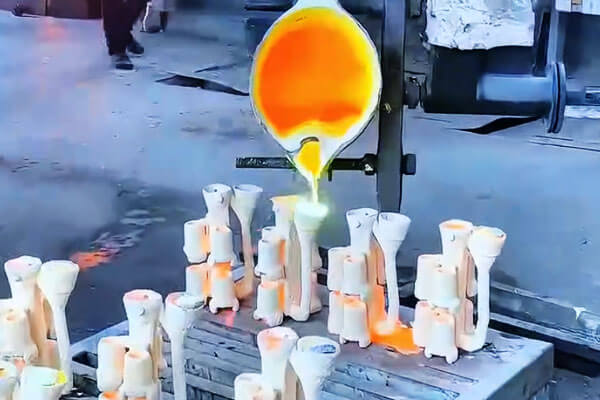
বিনিয়োগ কাস্টিং, হারিয়ে যাওয়া মোম ঢালাই নামেও পরিচিত, একটি নির্ভুল ধাতু গঠন প্রক্রিয়া যেখানে একটি মোমের প্যাটার্ন একটি অবাধ্য সিরামিক শেল দিয়ে লেপা হয়, মোম গলে যায়, এবং ফলে গহ্বর গলিত ধাতু দিয়ে ভরা হয়.
দৃ ification ়তার পরে, সিরামিক শেল সরানো হয়, ব্যতিক্রমী পৃষ্ঠ ফিনিস এবং মাত্রিক নির্ভুলতার সাথে একটি কাছাকাছি-নেট-আকৃতির ধাতব উপাদান প্রকাশ করা.
প্রক্রিয়াটি আবার শেষ হয়েছে 5,000 মিশরের প্রাচীন সভ্যতার বছর, চীন, এবং মেসোপটেমিয়া, যেখানে এটি ব্রোঞ্জের মূর্তি এবং গহনা তৈরির জন্য ব্যবহৃত হত.
আজ, এটি মহাকাশ টারবাইন ব্লেডের জন্য একটি উচ্চ-প্রযুক্তি উত্পাদন পদ্ধতি, মেডিকেল ইমপ্লান্ট, আগ্নেয়াস্ত্র উপাদান, এবং শিল্প ভালভ.
প্রক্রিয়া মৌলিক
| মঞ্চ | পদক্ষেপ | মূল বিশদ |
| 1 | প্যাটার্ন উত্পাদন | মোম (বা থার্মোপ্লাস্টিক) নির্ভুল ধাতু ডাই মধ্যে ইনজেকশনের (সরঞ্জাম). |
| 2 | গাছ সমাবেশ | একটি কেন্দ্রীয় স্প্রুতে একাধিক নিদর্শন সংযুক্ত (মোম গাছ). |
| 3 | শেল বিল্ডিং | 6‑10 স্তর সিরামিক স্লারি (সিলিকা সল) + অবাধ্য stucco (জিরকন/অ্যালুমিনা). |
| 4 | ডিওয়াক্সিং | বাষ্প অটোক্লেভ মোম গলে; শেল ফাঁপা থাকে. |
| 5 | শেল ফায়ারিং | 900‑1100°C ফায়ারিং সিরামিককে শক্তিশালী করতে এবং উদ্বায়ী দূর করতে. |
| 6 | গলিত & .ালা | ইন্ডাকশন ফার্নেসে ধাতু গলে যায়; প্রি-হিটেড শেলের মধ্যে ঢেলে দেওয়া হয়. |
| 7 | নকআউট & কেটে ফেলা | কম্পন দ্বারা শেল সরানো; গাছ থেকে কাটা উপাদান. |
| 8 | সমাপ্তি | গ্রাইন্ডিং, শট ব্লাস্টিং, তাপ চিকিত্সা, এনডিটি পরিদর্শন. |
মূল বৈশিষ্ট্য
| বৈশিষ্ট্য | বর্ণনা |
| জ্যামিতি | খুব উচ্চ জটিলতা; আন্ডারকাটস, অভ্যন্তরীণ প্যাসেজ, পাতলা দেয়াল (≥0.5 মিমি). |
| পৃষ্ঠ সমাপ্তি | কাস্ট করা Ra 1.6-6.3 µm; রা-তে পালিশ করা যায় <0.4 µm. |
| সহনশীলতা | ±0.1‑0.3 মিমি প্রতি 25 মিমি সাধারণ. |
| উপকরণ | প্রায় কোনো castable খাদ: কার্বন ইস্পাত, স্টেইনলেস, সুপারলয়েস, টাইটানিয়াম, অ্যালুমিনিয়াম, ব্রোঞ্জ. |
| অংশের আকার | গ্রাম থেকে ~150 কেজি (ইস্পাত). |
| ভলিউম | অর্থনৈতিক থেকে 100 থেকে 10,000+ অংশ/বছর. |
| স্ক্র্যাপ | ন্যূনতম (কাছাকাছি-নেট আকৃতি). |
2. পাউডার ধাতুবিদ্যা বোঝা
পাউডার ধাতুবিদ্যা সূক্ষ্ম ধাতু গুঁড়ো কম্প্যাক্ট করা হয় যা একটি উত্পাদন প্রক্রিয়া (চাপা) একটি অনমনীয় ডাই এবং তারপর উত্তপ্ত (sintered) গলনাঙ্কের নীচে কণাগুলিকে একটি শক্ত উপাদানে বাঁধতে.
ইনভেস্টমেন্ট কাস্টিং-এর বিপরীতে-যা তরল-থেকে-কঠিন পর্যায় পরিবর্তনের সাথে জড়িত-পিএম হল একটি কঠিন-রাষ্ট্র প্রক্রিয়া যা পাউডারের রাসায়নিক এবং মাইক্রোস্ট্রাকচারাল বৈশিষ্ট্যগুলিকে ধরে রাখে।.
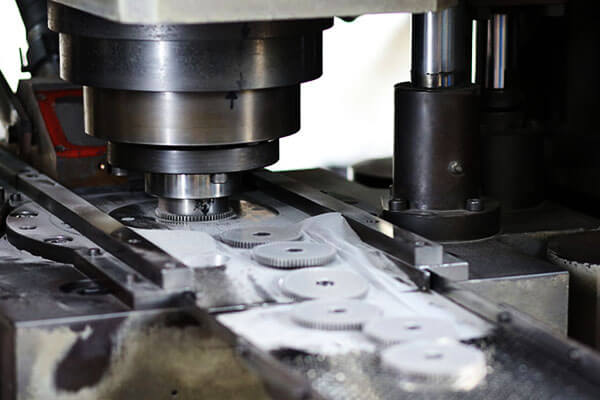
আধুনিক পিএম শিল্প 1920-এর দশকে আত্ম-তৈলাক্ত বিয়ারিং এবং টংস্টেন ল্যাম্প ফিলামেন্ট উৎপাদনের মাধ্যমে আবির্ভূত হয়.
আজ, এটি একটি পরিপক্ক, উচ্চ-ভলিউম উত্পাদন প্রযুক্তি, সঙ্গে স্বয়ংচালিত শিল্প গ্রাস 70% সমস্ত লৌহঘটিত PM অংশ বিশ্বব্যাপী.
প্রক্রিয়া মৌলিক
| মঞ্চ | পদক্ষেপ | মূল বিশদ |
| 1 | পাউডার উত্পাদন | জল বা গ্যাস পরমাণুকরণ, তড়িৎ বিশ্লেষণ, হ্রাস; নিয়ন্ত্রিত কণার আকার/আকৃতি. |
| 2 | ব্লেন্ডিং | লুব্রিকেন্টের সাথে মিশ্রিত গুঁড়ো (0.5‑1.5%) এবং খাদ সংযোজন (যেমন, গ্রাফাইট). |
| 3 | সংযোগ (চাপ) | অনমনীয় ডাই মধ্যে ইউনিঅ্যাক্সিয়াল টিপে; চাপ 200-800 MPa; সবুজ ঘনত্ব 70-85%. |
| 4 | সিনটারিং | নিয়ন্ত্রিত বায়ুমণ্ডলে উত্তাপ (এন্ডোথার্মিক গ্যাস, N₂‑H₂) গলনাঙ্কের 70-90% পর্যন্ত (লোহার জন্য সাধারণত 1120-1150°C). |
| 5 | ঐচ্ছিক সেকেন্ডারি অপারেশন | সাইজিং, coining, তাপ চিকিত্সা, infiltration, মেশিনিং, রজন গর্ভধারণ. |
মূল বৈশিষ্ট্য
| বৈশিষ্ট্য | বর্ণনা |
| জ্যামিতি | মাঝারি জটিলতা (2ডি আকার); সীমিত আন্ডারকাট; সীমাবদ্ধ খসড়া কোণ. |
| পৃষ্ঠ সমাপ্তি | সিন্টারড Ra 3‑12 µm; সাইজিং/কয়েনিং দ্বারা উন্নত করা যেতে পারে. |
| সহনশীলতা | ±0.05‑0.1 মিমি প্রতি 25 মিমি (মাপ পরে). |
| উপকরণ | প্রাথমিকভাবে লৌহঘটিত (আয়রন, ইস্পাত, স্টেইনলেস), তামা-ভিত্তিক, টুংস্টেন, এবং বিশেষ মিশ্রণ. টাইটানিয়াম এবং অ্যালুমিনিয়াম সম্ভব কিন্তু কম সাধারণ. |
| অংশের আকার | সাধারণত <10 কেজি, <300 মিমি ব্যাস. |
| ভলিউম | অর্থনৈতিক থেকে 5,000 লক্ষ লক্ষ অংশ/বছরে. |
| স্ক্র্যাপ | >95% উপাদান ব্যবহার. |
3. উত্পাদন নীতি: কিভাবে প্রক্রিয়া ভিন্ন
| দিক | বিনিয়োগ কাস্টিং | পাউডার ধাতুবিদ্যা |
| শুরু উপাদান | গলিত ধাতু (তরল পর্যায়). | ধাতু গুঁড়া (কঠিন পর্যায়). |
| ফেজ পরিবর্তন | তরল → কঠিন (দৃ ification ়করণ). | কঠিন → কঠিন (বিস্তার বন্ধন). |
| শক্তির উৎস | গলে যাওয়ার জন্য তাপ + .ালা. | চাপ + উত্তাপ (sintering). |
| ছাঁচ প্রয়োজনীয়তা | একক ব্যবহার সিরামিক শেল (অংশ প্রতি). | পুনর্ব্যবহারযোগ্য ধাতু ডাই (হাজার হাজার চক্র). |
| চক্র সময় | ঘন্টা (শেল বিল্ডিং) দিন পর্যন্ত. | সেকেন্ড (চাপ) + ঘন্টা (sintering ব্যাচ). |
| সরঞ্জাম ব্যয় | মাঝারি (মোম মারা যায় $5-20k). | উচ্চ (প্রেস ডাইস $10-50k). |
| শ্রমের তীব্রতা | উচ্চ (শেল বিল্ডিং ম্যানুয়াল). | কম (স্বয়ংক্রিয় চাপ). |
| মাত্রিক নিয়ন্ত্রণ | শেল সংকোচনের মাধ্যমে + মোমের প্যাটার্ন. | ডাই নির্ভুলতার মাধ্যমে + sintering সংকোচন. |
মৌলিক পার্থক্য: বিনিয়োগ ঢালাই একটি নেট-আকৃতির নির্ভুলতা ঢালাই প্রক্রিয়া; PM হল a পাউডার একত্রীকরণ প্রক্রিয়া.
প্রাক্তনটি প্রায় অসীম জ্যামিতিক স্বাধীনতা প্রদান করে; পরেরটি অসীম বস্তুগত দক্ষতার অফার করে.
4. উপকরণ সামঞ্জস্য এবং খাদ নমনীয়তা
| উপাদান পরিবার | বিনিয়োগ কাস্টিং | পাউডার ধাতুবিদ্যা |
| কার্বন ইস্পাত | হ্যাঁ (বিস্তৃত পরিসর) | হ্যাঁ (সবচেয়ে সাধারণ PM উপাদান) |
| কম খাদ ইস্পাত | হ্যাঁ | হ্যাঁ (Fe-Cu-C, Fe-Ni-Mo-Cu) |
| স্টেইনলেস স্টিল | দুর্দান্ত (CF-8, CF-8M, 17-4 পিএইচ) | হ্যাঁ (304এল, 316এল, 410এল, 17-4 পিএইচ) |
| নিকেল সুপারলয়েস | দুর্দান্ত (ইনকেল 718, 625, Rine) | সীমাবদ্ধ (উচ্চ খরচ; বিশেষায়িত) |
| কোবাল্ট সংকর ধাতু | দুর্দান্ত (Co-Cr-Mo) | সীমাবদ্ধ |
| টাইটানিয়াম | দুর্দান্ত (গ্রেড 5, সিপি) | সম্ভব (উচ্চ খরচ, প্রতিক্রিয়াশীল) |
| অ্যালুমিনিয়াম | হ্যাঁ (A356, 380) | সীমাবদ্ধ (অক্সাইড সমস্যা; বিরল) |
| তামা / ব্রোঞ্জ | হ্যাঁ (C90500, C93200) | দুর্দান্ত (কিউ, পিতল, ব্রোঞ্জ) |
| টুংস্টেন / ভারী সংকর ধাতু | কঠিন (উচ্চ গলনাঙ্ক) | দুর্দান্ত (ডব্লিউ-নি-ফে, W‑Ni‑Cu) |
| সিরামিক-ধাতু কম্পোজিট | সম্ভব নয় | হ্যাঁ (cermets, WC-Co) |
মূল অন্তর্দৃষ্টি: বিনিয়োগ কাস্টিং অফার যথেষ্ট বিস্তৃত খাদ নমনীয়তা, বিশেষ করে উচ্চ গলানোর জন্য, প্রতিক্রিয়াশীল, বা কঠিন-চাপা-চাপানো সংকর ধাতু (টাইটানিয়াম, সুপারলয়েস, কোবল্ট-ক্রোম).
পাউডার ধাতুবিদ্যা লৌহঘটিত মধ্যে excels, তামা-ভিত্তিক, এবং টংস্টেন-ভিত্তিক উপকরণ, সেইসাথে কম্পোজিটগুলি যা অদৃশ্যতা বা পৃথকীকরণের কারণে নিক্ষেপ করা যায় না.
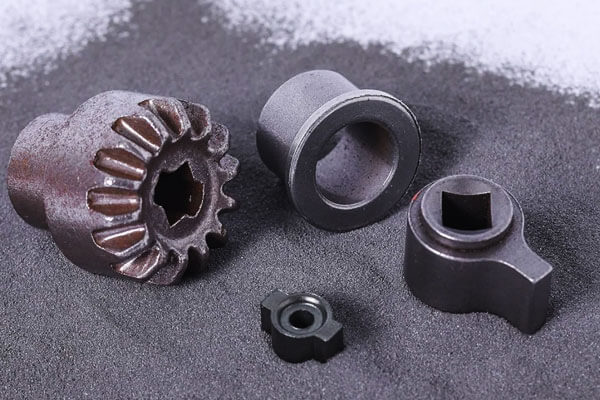
5. মাত্রিক নির্ভুলতা এবং পৃষ্ঠ সমাপ্তি
| মানদণ্ড | বিনিয়োগ কাস্টিং | পাউডার ধাতুবিদ্যা |
| সাধারণ সহনশীলতা (মিমি/25 মিমি) | ±0.1-0.3 | ±0.05-0.1 (হিসাবে-sintered) ±0.025-0.05 (আকার/মুদ্রিত) |
| পৃষ্ঠ সমাপ্তি (রা, µm) | 1.6‑6.3 (কাস্ট হিসাবে) | 3‑12 (হিসাবে-sintered) 0.8‑3 (আকার/মুদ্রিত) |
| সহনশীলতা স্থিতিশীলতা | ভাল (শেল সংকোচন সামঞ্জস্যপূর্ণ) | দুর্দান্ত (ডাই নির্ভুলতা; sintering ভেরিয়েবল) |
| খসড়া কোণ প্রয়োজন | না (মোম নিদর্শন খসড়া ছাড়া অপসারণ) | হ্যাঁ (ডাই থেকে অংশ অপসারণের জন্য) |
| থ্রেড / অভ্যন্তরীণ বৈশিষ্ট্য | সরাসরি কাস্ট করুন | মেশিন করা আবশ্যক (থ্রেড চাপতে পারে না) |
যা ভাল? সূক্ষ্ম বিবরণ এবং উচ্চ পৃষ্ঠ ফিনিস সঙ্গে জটিল জ্যামিতি জন্য, বিনিয়োগ ঢালাই উচ্চতর.
সাধারণ জ্যামিতির জন্য অত্যন্ত আঁটসাঁট সহনশীলতা প্রয়োজন (বিশেষ করে সেকেন্ডারি অপারেশনের পর), প্রধানমন্ত্রী একটি প্রান্ত আছে.
6. জ্যামিতি এবং নকশা স্বাধীনতার জটিলতা
| নকশা বৈশিষ্ট্য | বিনিয়োগ কাস্টিং | পাউডার ধাতুবিদ্যা |
| আন্ডারকাটস | হ্যাঁ (মোম প্যাটার্ন একত্র করা যাবে) | না (ডাই এক্সট্রাকশনের জন্য সোজা-টান প্রয়োজন) |
| অভ্যন্তরীণ প্যাসেজ | হ্যাঁ (সিরামিক কোর) | না (ফাঁপা বৈশিষ্ট্যগুলি চাপতে পারে না) |
| পাতলা দেয়াল | 0.5‑1.5 মিমি অর্জনযোগ্য | 1.5‑2.5 মিমি সর্বনিম্ন |
| সূক্ষ্ম বৈশিষ্ট্য (অক্ষর, লোগো) | চমৎকার প্রজনন | সীমাবদ্ধ (coined বা machined করা আবশ্যক) |
| পরিবর্তনশীল বিভাগের বেধ | হ্যাঁ (মসৃণভাবে টেপার করতে পারেন) | সীমাবদ্ধ (অভিন্ন ঘনত্ব প্রয়োজন) |
| অপ্রতিসম / জৈব আকার | দুর্দান্ত | দরিদ্র (টিপে অভিন্ন দেয়াল পছন্দ করে) |
| 3ডি জটিলতা | উচ্চ | মাঝারি (মূলত 2.5D) |
ইনভেস্টমেন্ট কাস্টিং নির্ধারকভাবে জয়লাভ করে জ্যামিতিক জটিলতায়.
আন্ডারকাট তৈরি করার ক্ষমতা, বাঁকা অভ্যন্তরীণ চ্যানেল, জৈব কনট্যুর, এবং সূক্ষ্ম পৃষ্ঠ বিবরণ গুঁড়া ধাতুবিদ্যা দ্বারা অতুলনীয়, যা চাপা ডাই এবং অক্ষীয় কম্প্যাকশনের প্রয়োজনীয়তা দ্বারা সীমাবদ্ধ.
7. যান্ত্রিক বৈশিষ্ট্য এবং কাঠামোগত কর্মক্ষমতা
| যান্ত্রিক সম্পত্তি | বিনিয়োগ কাস্টিং | পাউডার ধাতুবিদ্যা |
| সাধারণ ঘনত্ব | 99100% তাত্ত্বিক | 85‑98% (টিপে এবং sintering উপর নির্ভর করে) |
| টেনসিল শক্তি | ভাল (সাউন্ড কাস্টিং-এর মতো তৈরি) | পরিমিত-ভাল (ঘনত্বের উপর নির্ভর করে) |
| ফলন শক্তি | গর্তের সাথে তুলনামূলক | 10‑30% তৈরি করা থেকে কম (porosity প্রভাব) |
| দীর্ঘকরণ | 10‑35% (অস্টেনিটিক) | 2‑15% (ঘনত্ব-নির্ভর) |
| কঠোরতা | 80‑600 HB (খাদ-নির্ভর) | 60- 400 HB (উপাদান উপর নির্ভর করে) |
| ক্লান্তি শক্তি | মাঝারি (খাঁজ-সংবেদনশীল) | নিম্ন (পোরোসিটি স্ট্রেস রেইজার হিসেবে কাজ করে) |
| প্রভাব কঠোরতা | ভাল (খাদের উপর নির্ভর করে) | নিম্ন (porosity embrittles) |
| অভিন্নতা | কাস্ট গঠন (ডেনড্রাইটিক) | সিন্টারযুক্ত কাঠামো (ছিদ্রযুক্ত, আইসোট্রপিক) |
| কাজ কঠোর প্রতিক্রিয়া | সীমাবদ্ধ (কাস্ট হিসাবে) | Sintered গঠন তাপ-চিকিত্সা করা যেতে পারে |
মূল তুলনা: বিনিয়োগ ঢালাই অংশ হয় সম্পূর্ণ ঘন এবং, যখন সঠিকভাবে নিক্ষেপ করা হয়, পদ্ধতির বৈশিষ্ট্য (90‑95% জাল মান).
পাউডার ধাতুবিদ্যা অংশ, এমনকি উচ্চ-ঘনত্বের গ্রেডেও (≥95% তাত্ত্বিক), অবশিষ্ট পোরোসিটি আছে যা নমনীয়তা হ্রাস করে, দৃঢ়তা, এবং ক্লান্তি কর্মক্ষমতা.
নিরাপত্তা-সমালোচনার জন্য, উচ্চ লোড, বা প্রভাব-প্রবণ অ্যাপ্লিকেশন, বিনিয়োগ কাস্টিং পছন্দ করা হয়.
8. ঘনত্ব, Porosity, এবং অভ্যন্তরীণ গুণমান
| দিক | বিনিয়োগ কাস্টিং | পাউডার ধাতুবিদ্যা |
| সাধারণ ঘনত্ব | 99-100% (সম্পূর্ণ ঘন) | 85‑98% (অবশিষ্ট porosity) |
| পোরোসিটি টাইপ | সংকোচন বা গ্যাস (এলোমেলো, পরিহারযোগ্য) | আন্তঃসংযুক্ত এবং বন্ধ (সহজাত) |
| পোরোসিটি নিয়ন্ত্রণ | গেটিং/রাইজিং ডিজাইন; হিপ পোরোসিটি হ্রাস করে | কম্প্যাকশন চাপ; sintering বায়ুমণ্ডল |
| চাপ নিবিড়তা | দুর্দান্ত (লিক-টাইট ঢালাই সম্ভব) | দরিদ্র (ছিদ্রযুক্ত, সিলিং প্রয়োজন) |
| ঘনত্ব বিতরণ | জুড়ে ইউনিফর্ম | ঘুষি মুখের কাছে ঘন; কেন্দ্রের কাছাকাছি নিম্ন (কম্প্যাকশন গ্রেডিয়েন্ট) |
| HIP প্রযোজ্যতা | সাধারণ (ছিদ্র বন্ধ করে) | বিরল (ছিদ্র ইতিমধ্যে বন্ধ; HIP খরচ যোগ করে) |
| অভ্যন্তরীণ পরিচ্ছন্নতা | ভাল (অন্তর্ভুক্তি সম্ভব) | দুর্দান্ত (গুঁড়ো পরিষ্কার) |
মূল অন্তর্দৃষ্টি: ইনভেস্টমেন্ট কাস্টিং সম্পূর্ণ ঘন অংশ তৈরি করে যা চাপ-আঁটসাঁট এবং ফোসকা ছাড়াই তাপ-চিকিত্সা করা যায়.
PM অংশ, বিশেষভাবে প্রক্রিয়া করা না হলে (যেমন, উষ্ণ কম্প্যাকশন, ডবল টিপে, হিপ), অবশিষ্ট ছিদ্র থাকে যা চাপ-নিঁজলতা এবং নির্দিষ্ট তাপ-চিকিত্সা প্রতিক্রিয়া সীমিত করে.
9. উৎপাদন ভলিউম এবং ম্যানুফ্যাকচারিং ইকোনমিক্স
| অর্থনৈতিক ফ্যাক্টর | বিনিয়োগ কাস্টিং | পাউডার ধাতুবিদ্যা |
| সরঞ্জাম ব্যয় | মাঝারি ($5‑20k মোম ডাই) | উচ্চ ($10‑50k প্রেস ডাই) |
| হাতিয়ার জীবন | 50,000‑200,000 মোম চক্র | 500,000‑1,000,000 প্রেস সাইকেল |
| কাঁচামাল খরচ | উচ্চতর (wax, সিরামিক, ধাতু) | নিম্ন (গুঁড়ো, লুব্রিকেন্ট) |
| উপাদান ব্যবহার | 85‑95% | >95% (শূন্যের কাছাকাছি স্ক্র্যাপ) |
| চক্র সময় | মিনিট থেকে ঘন্টা (ম্যানুয়াল) | <1 দ্বিতীয় (চাপ) |
| শ্রমের তীব্রতা | উচ্চ (শেল বিল্ডিং) | কম (স্বয়ংক্রিয়) |
| ব্রেক-ইভেন ভলিউম | ~100-1,000 অংশ/বছর | ~5,000-10,000 অংশ/বছর |
| নেতৃত্ব সময় (হাতিয়ার করা) | 8‑16 সপ্তাহ | 6-10 সপ্তাহ |
| প্রতি অংশ খরচ (কম ভলিউম, <500) | মাঝারি-উচ্চ | খুব উচ্চ (টুলিং পরিমার্জিত) |
| প্রতি অংশ খরচ (মাঝারি ভলিউম, 5k‑50k) | কম | খুব কম |
| প্রতি অংশ খরচ (উচ্চ ভলিউম, >100কে) | কম (কিন্তু পিএম কম) | সর্বনিম্ন |
খরচ সিদ্ধান্ত নিয়ম:
- <1,000 অংশ/বছর → বিনিয়োগ ঢালাই (টুলিং পরিমার্জিত).
- 1,000‑5,000 অংশ/বছর → উভয়ই সম্ভব; জটিলতার সাথে তুলনা করুন.
- >10,000 অংশ/বছর → পাউডার ধাতুবিদ্যা (নাটকীয় খরচ সঞ্চয়).
- >100,000 অংশ/বছর → প্রধানমন্ত্রী স্পষ্ট বিজয়ী.
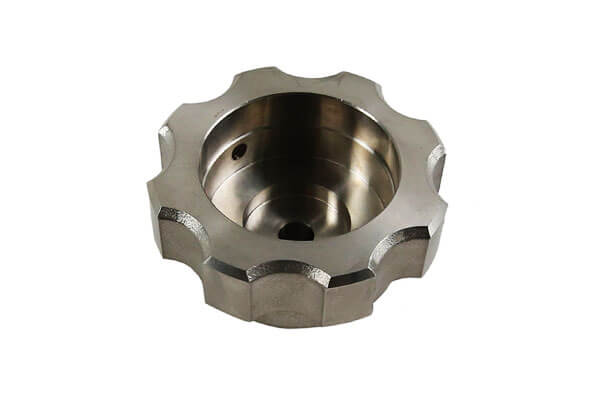
10. শিল্প অ্যাপ্লিকেশন: বিনিয়োগ কাস্টিং বনাম পাউডার ধাতুবিদ্যা
| শিল্প | বিনিয়োগ কাস্টিং | পাউডার ধাতুবিদ্যা |
| মোটরগাড়ি | টার্বোচার্জার চাকা, নিষ্কাশন বহুগুণ (স্টেইনলেস) | গিয়ার্স, স্প্রোকেটস, সিঙ্ক হাব, সংযোগ রড (ফে-ভিত্তিক প্রধানমন্ত্রী) |
| মহাকাশ | টারবাইন ব্লেড, জ্বালানী অগ্রভাগ, কাঠামোগত হাউজিং (সুপারলয়েস, টাইটানিয়াম) | হালকা অ্যাপ্লিকেশন: থ্রাস্ট ওয়াশার, বুশিংস, ফিল্টার |
| মেডিকেল | অর্থোপেডিক ইমপ্লান্ট (হিপ ডালপালা, হাঁটু ট্রে), অস্ত্রোপচার যন্ত্র | অর্থোপেডিক স্ক্রু (মিম, একটি পিএম ডেরিভেটিভ), হাড় প্লেট |
| তেল & গ্যাস | ভালভ দেহ, পাম্প ইমপ্লার্স, সাবিয়া সংযোগকারী (স্টেইনলেস/ডুপ্লেক্স) | ফিল্টার উপাদান, টাংস্টেন-ভারী খাদ ভারসাম্যপূর্ণ ওজন |
আগ্নেয়াস্ত্র |
রিসিভার, ট্রিগার, দমনকারী উপাদান (17-4 পিএইচ) | ট্রিগার প্রক্রিয়া, ম্যাগাজিনের অনুসারীরা, রিকোয়েল স্প্রিংস |
| শিল্প যন্ত্রপাতি | পাম্প হাউজিংস, ভালভ দেহ, গিয়ারবক্স (স্টেইনলেস/ঢালাই লোহা) | গিয়ার্স, ক্যামস, রোলার, বিয়ারিংস, প্লেট পরেন |
| বৈদ্যুতিক | সুইচগিয়ার উপাদান, উত্তাপ ডুবে | বৈদ্যুতিক যোগাযোগ, চৌম্বকীয় কোর, ব্রাশ ধারক |
| ভোক্তা পণ্য | কেস দেখুন, হার্ডওয়্যার জিনিসপত্র, আলংকারিক আইটেম | লক উপাদান, জিপার অংশ, ছোট বন্ধনী |
11. ইনভেস্টমেন্ট কাস্টিং এর সুবিধা এবং সীমাবদ্ধতা
সুবিধা
- ব্যতিক্রমী জ্যামিতিক জটিলতা - আন্ডারকাট, অভ্যন্তরীণ প্যাসেজ, পাতলা দেয়াল, জৈব আকার.
- বিস্তৃত খাদ নমনীয়তা - প্রায় কোন castable ধাতু, সুপারালয় এবং টাইটানিয়াম সহ.
- দুর্দান্ত পৃষ্ঠ সমাপ্তি - রা 1.6-6.3 µm-কাস্ট হিসাবে; কাছের আয়নায় পালিশ করা যায়.
- কাছাকাছি-নেট আকৃতি - ন্যূনতম উপাদান বর্জ্য; বাই-টু-ফ্লাই অনুপাত <1.5:1.
- কোন খসড়া প্রয়োজন - উল্লম্ব দেয়াল সম্ভব.
- চাপ-আঁটসাঁট ঢালাই - ঢালাই এবং তাপ-চিকিত্সা করা যেতে পারে.
- প্রমাণিত ঐতিহ্য - হাজার বছর; ব্যাপক তথ্য এবং মান.
সীমাবদ্ধতা
- উচ্চ শ্রম তীব্রতা - শেল বিল্ডিং ম্যানুয়াল, দক্ষতা নির্ভর.
- ধীর চক্র সময় - প্যাটার্ন থেকে শেষ অংশ পর্যন্ত দিন.
- আকারের সীমাবদ্ধতা - ব্যবহারিক সর্বোচ্চ ~150 কেজি.
- কম ভলিউম উচ্চ খরচ - টুলিং অ্যামোর্টাইজেশন.
- পোরোসিটি ঝুঁকি - সংকোচন এবং গ্যাসের ছিদ্রের জন্য শক্তিশালী প্রক্রিয়া নিয়ন্ত্রণ প্রয়োজন.
- castable alloys সীমিত - উচ্চ-গলে যাওয়া, অ-কাস্টেবল উপকরণ ব্যবহার করা যাবে না.
12. পাউডার ধাতুবিদ্যার সুবিধা এবং সীমাবদ্ধতা
সুবিধা
- উচ্চতর উপাদান ব্যবহার - >95% স্ক্র্যাপ-মুক্ত; টেকসই.
- উচ্চ উৎপাদন হার - চাপা চক্র <1 দ্বিতীয়; একটানা sintering.
- চমৎকার মাত্রিক সামঞ্জস্য - ডাই-নিয়ন্ত্রিত নির্ভুলতা.
- কম প্রতি অংশ খরচ উচ্চ ভলিউম এ.
- নিয়ন্ত্রিত porosity - ফিল্টার জন্য, স্ব-তৈলাক্ত বিয়ারিং, ব্যাটারি ইলেক্ট্রোড.
- ভাল, অভিন্ন শস্য কাঠামো - কোন কাস্ট ত্রুটি.
- খাদ মিশ্রিত করার ক্ষমতা - গলে যাওয়ার মাধ্যমে সম্ভব নয় অনন্য রচনাগুলি তৈরি করুন.
- ভাল মেশিনিবিলিটি - অনেক পিএম অ্যালোয়ে এমন উপাদান রয়েছে যা মেশিনকে উন্নত করে.
সীমাবদ্ধতা
- সীমিত জ্যামিতিক জটিলতা - মূলত 2.5D; কোন undercuts, অভ্যন্তরীণ প্যাসেজ.
- খসড়া কোণ প্রয়োজন - ডাইস থেকে আংশিক ইজেকশনের জন্য.
- নিম্ন যান্ত্রিক বৈশিষ্ট্য - অবশিষ্ট porosity নমনীয়তা এবং ক্লান্তি হ্রাস.
- আকার এবং ওজন সীমাবদ্ধতা - <10 কেজি, <300 মিমি সাধারণ.
- পোরোসিটি চাপ-নিবিড়তা সীমিত করে - তরল-হ্যান্ডলিং অ্যাপ্লিকেশনের জন্য সিলিং প্রয়োজন.
- খাদ নমনীয়তা সীমিত - টাইটানিয়াম, অ্যালুমিনিয়াম, superalloys কঠিন বা ব্যয়বহুল.
- টুলিং খরচ উচ্চ - ডাই সেটগুলি ব্যয়বহুল; ব্রেক-ইভেন ভলিউম উচ্চ.
13. বিনিয়োগ কাস্টিং বনাম পাউডার ধাতুবিদ্যা: বিস্তৃত তুলনা টেবিল
| মানদণ্ড | বিনিয়োগ কাস্টিং | পাউডার ধাতুবিদ্যা |
| প্রক্রিয়া নীতি | সিরামিক ছাঁচে তরল ধাতু দৃঢ়ীকরণ | পাউডার কম্প্যাকশন + sintering |
| শুরু উপাদান | মোমের প্যাটার্ন + গলিত ধাতু | ধাতু গুঁড়া + লুব্রিকেন্ট |
| জ্যামিতিক জটিলতা | খুব উচ্চ (3ডি, আন্ডারকাটস) | মাঝারি (2.5ডি, কোন undercuts) |
| সর্বনিম্ন প্রাচীরের বেধ | 0.5‑1.5 মিমি | 1.5‑2.5 মিমি |
| পৃষ্ঠ সমাপ্তি (রা, µm) | 1.6‑6.3 (কাস্ট হিসাবে) | 3‑12 (হিসাবে-sintered) |
| মাত্রিক সহনশীলতা | ±0.1‑0.3 মিমি/25 মিমি | ±0.05‑0.1 মিমি/25 মিমি (মাপ পরে) |
| ঘনত্ব | 99-100% | 85‑98% |
| Porosity | কম (সংকোচন/গ্যাস) | সহজাত (অবশিষ্ট) |
| চাপ-নিবিড়তা | দুর্দান্ত | দরিদ্র (সিলিং প্রয়োজন) |
| খাদ পরিসীমা | খুব চওড়া (ইস্পাত, স্টেইনলেস, সুপারলয়েস, এর, আল, ব্রোঞ্জ) | সীমাবদ্ধ (ফে, কিউ, ডাব্লু, কিছু স্টেইনলেস; টিআই/আল বিরল) |
| টেনসিল শক্তি | গড়া মত (ভাল) | মাঝারি (ছিদ্র-নির্ভর) |
| নমনীয়তা | ভাল (10‑35%) | নিম্ন (2‑15%) |
| ক্লান্তি শক্তি | মাঝারি | নিম্ন (porosity থেকে স্ট্রেস risers) |
| সরঞ্জাম ব্যয় | মাঝারি | উচ্চ |
| হাতিয়ার জীবন | 50k‑200k চক্র | 500k‑1,000k চক্র |
| উপাদান ব্যবহার | 85‑95% | >95% |
| চক্র সময় (অংশ প্রতি) | মিনিট থেকে ঘন্টা | <1 দ্বিতীয় (চাপ) |
| শ্রমের তীব্রতা | উচ্চ | কম |
| ব্রেক-ইভেন ভলিউম | ~100-1,000/বছর | ~5,000-10,000/বছর |
| প্রতি অংশ খরচ (উচ্চ ভলিউম) | মাঝারি | খুব কম |
| সাধারণত সর্বোচ্চ অংশ ওজন | 150 কেজি | 10 কেজি |
| সেকেন্ডারি অপারেশন | কাটা, গ্রাইন্ডিং, তাপ চিকিত্সা, এনডিটি | সাইজিং, তাপ চিকিত্সা, মেশিনিং (সীমাবদ্ধ) |
14. উপসংহার
বিনিয়োগ কাস্টিং বনাম পাউডার ধাতুবিদ্যা প্রতিটি পরিস্থিতিতে প্রতিযোগী প্রযুক্তি নয়; বরং, তারা বিভিন্ন উত্পাদন চ্যালেঞ্জ সমাধান.
যখন ইঞ্জিনিয়ারদের জটিল জ্যামিতির প্রয়োজন হয় তখন বিনিয়োগ কাস্টিং উৎকৃষ্ট হয়, বিস্তৃত খাদ নির্বাচন, উচ্চতর যান্ত্রিক বৈশিষ্ট্য, উচ্চ ঘনত্ব, এবং কাঠামোগত নির্ভরযোগ্যতা.
এটি মহাকাশের উপাদানগুলির জন্য পছন্দের পছন্দ হিসাবে রয়ে গেছে, ভালভ দেহ, পাম্প অংশ, চিকিত্সা ডিভাইস, এবং উচ্চ-কর্মক্ষমতা শিল্প সরঞ্জাম.
পাউডার ধাতুবিদ্যা বৃহৎ আকারের উৎপাদন পরিবেশে উৎকর্ষ লাভ করে যেখানে মাত্রিক সামঞ্জস্য, উপাদান দক্ষতা, অটোমেশন, এবং কম ইউনিট খরচ প্রাথমিক উদ্দেশ্য.
এটি স্বয়ংচালিত গিয়ারের মতো অ্যাপ্লিকেশনগুলিতে আধিপত্য বিস্তার করে, বিয়ারিংস, বুশিংস, এবং ভর-উত্পাদিত যান্ত্রিক উপাদান.
সর্বোত্তম নির্বাচন পাঁচটি গুরুত্বপূর্ণ কারণের ভারসাম্যের উপর নির্ভর করে:
- উপাদান জ্যামিতি
- প্রয়োজনীয় যান্ত্রিক কর্মক্ষমতা
- উপাদান প্রয়োজনীয়তা
- উত্পাদনের পরিমাণ
- মোট জীবনচক্র খরচ
এই কারণগুলি বোঝা নির্মাতাদের সবচেয়ে প্রযুক্তিগতভাবে উপযুক্ত এবং অর্থনৈতিকভাবে প্রতিযোগিতামূলক প্রক্রিয়া নির্বাচন করতে দেয়.
FAQS
বিনিয়োগ ঢালাই পাউডার ধাতুবিদ্যা চেয়ে শক্তিশালী?
বেশিরভাগ কাঠামোগত অ্যাপ্লিকেশনগুলিতে, হ্যাঁ. বিনিয়োগ ঢালাই উপাদান সাধারণত উচ্চ ঘনত্ব অর্জন, নিম্ন পোরোসিটি, এবং প্রচলিত পাউডার ধাতুবিদ্যা অংশ তুলনায় ভাল ক্লান্তি প্রতিরোধের.
কোন প্রক্রিয়া উন্নত মাত্রিক নির্ভুলতা প্রদান করে?
সহজ জন্য, উচ্চ-ভলিউম অংশ, পাউডার ধাতুবিদ্যা প্রায়শই কঠোর পুনরাবৃত্তিযোগ্যতা প্রদান করে. জটিল জ্যামিতির জন্য, বিনিয়োগ ঢালাই সাধারণত উন্নত সামগ্রিক মাত্রিক ক্ষমতা প্রদান করে.
উভয় প্রক্রিয়া স্টেইনলেস স্টীল উপাদান উত্পাদন করতে পারেন?
হ্যাঁ. উভয় প্রযুক্তিই স্টেইনলেস স্টীল উৎপাদন সমর্থন করে, যদিও বিনিয়োগ ঢালাই খাদ গ্রেড এবং উপাদান জটিলতায় বৃহত্তর নমনীয়তা প্রদান করে.
কোন প্রক্রিয়াটি বেশি সাশ্রয়ী?
পাউডার ধাতুবিদ্যা সাধারণত খুব উচ্চ উত্পাদন ভলিউম জন্য আরো খরচ কার্যকর. কম-থেকে-মাঝারি উত্পাদন রান এবং জটিল অংশগুলির জন্য বিনিয়োগ কাস্টিং প্রায়শই বেশি লাভজনক.
কোন শিল্পগুলি বিনিয়োগ কাস্টিংয়ের উপর সবচেয়ে বেশি নির্ভর করে?
মহাকাশ, তেল এবং গ্যাস, রাসায়নিক প্রক্রিয়াজাতকরণ, চিকিত্সা সরঞ্জাম, বিদ্যুৎ উত্পাদন, খাদ্য প্রক্রিয়াকরণ, এবং শিল্প যন্ত্রপাতি বিনিয়োগ-কাস্ট উপাদানগুলির বৃহত্তম ব্যবহারকারীদের মধ্যে রয়েছে.