In the nickel-based alloy world, Inconel 625 and Hastelloy C276 are often treated as twin sisters.
Both are high-performance, both are expensive, both resist corrosion, and both appear on the same specification lists. It is tempting to assume that either will do.
That assumption is responsible for a surprising number of premature equipment failures.
I have reviewed enough material selection packages to know that the choice between these two alloys is not a matter of “which is better.”
It is a matter of which corrosion mechanism dominates, what temperature is involved, and whether strength or chemical resistance is the governing requirement.
Choose wrong, and the consequence ranges from reduced efficiency to equipment scrapping years ahead of schedule.
This article gives you the quick-reference comparison table first, then explains the metallurgical reasons behind the differences, and finishes with a practical selection guide and a caution about a very common mistake.
1. Inconel 625 vs. Hastelloy C276: Quick Comparison
Before examining their metallurgical differences, the following table provides a practical overview of the two alloys.
| Comparison Item | Inconel 625 | Hastelloy C276 |
| UNS Designation | N06625 | N10276 |
| Alloy System | Nickel-Chromium-Molybdenum-Niobium | Nickel-Molybdenum-Chromium-Tungsten |
| Main Alloying Elements | Ni, Cr, Mo, Nb | Ni, Mo, Cr, W |
| Primary Strength | High strength, toughness, and corrosion resistance | Exceptional resistance to aggressive chemical corrosion |
| Chloride Resistance | Excellent | Excellent |
| Seawater Resistance | Excellent, including resistance to chloride-induced localized corrosion | Excellent in many seawater and chloride environments |
| Reducing Acid Resistance | Good in selected conditions; depends on acid concentration and temperature | Particularly strong in hydrochloric acid and other reducing environments |
| Oxidizing Environment | Generally strong oxidation resistance | Good under many conditions, but less suitable for some strongly oxidizing environments |
High-Temperature Performance |
Excellent strength and oxidation resistance at elevated temperatures | Good corrosion resistance in selected hot chemical environments |
| Weldability | Very good | Very good |
| Machinability | Difficult; requires controlled cutting conditions | Difficult; requires controlled cutting conditions |
| Typical Applications | Marine equipment, heat exchangers, aerospace components, exhaust systems, bellows | Chemical reactors, acid-processing equipment, scrubbers, chemical pipelines |
| Main Selection Priority | Strength combined with corrosion and heat resistance | Resistance to severe chemical corrosion |
The key distinction: Inconel 625 is a high-strength, corrosion-resistant nickel alloy with excellent performance in demanding marine and elevated-temperature applications.
Hastelloy C276 is a corrosion-focused alloy designed to withstand a broader range of aggressive chemical environments, particularly those involving reducing acids and mixed corrosive media.
Neither alloy is universally superior. The better choice depends on the actual service conditions.
2. Chemical Composition: Why Do These Alloys Behave Differently?
The performance differences between Inconel 625 and Hastelloy C276 begin with their chemical compositions.
Both alloys use nickel as the primary matrix element, but their chromium, molybdenum, niobium, and tungsten contents are adjusted to achieve different combinations of corrosion resistance and mechanical performance.
Inconel 625: Strength from Nickel, Molybdenum, and Niobium
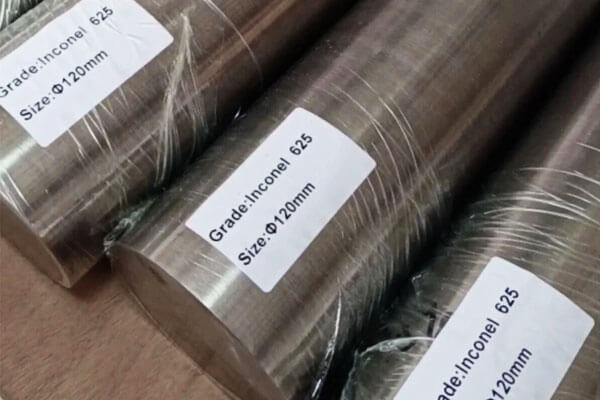
Inconel 625 is a nickel-chromium-molybdenum alloy strengthened primarily through solid-solution strengthening.
Its relatively high molybdenum and niobium contents contribute significantly to its mechanical strength and resistance to localized corrosion.
Its major alloying elements serve different purposes:
- Nickel (Ni): Provides the corrosion-resistant matrix and contributes to resistance against chloride-induced stress corrosion cracking.
- Chromium (Cr): Promotes the formation of a protective passive oxide film, improving resistance to oxidation and many corrosive environments.
- Molybdenum (Mo): Improves resistance to pitting and crevice corrosion, particularly in chloride-containing environments.
- Niobium (Nb): Works with molybdenum to strengthen the alloy through solid-solution effects and helps control carbide precipitation during welding and heat treatment.
The combination of chromium, molybdenum, and niobium gives Inconel 625 a valuable balance of strength, toughness, weldability, and corrosion resistance.
Hastelloy C276: High Molybdenum and Tungsten for Severe Corrosion
Hastelloy C276 is a nickel-molybdenum-chromium alloy containing tungsten and a very low carbon content.
Its composition is designed to provide excellent resistance to both reducing and oxidizing corrosive environments.
Its major alloying elements include:
- Nickel (Ni): Provides the corrosion-resistant base and helps maintain structural stability in aggressive chemical environments.
- Molybdenum (Mo): The primary contributor to resistance against reducing acids, pitting, and crevice corrosion.
- Chromium (Cr): Improves resistance to oxidizing media and supports passive film formation.
- Tungsten (W): Works together with molybdenum to enhance resistance to localized corrosion and aggressive chemical attack.
- Low Carbon (C): Reduces the risk of carbide precipitation and associated intergranular corrosion during welding.
The high molybdenum and tungsten contents make C276 particularly effective in environments containing hydrochloric acid, sulfuric acid under suitable conditions, wet chlorine, and complex mixtures of corrosive chemicals.
Typical Chemical Composition Comparison
The following values are approximate composition ranges in weight percent. Actual requirements should be checked against the applicable material specification and product form.
| Element | Inconel 625 (UNS N06625) | Hastelloy C276 (UNS N10276) |
| Nickel (Ni) | ≥58.0 | Balance |
| Chromium (Cr) | 20.0–23.0 | 14.5–16.5 |
| Molybdenum (Mo) | 8.0–10.0 | 15.0–17.0 |
| Niobium + Tantalum (Nb + Ta) | 3.15–4.15 | — |
| Tungsten (W) | — | 3.0–4.5 |
| Iron (Fe) | ≤5.0 | 4.0–7.0 |
| Cobalt (Co) | ≤1.0 | ≤2.5 |
| Carbon (C) | ≤0.10 | ≤0.01 |
3. Mechanical Properties: Which Alloy Is Stronger?
Inconel 625 generally offers higher strength than annealed Hastelloy C276, making it attractive for components exposed to combined mechanical and corrosive loading.
Typical Mechanical Properties
The following values are representative minimum or typical room-temperature values for solution-annealed or annealed wrought products.
Actual properties vary with product form, thickness, processing route, and specification.
| Mechanical Property | Inconel 625 | Hastelloy C276 |
| Density | ~8.44 g/cm³ | ~8.89 g/cm³ |
| Tensile Strength | ≥830 MPa | ≥690 MPa |
| Yield Strength (0.2% Offset) | ≥415 MPa | ≥283 MPa |
| Elongation | ≥30% | ≥40% |
| Elastic Modulus | ~207 GPa | ~205 GPa |
| Melting Range | ~1290–1350°C | ~1325–1370°C |
Note: These figures are reference values, not guaranteed design allowables. The applicable material specification and product condition must govern engineering calculations.
4. Corrosion Resistance: The Most Important Selection Factor
The most significant difference between these alloys becomes apparent when they are exposed to specific corrosive media.
Seawater and Chloride-Containing Environments
Both Inconel 625 and Hastelloy C276 provide excellent resistance to seawater and many chloride-containing environments.
Their high nickel and molybdenum contents help resist pitting and crevice corrosion, while their nickel-based matrices provide good resistance to chloride-induced stress corrosion cracking.
Inconel 625 is widely used in:
- Marine heat exchangers.
- Offshore platform components.
- Seawater piping and fittings.
- Subsea equipment.
- Marine fasteners and expansion joints.
Hastelloy C276 is also suitable for demanding marine and chloride-containing environments, especially where seawater is mixed with other aggressive chemicals.
However, actual seawater performance depends on more than alloy grade. Important factors include:
- Chloride concentration and temperature.
- Flow velocity and stagnant zones.
- Deposits and marine fouling.
- Crevice geometry and gasket design.
- Oxygen content and oxidizing conditions.
For example, a heat exchanger exposed to warm, stagnant seawater with deposits around tube supports may experience localized corrosion even when manufactured from a highly corrosion-resistant alloy.
In this situation, the design should address crevice formation, cleaning access, and fluid circulation rather than relying on material selection alone.
Hydrochloric Acid and Other Reducing Acids
This is an area where Hastelloy C276 generally has a clear advantage.
Hydrochloric acid is a strongly reducing acid that can rapidly attack many stainless steels and conventional nickel alloys.
C276’s high molybdenum and tungsten contents provide excellent resistance across a broad range of hydrochloric acid concentrations and temperatures.
Typical applications include:
- Hydrochloric acid storage and transfer systems.
- Chemical reactors.
- Acid pickling equipment.
- Chemical processing vessels.
- Corrosive acid pipelines.
Inconel 625 also provides good corrosion resistance in many chemical environments, but it should not automatically replace C276 in severe hydrochloric acid service.
The actual corrosion rate must be evaluated against acid concentration, temperature, impurities, and operating conditions.
Sulfuric Acid and Mixed-Acid Environments
Sulfuric acid service requires particularly careful material selection because its corrosivity changes significantly with concentration and temperature.
Dilute sulfuric acid can be highly aggressive, while concentrated sulfuric acid may behave differently depending on temperature, aeration, and contamination.
Hastelloy C276 is often considered for sulfuric acid equipment, particularly when the medium contains other corrosive species or when operating conditions fluctuate.
It is also valuable in mixed-acid environments where hydrochloric acid, sulfuric acid, and chloride salts may be present together.
Inconel 625 can perform well in selected sulfuric acid applications, but its suitability should be established using actual corrosion data for the operating medium.
Important: Neither alloy should be described as universally immune to sulfuric acid corrosion. Concentration, temperature, flow conditions, and impurities can substantially change corrosion behavior.
Wet Chlorine and Oxidizing Environments
Wet chlorine is especially aggressive because moisture promotes the formation of highly corrosive chlorine-containing species.
Hastelloy C276 is widely recognized for its resistance to wet chlorine and many mixed oxidizing/reducing chemical environments.
Its combination of chromium, molybdenum, and tungsten helps maintain corrosion resistance under challenging conditions.
Inconel 625 also offers excellent resistance to many oxidizing and chloride-containing environments, but C276 is often the preferred starting point when wet chlorine or strongly reducing chemical mixtures dominate the service conditions.
For highly oxidizing media, however, C276 is not automatically the best choice.
Certain strongly oxidizing chemicals, particularly under specific high-temperature or high-concentration conditions, may require a different alloy.
5. High-Temperature Performance: When Heat Resistance Matters
Both alloys can operate in elevated-temperature environments, but their performance priorities are different.
Inconel 625 is particularly attractive when high temperature must be combined with mechanical loading and oxidation resistance.
Hastelloy C276 is primarily selected for corrosion resistance, including in certain elevated-temperature chemical processes.
Inconel 625: Strength and Oxidation Resistance at Elevated Temperatures
Inconel 625 maintains useful mechanical strength and corrosion resistance over a broad temperature range.
Its chromium content supports oxidation resistance, while molybdenum and niobium contribute to its mechanical performance.
Typical applications include:
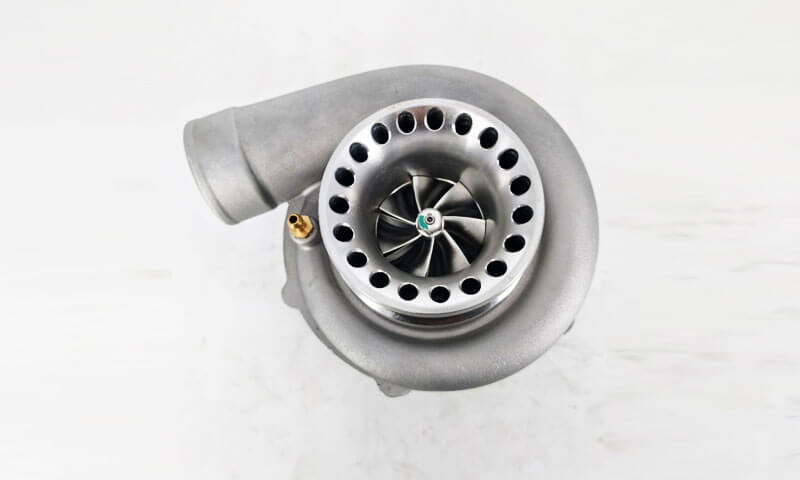
- Aircraft engine exhaust systems.
- Gas turbine components.
- Industrial furnace parts.
- High-temperature heat exchangers.
- Exhaust bellows and expansion joints.
Inconel 625 is commonly used in applications where components experience thermal cycling, oxidation, vibration, and mechanical stress.
However, its high-temperature capability should not be interpreted as unlimited.
Long-term exposure to elevated temperatures can cause microstructural changes, precipitation, and changes in ductility or toughness. Design limits must therefore account for exposure time, stress, and operating atmosphere.
Hastelloy C276: Corrosion Resistance in Hot Chemical Processes
Hastelloy C276 is often used in chemical processing equipment where both elevated temperature and aggressive chemical exposure are present.
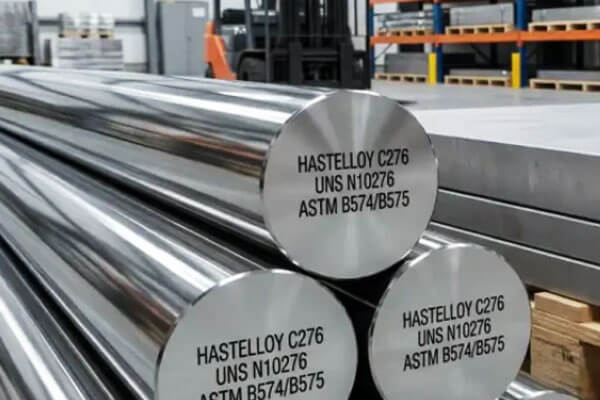
Examples include:
- Hot acid-processing equipment.
- Chemical reaction vessels.
- Flue gas desulfurization systems.
- High-temperature corrosive gas handling equipment.
- Chemical scrubbers and absorption towers.
Its strength is not simply its ability to tolerate heat. It is the ability to retain useful corrosion resistance in chemical environments where many conventional alloys fail.
For applications involving prolonged high-temperature exposure, engineers should also consider possible precipitation and microstructural changes.
The operating temperature, duration, welding condition, and post-fabrication heat treatment can all influence performance.
Selection principle: Choose Inconel 625 when elevated-temperature strength and oxidation resistance are central requirements.
Consider Hastelloy C276 when the dominant challenge is corrosion in hot, aggressive chemical media.
6. Welding, Machining, and Fabrication Considerations
Both Inconel 625 and Hastelloy C276 are considered weldable nickel-based alloys, but their work-hardening behavior and cutting characteristics require appropriate manufacturing controls.
Welding Performance
Both alloys can be welded using suitable processes, including:
- Gas Tungsten Arc Welding (GTAW/TIG).
- Gas Metal Arc Welding (GMAW/MIG).
- Plasma Arc Welding (PAW).
- Shielded Metal Arc Welding (SMAW), with suitable consumables.
Inconel 625 is frequently welded using matching or compatible nickel-based filler metals, including ERNiCrMo-3 for GTAW and GMAW applications.
Hastelloy C276 is commonly welded using matching filler metal such as ERNiCrMo-4.
C276’s low carbon content helps reduce the risk of sensitization and intergranular corrosion during welding. Nevertheless, correct welding procedures remain essential.
For components exposed to severe corrosion, weld procedure qualification and post-weld surface cleaning should be included in the manufacturing plan.
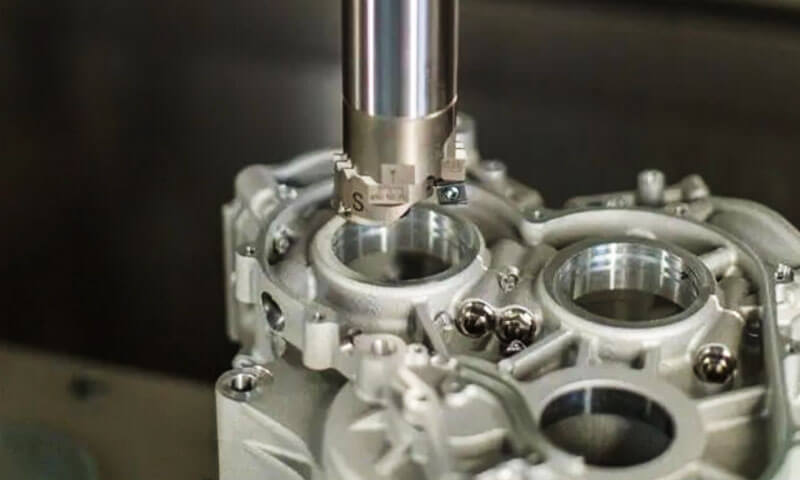
CNC Machining Challenges
Both alloys are more difficult to machine than conventional stainless steels.
Their low thermal conductivity, high strength, and tendency to work-harden create several machining challenges:
- Cutting heat concentrates near the tool edge.
- Work hardening increases cutting resistance.
- Tool wear can accelerate under unstable cutting conditions.
- Poor chip evacuation can cause surface damage and tool failure.
To achieve consistent machining quality, manufacturers should consider:
- Use rigid machine setups: Minimize vibration and tool deflection.
- Select suitable cutting tools: Use carbide grades and coatings designed for nickel-based alloys.
- Maintain continuous cutting: Avoid unnecessary tool dwell and rubbing.
- Control cutting parameters: Use appropriate speeds, feeds, and depths of cut for the specific alloy and operation.
- Manage coolant delivery: Apply sufficient coolant to control cutting temperature and remove chips.
Inconel 625 and C276 both require experienced machining practices. The actual machining difficulty depends on material condition, component geometry, tool selection, and machining strategy.
Casting and Component Manufacturing
For complex industrial components, the manufacturing route is another important consideration.
Depending on the component’s geometry and performance requirements, nickel-based alloys may be supplied as wrought products, fabricated assemblies, or cast components.
Typical manufacturing routes include:
- Investment casting for complex near-net-shape components.
- CNC machining for precision features and dimensional control.
- Welding and fabrication for vessels, pipelines, and structural assemblies.
- Heat treatment and surface finishing where required by the applicable specification.
Investment casting is particularly useful for components with complex internal passages, curved flow channels, thin walls, or intricate geometries that would be difficult to manufacture through conventional machining.
However, casting a nickel-based superalloy requires strict control of melting, pouring, mold materials, solidification, and heat treatment.
The final properties must be verified against the applicable casting specification and inspection requirements.
7. Typical Applications: Where Should You Use Each Alloy?
The most effective way to understand the difference between these alloys is to examine how their properties match real industrial applications.
Applications for Inconel 625
Marine and Offshore Engineering
Inconel 625 is widely used in marine equipment because it combines excellent seawater corrosion resistance with high strength and good fatigue performance.
Typical components include:
- Seawater heat exchanger tubes and fittings.
- Offshore platform piping components.
- Subsea connectors and fasteners.
- Marine exhaust systems.
- Expansion joints and bellows.
Aerospace and Gas Turbine Systems
Its combination of high-temperature strength, oxidation resistance, and fatigue performance makes Inconel 625 suitable for selected aerospace and gas turbine applications.
Examples include:
- Aircraft engine exhaust components.
- Combustion system hardware.
- Engine ducts and transition sections.
- High-temperature fasteners.
Industrial Heat Exchangers
Inconel 625 can be used in heat exchangers where corrosion resistance, thermal cycling, and mechanical integrity are required simultaneously.
It is particularly attractive when the equipment handles chloride-containing fluids or operates under demanding thermal conditions.
Applications for Hastelloy C276
Chemical Processing Equipment
C276 is widely used in chemical processing because of its strong resistance to aggressive acids and mixed corrosive media.
Typical components include:
- Chemical reactors.
- Acid storage tanks.
- Process pipelines and fittings.
- Heat exchanger components.
- Reaction vessel internals.
Flue Gas Desulfurization Systems
Flue gas desulfurization equipment can expose materials to acidic condensates, chloride contamination, and other aggressive chemical species.
Hastelloy C276 is commonly considered for scrubber components and related equipment where corrosion resistance is critical.
Acid Treatment and Pollution Control
C276 is also used in:
- Acid pickling equipment.
- Chemical absorption towers.
- Wet chlorine handling systems.
- Industrial scrubbers.
- Corrosive gas treatment equipment.
Its ability to resist a wide range of aggressive chemical environments makes it a valuable option for equipment where process chemistry may vary during operation.
8. Common Material Selection Mistakes to Avoid
Even experienced engineers can make material selection decisions based on incomplete information. The following mistakes are particularly important to avoid.
Mistake 1: Assuming higher molybdenum content guarantees better corrosion resistance.
Molybdenum improves resistance to many forms of localized corrosion and reducing-acid attack, but corrosion performance depends on the complete alloy composition and the operating environment.
Chromium, nickel, tungsten, and other elements also influence performance.
Mistake 2: Assuming C276 is always better because it resists stronger acids.
C276 offers excellent chemical corrosion resistance, but Inconel 625 may provide better mechanical strength and a more suitable balance of high-temperature and fatigue performance in certain applications.
Mistake 3: Selecting an alloy based only on room-temperature mechanical properties.
A component operating at elevated temperature may experience changes in strength, ductility, fatigue behavior, and microstructure.
Room-temperature tensile data alone cannot establish suitability for high-temperature service.
Mistake 4: Ignoring welds and fabrication effects.
The base metal may have excellent corrosion resistance, but poor welding practices, contamination, inappropriate filler metals, and inadequate surface cleaning can compromise the finished component.
Mistake 5: Choosing the lowest purchase price.
The correct alloy should be selected based on lifecycle performance. Saving on initial material cost is rarely worthwhile if it leads to premature equipment failure or frequent shutdowns.
9. Why Choose LangHe Industry for Custom Nickel Alloy Components?
Selecting the right nickel-based alloy is only the first step. Achieving reliable component performance also requires control over material quality, manufacturing processes, dimensional accuracy, and inspection.
LangHe Industry provides custom manufacturing solutions for demanding industrial components, combining investment casting and CNC machining capabilities.
For projects involving Inconel 625 and other corrosion-resistant nickel alloys, material selection should be aligned with the component’s geometry, operating environment, mechanical requirements, and applicable specifications.
From initial design review and manufacturing process planning to precision machining and quality inspection, LangHe works to ensure that each component meets its technical requirements.
Whether you need complex castings, precision-machined parts, or customized industrial components, contact LangHe to discuss your drawings, material specifications, and application conditions.
10. Conclusion
Inconel 625 and Hastelloy C276 are both high-performance nickel-based alloys, but they are optimized for different engineering priorities.
- Choose Inconel 625 when high strength, excellent chloride resistance, fatigue performance, and elevated-temperature oxidation resistance are important.
- Choose Hastelloy C276 when equipment must withstand aggressive reducing acids, wet chlorine, mixed chemical environments, and severe corrosion conditions.
The final decision should always be based on the complete service environment rather than a single property or alloying element.
Inconel 625 is often the better choice for strength-intensive marine and high-temperature applications. Hastelloy C276 is often the better choice for severe chemical processing environments.
A careful review of chemical composition, temperature, mechanical loading, fabrication method, and lifecycle cost will lead to a more reliable material selection.
FAQs
What is the main difference between Inconel 625 and Hastelloy C276?
Inconel 625 is a nickel-chromium-molybdenum alloy with niobium, optimized for high strength, fatigue resistance, oxidation resistance, and seawater resistance at elevated temperature.
Hastelloy C276 is a nickel-molybdenum-chromium alloy with tungsten, optimized for extreme chemical corrosion resistance in reducing acids, mixed acids, and wet chlorine.
Is Inconel 625 or Hastelloy C276 more expensive?
Both are high-cost nickel-based alloys, and prices fluctuate with raw material markets.
The difference is not always large, and the material price should not be the deciding factor. The cost of premature failure far exceeds the material price difference.
Can Inconel 625 be heat treated for higher strength?
Inconel 625 can be strengthened by aging, but it is most often used in the annealed condition. The choice depends on the required strength and the fabrication sequence.